Tomen y Mur, Gwynedd Travel Guide
Explore the evocative ruins of Tomen y Mur, a Roman fort and Norman motte steeped in history and Welsh legend amid Snowdonia’s wild landscape.
Tomen y Mur is a remarkable Roman fort site located in Snowdonia, Wales, dating back to the 1st century AD. Originally built to control the Ordovices tribe during Agricola's campaigns, the fort later evolved with stone reconstruction and was eventually abandoned around AD 140. The site also features a Norman motte from the 11th century and remnants of an amphitheatre, bathhouse, and parade ground, blending Roman military history with Welsh mythology and medieval heritage.
A brief summary to Tomen y Mur
- Blaenau Ffestiniog, Trawsfynydd, GB
- Click to display
- Duration: 1 to 2 hours
- Free
-
 Outdoor
- Mobile reception: 3 out of 5
- Monday 7 am-7 pm
- Tuesday 7 am-7 pm
- Wednesday 7 am-7 pm
- Thursday 7 am-7 pm
- Friday 7 am-7 pm
- Saturday 7 am-7 pm
- Sunday 7 am-7 pm

Know before you go
Hi, I'm Eve. Here are a few practical things to know before exploring Tomen y Mur.
- Bring children along to explore the open ruins and learn about Roman history in an engaging outdoor setting.
- Wear sturdy footwear as the site is on a hillside with uneven terrain and can be exposed to wind.
- Visit during daylight hours to fully appreciate the expansive views of the surrounding mountains.
- Look out for the reconstructed section of the Roman curtain wall to visualize the fort’s original defenses.
Do you manage this location?
Take control to get all the benefits, like improved information, better appearance, and stronger visibility across AI-powered discovery. Learn more about listing your business on Evendo
Activate your presenceOther nearby places you may find interesting
The closest places of the same kind, if this one is not quite what you had in mind.
Explore Tomen y Mur on the Map
A handpicked selection of must-see spots near Tomen y Mur, mapped for you.
Getting There
-
Train and Bus Combination
Take a train to Blaenau Ffestiniog, which is served by the Conwy Valley line. From Blaenau Ffestiniog, a local bus or taxi can reach Tomen y Mur in approximately 20-30 minutes. Train travel time from major hubs like Bangor is around 2-3 hours. Bus services may be infrequent, so plan accordingly. Train fares vary but typically range from £10 to £25 depending on origin.
-
Car Travel
Driving from Bala or Blaenau Ffestiniog, the journey to Tomen y Mur takes about 30-40 minutes via rural roads. Parking is limited near the site, so arrive early during peak season. Roads are narrow and winding, requiring careful driving. No entry fee applies, making this a cost-effective option.
-
Walking and Hiking
For the adventurous, hiking from nearby villages such as Trawsfynydd involves walking over uneven terrain and moderate inclines, taking approximately 1-1.5 hours. Suitable for those with good fitness and proper footwear. The route offers scenic views but limited facilities en route.
For the on-the-go comforts that matter to you
-
 Information Boards
-
 Seating Areas
-
 Trash Bins
Discover more about Tomen y Mur
Roman Military Presence in Remote Wales
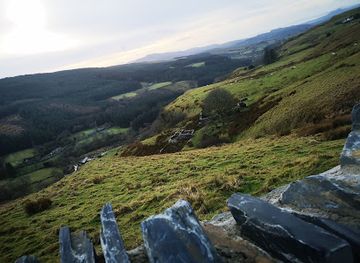
Tomen y Mur stands as one of the most complete Roman military sites in Britain, situated on the bleak, wind-swept slopes above Llyn Trawsfynydd in southern Snowdonia. Constructed around AD 78 during the governorship of Gnaeus Julius Agricola, the fort was part of a strategic campaign to subdue the fiercely resistant Ordovices tribe. Initially built with timber and earthworks, it covered approximately 1.7 hectares and housed a cavalry unit of about 1,000 mounted troops. The fort oversaw a critical crossroads of Roman roads, including the Sarn Helen, ensuring control over this lawless frontier region from the Roman perspective.Transition from Timber to Stone and Decline
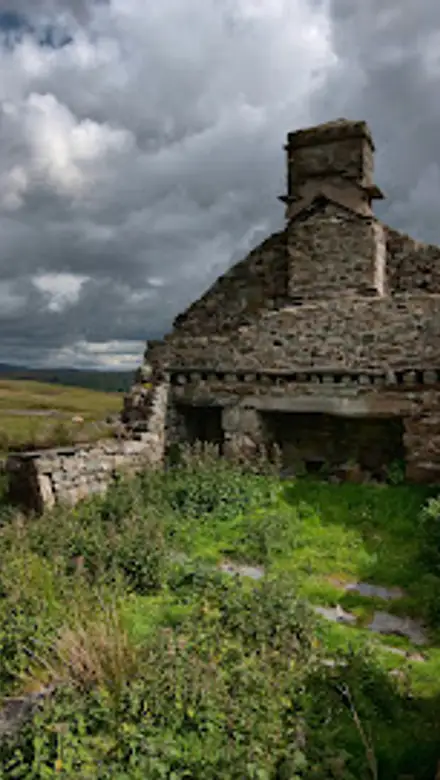
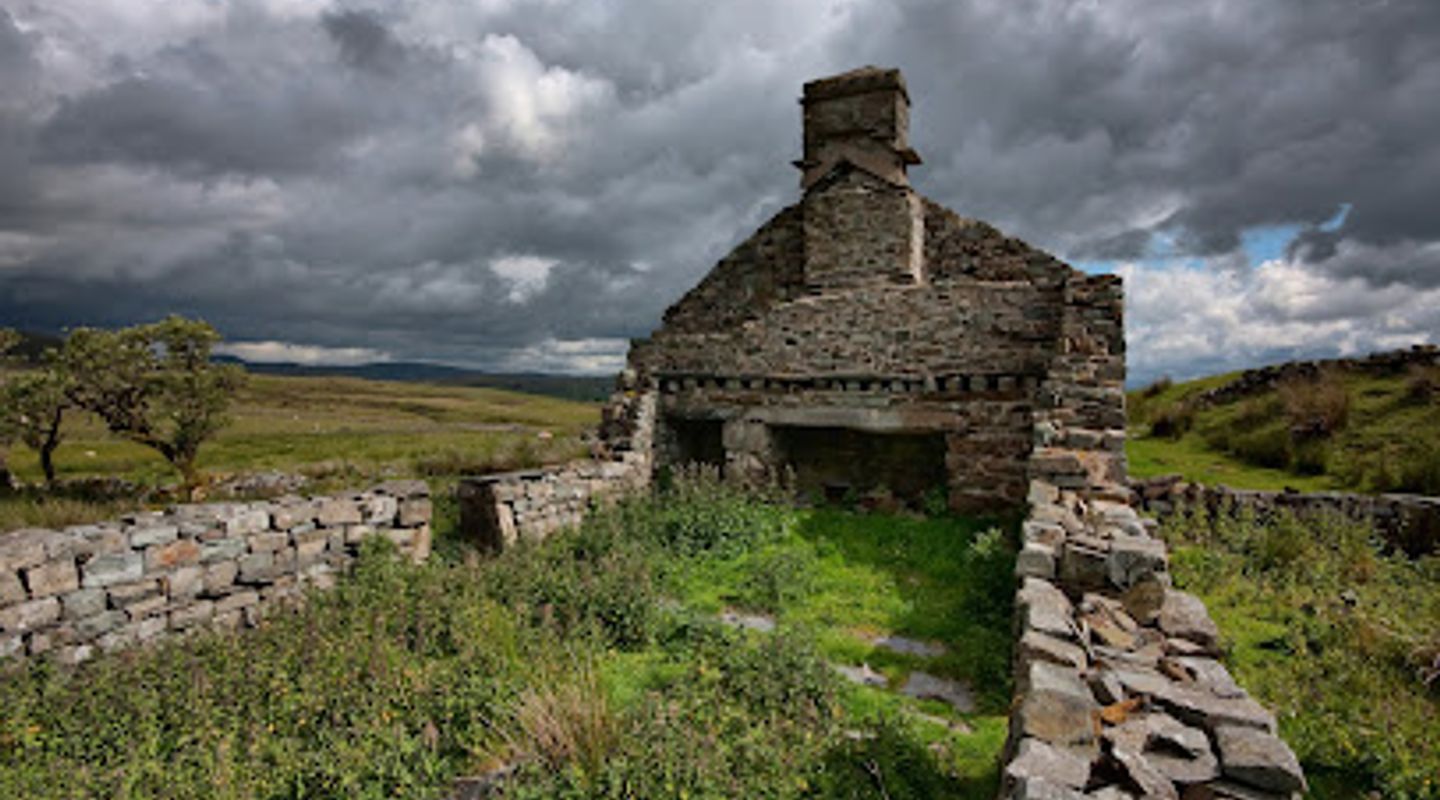
In the early 2nd century, as the military situation stabilized, the fort was rebuilt in stone to accommodate a smaller garrison of roughly 500 infantry. This reconstruction marked a shift from aggressive campaigns to a more settled garrison role. The stone walls, some of which have been partially reconstructed, were commemorated by inscribed Centurial Stones detailing the lengths of wall sections built by various Roman units. Despite these fortifications, the fort was abandoned around AD 140, reflecting the changing priorities of Roman Britain.Norman Influence and Welsh Mythology
Centuries after the Romans left, the site gained new significance during the Norman conquest of Wales. Around 1095, William Rufus established a motte—a steep-sided, circular earthwork mound—within the fort’s enclosure, using stones from the Roman ruins. This motte, about 36 meters in diameter and 6.5 meters high, dominates the site today and may conceal remnants of a Roman gate. The location also holds a special place in Welsh mythology, featuring in the Mabinogi legends as the palace of Ardudwy and the setting for tales of Lleu and Blodeuwedd, intertwining history with folklore.Archaeological Features and Landscape Setting
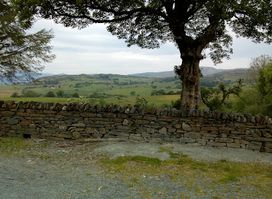
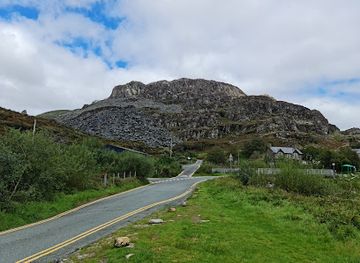
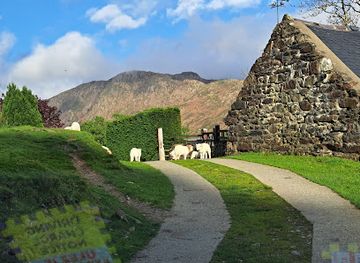
Visitors can explore the remains of the amphitheatre, one of the few in Britain built solely for military personnel, as well as the parade ground, bathhouse, and barracks. The fort’s layout, including practice camps and water supply leats, reveals the complexity of Roman military engineering in a remote and rugged landscape. The surrounding mountains, including Rhinog Fach and Rhinog Fawr, create a dramatic backdrop, enhancing the sense of isolation and strategic importance that characterized the site.Continuity and Legacy Through Time
After the Romans, the site likely continued to hold local importance, evidenced by a 5th-century gravestone discovered there and associations with the Welsh Cunedda dynasty. The Norman motte and earthworks reflect medieval military adaptations, while the area’s later history includes farming and the intrusion of a railway line serving the nearby slate mines. Today, Tomen y Mur offers a tangible connection to multiple layers of Welsh history, from ancient tribal resistance to Roman occupation, Norman conquest, and mythic tradition.Visitor Experience and Educational Value
Tomen y Mur invites visitors to immerse themselves in a landscape where history, archaeology, and legend converge. The site is ideal for families and history enthusiasts keen to explore Roman military life and medieval fortifications in a striking natural setting. The open-air ruins encourage exploration and imagination, with ample space for children to roam and engage with the past.












Your all‑in‑one travel companion app
Explore expert travel guides, compare and book tours, experiences, hotels, and more—all from the palm of your hand. Download now for seamless trip planning wherever your wanderlust takes you.


Explore More of Gwynedd
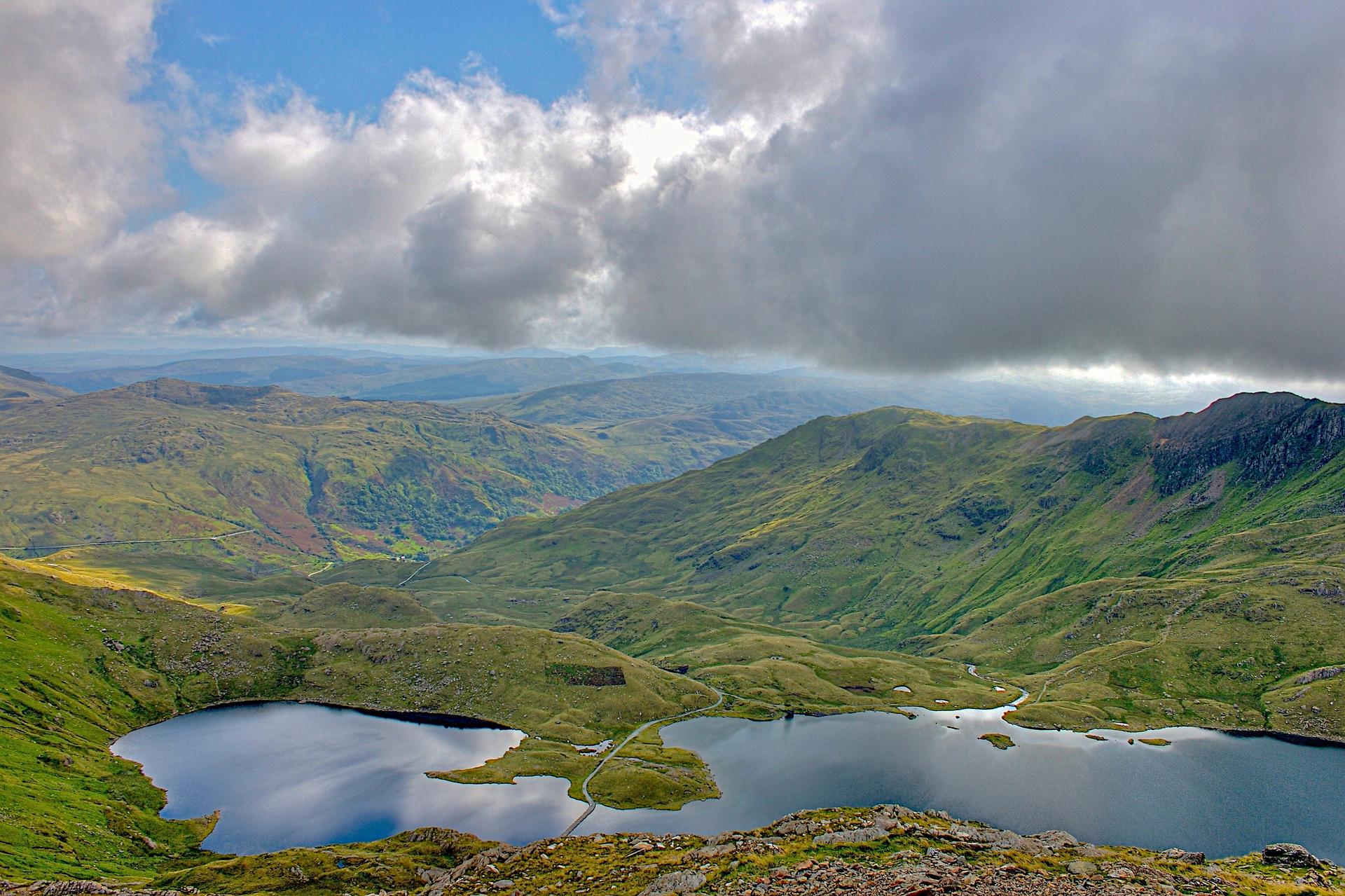
Looking beyond Tomen y Mur? Discover Gwynedd for broader travel guides, local hot-spots, and regional highlights.
Explore Gwynedd