
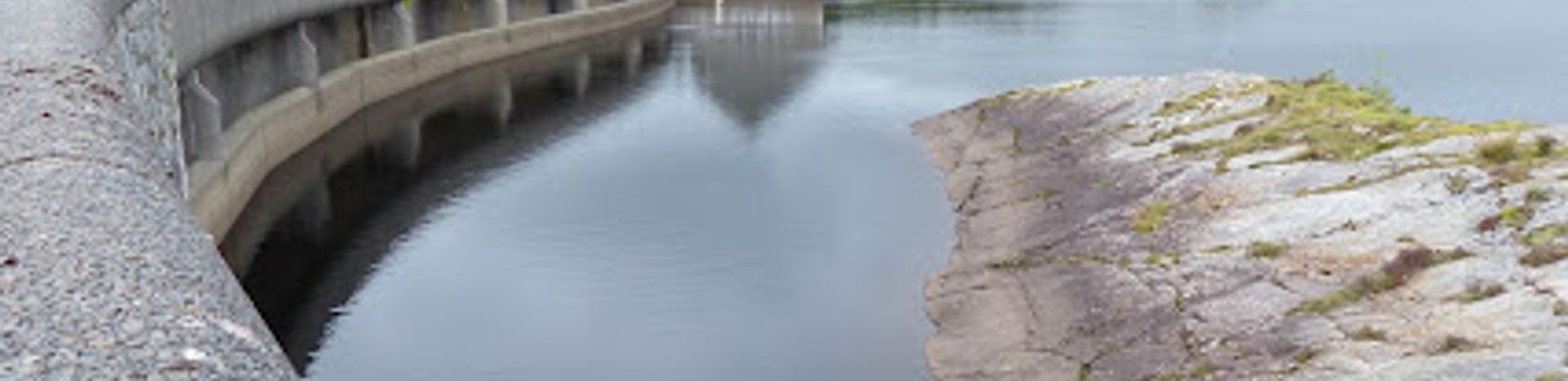
Trawsfynydd Magnox Nuclear Power Station
Explore the UK's only inland nuclear power station, a unique blend of industrial heritage and natural beauty in Snowdonia National Park.
Trawsfynydd Magnox Nuclear Power Station, located in Snowdonia National Park, Gwynedd, Wales, was the UK's only inland nuclear power station. Operational from 1965 to 1991, it used water from the artificial Llyn Trawsfynydd reservoir for cooling. Now undergoing a lengthy decommissioning process, the site is notable for its unique inland setting, pioneering nuclear legacy, and potential future as a small modular reactor test site.
A brief summary to Magnox
- Trawsfynydd Site, Blaenau Ffestiniog, Gwynedd, LL41 4DT, GB
- Duration: 0.5 to 1.5 hours
- Free
-
 Outdoor
- Mobile reception: 3 out of 5
Local tips
- The site is not open to public tours due to safety and ongoing decommissioning work, but nearby viewpoints offer views of the distinctive reactor buildings.
- Learn about the site's history and nuclear legacy through local museums and information centers in Gwynedd and Blaenau Ffestiniog.
- Explore the surrounding Snowdonia National Park for hiking, wildlife, and scenic lake views that complement the industrial site.
- Keep updated on potential future developments at Trawsfynydd, including plans for small modular reactors, which may impact access and activities.

For the on-the-go comforts that matter to you
- Information Boards
Getting There
-
Car
Driving from Blaenau Ffestiniog to Trawsfynydd takes approximately 20 to 30 minutes via the A470 and local roads. Parking near the site is limited and access is restricted due to decommissioning activities, so visitors should plan accordingly.
-
Bus
Local bus services connect Blaenau Ffestiniog with nearby villages, but direct public transport to the Trawsfynydd site is limited. Travelers should check current schedules and consider a taxi for the final leg, with total travel times ranging from 40 to 60 minutes.
-
Train and Taxi
The nearest train station is Blaenau Ffestiniog, served by the Conwy Valley Line. From there, a taxi ride of about 20 minutes is needed to reach the site, offering a convenient option for those relying on public transport.
Magnox location weather suitability
-
 Any Weather
-
 Rain / Wet Weather
-
 Clear Skies
-
 Windy Conditions
-
 Mild Temperatures
Discover more about Magnox
Unique Inland Nuclear Legacy in Snowdonia
Trawsfynydd Magnox Nuclear Power Station stands out as the only inland nuclear power station in the United Kingdom, uniquely situated within the stunning landscape of Snowdonia National Park in Gwynedd, Wales. Constructed between 1959 and 1965, the station was designed by Sir Basil Spence, a prominent architect who sought to harmonize the industrial complex with its natural surroundings. Unlike most UK nuclear plants built on the coast, Trawsfynydd drew cooling water from the man-made Llyn Trawsfynydd reservoir, originally created in the 1920s for hydroelectric power. This inland location and integration with the lake and landscape make the site a distinctive chapter in British nuclear history.Design and Operational Highlights
The power station housed two Magnox reactors, each cooled by carbon dioxide and generating a combined output of approximately 470 megawatts. The reactors were contained within imposing reinforced concrete buildings, rising about 180 feet high, which remain dominant features on the site. The complex also included turbine halls, fuel handling facilities, and an electricity substation, all linked by covered walkways. The station operated from 1965 until its closure in 1991 after 26 years of electricity generation. Its design included a notable Welsh cultural element—a large mosaic of a Welsh dragon in the central courtyard—reflecting pride in its regional identity.Decommissioning and Environmental Challenges
Since shutdown, Trawsfynydd has been undergoing a prolonged decommissioning process managed by Nuclear Restoration Services, a subsidiary of the UK Nuclear Decommissioning Authority. Initially planned to take over a century, this process has been accelerated due to structural deterioration and safety concerns. The removal of spent fuel was completed by 1997, but intermediate-level waste and radioactive contamination remain challenges, especially due to historic leaks from cooling ponds in the 1970s and 1980s. The site is considered a 'lead and learn' facility for decommissioning Magnox reactors across the UK, with ongoing efforts to safely dismantle and restore the area while managing environmental impacts.Community and Cultural Context
The station’s presence in a region with a strong industrial heritage—quarrying, explosives manufacturing, and hydroelectric power—helped local communities accept its risks and employment benefits. Activist groups like CADNO emerged to protest nuclear risks but also reflect the complex relationship between nuclear industry and the Welsh landscape. The site’s legacy includes both its industrial significance and the controversies surrounding radioactive releases and environmental safety.Future Prospects and Innovation
Looking ahead, Trawsfynydd is being considered for redevelopment as a test site for small modular reactors (SMRs), representing a potential new chapter in UK nuclear technology. This could position the site at the forefront of modern nuclear innovation, contrasting with its historic role while leveraging its existing infrastructure and experience in nuclear operations and decommissioning.Setting and Visitor Experience
Nestled within the scenic Snowdonia National Park, the site offers a striking juxtaposition of industrial architecture and natural beauty. The large concrete reactor buildings dominate the landscape, surrounded by the tranquil waters of Llyn Trawsfynydd and rolling hills. While the site is closed to the public due to safety and ongoing work, its imposing presence and history make it a unique point of interest for those exploring the region’s industrial heritage and nuclear legacy.Iconic landmarks you can’t miss

Snowdonia Adventure Activities
6.0 km
Discover outdoor adventure in Snowdonia with thrilling activities surrounded by stunning landscapes, perfect for all adventure enthusiasts.
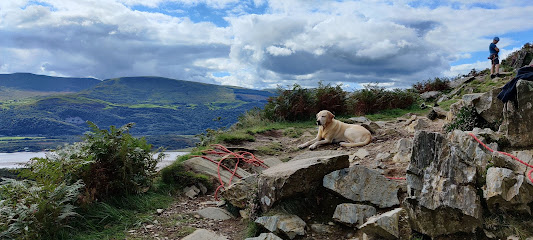
Ynys Cyngar
14.5 km
Historic maritime landmark on the Glaslyn estuary, offering scenic coastal views and a glimpse into North Wales’ slate and shipping heritage.
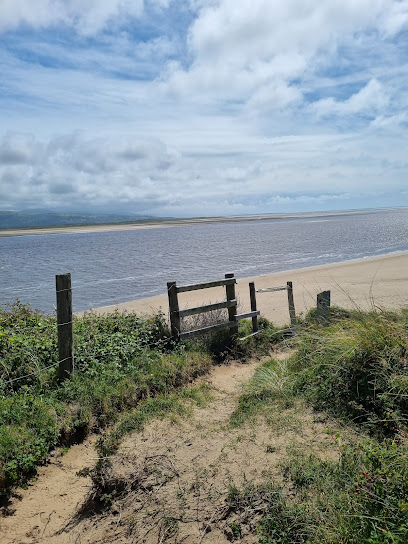
Castell Carndochan
16.6 km
Explore the evocative ruins of Carndochan Castle, a remote 13th-century Welsh fortress nestled in the rugged mountains of Gwynedd.

Moel Berfedd
18.1 km
Discover the breathtaking views and serene landscapes of Moel Berfedd, a scenic point in Caernarfon, perfect for nature lovers and adventurers.
Yr Wyddfa
18.4 km
Discover the breathtaking beauty and adventure of Yr Wyddfa, the highest peak in Wales, nestled in the stunning Snowdonia National Park.
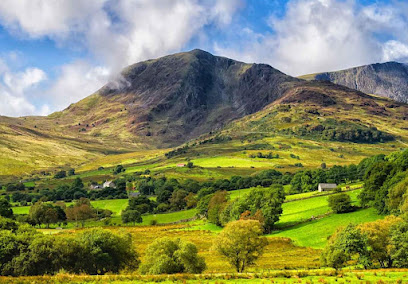
Gorsaf Copa'r Wyddfa Summit Station
18.4 km
The high-altitude terminus of the Snowdon Mountain Railway, offering panoramic views and access to the summit of Wales’ highest mountain.
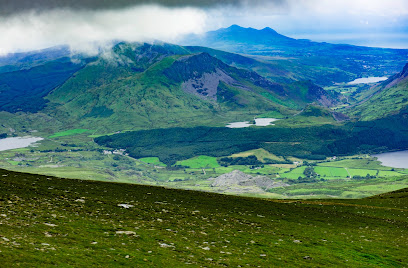
Ffos Anoddun
18.8 km
Discover the enchanting beauty of Ffos Anoddun in Betws-y-Coed, a must-visit tourist attraction in the heart of Snowdonia National Park.
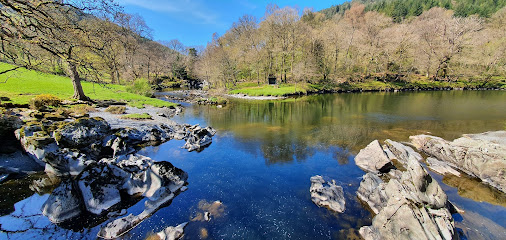
Cymer Abbey
18.8 km
Explore the enchanting ruins of Cymer Abbey, a historic site nestled in the heart of Snowdonia National Park, perfect for history lovers and nature enthusiasts.
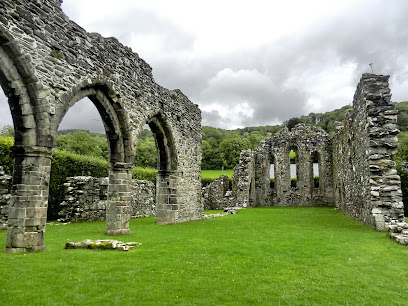
National Trust - Ysbyty Ifan
19.0 km
Explore the enchanting Ysbyty Ifan, a historical landmark in North Wales, rich in heritage and surrounded by breathtaking natural beauty.
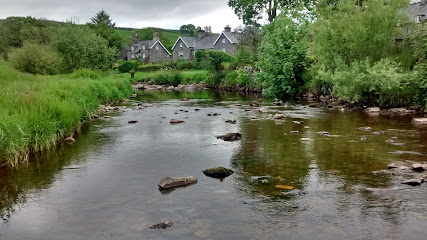
Garnedd Ugain
19.0 km
Wales’ second-highest peak, part of the dramatic Snowdon Horseshoe, with sweeping views and rugged alpine terrain.
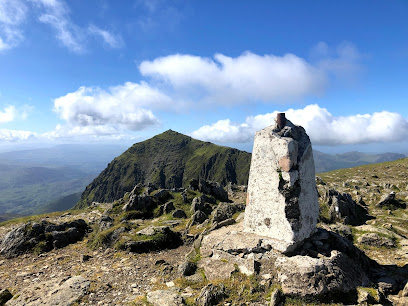
Aber-marchnad
19.6 km
Historic coastal market site at Criccieth, marked by resilience and scenic views beside the iconic castle ruins.
Plas y Brenin - National Outdoor Centre
19.7 km
Discover adventure at Plas y Brenin, the National Outdoor Centre, where thrilling outdoor activities meet the stunning scenery of Snowdonia, Wales.
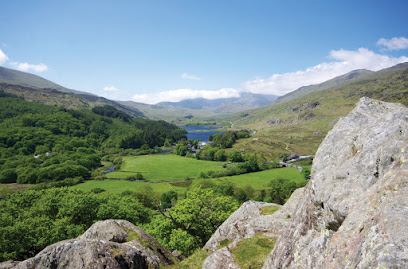
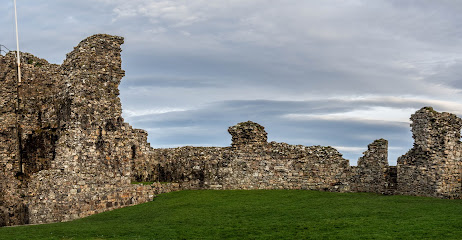
Castell Cricieth
19.8 km
Explore Criccieth Castle, a historical gem offering breathtaking views and rich Welsh heritage on the stunning coast of Cardigan Bay.
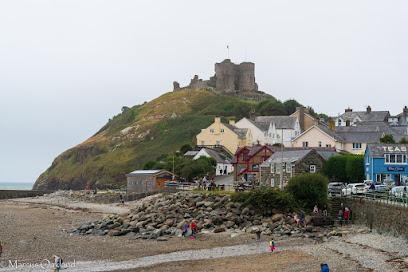
Criccieth
19.8 km
Discover Criccieth, a charming coastal village in North Wales with stunning beaches, historic castles, and a vibrant local culture for every traveler.
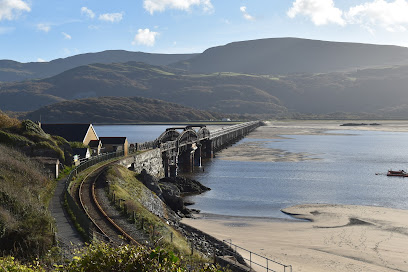
The Mawddach Trail
19.9 km
Explore the breathtaking Mawddach Trail, where stunning landscapes meet tranquil pathways, perfect for hikers and cyclists alike in Wales.
Unmissable attractions to see

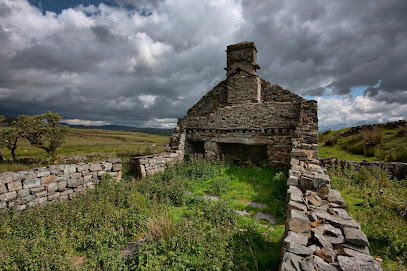
Tomen y Mur
0.8 km
Explore the evocative ruins of Tomen y Mur, a Roman fort and Norman motte steeped in history and Welsh legend amid Snowdonia’s wild landscape.
Llyn Trawsfynydd
1.7 km
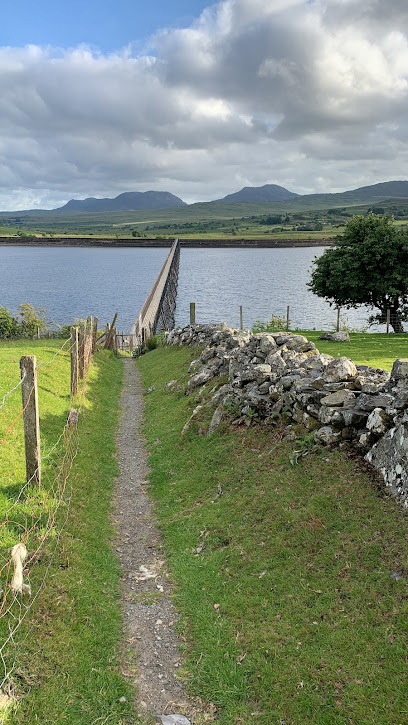
Explore Llyn Trawsfynydd, a vast reservoir in Snowdonia offering fishing, scenic trails, abundant wildlife, and tranquil natural beauty.
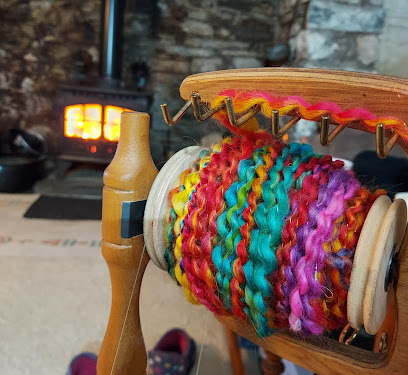
Hairy Dog Crafts
2.9 km
Discover authentic Welsh wool blends and artisan crafts in the serene hills of Snowdonia at Hairy Dog Crafts.
SNOWDONIA
3.9 km
Explore Snowdonia’s majestic peaks, rich heritage, and thrilling adventures in Wales’ iconic national park.
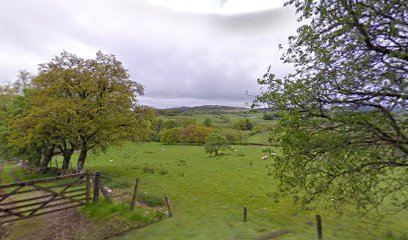
Eryri National Park (Snowdonia)
3.9 km
Discover Wales’ wild heart in Eryri National Park—where towering peaks, rich heritage, and tranquil landscapes await every adventurer.
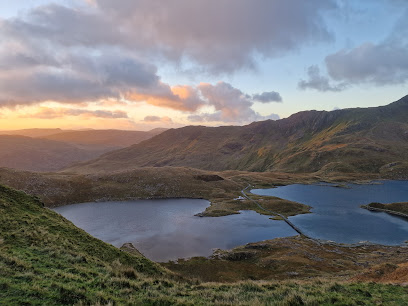
Yr Ysgwrn
4.3 km
Step into the tranquil Welsh farmhouse of poet Hedd Wyn and explore a moving legacy of culture and history in Snowdonia National Park.
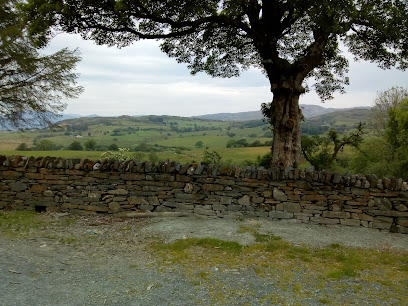
Ceunant Llennyrch National Nature Reserve
4.7 km
Explore ancient temperate rainforest, dramatic waterfalls, and rare mosses in the tranquil gorge of Ceunant Llennyrch within Snowdonia National Park.
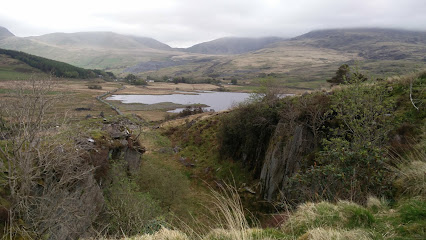
Plas Tan y Bwlch
4.9 km
Historic 18th-century manor and environmental study centre nestled in scenic Snowdonia with Grade II* gardens and pioneering hydro-electric heritage.
Coedydd Maentwrog National Nature Reserve
5.0 km
Step into a Welsh temperate rainforest: ancient oaks, moss-draped trees, rare bats and the whistle of a steam train in the valley below.
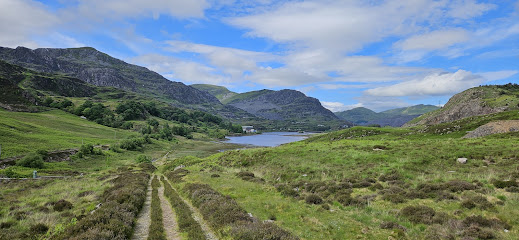
Cwm Cynfal viewpoint
5.0 km
Discover sweeping views of Snowdonia’s peaks, tranquil valleys, and shimmering bays from this serene and accessible Welsh viewpoint.
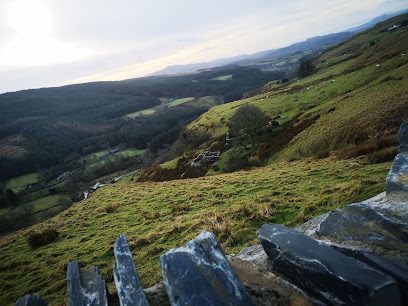
Llyn Tecwyn Isaf
6.9 km
A peaceful lake retreat near Talsarnau, perfect for gentle hikes, fishing, and soaking in the tranquil Welsh countryside.
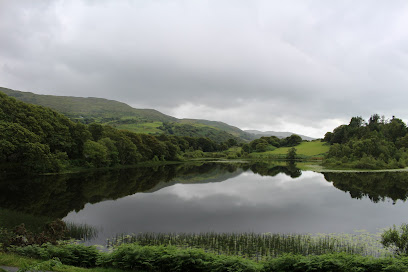
Blaenau Ffestiniog Waterfalls
7.2 km
Discover the serene beauty and rugged charm of Blaenau Ffestiniog Waterfalls, a captivating hiking destination in North Wales.
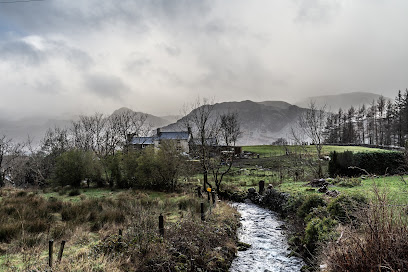
Cwmorthin Waterfall
7.4 km
Discover the serene Cwmorthin Waterfall amid historic slate quarry ruins and reflective lake views in the heart of North Wales.
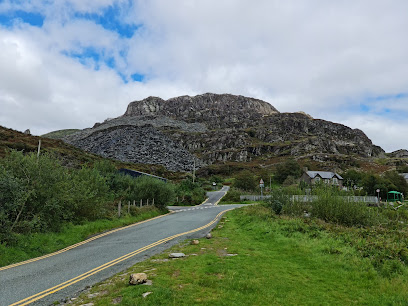
Ffestiniog Railway - (Blaenau Festiniog, Station)
7.7 km
Experience the world’s oldest narrow-gauge steam railway from Blaenau Ffestiniog through Snowdonia’s breathtaking landscapes.
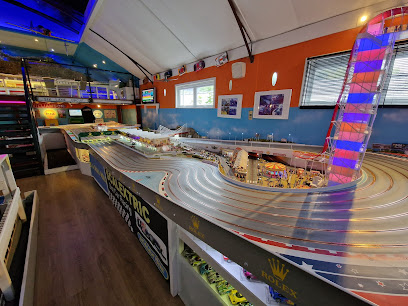
It's a small world
7.7 km
Quirky slot-car racing and miniature golf in a charming one-room wonderland hidden behind a café.
Essential places to dine

Bryn Arms
1.9 km
Experience authentic Welsh cuisine and warm hospitality at Bryn Arms in beautiful Blaenau Ffestiniog.
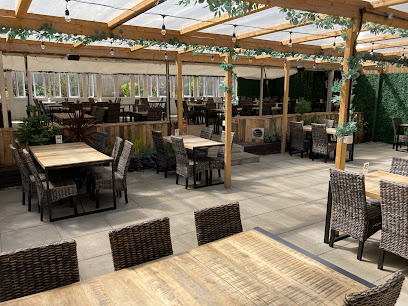
The Grapes Hotel, Bar & Restaurant
4.1 km
A welcoming traditional inn with hearty home-cooked meals and stunning Snowdonia views in the heart of Maentwrog.
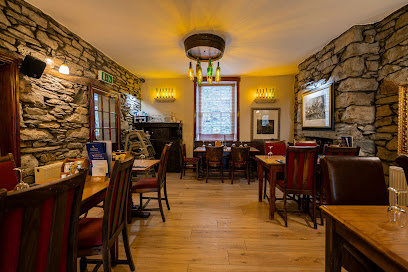
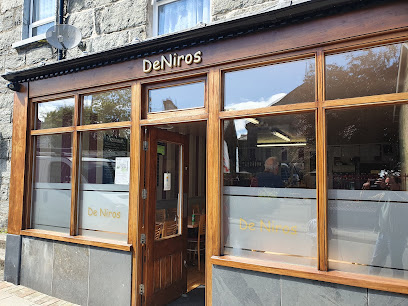
De Niros
7.6 km
Cozy and affordable café-restaurant in Blaenau Ffestiniog serving hearty meals and vegan-friendly options in a welcoming atmosphere.
Castell Deudraeth Brasserie
10.6 km
Historic castle dining with contemporary Welsh cuisine and scenic mountain views in the heart of Portmeirion Village.
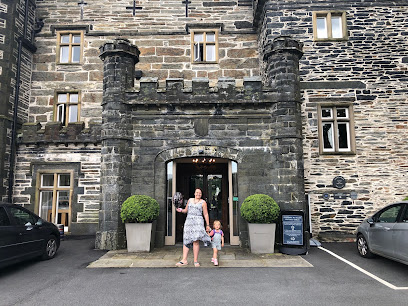
Good Mood restaurant
12.9 km
A stylish Italian and burger restaurant offering harbour views and vibrant dining within Porthmadog’s historic Madoc Yacht Club.
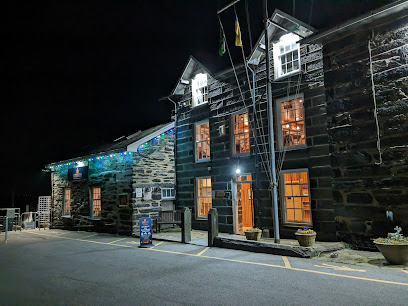
Yr Hen Fecws Restaurant and B&B
13.0 km
A cosy bistro and charming B&B in Porthmadog offering fine seasonal dining and warm Welsh hospitality in the heart of Snowdonia.
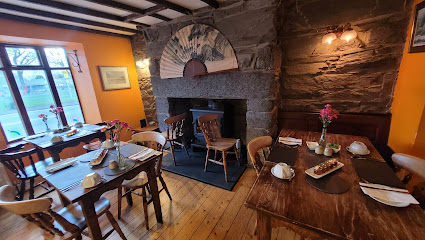
Caffi Castell Harlech
13.6 km
A cozy café in Harlech’s Castle Square serving fresh Welsh produce daily amid historic charm.
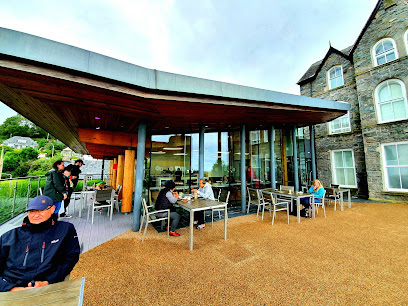
The Plas Restaurant
13.7 km
Savor traditional Welsh flavors with stunning views of Harlech Castle at The Plas Restaurant on Harlech’s High Street.
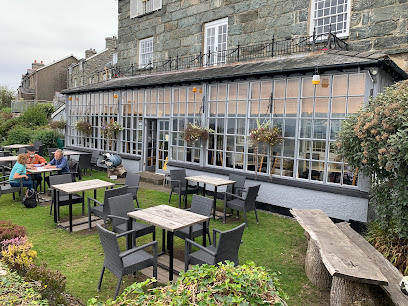
Y Sgwâr
13.7 km
Experience warm hospitality and exquisite British-European cuisine in the heart of historic Tremadog at Y Sgwâr.
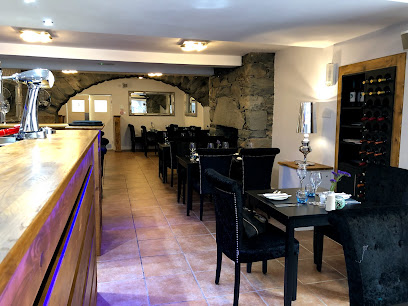
Caffi Gwynant
14.2 km
Charming converted chapel café in Snowdonia serving hearty breakfasts, homemade cakes, and local delights in a warm, rustic setting.
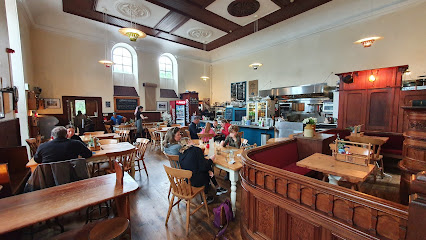
Caffi Colwyn
14.6 km
Charming family-run café in Beddgelert with cosy interiors, a peaceful riverside tea garden, and a menu catering to all tastes including vegan and gluten-free options.
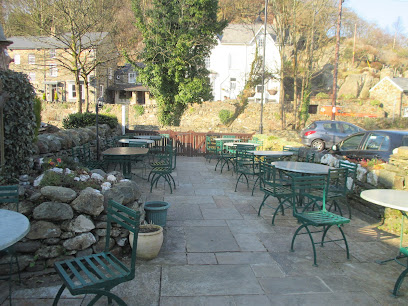
Y Bistro yn yr Hebog
14.7 km
A cozy family-run bistro in Beddgelert offering exquisite local cuisine and warm hospitality in the heart of Snowdonia.
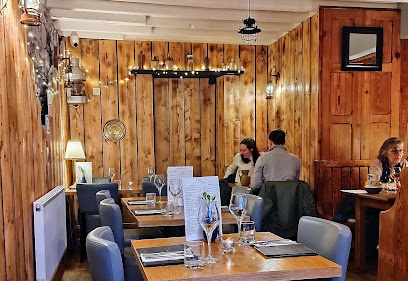
Antalya Kebab
18.8 km
Discover authentic Turkish flavors at Antalya Kebab in Dyffryn Ardudwy - where every bite tells a story.
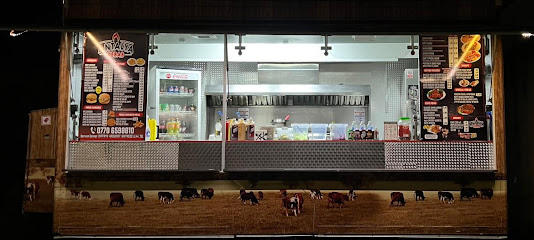
Yr Eagles Llanuwchllyn
19.2 km
A warm, welcoming village pub and restaurant in Llanuwchllyn offering local flavors, friendly service, and a cozy community atmosphere in Snowdonia.
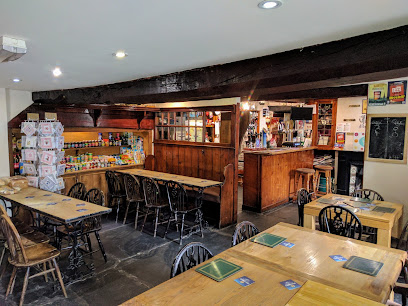
Dylan's Criccieth
19.2 km
Experience fresh Welsh seafood and stunning sea views in a charming Art Deco setting at Dylan's Criccieth on the North Wales coast.
Markets, malls and hidden boutiques

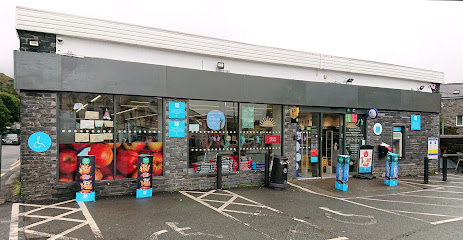
Co-op Food - Blaenau Ffestiniog
7.7 km
Your friendly Co-op Food store on Blaenau Ffestiniog’s High Street, offering fresh, ethical groceries and community care every day.
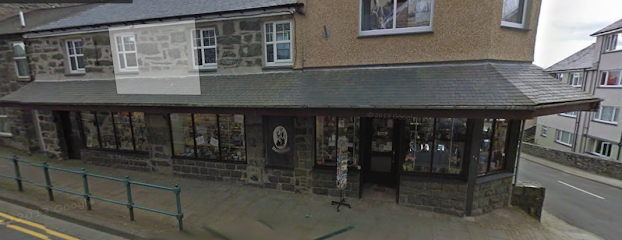
Siop y Gloddfa
7.7 km
Discover authentic Welsh crafts and unique local gifts in the heart of Blaenau Ffestiniog’s historic slate town.
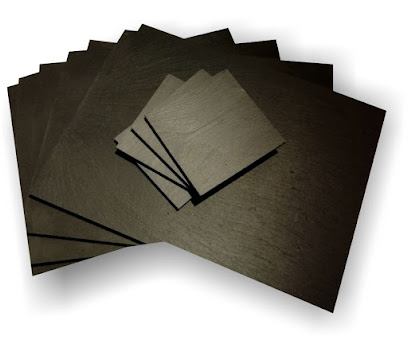
Maricraft Slate World
8.5 km
Discover exquisite handcrafted Welsh slate art in the historic heart of Blaenau Ffestiniog’s legendary quarry.
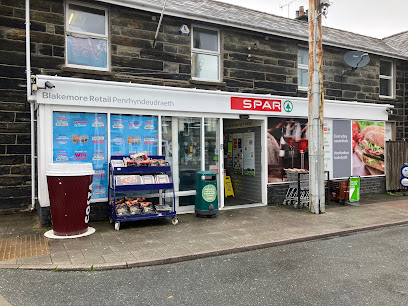
SPAR Penrhyn
8.7 km
Discover SPAR Penrhyn, your convenient shopping destination in Penrhyndeudraeth, offering local favorites and essentials for every traveler.
Bron y Garth Emporium
9.5 km
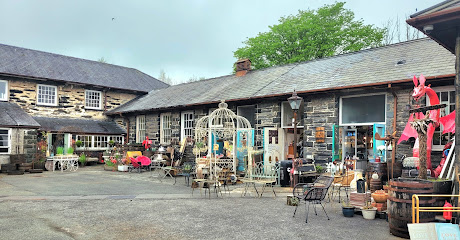
Discover authentic Welsh craftsmanship and vintage treasures at Bron y Garth Emporium, a charming multi-building homewares shop in Penrhyndeudraeth.
Pot Jam
10.9 km
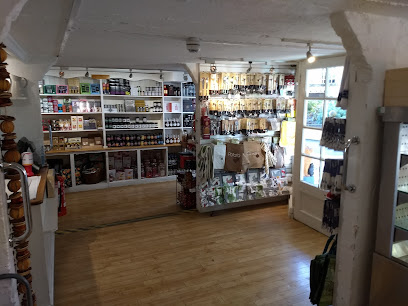
Discover authentic Welsh jams, chutneys, and local treats in the charming pantry shop of Portmeirion’s scenic village.
The Ship Shop
10.9 km
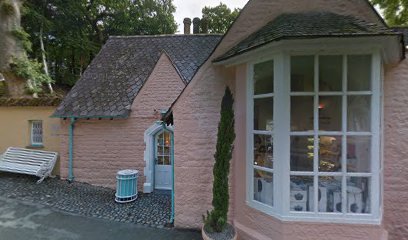
Discover unique gifts and local charm at The Ship Shop, nestled in the enchanting Italianate village of Portmeirion, North Wales.
Pop Local And Beyond
12.8 km
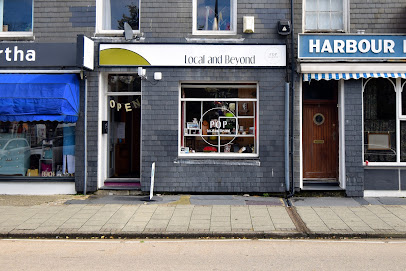
Discover authentic Welsh handmade gifts and homeware at Pop Local and Beyond, supporting local artisans in the heart of Porthmadog.
Cymru Country Store
12.8 km
Discover authentic Welsh gifts and crafts at Cymru Country Store, Porthmadog’s charming souvenir shop on High Street.
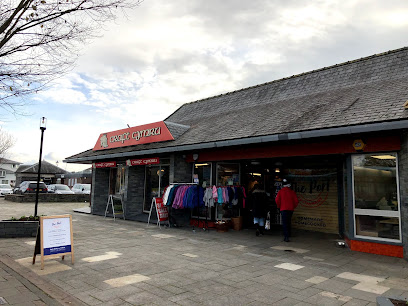
Crafts North Wales
12.8 km
Discover authentic handmade crafts and local treasures at Crafts North Wales, a charming gift shop in the heart of Porthmadog.
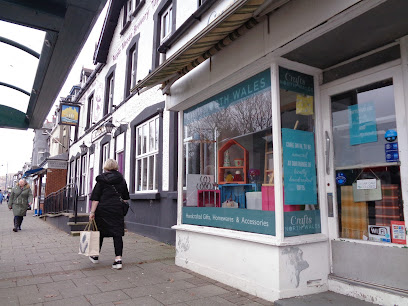
The Original Factory Shop (Porthmadog)
13.0 km
Discover unbeatable deals on quality clothing, beauty, and footwear at The Original Factory Shop in the heart of Porthmadog.

Boho Bazaar
13.1 km
A colourful, fair-trade gift shop on Porthmadog’s High Street, filled with bohemian clothing, handmade jewellery, essential oils and global-inspired décor.
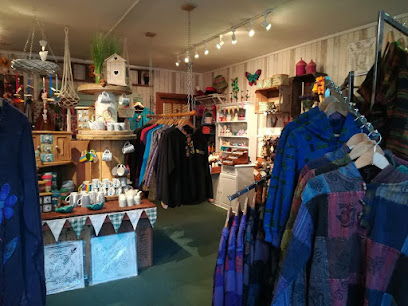
Seasons & Reasons
13.6 km
Discover the charm of Harlech at Seasons & Reasons, your ultimate DIY store for home improvement and creative projects.
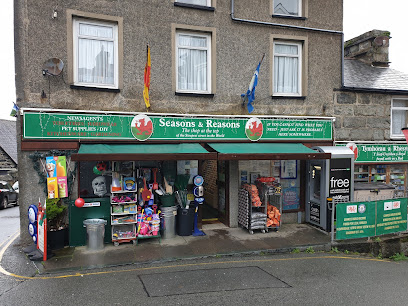
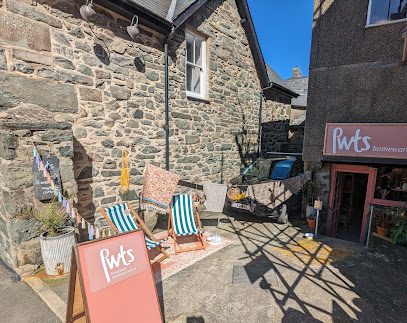
Pwts
13.6 km
Discover unique Welsh gifts and homewares at Pwts, a charming independent shop near Harlech Castle offering artisan treasures and local craftsmanship.
Castle Gift Shop
13.6 km
Discover authentic Welsh gifts and souvenirs at this charming family-run shop opposite historic Harlech Castle.
Essential bars & hidden hideouts

Y Manod
7.1 km
A friendly, dog-welcoming pub with quality ales and warm hospitality in the heart of Bethania, Blaenau Ffestiniog.
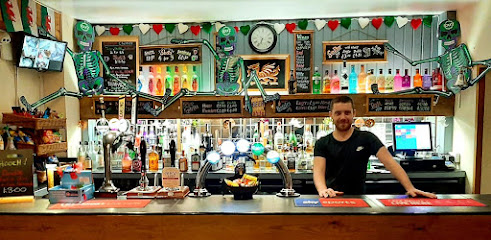
Meirion Vaults
7.6 km
Experience authentic Welsh hospitality with local ales and hearty meals at Meirion Vaults, Blaenau Ffestiniog’s cherished traditional pub.
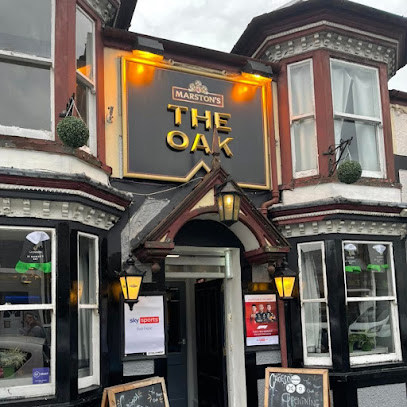
Oak
8.7 km
A traditional Welsh pub in Penrhyndeudraeth offering friendly atmosphere, well-kept Marston’s ales, hearty food, and a genuine local experience.
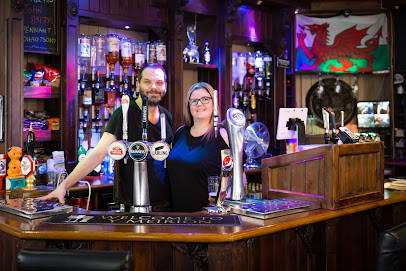
The Brondanw Arms
9.2 km
A charming Welsh country pub in Llanfrothen offering hearty food, local ales, dog-friendly warmth, and stunning countryside views.
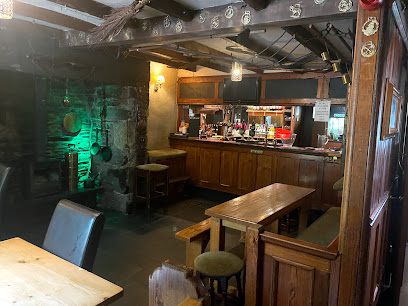
Clwb Llyn Bach
12.8 km
A lively pub and social club in Porthmadog offering spirited nights, friendly service, and a welcoming atmosphere for locals and visitors alike.
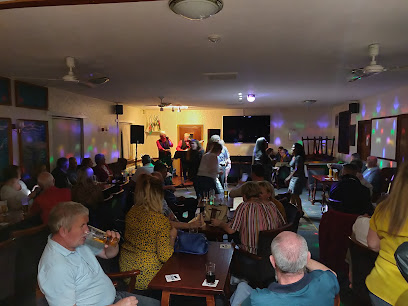
The Australia
12.9 km
A lively Purple Moose Brewery pub in Porthmadog offering hearty pub fare, vegan options, and a welcoming atmosphere with local craft beers.
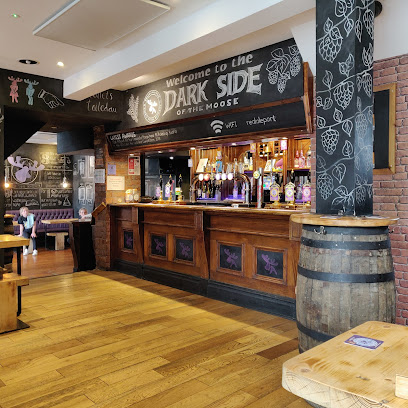
Tafarn Pencei
13.0 km
Historic Grade II listed pub on Porthmadog’s harbour, serving traditional ales and diverse food in a welcoming Welsh atmosphere.
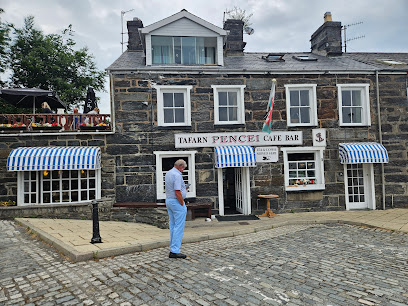
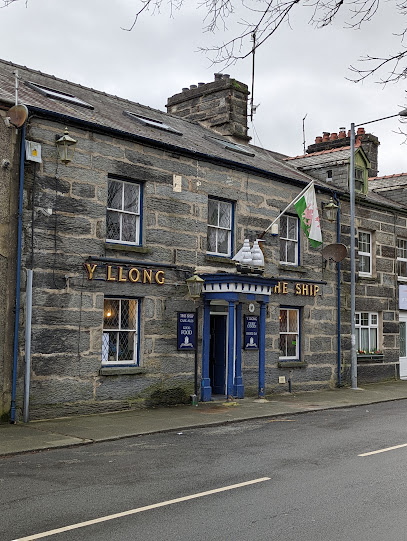
The Ship Inn/ Y Llong
13.0 km
A traditional Welsh pub in Porthmadog offering hearty homemade meals and a warm, welcoming atmosphere steeped in maritime heritage.
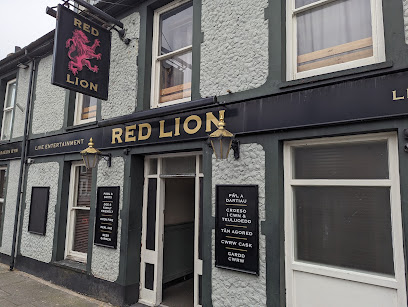
Red Lion
13.1 km
A welcoming traditional Welsh pub in Porthmadog with a spacious beer garden, pool table, and lively atmosphere for locals and visitors alike.
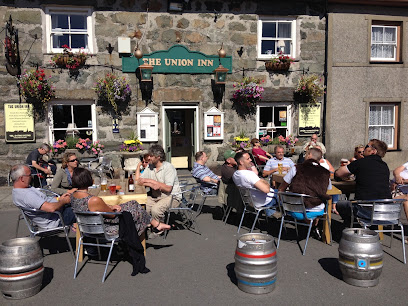
The Union Inn
13.7 km
Historic 19th-century village pub in Tremadog offering cozy rooms, traditional Welsh fare, and a warm, welcoming atmosphere.
Tanronnen Inn
14.6 km
Traditional Welsh inn and pub in scenic Beddgelert, offering cozy rooms, hearty home-cooked meals, and warm hospitality near Snowdon.
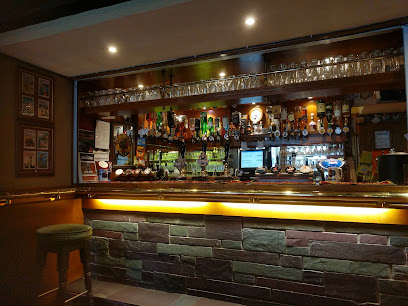
Prince Llewelyn Hotel
14.6 km
Charming historic hotel in Beddgelert with cozy rooms, hearty dining, and stunning mountain views in the heart of Snowdonia.
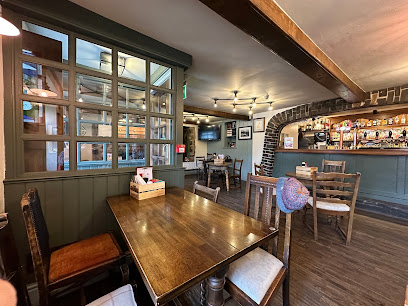
The Eagles Bunkhouse
15.3 km
Cozy traditional inn and lively hostel in Penmachno, perfect for exploring Snowdonia’s natural beauty and enjoying authentic Welsh hospitality.
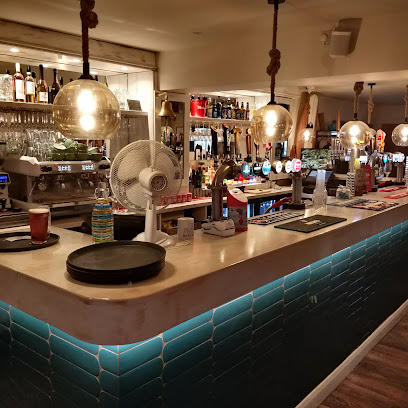
Black Rock Beach Club
15.4 km
Stylish beachside dining and drinks with heated outdoor terrace, BBQ flavors, and a welcoming vibe in Morfa Bychan, North Wales.
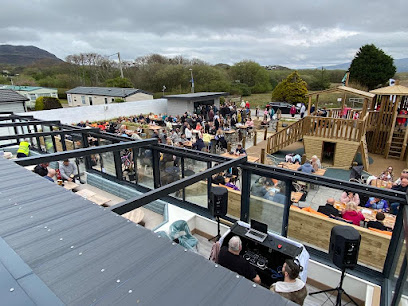
Tafarn Glanaber
15.4 km
Cozy coastal bar and restaurant in Morfa Bychan serving fresh Welsh seafood with stunning sea views and a warm, relaxed atmosphere.
Nightclubs & after hour spots

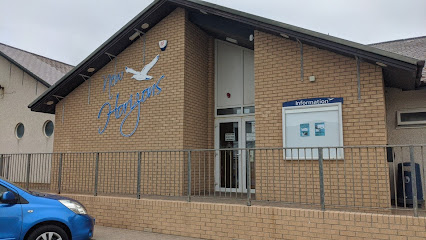
New Horizons
21.2 km
Experience vibrant nightlife and lively music at New Horizons, Dyffryn Ardudwy’s welcoming nightclub with spaces for all ages.
The Club Barmouth
24.0 km
Experience vibrant Saturday nights at The Club Barmouth, where stylish vibes meet lively music by the scenic Welsh coast.
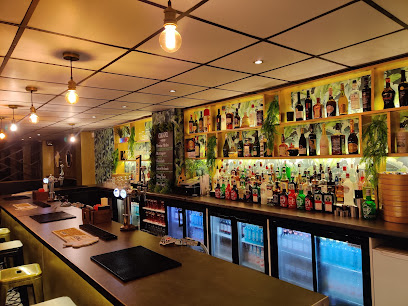
The Cove
26.6 km
Experience the vibrant nightlife at The Cove in Hafan Y Mor, North Wales, where music, dancing, and unforgettable memories await.

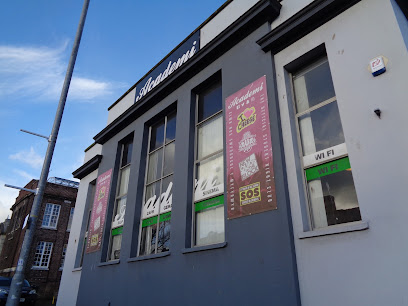
Academi
35.8 km
Bangor’s beloved student nightclub, offering vibrant music, a welcoming atmosphere, and a central role in university social life.
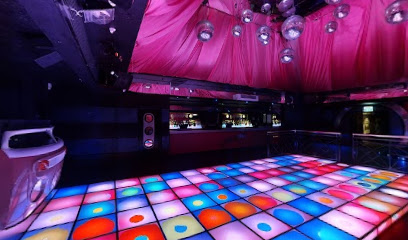
Trilogy Nightclub
35.9 km
Experience Bangor’s vibrant nightlife at Trilogy Nightclub, where diverse music rooms and lively weekend parties create unforgettable nights.
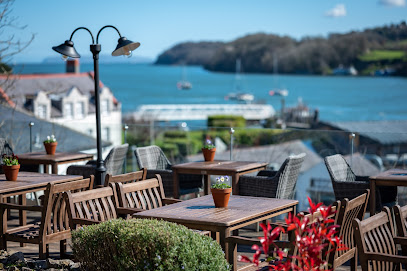
The Victoria
36.5 km
Traditional Welsh pub and restaurant with scenic Menai Strait views, recently refurbished for a welcoming and modern experience.
Wellman's Sports & Social Club
43.7 km
Llangefni’s vibrant social hub with lively entertainment, spacious dance floor, and a welcoming community atmosphere.
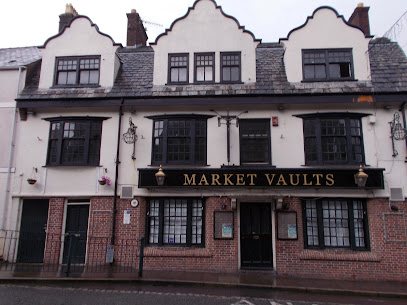
The Market Vaults
44.4 km
Experience the warm ambiance and local flavors at The Market Vaults, a beloved pub in the heart of Llangefni.
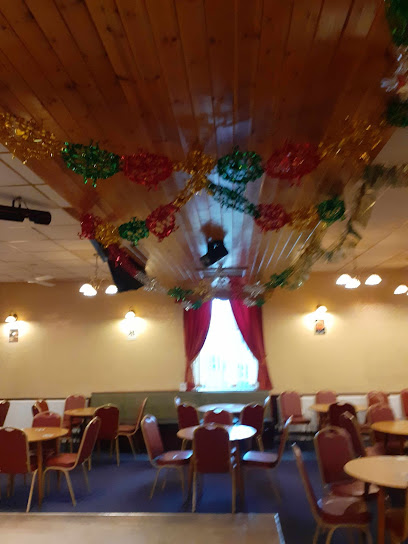
The Foundry Vaults
44.4 km
Discover the vibrant atmosphere and exciting entertainment at The Foundry Vaults, Llangefni's premier pub for drinks, karaoke, and sports.
Broadway Boulevard
44.7 km
Llandudno’s largest nightclub, Broadway Boulevard pulses with vibrant music, themed events, and a lively party atmosphere in the heart of town.

The Wings Club
44.9 km
Discover the charm of Denbigh at The Wings Club, a vibrant social hub offering a taste of local culture and community spirit.
Club 147
45.2 km
Llandudno’s energetic nightclub and sports bar offering electronic beats, pool, and a lively social scene in the town centre.

Bentley’s Sports Bar & NightClub
49.8 km
Experience Towyn’s vibrant nightlife at Bentley’s Sports Bar & NightClub, where music, dancing, and great vibes come alive every weekend.

Dj Tony B Disco Karaoke & video Roadshow
50.1 km
Dive into a night of music and fun at Dj Tony B Disco Karaoke & Video Roadshow, where every guest gets to shine on stage!
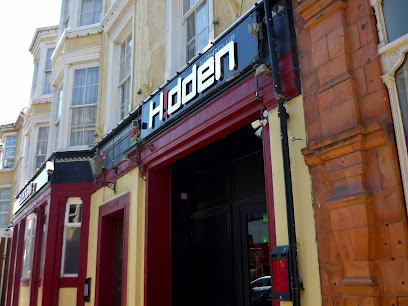
Hidden Nightclub
52.9 km
Discover the vibrant nightlife at Hidden Nightclub in Rhyl, where electrifying music and an energetic atmosphere create unforgettable nights out.
For the vibe & atmosphere seeker
- Unique
- Scenic
- Tranquil
For the design and aesthetic lover
- Industrial Designs
- Modern Designs
For the architecture buff
- Historic
- Landmarks
For the view chaser and sunset hunter
- Iconic Views
- Waterfront
- Panoramas
For the social media creator & influencer
- Photo Spots
- Architectural Shots
For the eco-conscious traveler
- Protected Area
- Public-Transport Accessible
- Locally Managed
For the kind of experience you’re after
- Cultural Heritage
- Nature Escape
- Day Trip
- Weekend Getaway
For how adventurous you want the journey to be
- Easy Access
Location Audience
- Family Friendly
- Senior Friendly
- Child Friendly
- Teen Friendly
- Solo Friendly
- Couple Friendly


