Eagle Stone, Inverness Shire Travel Guide
Discover the ancient Pictish Eagle Stone, a mysterious carved monument steeped in clan history and Highland legends near Strathpeffer.
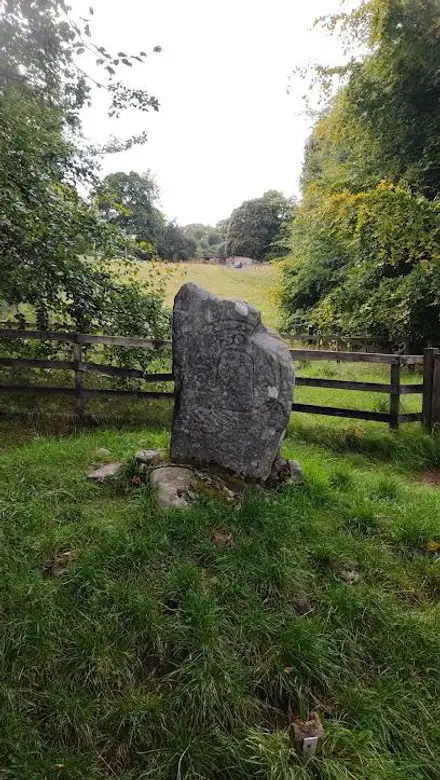
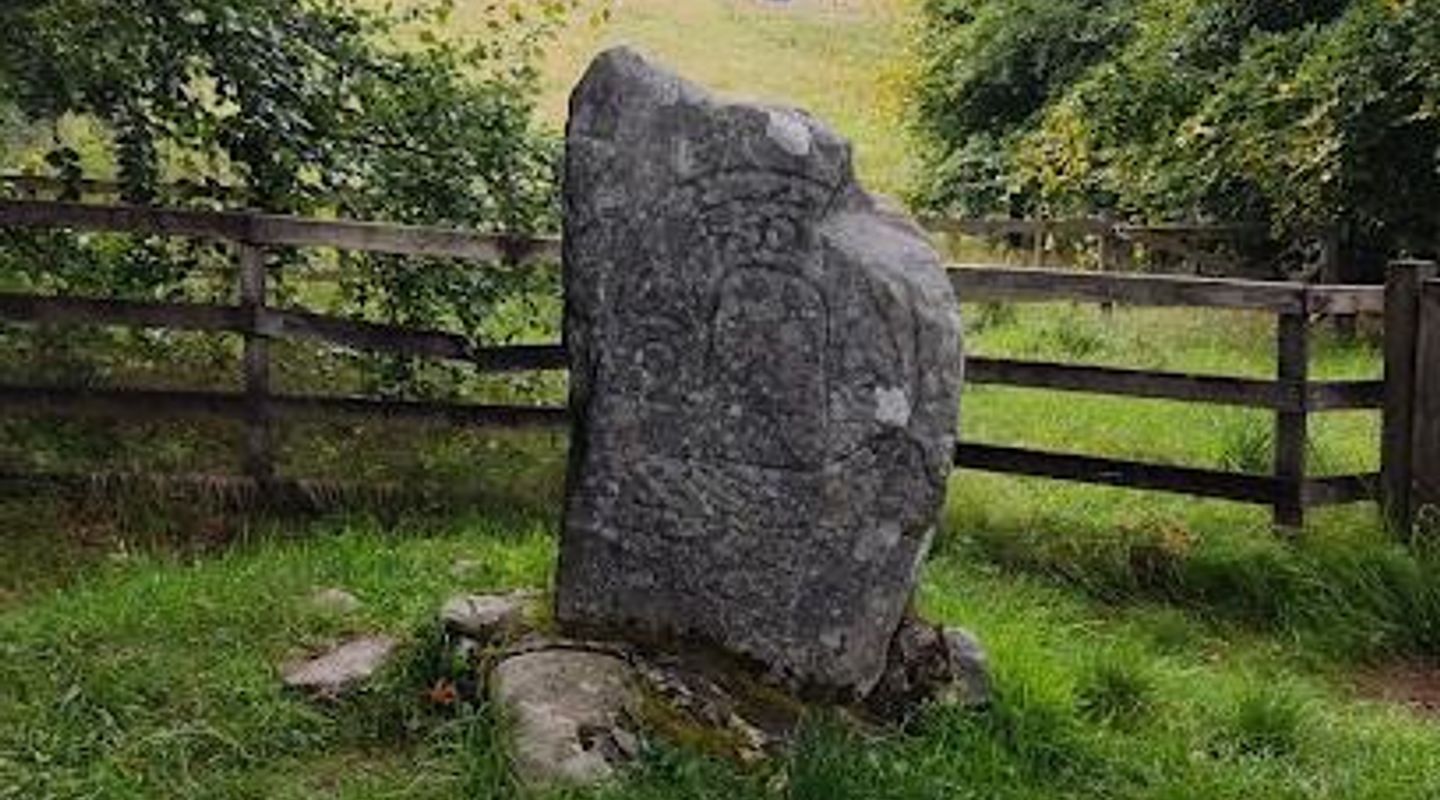
The Eagle Stone, or Clach an Tiompain, is a 7th-century Pictish symbol stone located near Strathpeffer, Scotland. Carved with an eagle and an arch-shaped motif, it is linked to local clan history and ancient prophecies. Set on a small mound with valley views, this enigmatic monument reflects the rich prehistoric and medieval heritage of the area.
A brief summary to Eagle Stone
- The Old Station, Strathpeffer, IV14 9DH, GB
- Duration: 0.5 to 1.5 hours
- Free
-
 Outdoor
- Mobile reception: 4 out of 5

Know before you go
Hi, I'm Eve. Here are a few practical things to know before exploring Eagle Stone.
- Wear sturdy shoes for the short walk over uneven ground to the Eagle Stone, as the path is not wheelchair accessible.
- Visit the nearby Old Station to explore the Highland Museum of Childhood and enjoy refreshments after seeing the stone.
- Bring a camera to capture panoramic views of the Strathpeffer valley from the stone’s elevated position.
- Learn about the Brahan Seer’s prophecy related to the Eagle Stone for a deeper appreciation of local folklore.
Do you manage this location?
Take control to get all the benefits, like improved information, better appearance, and stronger visibility across AI-powered discovery. Learn more about listing your business on Evendo
Activate your presenceOther nearby places you may find interesting
The closest places of the same kind, if this one is not quite what you had in mind.
Explore Eagle Stone on the Map
A handpicked selection of must-see spots near Eagle Stone, mapped for you.
Getting There
-
Train and Walk
Take the train to Dingwall station, then a local bus or taxi to Strathpeffer village. From the village center, walk approximately 500 meters on a marked path to the Eagle Stone. The walk includes uneven terrain and is not suitable for wheelchairs. The total travel time from Dingwall is about 30 to 45 minutes. Train fares vary but typically range from £10 to £20 one-way.
-
Car
Drive to Strathpeffer village, where free parking is available near the Old Station. From the parking area, follow signposted footpaths for a 5-10 minute walk to the Eagle Stone. The path is over rough ground and not wheelchair accessible. Car travel time from Inverness is approximately 30-40 minutes. No parking fees apply.
-
Bus
Local bus services run from Dingwall to Strathpeffer several times daily, with a journey time of about 20 minutes. From the bus stop in Strathpeffer, the Eagle Stone is a 10-minute walk on uneven ground. Bus fares are around £3 to £5 one-way. Service frequency may be limited on weekends and public holidays.
For the on-the-go comforts that matter to you
-
 Restrooms
-
 Drink Options
-
 Food Options
-
 Seating Areas
-
 Trash Bins
-
 Information Boards
Discover more about Eagle Stone
Ancient Origins and Symbolism
The Eagle Stone, known in Gaelic as Clach an Tiompain, is a remarkable Class I Pictish symbol stone dating from approximately the 7th century AD. Crafted from blue gneiss, it measures about 81 cm high, 61 cm wide, and 25 cm thick. The stone’s southeast face bears two distinct carvings: a detailed eagle with folded wings, talons, and beak, and above it, an arch-shaped symbol often interpreted as a horseshoe, arch, or rainbow. These symbols predate Christianity and their exact meanings remain a mystery, though they likely held significant cultural or spiritual importance for the Picts, the ancient people who inhabited this region of Scotland.Historical Context and Clan Associations
Originally located further down the valley near Dingwall, the Eagle Stone was moved to its current site near Strathpeffer in 1411. Local tradition holds that it marks the site of a clan battle victory by the Clan Munro over the Clan MacDonald, with the eagle emblem representing the Munro crest. This relocation may have been intended to commemorate that event. The stone is also tied to the 16th-century prophecies of the Brahan Seer, who foretold that if the stone fell three times, the valley would flood and ships would anchor where it stands. The stone has fallen twice and is now secured in concrete to prevent a third fall.Setting and Visitor Experience
The Eagle Stone stands on a small mound at the eastern edge of Strathpeffer, offering spectacular panoramic views down the valley towards Dingwall. It is accessible via a short walk from the village center, near the historic Old Station, which now houses the Highland Museum of Childhood. The stone is fenced to protect it, and while the walk involves some rough ground and is not wheelchair accessible, it remains a compelling destination for those interested in Scotland’s ancient heritage and clan history.Strathpeffer’s Rich Heritage
Strathpeffer itself boasts a history stretching back over 5,000 years, with archaeological evidence of Neolithic and Bronze Age settlements nearby. The village became a renowned spa resort in the 19th century, supported by a dedicated railway branch line and elegant Victorian architecture. The nearby Old Station, once part of this railway network, has been restored and repurposed as a museum and craft center, linking the area’s industrial past with its cultural present.Preservation and Cultural Significance
The Eagle Stone is a protected monument and an important symbol of the Pictish legacy in the Scottish Highlands. Its carvings provide a rare glimpse into the art and beliefs of early medieval Scotland. The stone’s connection to clan history and local folklore enriches its cultural resonance, making it a unique landmark that embodies both ancient mystery and regional identity.Contemporary Engagement and Accessibility
Visitors to the Eagle Stone can combine their visit with exploring Strathpeffer’s other attractions, including the Highland Museum of Childhood and the restored spa buildings. Amenities such as parking, restrooms, and refreshments are available nearby at the Old Station. The site’s natural beauty and historical depth offer a tranquil yet thought-provoking experience for history enthusiasts and casual visitors alike.












Your all‑in‑one travel companion app
Explore expert travel guides, compare and book tours, experiences, hotels, and more—all from the palm of your hand. Download now for seamless trip planning wherever your wanderlust takes you.


Explore More of Inverness Shire
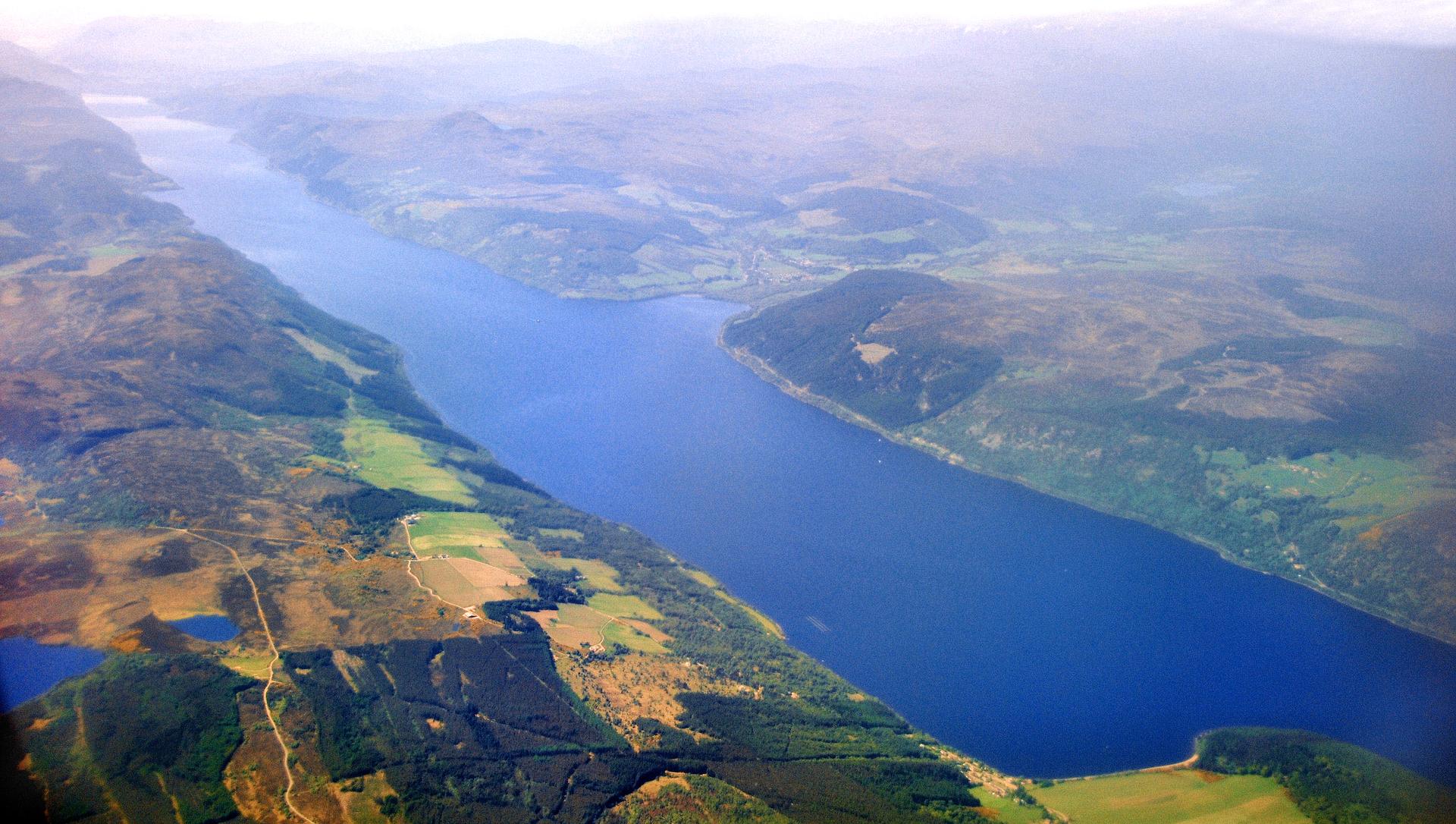
Looking beyond Eagle Stone? Discover Inverness Shire for broader travel guides, local hot-spots, and regional highlights.
Explore Inverness Shire
Discover the mystical Munlochy Clootie Well, where ancient Celtic healing rituals and colorful clooties entwine in Scotland’s enchanting Black Isle woods.
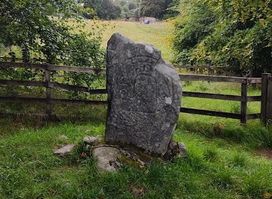
Discover the ancient Eagle Stone of Strathpeffer, a mysterious Pictish symbol stone steeped in clan history and Highland legend.