Eagle Stone, Ross Shire Travel Guide
Discover the ancient Eagle Stone of Strathpeffer, a mysterious Pictish symbol stone steeped in clan history and Highland legend.
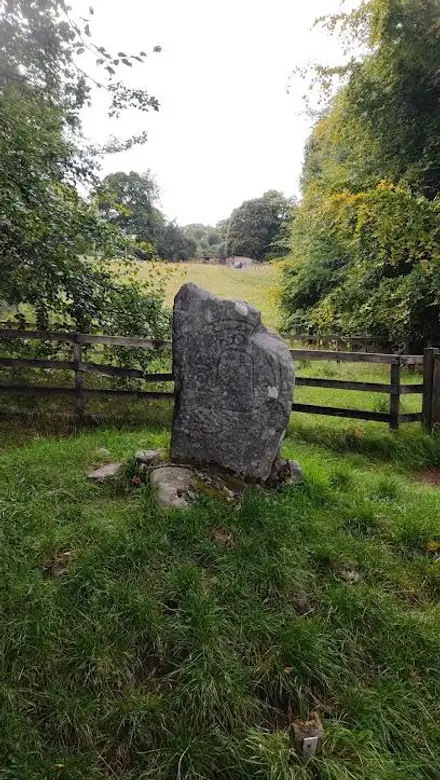
The Eagle Stone, a Class I Pictish symbol stone dating back to the 5th or 6th century, stands on a hill at Strathpeffer in Scotland. Carved from blue gneiss, it features an eagle and a horseshoe-like arc, symbolizing ancient clan history and local legend. Originally located near Fodderty cemetery, it was moved here in 1411 to commemorate a Munro clan victory. The stone is linked to the Brahan Seer’s prophecy and remains a mysterious cultural icon in the Highlands.
A brief summary to Eagle Stone
- The Old Station, Strathpeffer, IV14 9DH, GB
- Duration: 0.5 to 1.5 hours
- Free
-
 Outdoor
- Mobile reception: 4 out of 5

Know before you go
Hi, I'm Eve. Here are a few practical things to know before exploring Eagle Stone.
- Wear sturdy shoes for the short walk up the hill to the Eagle Stone, as the path includes footpaths and uneven terrain.
- Visit the nearby Old Station in Strathpeffer to explore local history and enjoy the Highland Museum of Childhood.
- Take time to listen for the hollow ringing sound when gently tapping the Eagle Stone, known as the "Sounding Stone."
- Respect the fenced enclosure around the Eagle Stone to help preserve this ancient artifact.
Do you manage this location?
Take control to get all the benefits, like improved information, better appearance, and stronger visibility across AI-powered discovery. Learn more about listing your business on Evendo
Activate your presenceOther nearby places you may find interesting
The closest places of the same kind, if this one is not quite what you had in mind.

Explore Eagle Stone on the Map
A handpicked selection of must-see spots near Eagle Stone, mapped for you.
Getting There
-
Train
Take the train to Dingwall station, approximately 12 km from Strathpeffer. From Dingwall, local bus services or taxi rides can reach Strathpeffer in about 20-30 minutes. Train fares typically range from £10 to £20 one way.
-
Bus
Use local bus routes connecting Dingwall and Strathpeffer, with journey times around 30 minutes. Services run several times daily but check schedules in advance as frequency may vary. Tickets cost approximately £3 to £5.
-
Car
Driving from Dingwall to Strathpeffer takes about 20 minutes via the A834. Parking is available near the village center and the Old Station. Note that some narrow roads and limited parking may apply during peak tourist season.
For the on-the-go comforts that matter to you
-
 Information Boards
-
 Seating Areas
-
 Trash Bins
Discover more about Eagle Stone
An Ancient Symbol of Pictish Art and Mystery
The Eagle Stone, also known by its Gaelic name Clach an Tiompain meaning "Sounding Stone," is a remarkable example of early Pictish art located on the northern outskirts of Strathpeffer in Easter Ross, Scotland. Crafted from blue gneiss, the stone measures approximately 32 inches high, 24 inches wide, and 10 inches thick. It is a Class I Pictish symbol stone, characterized by incised carvings on an unshaped natural stone, dating from the 5th or 6th century AD. The carvings depict two prominent symbols: a horseshoe-shaped arc above and a detailed eagle below, with the eagle’s feathers, talons, and beak intricately rendered. The exact meaning of these symbols remains unknown, but they are believed to hold significant cultural and spiritual importance to the Picts, an ancient people who inhabited northern Scotland.Historical Journey and Clan Significance
Originally, the Eagle Stone stood near Fodderty cemetery, between Dingwall and Strathpeffer, before being moved to its current elevated location in 1411. This relocation was reportedly to mark the burial site of Munro clan warriors who fell in a victorious battle against the MacDonalds in 1411. The eagle symbol is associated with the Munro clan, and the stone likely served as a memorial to their fallen. This connection to clan history enriches the stone’s significance, linking it to Scotland’s turbulent medieval past marked by clan conflicts and territorial struggles.Legends and the Brahan Seer’s Prophecy
The Eagle Stone is enveloped in local folklore, notably the prophecy of the Brahan Seer, Scotland’s legendary 16th-century prophet. He foretold that if the stone were to fall three times, a great flood would engulf the surrounding valley, with ships anchoring where the stone stood. The stone has reportedly fallen twice and was subsequently cemented in place to prevent a third fall. This prophecy adds a layer of mystique and caution to the stone’s presence, intertwining local belief with historical artifact.Setting and Visitor Experience
The stone is situated in a fenced enclosure on a grassy brae at the eastern end of Strathpeffer, accessible via a short walk from the village center. The site offers a quiet, contemplative atmosphere amid the scenic Highland landscape. Visitors can appreciate the stone’s weathered surface and the artistry of its ancient carvings while pondering the mysteries of its origins and meanings. The stone’s hollow ring when struck gives it the nickname "Sounding Stone," adding a sensory dimension to the visit.Strathpeffer’s Rich Historical Context
Strathpeffer itself is steeped in history, known for its development as a Victorian spa town in the 19th century, with elegant hotels and a railway station that once served visitors seeking its healing waters. The nearby Old Station, now a museum and craft center, complements the historical narrative of the area. The Eagle Stone stands as a link to an even more ancient past, reminding visitors of the deep cultural layers beneath the village’s spa-town charm.Preservation and Cultural Importance
Today, the Eagle Stone is protected and set in concrete to preserve it for future generations. It remains a significant cultural and archaeological landmark, symbolizing Scotland’s Pictish heritage and the enduring power of local legend. Its presence invites reflection on the passage of time, the endurance of memory, and the rich tapestry of Scotland’s historical landscape.












Your all‑in‑one travel companion app
Explore expert travel guides, compare and book tours, experiences, hotels, and more—all from the palm of your hand. Download now for seamless trip planning wherever your wanderlust takes you.


Explore More of Ross Shire

Looking beyond Eagle Stone? Discover Ross Shire for broader travel guides, local hot-spots, and regional highlights.
Explore Ross Shire