

Clootie Well, Inverness Shire Travel Guide
Discover the mystical Munlochy Clootie Well, where ancient Celtic healing rituals and colorful clooties entwine in Scotland’s enchanting Black Isle woods.
Nestled beside the A832 near Munlochy on Scotland’s Black Isle, the Munlochy Clootie Well is a sacred spring steeped in ancient Celtic healing traditions. Visitors tie strips of cloth, or 'clooties,' to surrounding trees as part of a ritual believed to transfer illness or misfortune from the body to the cloth. This mystical site, surrounded by forest paths and festooned with colorful rags, offers a unique glimpse into enduring folklore and spiritual practices that predate Christianity.
A brief summary to Clootie Well
- A832, Munlochy, GB
- Click to display
- Duration: 0.5 to 1.5 hours
- Free
-
 Outdoor
- Mobile reception: 4 out of 5

Know before you go
Hi, I'm Eve. Here are a few practical things to know before exploring Clootie Well.
- Bring a natural fabric strip or cloth to participate in the traditional healing ritual by dipping it in the well and tying it to a tree.
- Wear sturdy footwear suitable for woodland terrain as the well is nestled in a forest glade with uneven paths.
- Respect the site by not removing any clooties or offerings, as local superstition holds this brings bad luck.
- Visit in spring or early summer to experience the site amid lush greenery and vibrant natural surroundings.
- Combine your visit with nearby attractions on the Black Isle, such as the Culloden Battlefield and Loch Ness area.
Do you manage this location?
Take control to get all the benefits, like improved information, better appearance, and stronger visibility across AI-powered discovery. Learn more about listing your business on Evendo
Activate your presenceOther nearby places you may find interesting
The closest places of the same kind, if this one is not quite what you had in mind.
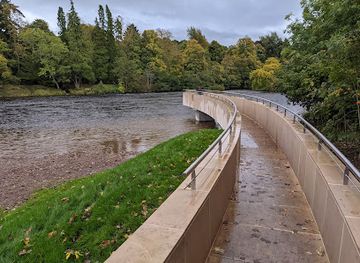
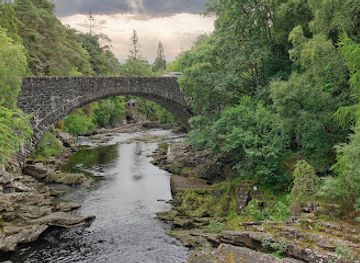
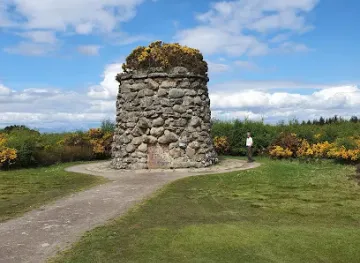
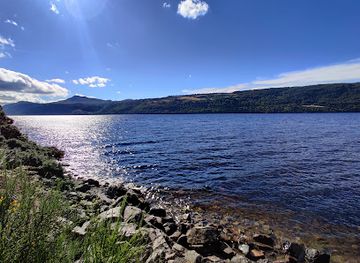
Explore Clootie Well on the Map
A handpicked selection of must-see spots near Clootie Well, mapped for you.
Unlock the Best of Clootie Well
Buy tickets
-
No tickets available
Book tours with entry


Book tours without entry
-
No tours available
Getting There
-
Bus
Take the local bus service from Inverness to Munlochy, which runs approximately every 1-2 hours; the journey takes about 40-50 minutes. From Munlochy village, the well is a short 15-minute walk through forest paths. Bus fares range around £5-£8 one way.
-
Car
Driving from Inverness, the Munlochy Clootie Well is about a 30-minute journey via the A832. Parking is limited near the site, so arrive early during peak season. There is no parking fee, but the terrain near the well is uneven and forested.
-
Walking
For those staying in Munlochy village or nearby, a 15-20 minute walk along forest trails leads to the well. The path is natural and may be muddy or uneven, so suitable footwear is recommended.
For the on-the-go comforts that matter to you
-
 Information Boards
-
 Seating Areas
-
 Trash Bins
Discover more about Clootie Well
Echoes of Celtic Healing Traditions
The Munlochy Clootie Well stands as a rare surviving testament to ancient Celtic healing customs that long predate Christianity. Historically, pilgrims seeking cures or blessings would bring a piece of cloth—often from a garment touching the afflicted body part—and dip it into the well’s sacred waters before tying it to a nearby tree. As the cloth decayed, it was believed that the illness or misfortune would fade away, symbolizing a magical transference of disease from person to fabric. This ritual reflects a deep-rooted reverence for water and nature as conduits to spiritual and physical healing.A Woodland Shrine of Living Tradition
Located in a tranquil forest glade on the Black Isle peninsula, the well is surrounded by trees draped with countless clooties—rags, ribbons, socks, and even undergarments—each a tangible offering of hope and faith. The site’s atmosphere is charged with a palpable sense of history and mystery, where the natural world and human belief intertwine. Despite modern skepticism, the well continues to attract visitors who feel a connection to its ancient power, maintaining a living tradition that has endured centuries of religious and social change.From Pagan Roots to Christian Adaptation
Originally, wells like Munlochy’s were sacred places where Celtic and pre-Celtic peoples communed with spirits or deities believed to inhabit water sources. With the advent of Christianity, many such sites were not destroyed but rather reinterpreted and dedicated to saints, in this case Saint Curetán. This allowed the continuation of pilgrimage and healing rituals under a Christian guise, even as the Reformation sought to suppress such practices. The Munlochy Clootie Well’s survival owes much to its remote location and the resilience of local customs.Rituals, Superstitions, and Symbolism
Visitors traditionally circle the well three times sunwise, dip their cloot in the water, and tie it to a tree branch while offering a prayer. The chosen trees—often rowan, holly, or yew—are considered mystical and protective. Removing offerings is believed to bring bad luck, so the clooties are left to naturally rot away, symbolizing the gradual fading of illness or hardship. This blend of ritual, superstition, and symbolism weaves a powerful narrative of human hope and interaction with the unseen world.The Site’s Contemporary Challenges and Cultural Significance
While the well remains a cherished cultural landmark, modern materials like synthetic fabrics and rubbish occasionally accumulate, prompting calls for respectful site management. Yet, the taboo against removing clooties preserves the site’s authenticity and spiritual integrity. The Munlochy Clootie Well is not only a place of personal healing but also a living museum of Scotland’s folklore, connecting visitors to a rich heritage of myth, magic, and nature worship.Immersive Experience in the Black Isle Landscape
Set against the backdrop of the Black Isle’s lush woodlands and near the legendary Loch Ness region, the well offers more than ritual—it invites contemplation and a sensory immersion into Scotland’s mystical past. The quiet rustle of leaves, the scent of damp earth, and the sight of colorful fabrics fluttering in the breeze create a unique atmosphere where history and nature converge, inviting visitors to pause and reflect on the enduring human quest for healing and meaning.












Your all‑in‑one travel companion app
Explore expert travel guides, compare and book tours, experiences, hotels, and more—all from the palm of your hand. Download now for seamless trip planning wherever your wanderlust takes you.


Explore More of Inverness Shire
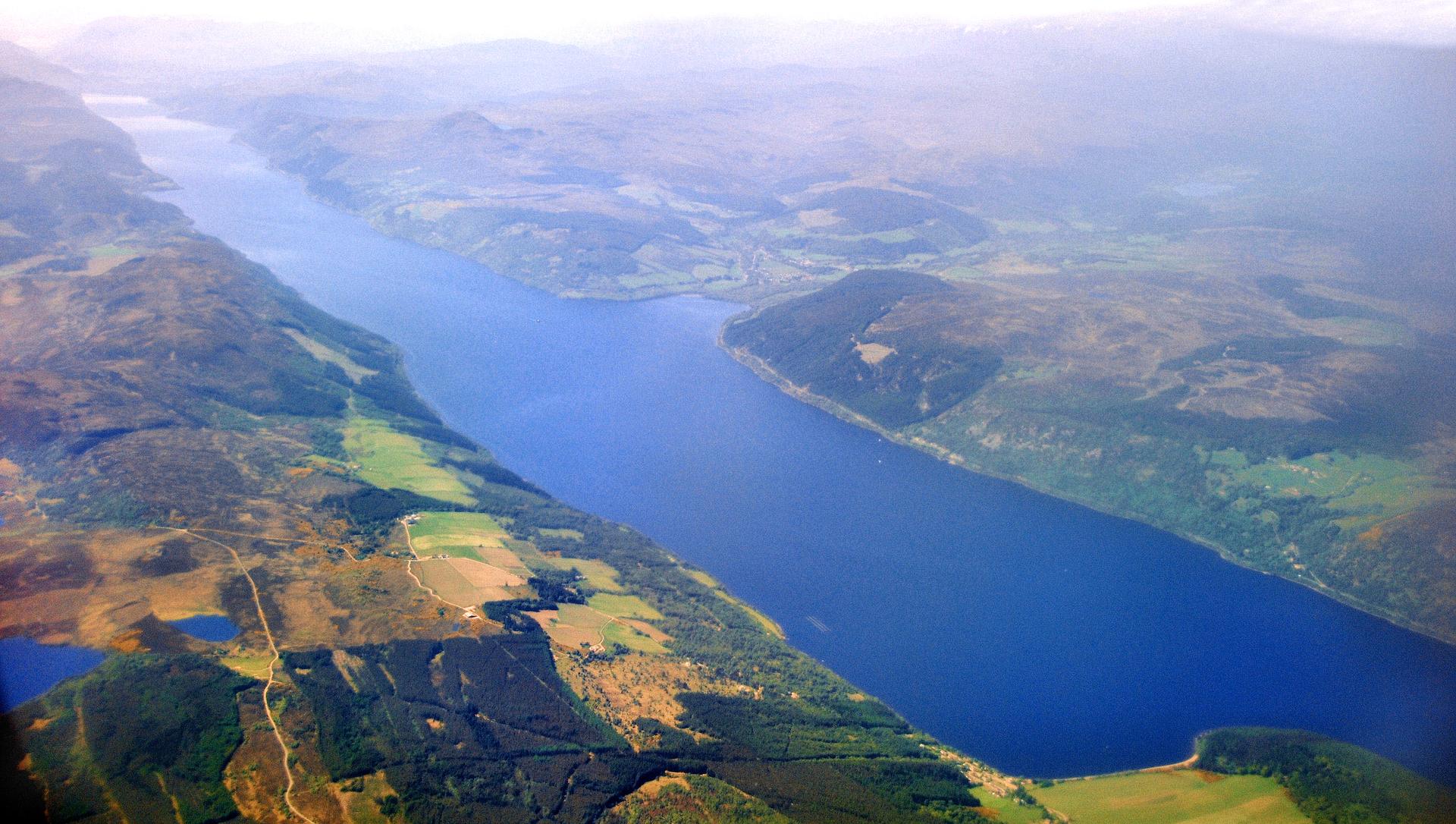
Looking beyond Clootie Well? Discover Inverness Shire for broader travel guides, local hot-spots, and regional highlights.
Explore Inverness Shire
Discover Scotland’s iconic national dress and craftsmanship at Inverness’s unique kilt-making workshop and visitor centre.
Explore Scotland’s first organic brewery set in the scenic Black Isle, where sustainability meets exceptional craft beer.
