

Greig Street Bridge, Inverness
Historic Victorian suspension footbridge in Inverness famed for its gentle sway and scenic River Ness views.
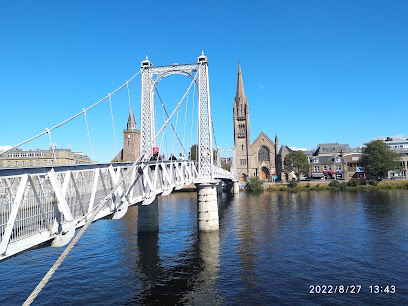
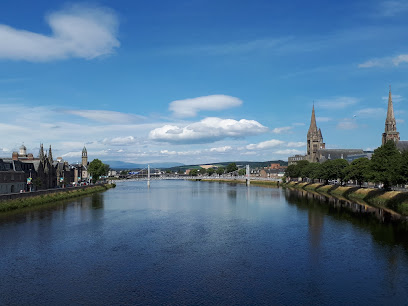
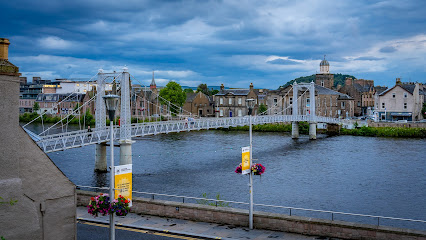
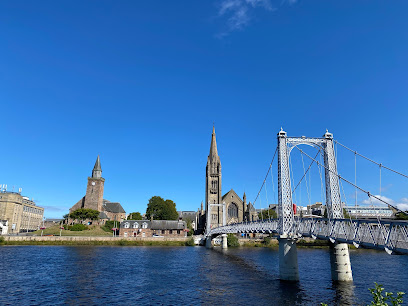
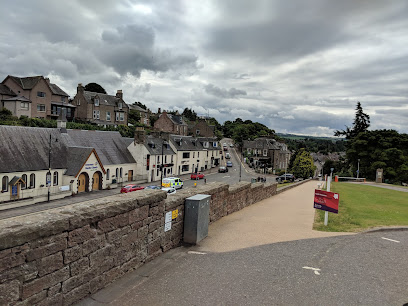
The Greig Street Bridge is a historic pedestrian suspension bridge spanning the River Ness in Inverness, Scotland. Built in 1881 by engineer C.R. Manners and the Rose Street Foundry, it features a central span of 61.3 meters flanked by two side spans of 20.4 meters. Known locally as the 'Shooglie Bridge' for its distinctive gentle sway, it offers scenic views of the river and city skyline and remains a cherished landmark and vital pedestrian route.
A brief summary to Greig St & Greig St Bridge
- Inverness, IV1 1RF, GB
- Duration: 0.5 to 1.5 hours
- Free
-
 Outdoor
- Mobile reception: 4 out of 5
Local tips
- Visit early morning or late afternoon for softer light and fewer crowds to fully enjoy the scenic views.
- Experience the bridge’s unique gentle sway by walking across it and joining in the local tradition of synchronized jumping.
- Bring a camera to capture the ornamental lattice towers and framed views of the Free North Church through the arches.
- Wear comfortable shoes as the bridge is a key pedestrian route and part of a longer riverside walking path.

For the on-the-go comforts that matter to you
- Seating Areas
- Information Boards
Getting There
-
Bus
Take local city buses serving Inverness city center with stops near the River Ness; travel time from Inverness Railway Station is approximately 10–15 minutes. Buses run frequently throughout the day with fares around £1.50–£2.50.
-
Walking
From Inverness city center, the bridge is reachable by a 10–15 minute walk along flat, paved riverside paths suitable for all fitness levels and wheelchair accessible.
-
Taxi
Local taxi services from Inverness Railway Station or city center take about 5 minutes to reach the bridge, with fares typically between £5 and £8 depending on traffic.
Greig St & Greig St Bridge location weather suitability
-
 Any Weather
-
 Rain / Wet Weather
-
 Clear Skies
-
 Mild Temperatures
-
 Windy Conditions
Discover more about Greig St & Greig St Bridge
Engineering Marvel of the Victorian Era
Completed in 1881 at a cost of £1,400, the Greig Street Bridge is a fine example of Victorian civil engineering. Designed by civil engineer C.R. Manners and constructed by the local Rose Street Foundry, the bridge employs a suspension design with a central span of 61.3 meters and two side spans of 20.4 meters each. The bridge deck is stiffened by warren trusses on either side, originally iron but later reconstructed in modern steel, ensuring durability and stability. Cast iron piers support the structure beneath the water level, while the latticework pylons and ornate archways under the tower crossbeams add both structural integrity and aesthetic appeal.A Unique Pedestrian Experience
Locally nicknamed the 'Shooglie Bridge', a Scots term meaning to sway or wobble, the bridge is famous for its gentle undulating movement when pedestrians walk across it. This distinctive characteristic creates a memorable experience and a playful interaction with the structure, especially when groups jump in unison to create the so-called 'Greig Street sine wave'. Despite the motion, the bridge is engineered to be safe and stable, with inward-inclining hangers at midspan that may enhance lateral stability.Scenic Views and Riverside Charm
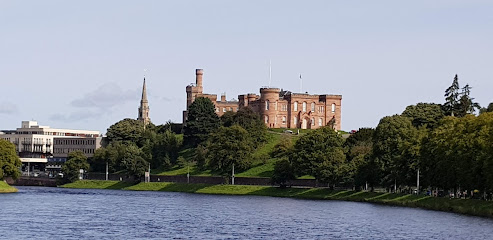
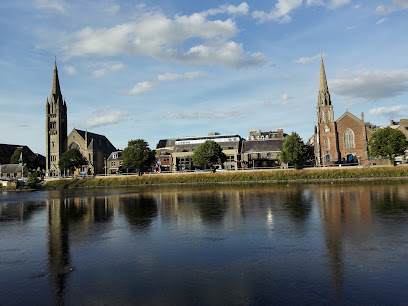
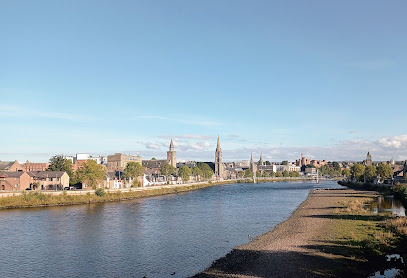
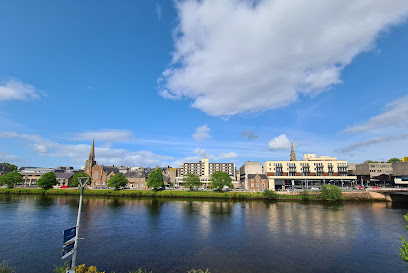
Situated along the River Ness, the bridge offers picturesque views of the flowing river, Inverness Castle, and the surrounding hills. The ornamental towers with dense latticework are visually striking from both near and afar, making the bridge a favored spot for photography and riverside strolls. The arches beneath the towers frame views of notable landmarks such as the Free North Church, enriching the visitor’s visual experience.Historical and Cultural Significance
The Greig Street Bridge is not only a functional pedestrian crossing but also a Category B listed building, recognized for its architectural and historical importance. Over the years, key elements such as cables (replaced in 1952) and anchorages (renewed in 1989) have been updated to preserve its integrity. The bridge remains a vital part of Inverness’s urban fabric, linking communities and serving as a tangible connection to the city’s Victorian past.Local Stories and Community Connection
The bridge has a special place in the hearts of Inverness residents, with traditions like the 'sine wave' jump marking rites of passage for local youth. Its enduring presence and unique character have made it a beloved landmark, often celebrated in local photography and social media. The craftsmanship of local fabricators who contributed to its maintenance and restoration adds a layer of community heritage to the bridge’s story.Integration with Inverness’s Urban Landscape
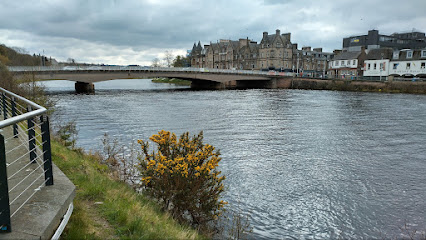
Located just south of Inverness city centre, the Greig Street Bridge forms part of a scenic riverside promenade. It connects key pedestrian routes and enhances access to nearby attractions, blending historic charm with everyday utility. The bridge’s design complements other Inverness bridges and contributes to the city’s distinctive skyline along the River Ness.Iconic landmarks you can’t miss

Greig St & Greig St Bridge
0.0 km
Historic Victorian suspension footbridge in Inverness famed for its gentle sway and scenic River Ness views.
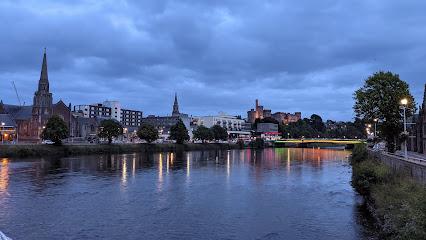
River House
0.0 km
Experience the finest seafood dining in Inverness with breathtaking river views and a menu that celebrates local flavors.
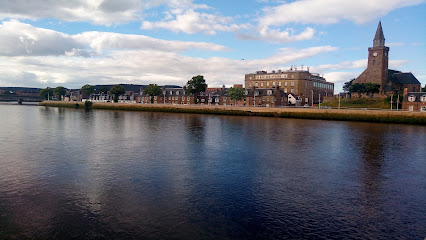
The Mustard Seed Restaurant
0.1 km
Experience modern European cuisine at The Mustard Seed Restaurant in Inverness, where fresh, local ingredients meet a vibrant dining atmosphere.
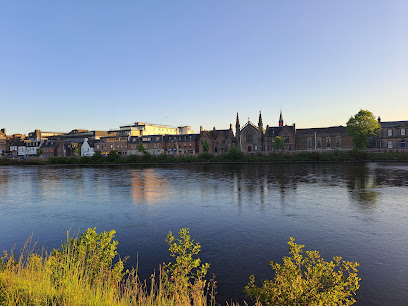
Premier Inn Inverness Centre River Ness
0.2 km
Comfortable riverside hotel in central Inverness with friendly service, modern rooms, and easy access to city attractions.
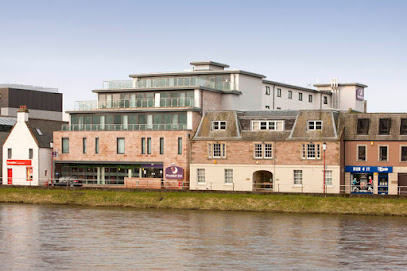
Hootananny
0.2 km
Explore the vibrant atmosphere of Hootananny, Inverness's premier live music bar, featuring local ales, delicious food, and captivating performances.

The Kings Highway - JD Wetherspoon
0.2 km
Experience the charm of Inverness at The Kings Highway - a vibrant pub and restaurant offering delicious meals and a warm, welcoming atmosphere.
Black Isle Bar & Rooms
0.2 km
Experience local craft beer, delicious pizza, and cozy accommodations at the Black Isle Bar & Rooms in the heart of Inverness.
Urquhart's Restaurant
0.2 km
Discover the flavors of Scotland at Urquhart's Restaurant, where British and European cuisine meet warm Highland hospitality.
Jacobite House
0.2 km
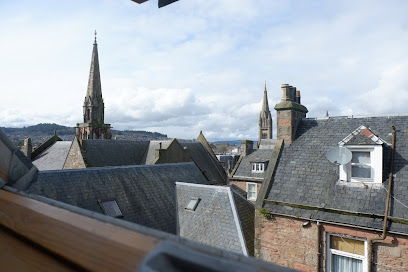
Cozy, centrally located serviced accommodation in Inverness with clean rooms, a shared kitchen, and easy access to city attractions.
Fàsaidh Tattoo
0.2 km
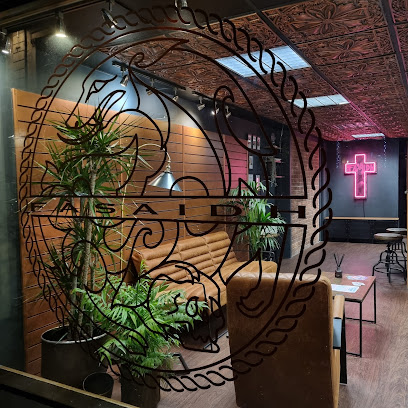
Explore the artistry of Fàsaidh Tattoo in Inverness, where tradition meets creativity in a welcoming atmosphere.
Aspendos
0.2 km
Discover the rich flavors of Turkish and Mediterranean cuisine at Aspendos in Inverness, where every meal is a delightful experience.
Mercure Inverness Hotel
0.2 km
Stylish 4-star hotel on Inverness’s scenic River Ness, blending Highland hospitality with modern comfort and vibrant city centre convenience.
The Auctioneers
0.3 km
Experience the heart of Scottish pub culture at The Auctioneers in Inverness, where traditional cuisine meets a lively atmosphere.
The WaterFront
0.3 km
A charming gastropub on Inverness’s River Ness, blending hearty Scottish fare with a cozy riverside atmosphere and friendly service.
MacGregor's
0.3 km
Experience the lively atmosphere of MacGregor's in Inverness, where delicious food and local brews meet Scottish hospitality.
Unmissable attractions to see

St Mary's Roman Catholic Church
0.1 km
Historic Victorian Catholic church in Inverness, blending rich architecture with a unique cultural and spiritual heritage.
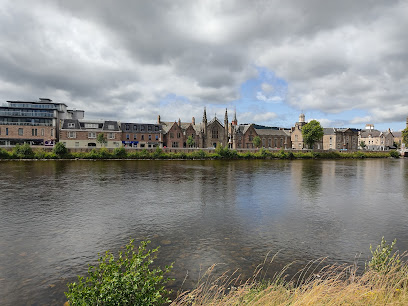
Old Town Curiosities
0.1 km
Discover rare antiques and unique curiosities in the heart of Inverness’s historic Old Town at Old Town Curiosities.
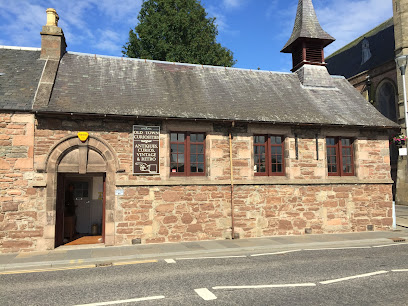
The Junction Church Inverness
0.2 km
Contemporary evangelical worship in a historic church building at the heart of Inverness.
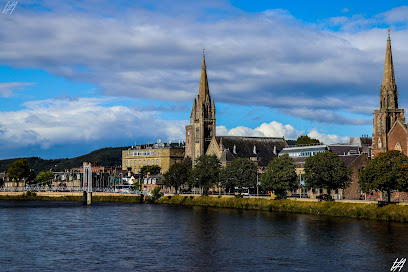
Abertarff House
0.2 km
Scotland's oldest house in Inverness, where four centuries of Highland history whisper through ancient stone.
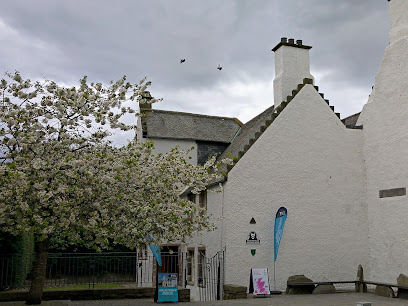
Old High Church
0.2 km
Oldest church in Inverness, where Celtic faith, Jacobite history, and riverside serenity converge on St Michael’s Mount.
The Scottish Kiltmaker Visitor Centre
0.2 km
Discover Scotland’s iconic national dress and craftsmanship at Inverness’s unique kilt-making workshop and visitor centre.
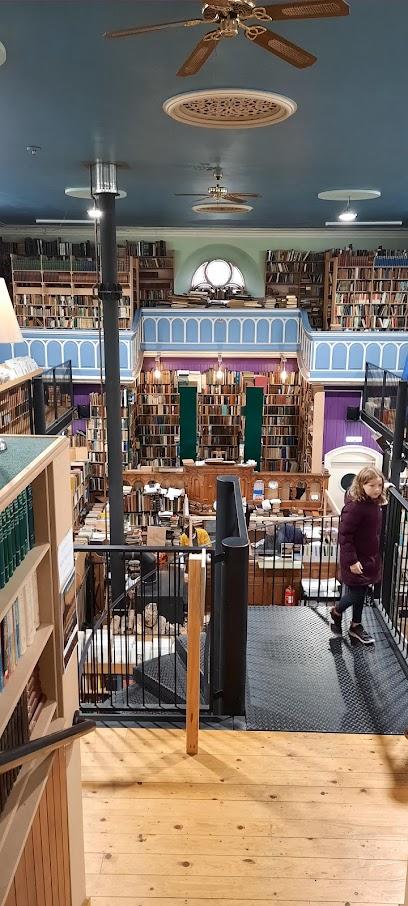
Leakey's Bookshop
0.2 km
Discover Scotland’s largest secondhand bookshop, a cozy treasure trove nestled in a historic Inverness church with over 100,000 volumes to explore.
Miele's Gelateria Inverness
0.2 km
Authentic Italian gelato crafted with four generations of expertise in the heart of Inverness, offering creative flavours and classic treats daily.
Young's Auld Sweetie Shop
0.3 km
Step into Young's Auld Sweetie Shop for a nostalgic journey through retro sweets and warm Highland hospitality in the heart of Inverness.
Inbhir Nis
0.3 km
Charming B&B with stunning castle views, warm hospitality, and hearty homemade breakfasts in the heart of Inverness.
Happy Tours Scotland Ltd
0.3 km
Discover the breathtaking Scottish Highlands with Happy Tours Scotland Ltd, your premier tour operator in Inverness for unforgettable adventures.
The Three Virtues
0.3 km
Historic Victorian-era statues of Faith, Hope, and Charity set in a tranquil riverside garden in the heart of Inverness.
Jesus House Inverness
0.3 km
A vibrant and welcoming Christian church at the heart of Inverness, fostering community and spiritual growth in the Highlands.
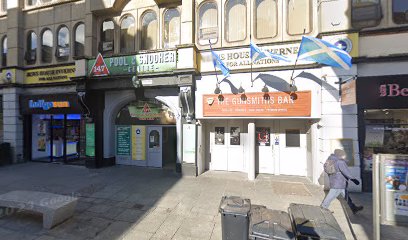
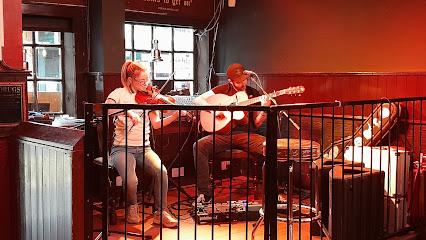
Gellions Bar
0.3 km
Discover the lively atmosphere of Gellions Bar in Inverness, where great drinks, delicious food, and live music create unforgettable memories.
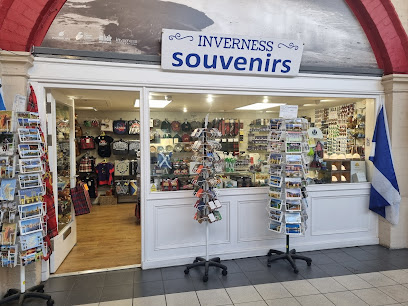
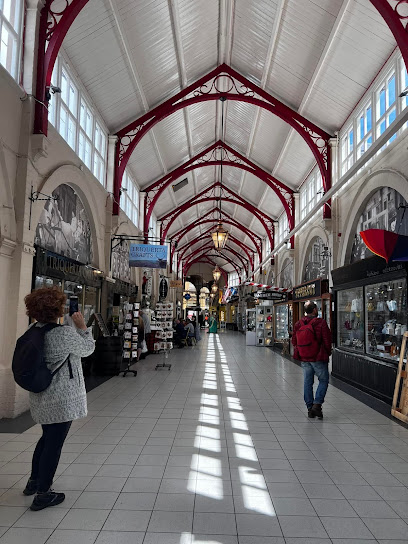
Inverness Gifts & Souvenirs
0.3 km
A historic covered market in Inverness’s Old Town, filled with independent shops, Highland crafts, and diverse food stalls under a beautiful Victorian roof.
Essential places to dine

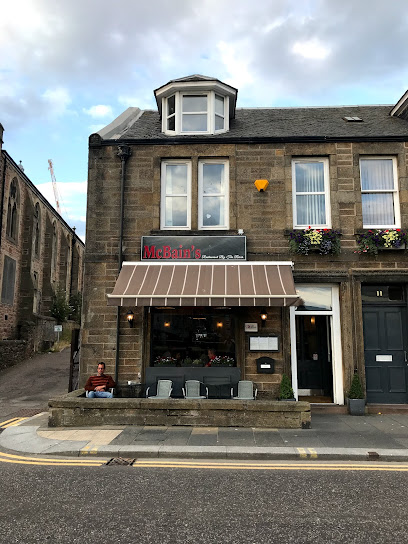
McBain’s by the River
0.1 km
A cozy riverside restaurant in Inverness serving exquisite Highland dishes with fresh local produce and warm family hospitality.
The Kitchen Restaurant
0.2 km
Savor inventive modern British cuisine with stunning River Ness views in a stylish, family-run Inverness restaurant.
Rooftop Garden
0.2 km
A serene rooftop retreat in Inverness offering relaxed dining with scenic city views and a refreshing garden atmosphere.
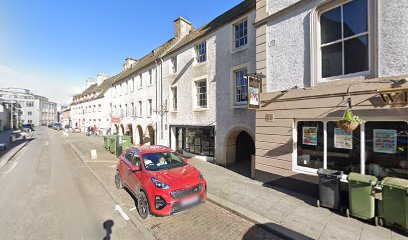
The Brasserie
0.2 km
A comfortable and centrally located brasserie in Inverness offering quality food and a relaxed atmosphere from noon till late.
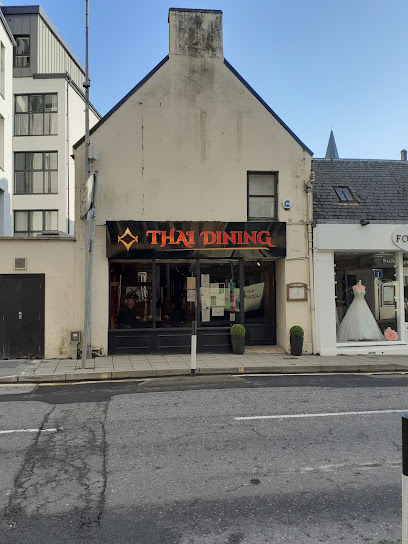
Thai Dining
0.3 km
Experience authentic Thai cuisine with vibrant flavors and unique cocktails in the heart of Inverness’s city center.
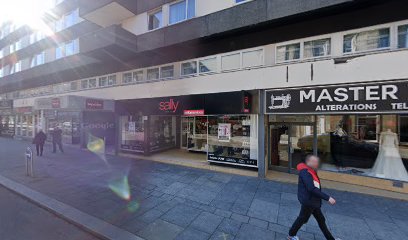
Coyote Burger
0.3 km
Savor premium burgers and vibrant vibes with scenic River Ness views in the heart of Inverness city centre.
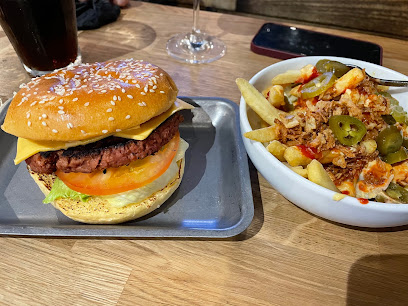
Encore
0.3 km
Experience hearty Scottish flavors and warm hospitality at Encore, Inverness’s vibrant restaurant and bar on Young Street.
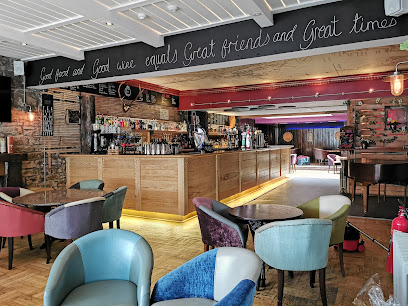
Hou Hou Mei
0.3 km
Discover Hou Hou Mei, Inverness’s vibrant Asian fusion restaurant blending Thai, Japanese, Korean, and Chinese flavors with generous vegan options.
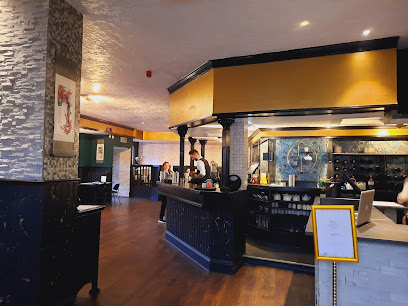
Rose Street Foundry
0.3 km
A vibrant gastropub in Inverness blending local flavors, live music, and a welcoming atmosphere for dining and socializing.
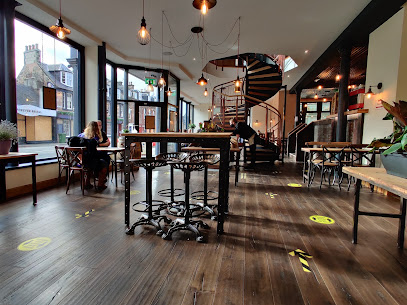
Georges
0.3 km
Experience authentic Thai and South Indian flavors with fresh, generous dishes and warm hospitality in Inverness city centre.
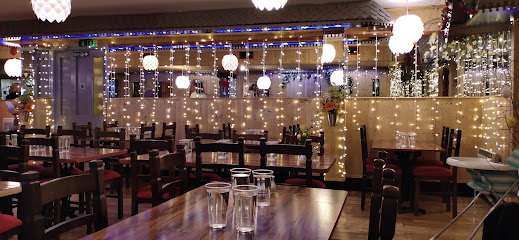
La Le Turkish Mediterranean restaurant
0.3 km
Authentic Turkish Mediterranean flavors served fresh with warm hospitality in the heart of Inverness.
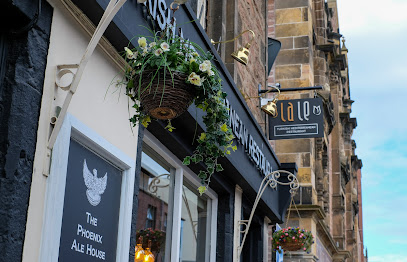
Comfort Foods
0.3 km
Cozy café in Inverness serving hearty homemade meals with fresh local ingredients and generous portions all day long.
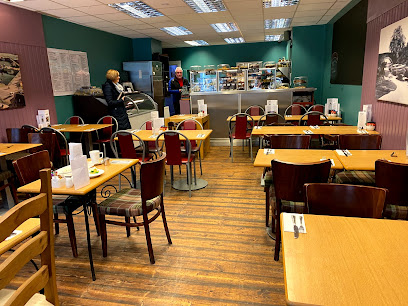
Zizzi - Inverness
0.3 km
Experience vibrant Italian flavors and fresh pasta delights in the heart of Inverness with a welcoming atmosphere and scenic river views.
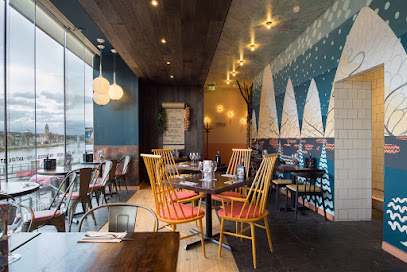
EscoBar - Taqueria & Cocktails
0.3 km
Authentic Mexican flavors and vibrant cocktails in the heart of Inverness, perfect for lively dining and festive gatherings.
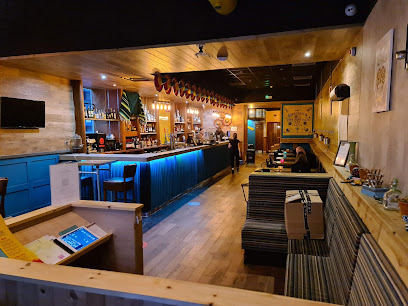
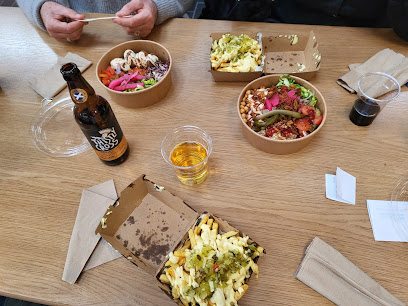
Salt’N’Fire
0.3 km
The UK’s first fully vegan takeaway, serving bold, globally inspired street food in the heart of Inverness’s Victorian Market.
Markets, malls and hidden boutiques

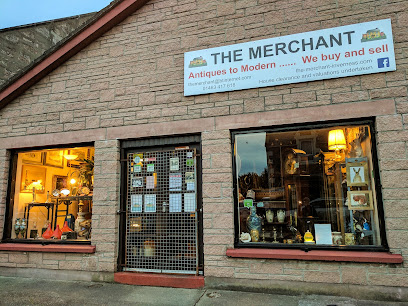
The Merchant
0.2 km
Discover Inverness’s hidden antique gem blending vintage treasures with modern charm on Greig Street.
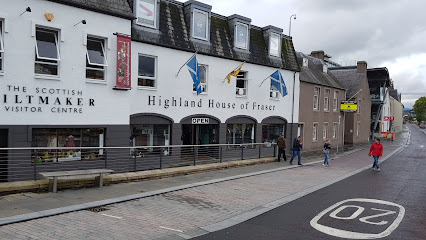
Highland House of Fraser
0.2 km
Discover authentic Scottish Highland dress and witness traditional kilt making at Highland House of Fraser in Inverness, a family-run heritage landmark.
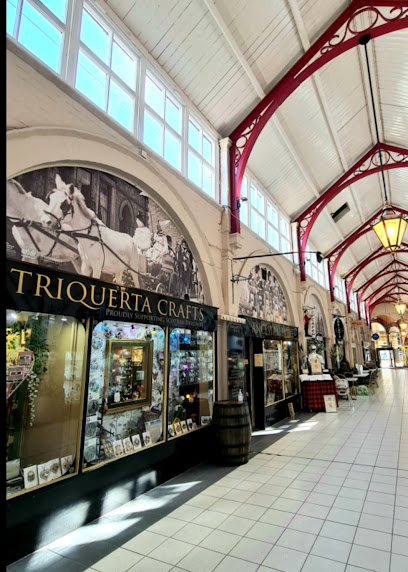
Triquerta Crafts
0.2 km
Discover handcrafted Scottish jewellery and heritage treasures in the charming Victorian Market of Inverness.
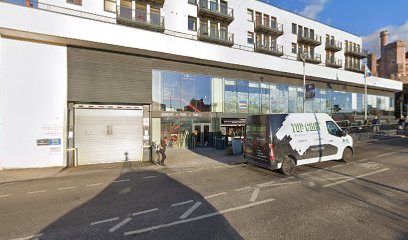
GLENEAGLES OF SCOTLAND
0.3 km
A refined Scottish clothing shop in Inverness, specialising in premium knitwear and country-style fashion with a Highland soul.
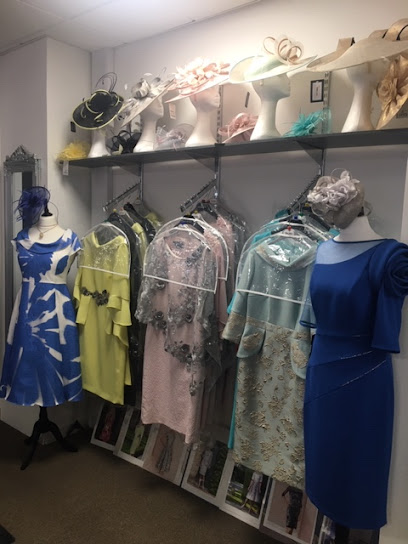
La-Di-Da Fashion/ Ladies Quality Occasion Wear
0.3 km
A charming Inverness boutique for special occasion wear, mother-of-the-bride outfits, designer dresses, hats, fascinators and accessories.
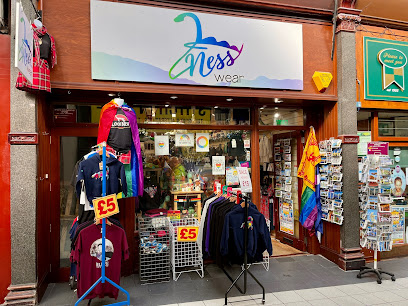
Ness Wear
0.3 km
Authentic Scottish gifts and souvenirs in the heart of Inverness, offering quality craftsmanship and a true Highland shopping experience.
Primark
0.3 km
Discover budget-friendly fashion and homeware in Inverness city centre at Primark’s welcoming multi-floor store.
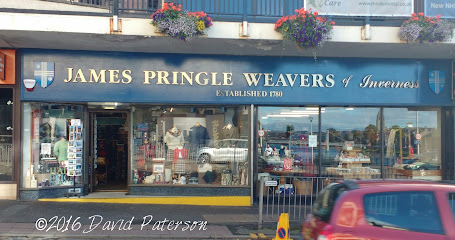
James Pringle Weavers of Inverness
0.3 km
Discover authentic Scottish woollens and heritage craftsmanship at James Pringle Weavers in the heart of Inverness.
Gifts & Souvenirs SALE
0.3 km
Authentic Scottish gifts and Highland treasures in the heart of Inverness, offering unique souvenirs and traditional clan items with guaranteed value.
The Whisky Shop
0.3 km
Discover Scotland’s finest whiskies and expert tastings in the heart of Inverness at The Whisky Shop.
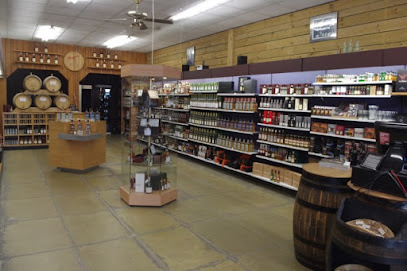
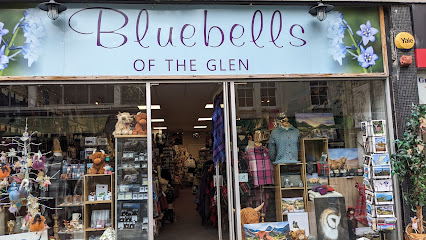
Bluebells Of The Glen Souvenirs & Gifts Shop
0.3 km
Discover unique Highland treasures and charming gifts at Bluebells Of The Glen, a cozy souvenir shop in the heart of Inverness.
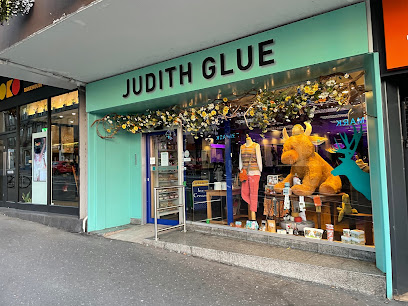
Judith Glue
0.3 km
Discover authentic Orkney knitwear and Scottish gifts in a charming Inverness boutique blending heritage and style near the River Ness.
Allsorts
0.3 km
Inverness's eclectic gift and party shop brimming with unique costumes, cards, and Scottish treasures.
Ortak Handmade Jewellery of Scotland
0.3 km
Handcrafted Scottish jewellery in the heart of Inverness – timeless designs inspired by Orkney’s nature and heritage.
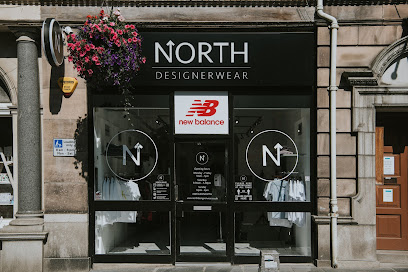
North Designerwear
0.3 km
Discover Inverness’s stylish hub for designer clothing, shoes, and accessories at North Designerwear, where quality meets contemporary fashion.
Essential bars & hidden hideouts

The Walrus & Corkscrew
0.2 km
Discover Inverness’ cozy wine bar with over 200 wines and artisanal Highland charcuterie platters in a warm, inviting atmosphere.
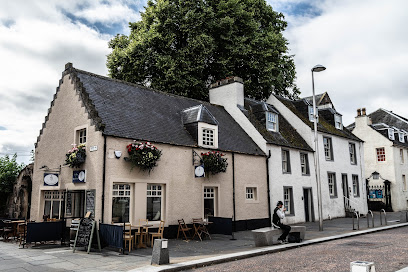
R&Bs
0.2 km
A lively family-run bar and restaurant in Inverness offering local flavors, gluten-free dishes, and the Highlands’ only karaoke nights.
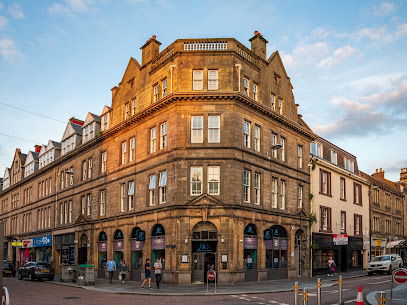
Glenalbyn Bar
0.2 km
Experience authentic Scottish hospitality with fine whiskies, live music, and a cozy atmosphere at Glenalbyn Bar in Inverness.
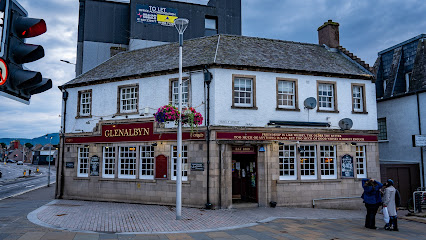
Highlander
0.2 km
Experience daily live Scottish music, authentic cuisine, and a vibrant atmosphere at Highlander Bar, Inverness’s cultural heart.
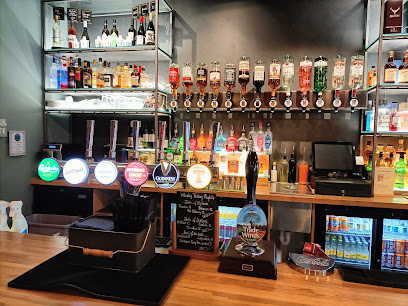
The Malt Room
0.2 km
Discover Inverness’s cozy whisky sanctuary with expert hosts, rare malts, and a warm, intimate atmosphere perfect for savoring every dram.
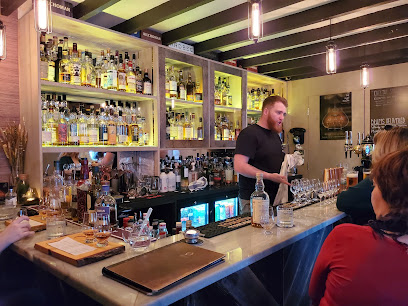
Market Bar
0.3 km
Experience authentic Scottish nightlife with live music, local ales, and a welcoming vibe at Inverness’s Market Bar on Church Street.
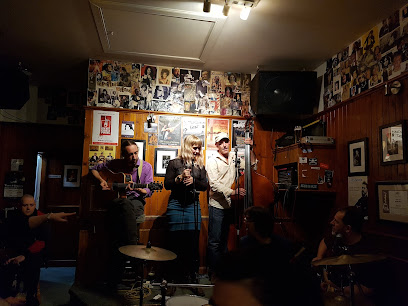
The Wee Bar
0.3 km
A cosy Inverness cocktail bar above Ness Walk, famed for masterful drinks, Highland hospitality, and a warm, intimate vibe.
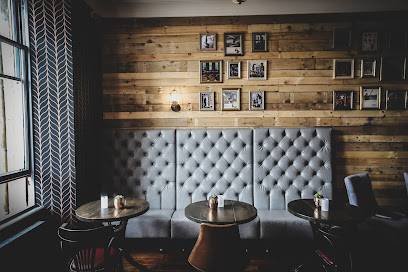
The Phoenix Ale House
0.3 km
A cosy, award-winning Scottish pub in Inverness serving local ales and hearty traditional dishes with a welcoming Highland spirit.
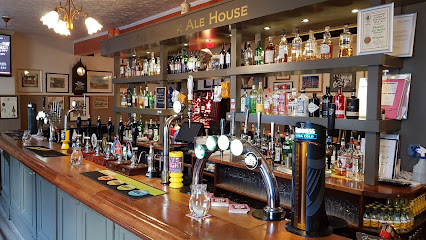
MacCallums Bar
0.3 km
Experience authentic Scottish hospitality, live music, and a vibrant atmosphere at MacCallums Bar, Inverness’s beloved traditional pub.
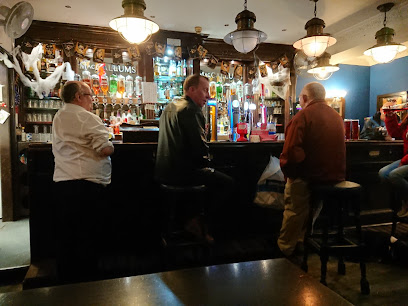
Lauders
0.3 km
Experience the vibrant spirit of Inverness at Lauders Bar, where tradition meets lively nightlife and warm Scottish hospitality.
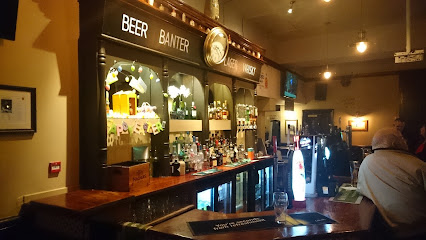
Revolution Inverness
0.3 km
Trendy city-centre bar and restaurant in Inverness known for lively vibes, cocktails, and comfort food favorites.
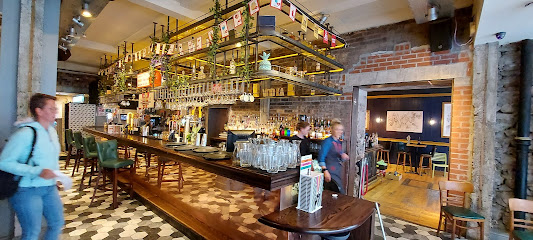
The Gunsmiths Bar
0.3 km
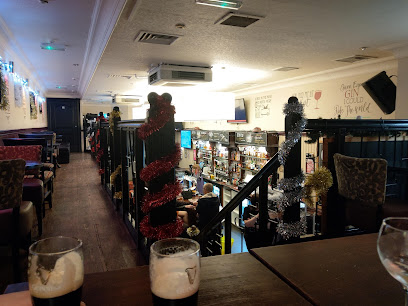
A lively Inverness bar with historic charm, mezzanine views, affordable drinks, and a welcoming atmosphere near the River Ness.
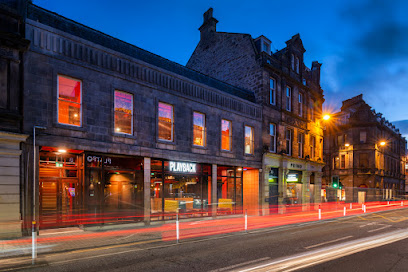
Playback
0.3 km
A lively four-story bar and restaurant in Inverness offering gourmet burgers, exclusive craft beers, rooftop vibes, and fun social games.
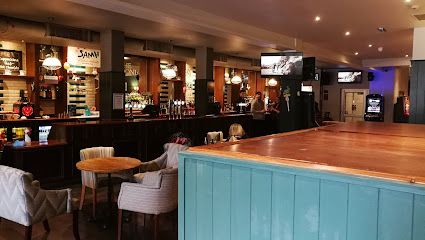
Caledonian
0.3 km
A lively and affordable Scottish pub on Inverness High Street, perfect for classic pub fare and spirited local atmosphere.
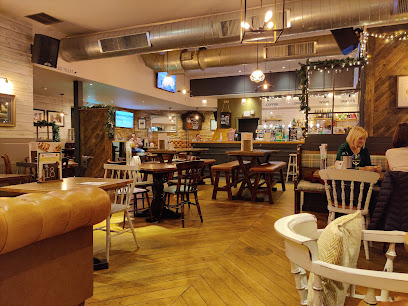
Platform 8
0.4 km
A lively Inverness pub blending classic charm with modern dining and a celebrated draft beer selection.
Nightclubs & after hour spots

Private Eyes Inverness
0.3 km
Experience Inverness’s vibrant nightlife at Private Eyes, where stylish decor meets great music and a welcoming party atmosphere.
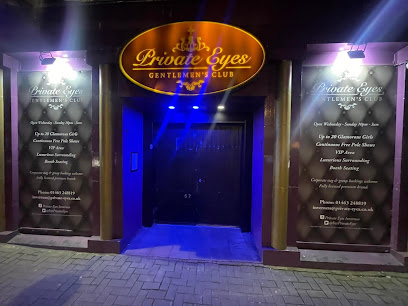
The Ross Shire Club
17.6 km
Experience Dingwall’s vibrant nightlife with a welcoming vibe, BYOB policy, and lively social scene at The Ross Shire Club.
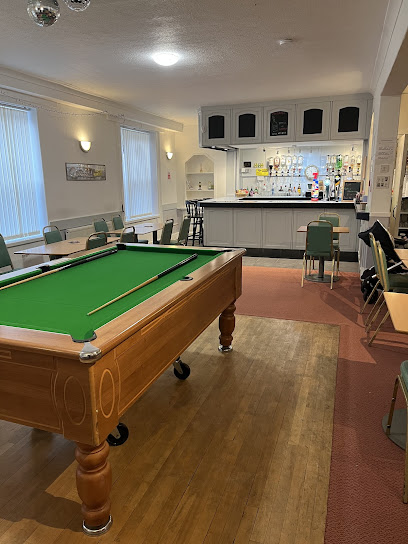
Xplosive Discos
21.8 km
Experience the vibrant nightlife at Xplosive Discos in Nairn, where unforgettable music and karaoke fun await every visitor.
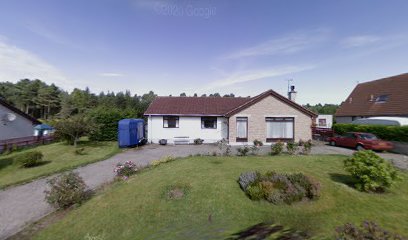
Seaforth Club
24.7 km
Experience Nairn’s vibrant social heart at Seaforth Club, where community spirit meets lively nightlife in a welcoming setting.
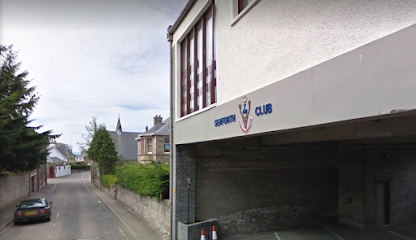
Jackos Bar & Diner
24.9 km
Discover the vibrant atmosphere and delicious grill options at Jackos Bar & Diner in Nairn, perfect for families and sports fans alike.
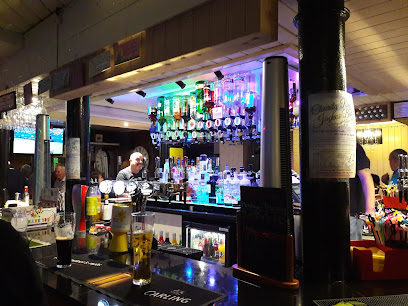
the Balavoulin
39.8 km
A lively, dog-friendly pub with hearty meals and cozy rooms, perfectly placed for exploring Aviemore and the Cairngorms.
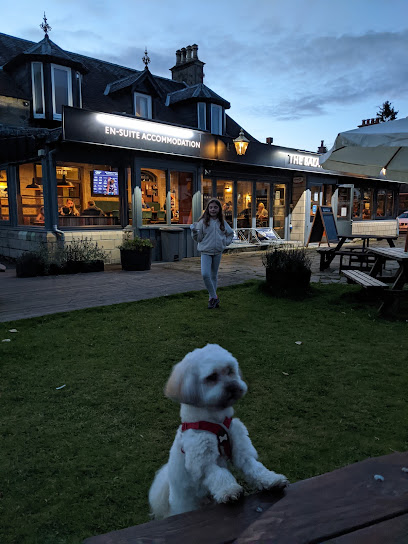
The Winking Owl, Craft Ale Pub & Bar
39.8 km
Discover The Winking Owl in Aviemore for a delightful experience of craft ales, local flavors, and a warm, inviting atmosphere.
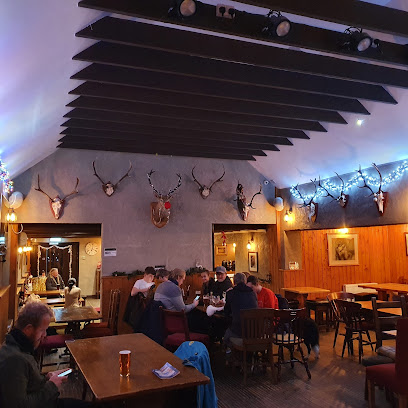
The Vault
40.1 km
Experience Aviemore’s vibrant nightlife at The Vault, a lively nightclub blending modern beats with Highland charm every weekend.
Mambos
40.2 km
Experience the vibrant nightlife at Mambos in Aviemore, where local charm meets a lively bar atmosphere for an unforgettable evening.
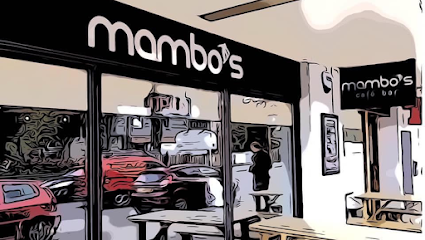
The Aviemore Inn pub and grill
40.9 km
Experience the warmth of Scottish hospitality at The Aviemore Inn, the perfect pub and grill in the heart of Aviemore for travelers and locals alike.
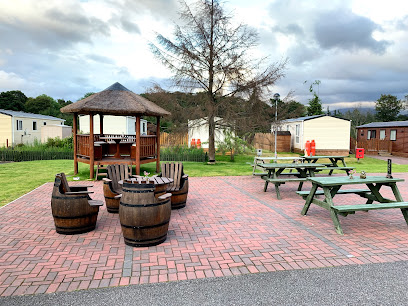
Woodshed Bar
42.4 km
Experience the warmth and charm of Woodshed Bar in Aviemore, where delightful drinks and a cozy atmosphere await you.
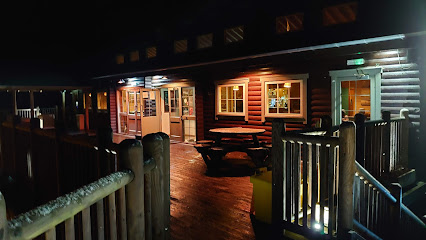
SUIE BAR
42.9 km
Discover Suie Bar: A Heartwarming Scottish Retreat in Kincraig, Perfect for Relaxation and Local Flavors.
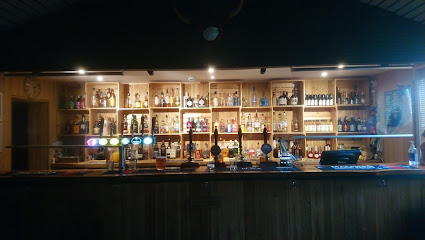
The Pine Marten Bar
47.1 km
Experience the warmth of Scottish hospitality at The Pine Marten Bar, where delicious food and breathtaking views combine for an unforgettable visit.
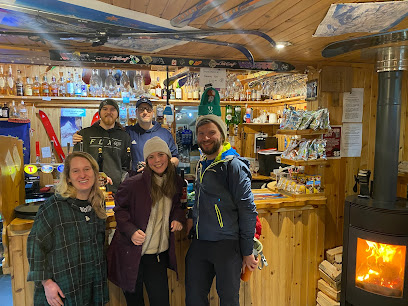
Moray Jazz Club
57.6 km
Discover the vibrant live music scene at Moray Jazz Club in Elgin, where talented musicians create unforgettable performances in an intimate setting.

Shmelgin
57.6 km
Experience the authentic flavors of Nepal at Shmelgin, Elgin's premier Nepalese restaurant, known for its warm atmosphere and delicious dishes.
For the vibe & atmosphere seeker
- Scenic
- Relaxing
- Unique
- Casual
For the design and aesthetic lover
- Vintage Styles
For the architecture buff
- Historic
- Landmarks
For the view chaser and sunset hunter
- Iconic Views
- Panoramas
- Waterfront
For the social media creator & influencer
- Instagrammable
- Photo Spots
- Selfie Spots
For the eco-conscious traveler
- Public-Transport Accessible
For the kind of experience you’re after
- Cultural Heritage
- Photowalk
- Nature Escape
- Day Trip
For how adventurous you want the journey to be
- Easy Access
Location Audience
- Family Friendly
- Senior Friendly
- Child Friendly
- Teen Friendly
- Wheelchair Access
- Pet Friendly
- Solo Friendly
- Couple Friendly
- Solo Female Friendly


