

Craig Phadrig, Inverness Travel Guide
Free Guide: Ancient Pictish fortress with sweeping Highland views and woodland trails through 2,000 years of history.


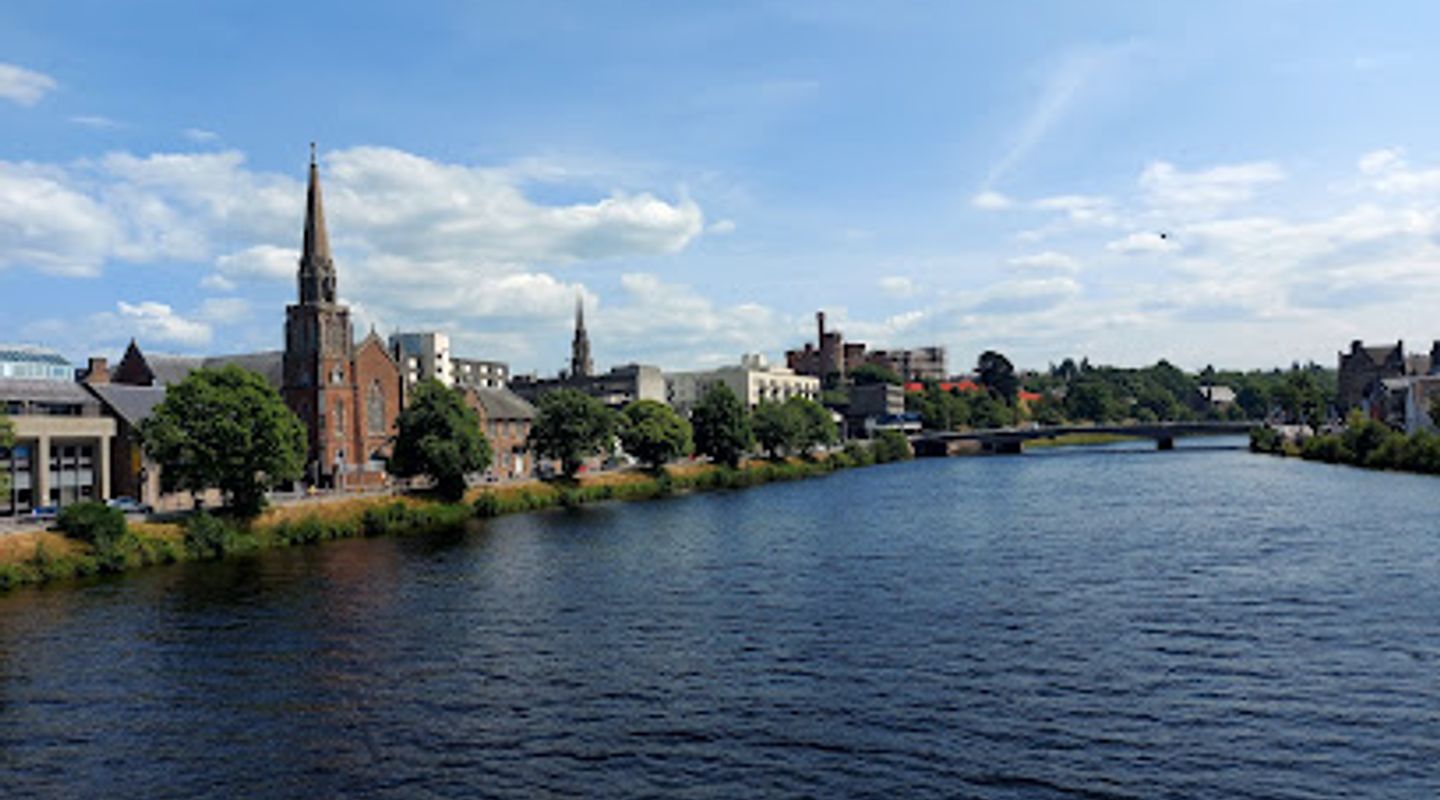
A brief summary of Craig Phadrig
Ancient Pictish fortress with sweeping Highland views and woodland trails through 2,000 years of history.
An ancient Iron Age hill fort perched on a wooded hill overlooking Inverness, Craig Phadrig stands as a testament to 2,000 years of Scottish history. The site, believed to have been visited by Saint Columba in 565 AD, offers woodland trails leading to panoramic views across the Beauly Firth, Ben Wyvis, and the surrounding Highlands. Free parking and well-maintained paths make this a popular destination for history enthusiasts and nature lovers alike.
On-site amenities
 Restrooms
 Food options
 Drink options
 Information boards
 Seating areas
 Picnic areas
Opening hours
- Every dayOpen 24 hours
Opening hours as listed on the venue’s Google Business Profile. Hours can change for services and special events, so check with the venue before you go.
- Address
- Overton Ave, Inverness IV3 8RR
- Phone
- Website
Getting there
Car from Inverness City Centre
Public Bus from Inverness
Walking from Inverness City Centre
Discover more about Craig Phadrig
A Fortress Through the Ages
Craig Phadrig, meaning Patrick's Rock, is an Iron Age hill fort built over 2,000 years ago on the western outskirts of Inverness. Originally constructed around 300 BC, the fort served as a defensive stronghold and a powerful statement of territorial control during the Iron Age. Centuries later, it became the headquarters of a formidable Pictish king, housing royal councils and serving as a centre of political and cultural significance in the ancient Pictish kingdom. The fort's strategic location on elevated terrain provided commanding views of the surrounding landscape, making it an ideal vantage point for monitoring trade routes and defending against potential threats.The most celebrated moment in Craig Phadrig's recorded history occurred in 565 AD, when Saint Columba is said to have visited the fort to meet with King Bridei. According to historical accounts written a century later, Columba sought safe passage for his monks through the Pictish kingdom. The narrative describes the steep path ascending to the fort and the massive doors that sealed the entrance through the inner rampart. Inside, the king's royal council gathered, and the fort hosted elaborate feasts featuring imported luxury goods, including high-status French pottery and ornate silver vessels, evidence of its importance as a centre of wealth and power.
The Mystery of Vitrification and Abandonment
One of Craig Phadrig's most distinctive archaeological features is its vitrified ramparts—walls that were fused together by intense heat, a process that remains partially mysterious to historians. The fort appears to have been destroyed by fire during the 7th century, though whether this resulted from enemy attack or served as a ceremonial act marking the site's abandonment remains unknown. The vitrified stones, melted and fused by extreme temperatures, created a distinctive appearance that persists today. A sample section of this vitrified rock is displayed at Inverness Museum and Art Gallery, allowing visitors to examine this remarkable evidence of the fort's fiery end.
Walking Through History and Woodland
Today, Craig Phadrig is managed by Forestry and Land Scotland and remains easily accessible to visitors. Two waymarked trails wind through native woodland, both leading to the summit where the fort's remains are visible as an oval-shaped mound. The ramparts, though weathered by centuries, are still discernible around the hilltop's edge, allowing visitors to trace the outline of the ancient fortifications. The woodland setting creates an immersive experience, with trees standing guard around the foot of the ancient structures. Blue and yellow waymarkers guide walkers along clear paths, with the shorter route taking approximately 45 minutes and the longer circular route requiring about an hour.
Panoramic Views and Natural Beauty
The ascent to Craig Phadrig's summit is rewarded with spectacular panoramic vistas that justify the climb. From the hilltop, visitors enjoy sweeping views across the Beauly Firth towards the Black Isle, with clear sightlines to Ben Wyvis, a prominent Munro mountain in the distance. On clear days, the vista extends across the Great Glen and encompasses much of Inverness itself. The views are particularly magical during golden hour—sunrise and sunset—when warm light bathes the landscape in ethereal tones. Even on misty or foggy days, the site possesses a mystical charm, with mountain peaks emerging through the clouds and creating an atmospheric connection to the ancient past.
Accessible Exploration for All Abilities
Craig Phadrig offers two distinct routes to accommodate different fitness levels and preferences. The shorter route features a steep initial climb with wooden steps and uneven earth sections that may be muddy, requiring sturdy footwear and moderate fitness. The longer circular route follows a wider gravel surface with gentler slopes and fewer steep sections, making it more accessible for families and those seeking a leisurely pace. Both trails are clearly marked and well-maintained by Forestry and Land Scotland, ensuring safe passage through the woodland. Free parking is available at the main car park, with additional spaces at a smaller lot nearby, making the site convenient for visitors arriving by car from Inverness city centre, just minutes away.
Evendo Review Centre
 Google
Guest reviews
Best time to go
Quietest: Jan, Feb & Dec · before 6am or at 8pm
Busy times are Evendo estimates for a typical year, to help you plan. Actual crowds vary with events, school holidays and the weather.
Explore Craig Phadrig on the map
A handpicked selection of must-see spots near Craig Phadrig, mapped for you.
Get your free copy of our complete guide to Craig Phadrig, delivered straight to you.
Everything on this page, from opening hours and how to get there to Eve’s tips and the best time to go, in one PDF you can read offline, print or share.
Already have an account? Sign in
Your Craig Phadrig guide is ready.
We'll send it to · Not you? Sign out

Getting your guide ready…
We are putting together a fresh copy of the Craig Phadrig guide. This can take up to a minute.
This can take a few moments. If your browser asks, choose Allow so the download can start. You'll find the guide in your Downloads folder.
Nothing happened? Download it again
Sorry, the guide is taking longer than usual. Please try again in a minute, or get it by email instead.
Other nearby places you may find interesting
The closest places of the same kind, if this one is not quite what you had in mind.
-
-
-
-
-


Swipe for more places
More to explore near Craig Phadrig

 Best experiences near Craig Phadrig
 Best hotels near Craig Phadrig
 Best landmarks near Craig Phadrig
 Best attractions near Craig Phadrig
 Best shops near Craig Phadrig
 Best restaurants near Craig Phadrig
 Best bars near Craig Phadrig
Do you manage this location?
Take control to get all the benefits, like improved information, better appearance, and stronger visibility across AI-powered discovery.
Explore more

Explore more of Inverness
Discover Inverness, the picturesque gateway to Scotland's Highlands, where history, culture, and natural beauty blend seamlessly in a vibrant city setting.
Explore Inverness
Explore more of United Kingdom
Discover the United Kingdom: A blend of rich history, stunning landscapes, and vibrant cities, offering a unique travel experience for every visitor.
Explore United Kingdom
