
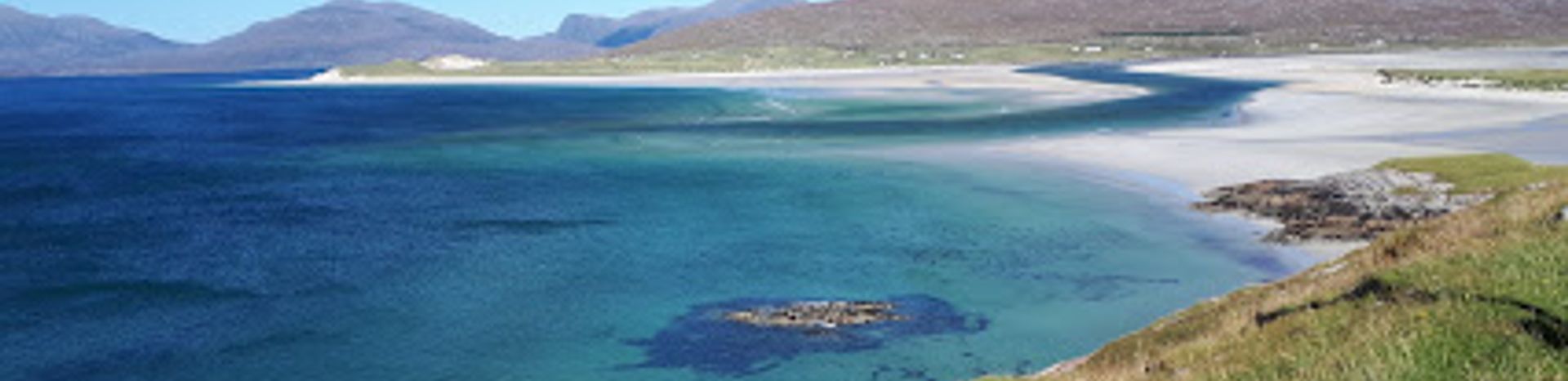
Luskentyre Beach, Isle of Harris
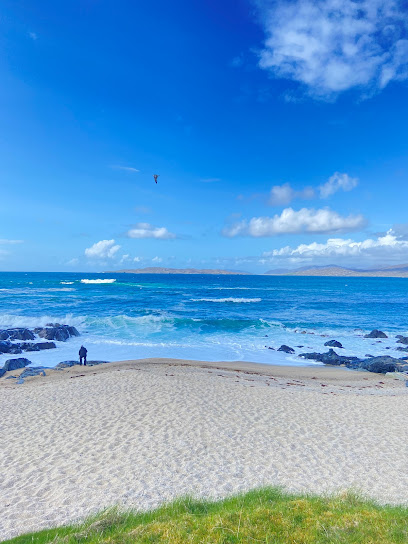
A vast, white-sand beach with turquoise waters and dramatic views across the Sound of Taransay on the Isle of Harris.
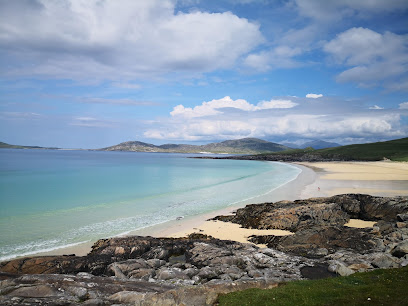
Luskentyre Beach on the Isle of Harris is one of Scotland’s most breathtaking coastal gems, famed for its vast expanse of white sand, turquoise waters, and dramatic views across the Sound of Taransay. Often compared to tropical paradises, this remote Outer Hebrides beach offers a rare blend of wild beauty and serene isolation. Whether walking the sands at low tide, photographing the ever-changing light, or simply soaking in the views of Harris’s hills and islands, Luskentyre delivers a truly unforgettable Hebridean experience.
A brief summary to Luskentyre Beach
- Isle of Harris, Harris, GB
- Duration: 1 to 4 hours
- Free
-
 Outdoor
- Mobile reception: 3 out of 5
Local tips
- Visit at low tide to see the full expanse of Luskentyre Sands and walk across the tidal flats towards Seilebost Beach.
- Check the weather and tide times before you go; clear, sunny days with a mid-tide level bring out the best colours in the water.
- Arrive early or late in the day to avoid the busiest times and enjoy the beach at its most peaceful.
- Bring warm, windproof clothing and sturdy footwear; the Outer Hebrides weather can change quickly, even in summer.
- Respect the environment: take all litter with you, stick to paths where possible, and avoid disturbing wildlife or machair vegetation.

For the on-the-go comforts that matter to you
- Restrooms
- Drinking Water
- Seating Areas
- Trash Bins
Getting There
-
Car
From Tarbert on Harris, follow the A859 south for about 10 minutes, then turn right at the sign for Luskentyre. A narrow single-track road with passing places leads approximately 5 km (3 miles) down to the beach car parks. Allow around 15–20 minutes for this final stretch, especially if meeting other vehicles. Parking is limited and can fill quickly on sunny summer days; overnight parking is not permitted.
-
Public Transport
From Tarbert, local bus services run along the A859 towards South Harris. The nearest stop is in the village of Luskentyre, about 800 metres from the beach, or at the turn-off from the A859, which is roughly 5 km (3 miles) away. Bus frequency is limited, especially outside summer, so check timetables in advance and allow time for the walk over dunes and uneven ground.
-
Cycling
From Tarbert or nearby villages, cycling along the A859 and then the single-track road to Luskentyre is a scenic option, covering about 15–20 km (9–12 miles) depending on starting point. The final 5 km (3 miles) is on a narrow, winding road with passing places; allow extra time for stops to enjoy the views. Secure bike storage is not available at the beach, so bring a lock.
-
Ferry and Air
Most visitors reach Harris via CalMac ferry from Uig on Skye to Tarbert, a crossing of about 1 hour 45 minutes, or by air to Stornoway on Lewis, then a drive of around 1 hour 30 minutes to Luskentyre. From either arrival point, a car or taxi is needed for the final leg to the beach.
Luskentyre Beach location weather suitability
-
 Any Weather
-
 Clear Skies
-
 Mild Temperatures
Discover more about Luskentyre Beach
A Hebridean Paradise of Sand and Sea
Luskentyre Beach, known locally as Traigh Losgaintir, unfolds along the west coast of South Harris in the Outer Hebrides, a place where Scotland’s wild Atlantic coast meets something unexpectedly tropical. Stretching for miles across a wide bay, the beach is a vast sweep of fine, silvery-white sand that glows in the sunlight and feels soft underfoot. At low tide, the sands expand dramatically, merging with nearby Seilebost Beach to form one of the largest tidal sand flats in the region, where shallow channels snake across the flats like liquid lace. The water here is famously clear, shifting between shades of aquamarine, turquoise, and deep blue depending on the light and weather, creating a seascape that feels more Caribbean than northern Scotland.Setting and Surroundings
Luskentyre sits in a dramatic coastal amphitheatre framed by the rugged hills of Harris to the east and the island of Taransay just offshore. The beach faces west across the Sound of Taransay, offering sweeping views of the open Atlantic and the distinctive silhouette of the island, once made famous by the BBC’s Castaway series. Behind the beach, dunes and machair grassland roll inland, dotted with wildflowers in summer and providing habitat for wading birds and seabirds. The surrounding landscape is classic Hebridean: a mosaic of moorland, lochs, crofting settlements, and ancient stone walls, all contributing to a sense of remoteness and timelessness. The beach is part of a wider network of stunning west-coast sands, but Luskentyre stands out for its scale, clarity of water, and the way it captures the light at dawn and dusk.Atmosphere and Experience
Visiting Luskentyre is less about facilities and more about immersion in raw, elemental beauty. The atmosphere is one of quiet awe: the sound of waves, the cry of gulls, and the wind in the dunes replace the noise of everyday life. On a clear day, the beach feels like a luminous dreamscape, with the sun reflecting off the wet sand and the water sparkling like glass. In overcast or stormy weather, the mood turns moody and dramatic, with dark clouds scudding over the hills and the sea churning against the shore. The beach is ideal for long walks, barefoot strolls, photography, and simply sitting to watch the tides and light shift. It’s a place that encourages stillness, reflection, and a deep connection with the natural world, whether you’re here for an hour or a full day.Practicalities and Access
Reaching Luskentyre requires a journey to the Outer Hebrides, typically by ferry from Skye to Tarbert on Harris or by air to Stornoway on Lewis, followed by a drive south along the A859. From the main road, a narrow single-track road leads about three miles down to the beach, with passing places and two small car parks near the dunes. From the car park, it’s a short walk over the dunes to reach the sand, though the path is sandy and uneven, making it unsuitable for buggies. Facilities are minimal: there are basic toilets at the main car park, but no shops, cafes, or lifeguards. Visitors should come prepared with water, food, warm clothing, and sturdy footwear, and be mindful of tides, weather, and the remote location. Despite its fame, Luskentyre rarely feels crowded, especially outside peak summer hours, preserving its sense of solitude and wildness.Iconic landmarks you can’t miss

Pairc an t-Srath Guest House
5.5 km
Charming guest house on Isle of Harris with stunning sea views, warm hospitality, and delicious home-cooked meals near beautiful beaches.

Harris House
9.3 km
Discover the perfect blend of care and natural beauty at Harris House in the enchanting Isle of Harris.
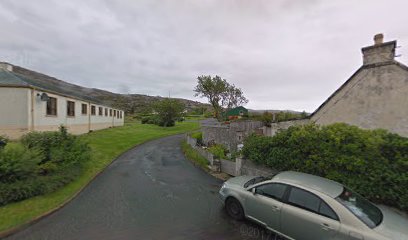
Temple Harris
12.4 km
A modern café and deli in Northton, Isle of Harris, serving great coffee, soups and local produce with stunning sea views across the bay.
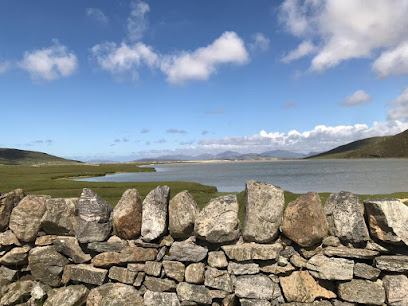
Visit Outer Hebrides
18.0 km
Your essential gateway to exploring the wild beauty and rich Gaelic culture of Scotland’s Outer Hebrides islands.
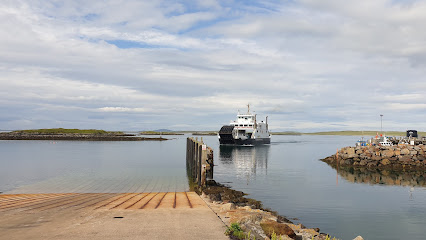
Sound of Harris
18.6 km
A dramatic eight-mile maritime passage through Scotland's remote Outer Hebrides, where tidal waters and rocky islands create an unforgettable crossing.
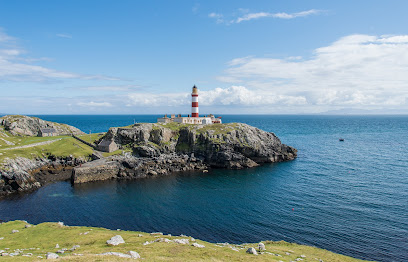
Eilean Glas Lighthouse
18.7 km
A historic white lighthouse on the wild northern tip of the Isle of Scalpay, offering sweeping sea views and a taste of remote Hebridean life.
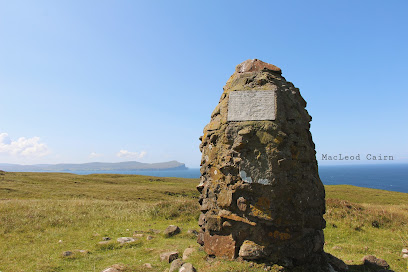
Clan MacLeod Memorial Cairn
40.0 km
A windswept stone cairn on Skye’s east coast, honoring the legacy of Clan MacLeod and their deep roots in the Hebrides.
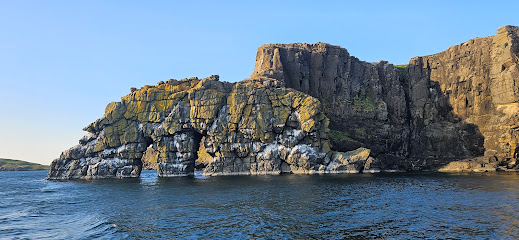
Ardmore Arches
42.2 km
Discover the rugged beauty of Ardmore Arches, striking natural sea arches on Skye’s wild Waternish Peninsula.
Old Ruins
46.3 km
Discover the haunting Old Ruins near Portree, where ancient history and rugged coastal beauty converge on the Isle of Skye.
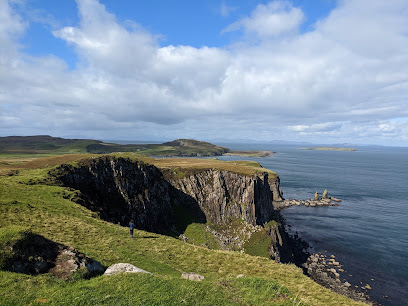
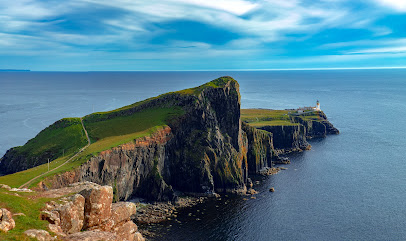
Neist Point Lighthouse
52.9 km
Iconic lighthouse on Skye’s westernmost point, framed by dramatic cliffs and rich wildlife, perfect for stunning coastal views and serene walks.
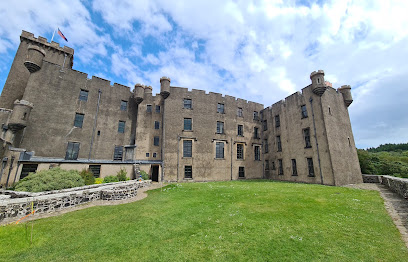
Dunvegan Castle & Gardens
53.7 km
Explore the historic Dunvegan Castle & Gardens on the Isle of Skye, where rich heritage meets stunning natural beauty.
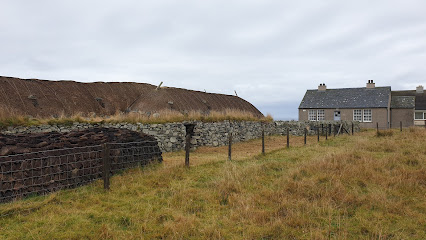
historic scotland
55.0 km
Explore the historical essence of The Blackhouse in Arnol, Isle of Lewis, where traditional Scottish life comes alive amidst stunning landscapes.
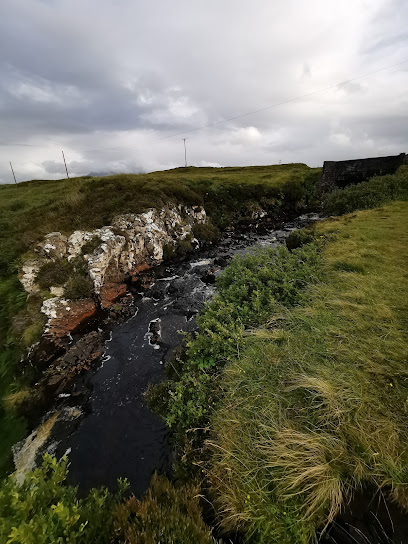
Dun Osdale
56.1 km
Discover Dun Osdale, an ancient Iron Age fort on Skye where history meets faerie legend amidst rugged coastal beauty.
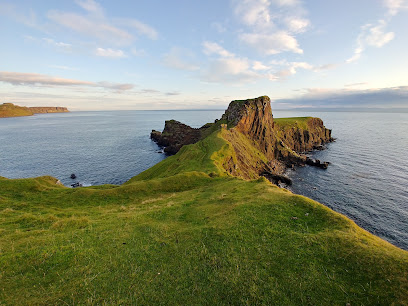
The Brother's Point
58.9 km
Explore Brother's Point on the Isle of Skye: A breathtaking coastal destination rich in wildlife and stunning landscapes.
Iron age broch
60.3 km
Explore a uniquely Scottish Iron Age broch perched above Portree, revealing ancient stone craftsmanship and commanding views of Skye’s dramatic landscape.
Unmissable attractions to see

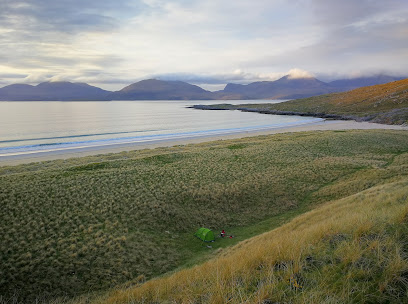
Traigh Rosamol
0.4 km
Discover the tranquil white sands and sweeping coastal views of Traigh Rosamol, a serene beach gem on Scotland’s Isle of Harris.
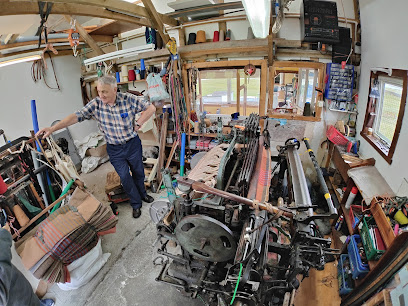
Luskentyre Harris Tweed Co
0.6 km
Discover authentic Harris Tweed handwoven in the remote village of Luskentyre, where tradition and craftsmanship meet rugged island beauty.
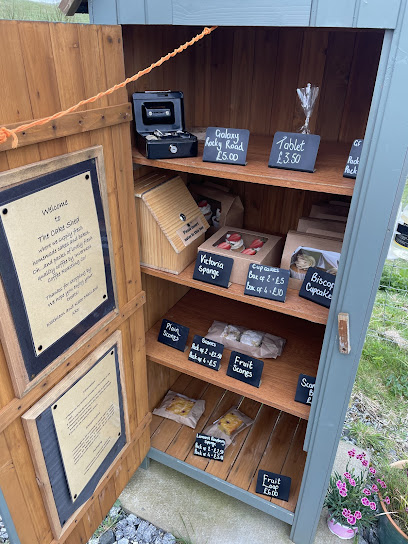
The Cake Shed Luskentyre
0.9 km
A charming bakery near Luskentyre Beach serving fresh, delicious treats in a stunning island setting on the Isle of Harris.
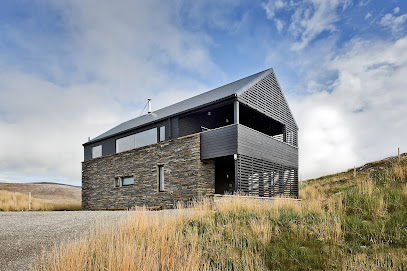
Fir Chlis
2.7 km
Luxury architect-designed beachhouse with panoramic views overlooking Luskentyre Beach on the Isle of Harris.
A.S Apothecary
3.1 km
Discover handcrafted botanicals and award-winning alcohol-free spirits at A.S Apothecary, a unique herb shop and coffee roaster in scenic Seilebost, Isle of Harris.
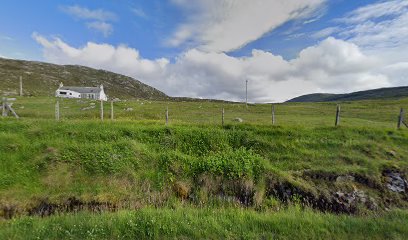
Blas Bhon Iar
3.6 km
Savor authentic local takeaway dishes with a warm welcome in scenic Horgabost on the Isle of Harris.
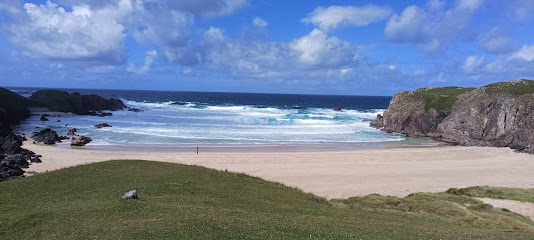
Clach Mhic Leoid,standing stone
3.8 km
Discover the ancient mystery and breathtaking coastal beauty of Clach Mhic Leoid, a towering Neolithic standing stone on the Isle of Harris.
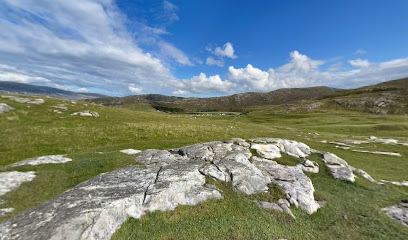
MacLeod´s Stone
3.8 km
Discover the towering Neolithic mystery of MacLeod's Stone on Harris, where ancient legend meets breathtaking coastal scenery.
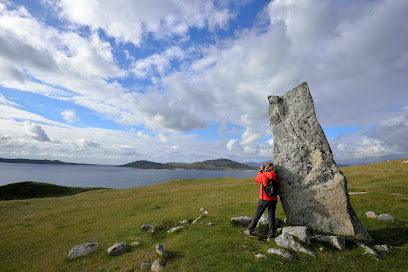
Nisabost Beach
4.0 km
Golden sands and wild Atlantic horizons on Harris's most accessible beach.
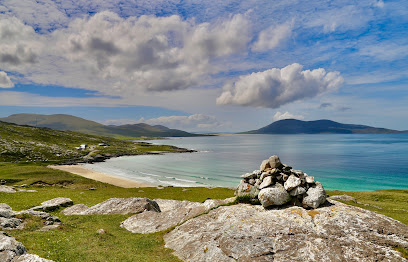
Talla na Mara Gift Shop
4.6 km
Discover authentic island crafts and community spirit at Talla na Mara Gift Shop, a cultural gem on the scenic Isle of Harris.
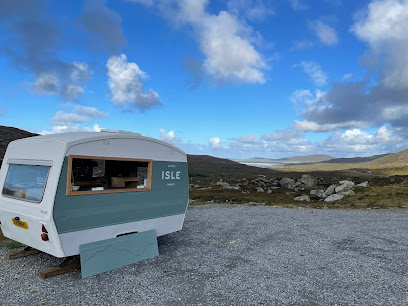
Isle Coffee Harris
6.0 km
Discover the best coffee on the Isle of Harris in a cozy, friendly spot with scenic marina views in Tarbert.
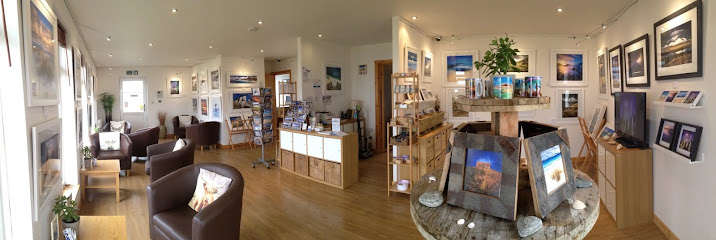
Hebscape Gallery & Tearoom
6.7 km
Discover evocative Hebridean photography and homemade delights with stunning views at Hebscape Gallery & Tearoom on the Isle of Harris.
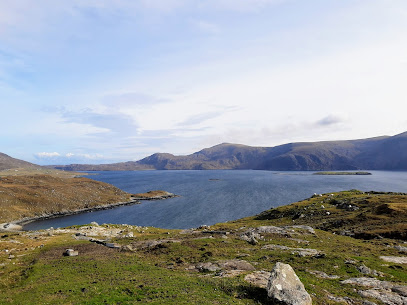
North Harris Eagle Observatory Car Park
7.2 km
Starting point for a scenic walk to a timber-framed hide offering iconic golden eagle views in the wild North Harris hills.
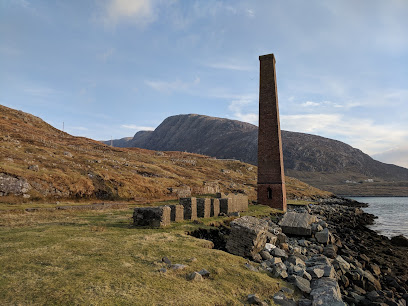
Bunavoneader Whaling Station (Bun Abhainn Eadarra)
7.6 km
Explore the haunting ruins of a 20th‑century whaling station on Harris’s wild west coast, where concrete tanks, rusted machinery, and whale bones tell a powerful story of industry and isolation.
Small Beach
7.7 km
A serene and unspoiled coastal retreat on the Isle of Harris, perfect for peaceful beach walks and nature immersion.
Essential places to dine

Talla na Mara Restaurant
4.6 km
Community-focused dining with stunning coastal views and fresh, inclusive menus on the Isle of Harris.
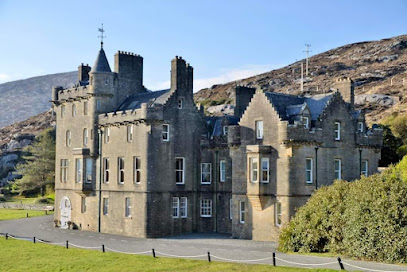
Amhuinnsuidhe Castle
8.1 km
Exclusive 19th-century Scottish Baronial castle on Harris offering luxury stays, world-class fishing, and breathtaking Hebridean views.
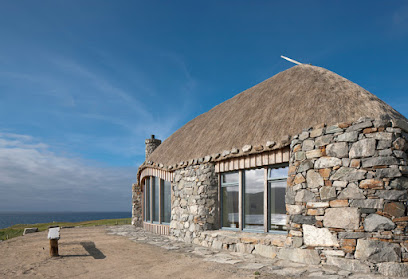
Òran na Mara
8.4 km
Experience the perfect blend of traditional Hebridean charm and modern luxury with breathtaking views over Scarista beach on the Isle of Harris.
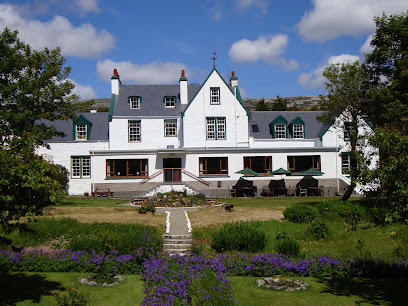
Harris Hotel
8.6 km
Experience authentic island charm, warm hospitality, and local flavors at Harris Hotel, your cozy retreat in the heart of Tarbert, Isle of Harris.
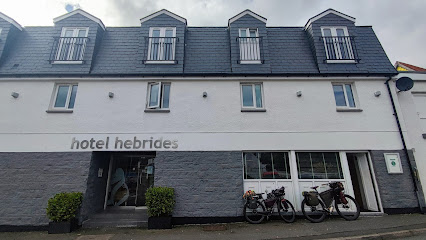
Hotel Hebrides
9.1 km
Experience comfort and local charm at Hotel Hebrides in Tarbert—your gateway to exploring the breathtaking Isle of Harris.
Pierhouse Cafe And Restaurant
9.1 km
A refined waterfront dining experience in Tarbert, offering fresh Hebridean seafood and warm hospitality with stunning harbour views.
Scarista House
9.1 km
Historic Georgian elegance meets stunning Atlantic views in this remote boutique hotel on the Isle of Harris.
Bays Of Harris Community Centre
9.2 km
A welcoming cultural hub on the Isle of Harris offering hearty local fare, lively ceilidhs, and vibrant community spirit in a scenic coastal setting.
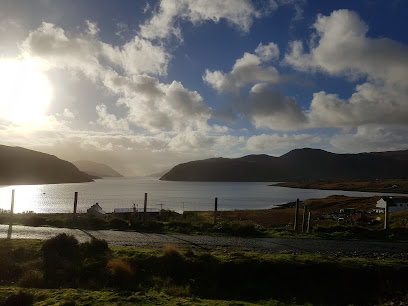
Flavour
9.8 km
Discover an immersive chef’s table experience with locally foraged fine dining in the heart of the Isle of Harris.
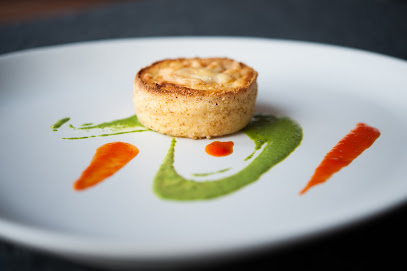
Lingay House
13.9 km
Experience warm hospitality, modern comfort, and stunning loch views at Lingay House, a charming B&B and restaurant on the Isle of Harris.
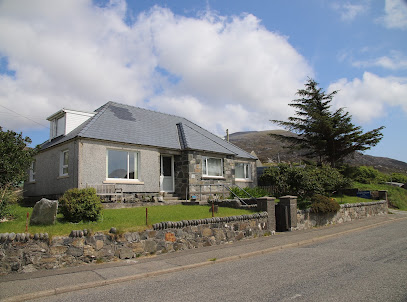
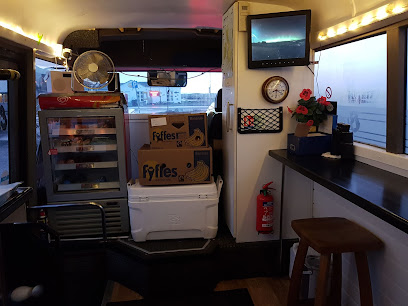
Butty Bus
14.5 km
A cozy, no-nonsense café at Leverburgh ferry terminal serving fresh local fish and chips with charming harbor views.
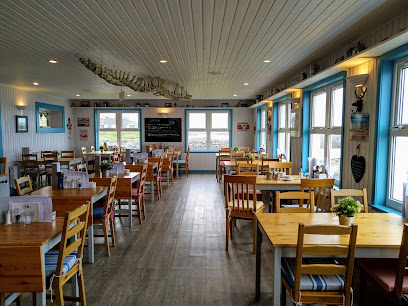
The Anchorage Restaurant, Cafe & Bar
14.5 km
Fresh seafood and local flavors served with stunning harbour views in a relaxed, welcoming setting on Leverburgh’s pier.
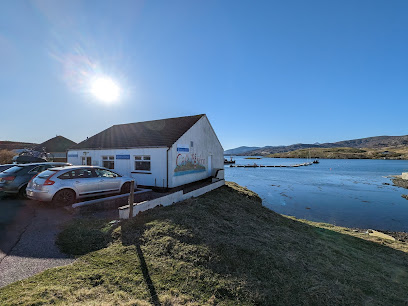
North Harbour Bistro
15.1 km
Exquisite seafood dining with stunning harbour views and warm island hospitality on the Isle of Scalpay.
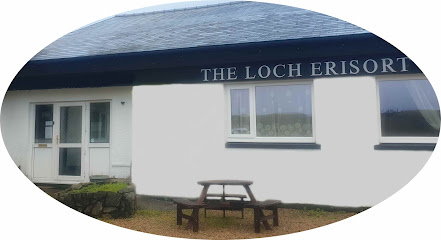
Loch Erisort Hotel
29.0 km
A welcoming Hebridean inn with spacious rooms, stunning loch views, and hearty local cuisine on the tranquil Isle of Lewis.
Uig Sands Restaurant
33.7 km
Experience exquisite local seafood and stunning coastal views at Uig Sands Restaurant, a stylish gem on the Isle of Lewis.
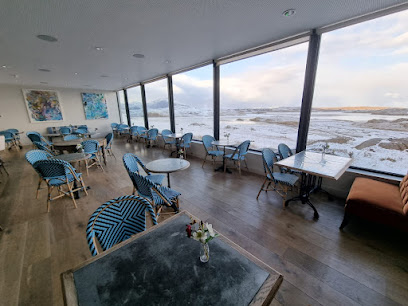
Markets, malls and hidden boutiques

Luskentyre Beach Hut
0.6 km
A charming trust-based gift hut offering local crafts and refreshments with stunning views over Luskentyre Bay on the Isle of Harris.
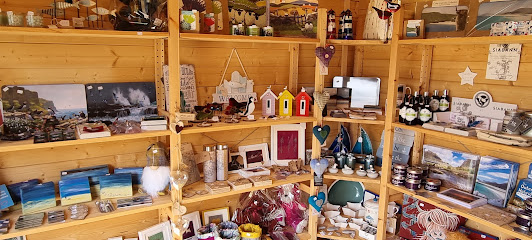
Woven & Wild
7.0 km
Discover authentic, sustainable Hebridean homewares crafted with care in Scarista, Isle of Harris.
Harris Tweed Isle Of Harris Shop
8.7 km
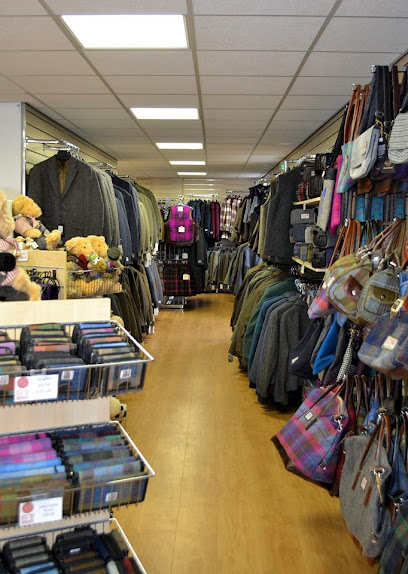
Discover authentic Harris Tweed craftsmanship and timeless island heritage in the heart of Tarbert, Isle of Harris.
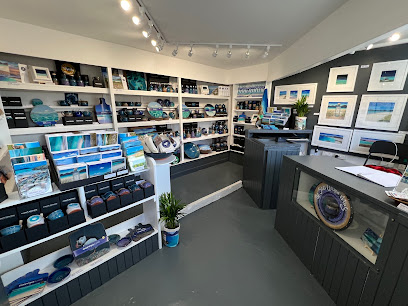
Blamire at Harris
8.9 km
A split-level gift shop in Tarbert showcasing handcrafted ceramics, original oil paintings, and authentic souvenirs from the Isle of Harris.
Akrams General Store
8.9 km
Akrams General Store offers authentic local goods and essentials in the heart of Tarbert, Isle of Harris, blending convenience with Hebridean charm.

John Morrisons Newsagents
8.9 km
A welcoming local hub in Tarbert offering essentials and island charm on the Isle of Harris.
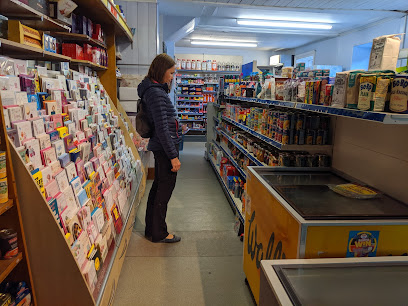
Tarbert charity shop
9.1 km
Explore Tarbert Charity Shop, a unique thrift store on the Isle of Harris, where every purchase supports local charities and sustainability.
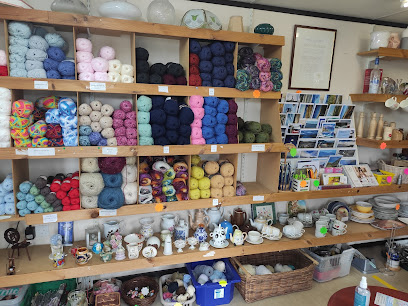
Essence of Harris
9.1 km
Discover the essence of the Isle of Harris through handcrafted, sustainably made candles and homewares inspired by the island’s natural beauty.
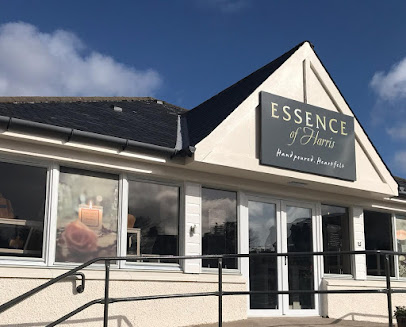
The Wee Croft Shop - Isle of Harris
9.9 km
Discover authentic Harris crafts and unique gifts at The Wee Croft Shop in Tarbert, a charming local treasure celebrating island heritage.
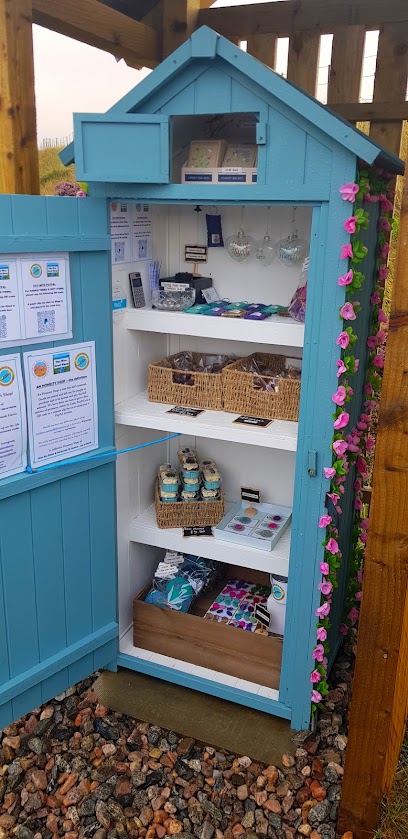
David's sausages
10.6 km
Discover handcrafted local sausages steeped in Isle of Harris tradition, crafted for food lovers seeking authentic island flavors.

Harris Tweed and Knitwear
11.8 km
Authentic handwoven Harris Tweed products crafted in the Outer Hebrides, blending heritage, quality, and island tradition.
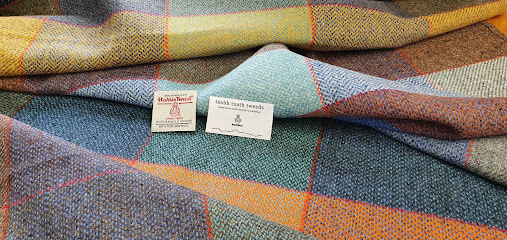
Taobh Tuath Tweeds
12.7 km
Discover authentic Harris Tweed weaving and island heritage at Taobh Tuath Tweeds in Northton, Isle of Harris.
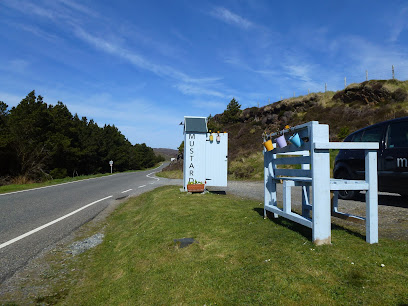
The Hebridean Mustard Company
13.6 km
Discover artisanal mustards crafted with passion and natural ingredients at the iconic Hebridean Mustard hut in Leverburgh, Isle of Harris.
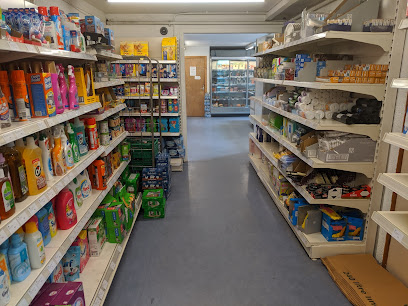
Harris Community Shop (An Clachan)
14.0 km
A well-stocked, community-owned shop serving as the essential retail and social hub in Leverburgh on the Isle of Harris.
Harris with Love
14.9 km
Discover authentic Hebridean artistry and handcrafted treasures at Harris with Love, a charming boutique in Scalpay on the Isle of Harris.
Essential bars & hidden hideouts

Ardhasaig House Hotel and Restaurant
7.0 km
A tranquil Hebridean escape offering cozy rooms, exquisite local cuisine, and stunning mountain and sea views on the Isle of Harris.
The Bothy
13.8 km
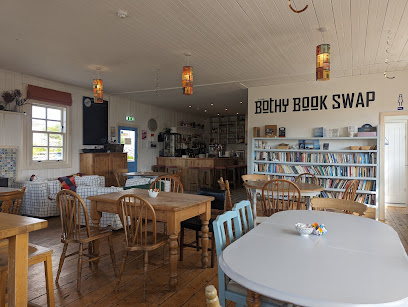
A cozy pub and café in Leverburgh offering local ales, hearty meals, and warm island hospitality on the Isle of Harris.
Isle of Harris Brewery
14.5 km
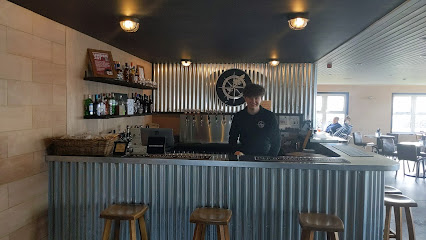
Crafting island-brewed beers and fresh Hebridean fare in a lively waterfront taproom on the Isle of Harris.
Westford Inn
44.4 km
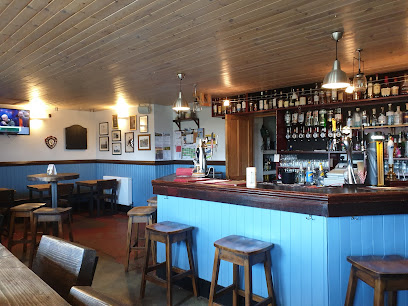
A cozy Hebridean pub on North Uist offering hearty local cuisine, craft ales, and warm island hospitality in a traditional stone setting.
The Stein Inn
47.5 km
Historic pub and hotel on Skye offering fresh seafood, cozy rooms, and stunning Loch Bay views in a charming coastal village.
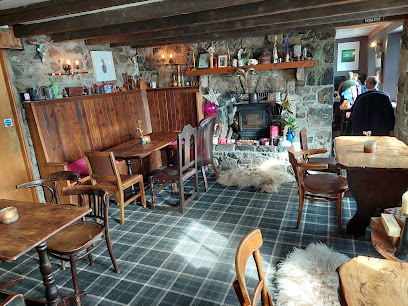
THE HARBOUR BAR
48.3 km
A warm, inviting bar in Stornoway offering local brews, hearty Scottish fare, and live music in the heart of the Isle of Lewis.
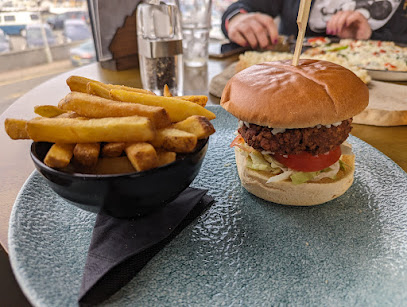
The Criterion Bar
48.3 km
A cozy, traditional Scottish bar in Stornoway known for its friendly service, quality drinks, and authentic Hebridean atmosphere.
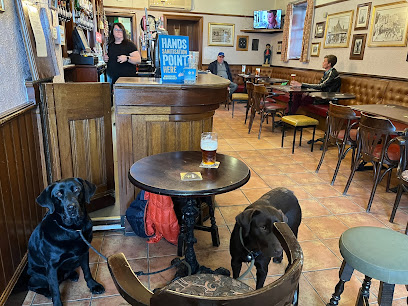
Stornoway Distillers @ The Fank
48.4 km
Experience authentic Hebridean flavors and craft gin in the heart of Stornoway’s vibrant culinary scene.
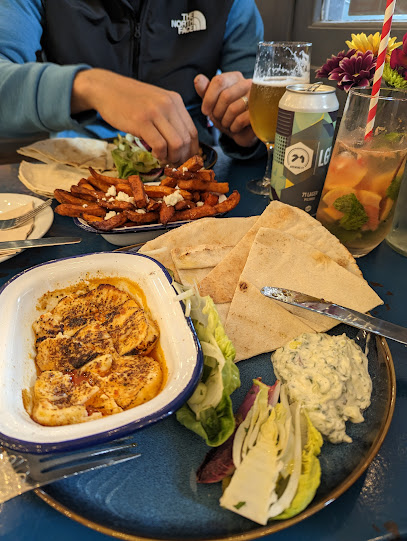
McNeills
48.4 km
Experience Stornoway’s vibrant live music and warm hospitality at McNeills, a historic bar with authentic Hebridean spirit.
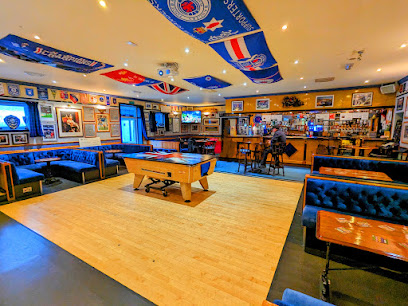
Lewis & Harris Rangers Supporters Club
48.5 km
A spirited social hub and the world’s largest Rangers supporters club, uniting fans in Stornoway with football passion and community warmth.
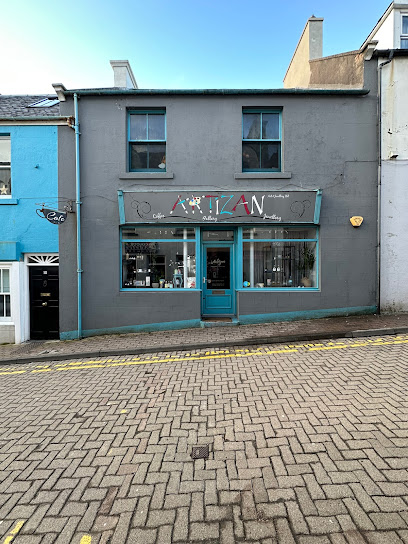
Artizan
48.5 km
Artizan blends local flavors, creative cocktails, and unique crafts in a warm, welcoming café and event space in the heart of Stornoway.
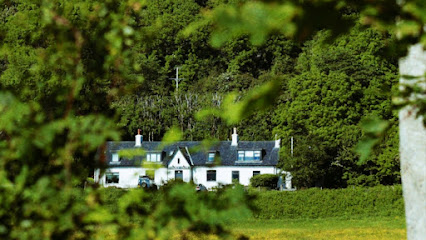
The Ferry Inn
48.6 km
A stylish 19th-century inn in Uig offering cozy rooms, exceptional local cuisine, and stunning views over Skye’s northern bay.
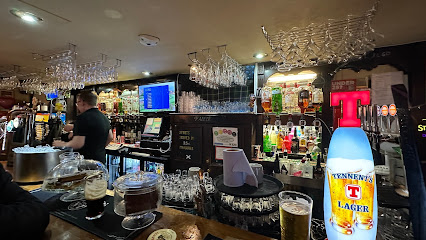
The Rip
63.8 km
A cozy bar on the Isle of Lewis where local culture, craft beers, and scenic beauty create a warm retreat for travelers and locals alike.
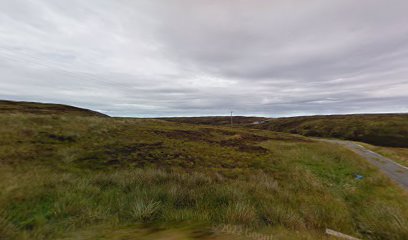
The Isles Inn
69.6 km
A lively traditional pub and cozy inn in Portree, offering hearty Scottish fare, live folk music, and comfortable rooms in the heart of Isle of Skye.
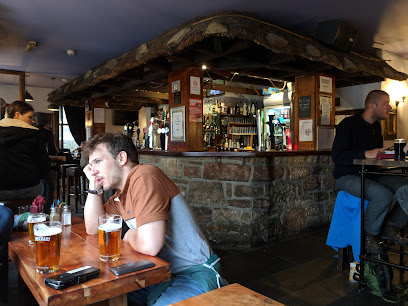
West Highlands Bar
69.7 km
Cozy Highland pub in Portree offering local whiskies, Isle of Skye brews, live music, and a warm, inviting atmosphere year-round.
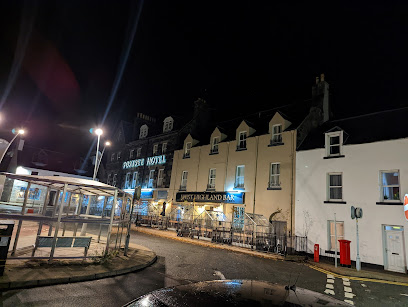
Nightclubs & after hour spots

Number 5
11.6 km
Charming stone cottage hostel with sea views, cozy fires, kayak rentals, and warm hospitality on the scenic Isle of Harris.
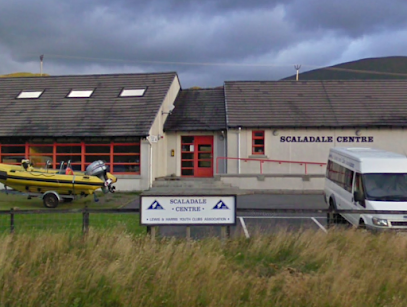
The Scaladale Centre
16.1 km
A premier outdoor adventure centre and hostel on Isle of Harris, offering year-round activities and comfortable group accommodation in stunning Hebridean surroundings.
Red fox
52.8 km
Red Fox on the Isle of Lewis: Dive into a vibrant adult entertainment scene amidst breathtaking landscapes.
Skye Camanachd Social Club
69.0 km
Experience the vibrant social heartbeat of Portree at Skye Camanachd Social Club, where tradition meets lively nightlife on the Isle of Skye.

For the vibe & atmosphere seeker
- Relaxing
- Tranquil
- Scenic
- Zen
For the architecture buff
- Parks & Gardens
- Viewpoints
For the view chaser and sunset hunter
- Iconic Views
- Panoramas
- Waterfront
- Sunrise Spots
- Sunset Spots
For the social media creator & influencer
- Instagrammable
- Photo Spots
- Selfie Spots
- Aesthetic Corners
- Reel-Friendly
- Colorful Backdrops
For the eco-conscious traveler
- Low Impact
- Protected Area
- Public-Transport Accessible
- Leave-No-Trace Critical
For the kind of experience you’re after
- Cultural Heritage
- Photowalk
- Nature Escape
- Day Trip
- Weekend Getaway
For how adventurous you want the journey to be
- Easy Access
Location Audience
- Family Friendly
- Child Friendly
- Teen Friendly
- Senior Friendly
- Solo Friendly
- Couple Friendly
- Solo Female Friendly
- Pet Friendly


