
Gress Corn Mill: Historic Water-Powered Milling on the Isle of Lewis
Discover the historic 19th-century water-powered Gress Corn Mill, a rustic relic of Isle of Lewis’s agricultural heritage and rural life.
Gress Corn Mill is a 19th-century water-powered corn mill located on the Isle of Lewis in Scotland’s Outer Hebrides. Once central to local agriculture, it ground grain into flour for crofters until the early 20th century. Though now a ruin, the mill retains its historic millstone and offers a glimpse into traditional rural life and milling technology powered by nearby streams.
A brief summary to Gress Corn Mill
- Isle of Lewis, HS2 0NB, GB
- Visit website
- Duration: 0.5 to 1.5 hours
- Free
-
 Outdoor
- Mobile reception: 3 out of 5
Local tips
- Visit during daylight hours to fully appreciate the mill’s architectural details and surrounding natural beauty.
- Combine your visit with nearby heritage sites on the Isle of Lewis for a richer cultural experience.
- Wear sturdy footwear as the mill is a ruin and the terrain around it can be uneven.
- Bring a camera to capture the atmospheric ruins set against the scenic Outer Hebrides landscape.

For the on-the-go comforts that matter to you
- Seating Areas
- Information Boards
Getting There
-
Bus
Local bus services connect Stornoway to Gress village, with a journey time of approximately 20-30 minutes. Services run several times daily but check schedules in advance as frequency varies seasonally. Tickets cost around £3-£5 one way.
-
Car
Driving from Stornoway to Gress Corn Mill takes about 15 minutes via the A857 road. Parking is limited near the mill ruins, so plan accordingly. The route is straightforward but rural, with narrow roads.
-
Walking
For the adventurous, a walk from Gress village center to the mill takes about 10-15 minutes over uneven terrain. Suitable for those with moderate fitness; wear appropriate footwear and be cautious in wet conditions.
Gress Corn Mill location weather suitability
-
 Any Weather
-
 Rain / Wet Weather
-
 Mild Temperatures
-
 Windy Conditions
Discover more about Gress Corn Mill
A Glimpse into Traditional Milling on the Isle of Lewis
The Gress Corn Mill stands as a testament to the rural heritage of the Isle of Lewis, part of Scotland’s Outer Hebrides. Built in the 19th century, this water-powered mill was used by local crofters to grind grain into flour, an essential process for sustaining the island’s farming communities. The mill harnessed the power of a nearby stream to turn its machinery, reflecting the ingenuity of pre-industrial agricultural practices that relied on natural resources.The Mill’s Role in Local Agriculture and Community
For decades, the Gress Corn Mill was a vital facility for the surrounding farming population. Crofters would dry their grain before bringing it to the mill, where the miller would grind it into meal or flour. This process was crucial in supporting the island’s food supply and economy, enabling families to produce bread and other staples. The mill remained in operation until the early 20th century, ceasing use before the outbreak of the Second World War.Architectural and Mechanical Features of the Mill
Though now in a state of ruin, the two-storey structure of the Gress Corn Mill still stands, with its characteristic stone walls and remnants of the milling equipment visible. A large millstone remains onsite, symbolizing the mill’s original function. The building’s design reflects typical 19th-century rural industrial architecture, combining practicality with the use of local materials. Its waterwheel and associated mechanisms were powered by the adjacent stream, showcasing early renewable energy use.Historical Context and Agricultural Reforms
The area around Gress was once a farm before being divided into crofts in the early 20th century, reflecting broader agricultural reforms in Scotland. The Board of Agriculture for Scotland played a role in this transition, aiming to support small-scale farming communities. The mill’s operation during this period highlights its importance in a changing rural landscape, where traditional practices met emerging social and economic policies.Preservation and Cultural Significance Today
Today, the Gress Corn Mill is a historic site of interest, offering visitors insight into the island’s agricultural past. While the mill is no longer functional, its remains serve as a cultural landmark that connects present-day visitors with the heritage of the Outer Hebrides. The site complements other historic and archaeological attractions on Lewis, such as Neolithic stone circles and Norse mills, enriching the understanding of the island’s long-standing human activity.Exploring the Outer Hebrides’ Rich Heritage
The Gress Corn Mill is part of the Outer Hebrides’ broader tapestry of historical sites that reveal the islands’ Celtic and Norse roots. Visitors to the region can explore a variety of heritage locations that showcase ancient traditions, craftsmanship, and community life. The mill’s story contributes to the narrative of resilience and adaptation that characterizes the islanders’ relationship with their environment over centuries.Iconic landmarks you can’t miss

historic scotland
19.7 km
Explore the historical essence of The Blackhouse in Arnol, Isle of Lewis, where traditional Scottish life comes alive amidst stunning landscapes.
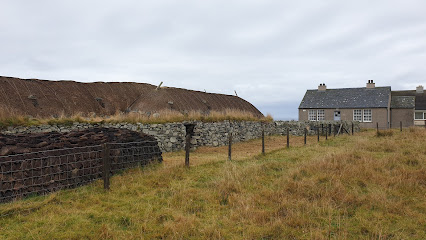
Butt of Lewis Lighthouse
24.6 km
Scotland’s northernmost red-brick lighthouse, a historic beacon amid rugged cliffs and wild Atlantic winds on the Isle of Lewis.
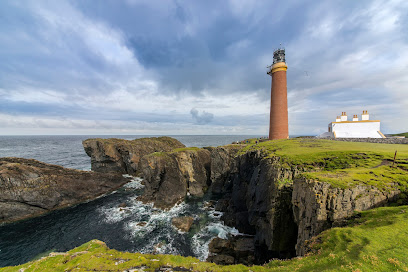
Stoer Lighthouse
51.5 km
Experience a unique self-catering lighthouse stay with panoramic coastal views on Scotland’s remote and rugged Stoer Head.
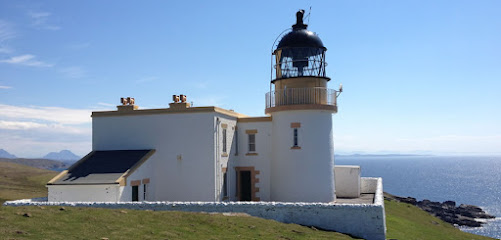
Eilean Glas Lighthouse
53.2 km
A historic white lighthouse on the wild northern tip of the Isle of Scalpay, offering sweeping sea views and a taste of remote Hebridean life.
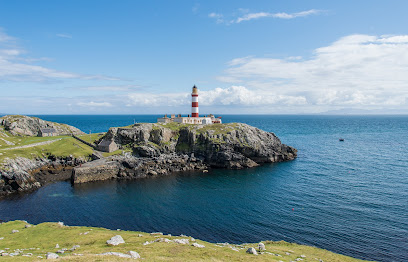
Harris House
53.5 km
Discover the perfect blend of care and natural beauty at Harris House in the enchanting Isle of Harris.
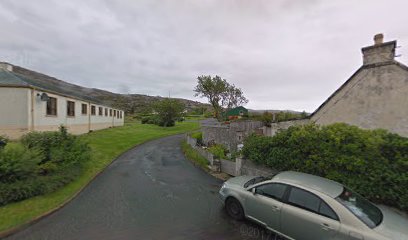
Luskentyre Beach
59.8 km
Experience the breathtaking beauty of Luskentyre Beach, where soft sands meet turquoise waters on the picturesque Isle of Harris.
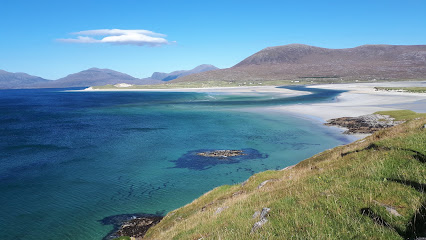
MacLeod´s Stone
63.6 km
A solitary Neolithic standing stone on a white-sand beach in South Harris, steeped in myth and facing the wild Atlantic.
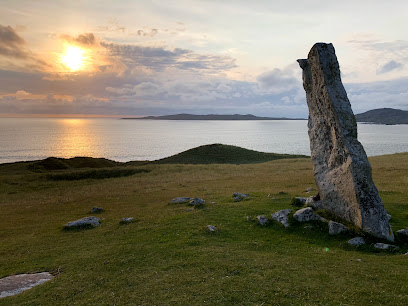
Nisabost Beach
63.8 km
Discover the breathtaking beauty of Nisabost Beach on the Isle of Harris, where white sands meet turquoise waters in a stunning Scottish paradise.
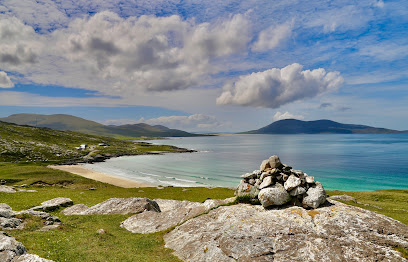
Pairc an t-Srath Guest House
65.2 km
Charming guest house on Isle of Harris with stunning sea views, warm hospitality, and delicious home-cooked meals near beautiful beaches.

Rubha Hunish
66.1 km
Explore Rubha Hunish, the northern jewel of the Isle of Skye, where breathtaking views and rich history come together in a stunning coastal experience.
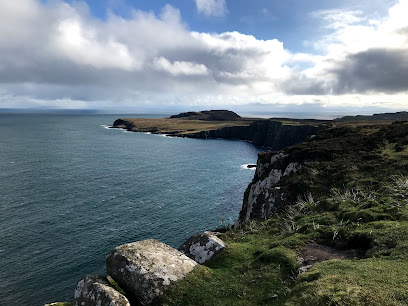
Visit Outer Hebrides
67.4 km
Your essential gateway to exploring the wild beauty and rich Gaelic culture of Scotland’s Outer Hebrides islands.
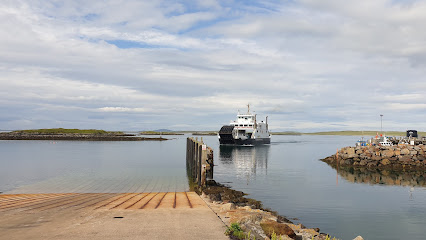
Old Ruins
68.2 km
Discover the haunting Old Ruins near Portree, where ancient history and rugged coastal beauty converge on the Isle of Skye.
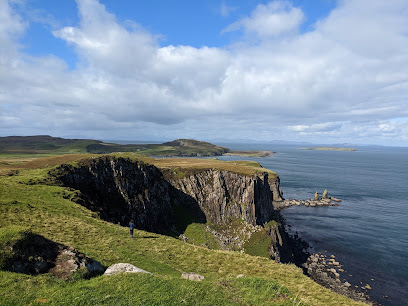
Temple Harris
72.1 km
A modern café and deli in Northton, Isle of Harris, serving great coffee, soups and local produce with stunning sea views across the bay.
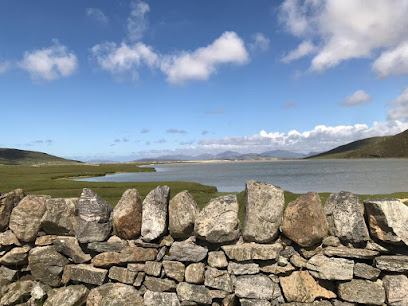
Hebrides People Visitor Centre
72.3 km
Explore the rich heritage of the Isle of Harris at the Hebrides People Visitor Centre, where history, genealogy, and local literature come alive.
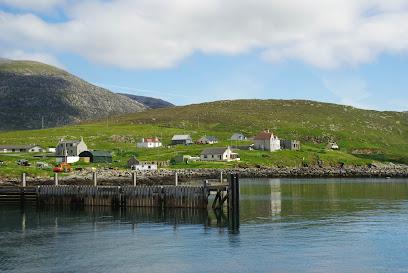
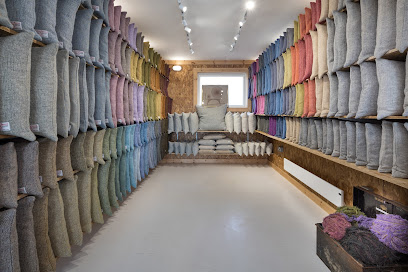
Borrisdale Tweed
72.5 km
Discover exquisite craftsmanship at Borrisdale Tweed, a unique homewares shop offering authentic Scottish tweed products in the heart of the Isle of Harris.
Unmissable attractions to see

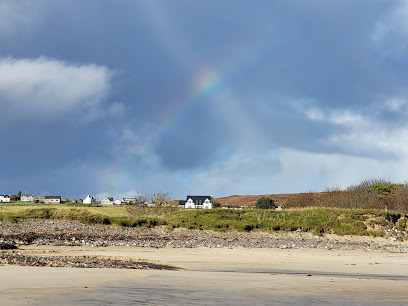
Gress beach
0.3 km
Discover the serene golden sands and rich wildlife of Gress Beach, a tranquil coastal gem on the Isle of Lewis.
The Crafty Weaver
5.4 km
Discover authentic Harris Tweed craftsmanship and island heritage at The Crafty Weaver in Upper Coll, Isle of Lewis.
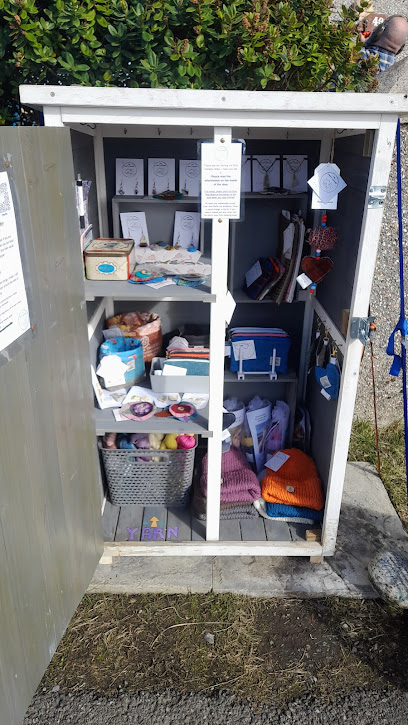
Red fox
7.0 km
Historic and modern, The Nicolson Institute stands as the educational heart of the Isle of Lewis, blending heritage with academic excellence.
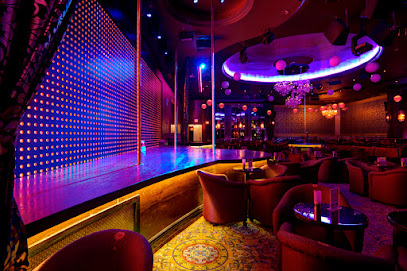
Traigh Mhòr
8.2 km
A breathtaking mile-long beach on the Isle of Lewis, offering powerful waves, historic ruins, and stunning views across the Minch.
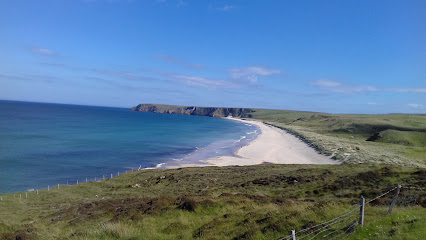
Traigh Ghearadha (Gary Beach)
8.8 km
Discover the serene beauty of Traigh Ghearadha with its golden sands, dramatic sea stacks, and peaceful coastal trails on the Isle of Lewis.
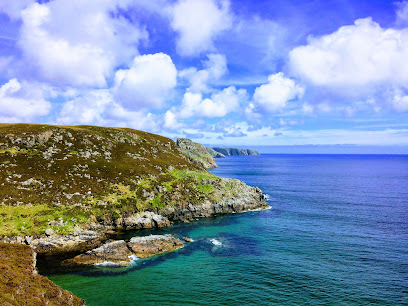
Braighe Beach
9.9 km
Discover the tranquil sandy shores and rich heritage of Braighe Beach, a serene coastal escape on the Isle of Lewis.
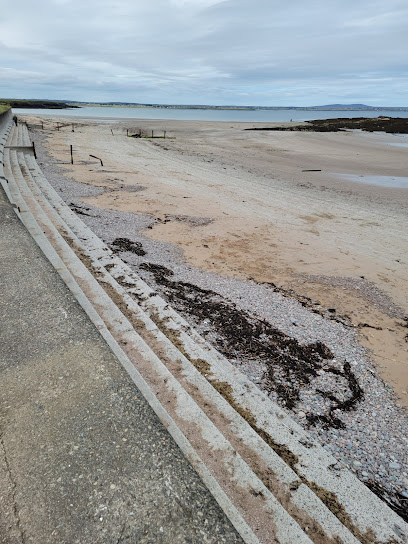
Harris & Lewis Smokehouse
11.3 km
Experience authentic Outer Hebrides smoked seafood crafted with tradition and passion at Harris & Lewis Smokehouse in Stornoway.
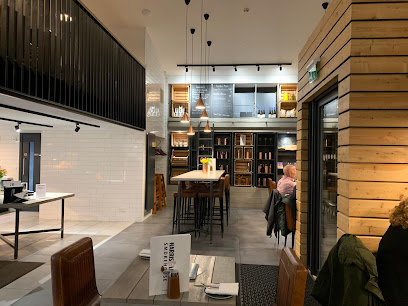
The Hebridean Way End Point
11.3 km
Discover the inspiring northern terminus of the Hebridean Way at Stornoway Harbour, where rugged landscapes meet vibrant island culture.
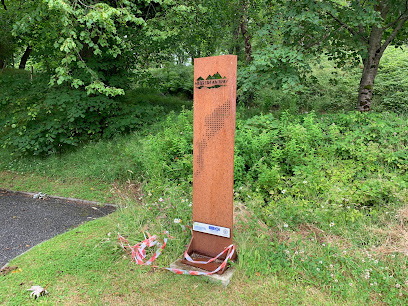
Woodlands Centre
11.4 km
Discover the serene beauty and vibrant culture of the Woodlands Centre, a welcoming gem nestled in Stornoway’s historic Castle Grounds.
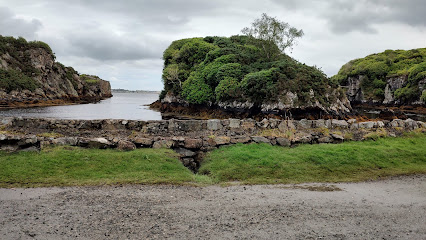
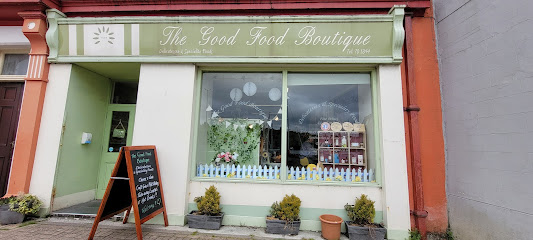
The Good Food Boutique
11.5 km
A charming Stornoway deli offering fresh sandwiches, local jams, and a delightful taste of Hebridean flavors in a cozy boutique setting.
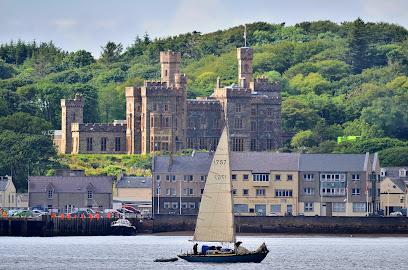
Lews Castle
11.5 km
Historic Gothic Revival castle with museum, café, luxury apartments, and scenic grounds overlooking Stornoway harbour on the Isle of Lewis.
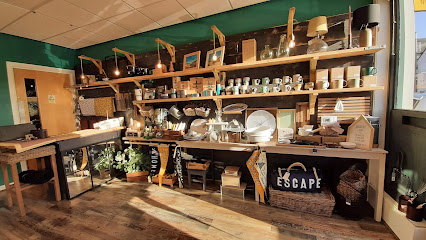
The Blue Lobster
11.5 km
Cozy harborfront café in Stornoway serving exceptional coffee, delightful cakes, and unique gifts with scenic waterfront views.
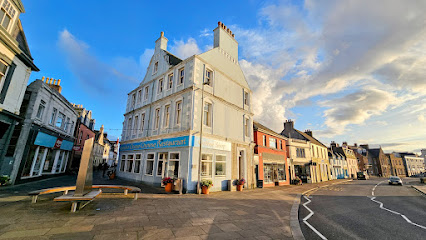
Perceval Square
11.5 km
A tranquil urban park steeped in Stornoway’s maritime heritage, perfect for relaxation and local market experiences.
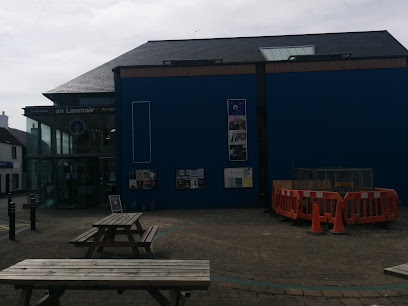
An Lanntair
11.6 km
A vibrant arts centre and cinema in Stornoway, offering exhibitions, live events, and a welcoming café bar in the heart of the Outer Hebrides.
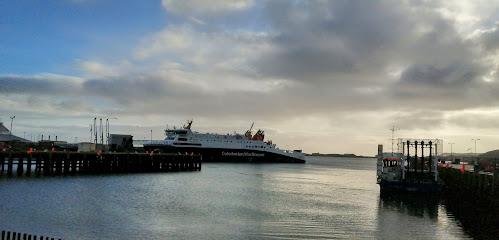
South Beach
11.6 km
Discover the serene beauty and rich heritage of South Beach, Stornoway’s tranquil coastal haven on the Isle of Lewis.
Essential places to dine

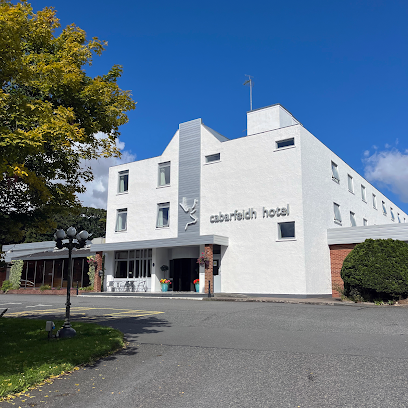
Cabarfeidh Hotel
10.6 km
Experience modern comfort and authentic Hebridean hospitality just steps from Stornoway’s historic Lews Castle.
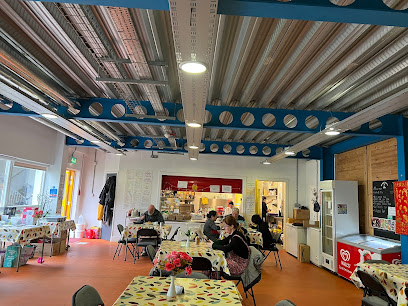
Bridge Centre Cafe
11.1 km
Cozy cafe in Stornoway’s Bayhead serving fresh, hearty meals and local treats daily from 8 AM to 8 PM.
The Park Guest House & Restaurant
11.4 km
Charming central guest house in Stornoway offering cozy rooms, local dining, and easy access to Isle of Lewis attractions.
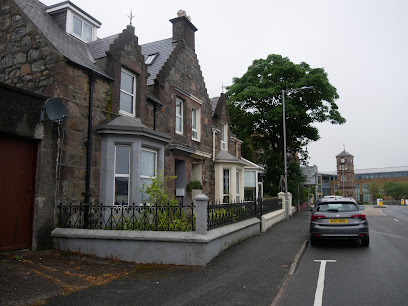
Eleven Restaurant & Bar
11.4 km
A welcoming bar and grill in Stornoway offering classic dishes, seasonal specials, and a cozy atmosphere from morning till night.
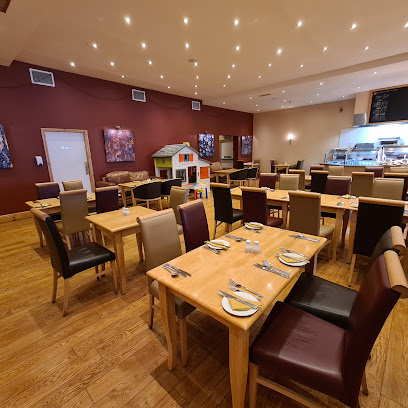
Caladh Inn
11.4 km
Comfortable and welcoming inn in central Stornoway, blending local charm with convenient access to the Isle of Lewis’s highlights.
HS-1 Cafe Bar
11.4 km
Lively café-bar in Stornoway serving fresh local dishes with stunning marina and Lews Castle views in a relaxed, friendly setting.
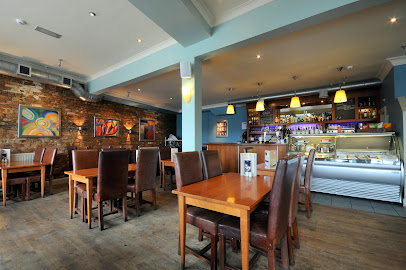
The Boatshed Restaurant
11.4 km
Savor fresh Hebridean seafood with stunning marina views in Stornoway’s acclaimed Boatshed Restaurant.
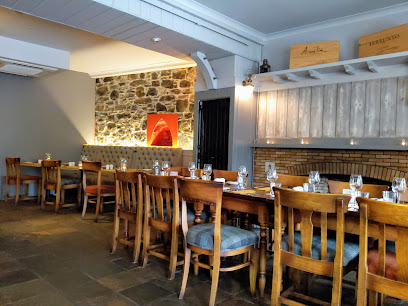
La Balena - Italian Restaurant
11.4 km
Experience authentic Italian cuisine with fresh Hebridean seafood in a warm, family-run setting at La Balena in Stornoway.
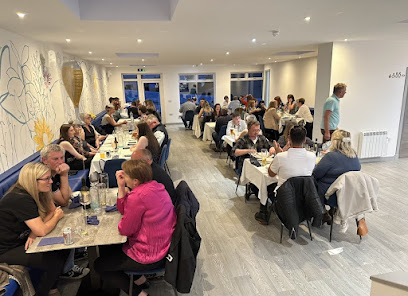
Harbour Kitchen
11.6 km
Experience the freshest Outer Hebrides seafood in a cozy, open-kitchen setting at Harbour Kitchen, Stornoway’s celebrated culinary gem.
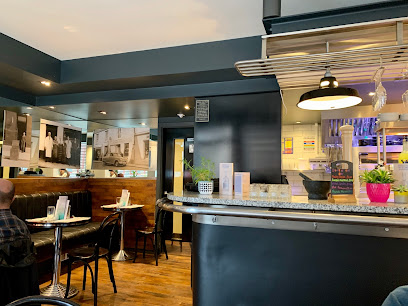
No.9 By The Harbour
11.6 km
A cozy coffee shop and cocktail bar in Stornoway blending great brews, creative drinks, and a welcoming community vibe by the harbor.
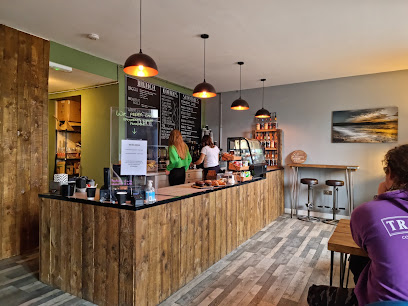
Blake’s Bar & Kitchen
11.6 km
A vibrant blend of local flavors and lively atmosphere in the heart of Stornoway’s dining scene.
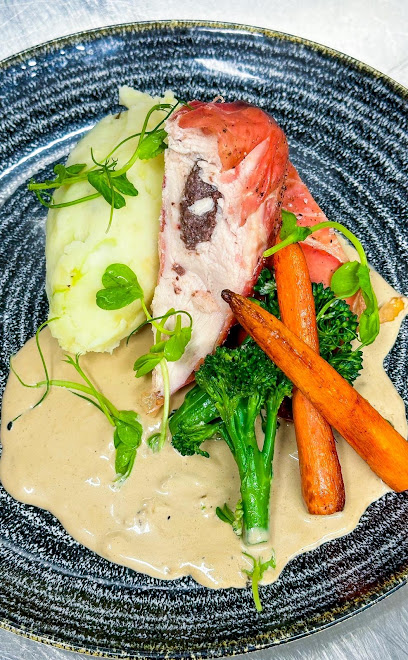
Crown Hotel
11.7 km
A welcoming harbourside inn in Stornoway offering cozy rooms, hearty Scottish fare, and a lively bar with a wide whiskey selection.
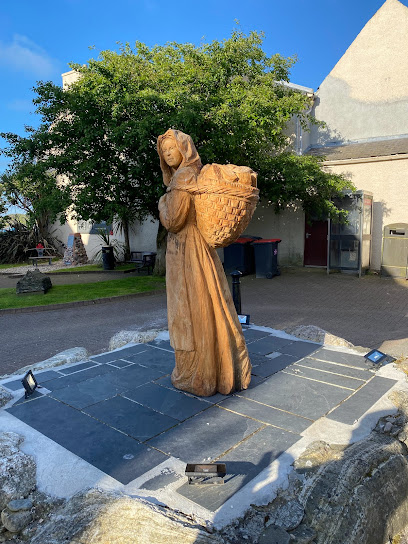
Star Inn
11.7 km
Discover the cozy charm of Star Inn in Stornoway - your perfect pub getaway with local flavors and warm hospitality.
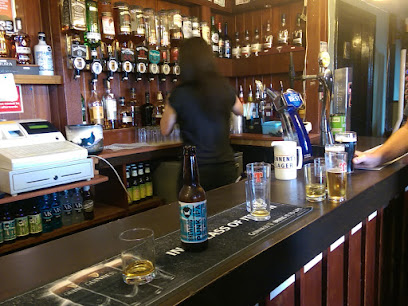
The New Lewis Bar
11.7 km
Experience the warmth of Hebridean hospitality at The New Lewis Bar—your family-friendly pub with great drinks and live music in Stornoway.
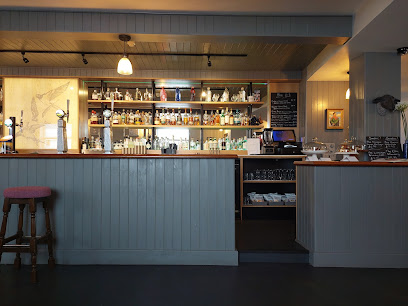
Borve Country House Hotel
16.3 km
A welcoming 4-star retreat in Borve blending Hebridean charm, hearty local cuisine, and warm hospitality on the Isle of Lewis.
Markets, malls and hidden boutiques

The Original Factory Shop (Co-op Stornoway)
10.7 km
Affordable brand-name fashion, beauty, and homeware all under one roof in Stornoway’s popular department store.

Bayhead Gift House
11.1 km
Explore the charming Bayhead Gift House in Stornoway for unique local crafts and souvenirs that celebrate the rich heritage of the Hebrides.
Salka – Gift Shop on the Rock
11.2 km
Discover unique handmade gifts and exquisite SeaGlass jewellery inspired by the Isle of Lewis at Salka – Gift Shop on the Rock.
Celtic Clothing
11.2 km
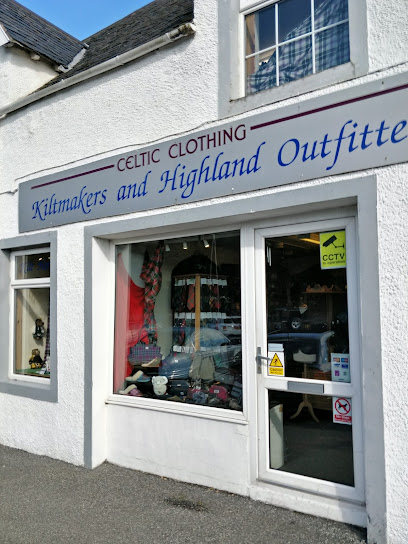
Experience authentic Scottish heritage with bespoke kilts and Harris Tweed craftsmanship at Celtic Clothing in Stornoway.
The Hebridean Hobby Centre
11.3 km
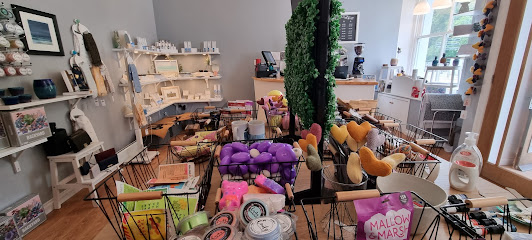
A cozy craft shop in Stornoway showcasing handmade Hebridean crafts, textiles, and local art – perfect for unique island souvenirs and creative inspiration.
Sardar & Sons
11.5 km
Discover quality clothing and distinctive hats for special occasions at Sardar & Sons, Stornoway’s trusted local fashion destination.

Influence Clothing
11.5 km
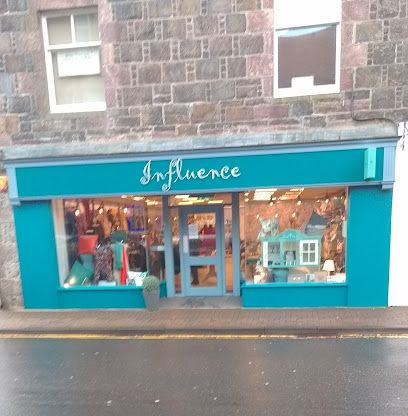
A stylish boutique in Stornoway offering curated women’s fashion and elegant homeware in the heart of the Outer Hebrides.
Nicolson & Co Ltd
11.5 km
Stornoway's trusted newsagent serving the Isle of Lewis since 1978.
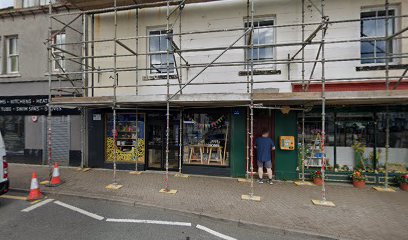
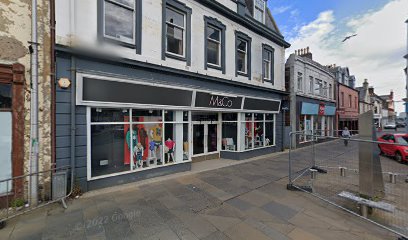
Bonmarché
11.5 km
Bonmarché Stornoway offers stylish, affordable women's fashion in sizes 10-28, conveniently located on Cromwell Street in the town centre.
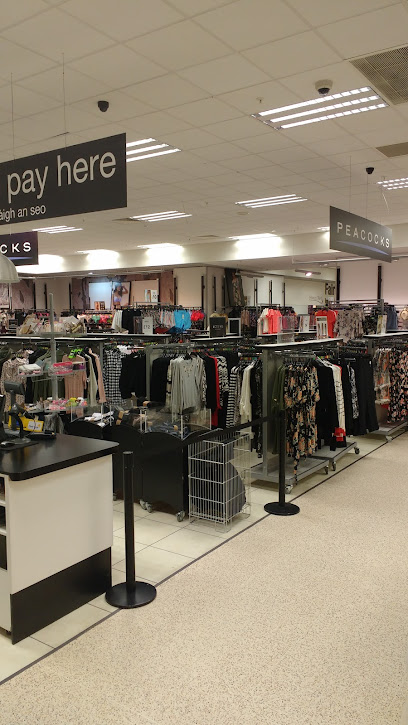
Peacocks
11.5 km
Affordable fashion for the whole family in the heart of Stornoway’s shopping district.
Hebridean Gifts
11.6 km
Discover authentic Hebridean crafts, jewellery, and souvenirs in the heart of Stornoway’s vibrant artisan scene.
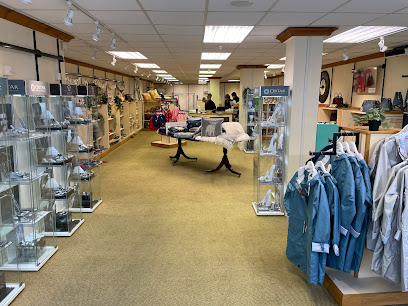
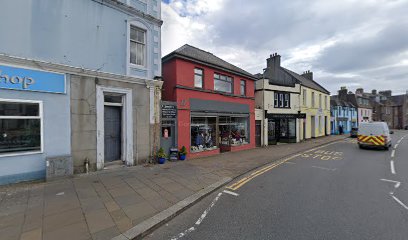
Tweedtastic
11.6 km
Authentic Harris Tweed and wool creations crafted with island heritage and warmth in the heart of Stornoway.
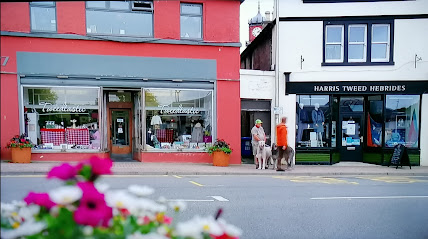
Harris Tweed Hebrides
11.6 km
Discover authentic Harris Tweed craftsmanship and heritage at Harris Tweed Hebrides in Stornoway, the heart of Scottish island weaving tradition.
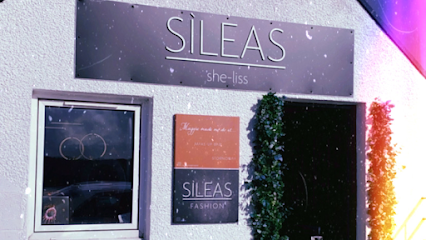
Sileas She-Liss
11.6 km
Discover unique clothing and accessories at Sileas She-Liss, a charming boutique in Stornoway that celebrates local craftsmanship and style.
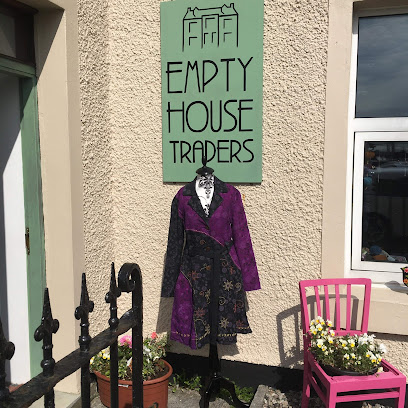
Empty House Traders
11.6 km
Discover unique vintage fashion and handcrafted art at Empty House Traders, Stornoway’s beloved boutique on South Beach.
Essential bars & hidden hideouts

The Rip
4.0 km
A cozy bar on the Isle of Lewis where local culture, craft beers, and scenic beauty create a warm retreat for travelers and locals alike.
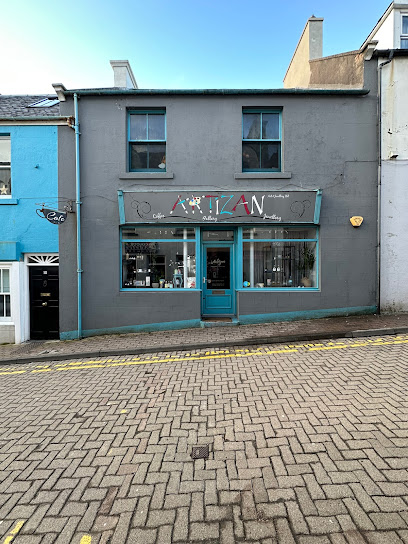
Artizan
11.4 km
Artizan blends local flavors, creative cocktails, and unique crafts in a warm, welcoming café and event space in the heart of Stornoway.
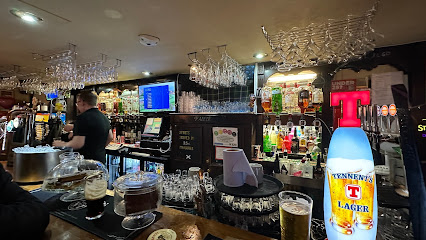
McNeills
11.6 km
Experience Stornoway’s vibrant live music and warm hospitality at McNeills, a historic bar with authentic Hebridean spirit.
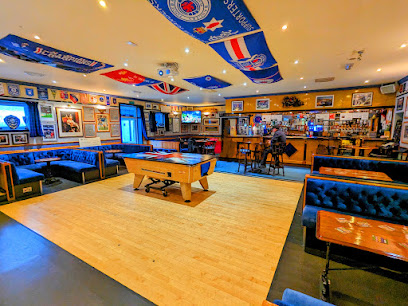
Lewis & Harris Rangers Supporters Club
11.6 km
A spirited social hub and the world’s largest Rangers supporters club, uniting fans in Stornoway with football passion and community warmth.
Stornoway Distillers @ The Fank
11.6 km
Experience authentic Hebridean flavors and craft gin in the heart of Stornoway’s vibrant culinary scene.
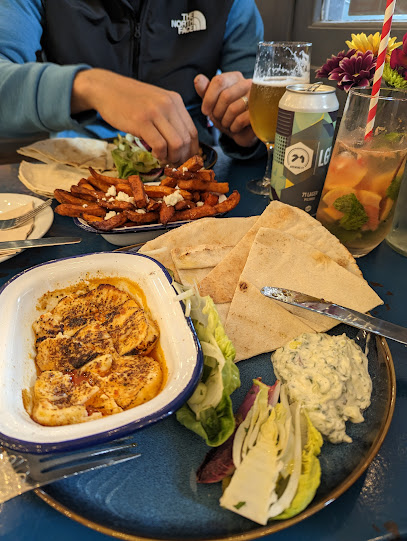
The Criterion Bar
11.6 km
A cozy, traditional Scottish bar in Stornoway known for its friendly service, quality drinks, and authentic Hebridean atmosphere.
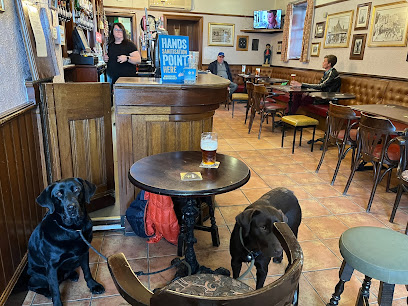
THE HARBOUR BAR
11.7 km
A warm, inviting bar in Stornoway offering local brews, hearty Scottish fare, and live music in the heart of the Isle of Lewis.
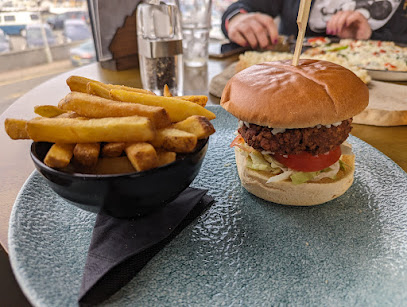
Old Barn Bar
19.8 km
Authentic crofters’ barn pub with rustic charm, local flavors, and warm hospitality on the Isle of Lewis.
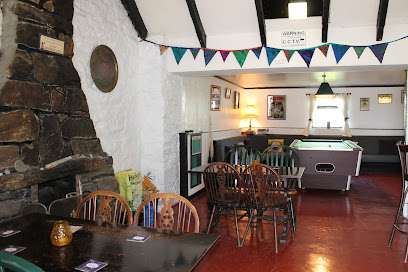
Cross Inn
19.9 km
A cozy, characterful inn and pub offering warm hospitality, excellent local food, and comfortable stays on the Isle of Lewis.
Ardhasaig House Hotel and Restaurant
53.2 km
A tranquil Hebridean escape offering cozy rooms, exquisite local cuisine, and stunning mountain and sea views on the Isle of Harris.
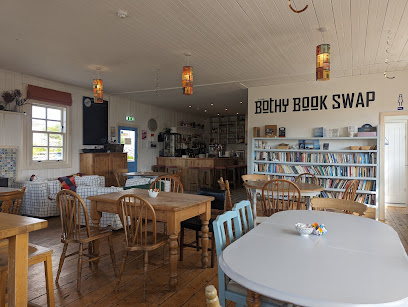
The Bothy
72.7 km
A cozy pub and café in Leverburgh offering local ales, hearty meals, and warm island hospitality on the Isle of Harris.
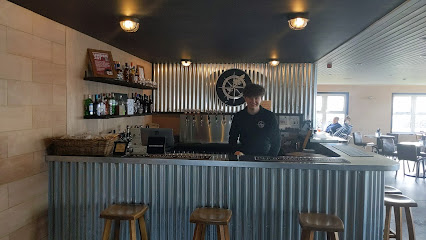
Isle of Harris Brewery
73.3 km
Crafting island-brewed beers and fresh Hebridean fare in a lively waterfront taproom on the Isle of Harris.
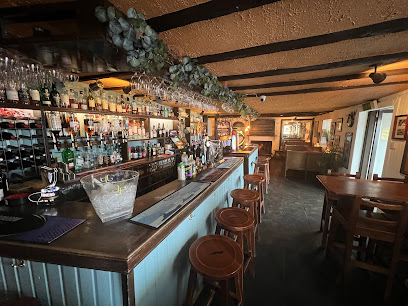
The Badachro Inn
73.9 km
Coastal Highland inn renowned for fresh seafood, stunning bay views, and warm, rustic charm in the heart of Badachro.
The Ferry Inn
78.4 km
A stylish 19th-century inn in Uig offering cozy rooms, exceptional local cuisine, and stunning views over Skye’s northern bay.
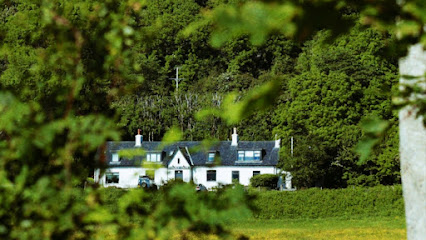
The Stein Inn
88.4 km
Historic pub and hotel on Skye offering fresh seafood, cozy rooms, and stunning Loch Bay views in a charming coastal village.
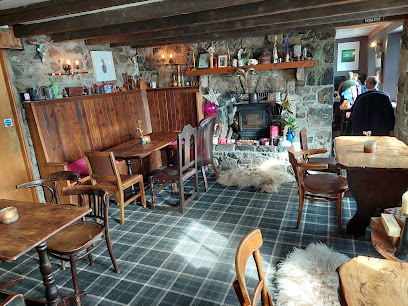
Nightclubs & after hour spots

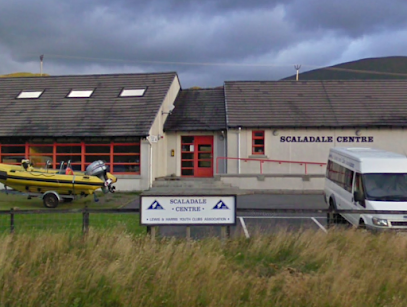
The Scaladale Centre
43.8 km
A premier outdoor adventure centre and hostel on Isle of Harris, offering year-round activities and comfortable group accommodation in stunning Hebridean surroundings.
Number 5
57.0 km
Charming stone cottage hostel with sea views, cozy fires, kayak rentals, and warm hospitality on the scenic Isle of Harris.
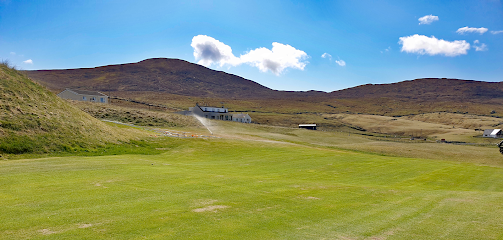
The Isle of Harris Golf Club
68.1 km
Discover the beauty of The Isle of Harris Golf Club, where stunning landscapes meet unforgettable golfing experiences in the heart of the Hebrides.
Skye Camanachd Social Club
98.2 km
Experience the vibrant social heartbeat of Portree at Skye Camanachd Social Club, where tradition meets lively nightlife on the Isle of Skye.

For the vibe & atmosphere seeker
- Tranquil
- Scenic
- Unique
- Relaxing
For the design and aesthetic lover
- Rustic Designs
For the architecture buff
- Historic
For the view chaser and sunset hunter
- Iconic Views
- Panoramas
For the social media creator & influencer
- Instagrammable
- Photo Spots
For the eco-conscious traveler
- Eco-Friendly
- Low Impact
- Public-Transport Accessible
For the kind of experience you’re after
- Cultural Heritage
- Photowalk
- Nature Escape
- Day Trip
For how adventurous you want the journey to be
- Easy Access
Location Audience
- Family Friendly
- Senior Friendly
- Teen Friendly
- Solo Friendly
- Couple Friendly


