
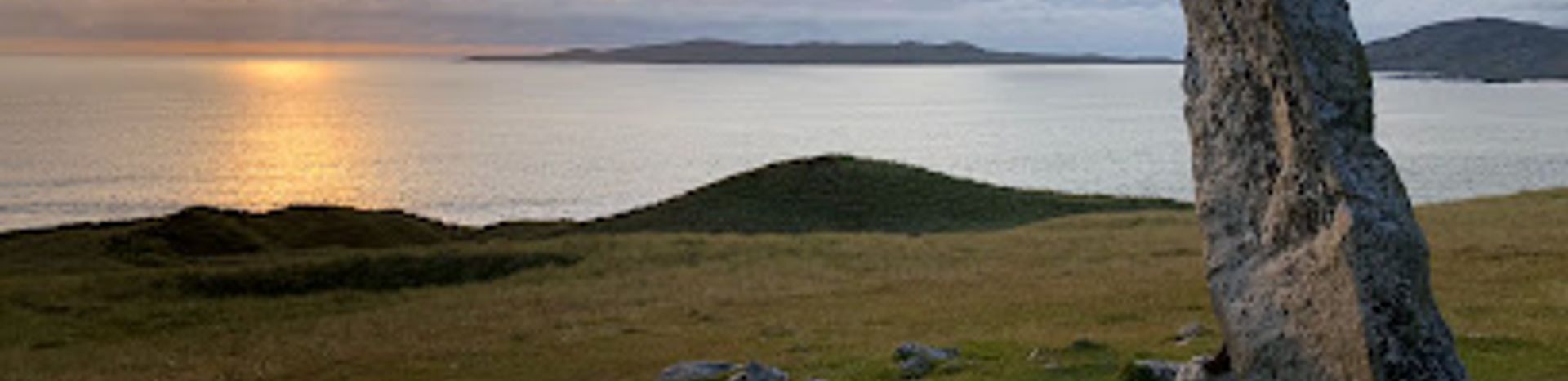
MacLeod's Stone, Isle of Harris
A solitary Neolithic standing stone on a white-sand beach in South Harris, steeped in myth and facing the wild Atlantic.
Standing alone on a white-sand beach on the west coast of South Harris, MacLeod’s Stone (Clach MhicLeòid) is a striking Neolithic monolith rising over 3m from the machair. This solitary standing stone, likely erected more than 4,500 years ago, is surrounded by local legend and offers sweeping views across the Atlantic to the Outer Hebrides’ wild western edge. Its purpose remains mysterious, but its presence evokes ancient rituals, ancestral memory, and the enduring power of the landscape.
A brief summary to MacLeod´s Stone
- Isle of Harris, Harris, GB
- Duration: 0.5 to 1.5 hours
- Free
-
 Outdoor
- Mobile reception: 3 out of 5
Local tips
- Visit at low tide to walk easily across the beach; at high tide, the water can be deep and the crossing difficult.
- Wear sturdy footwear and waterproof clothing; the sand can be soft and the weather changes quickly on the west coast.
- Bring a camera and binoculars; the stone is photogenic, and the views across the Minch to the Western Isles are stunning.
- Respect the site: it is an ancient monument and part of a fragile coastal environment; avoid climbing on the stone or disturbing the surrounding area.

For the on-the-go comforts that matter to you
- Seating Areas
- Trash Bins
- Information Boards
Getting There
-
By car
From Tarbert or Rodel on Harris, follow the A859 south along the west coast. MacLeod’s Stone is located near Seilebost, a short walk from a small lay-by on the A859. The road is narrow and winding, with limited passing places; drive carefully, especially in poor visibility or high winds.
-
On foot
From the Seilebost area, walk west across the machair and beach towards the stone. The walk is about 500–700 metres across soft sand and dunes; allow 10–15 minutes each way. The terrain is uneven and can be wet or muddy after rain, so wear sturdy, waterproof footwear.
-
By public transport
Bus services on Harris run along the A859 but do not stop directly at the stone. The nearest regular stops are in Seilebost or nearby villages; from there, the walk across the beach takes 10–20 minutes depending on the tide and your starting point.
MacLeod´s Stone location weather suitability
-
 Any Weather
-
 Clear Skies
-
 Windy Conditions
-
 Mild Temperatures
Discover more about MacLeod´s Stone
A Stone from the Deep Past
Rising from a low dune near the shore, MacLeod’s Stone is a massive, solitary standing stone, known in Gaelic as Clach MhicLeòid. At over three metres high and about 1.5 metres thick, it is a powerful presence on the flat, open machair of Seilebost Bay. The stone itself is a rugged slab of local gneiss, veined with feldspar and quartz, its surface weathered by millennia of Atlantic winds and salt spray. Though its exact age is uncertain, it is widely believed to date from the Neolithic or early Bronze Age, making it one of the oldest human-made monuments on Harris. Its isolation and scale suggest it was once part of a larger ritual or funerary complex, perhaps a cairn or stone circle, though only scattered smaller stones remain around its base today.Legends of Giants and the Cailleach
Local folklore weaves a vivid story around this stone, linking it to the Cailleach, a powerful mythological figure often described as a divine hag or giantess. In one tale, the Cailleach used a colossal stone hammer to knock limpets from the rocks along the shore. During a mighty blow at a stubborn limpet, her hammer shattered, and the largest fragment landed here, becoming the MacLeod Stone, known in Gaelic as Ord Bhairnich, or the Limpet Hammer. This story transforms the stone from a mere monument into a relic of a primordial world, where giants shaped the landscape with their strength. The tale reflects a deep cultural memory of the land as a place of power, mystery, and connection to forces far older than recorded history.Place of Memory and Mystery
The stone’s name, Clach MhicLeòid, ties it to the MacLeod clan, but its origins predate any clan history by thousands of years. The association may reflect later tradition, perhaps marking a boundary or a place of significance for the MacLeods of Harris. Nearby, in a cliff section close to the stone, a human skull was once discovered, hinting at possible funerary or ritual use. Archaeologists believe such standing stones may have served as markers for burial sites, territorial boundaries, or even as part of a calendrical system aligned with the sun or moon. Its solitary position, facing the open Atlantic, gives it a solemn, almost sentinel-like quality, as if it stands guard over the edge of the known world.Experience of the Western Edge
Visiting MacLeod’s Stone is as much about the journey and setting as the stone itself. The approach is a short walk across a wide, white-sand beach, with the machair dunes on one side and the Atlantic on the other. The air carries the scent of salt and wildflowers, and the sound of waves and seabirds fills the space. On clear days, the views stretch far out to sea, and if you look west, you are gazing toward St Kilda, the remotest archipelago in the UK. The atmosphere is one of quiet awe: the stone feels both ancient and immediate, a silent witness to time, tides, and the people who have lived along this coast for millennia. There are no fences or barriers, just the stone, the sand, and the sky.A Place for Reflection
MacLeod’s Stone invites a slower, more contemplative kind of visit. It is not a site with interpretive panels or visitor facilities, but rather a place to stand, look, and listen. The combination of ancient monument, wild coastline, and open sky creates a powerful sense of connection to both the natural and cultural history of the Outer Hebrides. Whether you come to ponder the Neolithic builders, to walk in the footsteps of the Cailleach, or simply to feel the wind and watch the light shift over the sea, the stone offers a rare moment of stillness and perspective on the edge of Europe.Iconic landmarks you can’t miss

Pairc an t-Srath Guest House
1.9 km
Charming guest house on Isle of Harris with stunning sea views, warm hospitality, and delicious home-cooked meals near beautiful beaches.

Temple Harris
8.6 km
A modern café and deli in Northton, Isle of Harris, serving great coffee, soups and local produce with stunning sea views across the bay.
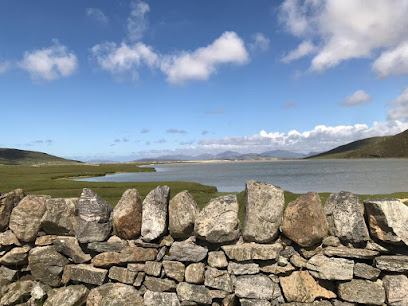
Harris House
12.3 km
Discover the perfect blend of care and natural beauty at Harris House in the enchanting Isle of Harris.
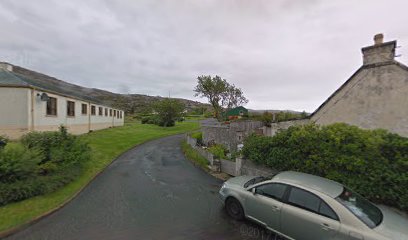
Sound of Harris
14.9 km
A dramatic eight-mile maritime passage through Scotland's remote Outer Hebrides, where tidal waters and rocky islands create an unforgettable crossing.
Visit Outer Hebrides
17.3 km
Your essential gateway to exploring the wild beauty and rich Gaelic culture of Scotland’s Outer Hebrides islands.
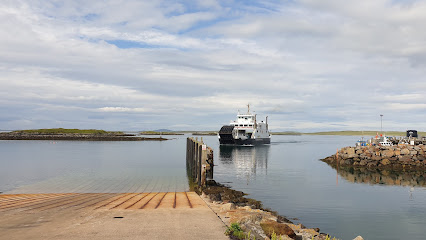
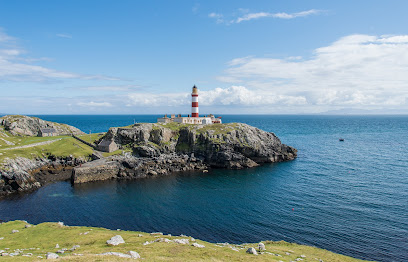
Eilean Glas Lighthouse
20.8 km
A historic white lighthouse on the wild northern tip of the Isle of Scalpay, offering sweeping sea views and a taste of remote Hebridean life.
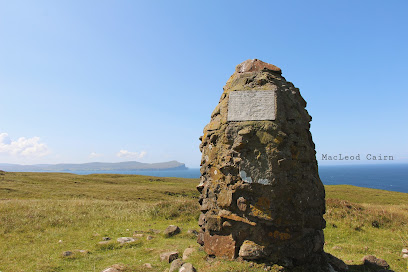
Clan MacLeod Memorial Cairn
38.8 km
A windswept stone cairn on Skye’s east coast, honoring the legacy of Clan MacLeod and their deep roots in the Hebrides.
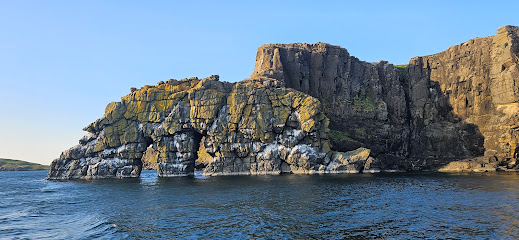
Ardmore Arches
40.8 km
Discover the rugged beauty of Ardmore Arches, striking natural sea arches on Skye’s wild Waternish Peninsula.
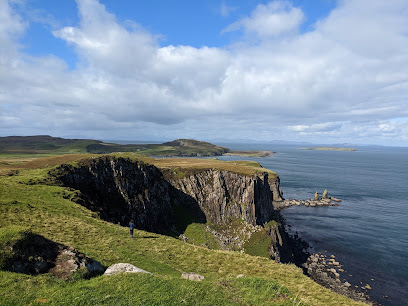
Old Ruins
47.2 km
Discover the haunting Old Ruins near Portree, where ancient history and rugged coastal beauty converge on the Isle of Skye.
Neist Point Lighthouse
50.6 km
Iconic lighthouse on Skye’s westernmost point, framed by dramatic cliffs and rich wildlife, perfect for stunning coastal views and serene walks.
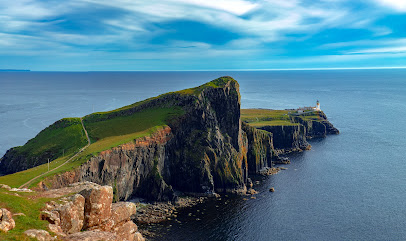
Dun Osdale
54.5 km
Discover Dun Osdale, an ancient Iron Age fort on Skye where history meets faerie legend amidst rugged coastal beauty.
historic scotland
58.6 km
Explore the historical essence of The Blackhouse in Arnol, Isle of Lewis, where traditional Scottish life comes alive amidst stunning landscapes.
Iron age broch
58.9 km
Explore a uniquely Scottish Iron Age broch perched above Portree, revealing ancient stone craftsmanship and commanding views of Skye’s dramatic landscape.
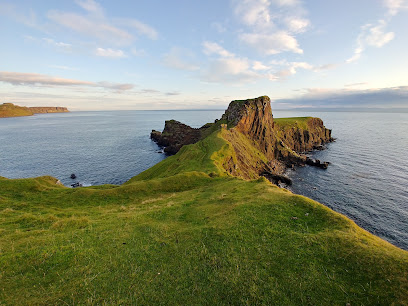
The Brother's Point
59.4 km
Explore Brother's Point on the Isle of Skye: A breathtaking coastal destination rich in wildlife and stunning landscapes.
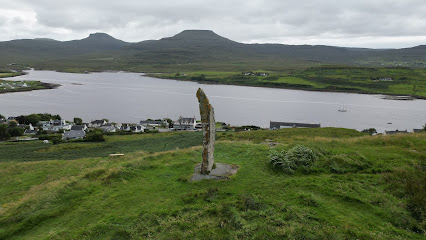
St. Columba's Isle
61.4 km
Explore the serene beauty and rich history of St. Columba's Isle, a historical landmark in Skye, Scotland, where spirituality meets nature.
Unmissable attractions to see

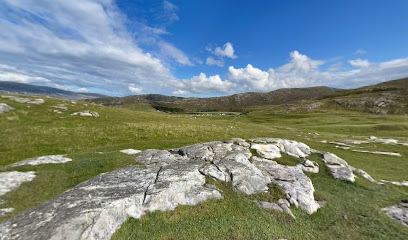
Clach Mhic Leoid,standing stone
0.0 km
Discover the ancient mystery and breathtaking coastal beauty of Clach Mhic Leoid, a towering Neolithic standing stone on the Isle of Harris.
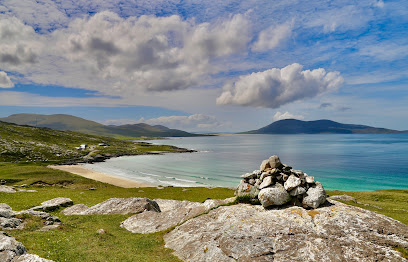
Nisabost Beach
0.3 km
Golden sands and wild Atlantic horizons on Harris's most accessible beach.
Talla na Mara Gift Shop
0.9 km
Discover authentic island crafts and community spirit at Talla na Mara Gift Shop, a cultural gem on the scenic Isle of Harris.
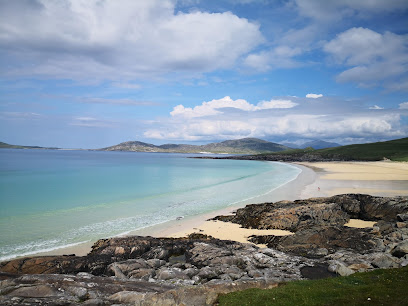
Blas Bhon Iar
1.0 km
Savor authentic local takeaway dishes with a warm welcome in scenic Horgabost on the Isle of Harris.
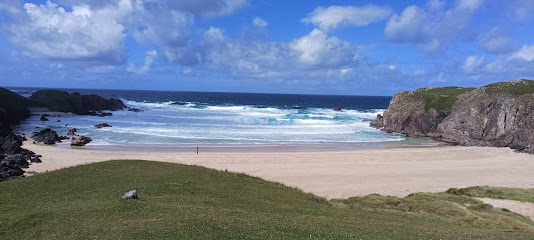
A.S Apothecary
2.6 km
Discover handcrafted botanicals and award-winning alcohol-free spirits at A.S Apothecary, a unique herb shop and coffee roaster in scenic Seilebost, Isle of Harris.
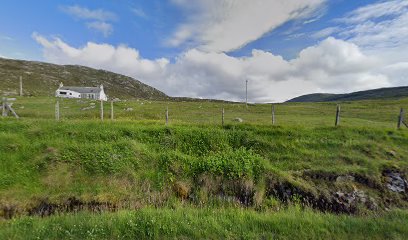
Fir Chlis
3.2 km
Luxury architect-designed beachhouse with panoramic views overlooking Luskentyre Beach on the Isle of Harris.
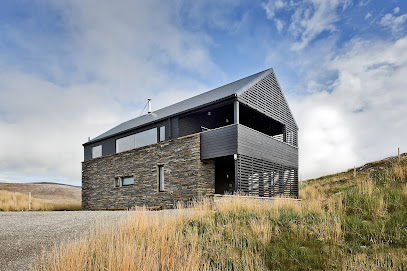
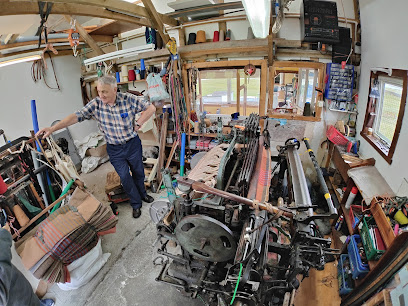
Luskentyre Harris Tweed Co
3.5 km
Discover authentic Harris Tweed handwoven in the remote village of Luskentyre, where tradition and craftsmanship meet rugged island beauty.
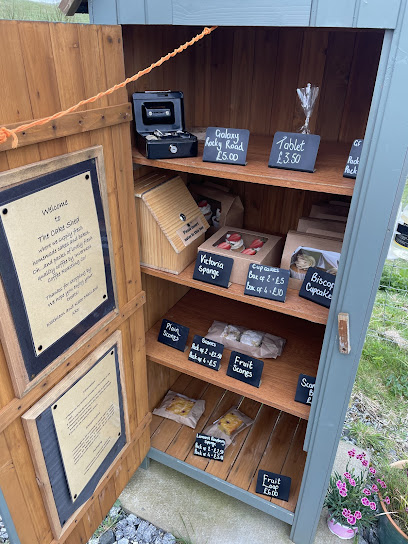
The Cake Shed Luskentyre
3.5 km
A charming bakery near Luskentyre Beach serving fresh, delicious treats in a stunning island setting on the Isle of Harris.
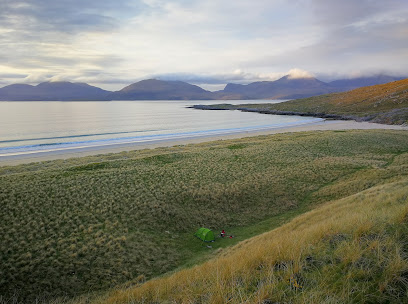
Traigh Rosamol
3.7 km
Discover the tranquil white sands and sweeping coastal views of Traigh Rosamol, a serene beach gem on Scotland’s Isle of Harris.
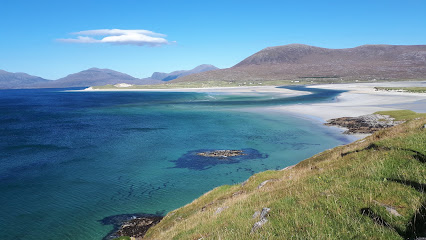
Luskentyre Beach
3.8 km
A vast, white-sand beach with turquoise waters and dramatic views across the Sound of Taransay on the Isle of Harris.
Small Beach
4.0 km
A serene and unspoiled coastal retreat on the Isle of Harris, perfect for peaceful beach walks and nature immersion.
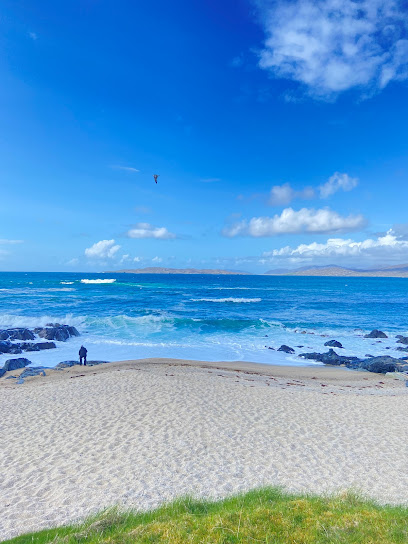
Bagh Steinigidh
4.0 km
Discover the tranquil beauty and sweeping coastal views of Bagh Steinigidh, a serene beach gem on the Isle of Harris’s wild west coast.
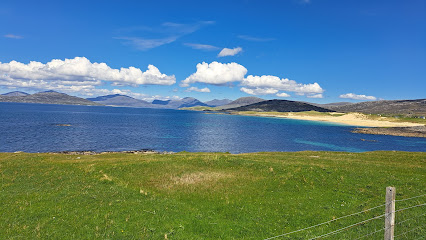
The Isle of Harris Golf Club
4.6 km
Experience a stunning 9-hole links course with breathtaking coastal views and rich Hebridean heritage on the Isle of Harris.
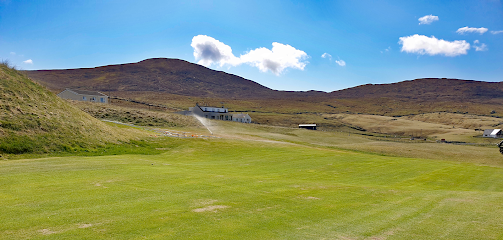
Sgarasta Mhòr Beach
6.3 km
Discover the wild golden sands and Atlantic waves of Sgarasta Mhòr Beach, a breathtaking coastal escape on the Isle of Harris.
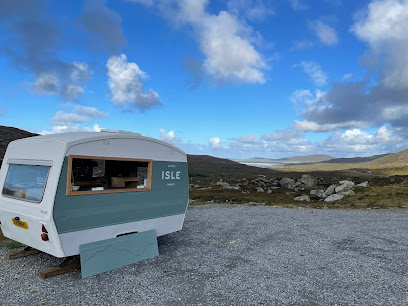
Isle Coffee Harris
7.4 km
Discover the best coffee on the Isle of Harris in a cozy, friendly spot with scenic marina views in Tarbert.
Essential places to dine

Talla na Mara Restaurant
0.9 km
Community-focused dining with stunning coastal views and fresh, inclusive menus on the Isle of Harris.
Òran na Mara
4.6 km
Experience the perfect blend of traditional Hebridean charm and modern luxury with breathtaking views over Scarista beach on the Isle of Harris.
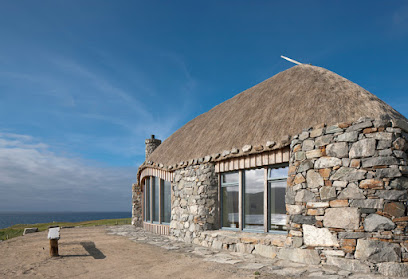
Scarista House
5.3 km
Historic Georgian elegance meets stunning Atlantic views in this remote boutique hotel on the Isle of Harris.
Bays Of Harris Community Centre
9.6 km
A welcoming cultural hub on the Isle of Harris offering hearty local fare, lively ceilidhs, and vibrant community spirit in a scenic coastal setting.
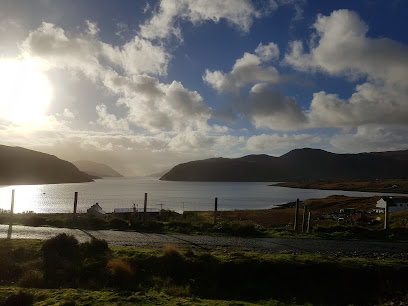
Lingay House
10.6 km
Experience warm hospitality, modern comfort, and stunning loch views at Lingay House, a charming B&B and restaurant on the Isle of Harris.
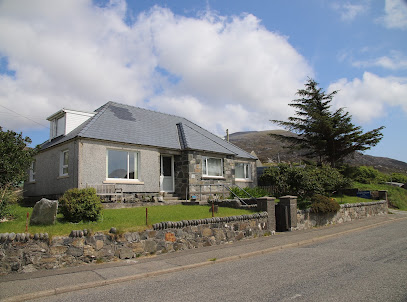
Amhuinnsuidhe Castle
10.6 km
Exclusive 19th-century Scottish Baronial castle on Harris offering luxury stays, world-class fishing, and breathtaking Hebridean views.
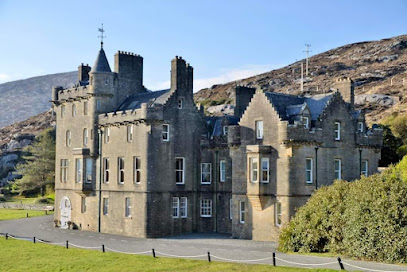
Butty Bus
11.1 km
A cozy, no-nonsense café at Leverburgh ferry terminal serving fresh local fish and chips with charming harbor views.
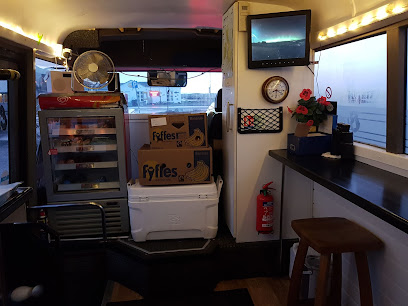
The Anchorage Restaurant, Cafe & Bar
11.1 km
Fresh seafood and local flavors served with stunning harbour views in a relaxed, welcoming setting on Leverburgh’s pier.
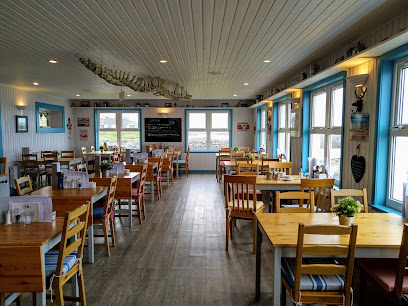
Harris Hotel
11.6 km
Experience authentic island charm, warm hospitality, and local flavors at Harris Hotel, your cozy retreat in the heart of Tarbert, Isle of Harris.
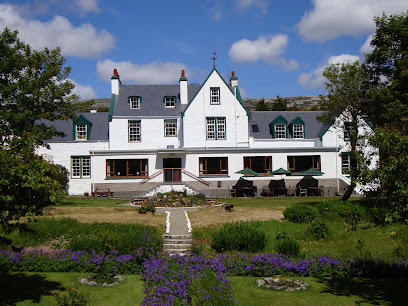
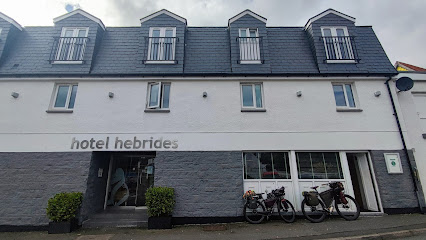
Hotel Hebrides
12.0 km
Experience comfort and local charm at Hotel Hebrides in Tarbert—your gateway to exploring the breathtaking Isle of Harris.
Pierhouse Cafe And Restaurant
12.0 km
A refined waterfront dining experience in Tarbert, offering fresh Hebridean seafood and warm hospitality with stunning harbour views.
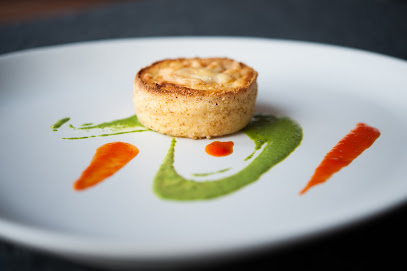
Flavour
12.8 km
Discover an immersive chef’s table experience with locally foraged fine dining in the heart of the Isle of Harris.
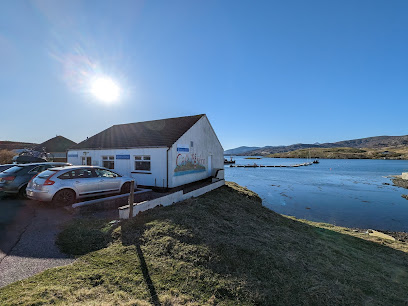
North Harbour Bistro
17.4 km
Exquisite seafood dining with stunning harbour views and warm island hospitality on the Isle of Scalpay.
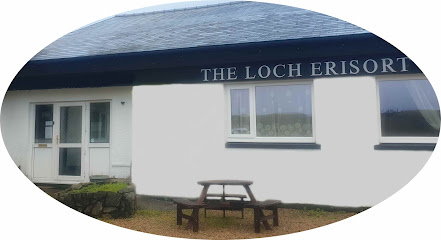
Loch Erisort Hotel
32.7 km
A welcoming Hebridean inn with spacious rooms, stunning loch views, and hearty local cuisine on the tranquil Isle of Lewis.
Uig Sands Restaurant
36.4 km
Experience exquisite local seafood and stunning coastal views at Uig Sands Restaurant, a stylish gem on the Isle of Lewis.
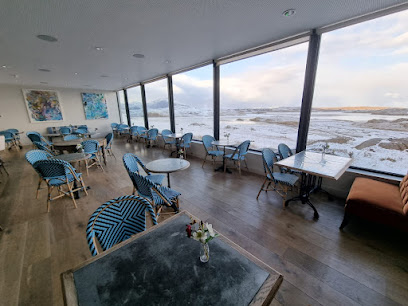
Markets, malls and hidden boutiques

Woven & Wild
3.4 km
Discover authentic, sustainable Hebridean homewares crafted with care in Scarista, Isle of Harris.
Luskentyre Beach Hut
3.5 km
A charming trust-based gift hut offering local crafts and refreshments with stunning views over Luskentyre Bay on the Isle of Harris.
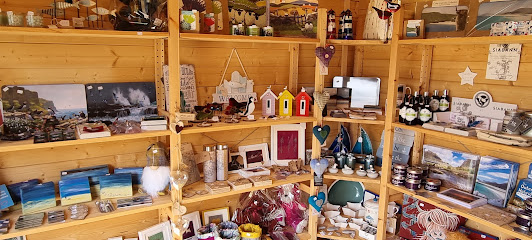
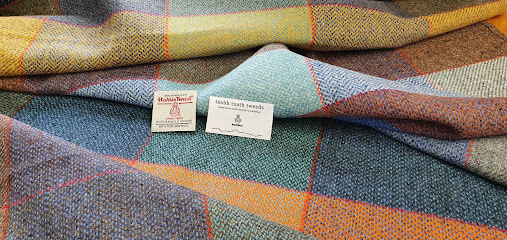
Taobh Tuath Tweeds
9.0 km
Discover authentic Harris Tweed weaving and island heritage at Taobh Tuath Tweeds in Northton, Isle of Harris.
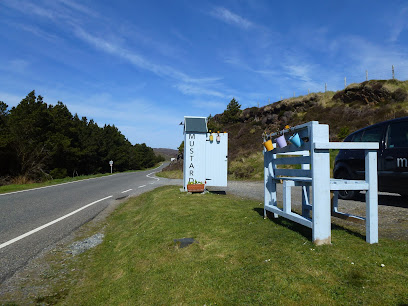
The Hebridean Mustard Company
10.1 km
Discover artisanal mustards crafted with passion and natural ingredients at the iconic Hebridean Mustard hut in Leverburgh, Isle of Harris.
Harris Community Shop (An Clachan)
10.7 km
A well-stocked, community-owned shop serving as the essential retail and social hub in Leverburgh on the Isle of Harris.
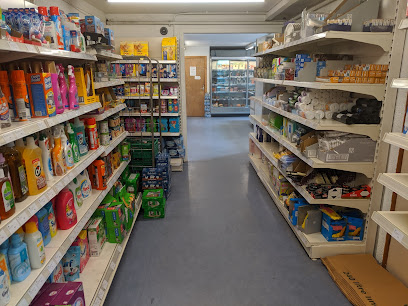
Harris Tweed Isle Of Harris Shop
11.7 km
Discover authentic Harris Tweed craftsmanship and timeless island heritage in the heart of Tarbert, Isle of Harris.
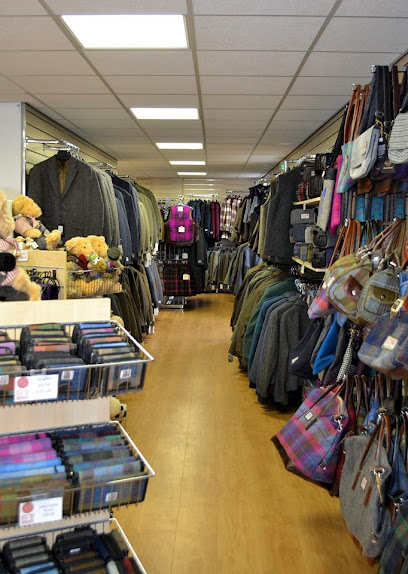
David's sausages
11.7 km
Discover handcrafted local sausages steeped in Isle of Harris tradition, crafted for food lovers seeking authentic island flavors.

Blamire at Harris
11.9 km
A split-level gift shop in Tarbert showcasing handcrafted ceramics, original oil paintings, and authentic souvenirs from the Isle of Harris.

Akrams General Store
11.9 km
Akrams General Store offers authentic local goods and essentials in the heart of Tarbert, Isle of Harris, blending convenience with Hebridean charm.

John Morrisons Newsagents
11.9 km
A welcoming local hub in Tarbert offering essentials and island charm on the Isle of Harris.
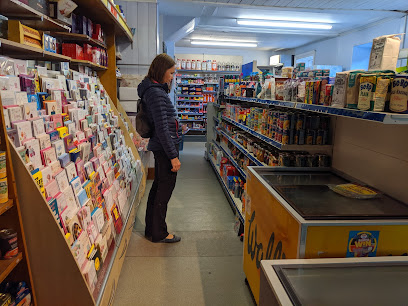
Essence of Harris
12.1 km
Discover the essence of the Isle of Harris through handcrafted, sustainably made candles and homewares inspired by the island’s natural beauty.
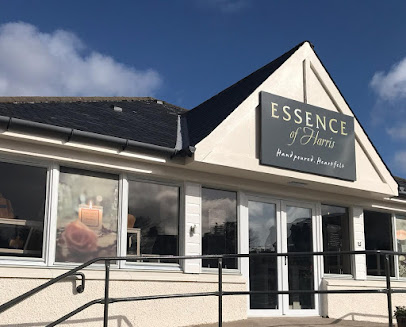
Tarbert charity shop
12.1 km
Explore Tarbert Charity Shop, a unique thrift store on the Isle of Harris, where every purchase supports local charities and sustainability.
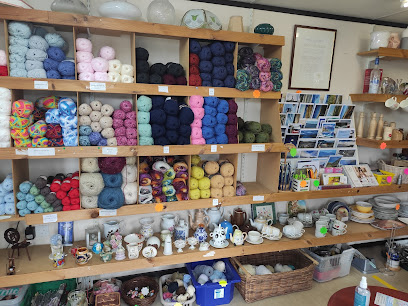
Grannie Annie's
12.6 km
Discover the quirky charm and authentic Hebridean spirit at Grannie Annie's, a beloved gift shop on the Isle of Harris.
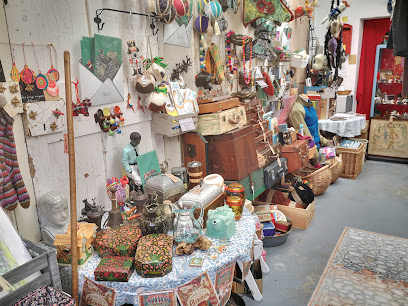
The Wee Croft Shop - Isle of Harris
12.9 km
Discover authentic Harris crafts and unique gifts at The Wee Croft Shop in Tarbert, a charming local treasure celebrating island heritage.
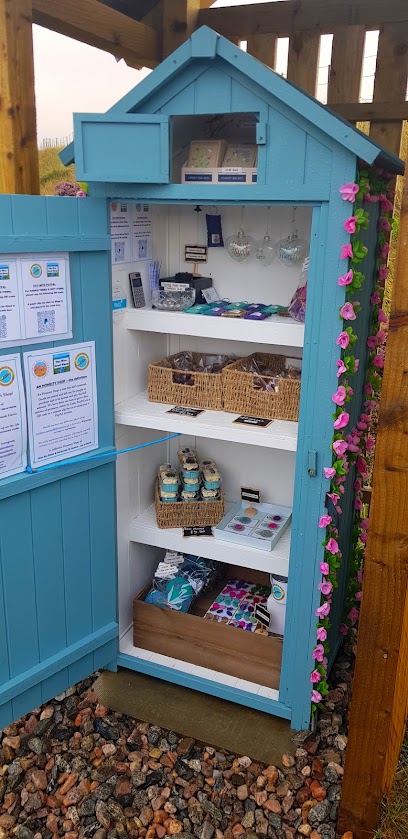
Harris Tweed and Knitwear
13.5 km
Authentic handwoven Harris Tweed products crafted in the Outer Hebrides, blending heritage, quality, and island tradition.

Essential bars & hidden hideouts

The Bothy
10.4 km
A cozy pub and café in Leverburgh offering local ales, hearty meals, and warm island hospitality on the Isle of Harris.
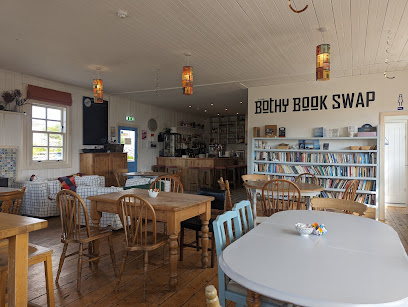
Ardhasaig House Hotel and Restaurant
10.7 km
A tranquil Hebridean escape offering cozy rooms, exquisite local cuisine, and stunning mountain and sea views on the Isle of Harris.
Isle of Harris Brewery
11.1 km
Crafting island-brewed beers and fresh Hebridean fare in a lively waterfront taproom on the Isle of Harris.
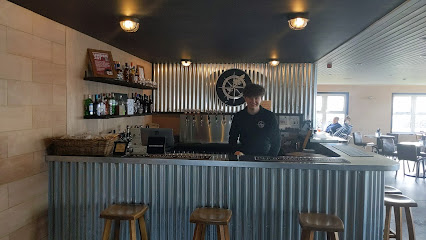
Westford Inn
40.6 km
A cozy Hebridean pub on North Uist offering hearty local cuisine, craft ales, and warm island hospitality in a traditional stone setting.
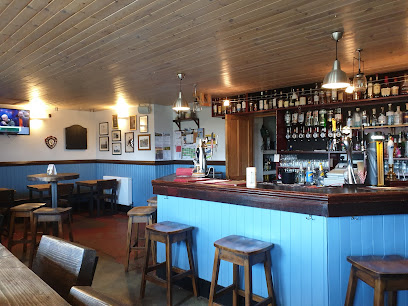
The Stein Inn
46.3 km
Historic pub and hotel on Skye offering fresh seafood, cozy rooms, and stunning Loch Bay views in a charming coastal village.
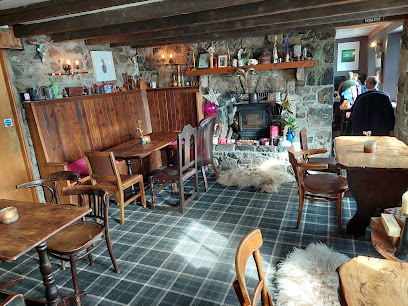
The Ferry Inn
48.6 km
A stylish 19th-century inn in Uig offering cozy rooms, exceptional local cuisine, and stunning views over Skye’s northern bay.
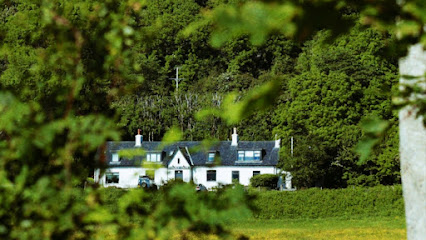
THE HARBOUR BAR
52.1 km
A warm, inviting bar in Stornoway offering local brews, hearty Scottish fare, and live music in the heart of the Isle of Lewis.
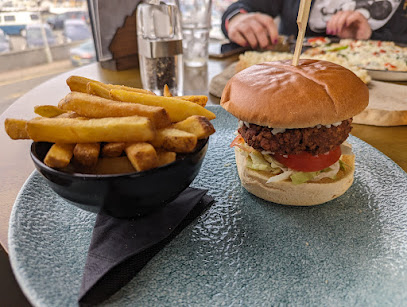
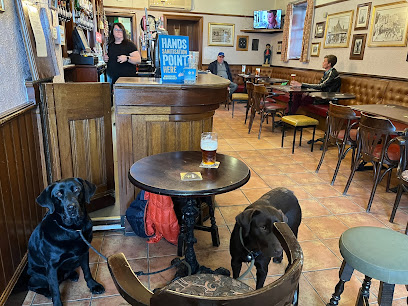
The Criterion Bar
52.1 km
A cozy, traditional Scottish bar in Stornoway known for its friendly service, quality drinks, and authentic Hebridean atmosphere.
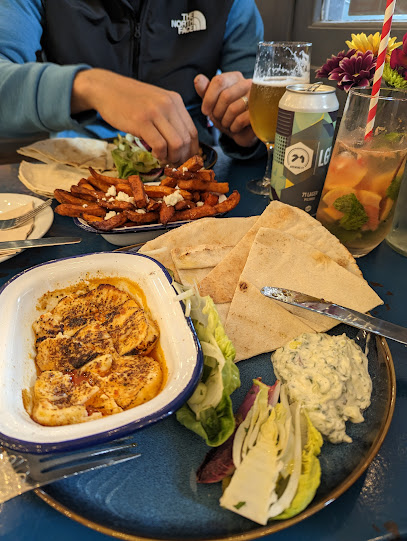
Stornoway Distillers @ The Fank
52.2 km
Experience authentic Hebridean flavors and craft gin in the heart of Stornoway’s vibrant culinary scene.
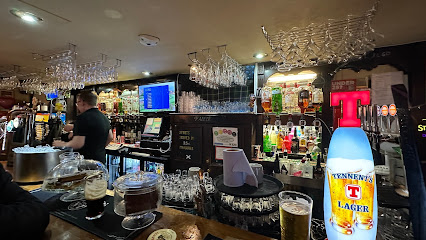
McNeills
52.2 km
Experience Stornoway’s vibrant live music and warm hospitality at McNeills, a historic bar with authentic Hebridean spirit.
Lewis & Harris Rangers Supporters Club
52.3 km
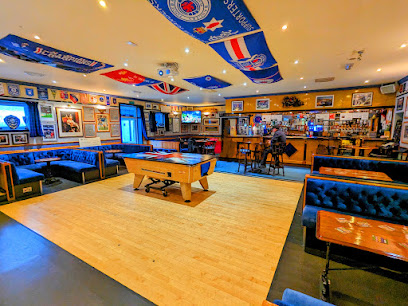
A spirited social hub and the world’s largest Rangers supporters club, uniting fans in Stornoway with football passion and community warmth.
Artizan
52.3 km
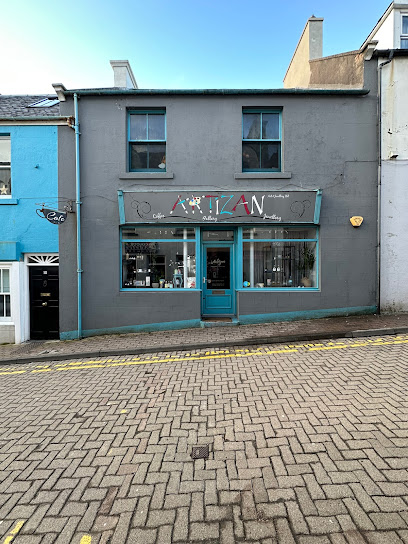
Artizan blends local flavors, creative cocktails, and unique crafts in a warm, welcoming café and event space in the heart of Stornoway.
The Rip
67.6 km
A cozy bar on the Isle of Lewis where local culture, craft beers, and scenic beauty create a warm retreat for travelers and locals alike.
The Isles Inn
69.2 km
A lively traditional pub and cozy inn in Portree, offering hearty Scottish fare, live folk music, and comfortable rooms in the heart of Isle of Skye.
West Highlands Bar
69.3 km
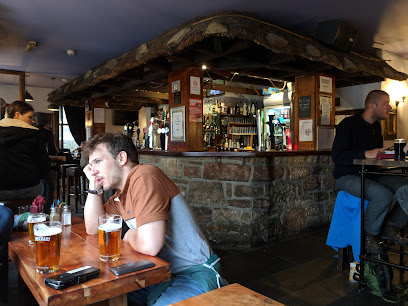
Cozy Highland pub in Portree offering local whiskies, Isle of Skye brews, live music, and a warm, inviting atmosphere year-round.
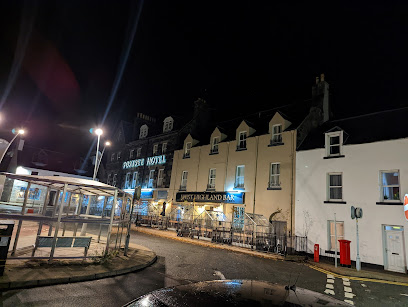
Nightclubs & after hour spots

Number 5
13.3 km
Charming stone cottage hostel with sea views, cozy fires, kayak rentals, and warm hospitality on the scenic Isle of Harris.
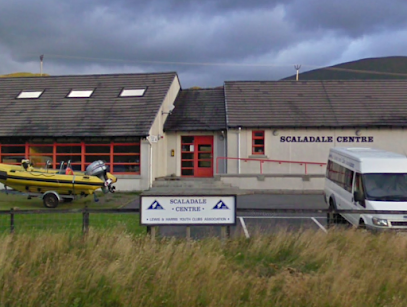
The Scaladale Centre
19.8 km
A premier outdoor adventure centre and hostel on Isle of Harris, offering year-round activities and comfortable group accommodation in stunning Hebridean surroundings.
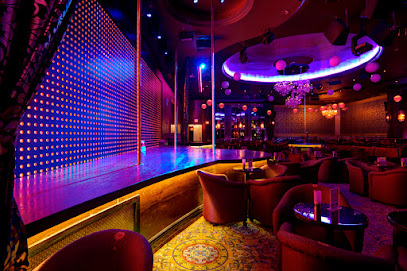
Red fox
56.6 km
Red Fox on the Isle of Lewis: Dive into a vibrant adult entertainment scene amidst breathtaking landscapes.
Skye Camanachd Social Club
68.5 km
Experience the vibrant social heartbeat of Portree at Skye Camanachd Social Club, where tradition meets lively nightlife on the Isle of Skye.

For the vibe & atmosphere seeker
- Tranquil
- Scenic
- Unique
- Relaxing
For the design and aesthetic lover
- Rustic Designs
- Vintage Styles
For the architecture buff
- Historic
- Landmarks
- Parks & Gardens
For the view chaser and sunset hunter
- Iconic Views
- Panoramas
- Waterfront
- Sunset Spots
For the social media creator & influencer
- Instagrammable
- Photo Spots
- Selfie Spots
- Aesthetic Corners
- Architectural Shots
For the eco-conscious traveler
- Low Impact
- Protected Area
- Public-Transport Accessible
- Leave-No-Trace Critical
For the kind of experience you’re after
- Myth & Legends
- Cultural Heritage
- Photowalk
- Nature Escape
- Day Trip
For how adventurous you want the journey to be
- Easy Access
Location Audience
- Family Friendly
- Senior Friendly
- Child Friendly
- Teen Friendly
- Solo Friendly
- Couple Friendly
- Solo Female Friendly


