

Ballafayle Cairn
A Neolithic burial cairn with sweeping coastal views and a later Quaker burial ground, quietly standing on a hillside above Maughold.
Perched on a hillside above Maughold on the Isle of Man, Ballafayle Cairn is the remains of a Neolithic wedge-shaped burial cairn dating from around 2000–1500 BC. This ancient stone mound, partially fused by heat, once formed a significant funerary monument and now also serves as a 17th-century Quaker burial ground. The site offers sweeping coastal views and a quiet, contemplative atmosphere, with open access year-round and no admission fee.
A brief summary to Ballafayle Cairn
- 7MM5+JW3, Maughold, Isle of Man, IM
- Visit website
- Duration: 0.5 to 1.5 hours
- Free
-
 Outdoor
- Mobile reception: 3 out of 5
Local tips
- Wear sturdy footwear and a windproof layer; the hillside is exposed and can be damp or muddy underfoot.
- Visit on a clear day to enjoy the panoramic views across the Maughold coast and out to the Cumbrian coast.
- Combine your visit with nearby Maughold Church and its historic graveyard for a deeper sense of the area’s layered history.

For the on-the-go comforts that matter to you
- Seating Areas
- Trash Bins
- Information Boards
Getting There
-
Car
From Douglas, follow the A2 coast road through Laxey, Glen Mona, and towards Ramsey. At the Hibernia crossroads, turn right onto the A15 Hibernian/Maughold Road. After about 1 mile, turn left at a small crossroads onto the unmarked Quaker’s Road, opposite a road sign for Ballaglass and Maughold Church. Continue up the steep, narrow single-track road to Rhullick ny Quakeryn; the cairn is on the right-hand side near the top of the hill.
-
Walking
From Maughold Church, follow the footpath uphill towards Rhullick ny Quakeryn; the walk takes about 20–30 minutes over grassy, uneven ground. The route is exposed and can be muddy, so sturdy footwear is essential.
Ballafayle Cairn location weather suitability
-
 Any Weather
-
 Clear Skies
-
 Mild Temperatures
-
 Windy Conditions
Discover more about Ballafayle Cairn
An Ancient Stone Sentinel
Standing on a grassy hillside above the parish of Maughold, Ballafayle Cairn is the weathered remnant of a Neolithic wedge-shaped burial cairn, thought to date from roughly 2000 to 1500 BC. Though much reduced from its original size, the cairn still conveys a sense of ancient purpose, with its core of large stones, some fused by heat, hinting at the effort and ritual that went into its construction. Originally a man-made mound of stone marking a communal burial place, it reflects the funerary practices of early farming communities on the Isle of Man, comparable in form and age to other notable cairns such as Cashtal yn Ard and King Orry’s Grave.Layers of Time and Belief
The site’s story extends far beyond the Neolithic. In the 17th century, local Quaker farmer William Callow donated the land around the cairn for use as a burial ground for his persecuted religious community. This later use adds a poignant layer of history, linking the ancient monument to a more recent chapter of religious resilience and quiet defiance. The earth bank at the cairn’s end is not part of the original Neolithic structure but incorporates stones that once formed part of the cairn, illustrating how later generations repurposed and respected the site.Views and Atmosphere
Ballafayle Cairn occupies a commanding position with panoramic views across the Maughold coast and, on clear days, out towards the Cumbrian coast and the Lake District. The surrounding landscape is open and windswept, with grassy slopes and scattered stone walls, creating a sense of solitude and timelessness. The atmosphere is one of quiet reflection, enhanced by the cairn’s isolation and the sense of standing at a crossroads of millennia, where ancient ritual and later Quaker simplicity converge.Visiting the Site
The cairn is freely accessible year-round, with no admission charge, making it an ideal stop for those exploring the Isle of Man’s prehistoric heritage. Visitors approach along a small, steep single-track road, then walk a short distance across grass to the cairn itself. The terrain is uneven, and sturdy footwear is advisable, especially in wet weather. Information about the site’s history and significance is available through Manx National Heritage, and donations help support the ongoing care of the island’s historic and natural sites.Iconic landmarks you can’t miss

Ballafayle Cairn
0.0 km
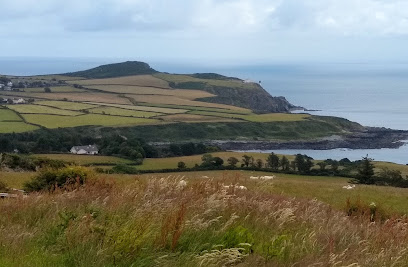
Explore the ancient heritage of Ballafayle Cairn in Maughold, Isle of Man - a historical landmark surrounded by stunning natural beauty.
Maughold Parish Church
2.2 km
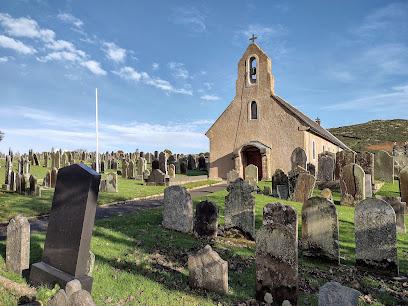
Explore the serene beauty and rich history of Maughold Parish Church on the Isle of Man, a captivating destination for history and spirituality enthusiasts.
Ramsey Bay
4.3 km
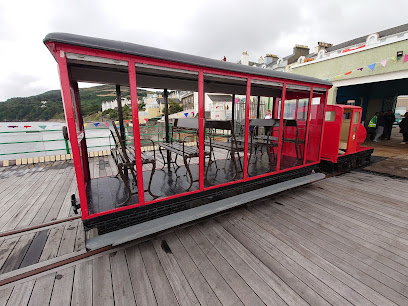
Discover the breathtaking beauty of Ramsey Bay, a serene coastal escape on the Isle of Man, perfect for relaxation and outdoor adventure.
Guthrie's Memorial
4.4 km
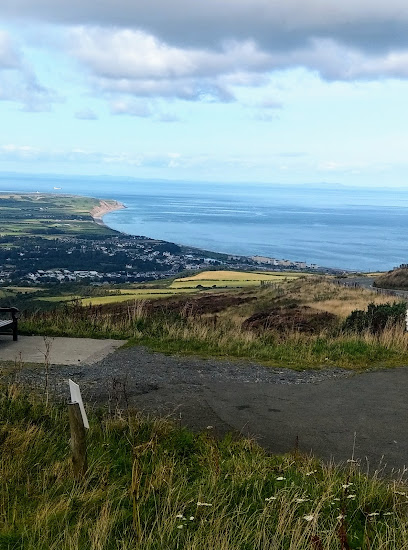
Discover Guthrie's Memorial, a historical landmark on the Isle of Man that offers captivating insights into the island's rich heritage amidst serene landscapes.
Yn Thie Jiarg
4.7 km
Experience the charm of Yn Thie Jiarg, a cozy bed & breakfast in Ramsey, Isle of Man, perfect for your island getaway.

Talk of the Island
4.8 km
Discover ultimate relaxation and rejuvenation at Talk of the Island, Ramsey's premier massage therapy destination for tourists.
The Ninth Circle
4.8 km
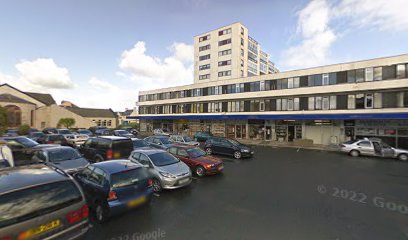
Explore The Ninth Circle in Ramsey for exceptional tattoo artistry and a welcoming atmosphere, perfect for both first-timers and tattoo enthusiasts.
Bourne Plaice
4.9 km
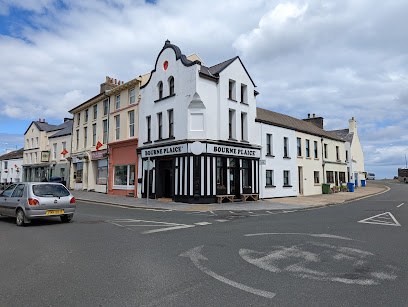
Experience the Isle of Man's iconic fish and chips at Bourne Plaice, where freshness and flavor meet in a warm, inviting atmosphere.
Ramsey railway station
4.9 km
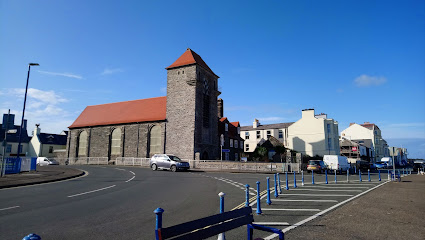
Experience the charm of Ramsey Railway Station and embark on an unforgettable journey through the scenic Isle of Man.
GoodStuff Restaurant IOM
4.9 km
Experience the best of British and Western cuisine at GoodStuff Restaurant, a culinary haven in Ramsey, Isle of Man.
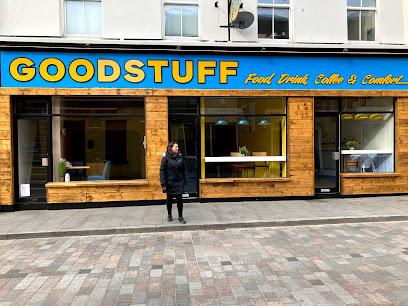
Studio Umami
4.9 km
Discover the authentic flavors of the Isle of Man at Studio Umami, Ramsey's premier cold cut store, offering gourmet meats and artisanal delights.
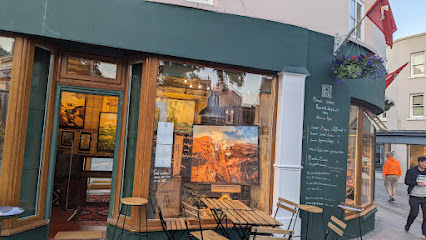
Ramsey Art Gallery
4.9 km
Explore the Ramsey Art Gallery - a treasure trove of local art, engravings, and unique jewelry in the heart of Ramsey, Isle of Man.
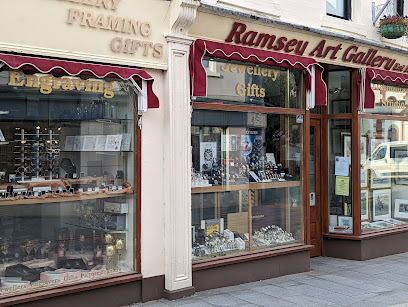
The Royal George
4.9 km
Discover the warmth of The Royal George in Ramsey, where traditional British pub fare meets a cozy atmosphere, perfect for unwinding after exploring the Isle of Man.
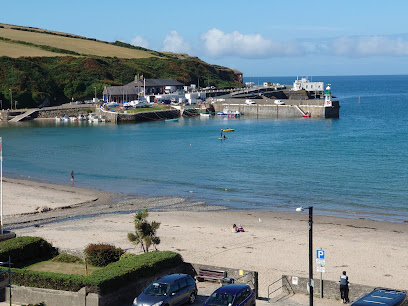
Court Cafe
4.9 km
Discover the cozy charm of Court Cafe in Ramsey, Isle of Man, where delicious food and a warm atmosphere await every visitor.
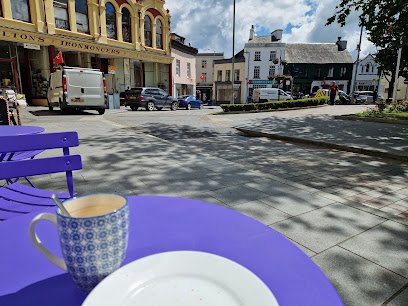
Gophers Coffee Shop
4.9 km
Experience the warmth and flavor of Ramsey at Gophers Coffee Shop, where fresh brews and delightful pastries await every visitor.
Unmissable attractions to see

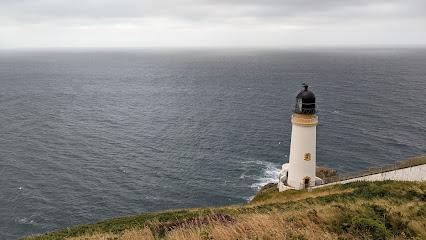
Maughold Lighthouse
2.3 km
Experience breathtaking views and rich maritime history at Maughold Lighthouse on the Isle of Man, a scenic haven for nature lovers and adventurers.
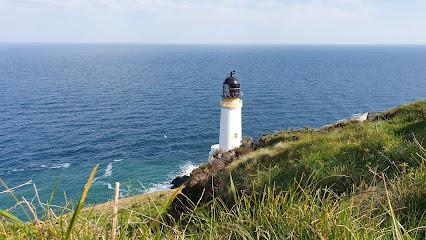
Maughold Head
2.3 km
Explore Maughold Head - a picturesque peninsula on the Isle of Man with stunning views, a historic lighthouse, and rich cultural heritage.
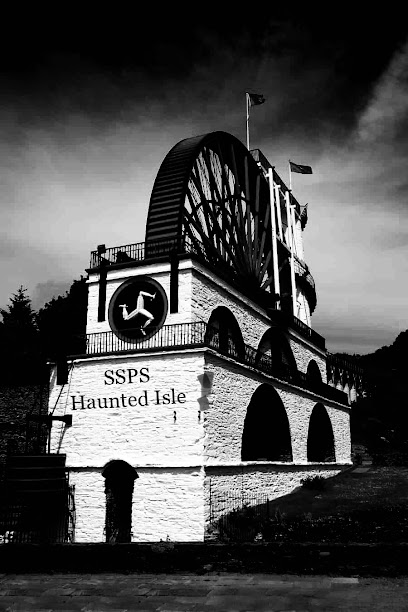
SSPS
2.8 km
Experience the tranquil beauty of SSPS in Glen Mona, Isle of Man, a perfect escape for nature lovers and adventure seekers.
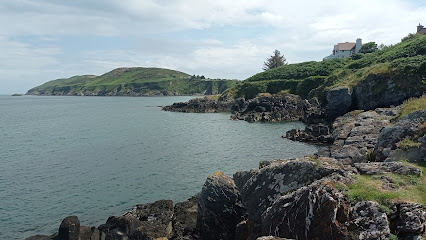
Port Lewaigue Beach
3.0 km
Explore the stunning Port Lewaigue Beach, a serene escape on the Isle of Man, perfect for relaxation, adventure, and breathtaking coastal views.
Old Pete's Trough
3.7 km
Experience the serene beauty and rich heritage of Old Pete's Trough on the Isle of Man, a hidden gem perfect for every traveler.
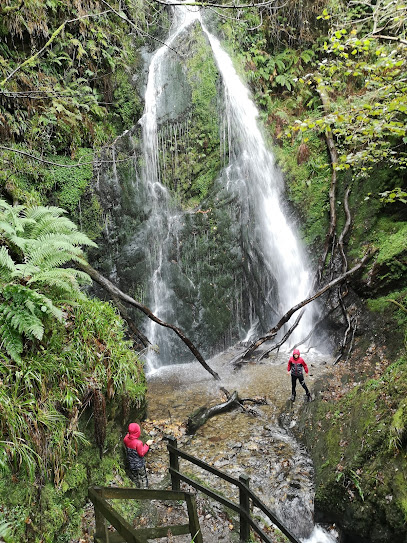
Dhoon Glen
4.0 km
Explore the natural wonder of Dhoon Glen, a stunning park in the Isle of Man with breathtaking landscapes and serene waterfalls perfect for a peaceful retreat.
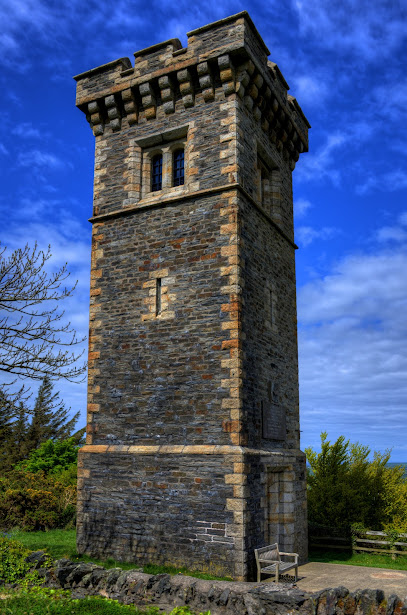
ALBERT TOWER
4.1 km
Explore the captivating history and stunning views at Albert Tower, a must-visit landmark in Ramsey, Isle of Man.
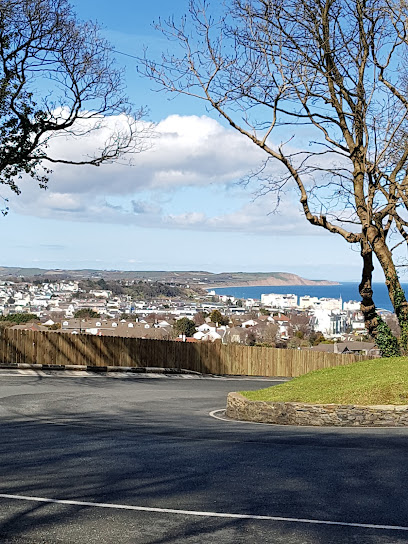
MWT Ramsey Hairpin Woodland Park
4.3 km
Explore the natural beauty and tranquility of MWT Ramsey Hairpin Woodland Park, a serene escape in the heart of the Isle of Man.
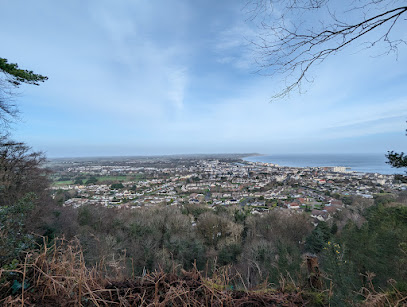
Ramsey Hairpin
4.3 km
Discover the breathtaking beauty and thrilling experiences at Ramsey Hairpin on the Isle of Man, a top destination for adventure seekers and nature lovers.
Energy FM Bowl
4.8 km
Enjoy a perfect blend of bowling, dining, and leisure activities at Energy FM Bowl in Ramsey, Isle of Man, for a fun-filled day out.
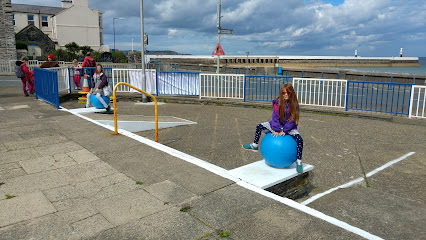
Coronation Park
4.8 km
Explore the natural beauty and peaceful ambiance of Coronation Park in Ramsey, Isle of Man, a perfect retreat for families and nature enthusiasts.
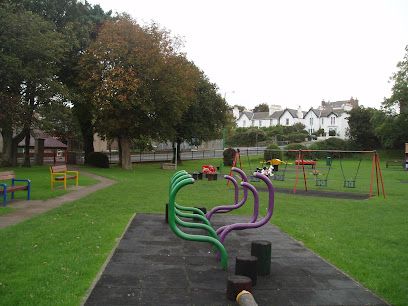
Ramsey Station Terminus
4.9 km
Explore the rich railway heritage of the Isle of Man at Ramsey Station Terminus, a charming museum showcasing vintage trains and captivating exhibits.
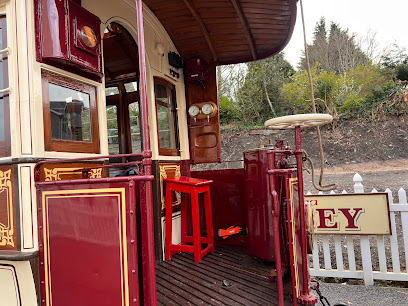
Sprintfest
4.9 km
Experience the thrilling Sprintfest in Ramsey, Isle of Man—a vibrant festival celebrating motorsports, local culture, and community spirit.
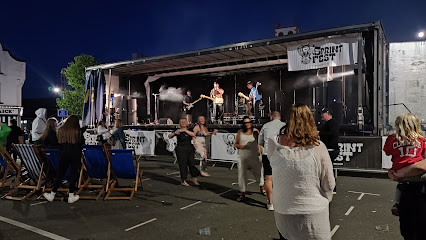
Ramsey Heritage Centre
4.9 km
Explore the rich heritage of Ramsey at the Ramsey Heritage Centre, where history comes alive through engaging exhibits and local stories.
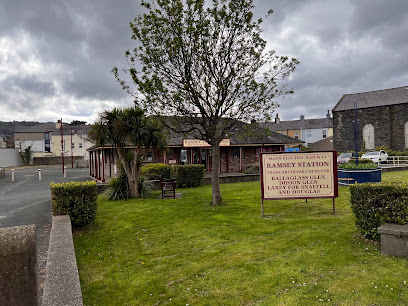
The Spiral Stone
5.3 km
Explore the Spiral Stone in Laxey, a captivating ancient monument surrounded by lush landscapes, perfect for history buffs and nature lovers.
Essential places to dine

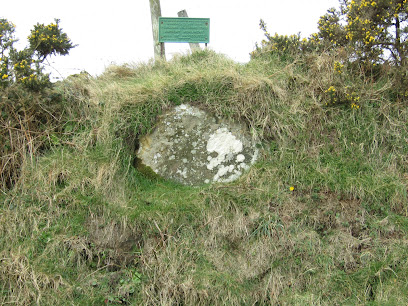
Ramsey Peri Peri
4.8 km
Experience the best peri-peri dishes at Ramsey Peri Peri in Isle of Man – where flavor meets tradition.
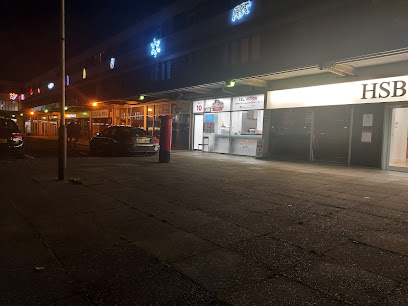
Silver Star
4.8 km
Experience authentic Chinese takeout at Silver Star in Ramsey—delicious dishes made fresh daily at affordable prices.
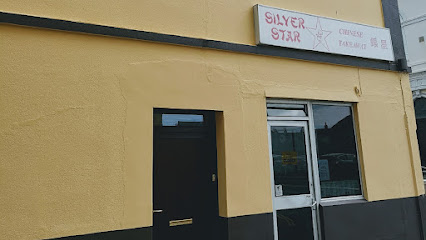
Pizzanista
4.9 km
Discover the essence of Italian cuisine at Pizzanista in Ramsey – where every slice tells a story!
The Tasty Bite
5.0 km
Discover delightful fast food at The Tasty Bite in Ramsey - where quality meets convenience in every delicious bite.
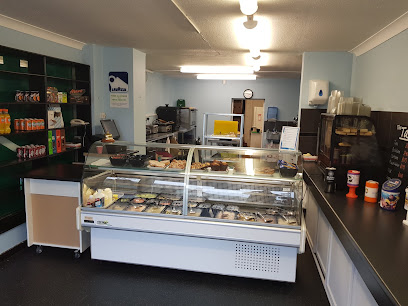
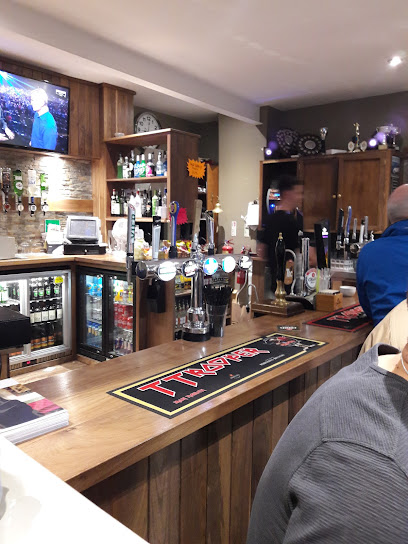
Bar Logo
5.1 km
Experience delightful dining at Bar Logo in Ramsey—where local flavors meet vibrant nightlife!
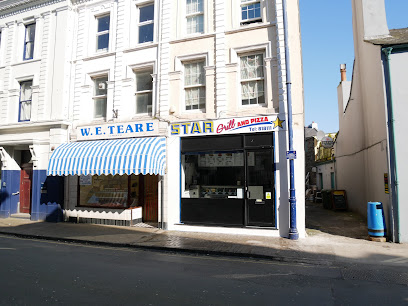
Star Grill & Pizza
5.1 km
Savor delicious pizzas and fast food delights at Star Grill & Pizza in Ramsey, Isle of Man – perfect for quick meals during your travels.
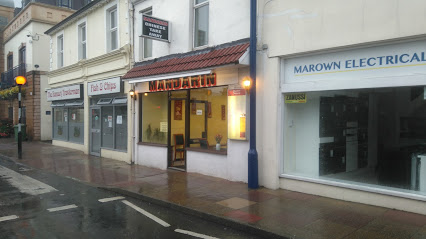
Mandarin Takeaway
5.2 km
Discover the rich flavors of Chinese cuisine at Mandarin Takeaway in Ramsey - your go-to spot for delicious takeaway meals on the Isle of Man.
Grove Conservatory
6.4 km
Discover Grove Conservatory in Ramsey: A delightful blend of local flavors and serene natural beauty awaits you at this charming restaurant-café.
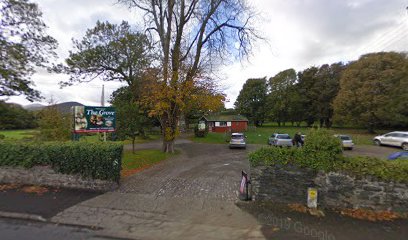
Browns Tearoom
7.0 km
Discover Browns Tearoom in Laxey - where cozy ambiance meets delicious homemade treats perfect for every traveler on the Isle of Man.
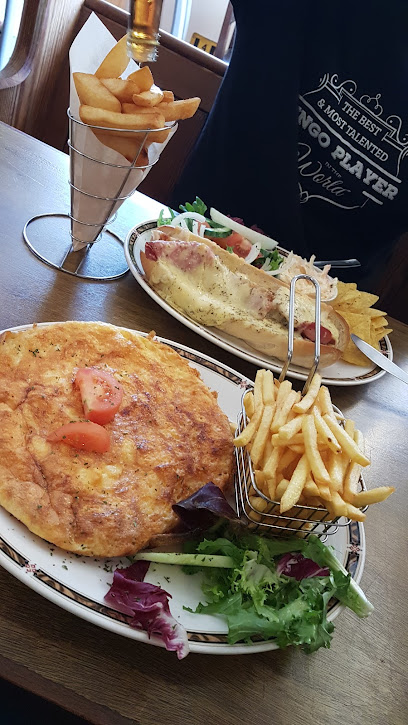
The Mines Tavern
7.1 km
Experience warm hospitality and delicious local cuisine at The Mines Tavern in Laxey – your perfect pub getaway!
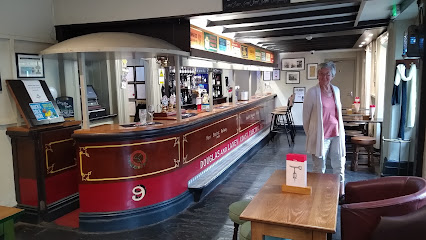
La Mona Lisa
7.2 km
Experience authentic Italian cuisine at La Mona Lisa in Laxey - where every meal feels like a taste of Italy.
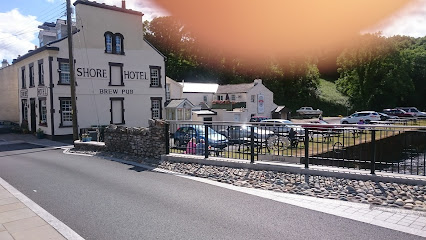
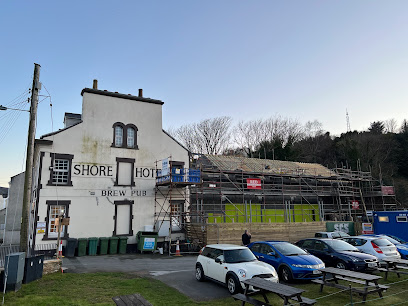
The Shore Hotel, Laxey
7.2 km
Discover delightful dining at The Shore Hotel in Laxey - where local flavors meet stunning coastal views.
The Bridge Inn
7.3 km
Discover The Bridge Inn: A charming bar and inn in Laxey offering local ales and hearty meals amidst stunning Isle of Man landscapes.
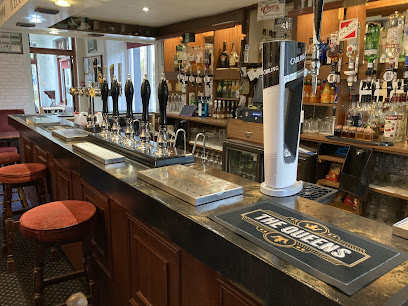
The Queens Hotel
7.3 km
Discover The Queens Hotel in Laxey – where local flavors meet traditional Isle of Man hospitality in a charming pub setting.
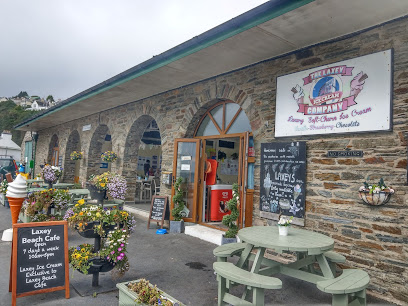
Laxey Beach Cafe
7.3 km
Discover culinary delights at Laxey Beach Cafe with stunning views of the coastline - your perfect seaside dining experience!
Markets, malls and hidden boutiques

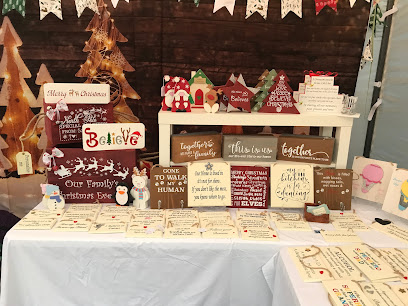
craftsbyashley
4.2 km
Discover unique handcrafted gifts and scrapbooking supplies at Crafts by Ashley in Ramsey, Isle of Man—your creative haven awaits!
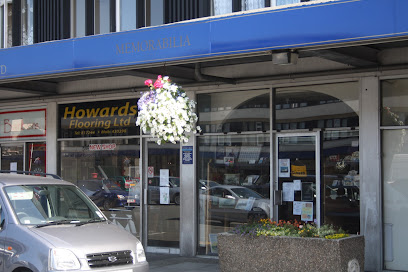
Memorabilia Collectors Shop
4.8 km
Explore the Memorabilia Collectors Shop in Ramsey, a collector's paradise filled with unique treasures from history, sports, and pop culture.
Edwinas
4.8 km
Explore Edwinas, Ramsey's charming gift shop, for unique souvenirs and local treasures that embody the spirit of the Isle of Man.
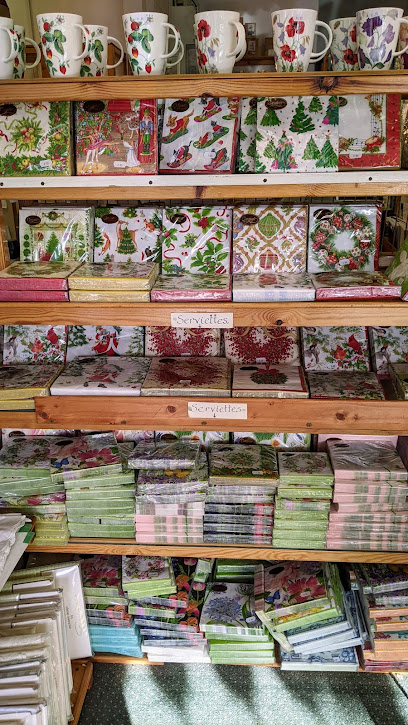
Quirky.im
4.9 km
Explore the whimsical world of Quirky.im, a unique gift shop in Ramsey, Isle of Man, where local crafts and quirky treasures await every traveler.
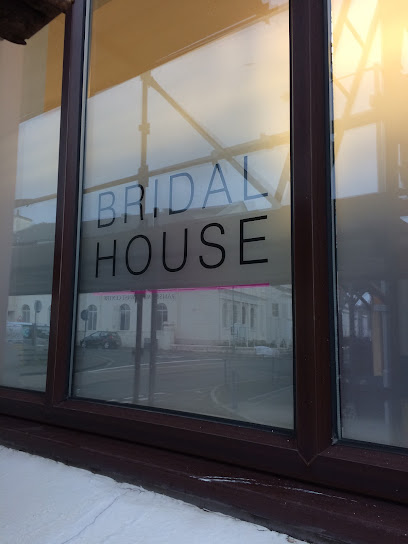
Bridal House
4.9 km
Discover the perfect wedding dress at Bridal House in Ramsey, where personalized service meets exquisite style for every bride's dream.
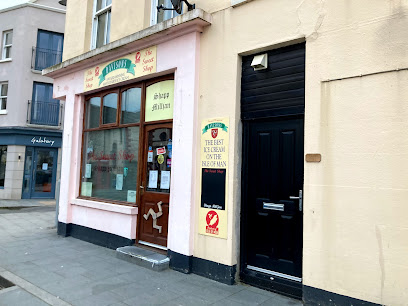
Allsorts Sweet Shop
4.9 km
Discover a world of sweetness at Allsorts Sweet Shop in Ramsey, Isle of Man, where traditional treats and delightful confections await every visitor.
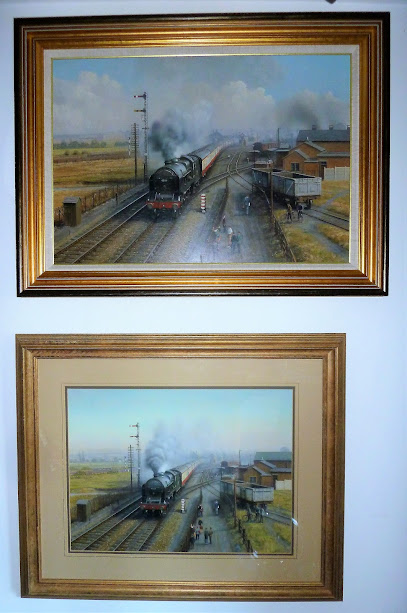
William Rand Antiques
4.9 km
Explore a captivating collection of vintage treasures at William Rand Antiques, a must-visit antique store in Ramsey, Isle of Man.
The Jewell Box
4.9 km
Explore The Jewell Box in Ramsey for unique gifts and handmade treasures that capture the spirit of the Isle of Man.
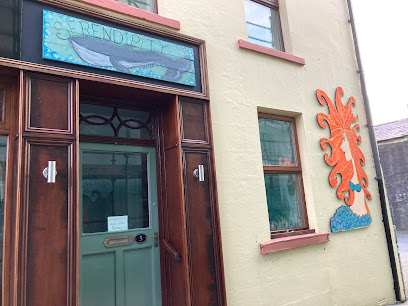
Serendipity Arts & Crafts
4.9 km
Discover unique handmade crafts and local treasures at Serendipity Arts & Crafts in Ramsey, Isle of Man, a must-visit gift shop for tourists.
the tide Limited
5.0 km
Explore The Tide Limited, a charming gift shop in Ramsey, Isle of Man, offering unique souvenirs and stylish clothing for every traveler.
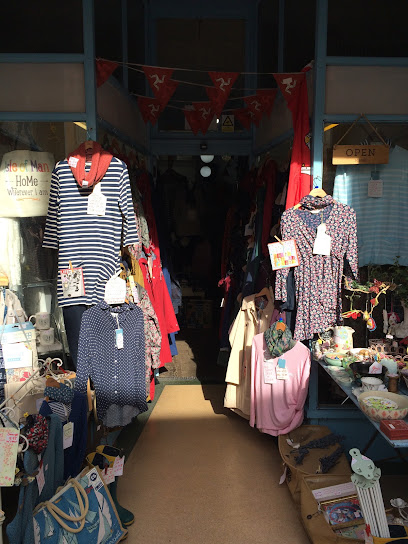
Blue Moon Gift Shop - Ramsey
5.0 km
Explore the enchanting Blue Moon Gift Shop in Ramsey for unique local crafts and gifts that capture the spirit of the Isle of Man.

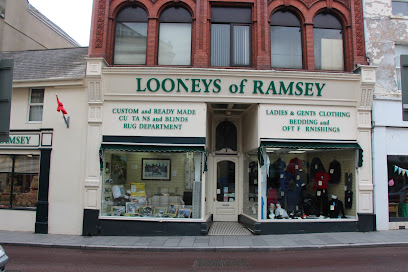
Looneys Of Ramsey
5.0 km
Discover unique Isle of Man products and local treasures at Looneys Of Ramsey, your go-to department store for a memorable shopping experience.
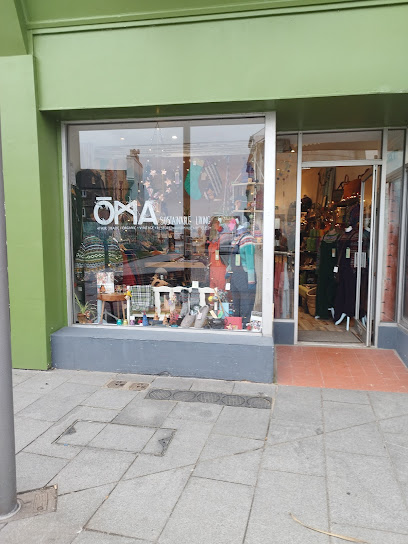
Oma
5.1 km
Explore the charm of Oma gift shop in Ramsey, where unique treasures and local artistry come together for memorable souvenirs.
Penny Farthing
5.1 km
Explore the charm of Penny Farthing, a second-hand store in Ramsey, Isle of Man, where vintage treasures and unique finds await every visitor.
Pure Inspiration
5.1 km
Explore Pure Inspiration, the charming gift shop in Ramsey, Isle of Man, offering unique souvenirs and locally crafted treasures.
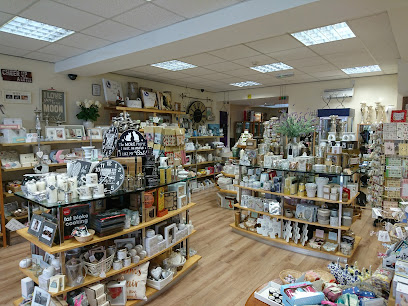
Essential bars & hidden hideouts

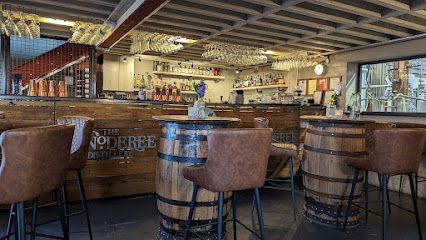
The Fynoderee Distillery
4.8 km
Discover the artistry of spirit-making at The Fynoderee Distillery, a unique cocktail bar and gift shop in Ramsey, Isle of Man.
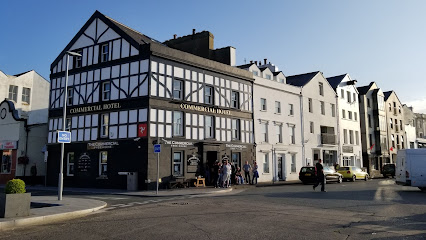
Mitre Hotel
5.0 km
Experience the welcoming atmosphere and delightful beverages at Mitre Hotel, the heart of Ramsey's vibrant bar scene.
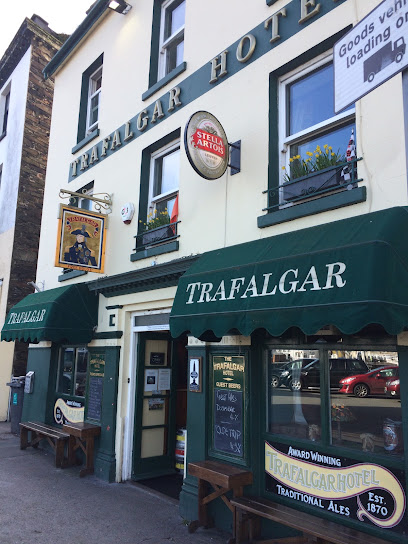
The Trafalgar Free House
5.0 km
Experience the essence of British pub culture at The Trafalgar Free House, where local ales and hearty meals await in a warm, inviting setting.
Central Hotel
5.2 km
Experience the warmth and charm of local hospitality at Central Hotel, a cozy pub in Ramsey, Isle of Man, perfect for unwinding and connecting with the community.
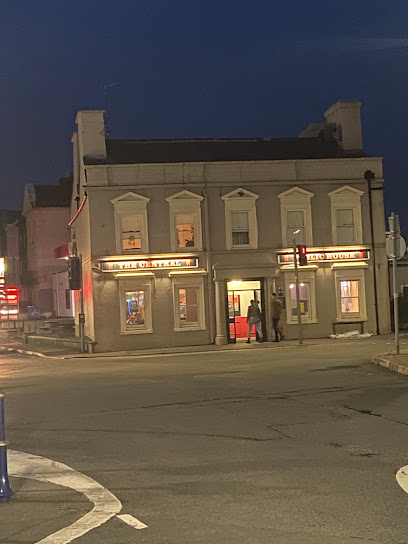
Mint Bar
13.7 km
Experience the cozy ambiance and delightful drinks at Mint Bar, a beloved local spot in Onchan, Isle of Man, perfect for tourists seeking relaxation.
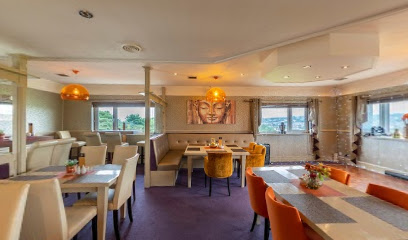
Archibald Knox
14.2 km
Discover the local charm and vibrant atmosphere of Archibald Knox Pub in Onchan, Isle of Man, where great food and drinks await.
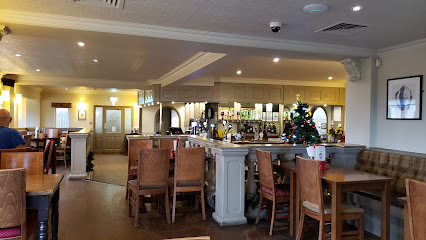
Raise The Bar
14.2 km
Experience the vibrant flavors of the Isle of Man with Raise The Bar, the premier mobile caterer bringing delicious dishes to you.
The Manx Arms
14.3 km
Discover the heart of Isle of Man's pub culture at The Manx Arms, where locals gather for good food, drinks, and camaraderie.
mshary al arabi
14.5 km
Experience the vibrant nightlife of the Isle of Man at Mshary Al Arabi, a bar that offers a unique blend of local charm and modern elegance.
The Cat With No Tail
14.8 km
Discover the charm of The Cat With No Tail pub in Douglas, offering a warm atmosphere, local flavors, and a delightful drink selection.
The Terminus Tavern
15.1 km
Discover the charm of The Terminus Tavern in Douglas, where local flavors meet a vibrant atmosphere for an unforgettable pub experience.
The Trackside
15.7 km
Experience the vibrant atmosphere of The Trackside, where local culture meets racing excitement in the heart of Douglas.
Kirk Michael
15.8 km
Discover the charm of Kirk Michael, a vibrant village on the Isle of Man with a lively bar scene, rich history, and stunning coastal views.
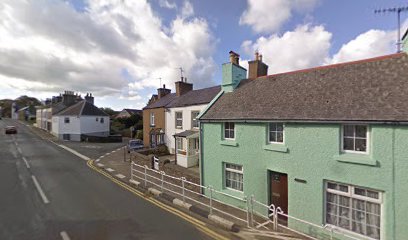
Looky's Lounge Bar
16.0 km
Discover Looky's Lounge Bar in Douglas: a vibrant bar with stunning views, extensive drinks, and a welcoming atmosphere for all visitors.
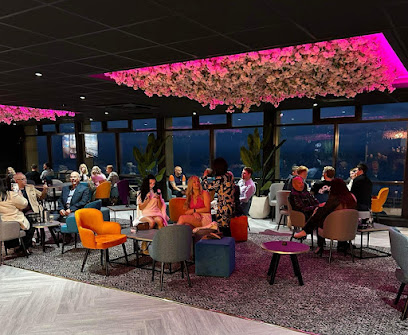
The Mitre Pub
16.1 km
Experience the warmth of The Mitre Pub in Kirk Michael, where local ales and hearty meals meet traditional Isle of Man hospitality.
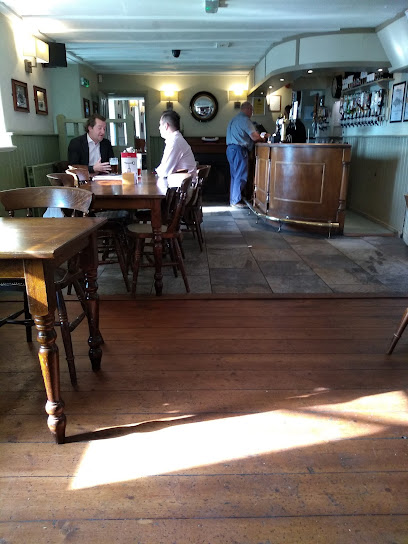
Nightclubs & after hour spots

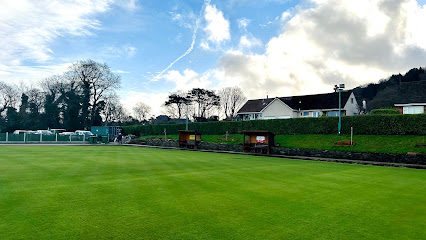
South Ramsey Bowling Club
4.4 km
Discover the charm of bowling at South Ramsey Bowling Club, a local favorite nestled in the scenic beauty of Ramsey, Isle of Man.
Manx Sailing & Cruising Club
5.0 km
Discover the vibrant maritime culture at the Manx Sailing & Cruising Club, a hub for sailing enthusiasts along Ramsey's scenic coastline.
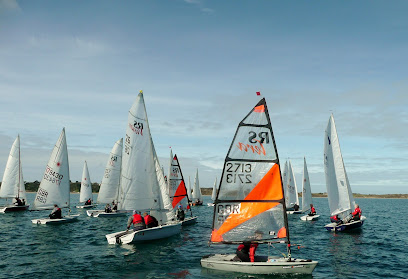
R.A.O.B Club
5.3 km
Discover the R.A.O.B Club in Ramsey, a vibrant social hub where locals and tourists unite for friendship and fun on the Isle of Man.
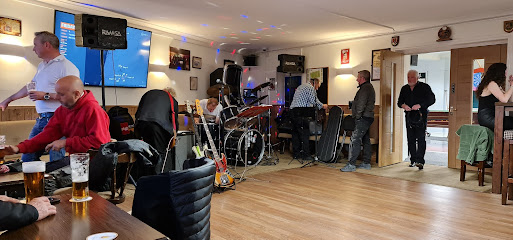
Ramsey crown green bowling club
5.6 km
Discover the local charm and community spirit at Ramsey Crown Green Bowling Club, where traditional bowling meets stunning landscapes.
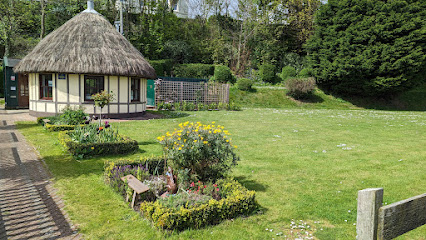
Laxey Football Club
7.3 km
Discover the vibrant community spirit of Laxey Football Club, a cornerstone of Isle of Man's local culture and a thrilling sports venue for visitors.
Laxey Working Men's Institute
7.3 km
Experience the heart of the Isle of Man at Laxey Working Men's Institute, where community and culture come together in vibrant harmony.
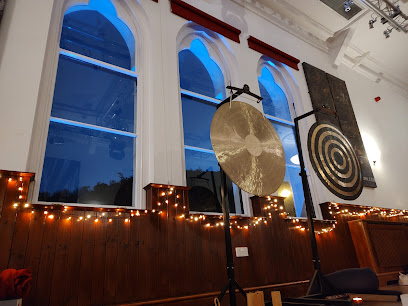
Laxey Sailing Club
7.3 km
Experience the serene beauty and vibrant community of Laxey Sailing Club on the Isle of Man, perfect for sailing, relaxation, and local culture.
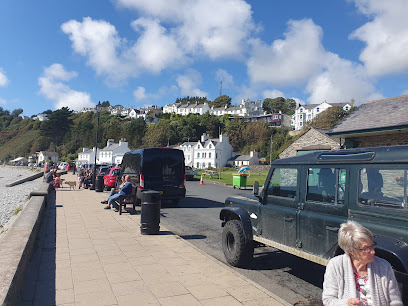
Isle of man
14.5 km
Discover the Isle of Man: A breathtaking island known for exhilarating sports events and rich cultural heritage amidst stunning landscapes.
MC Entertainment
16.1 km
Experience unforgettable events with top-notch DJ services and event planning at MC Entertainment in Kirk Michael, Isle of Man.
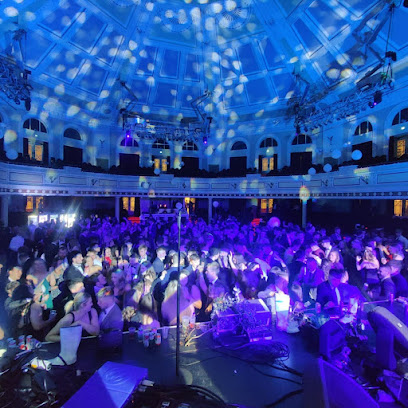
Jak's Bar & Smokehouse
17.1 km
Discover the vibrant flavors and lively atmosphere at Jak's Bar & Smokehouse, a premier grill experience in the heart of Douglas, Isle of Man.
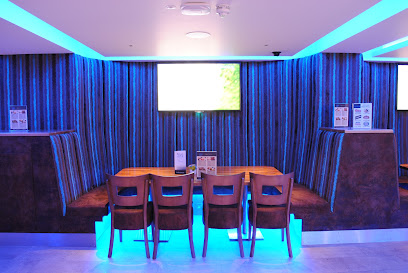
1886 Bar & Grill
17.4 km
Experience the best of dining and nightlife at 1886 Bar & Grill in Douglas, where culinary delights meet vibrant entertainment.
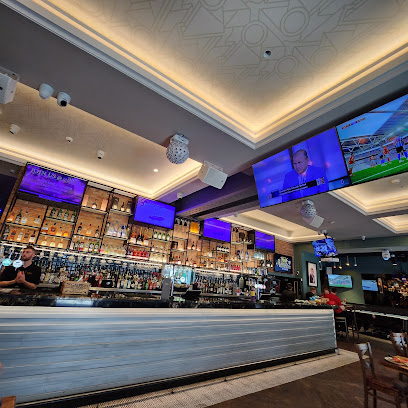
South Douglas Old Friends Association
17.4 km
Discover the heart of Douglas at the South Douglas Old Friends Association, a community bar offering a taste of Isle of Man's vibrant culture.
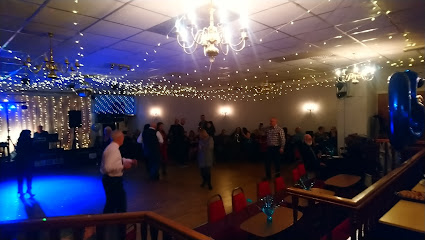
The Nags Head
17.5 km
Discover the vibrant atmosphere and local charm of The Nags Head Pub, a top destination for drinks and dancing in Douglas, Isle of Man.
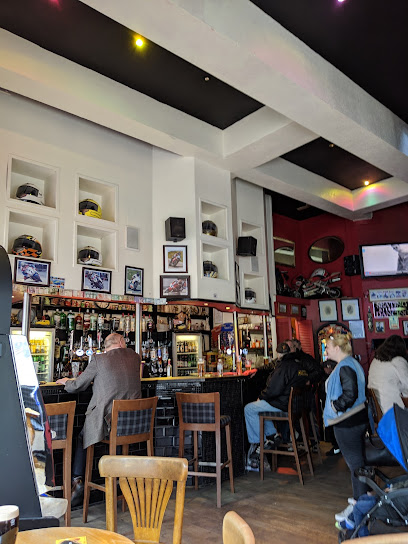
Thirsty Pigeon
17.5 km
Discover the vibrant atmosphere of Thirsty Pigeon, a must-visit pub in Douglas, Isle of Man, celebrated for its drinks and lively music nights.
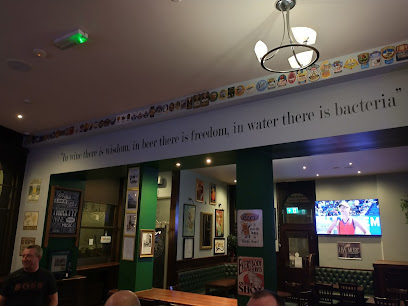
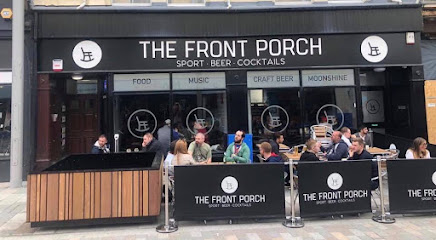
The Front Porch
17.5 km
Discover the vibrant atmosphere of The Front Porch, Douglas's premier bar, offering a lively nightlife experience on the Isle of Man.
For the vibe & atmosphere seeker
- Tranquil
- Scenic
- Unique
- Relaxing
For the architecture buff
- Historic
- Landmarks
- Heritage Neighborhoods
For the view chaser and sunset hunter
- Panoramas
- Sunrise Spots
- Sunset Spots
For the social media creator & influencer
- Photo Spots
- Aesthetic Corners
- Architectural Shots
For the eco-conscious traveler
- Low Impact
- Public-Transport Accessible
- Leave-No-Trace Critical
For the kind of experience you’re after
- Cultural Heritage
- Mindfulness
- Meditation Spot
- Myth & Legends
- Nature Escape
- Day Trip
For how adventurous you want the journey to be
- Easy Access
- Requires Hike
Location Audience
- Family Friendly
- Senior Friendly
- Child Friendly
- Teen Friendly
- Solo Friendly
- Couple Friendly
- Solo Female Friendly


