

Barry Mill Travel Guide
Free Guide: Experience Scotland’s largest working water-powered oatmeal mill set in tranquil woodland with historic milling demonstrations and nature walks.


A brief summary of Barry Mill
Experience Scotland’s largest working water-powered oatmeal mill set in tranquil woodland with historic milling demonstrations and nature walks.
Barry Mill, located in Barry Village near Carnoustie, is one of Scotland’s last operational water-powered oatmeal mills. Restored by the National Trust for Scotland, this 19th-century mill offers visitors a unique glimpse into traditional milling processes powered by a 15-foot waterwheel. Set in a tranquil valley with woodland walks along the Barry Burn, the site combines industrial heritage with natural beauty and wildlife spotting opportunities.
On-site amenities
 Restrooms
 Drink options
 Food options
 Seating areas
 Picnic areas
 Trash bins
 Information boards
Opening hours
- MonClosed
- TueClosed
- WedClosed
- Thu10:30 am–4 pm
- Fri10:30 am–4 pm
- Sat10:30 am–4 pm
- Sun10:30 am–4 pm
Opening hours as listed on the venue’s Google Business Profile. Hours can change for services and special events, so check with the venue before you go.
- Address
- Mill Rd, Barry Village, Carnoustie DD7 7RJ
- Phone
- Website
Getting there
Train and Bus
Car
Cycling
Discover more about Barry Mill
A Living Testament to Scotland’s Industrial Heritage
Barry Mill stands as a rare and magnificent example of a working water-powered oatmeal mill, rebuilt after a fire around 1814. It is probably the largest and finest mill of its type still in operation in Scotland. For nearly 800 years, this mill was the heart of a rural community, producing oatmeal, animal feed, and providing local employment until it ceased commercial operation in 1982. The mill’s ingenious engineering, including a 15-foot waterwheel powering three floors of wooden machinery, reflects the transition from manual to mechanized food production that helped fuel the Industrial Revolution.
Exploring the Mill’s Three Floors and Machinery
Visitors enter through a lean-to extension housing the miller’s office and interpretive displays about mill life. The milling floor showcases the original French burr millstones from 1880, while the meal floor below collects the finished oatmeal in sacks. The top floor stores grain bins, illustrating the full milling journey from drying and cleaning to grinding and sieving. Guided tours, especially on Fridays, offer live milling demonstrations, providing insight into the tough physical work of sack hoisting and grain processing that millers performed daily.
Peaceful Surroundings and Wildlife Haven
Set beside the Barry Burn, the mill is surrounded by peaceful woodland walks that connect to the Carnoustie path network. These grounds are open year-round from dawn to dusk and offer picnic areas along the water. The area is a haven for wildlife, including species such as tawny owls, pipistrelle bats, dippers, kingfishers, herons, and woodpeckers. The sound of flowing water and the smell of oatmeal during milling season enhance the sensory experience of this tranquil setting.
Visitor Facilities and Accessibility
Barry Mill provides free on-site parking for members and a £5 charge for others. The site includes accessible parking, an accessible toilet, and a ramp allowing wheelchair access to the ground and lower floors of the mill, though stairs lead to the top floor. A small shop offers teas, coffees, snacks, and gifts, supporting the National Trust for Scotland’s conservation efforts. Dogs are welcome if kept under control, and visitors can enjoy the grounds even when the mill itself is closed.
Seasonal Opening and Admission Details
The mill is open seasonally from September to October, Thursday through Sunday, 10:30 am to 4:30 pm, with special milling tours on Fridays at 11 am, midday, and 2 pm. The grounds remain accessible all year. Admission fees are £9.50 for adults, £8.50 for concessions, and £23 for families, with free entry for National Trust members. The mill participates in ScotRail’s 2-for-1 initiative, encouraging sustainable travel.
Historical Significance and Cultural Legacy
Barry Mill not only preserves the machinery and processes of traditional milling but also embodies the cultural heritage of rural Scotland. It tells stories of community life, trade evolution from barter to monetary exchange, and the ingenuity required to harness water power. The mill’s survival and restoration highlight the importance of preserving industrial landmarks as living museums, connecting modern visitors with centuries of Scottish rural and industrial history.
Evendo Review Centre
 Google
Guest reviews
Best time to go
Quietest: Jan, Feb & Dec · before 8am or from 8pm
Busy times are Evendo estimates for a typical year, to help you plan. Actual crowds vary with events, school holidays and the weather.
Explore Barry Mill on the map
A handpicked selection of must-see spots near Barry Mill, mapped for you.
Get your free copy of our complete guide to Barry Mill, delivered straight to you.
Everything on this page, from opening hours and how to get there to Eve’s tips and the best time to go, in one PDF you can read offline, print or share.
Already have an account? Sign in
Your Barry Mill guide is ready.
We'll send it to · Not you? Sign out

Getting your guide ready…
We are putting together a fresh copy of the Barry Mill guide. This can take up to a minute.
This can take a few moments. If your browser asks, choose Allow so the download can start. You'll find the guide in your Downloads folder.
Nothing happened? Download it again
Sorry, the guide is taking longer than usual. Please try again in a minute, or get it by email instead.
Other nearby places you may find interesting
The closest places of the same kind, if this one is not quite what you had in mind.
-
-
-
-
-


Swipe for more places
More to explore near Barry Mill

 Best experiences near Barry Mill
 Best hotels near Barry Mill
 Best landmarks near Barry Mill
 Best attractions near Barry Mill
 Best shops near Barry Mill
 Best restaurants near Barry Mill
 Best bars near Barry Mill
Do you manage this location?
Take control to get all the benefits, like improved information, better appearance, and stronger visibility across AI-powered discovery.
Explore more
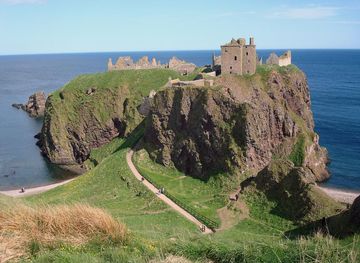
Explore more of Kincardineshire
Discover Kincardineshire: A Blend of Scenic Coastlines, Historic Castles, and Quaint Villages in Scotland’s Northeast
Explore Kincardineshire
Explore more of United Kingdom
Discover the United Kingdom: A blend of rich history, stunning landscapes, and vibrant cities, offering a unique travel experience for every visitor.
Explore United Kingdom
