
Kincardineshire, United Kingdom Travel Guide
Discover Kincardineshire: A Blend of Scenic Coastlines, Historic Castles, and Quaint Villages in Scotland’s Northeast
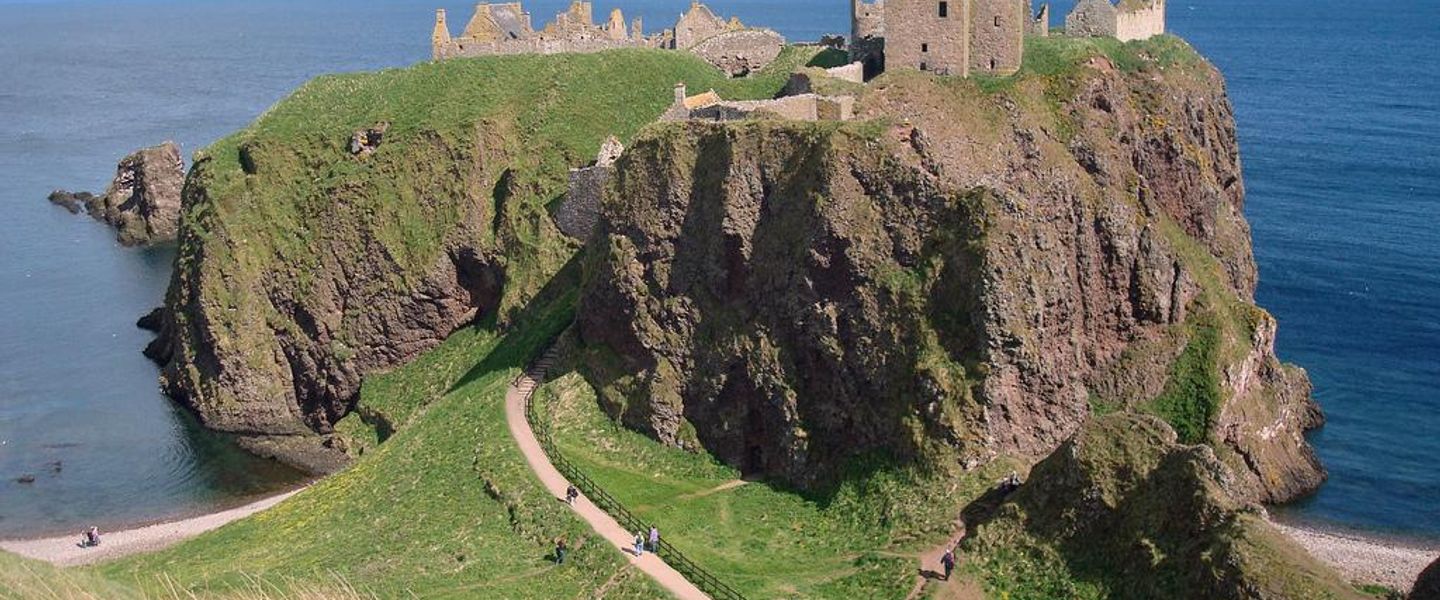
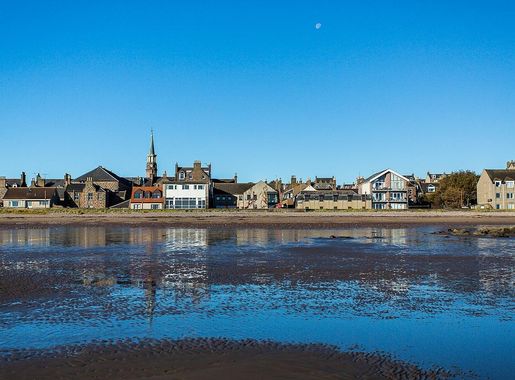
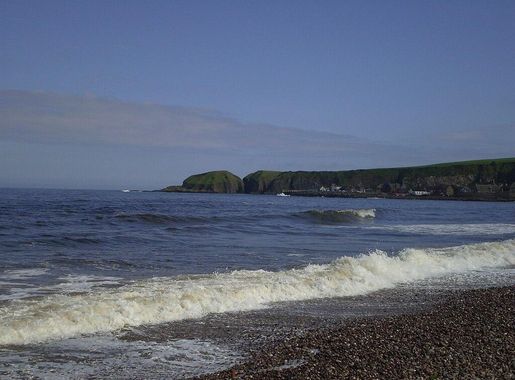
Nestled along the northeastern coast of Scotland, Kincardineshire is a destination that offers a blend of natural beauty, rich history, and charming villages. Known locally as 'The Mearns,' this area is perfect for those looking to escape the hustle and bustle of city life and immerse themselves in the tranquility of the Scottish countryside. One of the highlights of Kincardineshire is the stunning coastline. From the dramatic cliffs at Dunnottar Castle to the serene beaches at St. Cyrus, there is no shortage of breathtaking views. The castle itself is a must-visit, perched on a rocky headland and offering panoramic vistas of the North Sea. History enthusiasts will also appreciate the area's many historical sites, including the Stonehaven War Memorial and the ruins of Fetteresso Castle. For outdoor lovers, Kincardineshire offers numerous walking and cycling routes. The picturesque Cairngorms National Park is just a short drive away, providing ample opportunities for hiking and wildlife spotting. The region is also dotted with quaint villages like Auchenblae and Fettercairn, where you can enjoy local Scottish hospitality, traditional pubs, and unique shops. Whether you're interested in exploring historical landmarks, enjoying outdoor activities, or simply relaxing in a peaceful setting, Kincardineshire has something for everyone. Its combination of natural beauty and cultural heritage makes it a perfect destination for a memorable vacation.

Know before you go
Hi, I'm Eve. Here are a few practical things to know before exploring Kincardineshire.
- Visit Dunnottar Castle early in the morning to avoid crowds and capture the best photos.
- Pack layers and waterproof clothing, as the weather can be unpredictable.
- Explore the local cuisine by dining at traditional pubs and trying dishes like Cullen skink and Aberdeen Angus beef.
- Take a guided tour to learn more about the area's rich history and folklore.
- Use local buses or rent a car to explore the countryside at your own pace.
Explore Kincardineshire: Things to Do, Places to Eat, Hotels & More
Handpicked recommendations for top attractions, local dining, accommodations, and more

Top Attractions & Sightseeing in Kincardineshire
Top-rated picks
Best Attractions

Dunnottar Castle
Explore Dunnottar Castle, a breathtaking cliff-top ruin steeped in Scottish history and commanding spectacular coastal views.
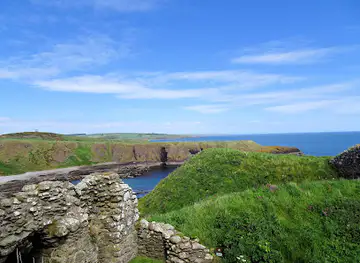
Dunnottar Cliffs
Dramatic cliff-top ruins steeped in history, guarding Scotland’s crown jewels and offering breathtaking coastal views.

Slains Castle
Dramatic cliff-top ruins steeped in history and mystery, inspiring Bram Stoker’s Dracula and offering breathtaking North Sea views.

Aberdeen Maritime Museum
Discover Aberdeen’s rich maritime heritage through historic ships, offshore oil industry exhibits, and stunning harbour views at this free, award-winning museum.

Best landmarks in Kincardineshire
Top-rated picks
Best Landmarks

Castle Fraser, Garden & Estate
Scotland's most elaborate tower house with hidden secrets, family treasures and enchanting gardens.

Bridge of Dee
Historic 16th-century stone bridge over the River Dee, blending centuries of architecture, battle history, and scenic river views in Aberdeen.

Cox's Stack
Scotland’s tallest surviving industrial chimney, Cox’s Stack towers over Dundee as a proud symbol of its jute manufacturing heritage.
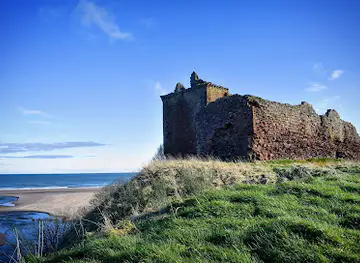
Red Castle
Explore the evocative ruins of Red Castle, a red sandstone fortress perched above Lunan Bay, steeped in royal history and coastal drama.

Best restaurants in Kincardineshire
Top-rated picks
Best Restaurants

The Brae Cafe
Cozy Scottish cafe in Auchenblae serving homemade bakes, hearty local dishes, and warm welcomes amid Aberdeenshire's charming village life.

Banchory Lodge Hotel
A charming 4-star riverside hotel in Royal Deeside offering comfort, local cuisine, and scenic Scottish landscapes.

Café Bohème
Experience authentic French cuisine and cozy brasserie charm in the heart of Aberdeen at Café Bohème.

Chaophraya
Experience authentic Thai cuisine in Aberdeen’s historic city centre with elegant ambiance, diverse menus, and vibrant cultural flair.

Best bars in Kincardineshire
Top-rated picks
Best Bars

Revolution Aberdeen
Energetic two-level cocktail bar and restaurant on Belmont Street with vibrant nightlife, scenic outdoor deck, and expertly crafted drinks.

The Boat Inn
Charming riverside inn in Aboyne offering cozy rooms, hearty British cuisine, and warm hospitality in a scenic village setting.

Prince Of Wales
Historic Aberdeen pub with the city's longest bar, real ales, home-cooked food, and lively music sessions in a warm, traditional setting.
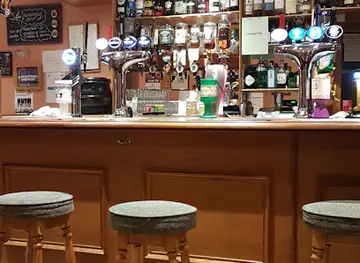
Black Horse Inn
Classic Scottish pub in Montrose offering traditional fare, a warm atmosphere, and a vibrant community hub on historic Murray Street.

Best nightclubs in Kincardineshire
Top-rated picks
Best Nightclubs

AURA Nightclub Aberdeen
Aberdeen’s premier nightclub offering vibrant music, stylish design, and unforgettable nights out in the heart of the city.

Prohibition
Experience Aberdeen’s vibrant nightlife at Prohibition, a lively nightclub with pulsating music, dynamic events, and a welcoming party atmosphere.

Club Tropicana & Venga
Aberdeen’s ultimate retro nightclub, spinning 80s and 90s anthems across two lively floors every weekend.

The Tunnels
Dive into Aberdeen’s vibrant underground scene at The Tunnels, where live music and late-night beats create an unforgettable nightlife experience.

Best shops in Kincardineshire
Top-rated picks
Best Shops

Geek Bothy Ltd
Award-winning gift shop celebrating local makers, quirky treasures, and creative community in rural Aberdeenshire.

Castleton Farm
Experience authentic Scottish farm life with homemade food, local produce, and family-friendly charm at Castleton Farm near Laurencekirk.

Copper & Grey
Discover unique gifts and local crafts in a bright, welcoming family-run shop at Banchory’s High Street.

Deeside Antiques Emporium
Discover timeless antiques and rich heritage in the heart of Kincardine O'Neil, the oldest village in Aberdeenshire.

Explore Kincardineshire on the Map
A handpicked selection of must-see spots in Kincardineshire, mapped for you.
Kincardineshire Essentials
-
Kincardineshire, located in the northeast of Scotland, is accessible by various modes of transportation. The nearest major airport is Aberdeen International Airport, approximately 20 miles away from the county. From Aberdeen, you can take a train or bus to various towns within Kincardineshire. Alternatively, you can rent a car for more flexibility. Direct train services from major UK cities like Edinburgh and Glasgow are also available to Stonehaven, a key town in Kincardineshire.
-
Once in Kincardineshire, getting around is straightforward. Local buses connect most towns and villages, and services are relatively frequent. Stonehaven, the largest town, has a reliable taxi service and a train station with connections to Aberdeen and beyond. For those looking to explore the countryside, renting a car is a convenient option. Cycling is also popular, with many scenic routes available.
-
The currency used in Kincardineshire, as in the rest of the United Kingdom, is the British Pound (GBP). Credit and debit cards are widely accepted in hotels, restaurants, and shops. ATMs are available in larger towns like Stonehaven and Banchory. It's advisable to carry some cash, especially when visiting smaller villages or rural areas where card facilities might be limited.
-
Kincardineshire is generally a safe destination for tourists. However, like any other place, standard safety precautions should be taken. Avoid walking alone at night in isolated areas and be aware of your surroundings. Crime rates are low, but petty theft can occur, especially in crowded places. There are no specific areas known for high crime rates targeting tourists.
-
In case of emergency, dial 999 for immediate assistance from police, fire, or medical services. Stonehaven and other larger towns have medical facilities and pharmacies. It's recommended to have travel insurance that covers medical emergencies. For minor health issues, local pharmacies can provide over-the-counter medications. The nearest major hospital is in Aberdeen.
-
Fashion: Do dress in layers as the weather can be unpredictable. Waterproof clothing is advisable. Avoid overly casual attire in upscale restaurants. Religion: Do respect local customs and traditions. Some churches may require modest dress and covering of the head. Public Transport: Do be respectful and give up your seat to elderly passengers. Don't play loud music or eat on public transport. Greetings: Do greet people with a friendly 'Hello' or 'Good day.' A handshake is common during formal introductions. Eating & Drinking: Do try local foods like fish and chips and Scottish delicacies. Don't refuse food or drink offerings, as it may be considered impolite.
-
To experience Kincardineshire like a local, visit the weekly farmers' markets in towns like Stonehaven and Banchory. Engage with locals in pubs and cafes, where you'll find they are friendly and willing to share stories and recommendations. Don't miss the Dunnottar Castle, a historic fortress with stunning coastal views. For a unique experience, take a walk along the coastal path from Stonehaven to Catterline, offering breathtaking sea views and the chance to spot local wildlife.
When is the best time to visit Kincardineshire?
Useful Local Phrases for Kincardineshire
You don't need to speak the language perfectly. Even learning a few simple words can make conversations warmer—and locals usually appreciate the effort.
— Eve

Here are the phrases I use most often in Kincardineshire. Try a few—you'll be surprised how far they go! 😊
❤️
-
- HelloHullo
[huh-loh] - GoodbyeCheerio
[cheer-ee-oh] - YesAye
[eye] - NoNaw
[naw] - Please/You’re welcomePlease
[pleez] - Thank youCheers
[cheerz] - Excuse me/SorrySorry
[saw-ree] - How are you?How's it gaun?
[how's it gawn] - Fine. And you?Aye, fine. An yersel?
[eye, fine. an yer-sel] - Do you speak English?Dae ye spik English?
[day ye speak English] - I don't understandAh dinnae understand
[ah din-ee un-der-stand]
- HelloHullo
-
- I'd like to see the menu, pleaseAh'd like tae see the menu, please
[ah'd like tay see the men-yoo, pleez] - I don't eat meatAh dinnae eat meat
[ah din-ee eet meet] - Cheers!Cheers!
[cheerz] - I would like to pay, pleaseAh'd like tae pay, please
[ah'd like tay pay, pleez]
- I'd like to see the menu, pleaseAh'd like tae see the menu, please
-
- Help!Help!
[help] - Go away!Gae awa!
[gay uh-wah] - Call the Police!Phone the polis!
[fone the poh-lis] - Call a doctor!Phone a doctor!
[fone a dok-tor] - I'm lostAh'm lost
[ah'm lost] - I'm illAh'm unwell
[ah'm un-well]
- Help!Help!
-
- I'd like to buy...Ah'd like tae buy...
[ah'd like tay buy...] - I'm just lookingAh'm just lookin'
[ah'm just look-in] - How much is it?Whit’s the price?
[whit’s the price] - That's too expensiveThat's ower dear
[that's ower deer] - Can you lower the price?Can ye lower the price?
[can ye lower the price]
- I'd like to buy...Ah'd like tae buy...
-
- What time is it?Whit time is it?
[whit time is it] - It's one o'clockIt's one o'clock
[it's one o'clock] - Half past (10)Half past ten
[half past ten] - MorningMornin'
[mor-nin] - AfternoonAfternoon
[af-ter-noon] - EveningE'enin'
[ee-nin] - YesterdayYestreen
[yes-treen] - TodayTday
[t'day] - TomorrowMorrow
[mor-row] - 1One
[wun] - 2Two
[too] - 3Three
[three] - 4Four
[four] - 5Five
[five] - 6Six
[six] - 7Seven
[seven] - 8Eight
[eight] - 9Nine
[nine] - 10Ten
[ten]
- What time is it?Whit time is it?
-
- Where's a/the...?Whaur's a/the...?
[whur's a/the] - What's the address?Whit’s the address?
[whit’s the ad-dress] - Can you show me (on the map)?Can ye show me (on the map)?
[can ye show me (on the map)] - When's the next (bus)?When's the next (bus)?
[when's the next (bus)] - A ticket (to ....)A ticket (ta ...)
[a ti-ket (ta ...)]
- Where's a/the...?Whaur's a/the...?
History of Kincardineshire
-
Kincardineshire, known for its rugged coastline, was once home to the ancient Picts, a confederation of tribes known for their unique culture and warrior society. One of the most iconic landmarks from this era is Dunnottar Castle. This impregnable fortress, perched on a rocky promontory, has witnessed numerous historical events, including the defense against Viking invasions and playing a role in the Wars of Scottish Independence. The castle's strategic location and formidable defenses made it a symbol of resistance and resilience.
-
In the early 19th century, the Aberdeenshire Canal was a vital transportation route that connected Kincardineshire to the broader region. Completed in 1807, it stretched from Aberdeen to Port Elphinstone in Inverurie. The canal facilitated the movement of goods and people, contributing significantly to the region's economic development during the Industrial Revolution. Though the canal is no longer in use, remnants of its infrastructure can still be explored, offering a glimpse into the region's industrial past.
-
During the 17th century, Kincardineshire was a significant location for the Covenanters, who opposed the interference of the Stuart kings in church affairs. The region saw considerable activity during the turbulent times of the Wars of the Three Kingdoms. The Battle of Bothwell Bridge in 1679, although fought outside Kincardineshire, had significant repercussions for the Covenanter movement in the area. Many Covenanters from Kincardineshire were involved, and the aftermath of the battle saw a crackdown on dissenters in the region.
-
The 18th century heralded a period of agricultural transformation in Kincardineshire. The introduction of new farming techniques and crop rotations improved productivity and led to increased prosperity. The region became known for its high-quality produce, including oats, barley, and potatoes. These advancements not only boosted the local economy but also supported a growing population, laying the foundation for the modern agricultural landscape seen today.
-
Stonehaven, the principal town of Kincardineshire, has a rich maritime heritage. Throughout the 18th and 19th centuries, it was a bustling fishing port, with the North Sea providing abundant catches. The town's harbor, built in the early 19th century, became a hub for the herring fishing industry. This period saw the community thrive, with fishing families playing a central role in the town's cultural and economic life. The annual Stonehaven Folk Festival, which continues to this day, celebrates this maritime legacy with music, dance, and storytelling.
-
During World War II, Kincardineshire's strategic coastal location made it an important area for military defenses. The coastline was fortified with a series of pillboxes, anti-tank blocks, and gun emplacements to guard against potential invasions. Many of these defensive structures remain along the coast, particularly around Stonehaven and Dunnottar Castle. They serve as poignant reminders of the region's role in the broader war effort and the constant vigilance required during those tumultuous years.
-
Kincardineshire has inspired many literary figures throughout history. The natural beauty and historical richness of the area have been captured in the works of several authors. Most notably, the poet and songwriter Robert Burns visited the region and was inspired by its landscapes. His connections to the area are celebrated in local literature and cultural events, reflecting the enduring influence of Kincardineshire's scenery and heritage on the literary arts.
Neighbouring Regions of Kincardineshire
The closest regions to Kincardineshire, if you have time for more than one.




Your all‑in‑one travel companion app
Explore expert travel guides, compare and book tours, experiences, hotels, and more—all from the palm of your hand. Download now for seamless trip planning wherever your wanderlust takes you.


Explore More of United Kingdom

Looking beyond Kincardineshire? Discover United Kingdom for broader travel guides, local hot-spots, and regional highlights.
Explore United KingdomKincardineshire in Photos
Browse through our photo collection highlighting the charm and character of the destination.




Kincardineshire: Scotland's Hidden Gem
Nestled along the northeastern coast of Scotland, Kincardineshire is a destination that offers a blend of natural beauty, rich history, and charming villages. Known locally as 'The Mearns,' this area is perfect for those looking to escape the hustle and bustle of city life and immerse themselves in the tranquility of the Scottish countryside. One of the highlights of Kincardineshire is the stunning coastline. From the dramatic cliffs at Dunnottar Castle to the serene beaches at St. Cyrus, there is no shortage of breathtaking views. The castle itself is a must-visit, perched on a rocky headland and offering panoramic vistas of the North Sea. History enthusiasts will also appreciate the area's many historical sites, including the Stonehaven War Memorial and the ruins of Fetteresso Castle. For outdoor lovers, Kincardineshire offers numerous walking and cycling routes. The picturesque Cairngorms National Park is just a short drive away, providing ample opportunities for hiking and wildlife spotting. The region is also dotted with quaint villages like Auchenblae and Fettercairn, where you can enjoy local Scottish hospitality, traditional pubs, and unique shops. Whether you're interested in exploring historical landmarks, enjoying outdoor activities, or simply relaxing in a peaceful setting, Kincardineshire has something for everyone. Its combination of natural beauty and cultural heritage makes it a perfect destination for a memorable vacation.