MacLellan's Castle, Kirkcudbrightshire Travel Guide
A striking 16th‑century tower house in Kirkcudbright, where a laird’s secret spyhole and vaulted cellars tell the story of a powerful Galloway family’s rise and fall.
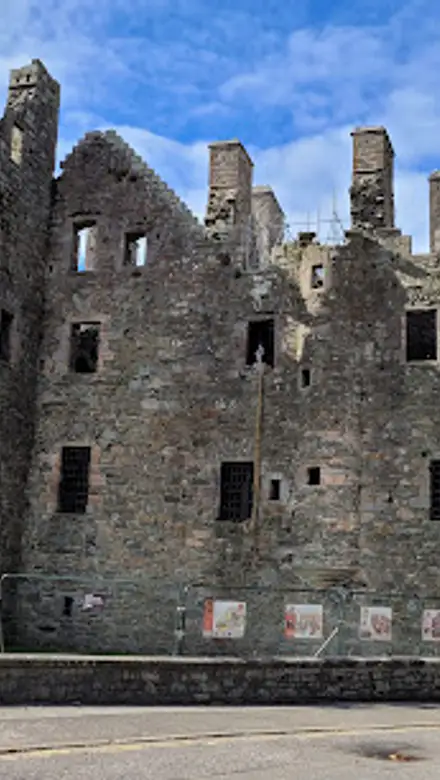
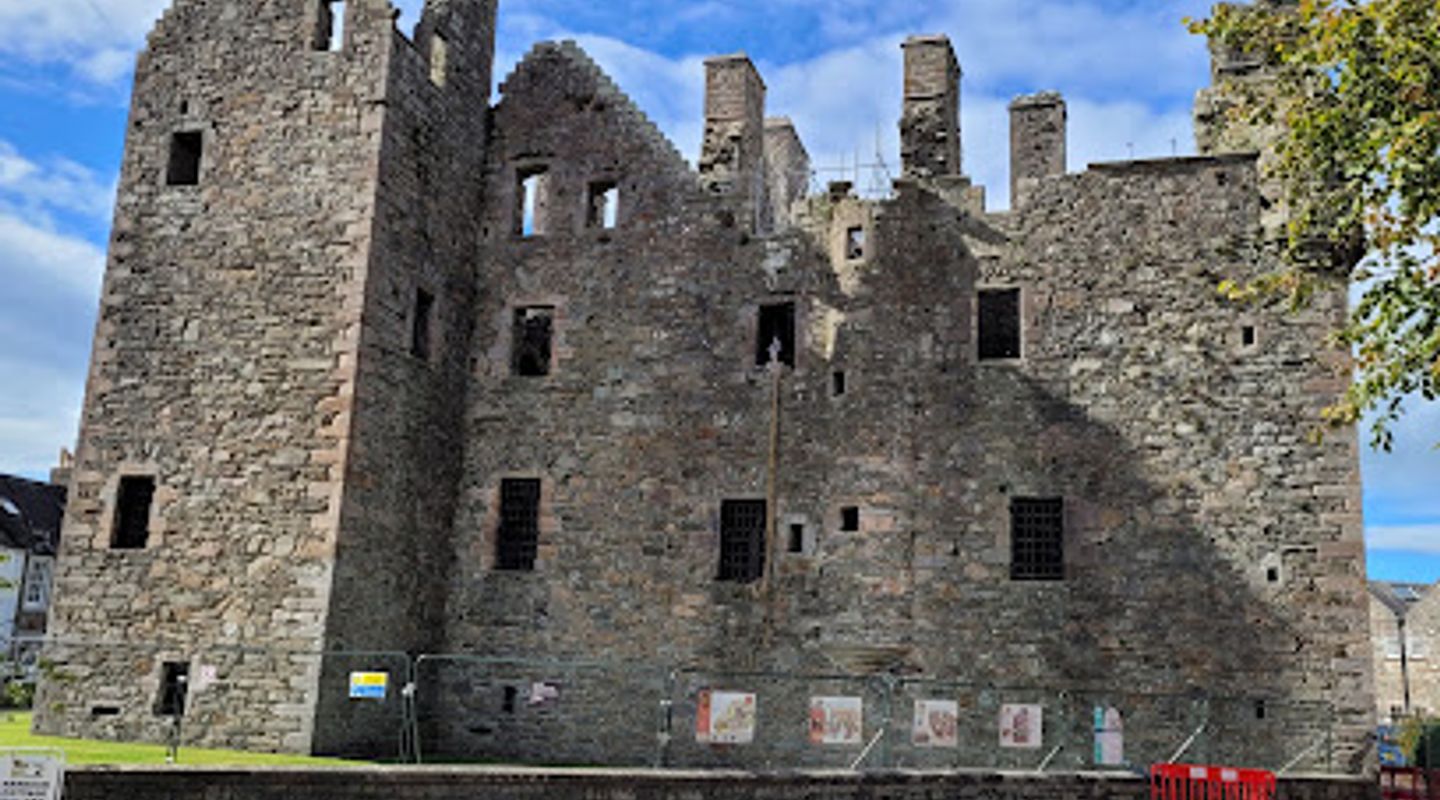
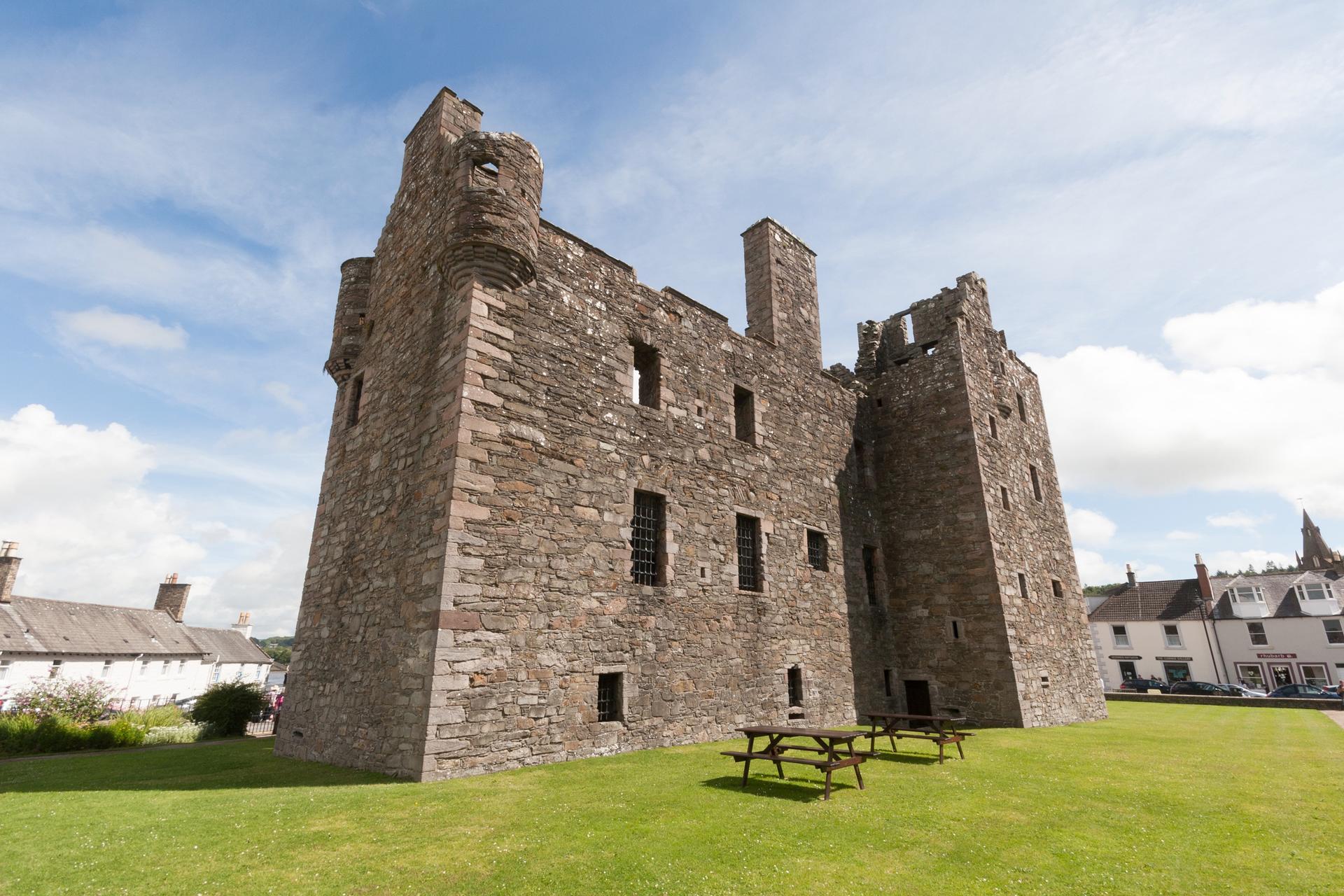
Dominating the heart of Kirkcudbright, MacLellan’s Castle is a striking 16th‑century L‑plan tower house built by Sir Thomas MacLellan of Bombie on the site of a former Greyfriars convent. Though now a roofless ruin in the care of Historic Environment Scotland, its imposing stone walls, vaulted cellars, and rare laird’s lug spyhole offer a vivid glimpse into the domestic life and social ambitions of a powerful Galloway family. Visitors can explore the atmospheric ground floor, including the kitchen and storage vaults, and learn how late‑16th‑century Scottish castles were shifting from fortresses to comfortable townhouses.
A brief summary to MacLellan's Castle
- Castle St, Kirkcudbright, DG6 4JD, GB
- Click to display
- Click to display
- Duration: 0.5 to 1.5 hours
- Free
-
 Outdoor
- Mobile reception: 4 out of 5
- Monday 10 am-4:30 pm
- Tuesday 10 am-4:30 pm
- Wednesday 10 am-4:30 pm
- Thursday 10 am-4:30 pm

Know before you go
Hi, I'm Eve. Here are a few practical things to know before exploring MacLellan's Castle.
- Visit during opening hours (April–October, Mon–Wed) and check for any unexpected closures, especially in poor weather or outside the main season.
- Look for the laird’s lug behind the great hall fireplace – a rare and fascinating example of a hidden spyhole used by the castle’s owner.
- Combine your visit with Greyfriars Church next door, where you’ll find the memorial to Sir Thomas and Lady Grissel MacLellan.
- Wear comfortable shoes; the ground floor has uneven stone surfaces and steps, and the surrounding town is best explored on foot.
Do you manage this location?
Take control to get all the benefits, like improved information, better appearance, and stronger visibility across AI-powered discovery. Learn more about listing your business on Evendo
Activate your presenceOther nearby places you may find interesting
The closest places of the same kind, if this one is not quite what you had in mind.

Explore MacLellan's Castle on the Map
A handpicked selection of must-see spots near MacLellan's Castle, mapped for you.
Getting There
-
Public Transport
From Kirkcudbright town centre, the castle is a short walk along Castle Street, clearly visible from the main streets. Local bus services connect Kirkcudbright with nearby towns like Castle Douglas and Dumfries, with a journey time of around 30–45 minutes; from the bus stop, it’s a 5–10 minute walk to the castle.
-
Car
From Dumfries, follow the A75 west to Kirkcudbright, then follow signs into the town centre; the drive takes about 30–40 minutes. Limited on‑street parking is available near the town centre, and from there it’s a short walk to Castle Street where the castle stands.
-
Walking
From Kirkcudbright’s main shopping area or the River Dee, the castle is a 5–10 minute walk along level streets; the route is well‑signposted and suitable for most visitors, though some surfaces are cobbled or uneven.
For the on-the-go comforts that matter to you
-
 Restrooms
-
 Information Boards
Discover more about MacLellan's Castle
A Tower House in the Town Centre
Rising from the cobbled streets of Kirkcudbright, MacLellan’s Castle is an unmistakable presence, its L‑plan silhouette a familiar landmark in the heart of this historic Galloway town. Built in the late 1500s by Sir Thomas MacLellan of Bombie, Provost of Kirkcudbright, the castle replaced the town’s Greyfriars convent on land granted after the Reformation. Unlike earlier Scottish strongholds designed for war, this tower house reflects a new era: one where comfort and status mattered more than sheer defensibility. Wide gun loops at ground level and pistol holes above suggest a desire to deter trouble rather than withstand sieges, marking a shift toward domestic elegance in Jacobean Scotland.Life Behind the Stone Walls
The castle’s L‑shaped plan, with two wings meeting at right angles and an additional tower at the corner, was typical of late‑16th‑century Scottish tower houses. Inside, the stone‑vaulted ground floor housed the kitchen and storage cellars, where servants would have worked in dim, cool conditions. Above, the first floor held the great hall, a spacious room for entertaining guests, warmed by a large fireplace with a massive stone lintel. The upper floors once contained around fifteen family rooms, though today only the shell remains. The design prioritised light and space, turning the castle into a grand townhouse that proclaimed the MacLellans’ wealth and influence.The Laird’s Lug and a Family’s Rise and Fall
One of the castle’s most intriguing features is the laird’s lug, a secret spyhole hidden behind the great hall fireplace. From this small, concealed chamber, the master of the house could eavesdrop on conversations in the hall, a clever architectural trick not uncommon in Scottish tower houses. Sir Thomas and his second wife, Grissel, once hosted King James VI here, a sign of their high standing. Yet the family’s fortunes later declined, partly due to debts incurred through involvement in the Plantation of Ulster. By the mid‑18th century, the castle was stripped of its roof and abandoned, eventually passing into state care in the early 20th century.Exploring the Ruin Today
Today, MacLellan’s Castle is a roofless but evocative ruin, cared for by Historic Environment Scotland. Visitors can access the majority of the ground floor, walking through the vaulted kitchen and cellars and imagining the bustle of daily life centuries ago. Information panels and a self‑guided trail help bring the history to life, explaining how this tower house evolved from a family residence to a neglected ruin and finally to a protected heritage site. The adjacent Greyfriars Church, once part of the original convent, contains a memorial to Sir Thomas and Lady Grissel, adding another layer to the story of this prominent local family.A Symbol of Kirkcudbright’s Past
More than just a castle, MacLellan’s is a symbol of Kirkcudbright’s rich and colourful history. Its prominent position in the town centre makes it a natural focal point, visible from many vantage points and often photographed alongside the nearby war memorial. The castle’s survival, even as a ruin, offers a tangible connection to the town’s medieval and early modern past, from the days of the Greyfriars to the ambitions of the MacLellan lords. For visitors, it’s a chance to step into a 16th‑century world of power, politics, and domestic life in southwest Scotland.












Your all‑in‑one travel companion app
Explore expert travel guides, compare and book tours, experiences, hotels, and more—all from the palm of your hand. Download now for seamless trip planning wherever your wanderlust takes you.


Explore More of Kirkcudbrightshire
Looking beyond MacLellan's Castle? Discover Kirkcudbrightshire for broader travel guides, local hot-spots, and regional highlights.
Explore Kirkcudbrightshire