

Martyr's Memorial at Wigtown Bay
A solemn memorial at Wigtown Bay honoring two brave Covenanter women who faced execution for their faith in 1685.
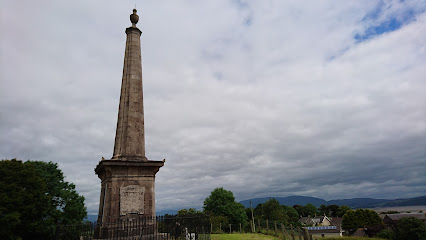
The Martyr's Memorial near Wigtown, Newton Stewart, marks the haunting site where two Scottish Covenanter women, Margaret MacLachlan and Margaret Wilson, were executed by drowning in 1685 for their refusal to renounce their Presbyterian faith. Set against the backdrop of Wigtown Bay and the Galloway Hills, this solemn memorial commemorates their steadfastness during the brutal 'Killing Times' and stands as a poignant symbol of religious conviction and sacrifice.
A brief summary to Martyr's Memorial
- Newton Stewart, Wigtown, DG8, GB
- Visit website
- Duration: 0.5 to 1.5 hours
- Free
-
 Outdoor
- Mobile reception: 4 out of 5
Local tips
- Visit during low tide to better appreciate the mudflat landscape where the martyrs were executed.
- Combine your visit with the nearby churchyard to see the martyrs’ graves and other Covenanter memorials.
- Wear sturdy footwear as the terrain near the bay can be uneven and muddy, especially after rain.
- Bring binoculars or a camera with zoom to enjoy panoramic views of Wigtown Bay and the Galloway Hills.

For the on-the-go comforts that matter to you
- Information Boards
- Seating Areas
- Trash Bins
Getting There
-
Bus
Take the local bus service from Newton Stewart to Wigtown, which runs approximately every hour and takes about 25-30 minutes. The bus stop is a short walk from the memorial. Tickets cost around £4-£6 one way.
-
Car
Driving from Newton Stewart to the Martyr's Memorial takes about 15 minutes via the A75 and local roads. Parking options are limited near the site, so arrive early. No parking fees apply.
-
Walking
For active visitors, a scenic 4 km walk from Wigtown town center to the memorial takes roughly 50 minutes over mostly flat terrain. Suitable for most fitness levels but wear appropriate footwear for grassy and potentially muddy paths.
Martyr's Memorial location weather suitability
-
 Any Weather
-
 Rain / Wet Weather
-
 Clear Skies
-
 Windy Conditions
-
 Mild Temperatures
Discover more about Martyr's Memorial
Historical Context of the Wigtown Martyrs
The Martyr's Memorial commemorates a tragic episode from Scotland's 17th-century religious conflicts known as the 'Killing Times.' In 1685, during a period of intense persecution of Covenanters—Presbyterians who opposed the imposition of Episcopalianism by the Stuart monarchy—two women, Margaret MacLachlan, aged around 63, and the younger Margaret Wilson, about 18, were sentenced to death for their refusal to swear the Oath of Supremacy. This oath declared King James VII as the head of the church, a direct affront to their Presbyterian beliefs. The women were tied to stakes in the tidal mudflats of Wigtown Bay and drowned by the rising tide, a cruel execution intended to force recantation by the younger after witnessing the elder's death. Their steadfastness turned them into enduring symbols of religious martyrdom in Scotland.The Memorial and Its Surroundings
Located near Newton Stewart in Wigtown, the Martyr's Memorial stands close to the exact site of the execution on the mudflats by the River Bladnoch’s mouth into Wigtown Bay. The memorial marks this solemn spot with a stake or obelisk, surrounded by the expansive natural beauty of the bay, the Machars peninsula, and the distant Galloway Hills. The setting’s tranquil, windswept landscape contrasts deeply with the brutal history it commemorates, lending a reflective atmosphere to visitors. Nearby, the graves of the martyrs lie in the local churchyard, alongside memorials to other Covenanter victims, embedding the site within a broader narrative of faith and resistance.Religious and Cultural Significance
The story of the Wigtown Martyrs resonates as a powerful testament to religious conviction and the struggle for freedom of worship. Their deaths highlight the severe repression Covenanters faced for their beliefs during the reign of James VII. The memorial serves not only as a historical marker but also as a cultural symbol of courage and sacrifice. It connects visitors with the wider history of Presbyterianism in Scotland and the enduring legacy of those who suffered for their faith. The narrative of the two Margarets has been preserved in church records, historical accounts, and continues to inspire reflection on religious tolerance and human rights.Visitor Experience and Atmosphere
Visiting the Martyr's Memorial offers a contemplative experience amid the natural beauty of southwest Scotland. The site’s open-air location invites visitors to absorb the expansive views over Wigtown Bay and the surrounding hills, where the tides silently mark the place of sacrifice. The peaceful yet poignant ambience encourages mindfulness and respect. The memorial’s simplicity and the rawness of the landscape evoke a deep emotional connection to the past, making it a meaningful stop for those interested in history, spirituality, and Scottish heritage.Complementary Sites and Further Exploration
Beyond the memorial itself, visitors can explore the nearby churchyard with the martyrs’ graves and other Covenanter monuments, which provide additional context to the era’s turbulent history. The town of Wigtown, known as Scotland’s National Book Town, offers cultural attractions and amenities that complement a visit to the memorial. For those wishing to delve deeper, the nearby Stirling Wigtown Martyrs Monument in the Church of the Holy Rude cemetery commemorates Margaret Wilson with a striking statue, further extending the narrative of the Covenanter martyrs across Scotland.Preservation and Legacy
The Martyr's Memorial and associated sites are protected as important heritage landmarks, preserving the memory of the Covenanters’ sacrifices. The story of the Wigtown Martyrs has been subject to historical debate but remains a potent symbol of resistance against religious oppression. The memorial continues to attract visitors seeking to honor this legacy, ensuring that the courage of Margaret MacLachlan and Margaret Wilson endures in Scotland’s cultural consciousness.Iconic landmarks you can’t miss

Martyr's Memorial
0.0 km
A solemn memorial at Wigtown Bay honoring two brave Covenanter women who faced execution for their faith in 1685.
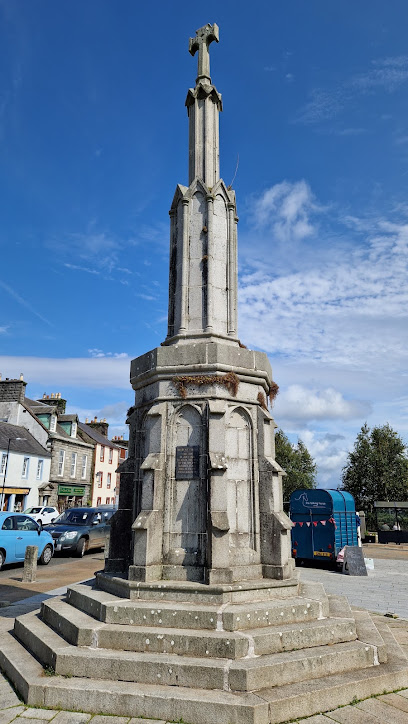
Mercat Cross
0.3 km
Historic Scottish market cross in Wigtown’s square, marking centuries of commerce and community life in this charming burgh.
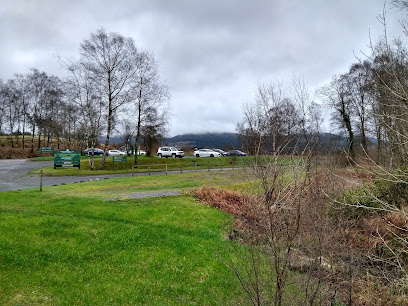
The Belted Galloway Visitor Centre
10.1 km
Experience local flavors at The Belted Galloway Visitor Centre, a charming restaurant in Newton Stewart surrounded by breathtaking natural beauty.
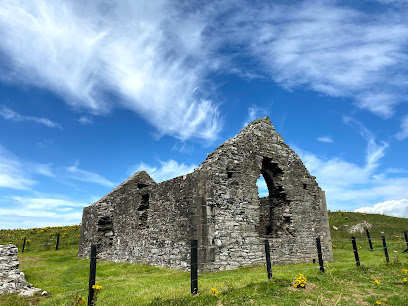
Isle Head Lighthouse
20.0 km
Historic lighthouse ruins on Isle of Whithorn’s scenic headland with panoramic coastal views and rich maritime heritage.
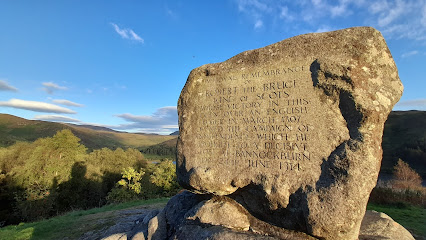
Bruce’s Stone
24.9 km
Discover the historic site of Bruce’s Stone overlooking Loch Trool, where Scotland’s fight for independence echoes amid stunning natural beauty.
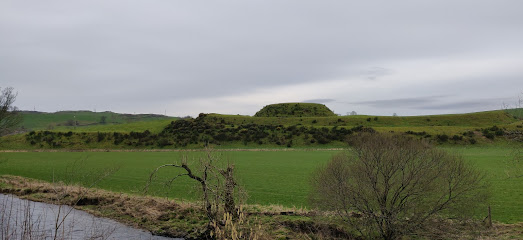
Motte Of Urr
39.5 km
Explore Scotland’s largest surviving 12th-century motte-and-bailey castle, a majestic earthwork fortress steeped in medieval history by the River Urr.
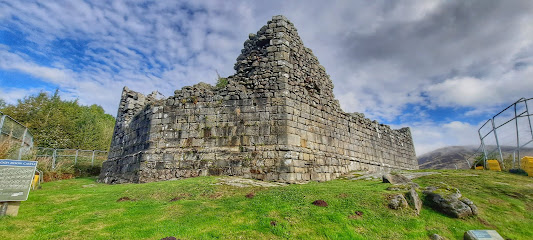
Original site of Loch Doon Castle
39.7 km
Discover the relocated medieval stronghold of Loch Doon Castle, a polygonal fortress with deep ties to Robert the Bruce and Scottish history.
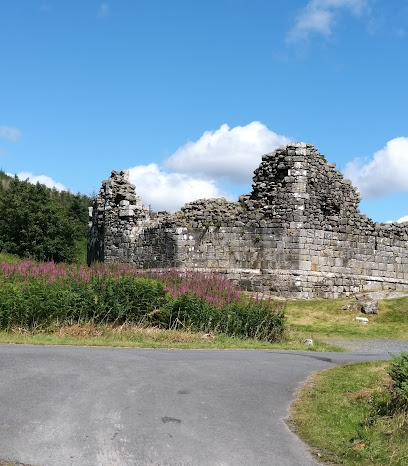
Loch Doon Castle
39.9 km
A 13th-century island castle, dismantled and rebuilt on the shore of Loch Doon, with Bruce connections and stunning lochside views in Galloway Forest Park.
Dunskey Castle
42.6 km
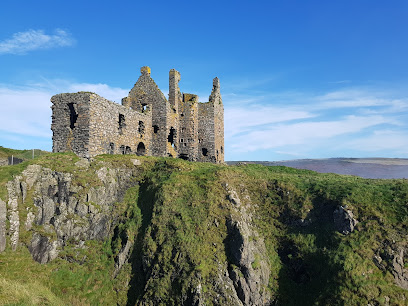
Atmospheric clifftop ruins steeped in medieval conflict, folklore, and coastal drama.
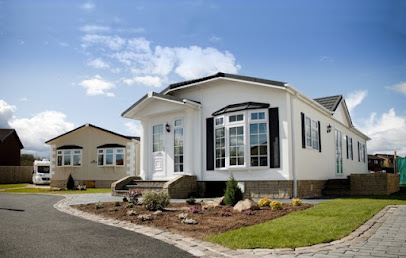
Mossband Residential Park
45.5 km
Tranquil rural living with modern comforts and scenic views near Dumfries in the heart of Scotland’s countryside.
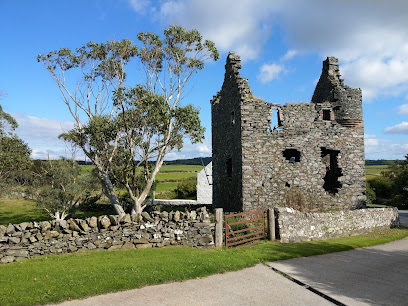
Galdenoch Castle
46.2 km
Explore the evocative ruins of Galdenoch Castle, a 16th-century Scottish tower house rich in history, architecture, and ghostly legends.
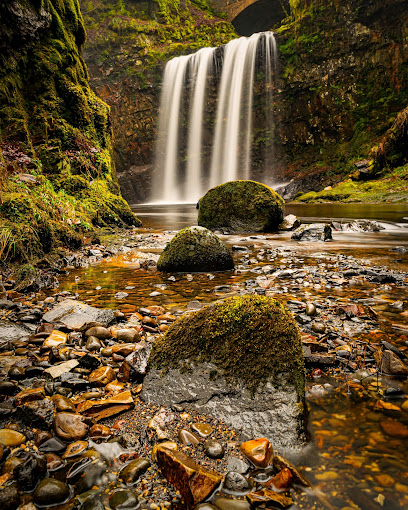
Dalcairney Falls
48.9 km
Immerse yourself in the breathtaking beauty of Dalcairney Falls, a serene escape in Scotland's Ayrshire region, perfect for nature lovers and adventurers.
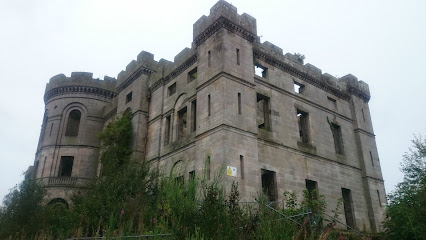
Dalquharran Castle
49.4 km
Experience the timeless beauty and rich history of Dalquharran Castle, a stunning Gothic estate surrounded by idyllic landscapes in South Ayrshire, Scotland.
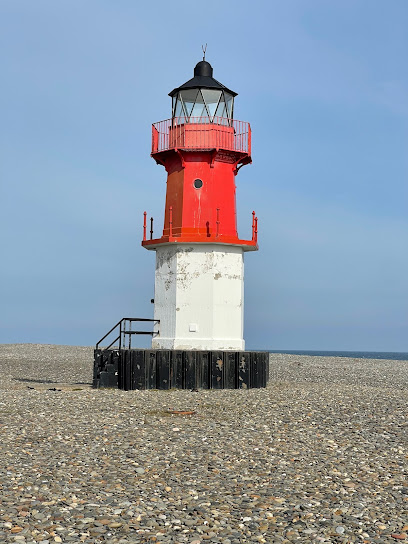
Northernmost Point of the Isle of Man
50.4 km
Explore the breathtaking Northernmost Point of the Isle of Man, a historical landmark with stunning coastal views and rich maritime heritage.
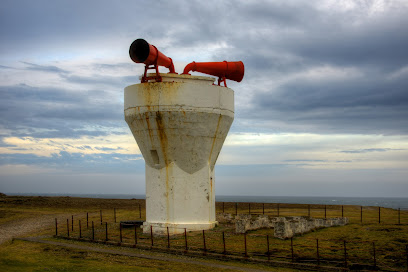
The Winkie
50.5 km
Discover The Winkie: A historical landmark offering breathtaking views and a deep connection to the area's rich heritage.
Unmissable attractions to see

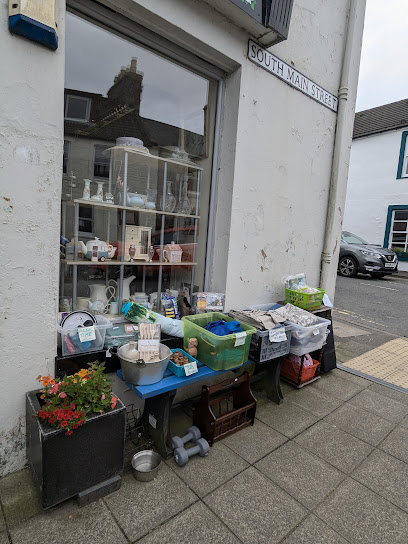
Community Shop
0.3 km
A welcoming discount shop at the heart of Wigtown, supporting local projects through community spirit and sustainable reuse.
The Book Shop
0.3 km
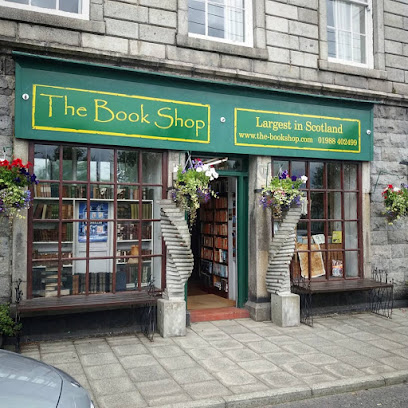
Scotland’s largest second-hand bookshop nestled in the heart of Wigtown, offering nearly a mile of shelving and 100,000 books for every reader’s delight.
Town centre park
0.3 km
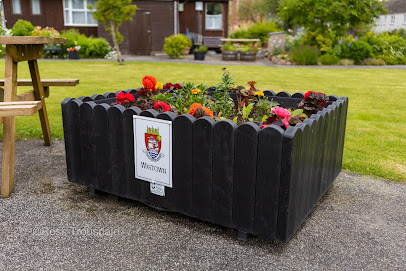
A peaceful green retreat in the heart of Wigtown, Scotland's National Book Town, perfect for relaxation amid literary charm.
At The Sign Of The Dragon
0.3 km
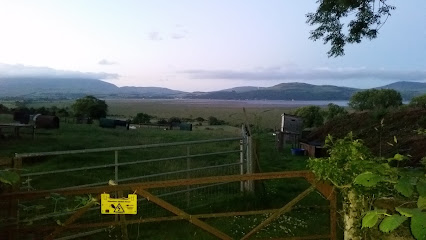
Discover a cozy haven of sci-fi and fantasy treasures with warm tales and a welcoming atmosphere in the heart of Wigtown.
Martyr's Stake
0.7 km
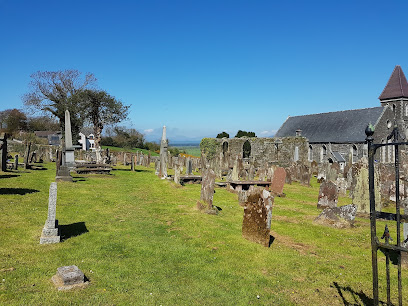
A solemn monument marking the site where two brave Covenanter women were drowned for their faith in 1685, embodying Scotland’s turbulent religious history.
Wigtown Harbour
1.1 km
Historic Wigtown Harbour offers tranquil riverside views and a window into Scotland’s maritime past beside the National Book Town.
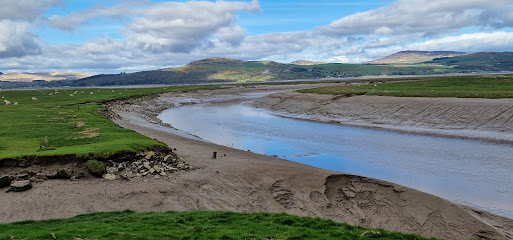
Wigtown Bird Hide
1.1 km
Discover Wigtown Bird Hide, a serene refuge overlooking diverse wetlands and rich birdlife on Scotland’s scenic Machars peninsula.
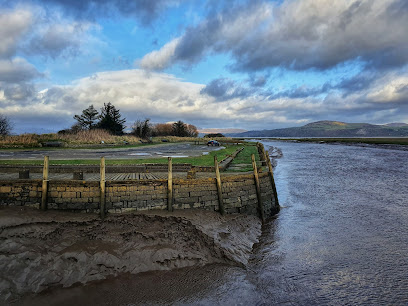
RSPB Crook of Baldoon
2.7 km
A tranquil coastal reserve near Newton Stewart, offering rich birdlife, easy walks, and stunning saltmarsh panoramas.
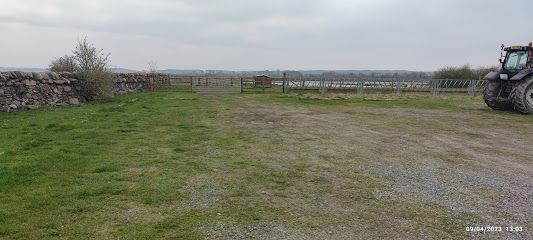
Wigtown Sands
3.0 km
Discover the tranquil, expansive sandy shores of Wigtown Sands on Scotland’s stunning Galloway coast, a hidden gem for nature and serenity.

Torhouse Stone Circle
4.9 km
Step back 4,000 years to explore one of Scotland’s best-preserved Bronze Age stone circles, set in the tranquil Bladnoch Valley.
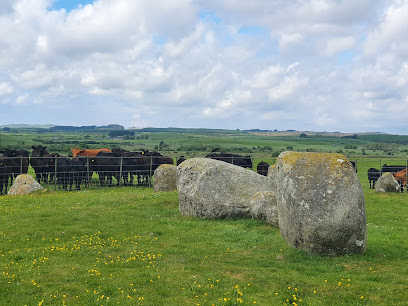
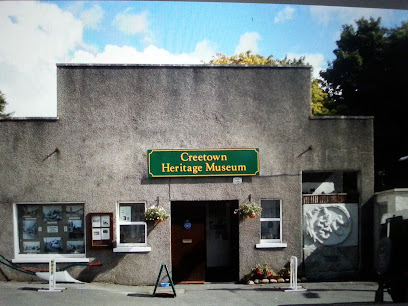
Creetown Heritage Museum
5.5 km
Discover Creetown’s rich heritage and natural wonders through immersive exhibits and unique local stories at the Creetown Heritage Museum.
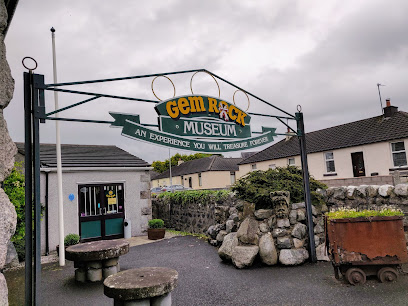
Gem Rock Museum
5.9 km
Discover one of Great Britain's finest private collections of gemstones, minerals, and fossils in an interactive, family-friendly museum in scenic Creetown.
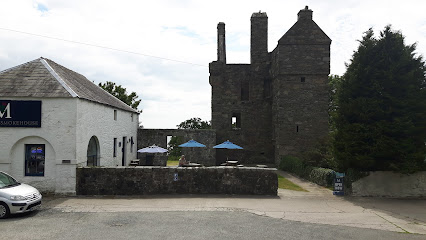
Carsluith Castle
6.5 km
Explore the evocative ruins of Carsluith Castle, a 16th-century Scottish tower house overlooking Wigtown Bay with rich history and distinctive architecture.
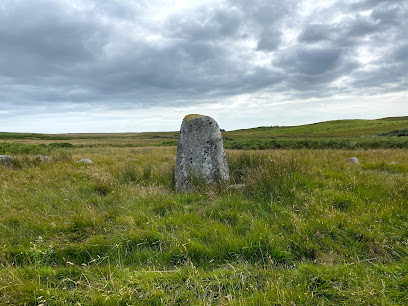
Glenquicken Stone Circle
8.4 km
Explore the serene and ancient Glenquicken Stone Circle, a captivating Neolithic monument with a towering central pillar on Scotland’s Cambret Moor.
Sorbie Tower, Scotland
8.6 km
Explore the enchanting Sorbie Tower, a historical landmark in Scotland steeped in rich heritage and breathtaking landscapes.
Essential places to dine

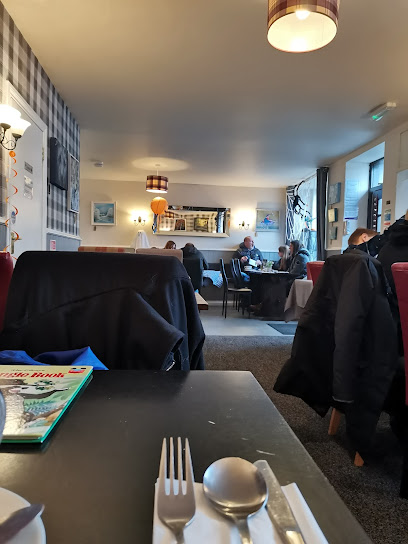
Cobwebs
0.3 km
Cobwebs is a cozy, family-run restaurant in Wigtown’s Book Town offering diverse British and Scottish dishes with inclusive menus and a welcoming vibe.
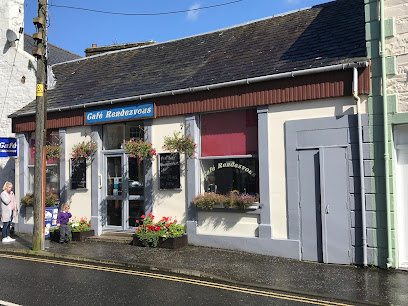
Cafe Rendezvous
0.3 km
Cozy cafe in Wigtown offering fresh, gluten-free delights and a warm atmosphere in the heart of Scotland’s National Book Town.
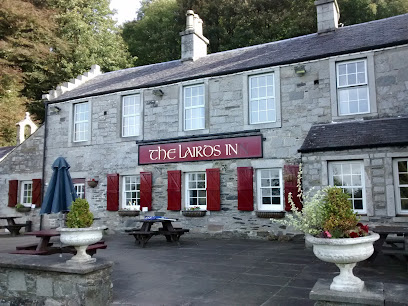
Lairds Inn
5.1 km
Historic charm meets hearty local fare with stunning river views and warm fires at The Lairds Inn in Newton Stewart.
The Pheasant
8.5 km
Experience authentic Italian flavors with a modern twist in the welcoming countryside setting of Sorbie’s acclaimed The Pheasant.
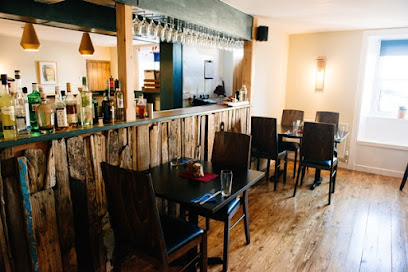
The Crown Hotel
9.7 km
Traditional Scottish inn with modern comfort, quality dining, and warm hospitality in Galloway's market town.
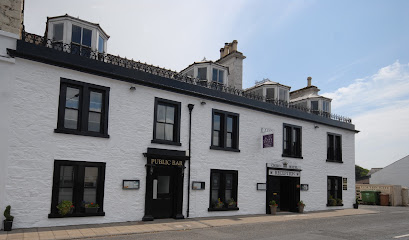
The Riverbank Restaurant
10.0 km
A bright and friendly café in Newton Stewart serving fresh, well-crafted meals and home-baked delights in a welcoming atmosphere.
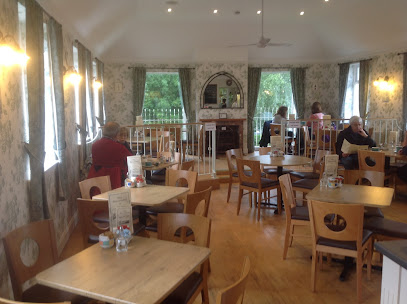
The Harbour Inn
10.2 km
Discover The Harbour Inn in Garlieston: A charming pub offering delicious local cuisine and breathtaking coastal views.
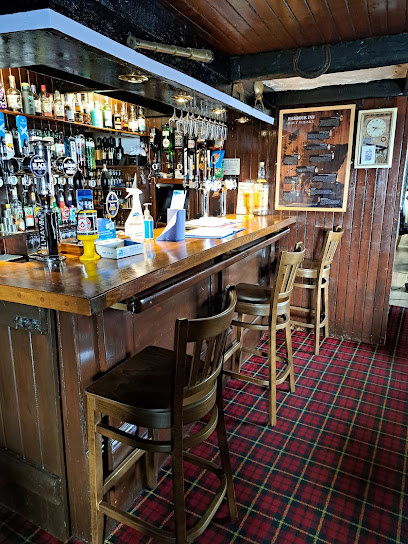
The Cree Inn
10.4 km
Warm Scottish hospitality, quality food, and genuine welcome in a charming Creebridge pub.
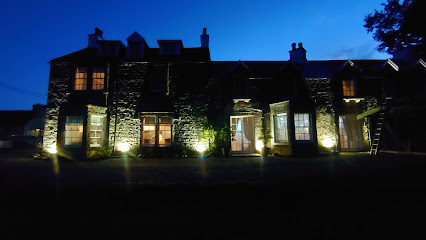
Central Cafe
15.1 km
A simple, seasonal cafe in historic Whithorn, serving home-style food in a relaxed village setting.
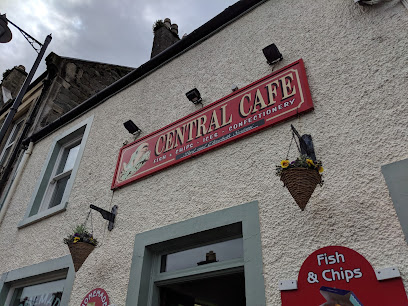
No.1 Fleet Street@The Ship Inn
16.7 km
Historic charm meets modern comfort at The Ship Inn, a cozy culinary and lodging gem in scenic Gatehouse of Fleet.
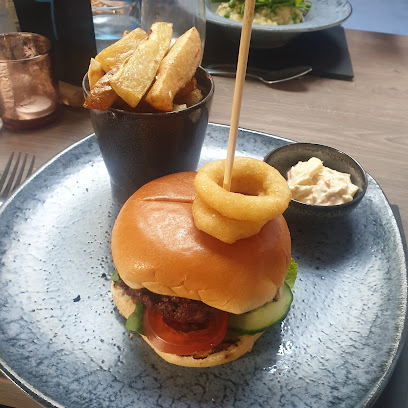
The Ship Inn
16.7 km
Historic charm meets modern comfort and culinary excellence at The Ship Inn in the heart of Gatehouse of Fleet.
Masonic Arms
17.1 km
A welcoming gastropub in Gatehouse of Fleet offering excellent food, cozy ambiance, and comfortable accommodations in scenic Dumfries and Galloway.
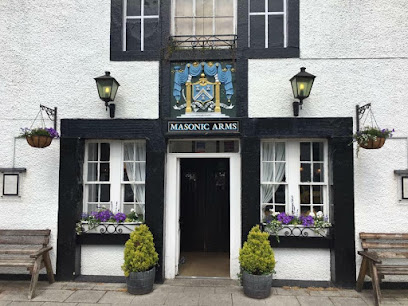
Cock Inn
19.7 km
Cozy coastal pub with classic Scottish dishes, friendly service, and stunning views over Luce Bay near Newton Stewart.
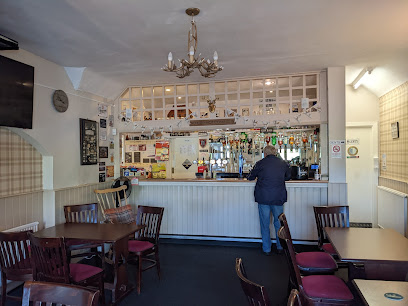
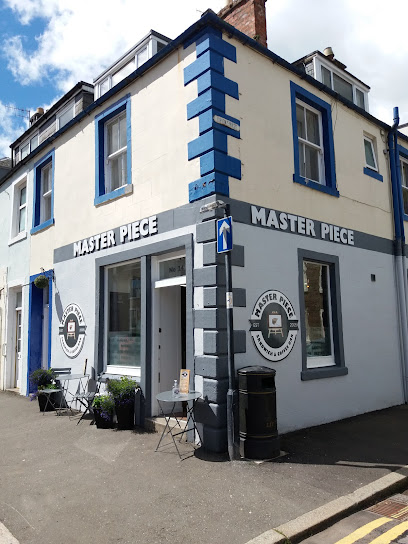
Masterpiece
25.5 km
Delight in freshly made sandwiches and hearty breakfasts at Masterpiece, a cozy and affordable eatery in the heart of Kirkcudbright.
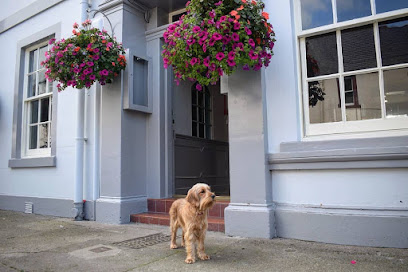
The Garret Hotel & Restaurant - Kirkcudbright
25.5 km
Charming boutique hotel and restaurant in the heart of Kirkcudbright, blending cosy comfort with artistic heritage and excellent local dining.
Markets, malls and hidden boutiques

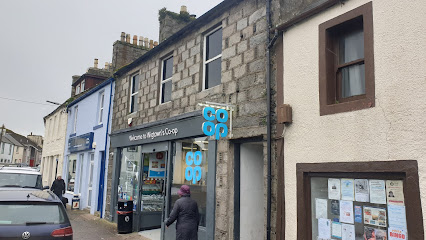
Co-op Food - Wigtown
0.2 km
Discover local flavors and essentials at Co-op Food in Wigtown, your perfect stop for convenience while exploring Scotland's book town.
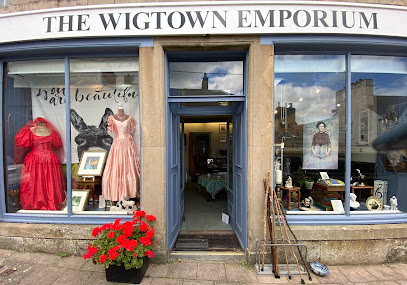
The Wigtown Emporium
0.2 km
Discover antiques, vintage treasures, and curiosities in the heart of Scotland's National Book Town at The Wigtown Emporium.
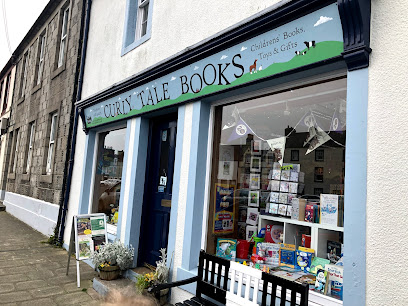
Foggie Toddle Books
0.3 km
Scotland's children's bookshop and publisher celebrating Scottish stories, rare finds, and literary community in Wigtown's Book Town.
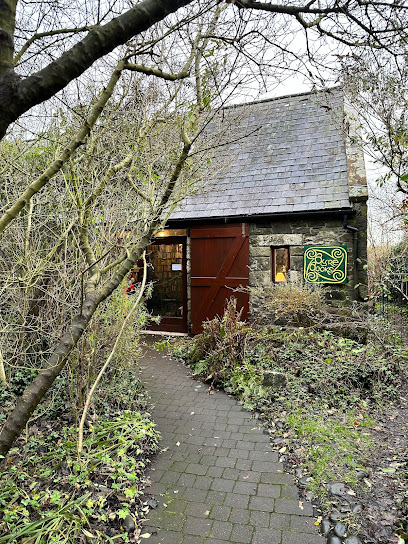
Byre Books
0.3 km
Specialist secondhand bookshop in Wigtown offering rich collections in folklore, Scottish culture, theatre, and archaeology.
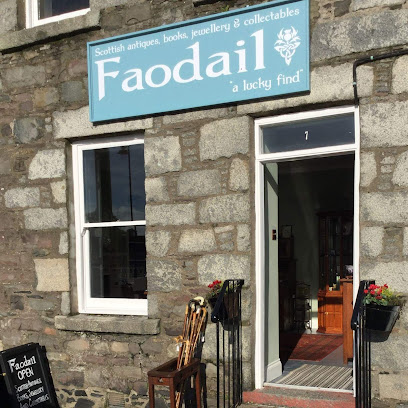
Faodail
0.3 km
Discover unique antiques, vintage jewellery, and rare Scottish books in the heart of Wigtown’s charming National Book Town.
Farm Shop
0.4 km
Wigtown's authentic farm shop celebrating local producers and seasonal Scottish fare.
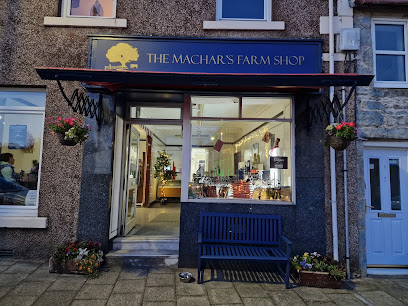
Beltie Books & Cafe
0.4 km
A cozy bookshop cafe in Wigtown blending local charm, great reads, and homemade treats in a bright, welcoming setting.
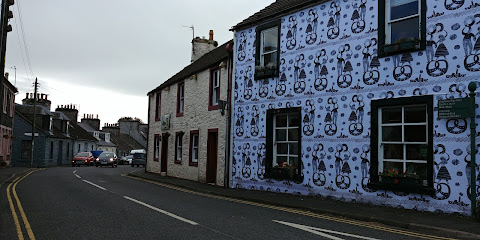
The Old Bank Bookshop
0.4 km
Discover six rooms of second-hand treasures and sheet music in the heart of Scotland’s National Book Town, welcoming all book lovers with warmth and charm.
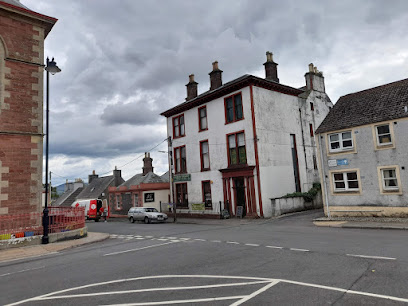
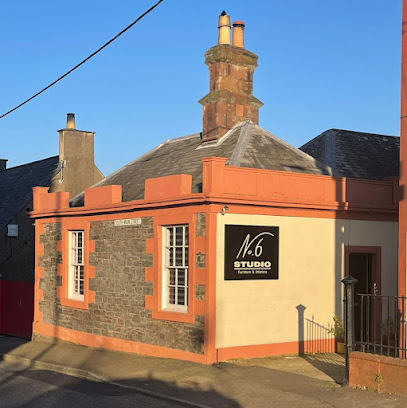
No6 Studio Wigtown
0.4 km
Discover unique second-hand furniture and local craftsmanship in the heart of Wigtown’s charming South Main Street.
Signature Gifts Ltd
1.5 km
Discover unique souvenirs and local crafts at Signature Gifts Ltd, a charming gift shop in Bladnoch, perfect for capturing the essence of your Scottish adventure.

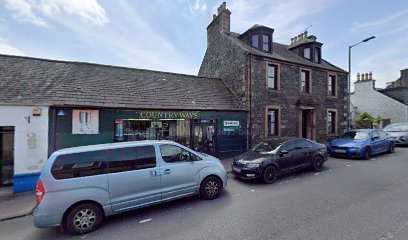
D & W Countryways
10.0 km
Discover premium outdoor clothing and equipment at D & W Countryways in Wigtown, your gateway to exploring Scotland's stunning landscapes.
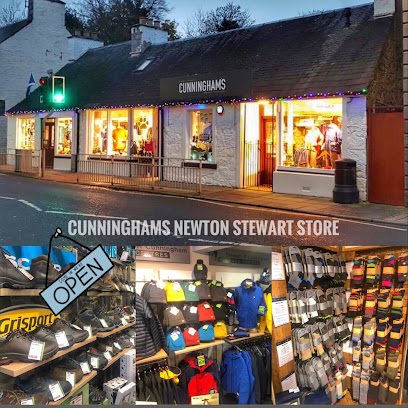
Cunningham Stewart R
10.2 km
Your trusted outfitter for outdoor clothing and equipment in Newton Stewart, serving adventurers exploring the Galloway Hills and beyond.
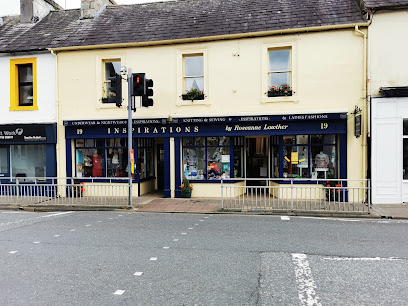
Inspirations
10.2 km
Discover unique sewing and knitting treasures at Inspirations, Newton Stewart’s welcoming hub for craft lovers and fashion enthusiasts alike.
Idlehour Gifts
10.2 km
Explore Idlehour Gifts in Newton Stewart: Your destination for unique, locally crafted treasures that capture the essence of Scotland.
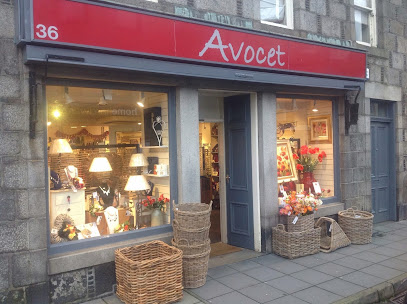
Avocet
10.3 km
Discover unique gifts, candles, garden furniture, and stylish ladies' clothing in a welcoming shop at Newton Stewart’s vibrant Victoria Street.
Essential bars & hidden hideouts

The Galloway Bar
0.3 km
A lively, dog-friendly sports pub in Wigtown offering darts, pool, and live BT & Sky Sports in a welcoming atmosphere.

The Bladnoch Inn
1.5 km
Cozy Scottish countryside inn offering warm hospitality, hearty pub fare, and comfortable stays near Newton Stewart.
Blackhorse Hotel
9.8 km
Cozy 3-star hotel in Newton Stewart with modern rooms, a lively bar, and friendly local charm in Dumfries and Galloway.
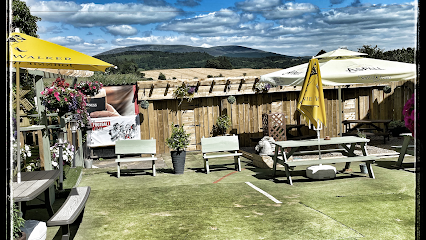
Star Inn
10.0 km
A friendly local bar in Newton Stewart serving hearty pub food with fresh local ingredients in a warm, lively atmosphere.
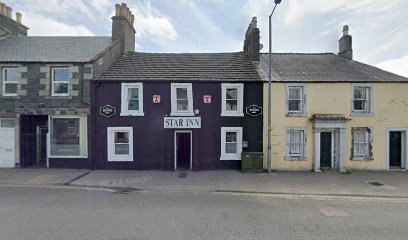
Galloway Arms Hotel
10.3 km
A traditional Scottish inn in Newton Stewart offering hearty local dishes, fine whiskies, and a warm, welcoming atmosphere steeped in regional charm.
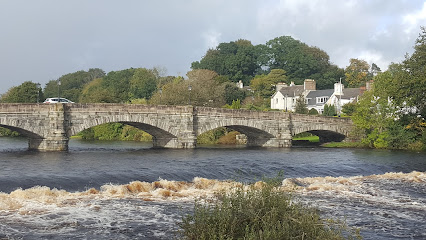
Railway Inn whithorn ltd
14.9 km
Cozy Scottish pub and inn with hearty homemade meals, warm hospitality, and comfortable rooms in the scenic Dumfries & Galloway countryside.
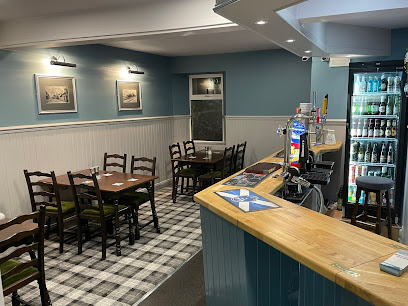
The Steam Packet Inn
19.7 km
Charming harbourfront inn in Isle of Whithorn, renowned for fresh seafood, local ales, and scenic coastal views.
Montys Bar
33.8 km
A lively sports bar in Castle Douglas offering great drinks, casual dining, and a welcoming atmosphere with indoor and outdoor spaces.
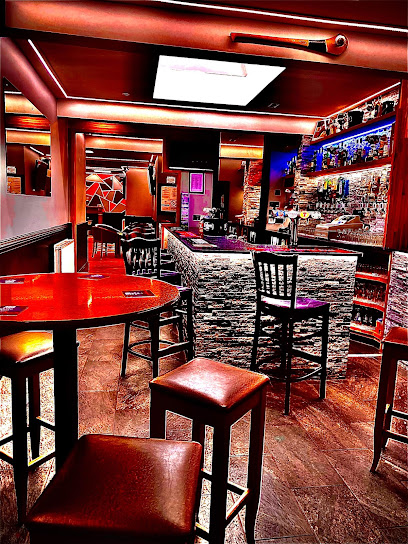
The Meeting Place
37.1 km
A welcoming cocktail bar in Stranraer with expertly crafted drinks, modern mood lighting, and a friendly, pet-inclusive atmosphere.

The Grapes
37.2 km
Experience authentic Scottish pub culture in the heart of Stranraer at The Grapes, a welcoming and timeless local favorite.
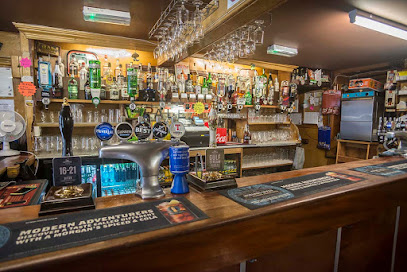
Stranraer F C Fitba Bar
37.2 km
A vibrant sports bar and community hub in Stranraer, blending football passion with live entertainment and friendly local spirit.
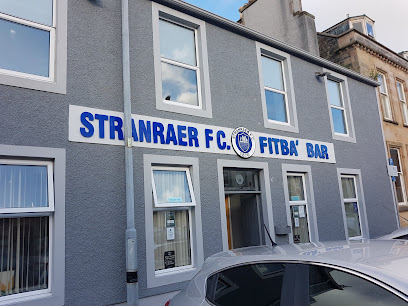
Flix Theme Bar
49.2 km
A vibrant bar and nightclub in Girvan offering lively nights, diverse drinks, and versatile event spaces on Bridge Street.
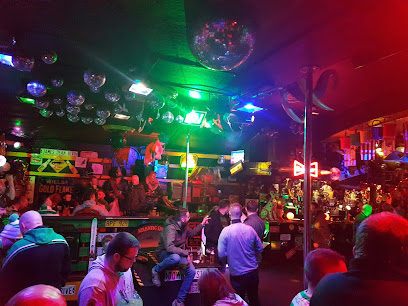
The 19th Hole
54.3 km
A lively, dog-friendly pub in Southerness offering unique pool tables, live sports, and a welcoming atmosphere for golfers and locals alike.
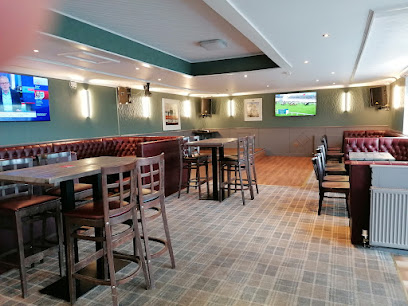
Paul Jones Hotel
54.4 km
A cozy, dog-friendly coastal pub in Southerness serving hearty meals and welcoming locals and visitors alike with warmth and charm.
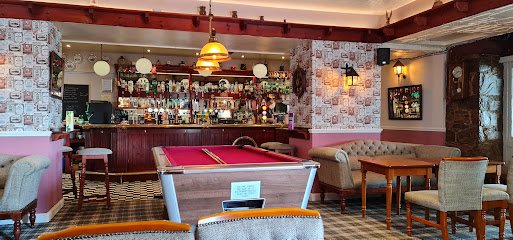
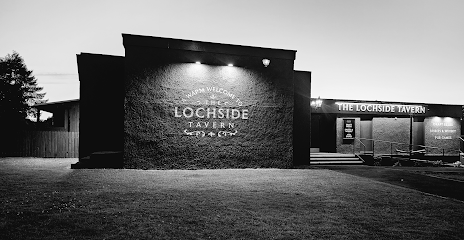
The Lochside Tavern
56.5 km
A cozy riverside pub in Dumfries offering local ales, hearty Scottish fare, and stunning loch views for an authentic experience.
Nightclubs & after hour spots

Railway Social Club
58.3 km
A friendly, community-focused social club in Dumfries offering affordable drinks, lively events, and a welcoming atmosphere near the town centre.
Ramsey crown green bowling club
60.4 km
Discover the local charm and community spirit at Ramsey Crown Green Bowling Club, where traditional bowling meets stunning landscapes.
R.A.O.B Club
60.8 km
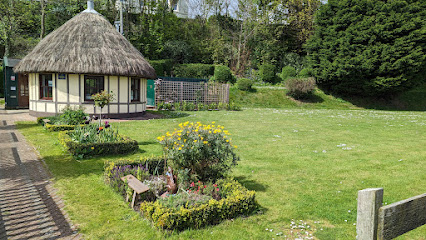
Discover the R.A.O.B Club in Ramsey, a vibrant social hub where locals and tourists unite for friendship and fun on the Isle of Man.
Manx Sailing & Cruising Club
60.8 km
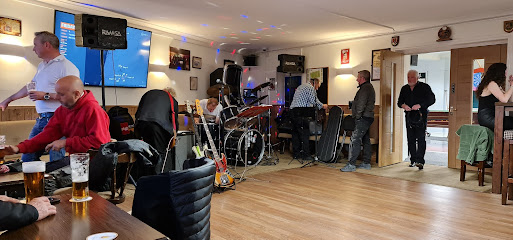
Discover the vibrant maritime culture at the Manx Sailing & Cruising Club, a hub for sailing enthusiasts along Ramsey's scenic coastline.

South Ramsey Bowling Club
61.6 km
Discover the charm of bowling at South Ramsey Bowling Club, a local favorite nestled in the scenic beauty of Ramsey, Isle of Man.
The Raven
62.5 km
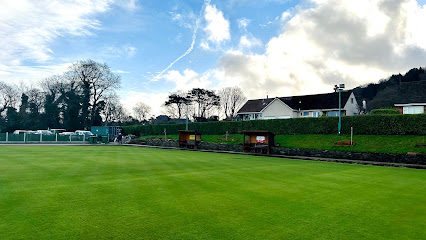
Discover the charm of The Raven pub in Ballaugh, Isle of Man - a perfect blend of local flavors, friendly atmosphere, and vibrant entertainment.
Kirk Michael
65.3 km
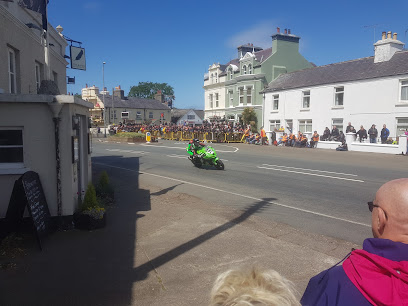
Experience the charm of Kirk Michael on the Isle of Man, where stunning landscapes meet vibrant local culture in a warm and inviting setting.
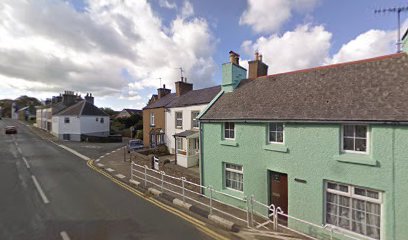
MC Entertainment
65.5 km
Experience unforgettable events with top-notch DJ services and event planning at MC Entertainment in Kirk Michael, Isle of Man.

The Mitre Pub
65.8 km
Discover the heart of Isle of Man's hospitality at The Mitre Pub in Kirk Michael, serving local ales and hearty meals in a charming atmosphere.
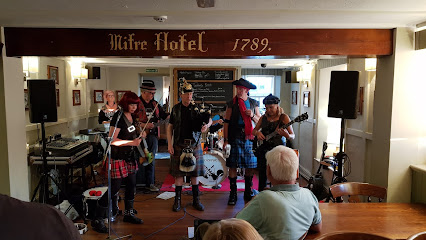
Crumbs & Cocktails
66.6 km
Discover the vibrant nightlife of Ayr at Crumbs & Cocktails, where fun meets flavor in a lively atmosphere filled with entertainment.

Venue38
67.0 km
Discover the heart of live music at Venue38 in Ayr, where unforgettable performances and a vibrant atmosphere await every music lover.
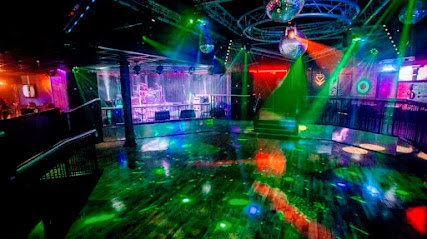
Printhouse Ayr
67.0 km
Experience Ayrshire’s vibrant nightlife and live music scene at Printhouse Ayr, where music and atmosphere unite for unforgettable nights.
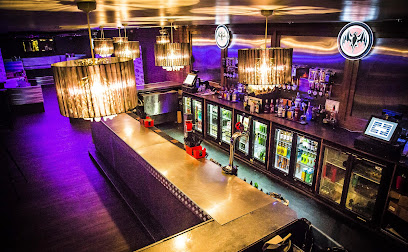
Notion Ayr
67.0 km
Discover the vibrant nightlife at Notion Ayr, an exceptional events venue in the heart of Ayr, perfect for unforgettable social experiences.

Ayr Ex-Services Club
67.3 km
A friendly and lively social club in Ayrshire offering great music, community spirit, and vibrant weekend nights.
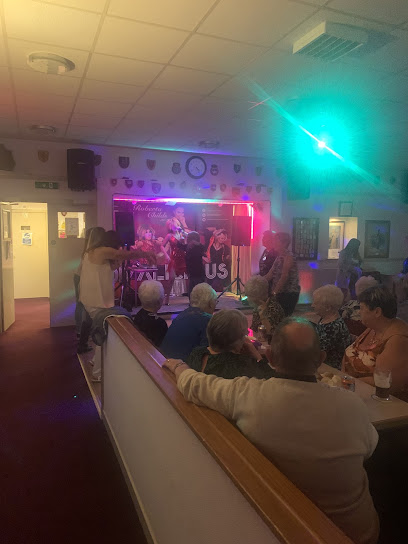
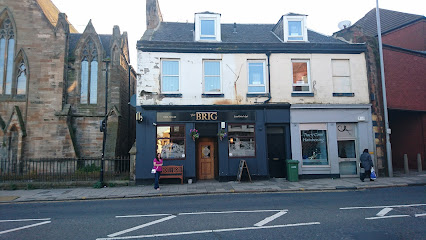
Smugglers
67.3 km
Experience authentic Scottish pub life with lively entertainment, quality beers, and warm hospitality at Smugglers in Ayr.
For the vibe & atmosphere seeker
- Tranquil
- Scenic
- Unique
- Reflective
For the architecture buff
- Historic
- Landmarks
For the view chaser and sunset hunter
- Iconic Views
- Panoramas
- Waterfront
For the social media creator & influencer
- Photo Spots
- Selfie Spots
For the eco-conscious traveler
- Public-Transport Accessible
- Low Impact
For the kind of experience you’re after
- Cultural Heritage
- Mindfulness
- Day Trip
- Nature Escape
For how adventurous you want the journey to be
- Easy Access
Location Audience
- Family Friendly
- Senior Friendly
- Child Friendly
- Solo Friendly
- Couple Friendly


