

Free Kirkcudbrightshire Travel Guide & Mobile App
Explore Kirkcudbrightshire with free travel guides. Discover regional history, expert tips, proposed trips, and audio guides on web or mobile app.


Explore Kirkcudbrightshire in south-west Scotland for Solway coast walks, artists' towns, abbeys, castles, gardens, forests and Galloway produce.
Read more about Kirkcudbrightshire
When is the best time to visit Kirkcudbrightshire?
Best: June–August · 19–21°C| Month | High (°C) | Rainfall (mm) |
|---|---|---|
| January | 7 | 90 |
| February | 8 | 80 |
| March | 10 | 70 |
| April | 13 | 60 |
| May | 16 | 50 |
| June (best) | 19 | 60 |
| July (best) | 21 | 70 |
| August (best) | 21 | 70 |
| September | 18 | 70 |
| October | 15 | 80 |
| November | 10 | 90 |
| December | 7 | 100 |
Getting to and around Kirkcudbrightshire
How to get there
Transportation
Best attractions in Kirkcudbrightshire
Kirkcudbrightshire's attractions range from coastal landscapes and wildlife watching to historic buildings, gardens and forest recreation. In Kirkcudbright, the harbour, galleries, Broughton House and MacLellan's Castle provide a concentrated introduction to the town's artistic and architectural history. Around Castle Douglas, Threave Garden offers extensive horticultural displays, while boat access and seasonal arrangements are relevant when visiting Threave Castle on its island in the River Dee. Dundrennan Abbey and Cardoness Castle bring medieval and early modern history into the countryside, and Gatehouse of Fleet has mills, town architecture and nearby coastal access. Dalbeattie Forest is associated with walking, cycling and granite landscapes, while the Solway shore offers birdwatching, beaches, rocky inlets and estuary views around places such as Rockcliffe and Kippford. The Galloway uplands provide hillwalking and dark-sky landscapes, although terrain and weather demand preparation. Family-oriented options include farm-based experiences and wildlife attractions, while food producers, craft studios and small museums add interest between the larger heritage sites.
-
Castle
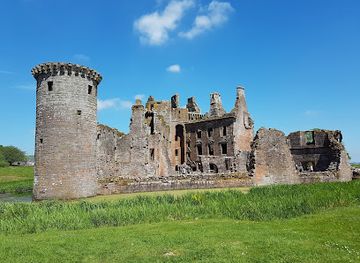
Caerlaverock Castle
Explore Scotland’s only triangular castle, a moated medieval fortress with a dramatic twin-towered gatehouse and rich borderland history.
-
Castle
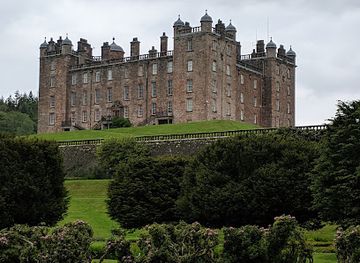
Drumlanrig Castle & Gardens
Explore Drumlanrig Castle’s majestic Pink Palace, enchanting Victorian gardens, and vibrant estate activities on Scotland’s historic Queensberry Estate.
-
Tourist attraction
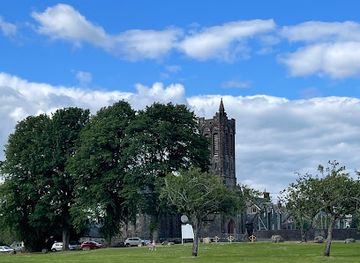
Threave Garden
Explore Threave Garden’s exquisite themed landscapes, rich heritage, and vibrant wildlife reserve nestled in scenic Dumfries & Galloway.
-
Tourist attraction
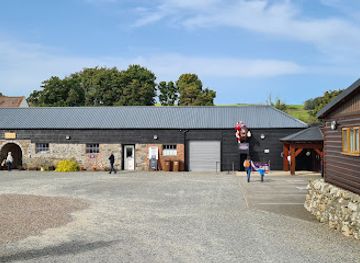
The Cocoabean Company
Discover hands-on chocolate making, thrilling play zones, and fresh café delights at The Cocoabean Company in scenic Dumfries & Galloway.
Best landmarks in Kirkcudbrightshire
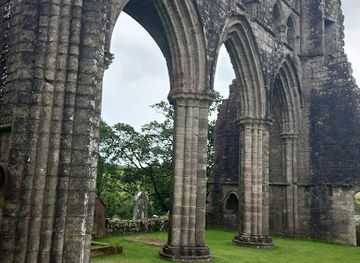
Kirkcudbright's harbourfront and historic centre form one of the region's most recognisable townscapes, with MacLellan's Castle standing at its heart as a rare example of a sixteenth-century fortified residence integrated into an urban setting. Broughton House is important not only as a historic building but also as a direct marker of the town's artists' community. Dundrennan Abbey is the region's major monastic landmark, its ruined church and cloister remains conveying the influence of medieval Cistercian foundations. Cardoness Castle rises above the Fleet valley as a substantial tower house associated with the MacLellans, while Threave Castle's island position gives it a particularly memorable defensive setting on the River Dee. Dalbeattie's granite quarries and stone-built streets represent the industrial side of the county's identity. Along the coast, the rocky headlands and wooded shores around Rockcliffe, Kippford and Auchencairn provide geographical landmarks rather than monumental architecture, with broad views across the Solway Firth. Inland, the rounded Galloway hills, forested valleys and dark skies create the larger landscape framework within which the region's historic places are understood.
-
Tourist attraction
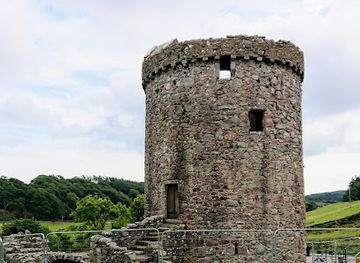
Orchardton Tower
Scotland's singular round tower house—a 570-year-old architectural enigma built 200 years out of fashion.
-
Places of interest
Historic Scotland
A 16th-century tower house where Renaissance comfort meets aristocratic secrets and family fortune turned to ruin.
Explore Kirkcudbrightshire on the map
Plan your trip on one map. See where the top cities, national parks and sights are, and book hotels and experiences in a few clicks.
Best hotels in Kirkcudbrightshire
Best restaurants in Kirkcudbrightshire
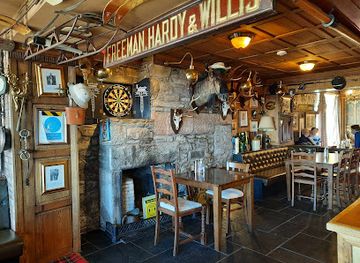
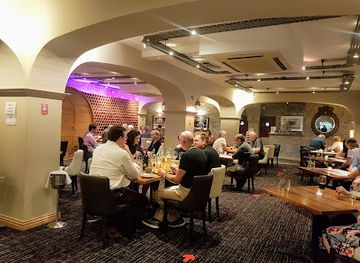
Dining in Kirkcudbrightshire reflects the productive borderland between pasture, woodland and the Solway coast. Menus commonly draw on Galloway beef and lamb, local game when in season, farmhouse cheeses, vegetables, berries and baking, while seafood and shellfish appear particularly naturally in coastal towns and villages. Castle Douglas has an especially useful concentration of food shops, delis, cafés and specialist producers, and farm shops across the region sell meat, preserves, smoked products and other provisions. Kirkcudbright and Gatehouse of Fleet combine cafés, pubs and restaurants with a strong seasonal trade, while rural inns provide a traditional setting for hearty Scottish cooking. Visitors will also find contemporary interpretations of local produce rather than a single fixed regional cuisine. Look for oatcakes, shortbread, tablet and locally made cheeses as well as Galloway produce, and remember that evening dining options become more limited outside the main towns, especially outside the summer season.
-
Restaurant
The Steamboat Inn
A charming seaside pub and restaurant offering hearty British fare and warm hospitality on Scotland’s scenic Solway Coast.
-
Modern European
Casa Mia Dumfries
Experience modern European flavors and warm hospitality at Casa Mia, Dumfries’ celebrated restaurant with a dedicated vegan menu and elegant setting.
-
Restaurant
The Selkirk Arms Hotel & Restaurant
Historic charm meets culinary excellence in Kirkcudbright’s beloved Selkirk Arms Hotel & Restaurant, a cozy retreat in Scotland’s Artists’ Town.
-
Gastropub
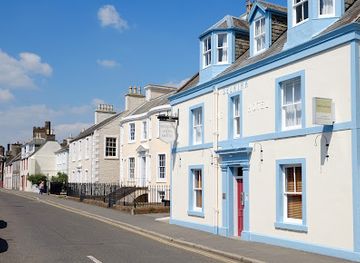
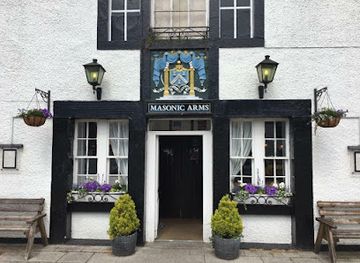
Masonic Arms
A welcoming gastropub in Gatehouse of Fleet offering excellent food, cozy ambiance, and comfortable accommodations in scenic Dumfries and Galloway.
Best bars in Kirkcudbrightshire
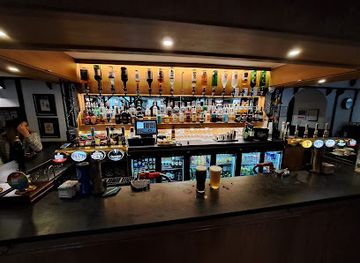
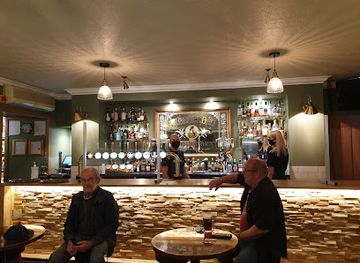
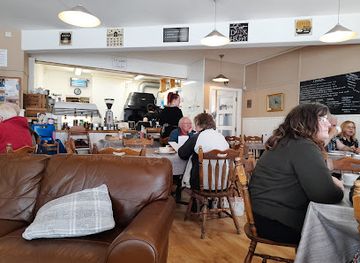
Evening life in Kirkcudbrightshire is centred on traditional pubs, hotel bars, restaurants and occasional live-music or arts events rather than a large nightclub scene. Kirkcudbright offers the broadest cultural evening programme, with its galleries, festivals and town-centre hospitality, while Castle Douglas and Dalbeattie provide practical choices for drinks and meals. Gatehouse of Fleet has a small-town pub and arts atmosphere, and coastal villages such as Kippford and Rockcliffe are quieter, with evenings shaped by seasonal visitors and local hospitality. Some pubs serve regional beers, spirits and simple food, but opening patterns can vary, particularly in rural areas and beyond the summer months. Designated drivers and pre-booked taxis are sensible when staying outside a main town, since distances are longer and late public transport is limited. The region's night sky and quiet coast are also part of its evening appeal, without requiring nightlife to revolve around alcohol.
-
Hotel
The Selkirk Arms Hotel & Restaurant
Historic charm meets culinary excellence in Kirkcudbright’s welcoming Selkirk Arms Hotel & Restaurant.
-
Gastropub
Masonic Arms
A charming gastropub in Gatehouse of Fleet offering hearty meals, real ales, and warm Scottish hospitality in a cozy garden setting.
-
Pub
The Masonic Arms
A historic and cozy Kirkcudbright pub famed for its vast gin collection, real ales, and friendly local atmosphere.
-
Cafe
The Belfry
Cozy café and tea room in Kirkcudbright serving hearty soups and fresh scones in a friendly, welcoming atmosphere.
Best nightclubs in Kirkcudbrightshire
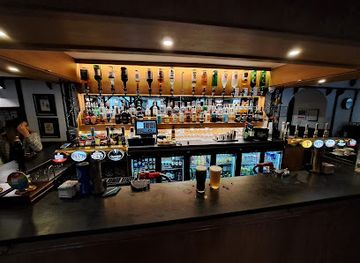
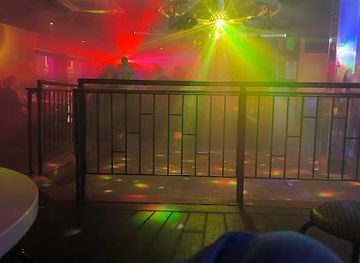
Evening life in Kirkcudbrightshire is centred on traditional pubs, hotel bars, restaurants and occasional live-music or arts events rather than a large nightclub scene. Kirkcudbright offers the broadest cultural evening programme, with its galleries, festivals and town-centre hospitality, while Castle Douglas and Dalbeattie provide practical choices for drinks and meals. Gatehouse of Fleet has a small-town pub and arts atmosphere, and coastal villages such as Kippford and Rockcliffe are quieter, with evenings shaped by seasonal visitors and local hospitality. Some pubs serve regional beers, spirits and simple food, but opening patterns can vary, particularly in rural areas and beyond the summer months. Designated drivers and pre-booked taxis are sensible when staying outside a main town, since distances are longer and late public transport is limited. The region's night sky and quiet coast are also part of its evening appeal, without requiring nightlife to revolve around alcohol.
-
Gastropub
Masonic Arms
A welcoming gastropub in Gatehouse of Fleet, blending hearty Scottish fare, quality ales, and charming garden views in a historic setting.
-
Nightclub
The Venue Dumfries
Dumfries’ vibrant nightclub and live music venue offering energetic weekend nights and a dynamic entertainment experience.
-
Nightclub
Chancers Night Club
Dumfries’ vibrant late-night hotspot where music, dancing, and lively atmosphere come alive until dawn.
Best shops in Kirkcudbrightshire
Shopping in Kirkcudbrightshire is strongest in its market towns and independent high streets rather than in large retail centres. Castle Douglas is the principal place for food shopping, with specialist shops, delis, bakeries and businesses selling Galloway meat, cheese, preserves and other regional produce. Kirkcudbright has galleries, studios, craft outlets and shops connected with its long artistic tradition, making locally made prints, ceramics, textiles and jewellery more distinctive souvenirs than generic gifts. Gatehouse of Fleet and Dalbeattie offer smaller selections of independent shops, books, crafts and everyday provisions. Farm shops and seasonal producers are useful for taking home preserves, baking, smoked foods and other products, while local galleries often represent artists working in the surrounding landscape. Opening days and stock can be seasonal, especially in smaller coastal communities, so visitors should shop for essentials before travelling into remote areas. The region is better suited to considered purchases of food, art and craft than to extensive fashion or luxury retail.
-
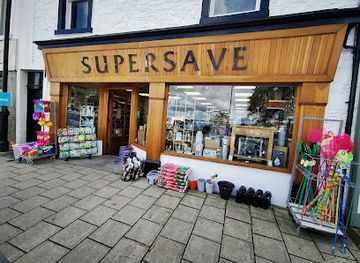
Discount shop
Supersave
Discover unbeatable bargains and local charm at Supersave, Kirkcudbright’s friendly discount shop with great deals every day.
-
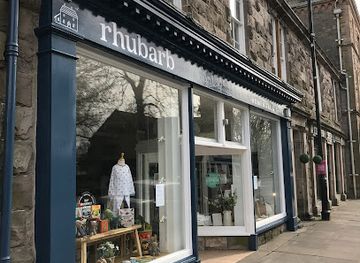
Gift shop
Rhubarb
Discover stylish modern country interiors and unique gifts at Rhubarb, Kirkcudbright’s boutique homeware shop blending rustic charm with contemporary design.
-
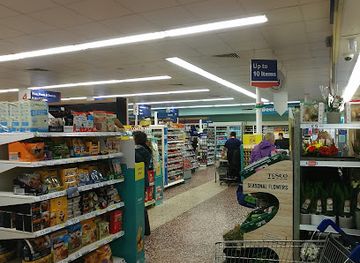
Supermarket
Tesco Superstore
Conveniently located Tesco Superstore in Kirkcudbright offers fresh produce, essential groceries, and accessible facilities for locals and visitors alike.
-
Convenience Store
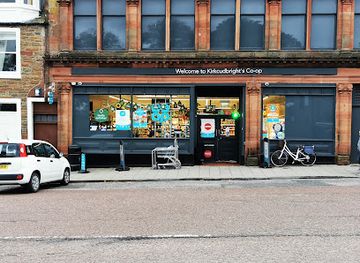
Co-op Food - Kirkcudbright
Your friendly local Co-op Food in Kirkcudbright, open daily for fresh groceries, local treats, and everyday essentials.
Get your free copy of our complete guide to Kirkcudbrightshire, delivered straight to you.
Everything on this page, from attractions and restaurants to essentials and local phrases, in one PDF you can read offline, print or share.
Already have an account? Sign in
Your Kirkcudbrightshire guide is ready.
We'll send it to · Not you? Sign out

Getting your guide ready…
We are putting together a fresh copy of the Kirkcudbrightshire guide. This can take up to a minute.
This can take a few moments. If your browser asks, choose Allow so the download can start. You'll find the guide in your Downloads folder.
Nothing happened? Download it again
Sorry, the guide is taking longer than usual. Please try again in a minute, or get it by email instead.
Kirkcudbrightshire essentials
Currency and Payment
Safety
Emergency Situations
Do's and Don'ts
Local Tips
From Eve
Local phrases worth knowing
You don't need to get them perfect. A few words go a long way, and locals appreciate the effort.
Basics
| English | Local | Say it |
|---|---|---|
| Hello | Hiya | [Hiyah] |
| Goodbye | Cheerio | [Cheerio] |
| Yes | Aye | [Aye] |
| No | Naw | [Naw] |
| Please/You're welcome | Please/Naebody's bother | [Pleez/Naebodys bother] |
| Thank you | Ta | [Ta] |
| Excuse me/Sorry | Pardon me/Soz | [Pardon me/Soz] |
| How are you? | How's it gaun? | [Hows it gon?] |
| Fine. And you? | Aye, fine. Ye? | [Aye, fine. Yeh?] |
| Do you speak English? | Dae ye speak English? | [Day ye speak English?] |
| I don't understand | Ah dinnae get it | [Ah dinnae get it] |
Eating & Drinking
| English | Local | Say it |
|---|---|---|
| I'd like to see the menu, please | Could ah see the menu, please? | [Could ah see the menu, pleeze?] |
| I don't eat meat | Ah dinnae eat meat | [Ah dinnae eat meat] |
| Cheers! | Slàinte! | [Slanjah!] |
| I would like to pay, please | A'd like tae pay, please | [Ah'd like tay pay, pleeze] |
Emergencies
| English | Local | Say it |
|---|---|---|
| Help! | Help! | [Help!] |
| Go away! | Gae awa! | [Gae awa!] |
| Call the Police! | Phone the polis! | [Phone the polis!] |
| Call a doctor! | Phone a doc! | [Phone a doc!] |
| I'm lost | Ah'm lost | [Ah'm lost] |
| I'm ill | Ah'm no weel | [Ah'm no weel] |
Shopping
| English | Local | Say it |
|---|---|---|
| I'd like to buy... | A'd like tae buy... | [Ah'd like tay buy...] |
| I'm just looking | Ah'm just havin' a look | [Ah'm just havin' a look] |
| How much is it? | Whit’s the price? | [Whit's the price?] |
| That's too expensive | That's a rip-off! | [That's a rip-off!] |
| Can you lower the price? | Can ye bring it doon? | [Can ye bring it doon?] |
Time & Numbers
| English | Local | Say it |
|---|---|---|
| What time is it? | Whit time is it? | [Whit time is it?] |
| It's one o'clock | It's one o'clock | [It's one o'clock] |
| Half past (10) | Half past ten | [Half past ten] |
| Morning | Mornin' | [Mornin'] |
| Afternoon | Aft'noon | [Aft'noon] |
| Evening | Evenin' | [Evenin'] |
| Yesterday | Yesterday | [Yesterday] |
| Today | Taday | [Taday] |
| Tomorrow | Morrow | [Morrow] |
| 1 | One | [One] |
| 2 | Two | [Two] |
| 3 | Three | [Three] |
| 4 | Four | [Four] |
| 5 | Five | [Five] |
| 6 | Six | [Six] |
| 7 | Seven | [Seven] |
| 8 | Eight | [Eight] |
| 9 | Nine | [Nine] |
| 10 | Ten | [Ten] |
Transport & Directions
| English | Local | Say it |
|---|---|---|
| Where's a/the...? | Whar's the...? | [Whar's the...?] |
| What's the address? | Whit’s the address? | [Whit's the address?] |
| Can you show me (on the map)? | Can ye show me on the map? | [Can ye show me on the map?] |
| When's the next (bus)? | Whan’s the next bus? | [Whan's the next bus?] |
| A ticket (to ....) | A ticket tae.... | [A ticket tay....] |
History of Kirkcudbrightshire
Early settlement and the boundaries of Galloway
The region's earliest communities left traces in burial monuments, standing stones and settlement remains, although much of the archaeological record is dispersed through farmland and upland rather than concentrated in a single visitor site. Kirkcudbrightshire formed part of the wider cultural landscape of Galloway, whose people and place-names reflect centuries of interaction between Gaelic, Brittonic, Norse and Scottish traditions. The later historic county was centred on the Stewartry of Kirkcudbright, an administrative territory whose boundaries and importance developed during the medieval and early modern periods.
Dundrennan Abbey and medieval Galloway
Dundrennan Abbey was founded in the twelfth century for Cistercian monks and became one of the most important religious institutions in south-west Scotland. Its surviving church and fragmentary claustral buildings show the scale and austerity of medieval monastic architecture. The abbey also entered national history in 1568, when Mary, Queen of Scots stayed there after her defeat at Langside before crossing the Solway to England. The ruins remain one of the clearest places in Kirkcudbrightshire where religious, political and regional history overlap.
Castles, lordship and the medieval coast
From the later Middle Ages, powerful families used castles to control estates, river crossings and maritime approaches. Cardoness Castle, built by the MacLellans beside the Fleet valley, illustrates the defensive tower-house tradition, while Threave Castle on its island in the Dee was a stronghold of the Black Douglases. MacLellan's Castle in Kirkcudbright belongs to a later phase of fortified residence, combining domestic accommodation with defensive features. These buildings reflect a region where local lordship, royal authority and control of routes were closely connected.
Ports, planned towns and eighteenth-century improvement
The eighteenth century brought new investment in trade, estate management and town planning. Gatehouse of Fleet developed as a planned industrial settlement associated with textile production and the nearby Cardoness estate, while Castle Douglas was founded in the 1790s as a market and trading town. Kirkcudbright continued to function as a port and administrative centre, although its maritime activity was more modest than that of Scotland's major harbours. Roads, bridges, mills and improved farms altered the region's economy and left much of the built character visible today.
Granite, forestry and rural industries
Dalbeattie and surrounding districts became closely associated with granite quarrying. Stone from the area was used in buildings, kerbs and engineering works in Britain and beyond, and the quarries helped support generations of skilled and manual workers. Other rural industries included milling, farming, fishing, shipbuilding and textile manufacture. Later forestry transformed large areas of upland and valley landscape, providing employment while also creating the woodland tracks and recreation spaces now used for walking and mountain biking.
The Kirkcudbright artists' community
From the late nineteenth century, artists were drawn to Kirkcudbright by its light, harbour, historic buildings and relatively affordable surroundings. The town became associated with the Glasgow Boys and with later painters, illustrators, designers and craftspeople, including Jessie M. King and E. A. Taylor. This was not a single formal school, but a continuing artistic community whose influence remains visible in galleries, studios and the town's cultural identity. Broughton House, the former home of E. A. Taylor, provides an especially direct connection with that history.
Twentieth-century conservation and outdoor tourism
During the twentieth century, traditional industries declined or changed, while conservation, gardens, walking and countryside tourism became increasingly important. The National Trust for Scotland's work at Threave Garden and Threave Castle helped preserve major historic and horticultural assets. Forest management and the development of long-distance walking and cycling routes added new uses to working landscapes around Dalbeattie and the Galloway hills. The modern visitor economy now sits alongside farming, forestry, small-scale food production and the region's enduring coastal communities.
Kirkcudbrightshire in Photos
Browse through our photo collection highlighting the charm and character of the destination.
Neighbouring regions of Kirkcudbrightshire
The closest regions to Kirkcudbrightshire, if you have time for more than one.
-

-

-

-

-


Swipe for more regions
Explore more

Explore more of United Kingdom
Discover the United Kingdom: A blend of rich history, stunning landscapes, and vibrant cities, offering a unique travel experience for every visitor.
Explore United Kingdom