Threave Castle, Kirkcudbrightshire Travel Guide
Explore the formidable island fortress of Threave Castle, a 14th-century stronghold steeped in Scottish history and surrounded by stunning wildlife.
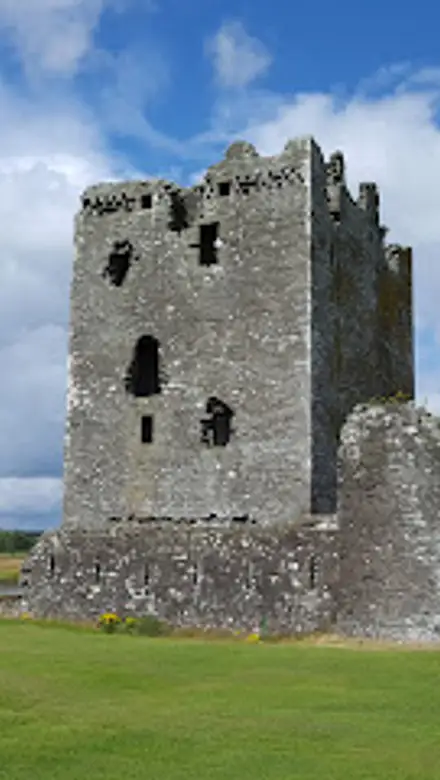
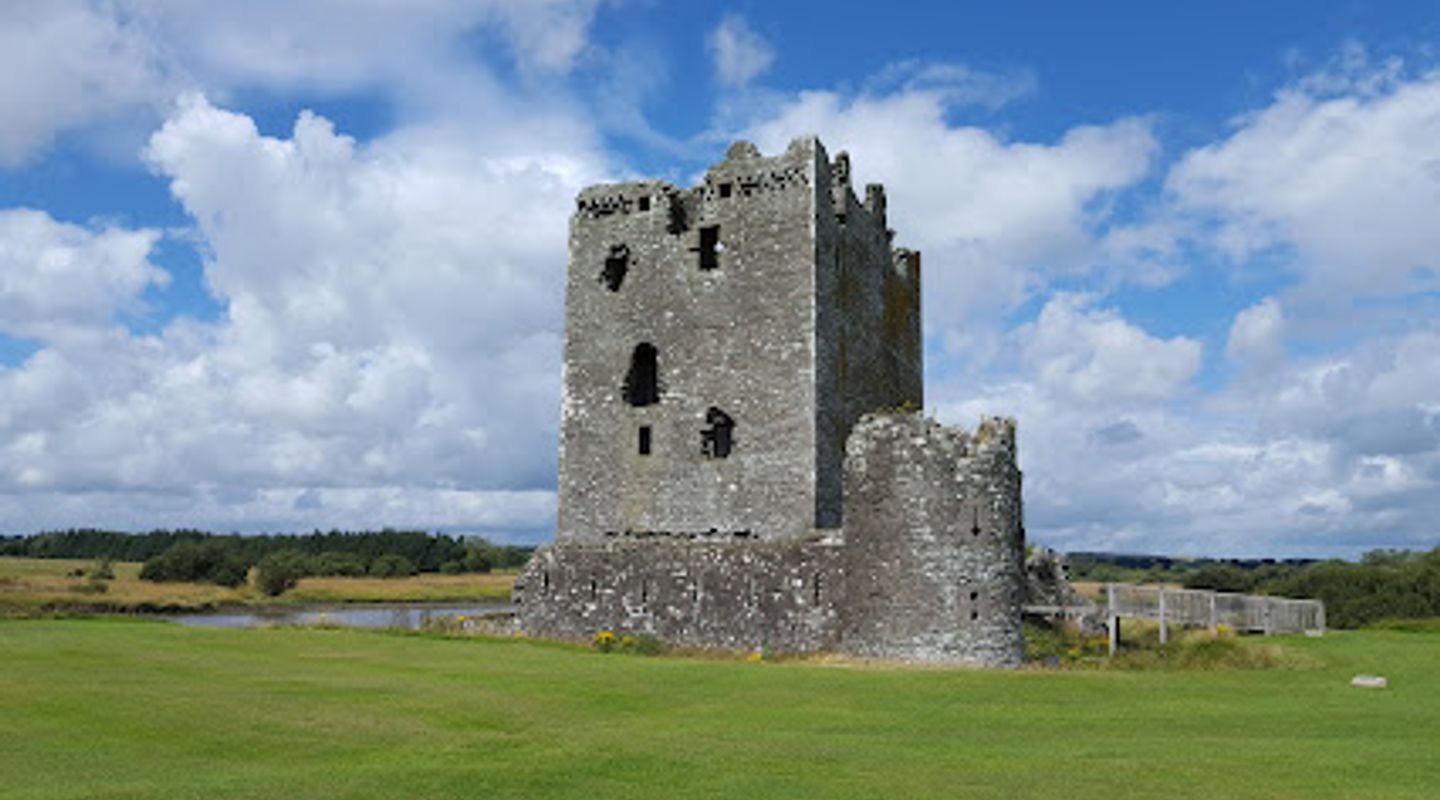
Threave Castle is a striking 14th-century tower house built by Archibald 'the Grim' Douglas on an island in the River Dee near Castle Douglas, Scotland. Once the stronghold of the powerful Black Douglas family, it features a massive keep and innovative artillery defenses. Surrounded by a nature reserve rich in wildlife, the castle offers a unique blend of history, natural beauty, and tranquil exploration, accessible by a short boat trip across the river.
A brief summary to Threave Castle
- Castle Douglas, Dumfries, DG7 1TJ, GB
- Click to display
- Click to display
- Duration: 1 to 3 hours
- Mid ranged
-
 Outdoor
- Mobile reception: 4 out of 5
- Tuesday 10 am-4 pm
- Wednesday 10 am-4 pm
- Thursday 10 am-4 pm
- Friday 10 am-4 pm
- Saturday 10 am-4 pm

Know before you go
Hi, I'm Eve. Here are a few practical things to know before exploring Threave Castle.
- Book your boat trip in advance, especially during the peak season, as access to the island is only by boat.
- Wear sturdy footwear for uneven terrain on the island and prepare for some steps inside the castle ruins.
- Bring binoculars for birdwatching; the surrounding nature reserve is home to ospreys, red kites, and otters.
- Check the latest conservation updates as the castle may have temporary closures for masonry work.
- Pack a picnic to enjoy on the island’s scenic grounds, ideal for a peaceful break amid history and nature.
Do you manage this location?
Take control to get all the benefits, like improved information, better appearance, and stronger visibility across AI-powered discovery. Learn more about listing your business on Evendo
Activate your presenceOther nearby places you may find interesting
The closest places of the same kind, if this one is not quite what you had in mind.

Explore Threave Castle on the Map
A handpicked selection of must-see spots near Threave Castle, mapped for you.
Getting There
-
Car and Boat Transfer
Drive to the Threave Estate visitor center near Castle Douglas, where parking is available. From there, take the scheduled boat service across the River Dee to the castle island. The boat trip lasts about 5 minutes. Parking is free, but boat tickets cost approximately £4 for adults and £2.50 for children.
-
Public Bus and Boat
Take a regional bus from Dumfries to Castle Douglas, a journey of around 40–50 minutes. From Castle Douglas, a taxi or local shuttle can take you to the Threave Estate visitor center. Then board the boat to the castle. Bus fares range from £5 to £8 one way.
-
Walking and Boat
For active visitors, walking trails from nearby parts of the Threave Estate nature reserve lead to the boat dock. The paths are mostly flat but can be uneven and muddy in wet weather. The walk can take 30–60 minutes depending on starting point. Suitable for those with moderate fitness and sturdy footwear.
For the on-the-go comforts that matter to you
-
 Restrooms
-
 Seating Areas
-
 Information Boards
-
 Visitor Center
-
 Trash Bins
Discover more about Threave Castle
Origins and Strategic Importance of Threave Castle
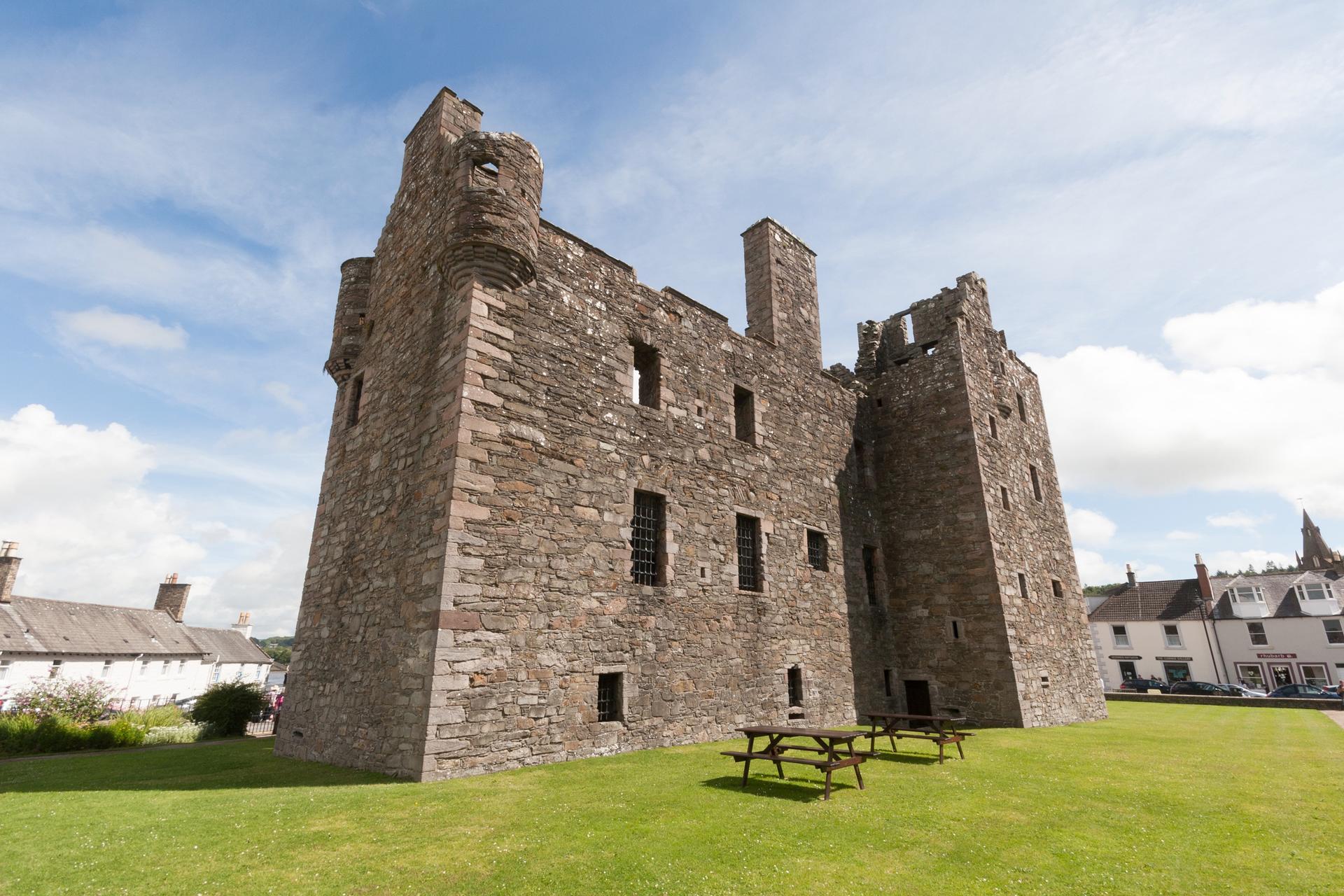
Threave Castle was constructed in the late 1360s and early 1370s by Archibald Douglas, 3rd Earl of Douglas, known as Archibald 'the Grim'. It was built on an island in the River Dee to secure his newly acquired lordship of Galloway and to resist English incursions. The site had earlier fortifications destroyed in 1308 by Edward Bruce, but Archibald’s design was pioneering as one of Scotland’s earliest tower houses, standing alone without outer walls initially. The castle’s imposing five-storey tower house, rising approximately 30 meters, symbolized the might of the Black Douglas family and served as their principal seat in the southwest.The Castle’s Architecture and Defensive Features
Threave Castle’s architecture is notable for its robust tower house and later artillery fortifications. After the mid-15th century, the castle was enhanced with an L-shaped artillery house and a defensive wall designed to withstand cannon fire, a sophisticated innovation for its time. These defenses included a moat flooded by the River Dee and circular towers that remain partially intact. The castle’s entrance was protected by a drawbridge connecting the gatehouse to the keep, adding layers of security. Despite frequent sieges, including a significant 13-week siege in 1640 by Covenanters, the castle’s defenses proved formidable.Historical Role and Ownership Transitions
Threave Castle was the power base for the Black Douglases until their rebellion ended in 1455 when King James II’s forces besieged and captured it. It then became a royal fortress, later entrusted to the Maxwell family in 1526, who held it for over a century. The castle briefly fell under English control during the mid-16th century but was reclaimed by Scottish forces. Its military significance waned after the 17th century, following partial dismantling during the Bishops’ Wars. In the early 20th century, Threave Castle was placed under state care, becoming one of Scotland’s first castles preserved for heritage.Natural Setting and Wildlife Surroundings
Set within the Threave Estate and nature reserve, the castle’s island location offers a serene environment rich in biodiversity. The surrounding wetlands and woodlands are habitats for ospreys, otters, and red kites, making it a favored spot for birdwatching and nature walks. The island blooms with wildflowers in summer, enhancing its scenic appeal. The estate’s walking trails provide accessible routes with seating and bird hides, allowing visitors to enjoy the landscape and wildlife alongside the historic ruins.Visitor Experience and Conservation
Visitors access Threave Castle via a short boat trip across the River Dee, which adds to the sense of adventure and immersion. While the castle interior is largely ruinous, with no roof or original fittings, visitors can explore the tower house, artillery defenses, and grounds. Conservation work is ongoing to preserve the masonry and historic fabric. The nearby visitor center offers amenities including toilets and information boards, with the estate providing picnic areas and accessible paths. The castle’s atmosphere invites quiet reflection, artistic inspiration, and family outings.Legacy and Cultural Significance
Threave Castle stands as a testament to medieval Scottish power struggles, architectural innovation, and the turbulent history of the Douglas and Maxwell families. Its preservation highlights Scotland’s commitment to protecting cultural heritage. The castle’s blend of natural beauty and historical intrigue continues to captivate visitors, offering insights into feudal Scotland and the dynamics of royal and noble conflicts. It remains a symbol of resilience and a unique heritage landmark in Dumfries and Galloway.












Your all‑in‑one travel companion app
Explore expert travel guides, compare and book tours, experiences, hotels, and more—all from the palm of your hand. Download now for seamless trip planning wherever your wanderlust takes you.


Explore More of Kirkcudbrightshire
Looking beyond Threave Castle? Discover Kirkcudbrightshire for broader travel guides, local hot-spots, and regional highlights.
Explore Kirkcudbrightshire
Explore the ancient hillfort of Mote of Mark, a window into the lost kingdom of Rheged with stunning views over the Urr estuary.
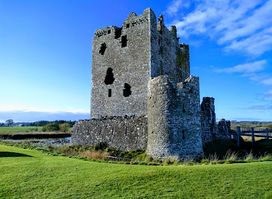
Explore the dramatic island fortress of Threave Castle, a 14th-century stronghold of the Black Douglases set amidst scenic river and wildlife surroundings.