Abraham Lincoln Statue, Lancashire Travel Guide
A striking bronze tribute in Manchester honoring Abraham Lincoln and the city’s courageous support for abolition during the American Civil War.
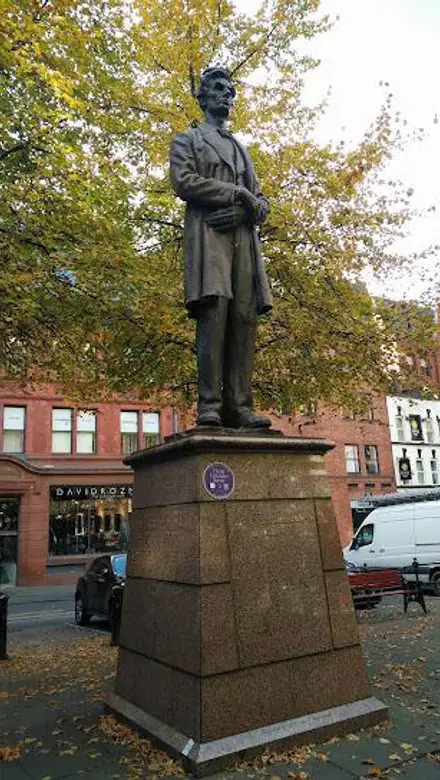
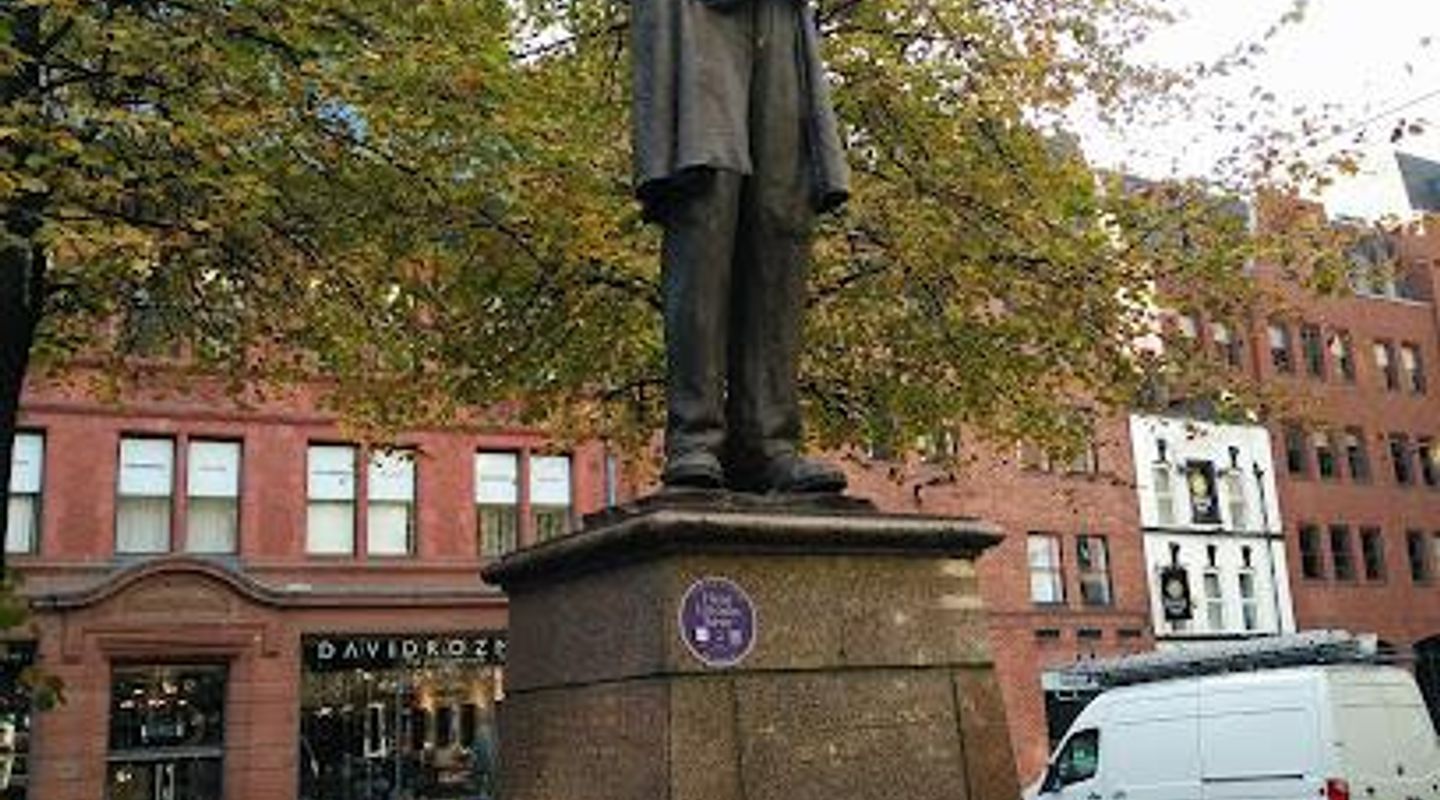
The Abraham Lincoln Statue in Manchester, located in Lincoln Grove near Lincoln Square, commemorates the city's historic support for Lincoln and the Union during the American Civil War. Sculpted by George Grey Barnard and erected in 1919, the bronze statue honors the working people of Manchester who endured the Lancashire Cotton Famine yet stood firmly against slavery. This monument reflects a unique transatlantic bond and Manchester’s commitment to freedom and equality.
A brief summary to Abraham Lincoln Statue
- Lincoln Grove, Manchester, M2 5LF, GB
- Click to display
- Duration: 0.25 to 1 hours
- Free
-
 Outdoor
- Mobile reception: 5 out of 5

Know before you go
Hi, I'm Eve. Here are a few practical things to know before exploring Abraham Lincoln Statue.
- Visit the statue to read the inscribed letter from Abraham Lincoln acknowledging Manchester’s support during the cotton famine.
- Explore nearby Lincoln Square and the surrounding area for additional historical context and urban atmosphere.
- Consider visiting during daylight hours to fully appreciate the statue’s details and the peaceful setting of Lincoln Grove.
- Combine your visit with a walk around Manchester’s historic industrial sites to understand the city’s global significance.
Do you manage this location?
Take control to get all the benefits, like improved information, better appearance, and stronger visibility across AI-powered discovery. Learn more about listing your business on Evendo
Activate your presenceOther nearby places you may find interesting
The closest places of the same kind, if this one is not quite what you had in mind.

Explore Abraham Lincoln Statue on the Map
A handpicked selection of must-see spots near Abraham Lincoln Statue, mapped for you.
Unlock the Best of Abraham Lincoln Statue
Buy tickets
-
No tickets available
Book tours with entry

Book tours without entry

Getting There
-
Public Transport
Take Manchester Metrolink tram services to St Peter's Square or Shudehill, both approximately 15-20 minutes walk from Lincoln Grove. Trams run frequently with tickets costing around £3-£5. The walk is on paved urban streets with some slight inclines.
-
Bus
Several bus routes serve the city center with stops near Lincoln Grove, including numbers 1, 2, and 3. Travel time from Manchester Piccadilly is about 10-15 minutes. Buses operate regularly during the day with single fares around £2.50. The area is wheelchair accessible.
-
Walking
From Manchester city center, a 20-25 minute walk along pedestrian-friendly streets leads to Lincoln Grove. The terrain is flat and suitable for most walkers, providing an opportunity to explore nearby landmarks en route.
For the on-the-go comforts that matter to you
-
 Seating Areas
-
 Information Boards
Discover more about Abraham Lincoln Statue
Origins and Artistic Significance
The Abraham Lincoln Statue in Manchester is a bronze sculpture created by George Grey Barnard, originally intended for London but relocated to Manchester in 1919. It was donated by Charles Phelps Taft, son of U.S. President William Howard Taft, as a symbol of Anglo-American unity. Known colloquially as the "stomach ache statue" due to the unusual placement of Lincoln’s hands, it stands approximately four meters tall. The statue was first installed in Platt Fields Park before being moved to its current site in Lincoln Square in 1986, where it serves as a focal point of a small public space called Lincoln Grove.Historical Context: Manchester’s Role in the American Civil War
Manchester was the world’s largest cotton processing center during the American Civil War, heavily dependent on cotton from the Confederate states. When Lincoln imposed a naval blockade on the South in 1861 to weaken the Confederacy and abolish slavery, it caused the Lancashire Cotton Famine, leaving 60% of Manchester’s mills idle and thousands of workers unemployed. Despite severe economic hardship and starvation, the working people of Manchester famously supported Lincoln’s blockade and the Union cause, prioritizing moral principles over economic self-interest.The Letter from Lincoln and Its Legacy
In January 1863, Abraham Lincoln wrote a letter to the working men of Manchester expressing his deep regret for their suffering during the cotton famine and thanking them for their solidarity with the abolitionist cause. This letter is inscribed on the statue’s pedestal, symbolizing the profound connection between Manchester’s workers and the fight against slavery. The statue’s inscription honors the sacrifices made by the people of Manchester and commemorates their support for freedom and equality during a global struggle.Symbolism and Cultural Importance
The statue represents more than a historical figure; it embodies Manchester’s liberal values and its commitment to human rights. It stands as a tribute to working-class solidarity, the abolition of slavery, and the city’s unique role in a distant conflict that shaped modern democracy. Over time, the statue has become a quiet but powerful reminder of the global impact of the American Civil War and the enduring bonds between Manchester and the United States.Preservation and Public Engagement
By 2007, the statue had suffered from pollution and weathering, making its inscription difficult to read. Restoration efforts were undertaken to preserve this important monument and maintain its message for future generations. Today, the statue is accessible in a peaceful urban setting, inviting reflection on history and the values it represents. It remains a significant cultural landmark within Manchester’s cityscape.Unique Manchester Connection
Unlike many statues of Lincoln worldwide, this one commemorates a transatlantic alliance forged in hardship and idealism. Manchester’s choice to support Lincoln despite economic devastation was exceptional, highlighting the city’s progressive spirit. The statue’s presence in Manchester is a testament to this rare historical solidarity and the city’s influence on global human rights movements.












Your all‑in‑one travel companion app
Explore expert travel guides, compare and book tours, experiences, hotels, and more—all from the palm of your hand. Download now for seamless trip planning wherever your wanderlust takes you.


Explore More of Lancashire
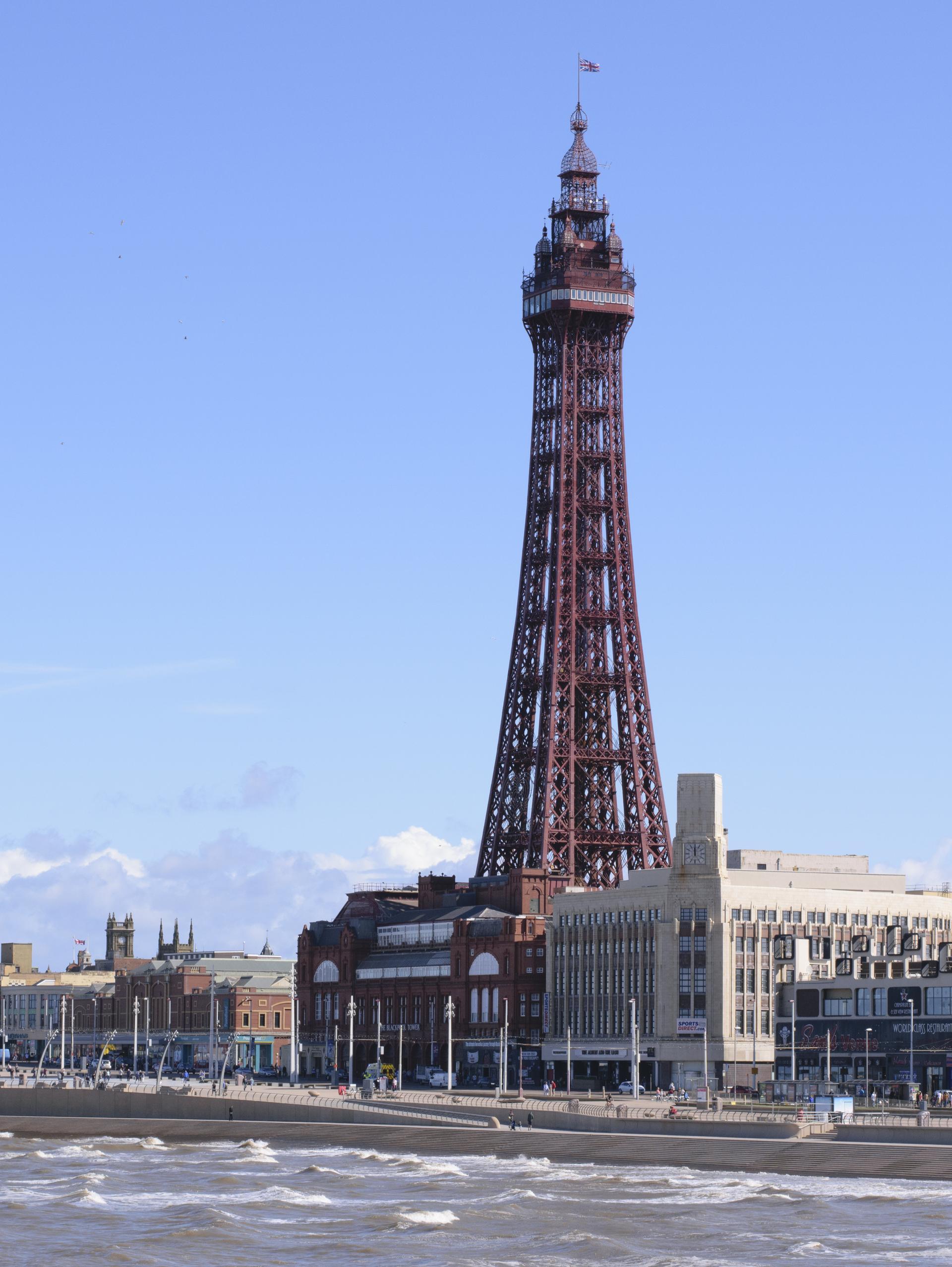
Looking beyond Abraham Lincoln Statue? Discover Lancashire for broader travel guides, local hot-spots, and regional highlights.
Explore Lancashire
Step into Manchester’s premier VR arcade where immersive games, escape rooms, and free-roam adventures bring virtual worlds to life.
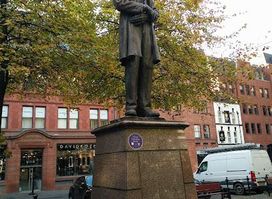
A powerful bronze tribute in Manchester honoring Abraham Lincoln and the city’s courageous support for abolition during the American Civil War.