Abraham Lincoln Statue, Manchester Travel Guide
A powerful bronze tribute in Manchester honoring Abraham Lincoln and the city’s courageous support for abolition during the American Civil War.
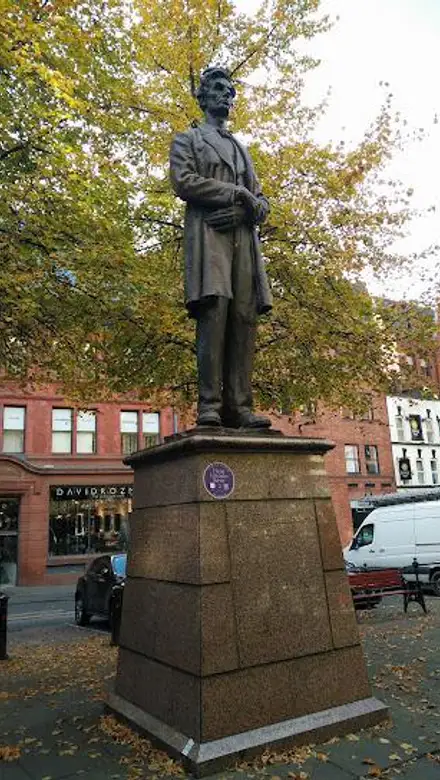
The Abraham Lincoln Statue in Manchester’s Lincoln Grove stands as a powerful symbol of the city’s historic support for the Union during the American Civil War. Sculpted by George Grey Barnard and unveiled in 1919, this bronze statue commemorates Lincoln’s leadership in abolishing slavery and honors the sacrifices made by Manchester’s working people during the cotton famine caused by the Union blockade. Positioned in a serene urban green space, the statue connects Manchester’s industrial heritage with a global story of freedom and human rights.
A brief summary to Abraham Lincoln Statue
- Lincoln Grove, Manchester, M2 5LF, GB
- Click to display
- Duration: 0.5 to 1.5 hours
- Free
-
 Outdoor
- Mobile reception: 4 out of 5

Know before you go
Hi, I'm Eve. Here are a few practical things to know before exploring Abraham Lincoln Statue.
- Visit the statue during daylight to fully appreciate the detailed bronze craftsmanship and read the historic inscription on the pedestal.
- Take a moment in the surrounding green space for quiet reflection on Manchester’s unique role in supporting the Union cause.
- Combine your visit with a walk around nearby Lincoln Square and Albert Square to explore more of Manchester’s historic public art.
- Look for information boards nearby that explain the cotton famine and the significance of Manchester’s solidarity with Lincoln.
Do you manage this location?
Take control to get all the benefits, like improved information, better appearance, and stronger visibility across AI-powered discovery. Learn more about listing your business on Evendo
Activate your presenceOther nearby places you may find interesting
The closest places of the same kind, if this one is not quite what you had in mind.



Explore Abraham Lincoln Statue on the Map
A handpicked selection of must-see spots near Abraham Lincoln Statue, mapped for you.
Unlock the Best of Abraham Lincoln Statue
Buy tickets
-
No tickets available
Book tours with entry

Book tours without entry

Getting There
-
Public Transport
Take the Manchester Metrolink tram to St Peter’s Square, then walk approximately 10 minutes through the city center to Lincoln Grove. Trams run frequently with fares around £2.50–£4.00 depending on the ticket type.
-
Bus
Bus routes 85 and 86 serve stops near Lincoln Grove from Manchester Piccadilly and other central locations. Journey times vary between 15 and 25 minutes, with single fares around £2.50. Check schedules for service frequency.
-
Taxi or Rideshare
A taxi or rideshare from Manchester city center to Lincoln Grove takes about 10 minutes depending on traffic. Expect fares in the range of £6–£10. This option offers door-to-door convenience.
-
Walking
If you enjoy walking, the statue is approximately a 20-minute walk from Manchester Central Station through urban streets. The route is flat and accessible but may be busy during peak hours.
For the on-the-go comforts that matter to you
-
 Seating Areas
-
 Trash Bins
-
 Information Boards
Discover more about Abraham Lincoln Statue
A Unique Transatlantic Tribute
The Abraham Lincoln Statue in Manchester is a striking bronze sculpture created by George Grey Barnard, originally intended for London but ultimately gifted to Manchester in 1919. This statue is a replica of one in Cincinnati, Ohio, and was relocated in 1986 from Platt Fields Park to its current site in Lincoln Grove, near Lincoln Square. The statue’s presence in Manchester symbolizes the city’s deep historical connection to Lincoln’s Union cause during the American Civil War, despite the geographical distance and lack of direct political ties.Manchester’s Moral Stand During the Cotton Famine
During the American Civil War (1861–1865), Manchester was the world’s largest cotton processor. The Union blockade of Confederate ports drastically reduced cotton supplies, causing widespread mill closures and economic hardship known as the Lancashire Cotton Famine. Despite this, the working people of Manchester held a meeting at the Free Trade Hall in 1862 and pledged their support to Abraham Lincoln and the abolition of slavery, prioritizing moral principles over economic self-interest. This act of solidarity was exceptional given the severe local suffering it caused.Lincoln’s Letter and the Statue’s Inscription
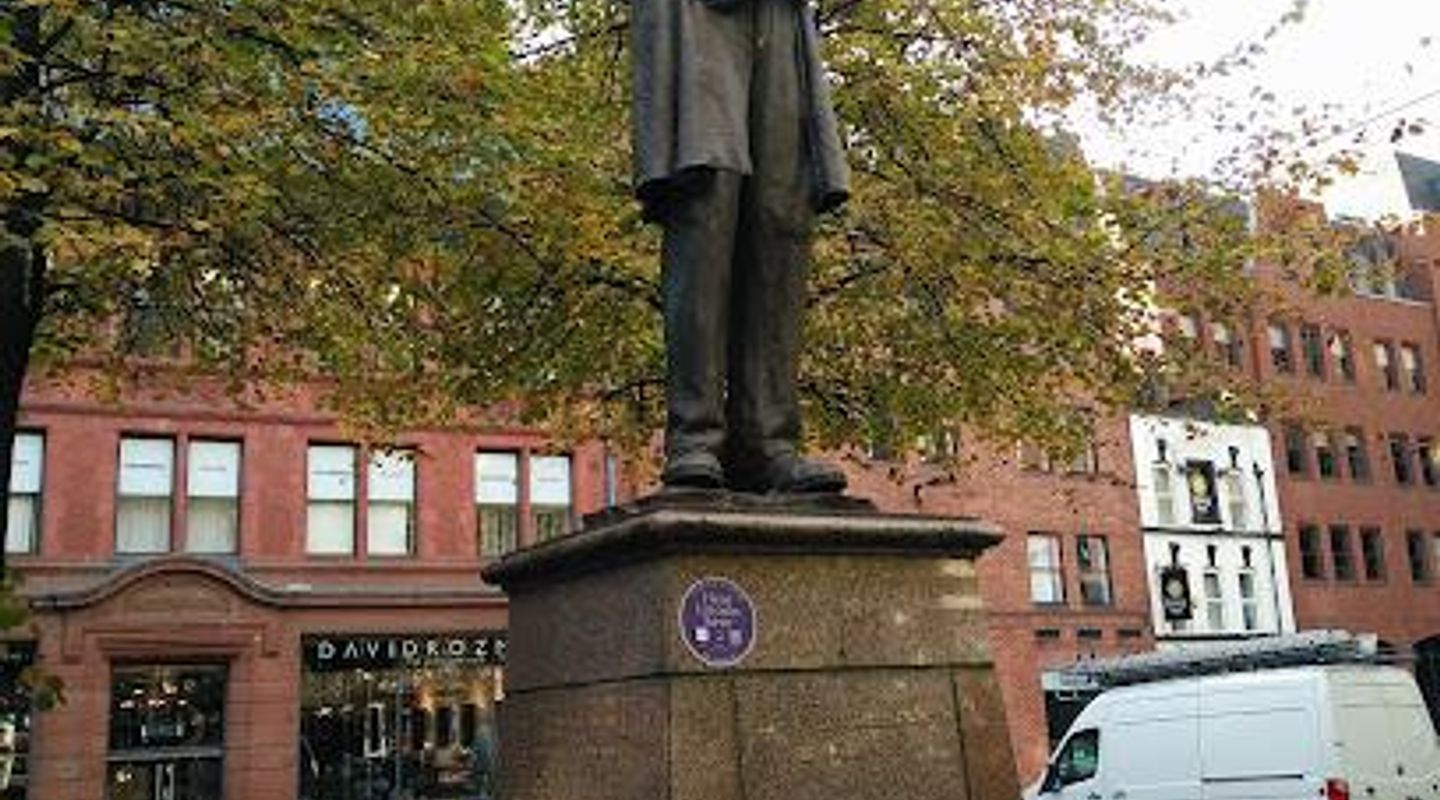
In response to Manchester’s support, President Lincoln wrote a heartfelt letter dated January 19, 1863, acknowledging the hardships endured by the city’s workers and expressing gratitude for their solidarity with the Union cause. The statue’s pedestal bears an extract from this letter, commemorating the courage and sacrifice of Manchester’s working people. The inscription highlights the shared values of freedom and human rights that linked Manchester to the American struggle against slavery.The Statue’s Artistic and Historical Significance
Barnard’s statue, sometimes known as the “stomach ache statue” due to its unconventional depiction of Lincoln’s hands, was initially controversial and rejected for London. Manchester embraced the statue as a symbol of liberal values and working-class solidarity. The statue stands approximately four meters tall, commanding attention in its landscaped urban setting. Over time, it has become a reminder of the global impact of the American Civil War and the interconnectedness of industrial and political histories.Preservation and Legacy
By the early 21st century, pollution and weather had eroded the statue’s plaque, making the inscription difficult to read. Restoration efforts have since preserved this important monument and its message. The statue continues to serve as a poignant educational and cultural landmark, inviting reflection on Manchester’s role in a pivotal moment of history and the enduring fight for equality and justice.A Place for Reflection and Connection
Set within a quiet green space in Lincoln Grove, the statue offers visitors a peaceful environment to contemplate the sacrifices made by Manchester’s workers and the broader narrative of abolition and human dignity. It stands as a testament to international solidarity and the power of shared ideals transcending borders, making it a meaningful stop for history enthusiasts and those interested in social justice.












Your all‑in‑one travel companion app
Explore expert travel guides, compare and book tours, experiences, hotels, and more—all from the palm of your hand. Download now for seamless trip planning wherever your wanderlust takes you.


Explore More of Manchester
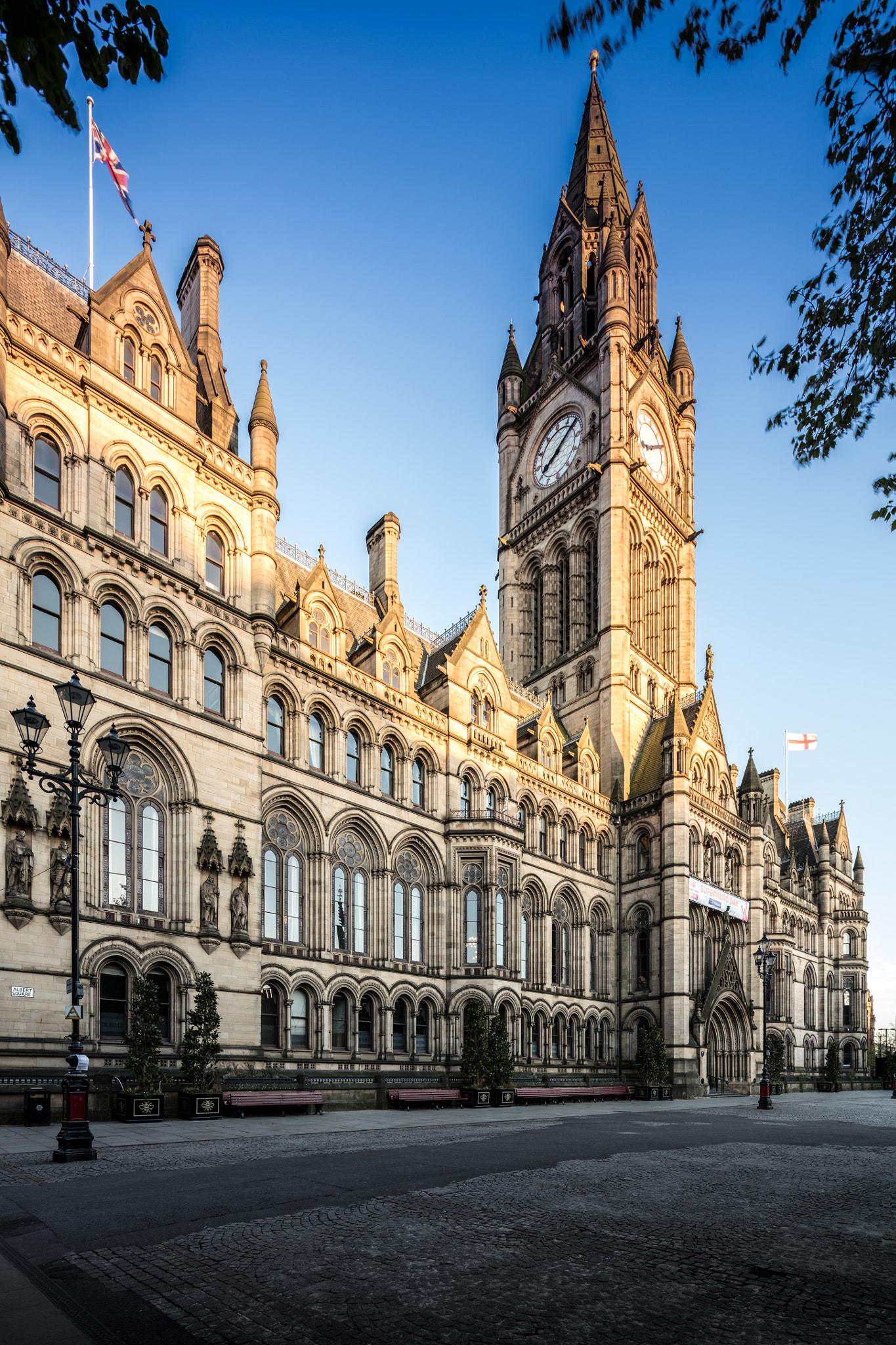
Looking beyond Abraham Lincoln Statue? Discover Manchester for broader travel guides, local hot-spots, and regional highlights.
Explore Manchester