Graving Docks, Lancashire Travel Guide
Historic Graving Docks at Liverpool’s Canning Dock, a site of maritime heritage and reflection on the transatlantic trade legacy.
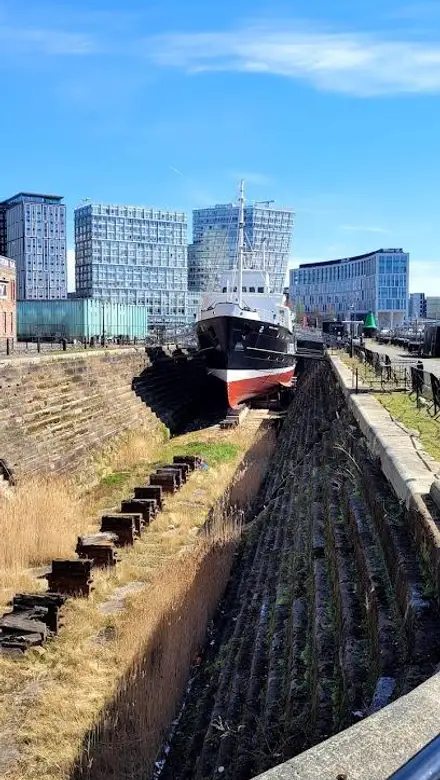
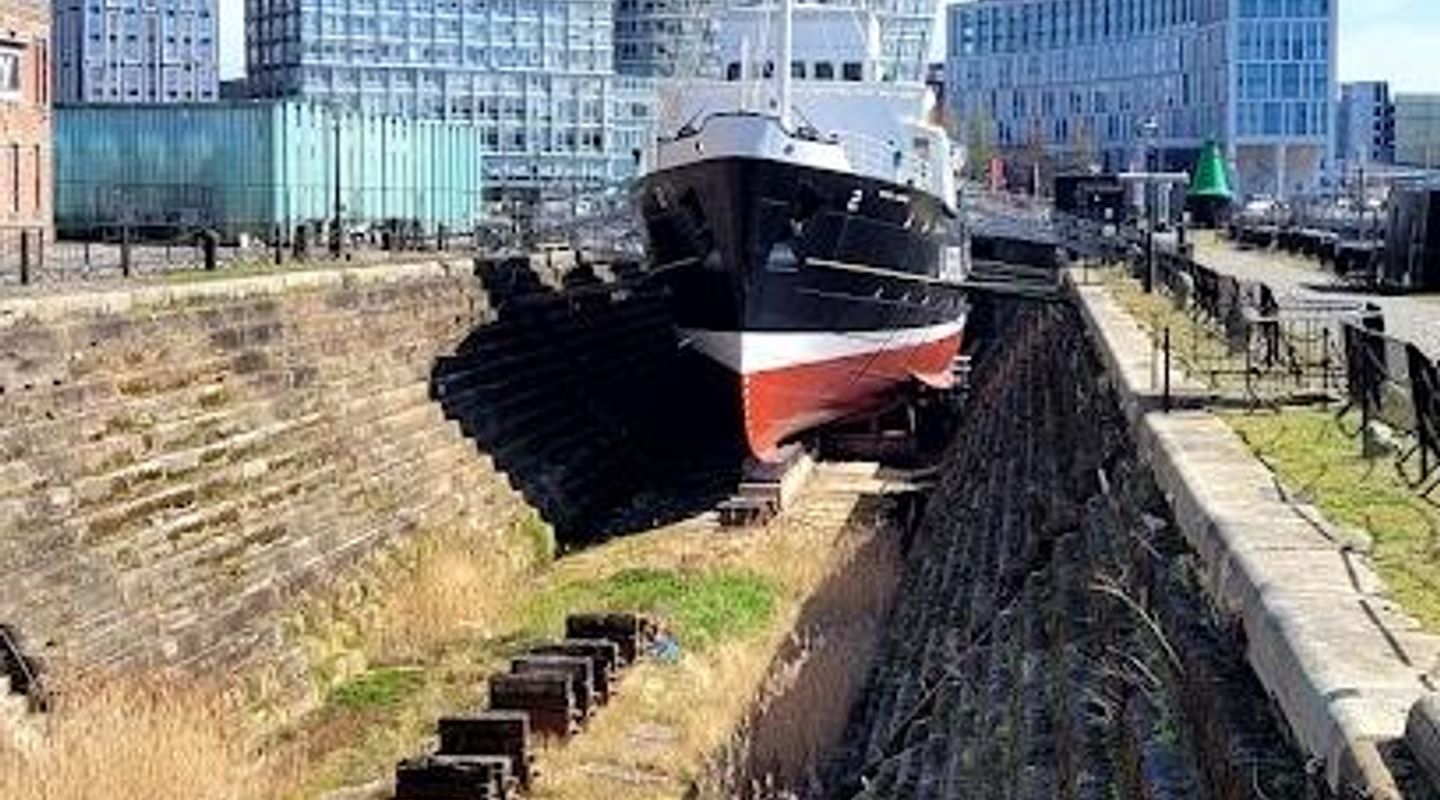
The Graving Docks at Liverpool’s historic Canning Dock, dating back to 1765, are a pivotal maritime heritage site where ships were repaired and maintained. This area, integral to Liverpool’s port history and its complex role in transatlantic trade, is currently undergoing a transformative redevelopment to open the docks for public access and reflection on their profound historical significance.
A brief summary to Graving Docks
- Unnamed Road, Liverpool, L3 4AN, GB
- Duration: 0.5 to 2 hours
- Free
-
 Outdoor
- Mobile reception: 4 out of 5

Know before you go
Hi, I'm Eve. Here are a few practical things to know before exploring Graving Docks.
- Visit during daylight hours to fully appreciate the architectural details and atmosphere of the historic docks.
- Explore nearby museums like the Maritime Museum and International Slavery Museum to deepen your understanding of the docks’ history.
- Check for public events or guided tours that often include talks on the site's redevelopment and heritage.
- Wear comfortable shoes as the site includes uneven surfaces typical of historic dockyards.
Do you manage this location?
Take control to get all the benefits, like improved information, better appearance, and stronger visibility across AI-powered discovery. Learn more about listing your business on Evendo
Activate your presenceOther nearby places you may find interesting
The closest places of the same kind, if this one is not quite what you had in mind.

Explore Graving Docks on the Map
A handpicked selection of must-see spots near Graving Docks, mapped for you.
Getting There
-
Public Transport
Take Liverpool’s Merseyrail train to James Street Station, approximately 10-15 minutes walk to the Graving Docks. Frequent services run every 10-15 minutes, costing around £3-£5 GBP for a single journey.
-
Bus
Several bus routes serve the city center with stops near the Albert Dock area, about a 10-minute walk from the Graving Docks. Ticket prices range from £2 to £4 GBP depending on the route and operator.
-
Taxi or Rideshare
A taxi or rideshare from Liverpool Lime Street Station to the Graving Docks takes about 5-10 minutes depending on traffic, with fares typically between £6 and £10 GBP.
-
Walking
From Liverpool city center, walking to the Graving Docks takes approximately 20-25 minutes on mostly flat terrain, suitable for most visitors and a pleasant way to experience the waterfront.
For the on-the-go comforts that matter to you
-
 Information Boards
-
 Seating Areas
-
 Trash Bins
Discover more about Graving Docks
Historic Foundations of Liverpool’s Maritime Industry
The Graving Docks at Canning Dock, constructed in 1765 and later extended and deepened, represent a key element in Liverpool’s evolution as a major port city. These dry docks were essential for the maintenance and repair of ships, supporting Liverpool’s rapid growth during the 18th and 19th centuries. The docks enabled vessels to be serviced between voyages, playing a crucial role in the city’s maritime economy and its status as a global trading hub.Legacy of the Transatlantic Slave Trade
The history of the Graving Docks is inseparable from Liverpool’s involvement in the transatlantic slave trade. Many ships repaired here were engaged in the trafficking of enslaved people across the Atlantic, a dark chapter that profoundly shaped the city’s wealth and global connections. The docks stand as a reminder of this painful past, where millions suffered and died during the Middle Passage and on plantations in the Americas.Ongoing Transformation and Community Engagement
Currently, the Graving Docks are at the heart of a major redevelopment led by National Museums Liverpool, supported by a £15 million investment. The project aims to make the docks accessible to the public for the first time, creating spaces for education, contemplation, and community engagement. Collaborations with local artists, historians, and Black community groups ensure that the redevelopment respectfully represents the site’s complex history and contemporary significance.Architectural and Cultural Revival
The redevelopment includes new infrastructure such as a stop wall, staircases, and lifts to allow visitors to descend into the historic docks. This revitalization is part of a broader effort to connect Liverpool’s waterfront attractions, including the Maritime Museum and International Slavery Museum, enhancing the cultural landscape. The project blends heritage preservation with innovative design, inviting reflection on Liverpool’s maritime legacy.Experiencing the Graving Docks Today
Visitors to the Graving Docks can sense the weight of history in the stone and timber structures that once hosted bustling ship repairs. The docks’ quiet, open spaces contrast with their former industrial intensity, offering a place for reflection on the city’s maritime achievements and its human cost. The site’s transformation promises to enrich Liverpool’s waterfront with a meaningful and accessible historical narrative.Future Prospects and Educational Impact
As the redevelopment progresses, the Graving Docks will serve as a vital educational resource, highlighting Liverpool’s global maritime connections and the stories of those affected by the slave trade. Community-led initiatives, including storytelling and creative workshops, are integral to this vision, ensuring the docks remain a living site of memory, learning, and cultural dialogue.












Your all‑in‑one travel companion app
Explore expert travel guides, compare and book tours, experiences, hotels, and more—all from the palm of your hand. Download now for seamless trip planning wherever your wanderlust takes you.


Explore More of Lancashire
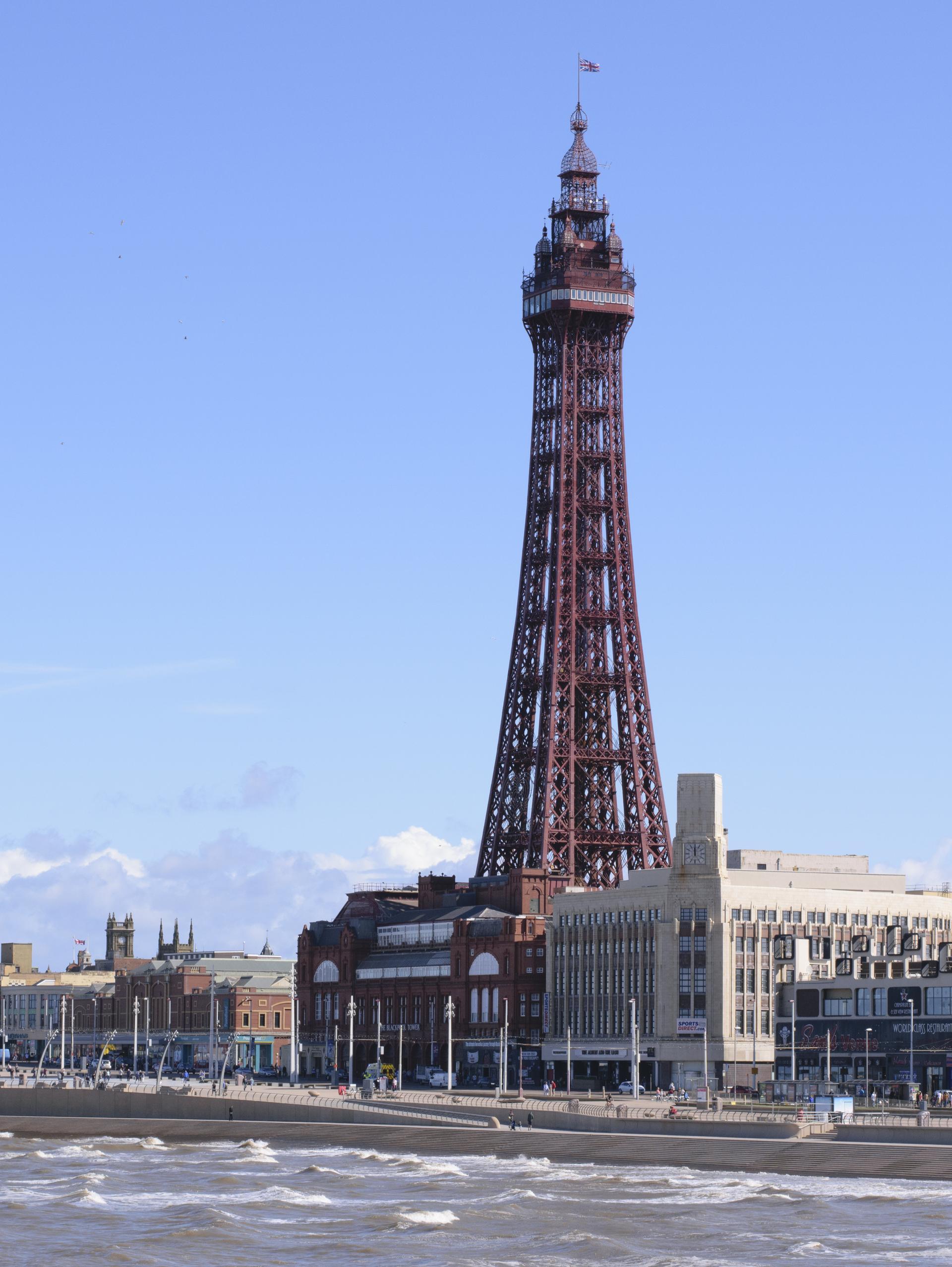
Looking beyond Graving Docks? Discover Lancashire for broader travel guides, local hot-spots, and regional highlights.
Explore Lancashire