Samlesbury Hall, Lancashire Travel Guide
Explore centuries of history and Tudor charm at Samlesbury Hall, a stunning medieval manor near Preston with tales of witches, priests, and royal intrigue.
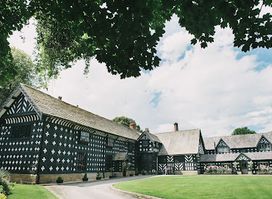
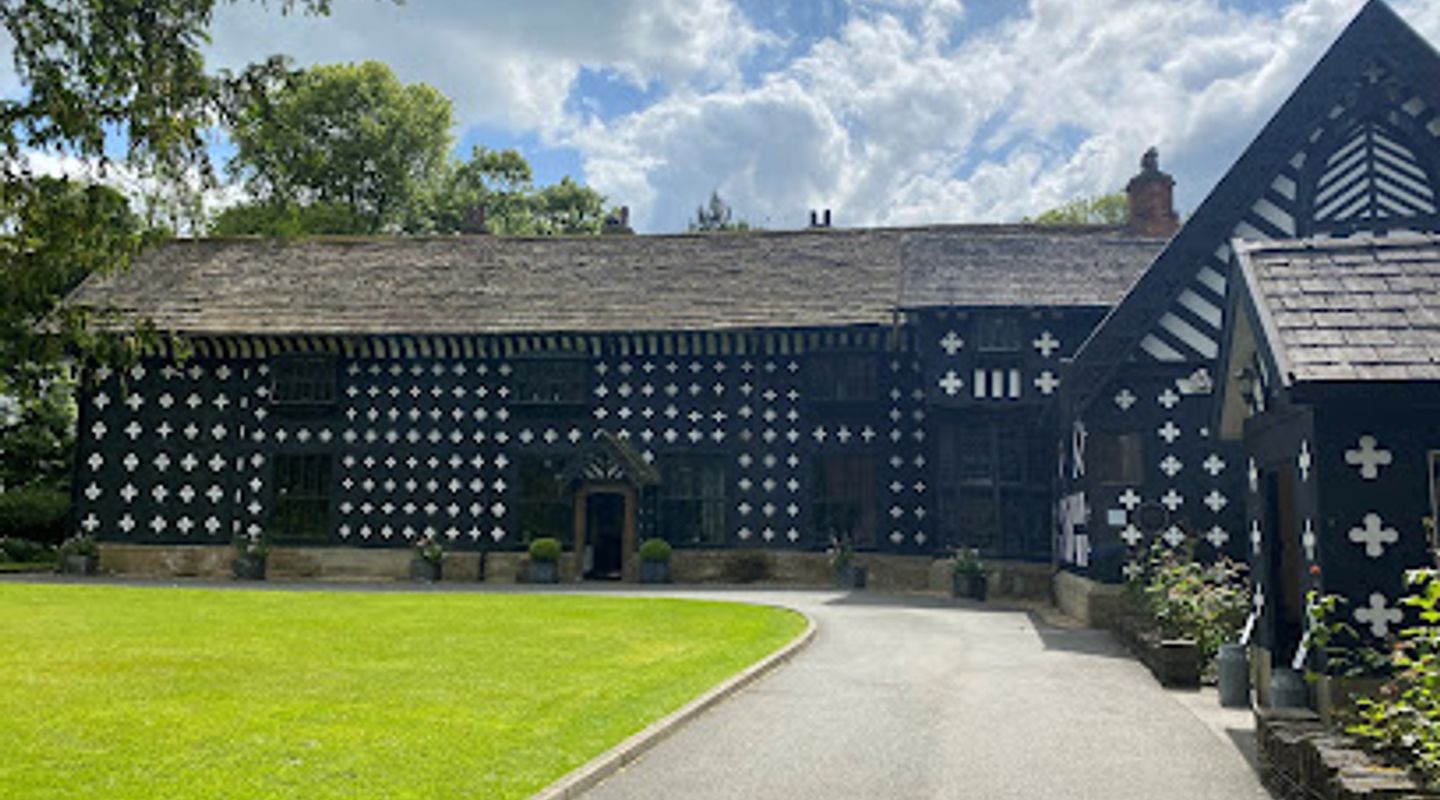
Samlesbury Hall, built in 1325 near Preston, Lancashire, is a Grade I listed medieval manor house with a rich history spanning seven centuries. Originally the Southworth family seat, it features Tudor architecture, a Great Hall, priest holes, and a chapel, reflecting England’s religious and social changes. Today, it serves as a museum, wedding venue, and café, welcoming visitors to explore its historic rooms and gardens.
A brief summary to Samlesbury Hall
- Hall, Samlesbury, Preston New Rd, Preston, Samlesbury, PR5 0UP, GB
- Click to display
- Click to display
- Duration: 1 to 3 hours
- Mid ranged
-
 Outdoor
- Mobile reception: 4 out of 5
- Tuesday 8:30 am-4 pm
- Wednesday 8:30 am-4 pm
- Thursday 8:30 am-4 pm
- Friday 8:30 am-4 pm
- Saturday 8:30 am-4 pm
- Sunday 8:30 am-4 pm

Know before you go
Hi, I'm Eve. Here are a few practical things to know before exploring Samlesbury Hall.
- Book a guided tour to fully appreciate the hall’s rich history, architecture, and hidden features like priest holes.
- Visit the garden café for locally sourced food and refreshments in a charming historic setting.
- Check opening hours carefully; the hall is closed on Mondays and open from 8:30 AM to 4:00 PM on most other days.
- Explore the grounds and gardens for scenic views and peaceful spots to relax after touring the hall.
Do you manage this location?
Take control to get all the benefits, like improved information, better appearance, and stronger visibility across AI-powered discovery. Learn more about listing your business on Evendo
Activate your presenceOther nearby places you may find interesting
The closest places of the same kind, if this one is not quite what you had in mind.
Explore Samlesbury Hall on the Map
A handpicked selection of must-see spots near Samlesbury Hall, mapped for you.
Getting There
-
Train and Bus Combination
From Preston railway station, take a local bus towards Samlesbury village; the journey takes approximately 30-40 minutes. Bus services run hourly on weekdays with limited service on Sundays. Tickets cost around £3-£5 GBP.
-
Car Travel
Driving from Preston city centre to Samlesbury Hall takes about 15-20 minutes via the A59. Parking is available on site free of charge. Note that the hall is closed on Mondays, so plan accordingly.
-
Taxi
A taxi ride from Preston to Samlesbury Hall typically takes 15-20 minutes and costs approximately £15-£20 GBP. This option offers flexibility but may be limited by availability on weekends.
For the on-the-go comforts that matter to you
-
 Restrooms
-
 Drink Options
-
 Food Options
-
 Seating Areas
-
 Information Boards
-
 Visitor Center
-
 Trash Bins
Discover more about Samlesbury Hall
Origins and Early Legacy
Samlesbury Hall was constructed in 1325 by Gilbert de Southworth, establishing it as the family seat for the Southworths for over three centuries. The manor replaced an earlier structure destroyed during the Great Raid of 1322. Initially a modest timber-framed building with a thatched roof, it evolved over time into a grand Tudor manor. The Southworth family were influential local figures, with Sir Thomas Southworth in the 16th century enhancing the hall with brickwork and elaborate wood panelling, some of which was later relocated to Conishead Priory.Architectural Evolution and Features
The hall showcases a blend of medieval and Tudor architectural elements. The Great Hall, dating from the 1400s, originally had an earth floor and thatched roof but was later improved with a large bay window and a grand fireplace. The south-west wing, added around 1545, features intricate carved woodwork and an impressive staircase with a double-tailed mermaid motif installed in the 19th century. The chapel, built 140 years after the original hall, reflects the religious practices and architectural styles of its era, with its east-facing windows and unique angle of connection due to solstice shifts.Periods of Decline and Revival
After the Southworths sold the hall in 1678, it passed through several owners and uses, including a fustian factory, an inn named The Bradyll Arms, and a co-educational boarding school. The hall fell into disrepair as it was divided into tenements and occupied by weavers and laborers. By the early 20th century, it faced demolition until a group of philanthropists formed the Samlesbury Hall Trust in 1925 to preserve the building. Since then, the trust has maintained and restored the hall, securing its place as a treasured historic site.Historical Intrigue and Legends
Samlesbury Hall’s history is marked by dramatic events including witch trials in 1612 involving local women accused of witchcraft, and the execution of priest John Southworth in 1654 for his Catholic faith during Cromwell’s rule. The hall also witnessed social unrest, such as the cotton operatives’ riots in 1878, when military and police forces were stationed there. These stories contribute to the hall’s mysterious and evocative atmosphere, drawing visitors interested in England’s turbulent past.Visitor Experience and Modern Use
Today, Samlesbury Hall is a vibrant tourist attraction offering guided tours of its historic rooms, including the Great Hall, chapel, and priest holes. Visitors can enjoy the gardens and a café serving local fare. The hall also functions as a wedding venue and conference centre, blending heritage with contemporary use. The Trust’s mission ensures the hall remains a cultural and recreational hub for the community and visitors alike.Preservation and Cultural Significance
As a Grade I listed building, Samlesbury Hall exemplifies the rich architectural and social history of Lancashire. Its preservation by the Samlesbury Hall Trust highlights the importance of protecting historic landmarks. The hall’s archive and recently published 700th-anniversary book deepen understanding of its layered past, making it a significant educational resource and a symbol of regional heritage.












Your all‑in‑one travel companion app
Explore expert travel guides, compare and book tours, experiences, hotels, and more—all from the palm of your hand. Download now for seamless trip planning wherever your wanderlust takes you.


Explore More of Lancashire
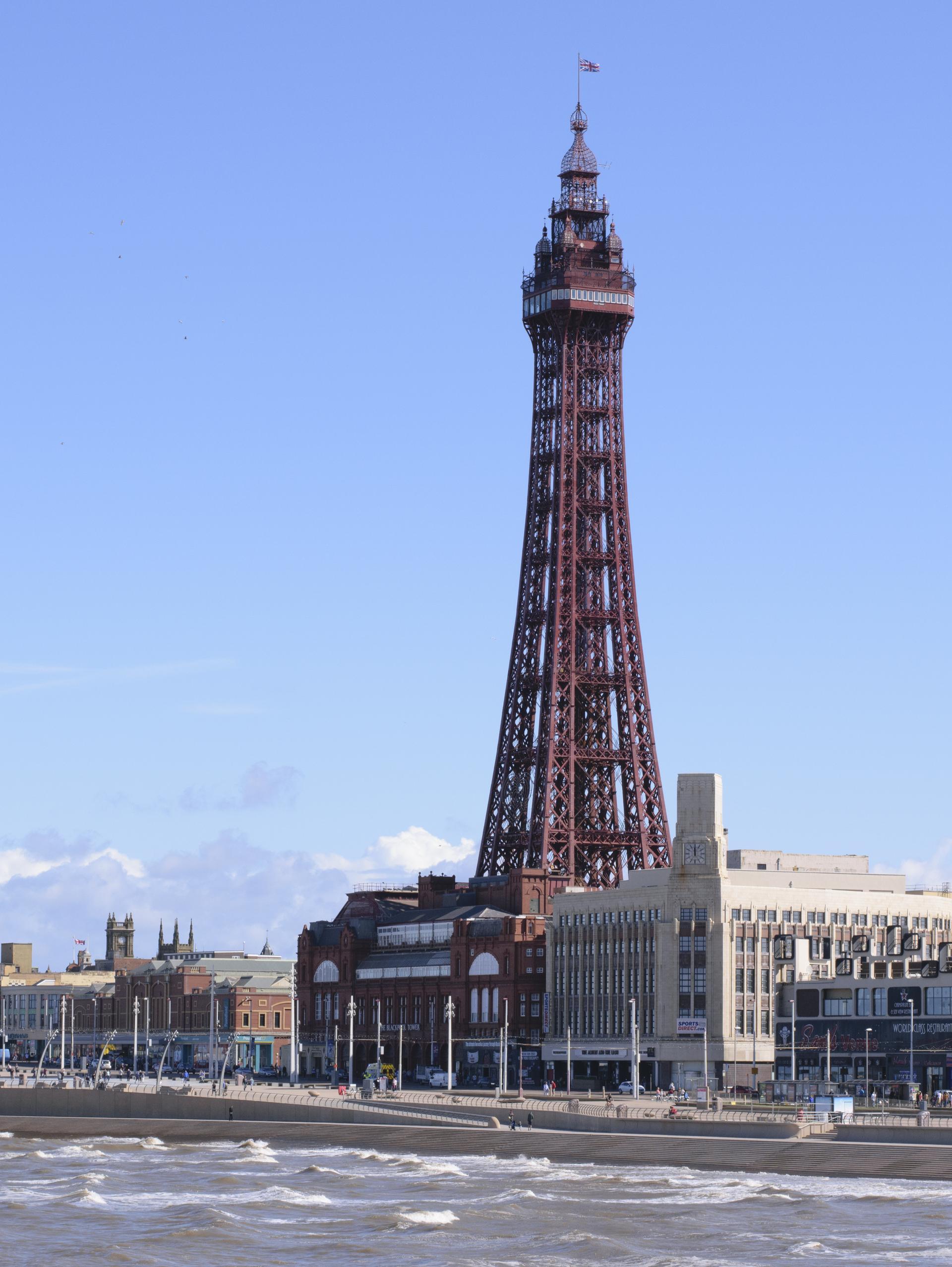
Looking beyond Samlesbury Hall? Discover Lancashire for broader travel guides, local hot-spots, and regional highlights.
Explore Lancashire