Cromwell's Bridge, Lancashire Travel Guide
Step back in time at Cromwell's Bridge, a Tudor stone crossing steeped in Civil War history and Tolkien-inspired charm amid tranquil Lancashire landscapes.
Cromwell's Bridge, built in 1562 near Clitheroe, Lancashire, is a picturesque stone bridge steeped in history. Named after Oliver Cromwell, who crossed it with his army in 1648 during the English Civil War, the bridge spans the River Hodder and offers tranquil riverside walks. It is rumored to have inspired Tolkien’s Brandywine Bridge, adding literary allure to its historical significance. The surrounding countryside provides scenic views and peaceful walking routes.
A brief summary to Cromwell's Bridge
- 9PW, Cromwell's Bridge, Clitheroe, BB7 9PW, GB
- Click to display
- Duration: 0.5 to 2 hours
- Free
-
 Outdoor
- Mobile reception: 4 out of 5

Know before you go
Hi, I'm Eve. Here are a few practical things to know before exploring Cromwell's Bridge.
- Wear sturdy walking shoes to enjoy the riverside trails comfortably.
- Visit during early morning or late afternoon for the best light for photography.
- Bring a picnic to enjoy by the peaceful River Hodder banks.
- Check local weather forecasts as the area can be wet and muddy after rain.
Do you manage this location?
Take control to get all the benefits, like improved information, better appearance, and stronger visibility across AI-powered discovery. Learn more about listing your business on Evendo
Activate your presenceOther nearby places you may find interesting
The closest places of the same kind, if this one is not quite what you had in mind.
Explore Cromwell's Bridge on the Map
A handpicked selection of must-see spots near Cromwell's Bridge, mapped for you.
Getting There
-
Car
Driving from Clitheroe, the journey to Cromwell's Bridge takes approximately 25 to 35 minutes via local roads. Parking is available near the bridge in lay-bys or designated spots, though spaces can fill quickly during weekends and holidays. No parking fees apply.
-
Bus and Walking
Limited bus services run from Clitheroe to nearby villages such as Whitewell, with travel times of around 40 to 60 minutes. From the bus stop, a 15 to 25-minute walk over gentle terrain leads to the bridge. Wear suitable footwear for unpaved paths.
-
Walking
For those staying locally, scenic walking routes along the River Hodder offer a leisurely 1 to 2-hour hike to Cromwell's Bridge. Paths are well-marked but can be uneven in places, so moderate fitness and sturdy shoes are recommended.
For the on-the-go comforts that matter to you
-
 Restrooms
-
 Seating Areas
-
 Trash Bins
-
 Information Boards
Discover more about Cromwell's Bridge
A Tudor-Era Engineering Feat
Constructed in 1562, Cromwell's Bridge was commissioned by Sir Richard Shireburne of Stoneyhurst Hall along with local landowners. The bridge replaced an earlier wooden structure that had frequently suffered flood damage. Built by stonemason Richard Crossley, the stone bridge was designed to be durable and functional, resembling other important crossings in the region. Its sturdy arches and stone piers have withstood centuries of weather and use, making it a lasting example of Tudor-era infrastructure.Oliver Cromwell and the Civil War Legacy
The bridge gained its name from Oliver Cromwell, whose New Model Army crossed here in August 1648 on the eve of the decisive Battle of Preston. Cromwell’s forces marched across the bridge from Skipton to engage Royalist troops, a pivotal moment that helped end the English Civil War. The crossing at Cromwell's Bridge symbolized a strategic military advance that ultimately led to the execution of King Charles I and Cromwell’s rise as Lord Protector.Natural Beauty and Riverside Serenity
Nestled over the River Hodder, the bridge is surrounded by lush woodland and pastoral landscapes typical of the Ribble Valley. The area offers peaceful riverside walks along clear waters, inviting visitors to experience the tranquil countryside. The gentle flow of the river beneath the stone arches, combined with the verdant environment, creates a serene atmosphere ideal for nature lovers and photographers alike.Literary Connections: The Tolkien Inspiration
Local lore suggests that Cromwell's Bridge may have inspired J.R.R. Tolkien’s depiction of the Brandywine Bridge in his Middle-earth tales. Tolkien spent time in the nearby area and is believed to have drawn inspiration from the scenic Hodder Valley and its historic landmarks. This connection adds a layer of cultural mystique, attracting fans of Tolkien’s works who seek to explore the landscapes that influenced his imagination.Visitor Experience and Accessibility
The bridge and its surroundings are freely accessible year-round, with no admission fees. Visitors can enjoy gentle walks along well-maintained paths beside the river, suitable for most fitness levels. The site is popular for photography, especially during golden hours when the stonework and natural scenery are bathed in warm light. Nearby parking is available, though public transport options are limited, making a car the most practical way to visit.Preserving a Heritage Landmark
Cromwell's Bridge remains a cherished historical landmark that reflects Lancashire’s rich past. Efforts to maintain its structure and surroundings ensure that it continues to be a place of cultural and natural significance. The bridge stands as a testament to the region’s architectural heritage and its role in shaping English history, offering visitors a tangible link to the Tudor period and the Civil War era.












Your all‑in‑one travel companion app
Explore expert travel guides, compare and book tours, experiences, hotels, and more—all from the palm of your hand. Download now for seamless trip planning wherever your wanderlust takes you.


Explore More of Lancashire
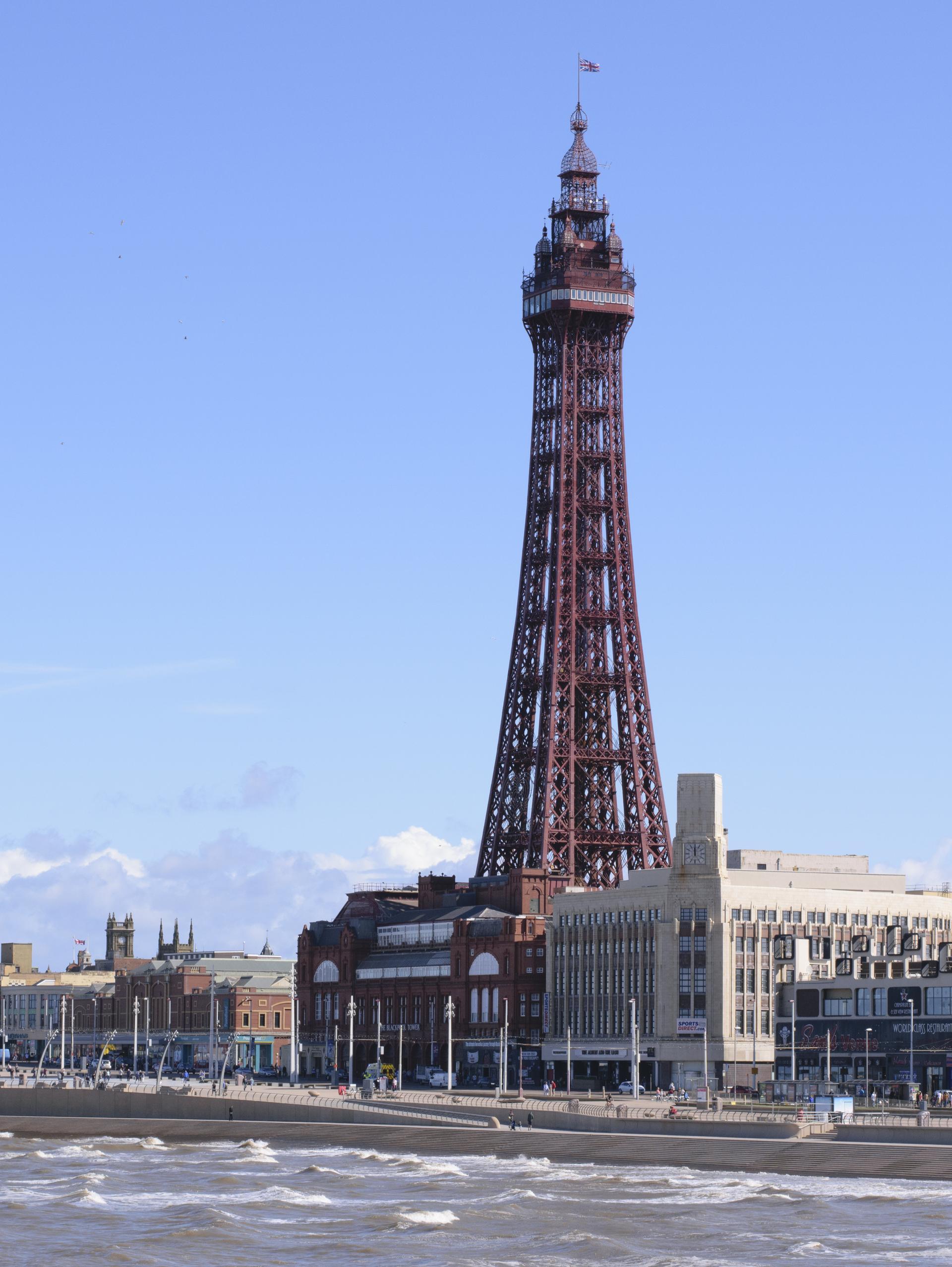
Looking beyond Cromwell's Bridge? Discover Lancashire for broader travel guides, local hot-spots, and regional highlights.
Explore Lancashire