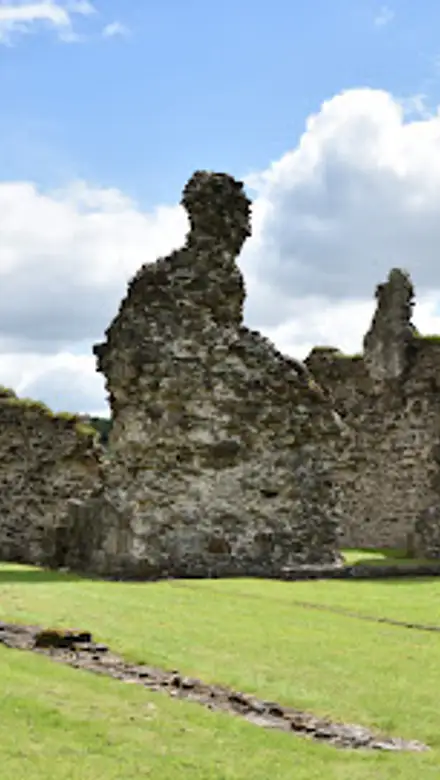
Sawley Abbey Travel Guide
Free Guide: Medieval Cistercian ruins beside the River Ribble, shaped by poverty, conflict, and defiant faith.


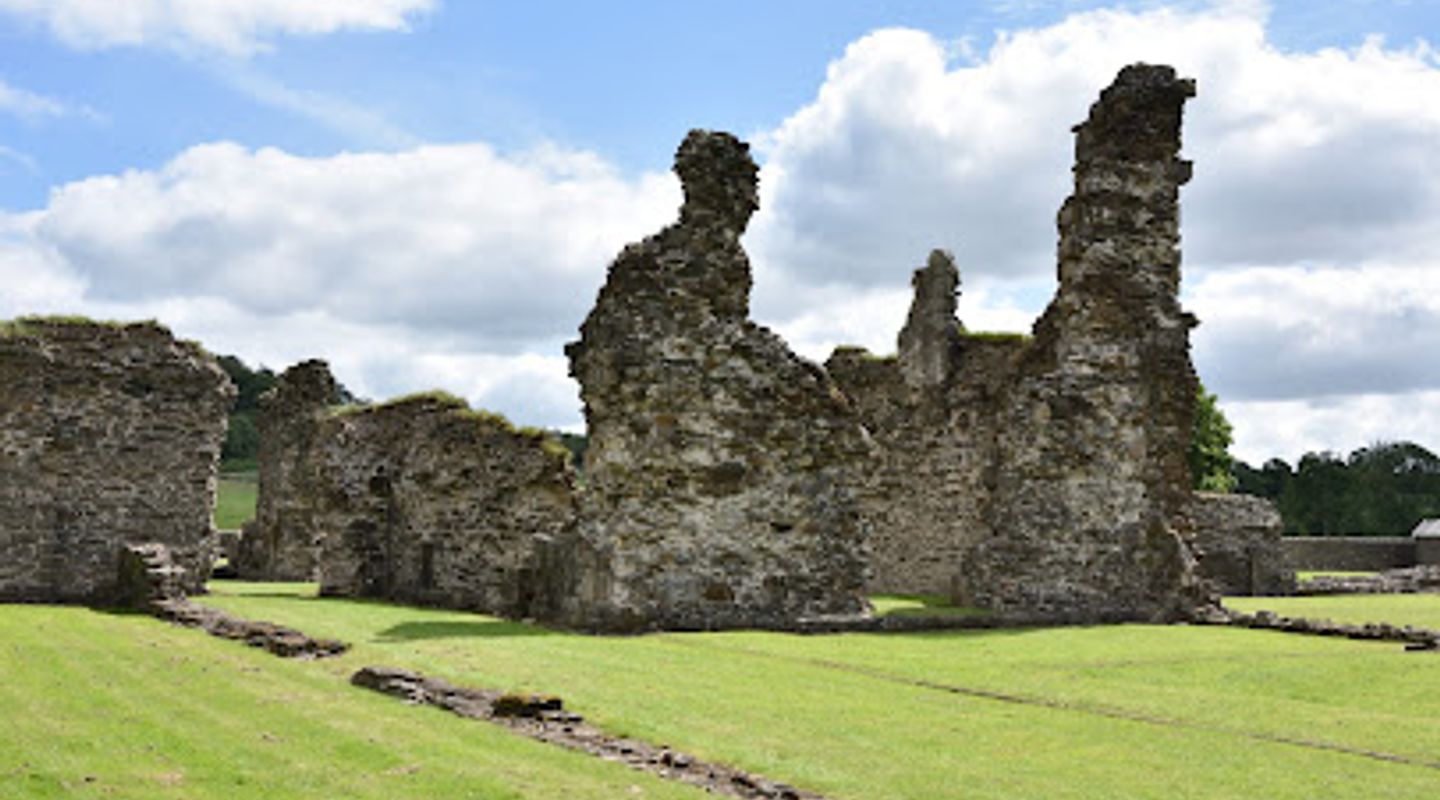
A brief summary of Sawley Abbey
Medieval Cistercian ruins beside the River Ribble, shaped by poverty, conflict, and defiant faith.
Sawley Abbey stands as a haunting testament to medieval Cistercian life in Lancashire. Founded in 1146 by William, third Lord Percy, this Grade I listed ruin sits beside the River Ribble in the shadow of Pendle Hill. Though modest in scale, the abbey's dramatic history—from its struggles against poverty and Scottish raids to its brief restoration during the Pilgrimage of Grace—makes it a compelling destination. Free admission and riverside grounds perfect for contemplation.
On-site amenities
 Picnic areas
 Information boards
 Trash bins
Opening hours
- Every day10 am–5 pm
Opening hours as listed on the venue’s Google Business Profile. Hours can change for services and special events, so check with the venue before you go.
- Address
- Sawley, Clitheroe BB7 4NH
- Phone
- Website
Getting there
Bus from Clitheroe
Train to Clitheroe then local transport
Car via A59 from Clitheroe
Walking from Sawley village
Discover more about Sawley Abbey
A Foundation Born of Patronage and Struggle
Sawley Abbey was founded in 1146 on land granted by William, third Lord Percy, one of Northumberland's most powerful families. The Cistercian monks, known as the White Monks for their austere habits, arrived from Newminster Abbey with Abbot Benedict and established a monastic community dedicated to prayer, manual labour, and spiritual discipline. The Percy family's continued patronage proved essential to the abbey's survival, particularly when the monks faced existential crises in the 1280s. Poor harvests, marshy ground, and the inhospitable northern climate threatened to force abandonment. Maud de Percy, Countess of Warwick, intervened with substantial endowments of lands and churches at Rimington, Ilkley, Gargrave, and Tadcaster, allowing the community to remain.Yet prosperity remained elusive. The abbey's location on a busy main road meant constant hospitality obligations to travellers, draining resources other Cistercian houses could avoid. Scottish raids around 1320 brought further devastation, described in contemporary records as "cruel and inhuman spoliation." The monks endured litigation, poverty, and the psychological toll of witnessing their sister house, Whalley Abbey, flourish just nine miles away after its refoundation in 1296. The two communities quarrelled bitterly over fishing rights in the River Ribble and grain supplies, with Sawley's monks feeling perpetually aggrieved at their inferior status.
Dissolution, Defiance, and Execution
In spring 1536, Henry VIII's Suppression of the Monasteries claimed Sawley Abbey. With annual revenues below £200, it fell into the initial wave of closures. Yet that autumn, during the northern uprising known as the Pilgrimage of Grace, the monks returned. Robert Aske, the rebellion's leader, sent word that the abbey should be restored, and a new abbot, William Trafford, was installed. For a brief moment, monastic life resumed. The rebellion ultimately failed, and in March 1537 Trafford was hanged at Lancaster for treason. The abbey was immediately plundered of its valuables and abandoned once more.Over the following three centuries, locals systematically dismantled the buildings, salvaging high-quality sandstone for use in farmhouses and cottages throughout Sawley village. Many carved stone features were repurposed, creating a landscape where the abbey's legacy became embedded in the very fabric of the community. By the 18th century, the ruins had become celebrated subjects for artists including Turner and the Buck brothers, who sketched the romantic remains.
Architectural Peculiarities and Monastic Life
Sawley's architecture reveals the abbey's financial constraints in striking ways. The church possesses an unusually short nave—clearly unfinished due to lack of funds—yet the chancel at the east end is exceptionally wide, expanded with new aisles in the early 16th century when resources briefly improved. This asymmetrical design is unique among English Cistercian abbeys, a physical manifestation of the monks' perpetual struggle between ambition and poverty.One of the site's most evocative features is the well-preserved night stair in the south transept. This stone staircase once connected the monks' dormitory on the first floor directly to the church, allowing them to descend for nocturnal services without disturbing the cloister. The reredorter, or latrine block, remains among the best-preserved structures, its sophisticated drainage system testament to medieval engineering. The cloister itself, built to normal Cistercian proportions on the south side of the church, underscores the contrast between the abbey's intended grandeur and its actual means.
Conservation and Contemporary Significance
In 1848, the first archaeological investigation began clearing and documenting the ruins. During the 20th century, the site passed into state care and was taken under the protection of English Heritage, which continues to conserve and interpret the remains. Information boards guide visitors through the abbey's history, while the flat, grassed grounds and low-level masonry create an accessible landscape for exploration. The site's proximity to the River Ribble and location within the Forest of Bowland Area of Outstanding Natural Beauty enhance its appeal as both a historical and natural destination.Sawley Abbey remains significant for its connection to notable medieval figures, including William of Rimington, Chancellor of Oxford University and opponent of John Wycliffe, whose grave lies in the transept. The abbey also embodies the religious and political upheaval of the Reformation, standing as a monument to the complex relationship between monastic communities, royal authority, and popular resistance during one of England's most turbulent periods.
Evendo Review Centre
 Google
Guest reviews
Best time to go
Quietest: Jan, Feb & Dec · before 8am or from 6pm
Busy times are Evendo estimates for a typical year, to help you plan. Actual crowds vary with events, school holidays and the weather.
Explore Sawley Abbey on the map
A handpicked selection of must-see spots near Sawley Abbey, mapped for you.
Get your free copy of our complete guide to Sawley Abbey, delivered straight to you.
Everything on this page, from opening hours and how to get there to Eve’s tips and the best time to go, in one PDF you can read offline, print or share.
Already have an account? Sign in
Your Sawley Abbey guide is ready.
We'll send it to · Not you? Sign out

Getting your guide ready…
We are putting together a fresh copy of the Sawley Abbey guide. This can take up to a minute.
This can take a few moments. If your browser asks, choose Allow so the download can start. You'll find the guide in your Downloads folder.
Nothing happened? Download it again
Sorry, the guide is taking longer than usual. Please try again in a minute, or get it by email instead.
Other nearby places you may find interesting
The closest places of the same kind, if this one is not quite what you had in mind.
-
-
-
-
-


Swipe for more places
More to explore near Sawley Abbey

 Best experiences near Sawley Abbey
 Best hotels near Sawley Abbey
 Best landmarks near Sawley Abbey
 Best attractions near Sawley Abbey
 Best shops near Sawley Abbey
 Best restaurants near Sawley Abbey
 Best bars near Sawley Abbey
Do you manage this location?
Take control to get all the benefits, like improved information, better appearance, and stronger visibility across AI-powered discovery.
Explore more
Explore more of Lancashire
Discover Lancashire: A perfect blend of stunning landscapes, rich history, and vibrant culture in the heart of England's northwest.
Explore Lancashire
Explore more of United Kingdom
Discover the United Kingdom: A blend of rich history, stunning landscapes, and vibrant cities, offering a unique travel experience for every visitor.
Explore United Kingdom