Top Withens, Leeds Travel Guide
Discover the windswept moorland ruins that inspired Emily Brontë’s Wuthering Heights, a haunting symbol of literary heritage and rugged beauty.
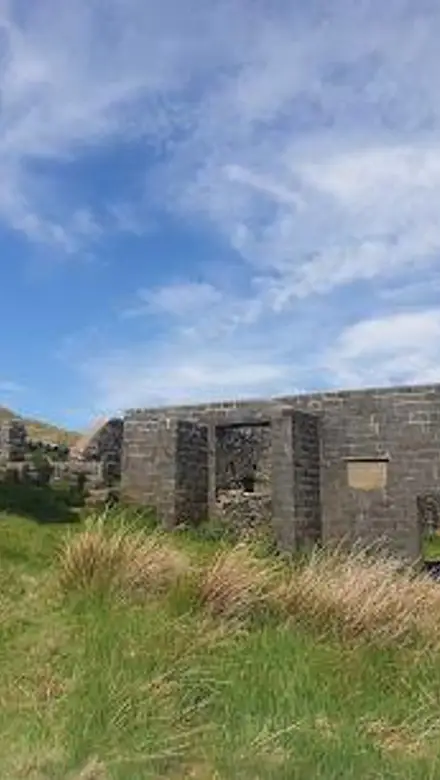
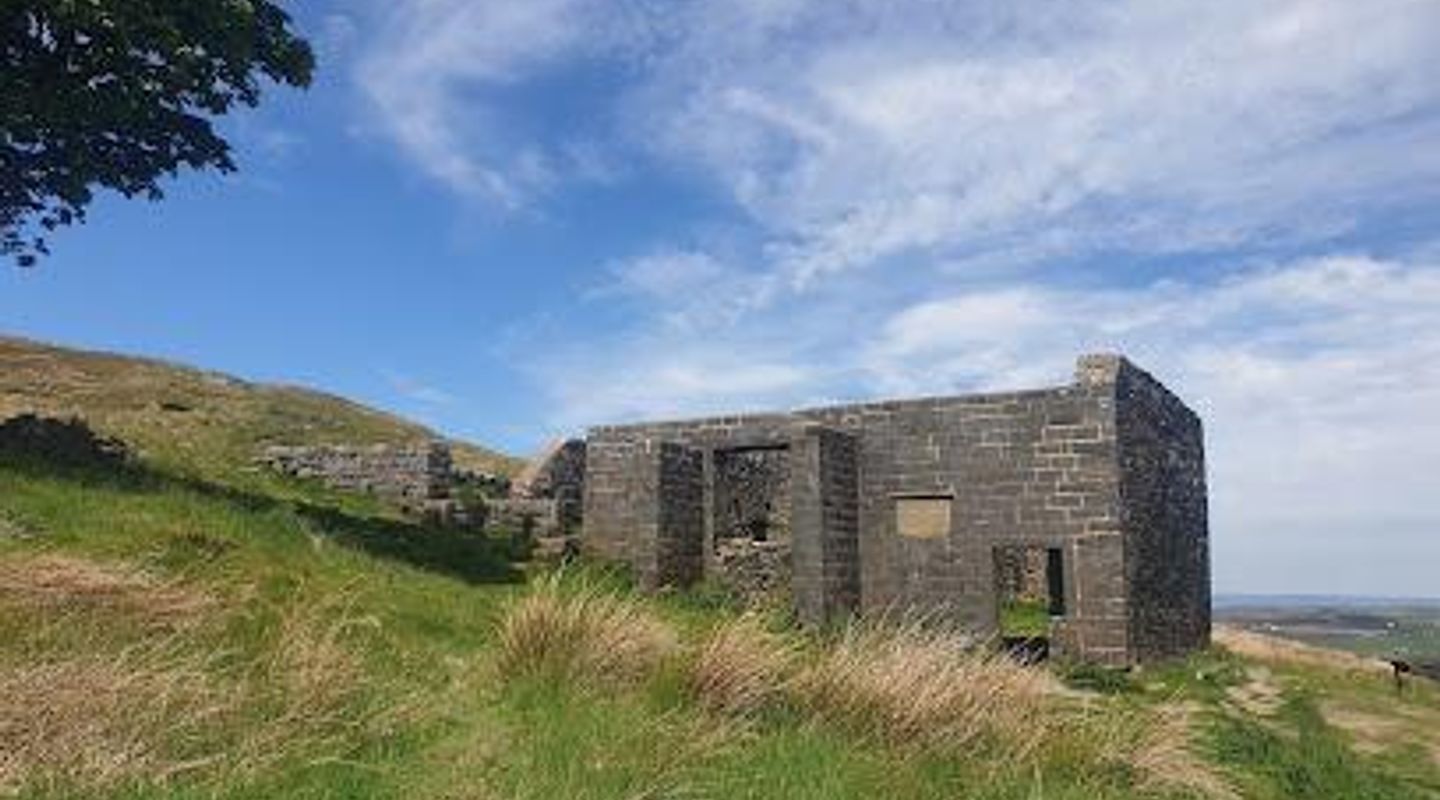
Top Withens is a ruined farmhouse near Hebden Bridge, West Yorkshire, famed as the atmospheric inspiration for Emily Brontë’s Wuthering Heights. Perched on exposed moorland at 420 metres altitude, its remote, windswept setting captures the bleak isolation central to the novel’s mood. Though the building’s structure differs from the fictional house, its evocative location and moorland views have made it a pilgrimage site for literary enthusiasts and hikers alike.
A brief summary to Top Withens
- Hebden Bridge, GB
- Duration: 1 to 3 hours
- Free
-
 Outdoor
- Mobile reception: 3 out of 5

Know before you go
Hi, I'm Eve. Here are a few practical things to know before exploring Top Withens.
- Wear sturdy walking boots and weatherproof clothing; the moorland terrain can be rough and weather unpredictable.
- Visit during daylight hours to fully appreciate the expansive moor views and safely navigate the paths.
- Combine your visit with a walk from Haworth or Stanbury for a full Brontë-themed moorland experience.
- Bring water and snacks, as amenities near the site are limited and the walk can be physically demanding.
- Respect the fragile ruins and surrounding natural environment by staying on marked paths and taking all litter home.
Do you manage this location?
Take control to get all the benefits, like improved information, better appearance, and stronger visibility across AI-powered discovery. Learn more about listing your business on Evendo
Activate your presenceOther nearby places you may find interesting
The closest places of the same kind, if this one is not quite what you had in mind.
Explore Top Withens on the Map
A handpicked selection of must-see spots near Top Withens, mapped for you.
Unlock the Best of Top Withens
Buy tickets
-
No tickets available
Book tours with entry


Book tours without entry
-
No tours available
Getting There
-
Bus and Walking
Take a bus from Hebden Bridge or Haworth to Stanbury, a journey of approximately 20-30 minutes. From Stanbury, follow the well-marked Pennine Way footpath to Top Withens, a 3-4 km walk over moorland terrain that takes about 1-1.5 hours. The path is uneven and exposed, so suitable footwear and weather gear are essential. The bus fare typically ranges from £3 to £6 one way.
-
Car and Hiking
Drive from Hebden Bridge to the parking area near Stanbury or Haworth, approximately 15-20 minutes depending on traffic. Parking is limited and may require a short walk to the trailhead. From there, hike 3-4 km over moorland paths to Top Withens, allowing 1-1.5 hours. Some sections can be muddy or steep, so moderate fitness is recommended. Parking is usually free or low cost.
-
Guided Walking Tour
Join a guided walking tour from Haworth or Hebden Bridge, lasting around 3-4 hours including transport and walking. These tours provide expert insights into the Brontë connection and local history. Prices range from £20 to £40 per person, with seasonal availability. Tours typically include transport to the moor and return.
For the on-the-go comforts that matter to you
-
 Information Boards
-
 Seating Areas
-
 Trash Bins
Discover more about Top Withens
A Storied Ruin Amidst the Yorkshire Moors
Top Withens stands as a haunting ruin on the open moors near Hebden Bridge, at an altitude of approximately 420 metres. Originally constructed in the late 16th century by the Bentley family, this remote farmhouse was once a working laithe-house — a farm with an attached barn — supporting generations of tenant families. Its exposed location atop the moorland ridge offers sweeping views across the landscape, embodying the wild and rugged terrain that inspired Emily Brontë’s depiction of Wuthering Heights. Though the structure itself is modest and now roofless, the site’s isolation and weather-beaten stones evoke the bleakness and tempestuous atmosphere central to the novel’s setting.The Literary Connection That Endures
Top Withens is widely believed to have inspired the location for the Earnshaw family home in Wuthering Heights, Emily Brontë’s only novel published in 1847. This association was popularized by Ellen Nussey, a close friend of Charlotte Brontë, who suggested the farmhouse as a model to an artist illustrating the Brontë works in the 1870s. While the physical building does not match the detailed description in the novel, the isolated moorland site aligns closely with the novel’s themes of wildness and solitude. A plaque affixed to the ruins acknowledges this connection, noting that the building may not resemble the fictional house but the setting certainly influenced Brontë’s imagination.Life and Decline on the Moor
Throughout the 19th century, Top Withens was inhabited by tenant families, notably the Sunderland family, who farmed the land and maintained a modest rural lifestyle. The farm was occupied until the late 19th century, after which it gradually fell into disrepair. In the early 20th century, the local council acquired the property, demolishing nearby farms but preserving Top Withens due to its literary significance. The last resident, Ernest Roddie, an ex-soldier, lived there until the 1920s, enduring harsh moorland winters and the solitude of the remote location. Today, the farmhouse remains a ruin, its crumbling walls a testament to both its history and the enduring power of the Brontë legacy.A Destination for Walkers and Literary Pilgrims
Top Withens is a popular destination for hikers exploring the Pennine Way and the moors around Haworth and Hebden Bridge. The journey to the site traverses wild, open moorland, offering dramatic vistas and a tangible sense of the landscape that shaped Brontë’s writing. Visitors often combine the visit with nearby landmarks linked to the Brontë sisters, such as Ponden Hall and the village of Haworth. The site’s remote nature means it is best suited to those prepared for moorland walking and variable weather conditions, rewarding visitors with a profound connection to England’s literary heritage.The Atmospheric Setting That Inspires
The surrounding moorland, with its windswept heather and rugged terrain, is as much a character in the Brontë story as the farmhouse itself. The stark beauty and isolation of Top Withens encapsulate the wildness and emotional intensity of Wuthering Heights. The two gnarled trees near the ruins, often photographed, contribute to the site’s iconic and melancholic atmosphere. This landscape continues to inspire artists, writers, and visitors who seek to experience the raw environment that fueled one of English literature’s most passionate novels.Preservation and Legacy
Despite its ruinous state and the loss of its roof, Top Withens remains protected as a cultural landmark. It stands as a symbol of the Brontë sisters’ enduring influence and the power of place in literary imagination. Efforts to maintain the site focus on preserving its evocative ruins and surrounding landscape, ensuring that future generations can connect with this emblematic moorland farmhouse. The site’s popularity with international visitors, including many from Japan, underscores its global cultural significance as a pilgrimage destination for Brontë enthusiasts.












Your all‑in‑one travel companion app
Explore expert travel guides, compare and book tours, experiences, hotels, and more—all from the palm of your hand. Download now for seamless trip planning wherever your wanderlust takes you.


Explore More of Leeds

Looking beyond Top Withens? Discover Leeds for broader travel guides, local hot-spots, and regional highlights.
Explore Leeds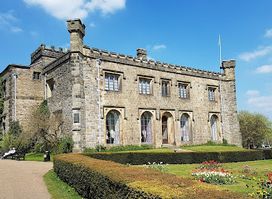
Historic Towneley Hall in Burnley: centuries-old family estate turned museum with fine art, Baroque interiors, and expansive public parkland.
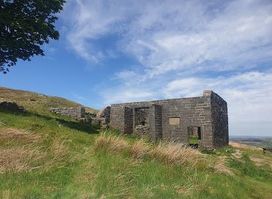
Ruined farmhouse on windswept Yorkshire moors inspiring Emily Brontë’s Wuthering Heights, a must-visit for literary pilgrims and hikers alike.