
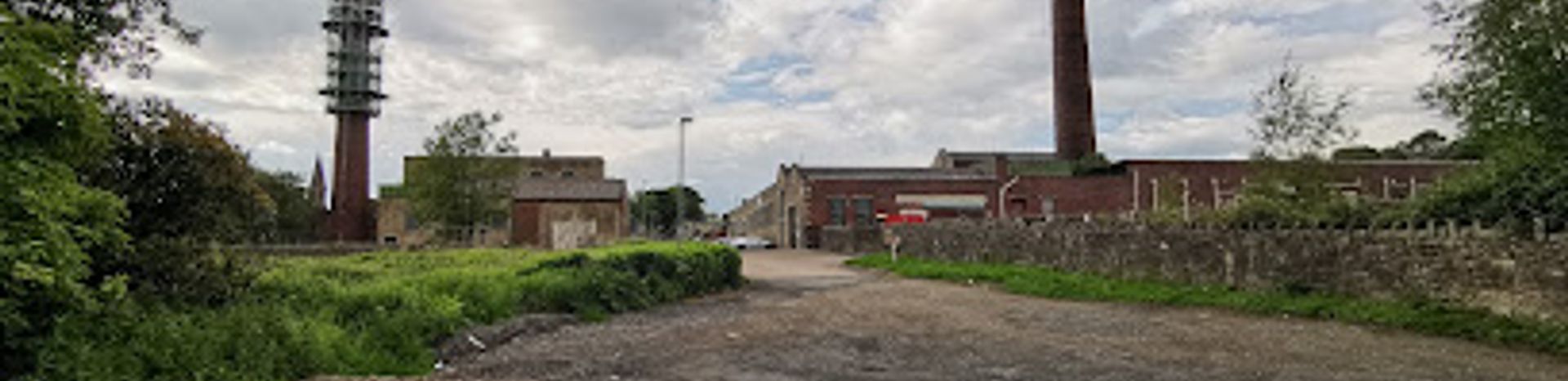
Queen Street Mill Textile Museum
Explore the world’s last steam-powered weaving mill and step back into Lancashire’s rich cotton industry heritage at Queen Street Mill Textile Museum.
Queen Street Mill Textile Museum in Harle Syke, Burnley, Lancashire, is the world’s last surviving 19th-century steam-powered weaving mill. Built in 1894-95, this Grade I listed heritage site offers visitors a vivid glimpse into Lancashire’s cotton industry with original Lancashire looms, a towering 120-foot chimney, and the mighty steam engine ‘Peace’. The museum operates seasonally, showcasing authentic textile production machinery and the industrial landscape of the Victorian era.
A brief summary to Queen Street Mill Textile Museum
- Queen Street Mill, Burnley, Harle Syke, Briercliffe, BB10 2HX, GB
- +441282459996
- Visit website
- Duration: 1.5 to 3 hours
- Budget
-
 Outdoor
- Mobile reception: 4 out of 5
- Wednesday 12 pm-4 pm
- Thursday 12 pm-4 pm
- Friday 12 pm-4 pm
- Saturday 12 pm-4 pm
Local tips
- Plan to spend at least 1.5 hours to fully explore the museum, including guided tours and demonstrations.
- Visit between March and November when the museum is open Wednesday to Saturday from 12pm to 4pm.
- Check the museum’s website or social media for special steam days when the engine 'Peace' is operated.
- Wear comfortable shoes as the museum floors are flagged and uneven in places.
- Take advantage of the nearby café and shop to enhance your visit with local refreshments and souvenirs.

For the on-the-go comforts that matter to you
- Restrooms
- Drink Options
- Food Options
- Seating Areas
- Information Boards
- Visitor Center
Getting There
-
Bus
Take the number 5 bus from Burnley Bus Station to Harle Syke, a journey of approximately 20-30 minutes. The bus runs regularly, making this a convenient and affordable option with fares typically under £5.
-
Car
Drive from Burnley town centre, about 3 miles away, via the M65 motorway junction 12. Parking is available on-site. The drive takes around 10-15 minutes, but traffic can vary during peak hours. There is no parking fee.
-
Walking
For active visitors, walking from Harle Syke village centre to the mill takes about 15-20 minutes over flat but uneven flagged surfaces. Suitable for most visitors but may be challenging for those with mobility issues.
Queen Street Mill Textile Museum location weather suitability
-
 Any Weather
-
 Rain / Wet Weather
-
 Clear Skies
-
 Mild Temperatures
Discover more about Queen Street Mill Textile Museum
A Living Testament to Lancashire’s Cotton Heritage
Queen Street Mill Textile Museum stands as a unique monument to the industrial revolution and Lancashire’s pivotal role in the cotton industry. Constructed between 1894 and 1895 by the Queen Street Manufacturing Company, the mill was designed as a single-storey weaving shed with an adjoining three-storey front block housing offices, warehouses, and the engine and boiler rooms. The mill originally operated 900 Lancashire looms, producing unbleached calico cloth known as grey cloth. Its imposing 120-foot brick chimney remains a defining feature of the Burnley skyline, symbolizing the industrial might of the era.Steam Power and Machinery: The Heart of the Mill
At the core of the mill’s operation is the steam engine named ‘Peace’, a tandem engine built by Roberts of Nelson. This engine powered over a thousand looms via an extensive system of shafts stretching 2,250 feet. The mill’s steam was generated by two Lancashire boilers, fed by water from a mill pond replenished naturally by rain and springs. While only one boiler remains in use today, the site still preserves the original machinery, allowing visitors to witness the authentic workings of a steam-powered mill. The mill’s machinery and operation earned it an Engineering Heritage Award in 2010.From Industrial Powerhouse to Museum Treasure
Queen Street Mill ceased production in 1982 due to economic pressures but was saved from demolition by Burnley Borough Council in 1983. It reopened as a working museum in 1986 and later came under Lancashire County Council’s Museums Service. The museum preserves the mill’s original looms and machinery, offering demonstrations that bring textile manufacturing processes to life. The weaving shed, once housing nearly a thousand looms, now contains about 300 operational looms, maintaining the mill’s legacy as a living heritage site.Architectural and Cultural Significance
The mill is a Grade I listed building, reflecting its exceptional historical and architectural importance. Its design includes north-facing roof windows that provided natural light for workers and a large water lodge that supported steam generation. The mill’s industrial landscape, with its brick chimney and surrounding terraces, paints a vivid picture of the Victorian industrial community. The site has also served as a filming location for notable productions such as The King’s Speech and a 2019 adaptation of A Christmas Carol, underscoring its cultural resonance.Visitor Experience and Educational Value
Visitors to Queen Street Mill can explore the weaving shed, engine house, and boiler rooms, guided by knowledgeable staff who explain the intricate processes of cotton weaving and the social history of mill workers. The museum offers a nostalgic journey into the late Victorian era’s industrial life, with opportunities to see demonstrations of pirn winding, drawing in, and loom operation. The site includes a shop and café, encouraging visitors to spend at least 1.5 hours immersed in this unique heritage environment.Preserving Industrial Legacy for Future Generations
Queen Street Mill Textile Museum not only preserves machinery and buildings but also the stories of the workers and communities shaped by the cotton industry. As the world’s last operational steam-powered weaving mill, it holds an irreplaceable place in industrial history. Its continued conservation and public engagement ensure that this remarkable chapter of Lancashire’s and Britain’s industrial past remains accessible and inspiring.Iconic landmarks you can’t miss

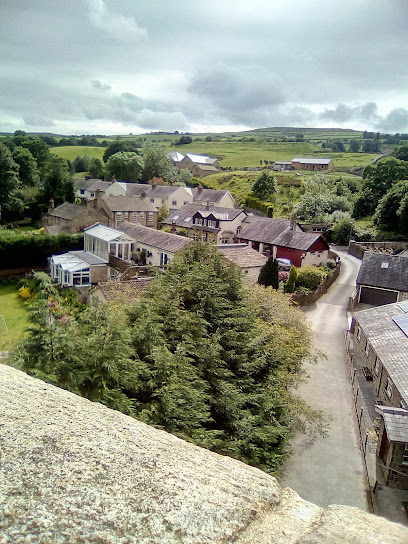
Lumb Viaduct
17.1 km
Discover the historic Victorian Lumb Viaduct, a stunning railway landmark offering scenic walks and cycling across Lancashire’s Rossendale Valley.
Peel Tower
20.6 km
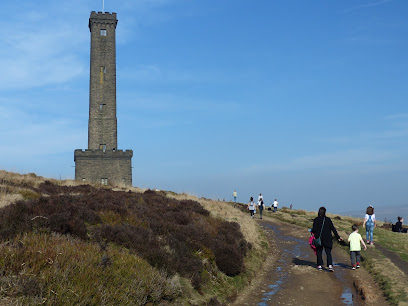
Historic Peel Tower on Holcombe Hill offers panoramic views and a tribute to Sir Robert Peel’s legacy near Bury.
Wayoh Reservoir
22.6 km
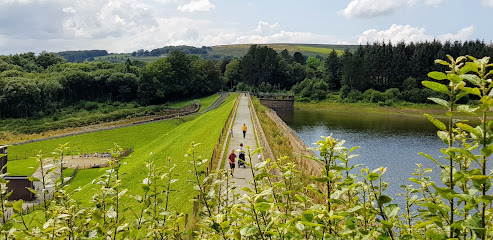
Discover the tranquil beauty of Wayoh Reservoir in Bolton, a perfect retreat for nature lovers and outdoor enthusiasts alike.
Sussex Avenue
24.8 km
Discover the charm of Bury from Sussex Avenue, your convenient gateway to local attractions and experiences in this historic English town.
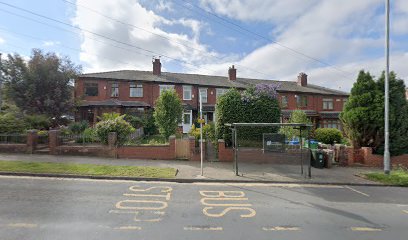
Robert Peel Statue
24.9 km
Honouring Bury’s most famous son: the 1851 bronze statue of Sir Robert Peel, twice Prime Minister and founder of the modern police force.

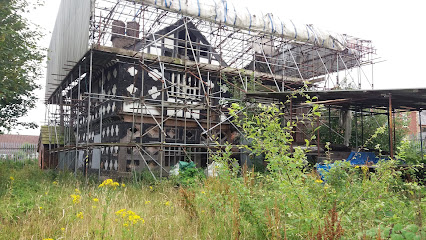
Tonge Hall
29.1 km
Discover Tonge Hall, a rare Elizabethan timber-framed manor in Middleton, blending Tudor grandeur with poignant history and ongoing restoration.
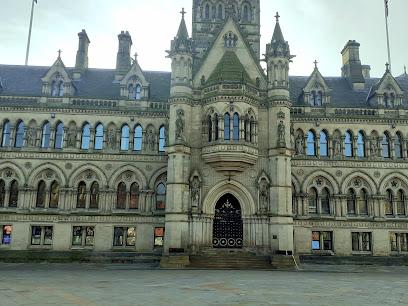
Bradford City Hall
29.5 km
A majestic Victorian landmark in Bradford, blending stunning Venetian Gothic architecture with rich civic history and vibrant cultural life.
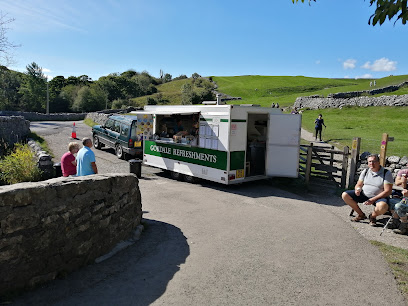
Gordale Scar
29.5 km
Explore the breathtaking beauty of Gordale Scar, a stunning limestone gorge in the heart of the Yorkshire Dales, perfect for adventure and nature lovers.
Bradford Cathedral
29.8 km
Explore the rich history and stunning architecture of Bradford Cathedral, a must-visit spiritual landmark in the heart of Bradford.
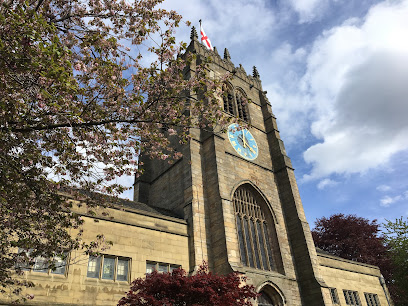
Moses Gate Country Park
30.3 km
Explore the lush landscapes and diverse wildlife at Moses Gate Country Park, a serene destination for families and nature lovers in Bolton.
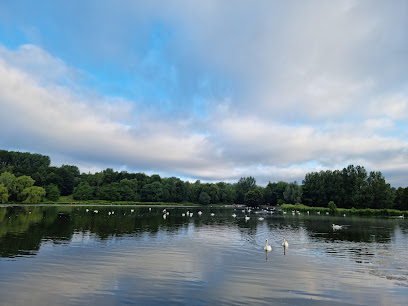
Heaton Park Temple
30.5 km
Discover the tranquil neoclassical Heaton Park Temple, perched atop Manchester’s largest park with stunning city views and rich historic charm.
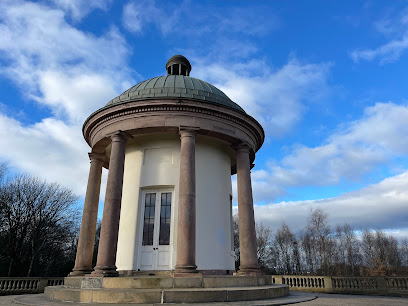
Alance Bridge
30.6 km
Historic stone bridge spanning Yarrow Reservoir, linking Bolton’s industrial heritage with serene natural beauty.

Heaton Hall
30.7 km
Discover Heaton Hall in Manchester, a stunning 18th-century mansion set within beautiful parkland, perfect for history lovers and nature enthusiasts.
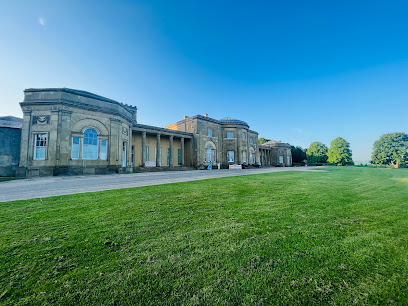
Rivington Pike Tower
30.8 km
Historic 18th-century hunting lodge atop Rivington Pike offering panoramic Lancashire views and rich cultural heritage within scenic Lever Park.
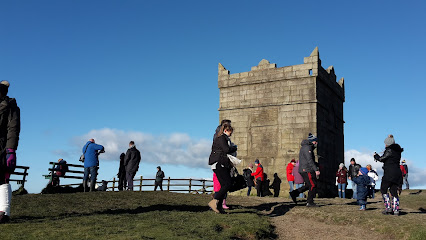
Rivington Pike
30.8 km
Discover the breathtaking views and rich history at Rivington Pike, a perfect hiking destination in Lancashire for nature lovers and adventurers alike.
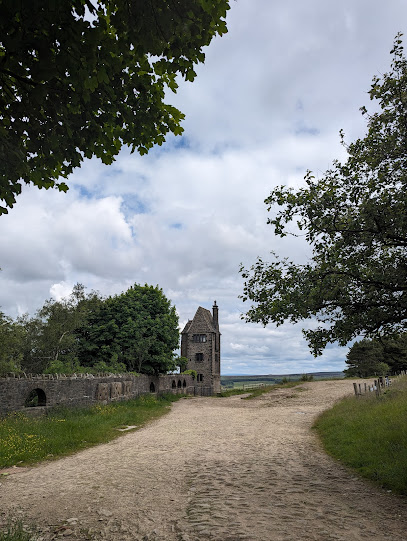
Unmissable attractions to see

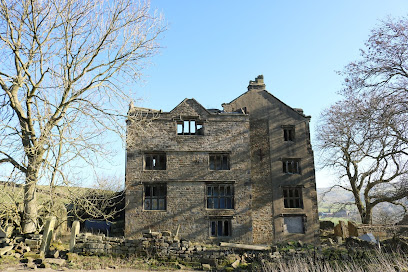
Extwistle Hall
1.3 km
Explore the evocative ruins of Extwistle Hall, a 16th-century Tudor manor perched on Lancashire’s scenic moorland.
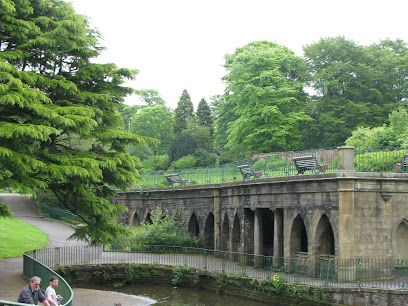
Marsden Park
3.3 km
Explore Marsden Park’s rich Tudor heritage, scenic gardens, and vibrant community spaces in the heart of Nelson, Lancashire.
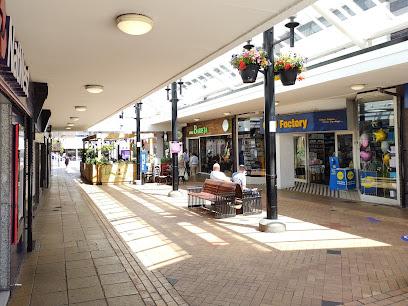
Charter Walk Shopping Centre
3.6 km
East Lancashire’s inclusive shopping hub with over 85 stores, sensory-friendly facilities, and a family-focused atmosphere in the heart of Burnley.
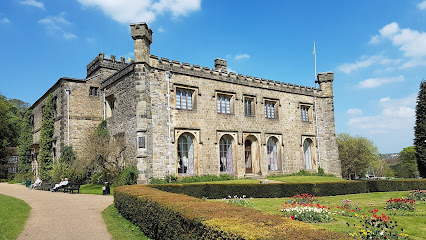
Towneley Hall
4.3 km
Historic Towneley Hall in Burnley: centuries-old family estate turned museum with fine art, Baroque interiors, and expansive public parkland.
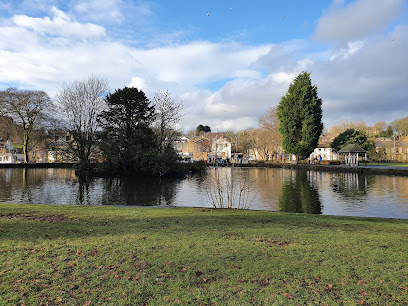
Barrowford Memorial Park
4.8 km
A peaceful memorial park in Nelson blending natural beauty, historic remembrance, and family-friendly recreation.
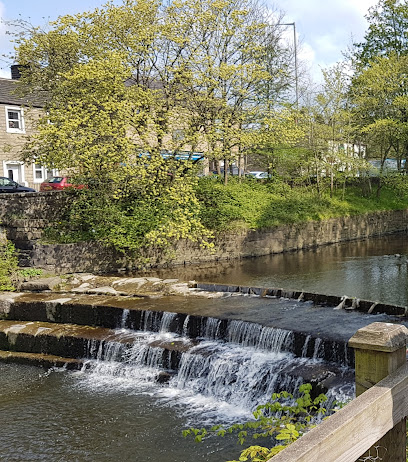
Pendle Heritage Centre
4.9 km
Discover Lancashire’s heritage through historic architecture, witch trials lore, tranquil gardens, and local culture at Pendle Heritage Centre.
Alkincoats Park
5.9 km
Discover Alkincoats Park, Colne’s historic and scenic green space offering gardens, sports, and family-friendly fun across 38 acres.
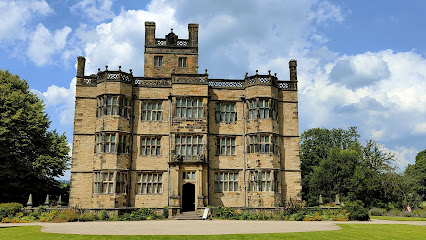
National Trust - Gawthorpe Hall
6.2 km
Discover the enchanting blend of Jacobean architecture, Victorian grandeur, and expansive woodland at Gawthorpe Hall in Lancashire.
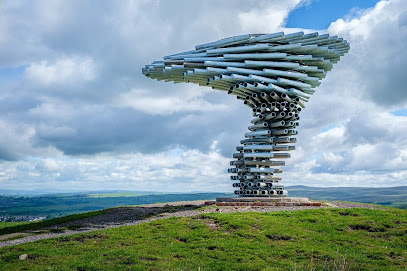
Singing Ringing Tree
6.2 km
Experience Burnley’s iconic wind-powered sculpture that sings haunting melodies while offering stunning panoramic views of the Pennines.
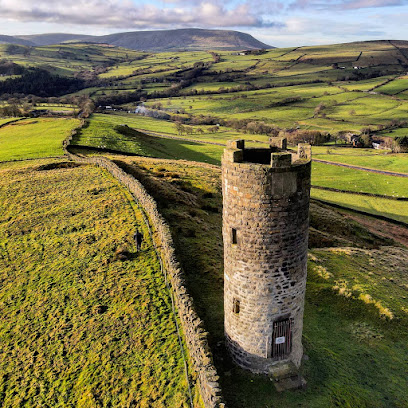
Blacko Tower
7.3 km
A Victorian folly crowning Blacko Hill, Blacko Tower offers sweeping Lancashire views wrapped in history and mystery.
Wycoller Country Park
7.4 km
Historic village and evocative ruins nestled in scenic Lancashire countryside, inspiring literature and offering tranquil walks.
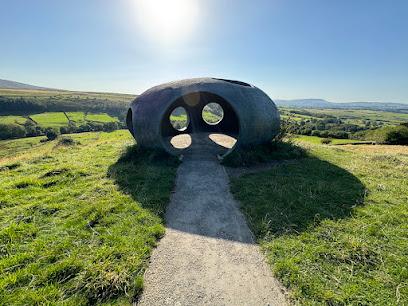
The Atom - Panopticon
8.1 km
A futuristic pavilion framing stunning panoramic views above historic Wycoller village in the heart of Lancashire’s countryside.
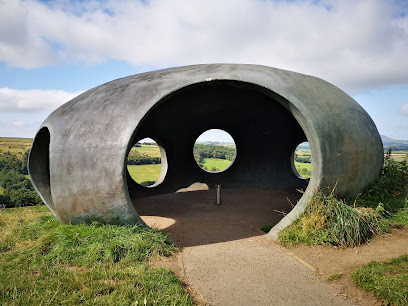
Pendle Hill
9.1 km
Explore Pendle Hill’s legendary landscapes, rich history, and breathtaking views in the heart of Lancashire’s countryside.
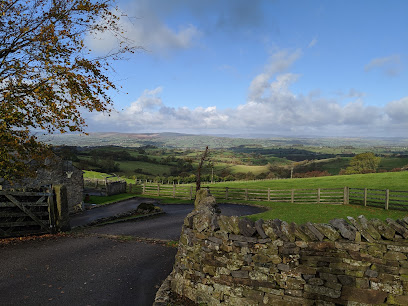
Nick of Pendle
10.3 km
Historic high point near Clitheroe offering stunning views, Bronze Age rock art, and links to the Pendle Witch Trials.
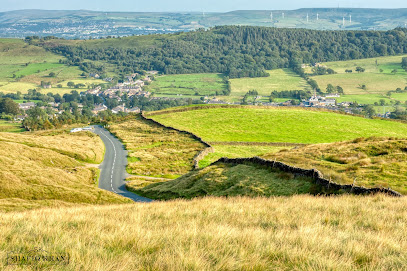
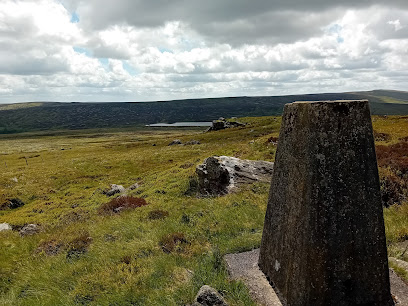
West Yorkshire, North Yorkshire, and Lancashire Tri Point
11.0 km
Discover the quiet meeting place of West Yorkshire, North Yorkshire, and Lancashire where history and moorland landscapes converge.
Essential places to dine

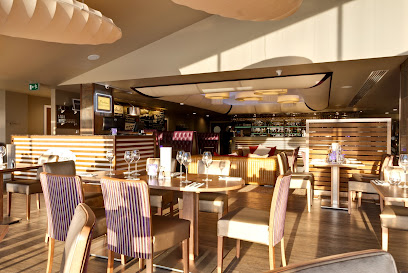
Bertram's Restaurant
3.5 km
Sophisticated adult-only dining with creative British cuisine, cocktails, and stunning countryside views near Burnley.
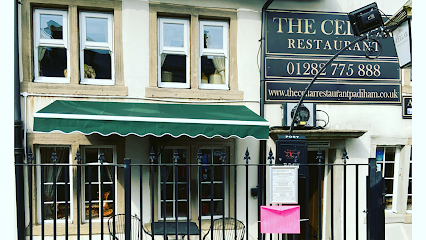
The Cellar Restaurant
7.6 km
Historic charm meets traditional English cuisine in Padiham’s beloved Cellar Restaurant, where hearty meals and warm service await.
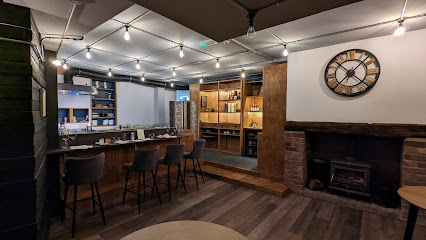
Restaurant Metamorphica
14.4 km
Exclusive fine dining in Haslingden offering innovative British tasting menus in an intimate, handcrafted setting by Chef Steven Halligan.
Artisan Ribble Valley
15.2 km
Experience Modern British cuisine in a stylish setting with local flavors, scenic terraces, and a vibrant cocktail bar in Billington, Clitheroe.
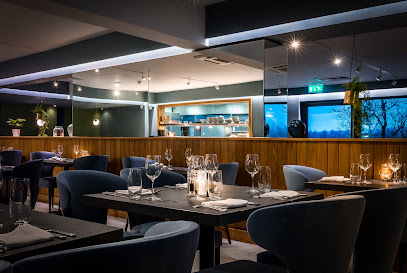
Northcote Hotel & Restaurant
16.2 km
Luxury country house hotel with Michelin-starred dining, elegant rooms, and tranquil Ribble Valley views for a refined countryside escape.

The Bonny Inn
18.9 km
Contemporary British pub with fresh local cuisine, vegan options, and stunning Ribble Valley views in a welcoming, modern setting.
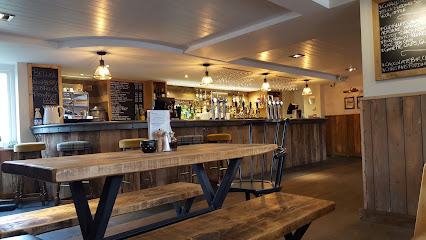
Gimbals Restaurant
22.4 km
Quirky, cozy Modern British dining with Mediterranean flair and warm, personalized service in the heart of Sowerby Bridge.
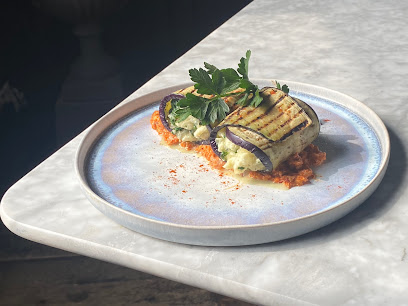
Angels Restaurant
23.7 km
Chic modern British dining in Ribchester’s Ribble Valley, blending seasonal local produce with elegant style and warm hospitality.
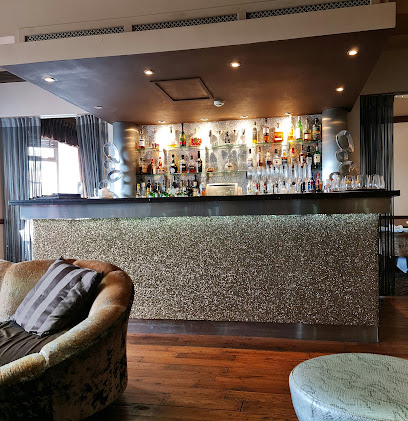
Gibbon Bridge Hotel and Restaurant
24.3 km
Elegant four-star country hotel with fine dining, scenic gardens, and cozy suites nestled in the Forest of Bowland near Preston.
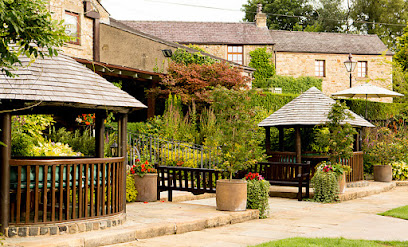
Crowded House Restaurant
27.5 km
A vibrant blend of modern British dining, quirky charm, and lively bar culture in the heart of Bury.
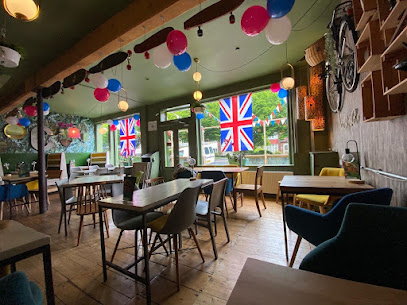
The Box Tree Restaurant
27.8 km
A historic fine dining gem in Ilkley, blending classical French techniques with modern European flair in a charming sandstone setting.
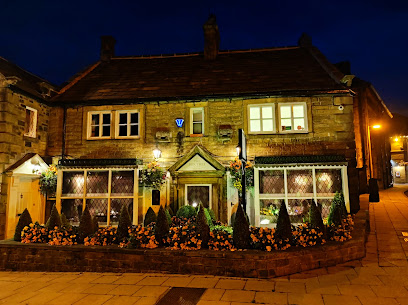
The Lister Arms
28.2 km
Historic 17th-century coaching inn in Malham offering cozy rooms, hearty local cuisine, and a welcoming pub atmosphere in the heart of the Yorkshire Dales.
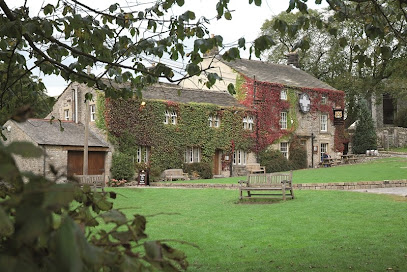
The Secret Garden Bistro
28.3 km
A pioneering plant-based bistro in Malham offering innovative, sustainable dishes in a serene Yorkshire Dales setting.
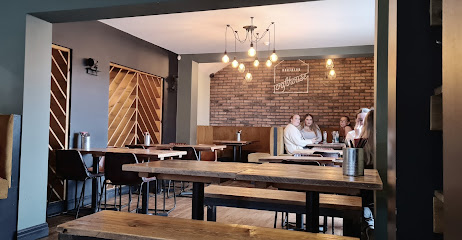
Northern Crafthouse
29.3 km
A vibrant brew house in Whitefield blending modern style, craft beers, and hearty American comfort food in a welcoming atmosphere.
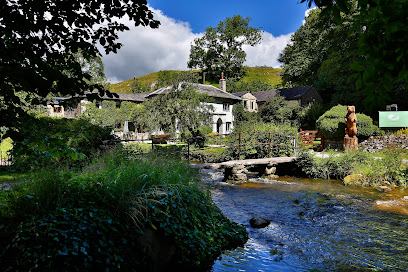
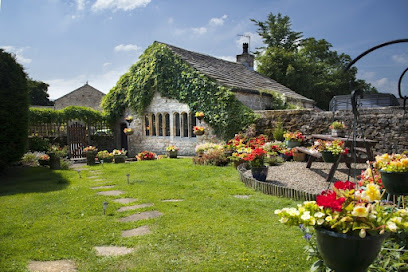
The Old Hall Inn
31.1 km
Historic charm and hearty Yorkshire hospitality await at The Old Hall Inn in the heart of Grassington village.
Markets, malls and hidden boutiques

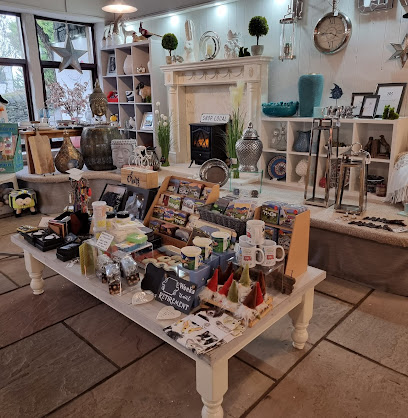
The Old Rock Home & Gifts Shop
5.9 km
A charming village boutique offering unique gifts, homewares, and clothing with warm local hospitality in Trawden, Lancashire.
Witches Galore
6.4 km
A quirky, witch-themed gift shop in Newchurch-in-Pendle, packed with Pendle Witch memorabilia, magical curios and folklore souvenirs.
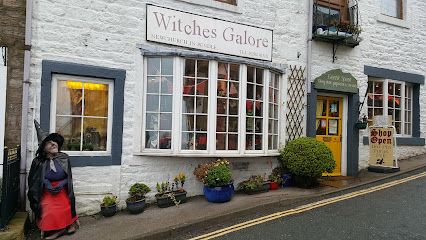
Quirky Gifts
12.4 km
Explore Accrington's most charming gift shop for unique, whimsical treasures that capture the spirit of your travels.
Crissys Gifts For All Occasions
23.8 km
Explore Crissys Gifts For All Occasions in Blackburn for unique gifts and souvenirs that capture the essence of your visit.
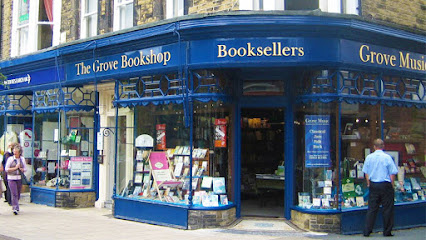
Grove Bookshop
27.8 km
A warm, independent bookshop in Ilkley’s heart, perfect for browsing new releases, children’s books, travel guides and local events.
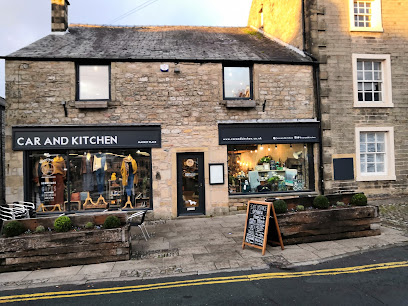
C&K
29.2 km
A charming independent lifestyle store and café in Settle’s Market Place, blending boutique shopping with local flavors and welcoming ambiance.
Market Place Shopping Centre
29.6 km
Explore the lively Market Place Shopping Centre in Bolton, where shopping, dining, and entertainment come together for a memorable experience.

Watershed Mill
29.8 km
Explore Watershed Mill, a charming gift shop and café in Settle, offering unique handcrafted goods and delicious local treats.
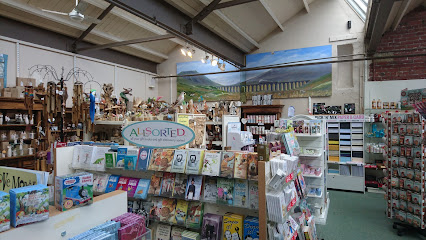
All Things Quirky 4 U
30.2 km
A charming Etsy shop in a historic Huddersfield mill, filled with vintage accessories, handmade jewellery, and quirky gifts with personality.
The Mill Shop
32.7 km
A welcoming gift shop in St Catherine’s Park, Lostock Hall, blending community spirit with unique local crafts and charitable support.
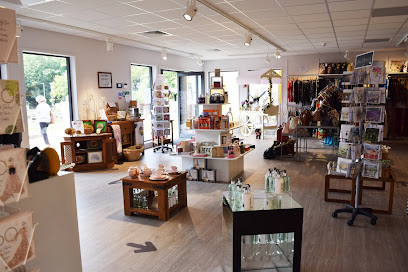
Market Walk
33.1 km
Explore the diverse shopping and dining experiences at Market Walk, Chorley's premier shopping centre with something for everyone.
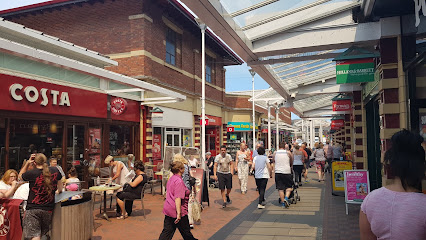
Hidden Wardrobe - Cashmere scarves Leeds | Jewellery Shop | Gift Shop
33.2 km
Discover luxurious cashmere scarves and exquisite jewellery in Huddersfield’s historic Shambles at The Hidden Wardrobe boutique.
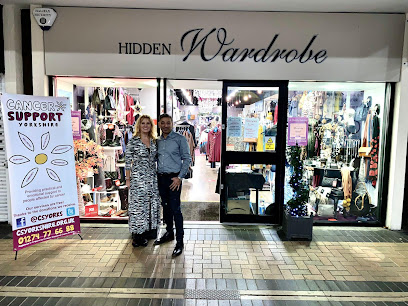
Retrogue Vintage Clothing
33.3 km
Discover unique vintage and designer secondhand fashion treasures in the heart of Preston at Retrogue Vintage Clothing.
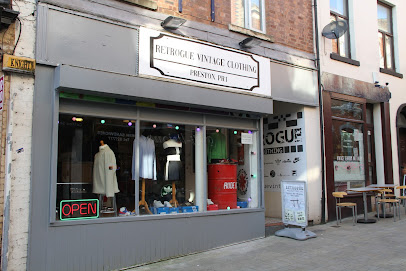
KENJI Preston
33.4 km
Discover an eclectic mix of unique gifts and general merchandise from Asia in Preston’s vibrant KENJI store within St George's Shopping Centre.
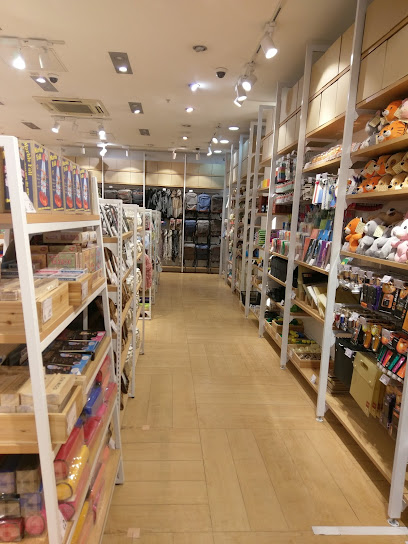
St George's Shopping Centre
33.4 km
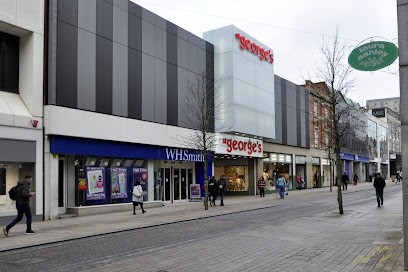
Explore a vibrant shopping experience at St George's Shopping Centre in Preston, filled with diverse stores, eateries, and a lively atmosphere.
Essential bars & hidden hideouts

White Orchid Boutique Bar
12.5 km
Stylish boutique bar in Accrington offering quality drinks, cozy ambiance, and live music for a vibrant social experience.
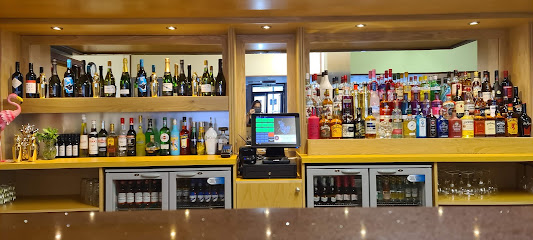
The Kings Wine and Cocktail Bar and Thai at the Kings
14.6 km
A chic cocktail bar and authentic Thai restaurant in Clitheroe offering fresh flavors, elegant ambiance, and warm hospitality.
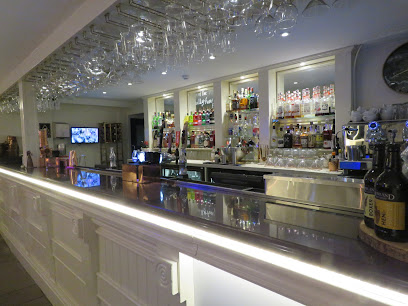
Ribchester Arms
21.5 km
A charming Lancashire inn blending historic roots, hearty gastropub fare, and cozy comfort in the heart of Ribchester.
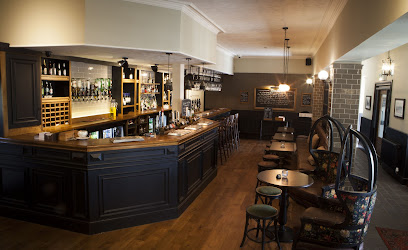
The Nook & Cranny Bromley Cross
26.0 km
A cozy, community-focused tap house in Bromley Cross serving quality cask ales in a warm, inviting atmosphere.
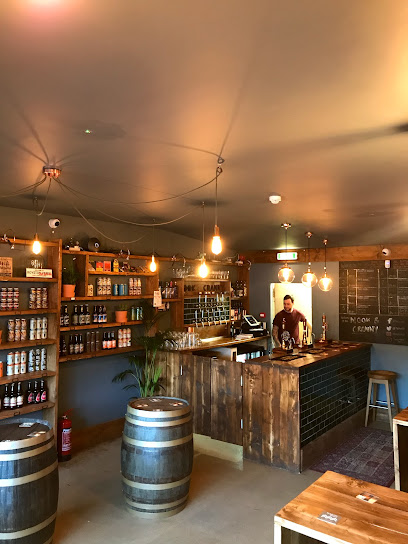
The Stage Door
26.7 km
A cozy, rustic bar and restaurant in Longridge offering expertly crafted cocktails, stone-baked pizzas, and a welcoming atmosphere for relaxed and lively nights.
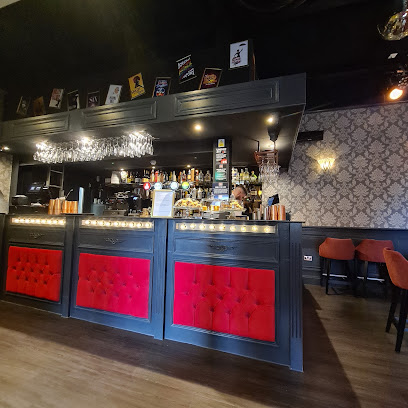
The Buck Inn Malham
28.1 km
A rustic, welcoming pub and inn in Malham offering hearty fare and cozy rooms amid the stunning Yorkshire Dales landscape.
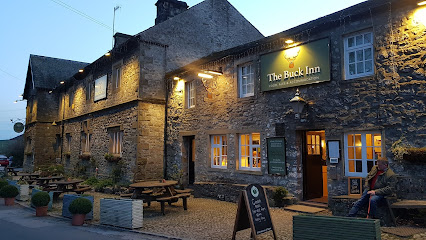
The Plough Grimsargh
28.2 km
A friendly village pub in Grimsargh serving classic British dishes, excellent beers, and hosting lively community events in a warm, welcoming atmosphere.
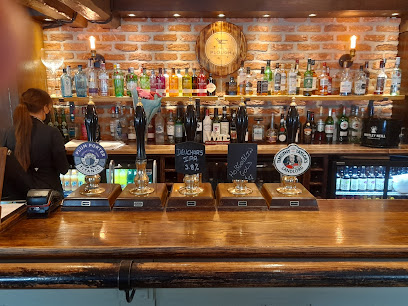
Settle Working Mens Club
29.1 km
Authentic local bar in Settle offering affordable drinks, vibrant community spirit, and a welcoming atmosphere in a historic market town setting.
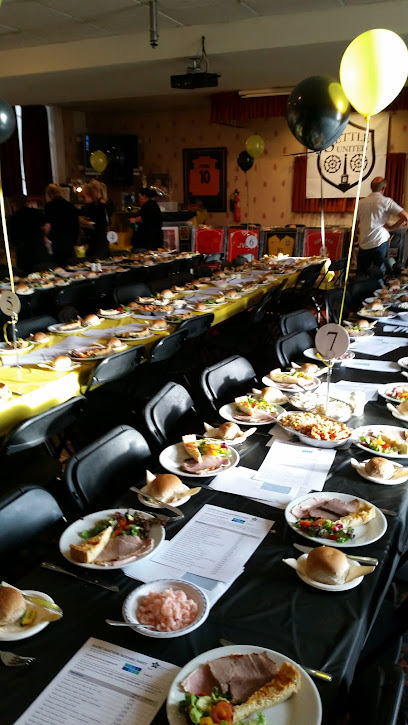
The Dressers Arms | Pub & Rooms
29.7 km
Charming countryside pub and cozy rooms offering hearty food, local ales, and warm hospitality in scenic Wheelton, Chorley.

Piggy Banks
30.2 km
A friendly, affordable bar in Bolton offering a great selection of ales and simple food in a cozy, welcoming setting near the train station.
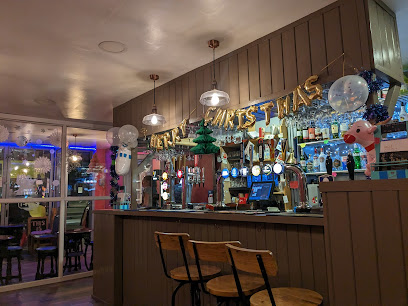
The Stags Head
30.7 km
A charming Lancashire gastropub blending traditional British fare with warm hospitality in the heart of Goosnargh village.
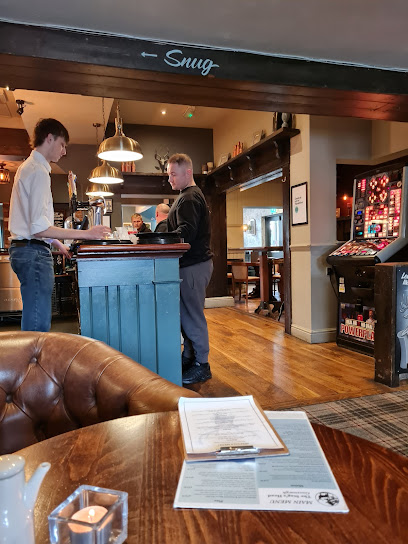
The Gamekeeper's Inn
31.8 km
A charming countryside inn blending rustic hospitality, comfortable stays, and delicious local cuisine in the heart of the Yorkshire Dales.
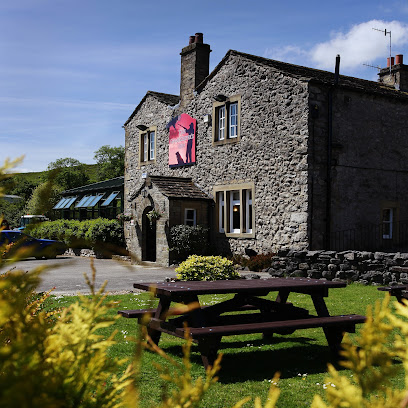
The Rivington
32.4 km
A stylish gastropub in Horwich offering fresh, quality dishes and a welcoming atmosphere for families and friends.
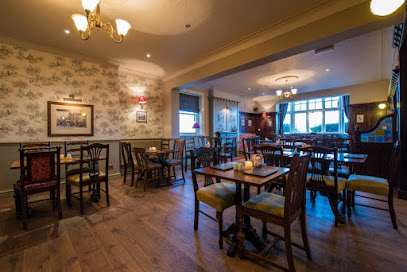
Old Mill
32.7 km
A charming riverside pub in Brighouse blending rustic British tradition with scenic views and hearty cuisine.
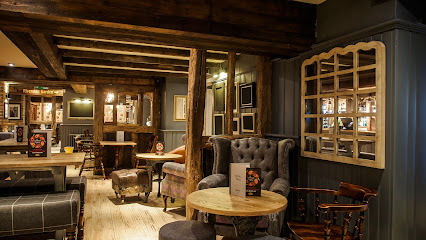
Blitz Venue & Nightclub
32.9 km
Experience Preston’s vibrant late-night scene with live DJs, affordable drinks, and an energetic club atmosphere at Blitz Venue & Nightclub.
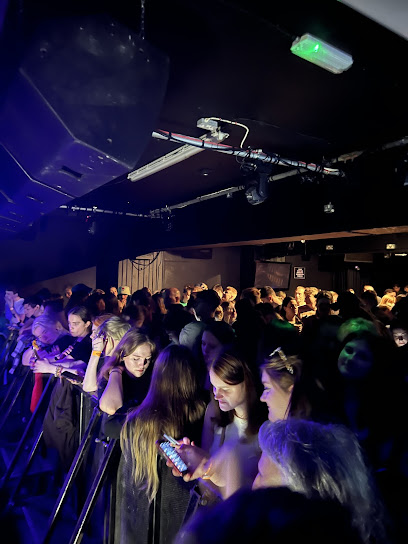
Nightclubs & after hour spots

The Redroom Burnley
3.7 km
Experience Burnley’s vibrant nightlife with The Redroom’s lively music, diverse drinks, and late-night party atmosphere in the town centre.
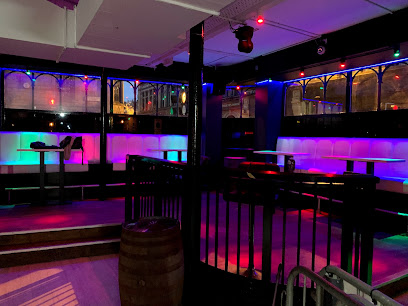
Rendezvous Nightclub & Resteraunt
13.4 km
Vibrant nightclub and restaurant in Whalley offering lively weekend events, diverse music, and friendly service in Ribble Valley’s heart.
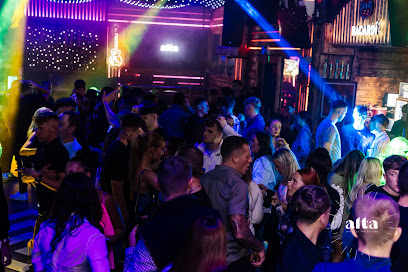
Level Nightclub
29.9 km
Experience Bolton’s vibrant nightlife at Level Nightclub, where dynamic music, affordable drinks, and lively atmosphere create unforgettable nights.
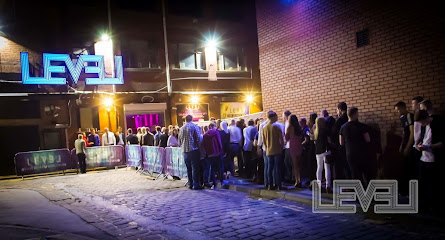
Underground
31.7 km
Experience classic rave vibes and late-night energy at Underground, Bolton’s intimate clubbing hotspot in Farnworth.
The Warehouse
33.0 km
Three floors of diverse music and vibrant nightlife in Preston’s welcoming alternative club scene.
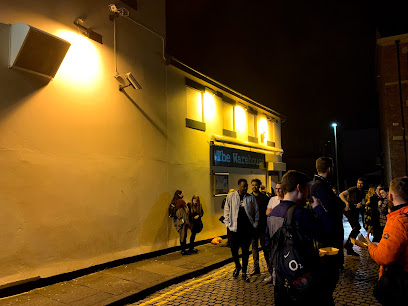
Popworld - Preston
33.1 km
Popworld Preston: Where cheesy pop tunes meet vibrant nightlife and unforgettable party vibes in the heart of the city.
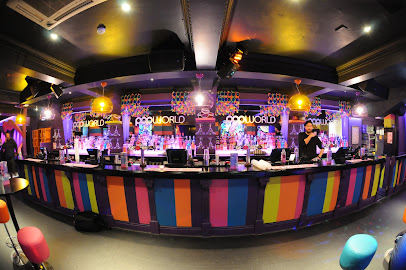
Switch Nightclub
33.3 km
Energetic and affordable nightlife hub in Preston, popular with a middle-aged crowd and known for its lively atmosphere.

Hidden at Downtex Mill
35.7 km
Manchester's raw warehouse nightclub in a historic mill: underground beats, industrial grit, and all-night raves in Cheetham Hill's creative heart.
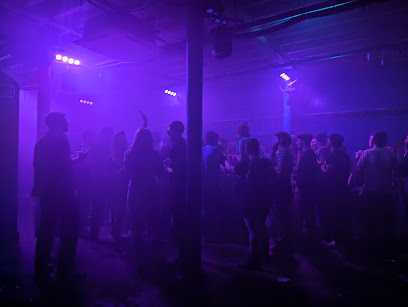
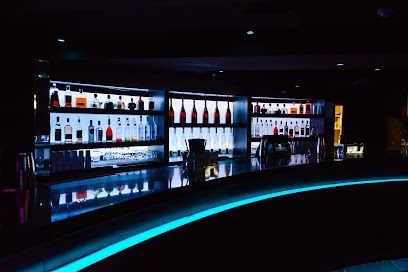
Bijou Club
36.2 km
Manchester's hidden riverside gem: celebrity vibes, secret garden terrace, and LED-lit beats in an exclusive Deansgate nightclub.
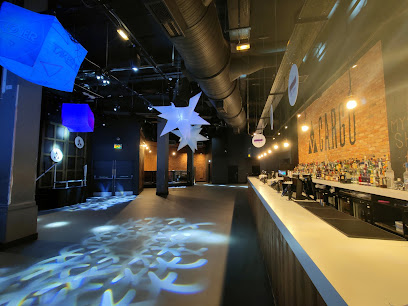
Cargo
36.3 km
Manchester's Printworks powerhouse: light-up dance floors, bottomless brunches, and non-stop beats until dawn in the city's nightlife epicenter.
YDSA Events | Queer Clubbing
36.3 km
Dive into Manchester's most inclusive queer rave: grungy beats, diverse dancers, and unapologetic joy at YDSA Events in Ancoats.
Mint Lounge
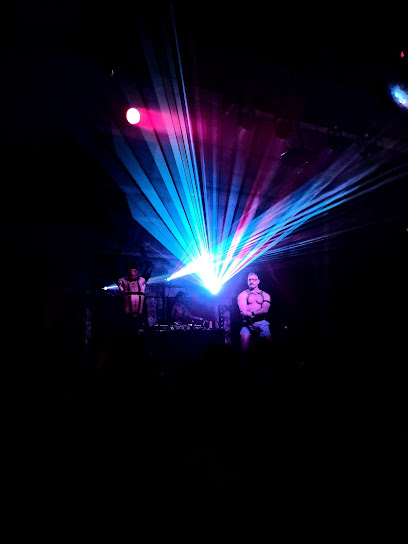
36.4 km
Experience Manchester’s Northern Quarter nightlife at Mint Lounge, a lively club with eclectic music, affordable drinks, and an inclusive vibe.

Funkademia
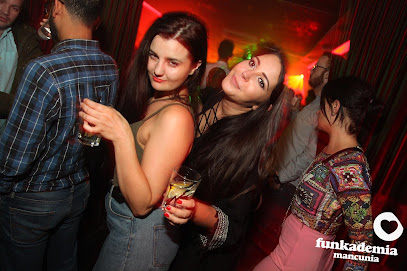
36.4 km
Manchester's longest-running funk and soul night pulses at Mint Lounge in the Northern Quarter—dance to electric disco until dawn in an underground haven.
Aatma
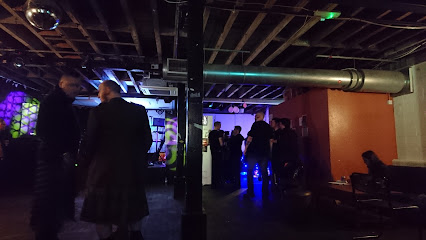
36.5 km
Manchester's underground heartbeat: live beats, pizza slices, and all-night vibes in the Northern Quarter's hidden gem.
Twenty Twenty Two
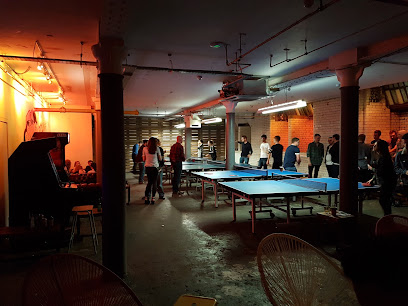
36.6 km
Manchester's gritty basement haven where ping pong battles rage under DJ beats and craft brews flow freely in the Northern Quarter's creative underbelly.
For the vibe & atmosphere seeker
- Historic
- Tranquil
- Scenic
- Unique
For the design and aesthetic lover
- Vintage Styles
- Industrial Designs
For the architecture buff
- Historic
- Landmarks
- Industrial
For the view chaser and sunset hunter
- Iconic Views
- Skyline
For the social media creator & influencer
- Instagrammable
- Photo Spots
- Architectural Shots
For the eco-conscious traveler
- Protected Area
- Public-Transport Accessible
- Locally Managed
- Leave-No-Trace Critical
For the kind of experience you’re after
- Cultural Heritage
- Photowalk
- Day Trip
- Weekend Getaway
For how adventurous you want the journey to be
- Easy Access
Location Audience
- Family Friendly
- Senior Friendly
- Child Friendly
- Teen Friendly
- Wheelchair Access
- Solo Friendly
- Couple Friendly


