
Pontcysyllte Aqueduct, Clwyd Travel Guide
Walk or boat across the world’s longest and highest navigable aqueduct, a stunning UNESCO World Heritage Site in North Wales.
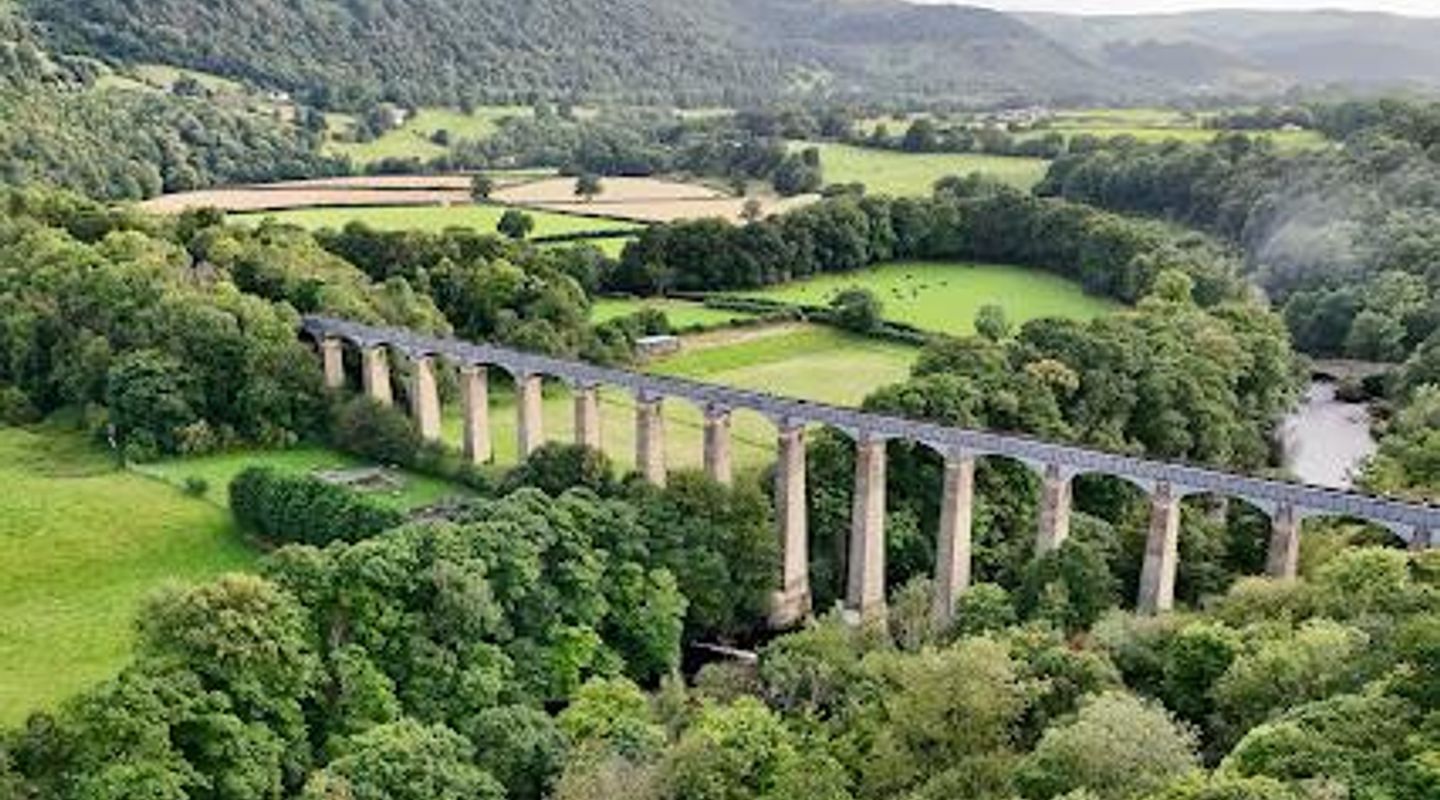
The Pontcysyllte Aqueduct, a UNESCO World Heritage Site near Llangollen in North Wales, is the world's longest and highest navigable aqueduct. Completed in 1805 by Thomas Telford, it carries the Llangollen Canal 307 meters across the River Dee valley, standing 38 meters tall on 19 slender stone piers. Visitors can walk or boat across this spectacular cast-iron and stone structure, enjoying breathtaking views of the surrounding countryside and the Dee Valley.
A brief summary to Pontcysyllte Aqueduct
- Station Rd, Llangollen, Trevor, LL20 7TY, GB
- Click to display
- Click to display
- Duration: 1 to 3 hours
- Mid ranged
-
 Outdoor
- Mobile reception: 4 out of 5

Know before you go
Hi, I'm Eve. Here are a few practical things to know before exploring Pontcysyllte Aqueduct.
- Visit the Trevor Basin Visitor Centre for free interactive exhibits and to learn about the aqueduct’s engineering history.
- Try a canal boat ride across the aqueduct for a unique perspective and serene experience over the Dee Valley.
- Bring a camera to capture breathtaking panoramic views from the aqueduct’s towpath.
- Explore nearby Ty Mawr Country Park for excellent picnic spots and distant views of the aqueduct and surrounding hills.
Do you manage this location?
Take control to get all the benefits, like improved information, better appearance, and stronger visibility across AI-powered discovery. Learn more about listing your business on Evendo
Activate your presenceOther nearby places you may find interesting
The closest places of the same kind, if this one is not quite what you had in mind.

Explore Pontcysyllte Aqueduct on the Map
A handpicked selection of must-see spots near Pontcysyllte Aqueduct, mapped for you.
Unlock the Best of Pontcysyllte Aqueduct
Buy tickets
-
No tickets available
Book tours with entry


Getting There
-
By Car
Access Pontcysyllte Aqueduct via the A539 from the M53 or M56 (North West) or M54 (Midlands). Official car parks are available near Cefn Mawr and Station Road, with designated disabled parking. Avoid parking at Froncysyllte Basin due to limited spaces. Travel time varies from 1 to 2 hours depending on origin. Parking is free.
-
By Train and Bus
Take a train to Chirk or Ruabon stations, then catch the Arriva Bus Wales number 5 service, which runs hourly between 7am and 10pm to stops near the aqueduct and Llangollen. The bus journey from the stations takes approximately 20-30 minutes. Tickets cost around £3-£6.
-
By Heritage Railway
Ride the Llangollen Heritage Steam Railway, which runs a scenic 10-mile route between Llangollen and Corwen. The railway offers a nostalgic travel experience with connections to local bus services for onward travel to the aqueduct. Train tickets range from £10 to £20.
For the on-the-go comforts that matter to you
-
 Restrooms
-
 Seating Areas
-
 Picnic Areas
-
 Trash Bins
-
 Information Boards
-
 Visitor Center
Discover more about Pontcysyllte Aqueduct
A Masterpiece of Industrial Revolution Engineering
The Pontcysyllte Aqueduct stands as a testament to the ingenuity and ambition of the Industrial Revolution. Designed by the renowned civil engineer Thomas Telford and completed in 1805, this aqueduct was a pioneering use of cast iron in large-scale construction. Stretching 307 meters (1,007 feet) in length and soaring 38 meters (126 feet) above the River Dee, it carries the Llangollen Canal across the Dee Valley on 19 slender stone piers. Its construction involved innovative techniques, including cast iron arches supporting a watertight iron trough, which was left filled with water for six months to ensure durability. The aqueduct’s design balances monumental strength with elegant lightness, making it an enduring symbol of engineering excellence.Historic and Cultural Significance
The aqueduct is not only an engineering landmark but also a cultural icon deeply connected to the local community. Its name, Pontcysyllte, means "Bridge of Cysyllte," referencing the nearby township of Cysyllte in the old parish of Llangollen. The aqueduct and the Llangollen Canal, originally part of the Ellesmere Canal, have played a vital role in regional transport and industry since the early 19th century. Today, the site is managed by the Canal and River Trust, which ensures its preservation as a Scheduled Ancient Monument and an Area of Outstanding Natural Beauty. The aqueduct’s UNESCO World Heritage status recognizes its universal value as a masterpiece of creative genius and a landmark of industrial heritage.Visitor Experience and Surroundings
Visitors to Pontcysyllte Aqueduct can enjoy multiple ways to experience this iconic structure. Walking across the narrow towpath offers exhilarating views of the Dee Valley and the surrounding Clwydian Mountain Range. For a more leisurely experience, canal boat rides traverse the aqueduct, allowing you to glide serenely above the river below. Kayaking and paddleboarding are also popular, with the recommendation to kneel on paddleboards for stability. Nearby, the Trevor Basin Visitor Centre provides free interactive exhibits, videos, and puzzles that bring the aqueduct’s history and engineering to life. The surrounding landscape offers picnic spots, scenic walks along the Llangollen Canal, and panoramic viewpoints such as Ty Mawr Country Park.Engineering Details and Unique Features
The aqueduct’s structure is composed of 19 stone piers, each supporting cast iron arches made of four ribs. The canal trough is formed from transverse cast iron plates bolted together and secured to the arches by lugs, allowing slight movement but maintaining watertight integrity. The aqueduct holds approximately 1.5 million litres of water, equivalent to about 18,750 bathtubs. An intriguing feature is a locked plug in the middle of the aqueduct, which is removed every four years to drain the water, a spectacle often involving local schoolchildren. The design cleverly uses Archimedes’ principle, so the weight of boats crossing does not add extra load beyond the displaced water, ensuring structural stability.Community and Events
Pontcysyllte Aqueduct remains a vibrant part of local life and heritage. The Horse Drawn Boat Company continues a tradition of canal boating dating back over 135 years, offering authentic experiences on the water. The aqueduct has hosted special events, including the Olympic torch relay, adding to its historical tapestry. The nearby town of Llangollen complements the visit with its historic buildings, quaint cafes, and cultural attractions. The entire 11-mile stretch of the Llangollen Canal, including the aqueduct, is a designated World Heritage Site, celebrated for its outstanding industrial and natural heritage.Preservation and Accessibility
Managed by the Canal and River Trust, ongoing conservation efforts ensure the aqueduct’s structural integrity and its environment are protected. The site is accessible year-round, with free access to walk the aqueduct and surrounding towpaths. The Trevor Basin Visitor Centre operates seasonally with educational resources. The aqueduct’s setting within an Area of Outstanding Natural Beauty offers a tranquil and scenic experience, combining heritage with nature. Facilities nearby include parking, restrooms, and picnic areas, making it suitable for families and visitors of all ages.












Your all‑in‑one travel companion app
Explore expert travel guides, compare and book tours, experiences, hotels, and more—all from the palm of your hand. Download now for seamless trip planning wherever your wanderlust takes you.


Explore More of Clwyd
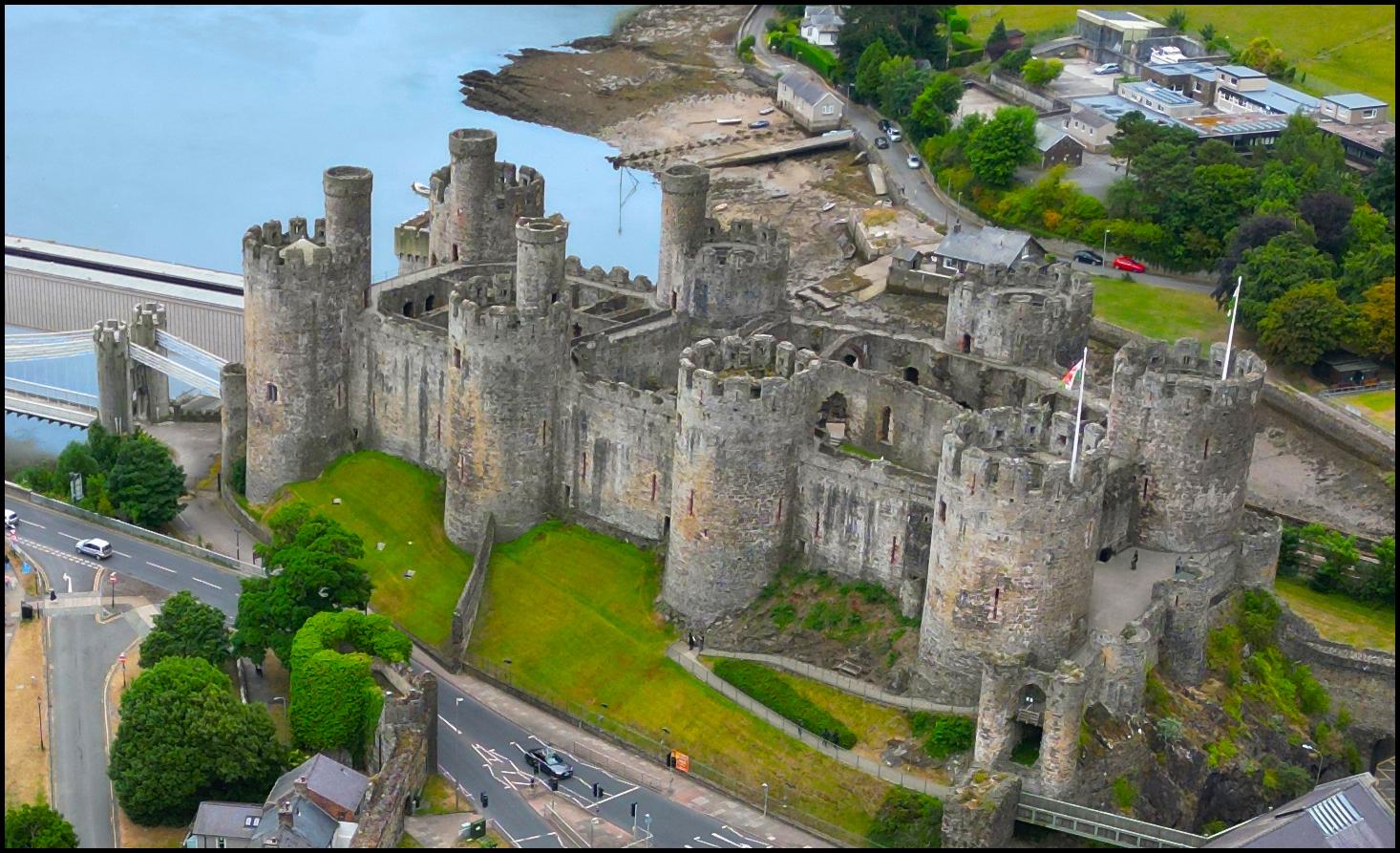
Looking beyond Pontcysyllte Aqueduct? Discover Clwyd for broader travel guides, local hot-spots, and regional highlights.
Explore Clwyd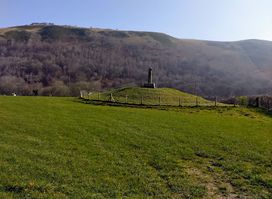
A 9th-century memorial cross atop a Bronze Age cairn, celebrating Welsh royal heritage and historic victories in tranquil North Wales farmland.
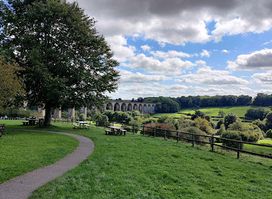
A tranquil 35-acre riverside retreat beneath Cefn Viaduct, blending scenic walks, farm animals, and family-friendly charm in North Wales.
