Eliseg's Pillar Travel Guide
Free Guide: A 9th-century memorial cross atop a Bronze Age cairn, celebrating Welsh royal heritage and historic victories in tranquil North Wales farmland.


A brief summary of Eliseg's Pillar
A 9th-century memorial cross atop a Bronze Age cairn, celebrating Welsh royal heritage and historic victories in tranquil North Wales farmland.
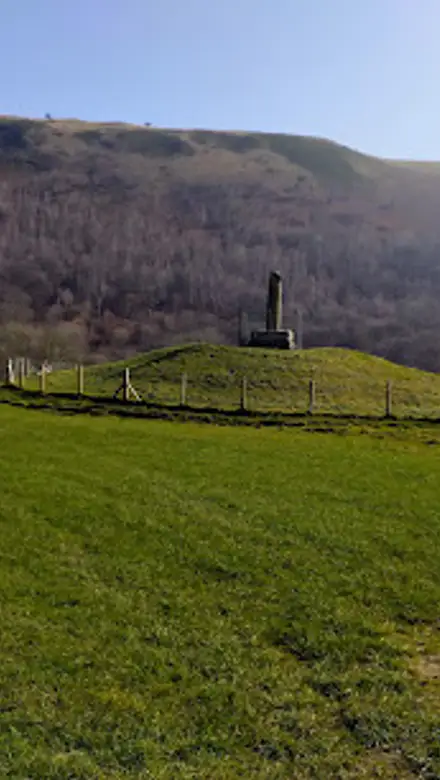
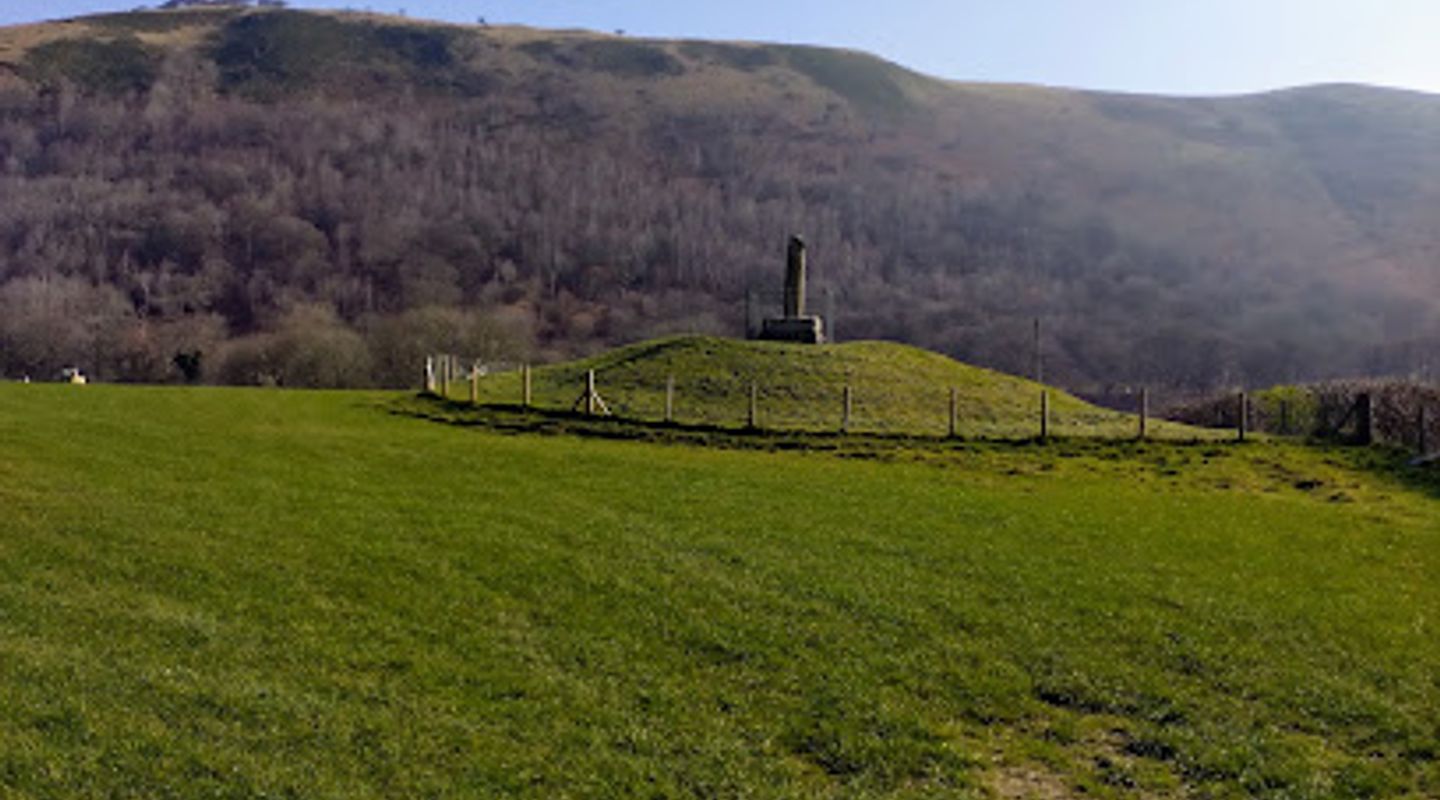
Eliseg's Pillar is a 9th-century stone cross-shaft fragment set atop a prehistoric Bronze Age burial cairn near Llangollen, Wales. Erected by King Cyngen ap Cadell to honor his great-grandfather Eliseg, the monument commemorates historic victories and royal lineage of the Kingdom of Powys. Though weathered, its Latin inscription offers a rare glimpse into early medieval Welsh politics and heritage, making it a significant historical landmark amidst tranquil farmland.
On-site amenities
 Restrooms
 Seating areas
 Information boards
Opening hours
- Every dayOpen 24 hours
Opening hours as listed on the venue’s Google Business Profile. Hours can change for services and special events, so check with the venue before you go.
- Address
- Llantysilio, Llangollen LL20 8DD
Getting there
Car
Train and Walk
Bus
Discover more about Eliseg's Pillar
Origins Rooted in Bronze Age Heritage
Eliseg's Pillar stands on a large artificial mound that predates the monument itself, dating back to the Early Bronze Age around 2000 BC. This kerbed platform cairn was originally a burial site, confirmed by archaeological finds of cremated human remains and burial artefacts such as flint knives and bone pins. The mound’s ancient significance was carefully preserved when the 9th-century cross-shaft was added, symbolically linking the early medieval kingdom with deep ancestral roots.
A Monument to Royal Legacy and Victory
The pillar was erected by Cyngen ap Cadell, ruler of Powys, in the first half of the 9th century to honor his great-grandfather Eliseg ap Gwylog. Eliseg was celebrated for expelling the Mercian Saxons from Powys territory, a feat that marked a defining moment in Welsh resistance and territorial identity. The Latin inscription, once long and detailed, narrated the genealogy of Powys rulers and their heroic deeds, serving as both a memorial and a political statement asserting sovereignty and lineage.
Inscription and Historical Significance
Although the original inscription is now weathered and largely illegible, historical transcriptions reveal it was one of the longest surviving Latin inscriptions from pre-Viking Wales. The text combined genealogical records with legal and political declarations, possibly intended to be read aloud to proclaim rulership and territorial claims. The pillar’s prominence near the Nant Eglwyseg valley made it a visible symbol of power and heritage.
Survival Through Turbulence and Rediscovery
The pillar suffered damage during the English Civil War when it was toppled and its burial disturbed. The lower half disappeared, but the upper half was re-erected in 1779. Subsequent archaeological excavations in the 21st century have deepened understanding of the site’s multiple construction phases and its layered historical importance. Today, it is protected under Cadw, the Welsh historic environment service.
Setting and Visitor Experience
Set within peaceful farmland near Valle Crucis Abbey, Eliseg's Pillar offers a contemplative atmosphere enriched by scenic rural views. The site is accessible via a short walk from nearby parking and lies along a quiet roadside. Its proximity to the abbey, which took its name from the pillar, adds to the cultural resonance of the area, inviting visitors to reflect on the intertwined history of Welsh royalty, religion, and landscape.
Legacy and Cultural Resonance
Eliseg's Pillar remains a potent symbol of Welsh identity and early medieval history. It connects Bronze Age burial traditions with the medieval assertion of power and heritage. The monument’s story, partially revealed through inscription and archaeology, continues to inspire research and fascination, embodying the enduring legacy of the Kingdom of Powys and its rulers.
Evendo Review Centre
 Google
Guest reviews
Best time to go
Quietest: Jan, Feb & Dec · before 7am or at 8pm
Busy times are Evendo estimates for a typical year, to help you plan. Actual crowds vary with events, school holidays and the weather.
Explore Eliseg's Pillar on the map
A handpicked selection of must-see spots near Eliseg's Pillar, mapped for you.
Get your free copy of our complete guide to Eliseg's Pillar, delivered straight to you.
Everything on this page, from opening hours and how to get there to Eve’s tips and the best time to go, in one PDF you can read offline, print or share.
Already have an account? Sign in
Your Eliseg's Pillar guide is ready.
We'll send it to · Not you? Sign out

Getting your guide ready…
We are putting together a fresh copy of the Eliseg's Pillar guide. This can take up to a minute.
This can take a few moments. If your browser asks, choose Allow so the download can start. You'll find the guide in your Downloads folder.
Nothing happened? Download it again
Sorry, the guide is taking longer than usual. Please try again in a minute, or get it by email instead.
Other nearby places you may find interesting
The closest places of the same kind, if this one is not quite what you had in mind.
-
-
-
-
-


Swipe for more places
More to explore near Eliseg's Pillar

 Best experiences near Eliseg's Pillar
 Best hotels near Eliseg's Pillar
 Best landmarks near Eliseg's Pillar
 Best attractions near Eliseg's Pillar
 Best shops near Eliseg's Pillar
 Best restaurants near Eliseg's Pillar
 Best bars near Eliseg's Pillar
Do you manage this location?
Take control to get all the benefits, like improved information, better appearance, and stronger visibility across AI-powered discovery.
Explore more

Explore more of Clwyd
Discover Clwyd: A picturesque region in North Wales, known for its rolling hills, historic castles, and vibrant cultural events.
Explore Clwyd
Explore more of United Kingdom
Discover the United Kingdom: A blend of rich history, stunning landscapes, and vibrant cities, offering a unique travel experience for every visitor.
Explore United Kingdom