
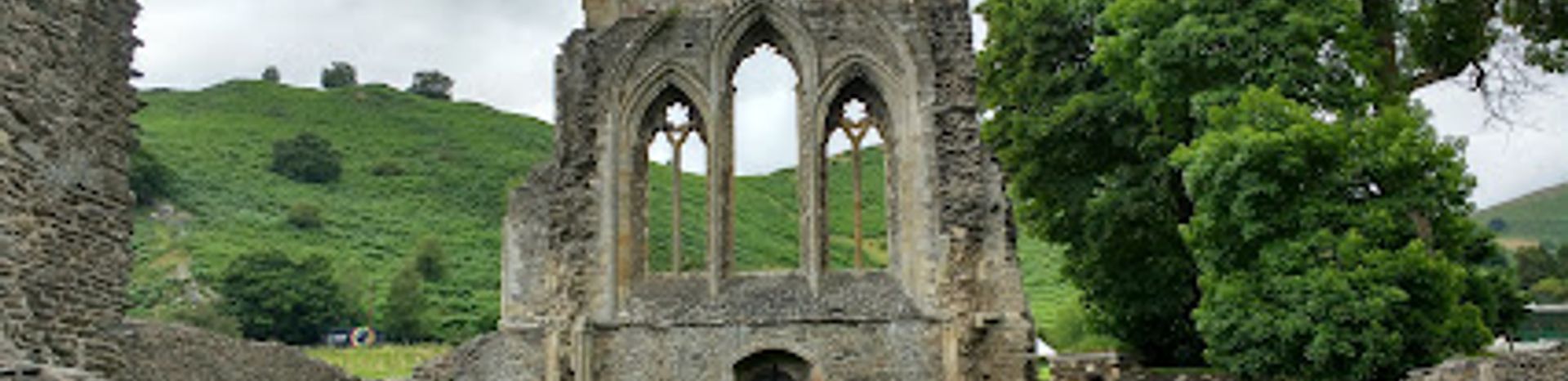
Valle Crucis Abbey: A Majestic Medieval Welsh Monastery
Explore the atmospheric ruins of Valle Crucis Abbey, a majestic medieval monastery famed for lavish feasts and serene Welsh valley setting.
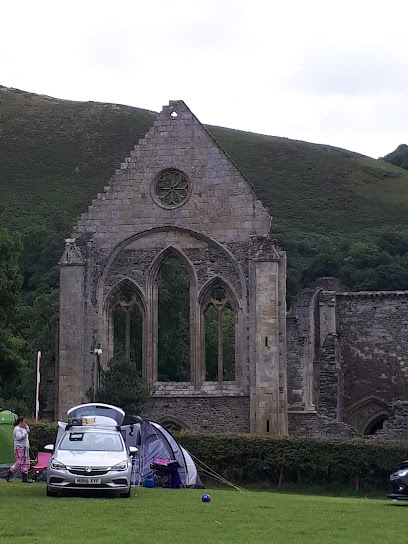
Nestled in the serene Llantysilio valley near Llangollen, Valle Crucis Abbey is a remarkably well-preserved Cistercian monastery founded in 1201. Known for its austere beginnings and later lavish hospitality, the abbey’s atmospheric ruins include a majestic west front, rib-vaulted chapter house, and Wales’ only surviving monastic fishpond. Open year-round with free entry, it offers visitors a tranquil historical escape amid scenic countryside.
A brief summary to Abaty Glyn Y Groes / Valle Crucis Abbey
- Valle Crucis Abbey, Llantysilio, Llangollen, LL20 8DD, GB
- +443000252239
- Visit website
- Duration: 1 to 3 hours
- Free
-
 Outdoor
- Mobile reception: 4 out of 5
Local tips
- Visit early in the day to avoid crowds and enjoy the peaceful atmosphere.
- Take the scenic 40-50 minute walk from Llangollen along the canal for a beautiful approach.
- Wear sturdy footwear as the ruins are mostly grass-laid with some firm paths.
- Check Cadw’s website or social media for any unexpected closures due to weather.
- Stop by the nearby Abbey Farm Cafe for refreshments after exploring the abbey.

For the on-the-go comforts that matter to you
- Restrooms
- Seating Areas
- Information Boards
- Visitor Center
- Drink Options
- Food Options
- Trash Bins
Getting There
-
Car
Driving from Llangollen, the abbey is approximately a 10-minute drive via the A542. Parking is limited with space for about six cars near the entrance, including one disabled spot. Parking is free but can fill quickly during peak times.
-
Bus
Take the X5 bus route from Wrexham to Llangollen, then a local taxi or a scenic 40-50 minute walk along the Llangollen Canal to the abbey. Bus services run several times daily; check local timetables for exact schedules and fares.
-
Walking
From Llangollen town center, enjoy a picturesque 40-50 minute walk along the flat, well-maintained Llangollen Canal towpath leading directly to the abbey. The route is accessible and suitable for most fitness levels.
Abaty Glyn Y Groes / Valle Crucis Abbey location weather suitability
-
 Any Weather
-
 Clear Skies
-
 Mild Temperatures
-
 Rain / Wet Weather
Discover more about Abaty Glyn Y Groes / Valle Crucis Abbey
Origins and Historical Significance of Valle Crucis Abbey
Founded in 1201 by Prince Madog ap Gruffydd and the Cistercian 'white monks,' Valle Crucis Abbey stands as a testament to medieval monastic life in Wales. Its Latin name, meaning 'Valley of the Cross,' references the nearby 9th-century Pillar of Eliseg, linking the abbey to deep Welsh heritage. The abbey endured turbulent times, including damage during the wars of Edward I and the Owain Glyndŵr uprising, yet it remains one of Wales’ best-preserved medieval abbeys, rich with history and legend.Architectural Grandeur and Ruins
Visitors are greeted by the majestic west front of the abbey church, a striking feature that sets the tone for the site. Among the ruins, the rib-vaulted chapter house stands out for its architectural elegance, alongside cloisters and monastic buildings that reveal the abbey’s original layout. The site also boasts the only surviving monastic fishpond in Wales, a rare glimpse into medieval self-sufficiency. The ruins’ atmospheric quality has inspired artists like Turner, who captured their romantic essence.Life at the Abbey: From Austerity to Lavish Hospitality
Initially founded in austerity, Valle Crucis Abbey later gained renown for its lavish hospitality. Poets celebrated its feasts served in silver vessels and the ale said to flow like a river. This transformation reflects the abbey’s growing wealth and importance, rivaling even Tintern Abbey in its heyday before its dissolution by royal decree in 1537. The abbey’s history offers insight into monastic culture and medieval Welsh society.Setting and Visitor Experience
Set in a tranquil valley near Llangollen, the abbey is surrounded by lush green fields and the scenic Llangollen Canal, which provides a picturesque approach. The grounds are laid mostly to grass with firm, level paths, making the site wheelchair accessible. Dogs on short leads are welcome on the ground floor levels. The peaceful environment invites reflection and exploration, with ample opportunities for photography and quiet enjoyment of nature intertwined with history.Access, Facilities, and Practical Information
Valle Crucis Abbey is open year-round during daylight hours, typically from 10am to 4pm or 5pm depending on the season, with closures on Christmas and New Year holidays. Entry is free, and the site is unstaffed outside guided tour periods from May to August. Parking is limited, with a small car park near the entrance including a disabled space. Visitors often enjoy a scenic 40-50 minute walk along the Llangollen Canal from town. Nearby amenities include the Abbey Farm Cafe for refreshments.Cultural Legacy and Continuing Appeal
Beyond its architectural and historical importance, Valle Crucis Abbey holds a special place in Welsh cultural heritage. It is celebrated for its unique blend of austerity and opulence and remains a symbol of medieval Welsh resilience and spirituality. The abbey’s evocative ruins and peaceful setting continue to inspire visitors, scholars, and artists alike, preserving a vital link to Wales’ rich past.Iconic landmarks you can’t miss

Llangollen Bridge
2.3 km
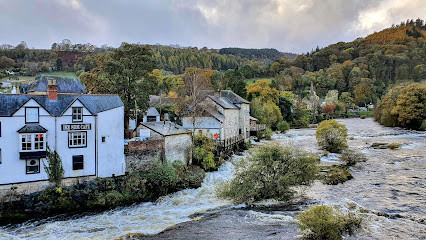
A medieval stone bridge spanning the River Dee, blending centuries of history with stunning river valley views in the heart of Llangollen.
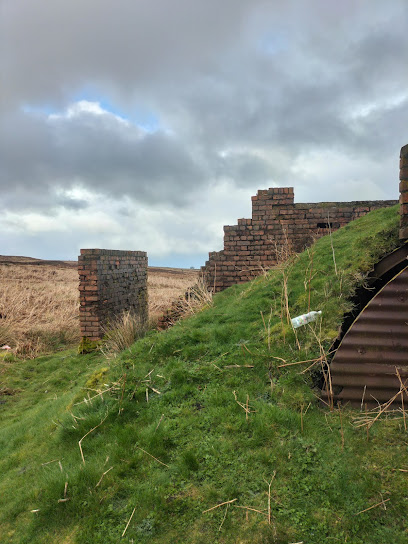
Cae-Llywd Bunker
7.1 km
Explore the Cold War era at Cae-Llywd Bunker, a hidden historical landmark nestled in the scenic landscapes of Llangollen, Wales.
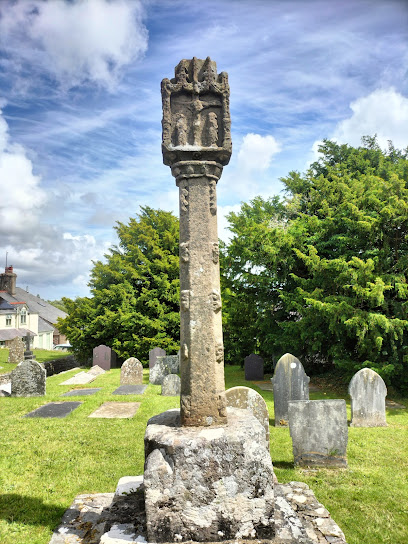
Derwen Churchyard Cross
14.9 km
Explore the intricately carved 15th-century Derwen Churchyard Cross, a rare medieval Welsh monument set in a serene circular churchyard near Corwen.
Tom Pryce Memorial
16.3 km
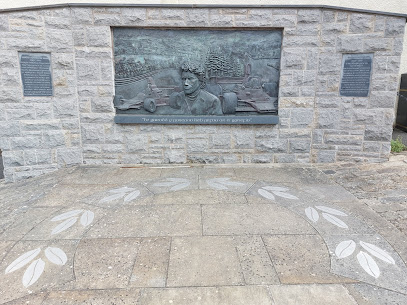
A poignant tribute in Ruthin to Tom Pryce, Wales’ only Formula 1 Grand Prix winner and a motorsport legend remembered for his talent and tragic fate.
Dyfed Drive
26.1 km
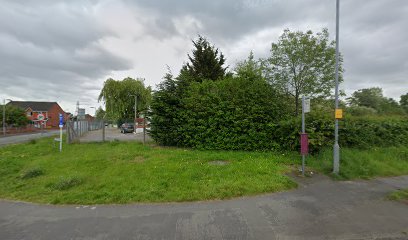
Discover Deeside with ease from Dyfed Drive, your essential bus stop connecting you to local attractions and scenic landscapes.
Denbigh Friary
26.7 km
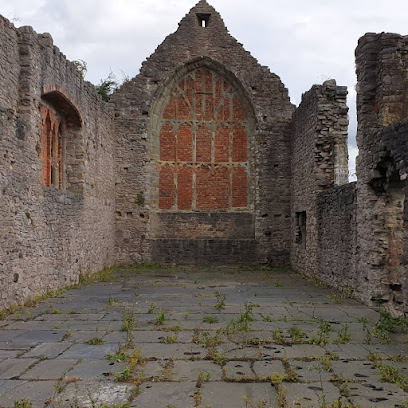
Explore the historic Denbigh Friary, a serene landmark in Wales, offering a glimpse into medieval monastic life amidst beautiful surroundings.
Eaton Hall
26.8 km
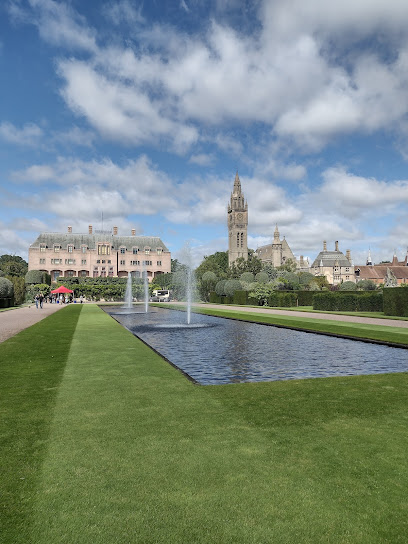
Explore the historical elegance of Eaton Hall, a stunning museum in Chester, surrounded by enchanting gardens and rich heritage.
Glan Clwyd Isa
26.9 km
Discover the charm of Glan Clwyd Isa, your perfect self-catering accommodation in the enchanting Welsh countryside, close to Denbigh's historic attractions.
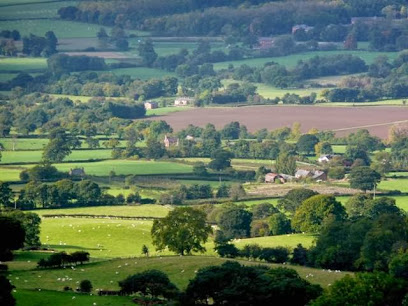
The Dinorben Arms
28.2 km
Experience authentic Welsh hospitality at The Dinorben Arms, a charming pub in Bodfari, offering delicious local cuisine and a warm atmosphere.
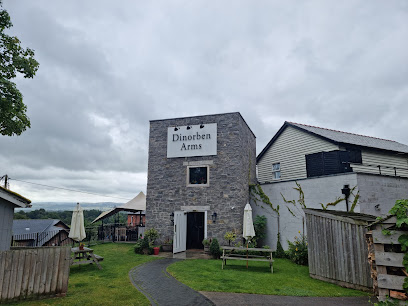
Tomen y Bala
28.7 km
Discover Tomen y Bala, a captivating castle ruin in Bala, Wales, where history meets breathtaking natural beauty.
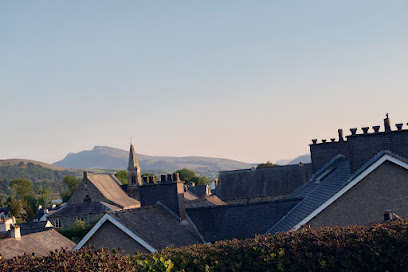
Vale of Clwyd
29.1 km
Explore the breathtaking Vale of Clwyd, a stunning ravine in Denbigh, Wales, rich in history and natural beauty, perfect for outdoor adventures.

Overleigh Water Tower
29.2 km
Discover the Overleigh Water Tower, a stunning historical landmark in Chester, offering a blend of rich heritage and scenic beauty for all visitors.
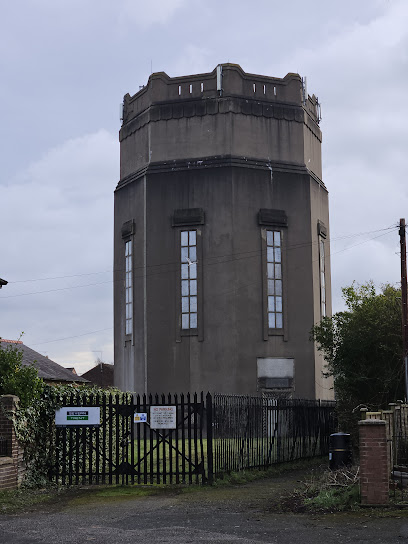
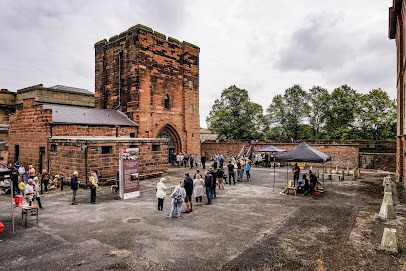
Chester Castle: Agricola Tower and Castle Walls
29.4 km
Explore the historical grandeur of Chester Castle, featuring the iconic Agricola Tower and majestic castle walls, a perfect destination for history lovers.
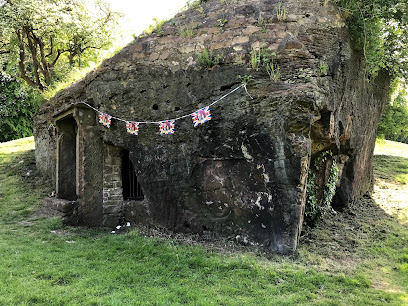
Goddess Minerva's Shrine
29.5 km
Explore the serene beauty of Goddess Minerva's Shrine in Handbridge, Chester, a captivating blend of history and tranquility amidst lush surroundings.
Statue of Queen Victoria
29.5 km
Explore the Statue of Queen Victoria in Chester, a stunning tribute to British history amidst charming streets and vibrant culture.

Unmissable attractions to see

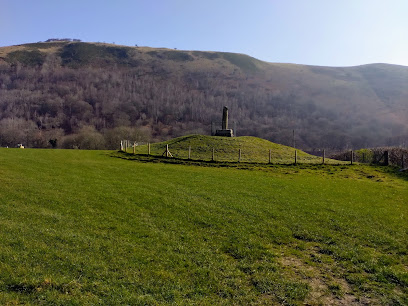
Eliseg's Pillar
0.4 km
A 9th-century memorial cross atop a Bronze Age cairn, celebrating Welsh royal heritage and historic victories in tranquil North Wales farmland.
Llangollen Motor Museum
0.6 km
Discover a packed private collection of vintage cars and motoring memorabilia in the scenic Welsh countryside at Llangollen Motor Museum.
Llangollen Canal Towpath Llangollen
0.7 km
A serene towpath along a historic Welsh canal, blending iconic engineering with peaceful countryside walks and family-friendly outdoor fun.
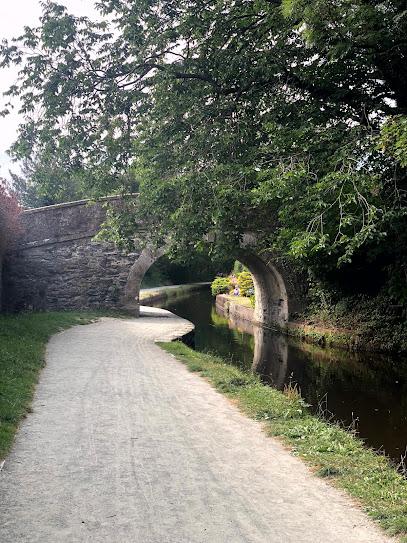
Horseshoe Falls
1.2 km
Discover the historic Horseshoe Falls, a stunning horseshoe-shaped weir blending industrial heritage with tranquil Welsh countryside charm.
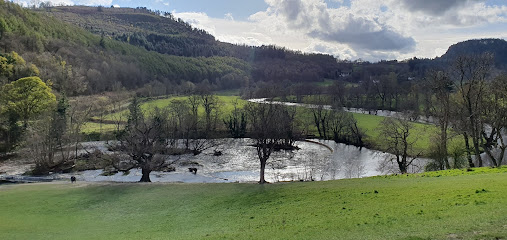
Castell Dinas Brân
2.1 km
Explore the evocative hilltop ruins of Castell Dinas Brân, where medieval history meets sweeping views over the Dee Valley.
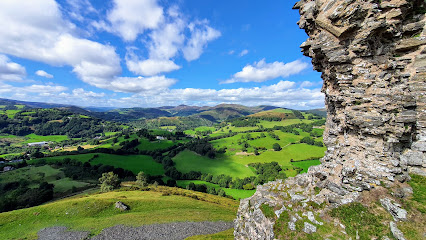
Llangollen Museum
2.3 km
Discover the rich heritage of North Wales through engaging exhibits and local stories at Llangollen Museum.
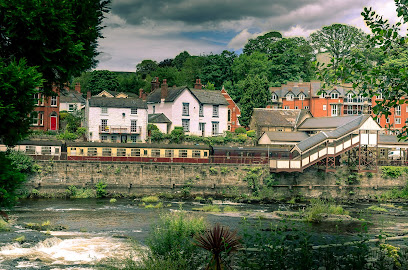
Safe and Sound Outdoors
2.4 km
Experience thrilling whitewater rafting adventures on the scenic River Dee with expert guides at Safe and Sound Outdoors in Llangollen.

Llangollen
2.4 km
Discover Llangollen’s enchanting blend of medieval history, scenic river valley beauty, and charming heritage railway adventures in North Wales.
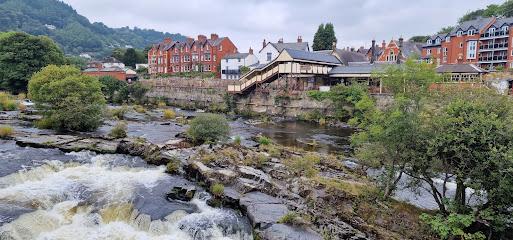
Plas Newydd Historic House & Gardens Llangollen
2.8 km
Explore the Gothic fantasy home and serene gardens of the Ladies of Llangollen, a unique historic retreat in North Wales.
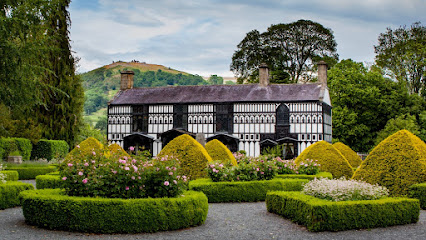
World's End
4.6 km
Discover the dramatic cliffs, historic limekilns, and tranquil valley of World's End, a nature reserve rich in heritage and natural beauty near Wrexham.
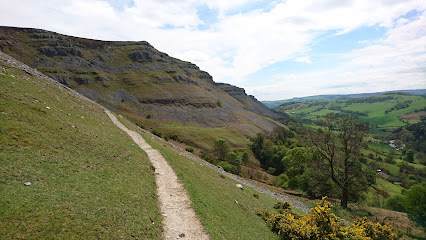
Moel Morfydd
4.7 km
Discover Moel Morfydd, a tranquil hill near Bryneglwys offering scenic hikes and breathtaking Welsh countryside views.
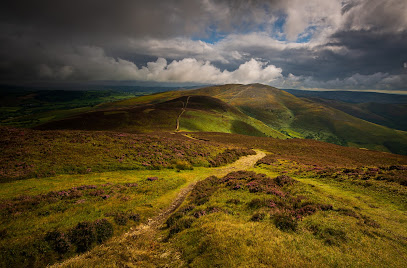
Pontcysyllte Aqueduct
6.9 km
Walk or boat across the world’s longest and highest navigable aqueduct, a breathtaking feat of engineering soaring over the Dee Valley.
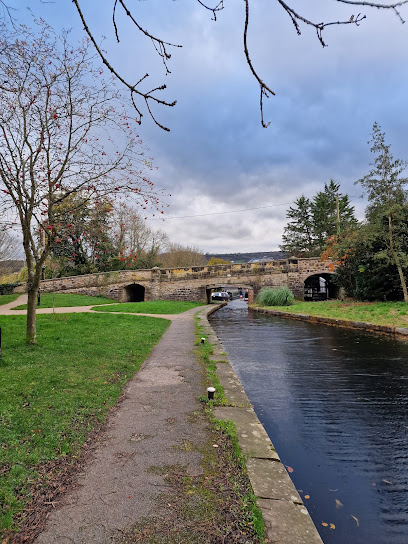
Tŷ Mawr Country Park
8.3 km
A tranquil 35-acre riverside retreat beneath Cefn Viaduct, blending scenic walks, farm animals, and family-friendly charm in North Wales.
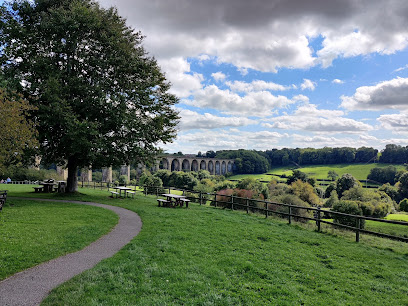
National Trust - Chirk Castle
8.8 km
Explore a majestic 13th-century fortress with stunning gardens and 480 acres of scenic parkland in the heart of the Welsh Marches.
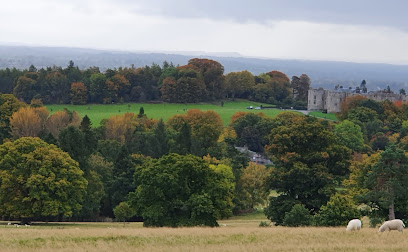
Clwydian Range & Dee Valley National Landscape
9.8 km
Rolling hills, ancient hillforts and the winding River Dee in northeast Wales’ protected landscape of wild beauty and quiet charm.
Essential places to dine

Dee Side Cafe Bistro
2.3 km
Riverside bistro in Llangollen serving hearty home-cooked meals with generous portions and a welcoming, casual atmosphere.
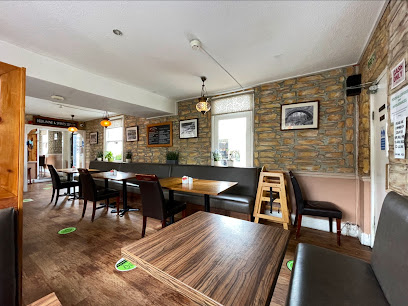
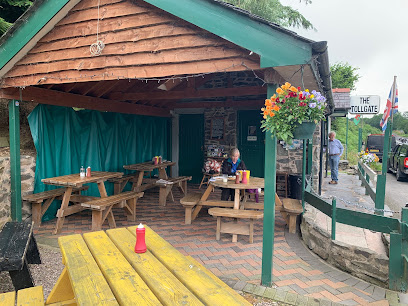
Tollgate Cafe
3.3 km
Charming countryside café near Glyndyfrdwy offering fresh home-cooked meals, scenic views, and warm Welsh hospitality.
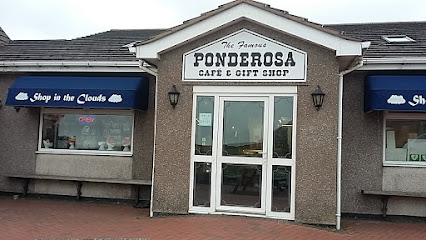
Ponderosa Cafe
4.1 km
Classic British cafe with hearty fare and breathtaking views at the Horseshoe Pass, a beloved stop for travelers and bikers alike.
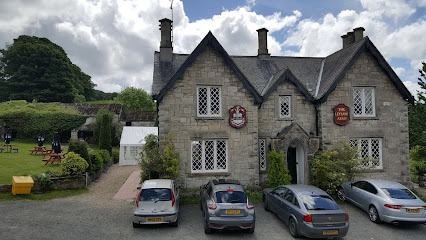
The Leyland Arms
11.4 km
Historic stone-built pub in Llanelidan offering traditional Welsh hospitality, local cuisine, and cozy self-catering accommodation.
Three Pigeons Inn
11.8 km
Historic Welsh inn offering hearty meals, warm hospitality, and scenic views in the charming village of Graig-fechan.
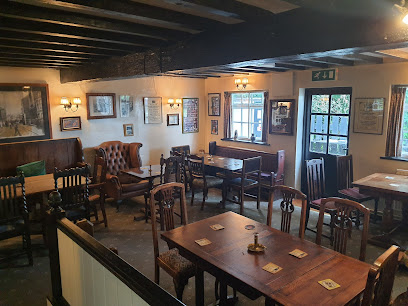
Small Plates Ruthin
16.2 km
Discover Small Plates Ruthin, where intimate sharing plates meet warm ambiance in the heart of historic North Wales.
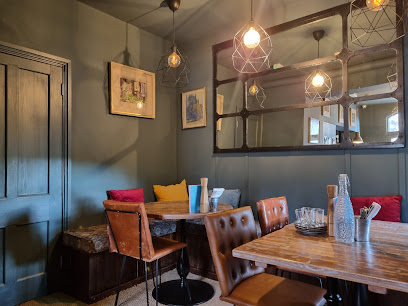
The Farmers Arms
16.3 km
A charming Welsh pub and restaurant in Ruthin offering traditional cuisine, local ales, and a warm, lively atmosphere.
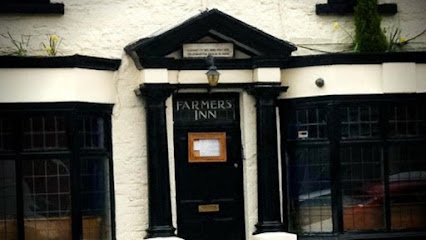
Druid Inn
16.5 km
A cozy country pub and guesthouse in Llanferres offering hearty Welsh fare, local ales, and warm hospitality amid stunning rural landscapes.
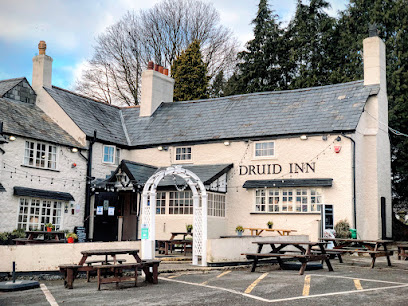
Prezzo Italian Restaurant Oswestry
16.9 km
Authentic Italian dining in Oswestry with fresh ingredients, diverse menus, and a warm, welcoming atmosphere for every occasion.
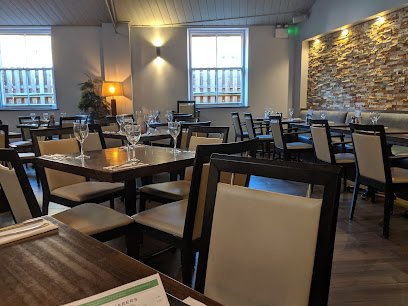
The Berwyn Restaurant
18.2 km
Experience exquisite British and European cuisine in a cozy, welcoming setting at The Berwyn Restaurant in the heart of Llandrillo.
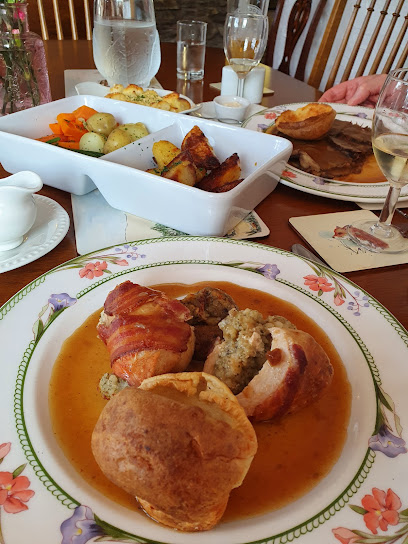
Tyddyn Llan
18.6 km
A refined country house hotel and Michelin-grade dining nestled in the tranquil landscapes of North Wales’ Dee Valley.
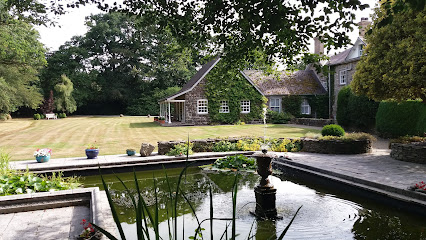
The Drovers Rhewl
18.8 km
A warm and welcoming country pub near Ruthin serving delicious traditional fare and real ales in a cozy village setting.
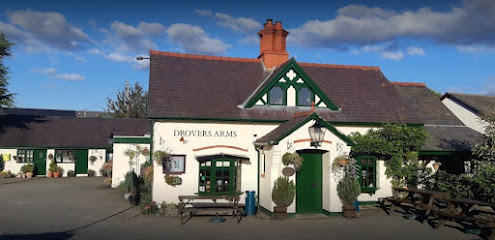
Croes Howell Restaurant & Bar
18.8 km
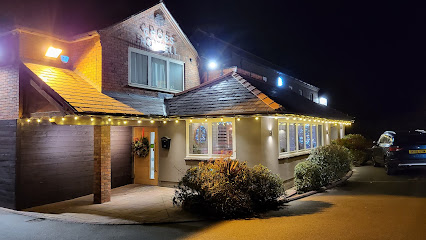
A welcoming British restaurant and bar in Llay, blending hearty cuisine, scenic surroundings, and versatile event spaces.
Belvedere
19.7 km
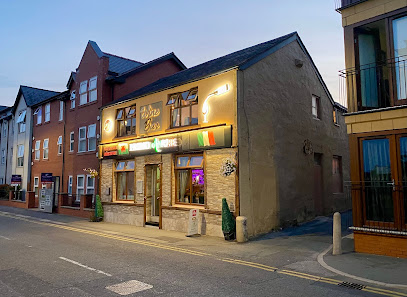
Authentic Italian flavors and warm ambiance await you at Belvedere, Mold’s cherished Italian restaurant on Wrexham Street.
Primo Amore Italian Restaurant Mold
19.9 km
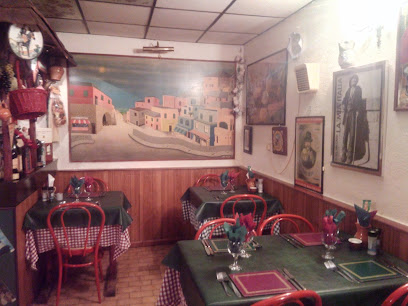
Authentic Southern Italian flavors and lively ambiance await at Primo Amore, Mold’s beloved Italian dining destination.
Markets, malls and hidden boutiques

Chapel Emporium
2.1 km
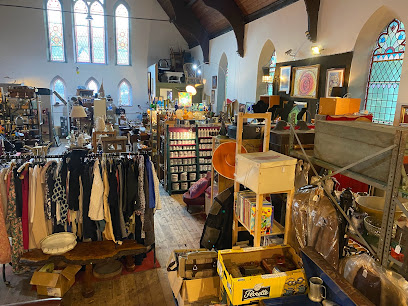
Discover timeless treasures and vintage charm in a historic chapel turned antique emporium in the heart of Llangollen.
Gifts From Wales Ltd
2.3 km
Discover authentic Welsh crafts and heritage gifts at Gifts From Wales Ltd, a charming family-run shop in historic Llangollen.
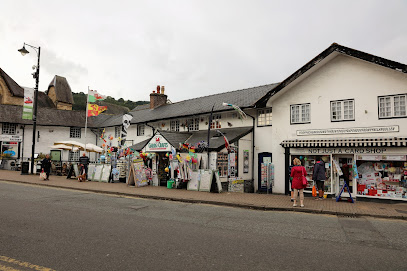
Shop Around The Corner
2.4 km
Discover unique gifts and local crafts in the heart of Llangollen at Shop Around The Corner, a charming boutique with friendly service and fresh finds daily.
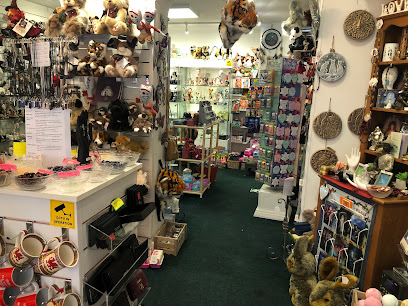
Fine Things
10.8 km
Discover unique local crafts and artisan treasures in the heart of Chirk at Fine Things gift shop.
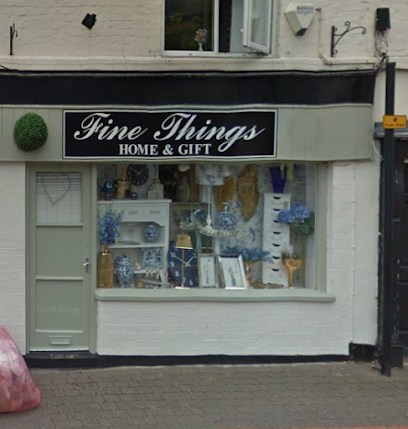
Vintage Home Styles Emporium
12.4 km
Discover timeless vintage furniture and cozy café delights in the heart of Corwen at Vintage Home Styles Emporium.
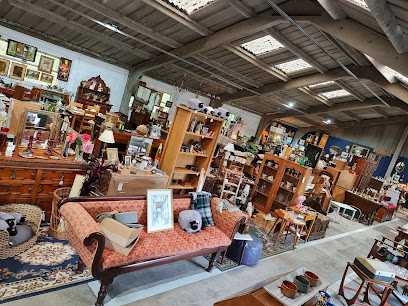
Plas Coch Retail Park
14.3 km
A vibrant retail hub in Wrexham offering diverse shopping, dining, and leisure options for a complete visitor experience.
CeFfi
16.1 km
Discover unique gifts, vibrant balloons, and heartfelt cards at CeFfi, Ruthin’s charming boutique for celebrations and special moments.
Create Nostalgia Home of Mary Jane Collection
16.2 km
Discover timeless needlecraft treasures and the exclusive Mary Jane Collection in the heart of Mold, North Wales’ oldest craft shop.
Siop Nain
16.2 km
Historic Welsh gift shop and café in Ruthin offering local crafts, warm hospitality, and a cozy atmosphere in a 15th-century listed building.
Castle Bell
16.3 km
Explore the charm of Castle Bell Gift Shop in Ruthin for unique souvenirs and local crafts that capture the essence of Welsh culture.
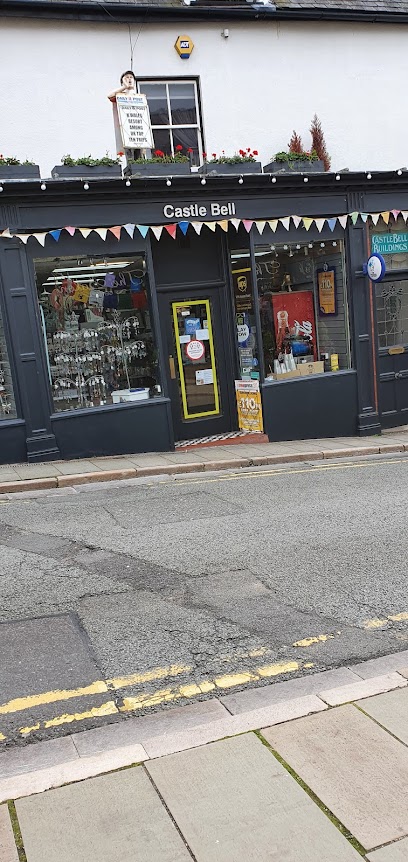
Cottagecore
16.3 km
Explore the enchanting Cottagecore gift shop in Ruthin, offering unique decor and delightful gifts inspired by cozy aesthetics.
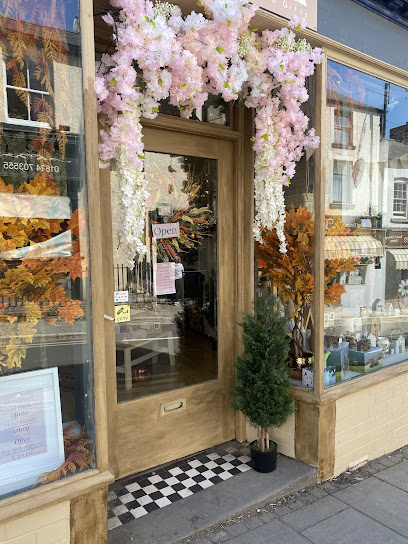
Ffansi Ffrogs
16.3 km
Discover a personalized prom dress boutique in Ruthin blending Welsh creativity with exclusive gowns and a warm, family-friendly atmosphere.
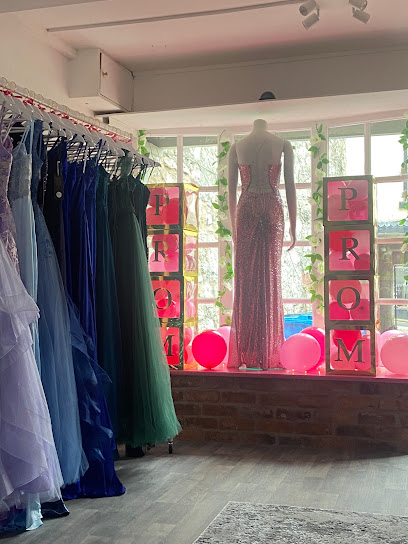
Hideaway
16.3 km
Discover exquisite handcrafted leather goods at Hideaway in Ruthin, where quality meets artistry in every unique piece.
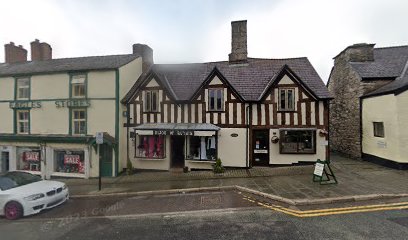
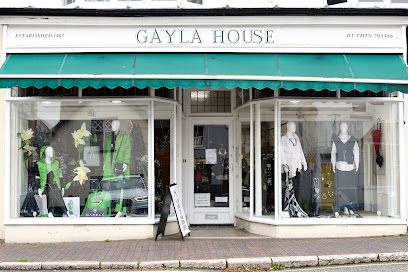
Gayla House
16.3 km
Stylish ladies' boutique in Ruthin's historic centre, specializing in contemporary fashion and personalized styling.
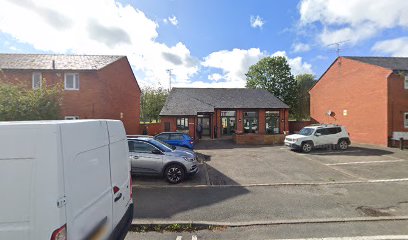
Doors Of Hope
16.4 km
A small, warm-hearted gift shop in Ruthin offering thoughtful presents and local crafts in a quiet, community-focused setting.
Essential bars & hidden hideouts

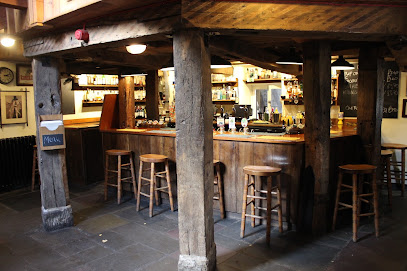
The Corn Mill
2.3 km
A welcoming pub and restaurant in Llangollen offering diverse menu options, scenic riverside views, and a lively, friendly atmosphere.
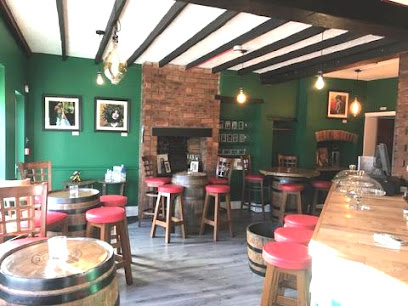
Liberty Tavern & Wine Bar
2.3 km
A cosy and sophisticated tavern offering fine wines, local ales, and tapas in the heart of Llangollen’s Market Street.
Raven Inn
12.2 km
A welcoming village pub and cozy inn in Llanarmon-yn-Ial offering hearty food, local ales, and comfortable rooms amid scenic Welsh countryside.
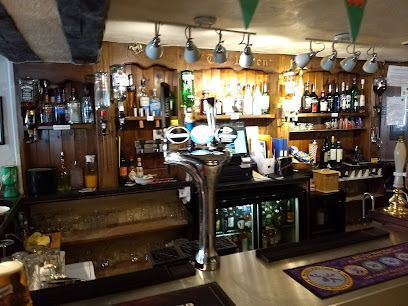
The White Horse
13.3 km
A friendly, quirky village pub in Llanfair Dyffryn Clwyd serving hearty food and great pints in a cozy Welsh countryside setting.
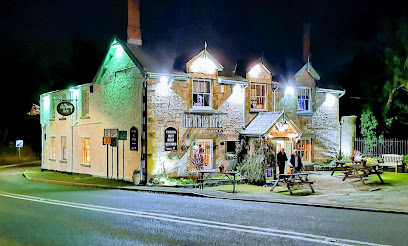
The Fox & Hounds
13.6 km
Cozy, traditional village pub in Pwll-glas offering evening drinks, local ales, and a warm community atmosphere near Ruthin.
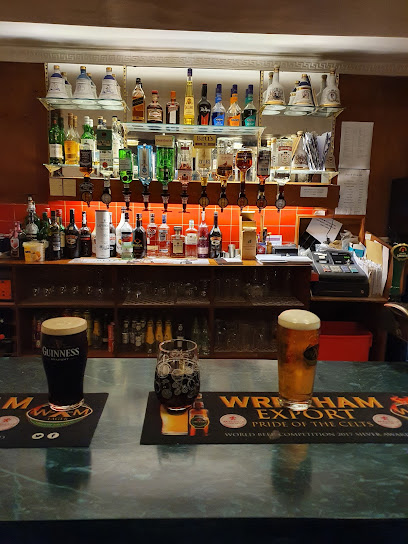
The Wine Vaults
16.2 km
A welcoming free house in Ruthin offering quality ales, cozy rooms, games, and outdoor seating in a historic market town setting.
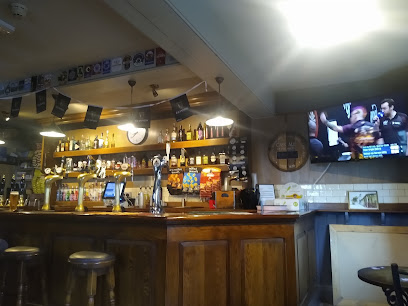
Boars Head
16.3 km
A historic and friendly pub in Ruthin offering quality ales, local ghost stories, and a warm, welcoming atmosphere year-round.
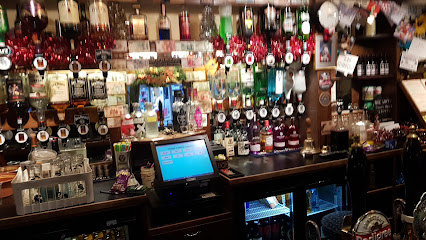
The Bridge Inn
17.9 km
A welcoming traditional Welsh country pub in Pontblyddyn serving hearty meals and local ales in a cozy, family-friendly setting.

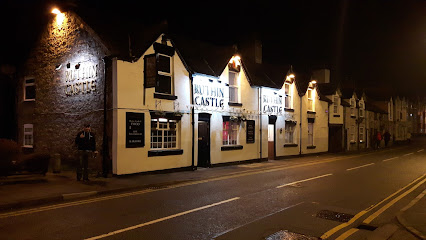
The Ruthin Castle
19.8 km
A welcoming pub in Mold’s vibrant center, blending local history with lively community spirit and traditional charm.
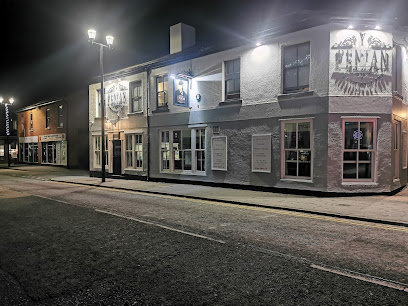
Y Pentan
20.0 km
Experience the heart of Mold’s social life at Y Pentan, a traditional pub known for friendly vibes and classic British fare.
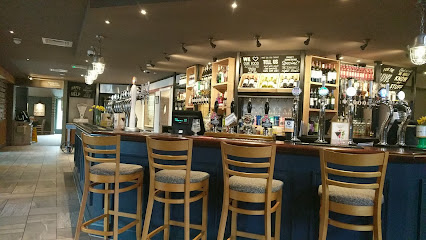
Pen Y Bont Farm
20.0 km
Historic riverside pub in Mold blending 17th-century charm with modern comfort, family-friendly dining, and scenic outdoor spaces.
Mold Alehouse
20.1 km
Discover Mold Alehouse, a cozy micropub in Mold offering ever-changing cask ales and craft beers in a welcoming, conversation-friendly space.
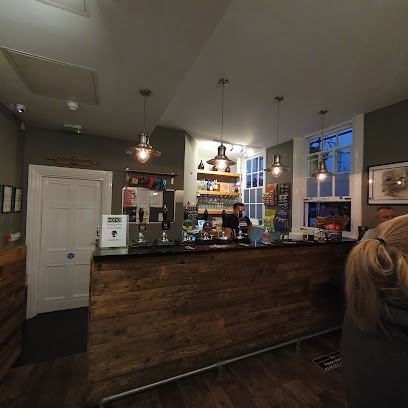
Queens Head Inn
20.1 km
Classic Welsh pub charm with hearty food, diverse drinks, and lively entertainment in the heart of Mold.
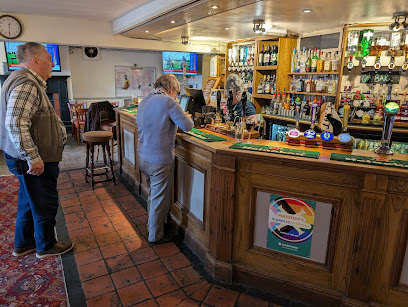
The Griffin, High Street, Mold
20.2 km
A welcoming traditional pub on Mold’s High Street, offering classic fare, lively events, and a true community spirit.
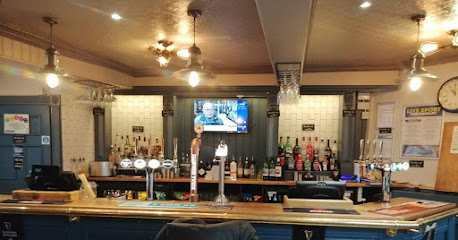
Griffin Inn
20.3 km
A traditional, family-friendly pub in Mynydd Isa serving classic British fare and a wide selection of drinks in a warm, welcoming atmosphere.

Nightclubs & after hour spots

Dj Tony B Disco Karaoke & video Roadshow
14.2 km
Dive into a night of music and fun at Dj Tony B Disco Karaoke & Video Roadshow, where every guest gets to shine on stage!
The Magnet Club
14.4 km
Wrexham’s independent venue since 1984, The Magnet Club blends live music, sports, and social games in a welcoming, refurbished space on King Street.
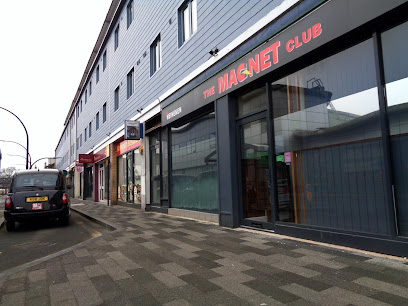
The Wings Club
26.7 km
Discover the charm of Denbigh at The Wings Club, a vibrant social hub offering a taste of local culture and community spirit.
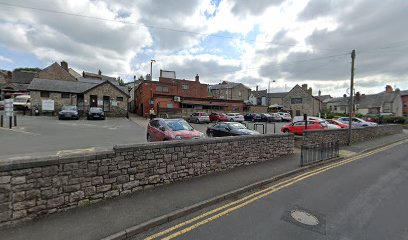
North Wales Celebrations Wedding & Party Disco DJ
28.5 km
Elevate your celebrations with North Wales Celebrations - the premier mobile disco DJ service for unforgettable weddings and parties.
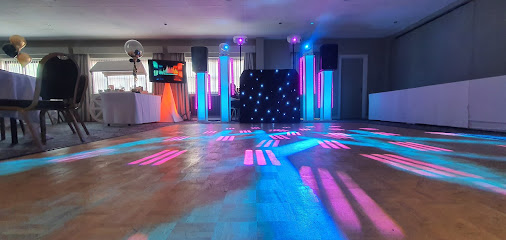
Flint Royal British Legion Social Club
28.9 km
A welcoming social hub in Flint supporting veterans and community through camaraderie, remembrance, and local events.
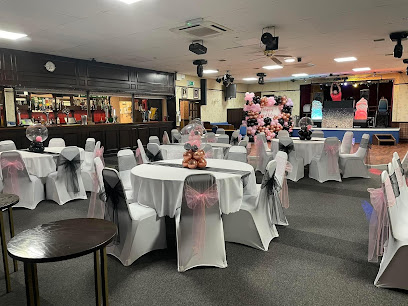
Chester City Club
29.7 km
Experience Chester’s vibrant nightlife at City Club, where modern beats meet historic charm in the heart of St Peters Churchyard.
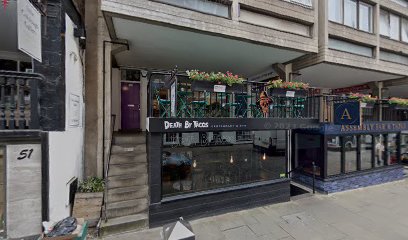
Rosies - Chester
29.9 km
Experience Chester’s vibrant nightlife at Rosies, a multiroom club with rooftop terrace, VIP lounges, and cutting-edge sound over three lively floors.
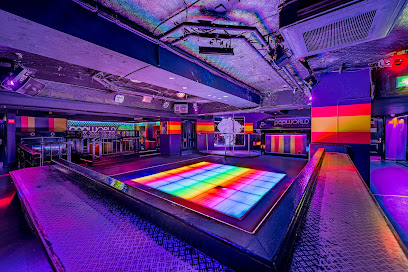
BONOBO Bar & Canteen
30.0 km
A vibrant two-floor bar and canteen in Chester blending American eats, cocktails, video games, and lively music for a unique nightlife experience.
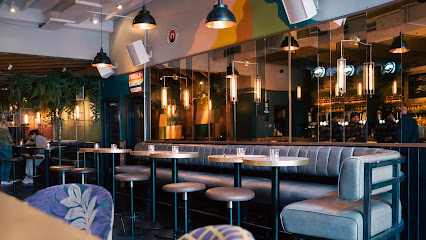
Cruise
30.0 km
A multi-floor nightclub in Chester offering vibrant music, premium drinks, and lively nightlife across seven bars.
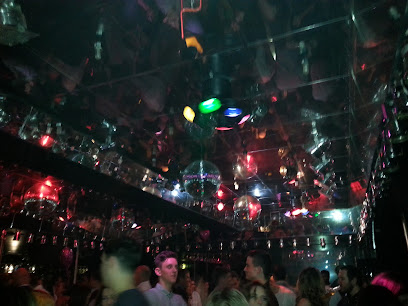
The Live Rooms
30.8 km
Discover Chester's vibrant nightlife at The Live Rooms, where live music, comedy, and unforgettable experiences await.
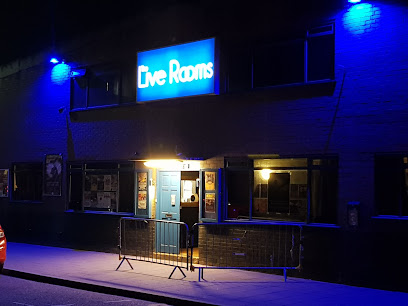
Mandy & Graham’s
32.4 km
Experience Chester’s vibrant nightlife at Mandy & Graham’s, where pulsating beats and lively crowds create unforgettable party nights.
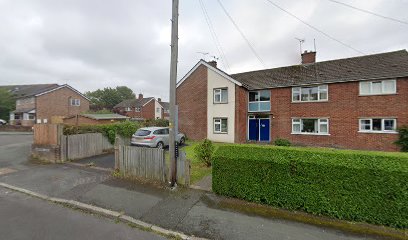
Pendyffryn Club
41.5 km
A cosy and tranquil social club in Prestatyn offering a friendly atmosphere to enjoy a pint and good company without distractions.
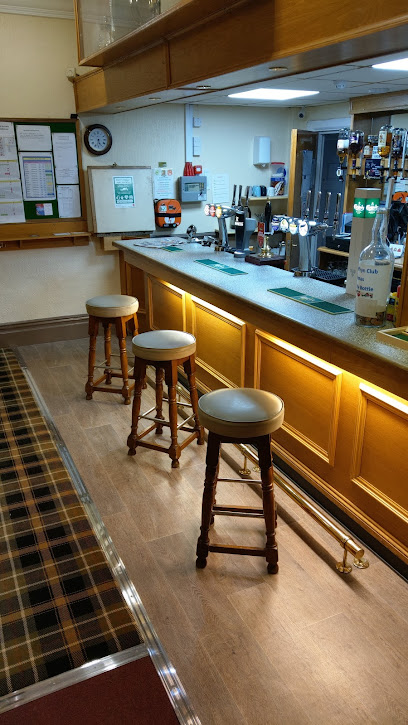
Live Lounge
41.6 km
Experience lively evenings with live music and entertainment at Presthaven’s vibrant Live Lounge, set within a family-friendly coastal resort.
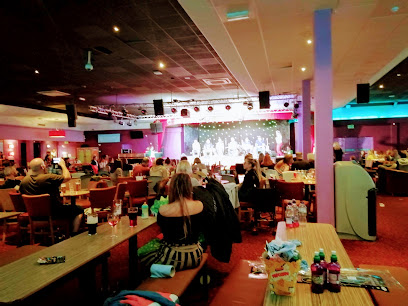
Central Beach Club
41.8 km
Discover Central Beach Club in Prestatyn, where local charm meets coastal views, offering delicious food, refreshing drinks, and a vibrant atmosphere.
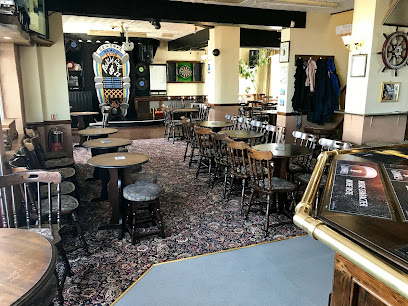
Bentley’s Sports Bar & NightClub
42.1 km
Experience Towyn’s vibrant nightlife at Bentley’s Sports Bar & NightClub, where music, dancing, and great vibes come alive every weekend.

For the vibe & atmosphere seeker
- Tranquil
- Scenic
- Historic
- Relaxing
For the design and aesthetic lover
- Rustic Designs
- Vintage Styles
For the architecture buff
- Historic
- Landmarks
For the view chaser and sunset hunter
- Iconic Views
- Panoramas
For the social media creator & influencer
- Instagrammable
- Photo Spots
- Selfie Spots
For the eco-conscious traveler
- Public-Transport Accessible
- Car-Free Access
- Leave-No-Trace Critical
For the kind of experience you’re after
- Cultural Heritage
- Photowalk
- Nature Escape
- Day Trip
- Weekend Getaway
For how adventurous you want the journey to be
- Easy Access
Location Audience
- Family Friendly
- Senior Friendly
- Child Friendly
- Teen Friendly
- Wheelchair Access
- Pet Friendly
- Couple Friendly
- Solo Friendly


