William MacKenzie's Tomb, Liverpool Travel Guide
A towering granite pyramid on Rodney Street, this tomb blends Victorian grandeur with ghostly legends of a gambler’s eternal wager.
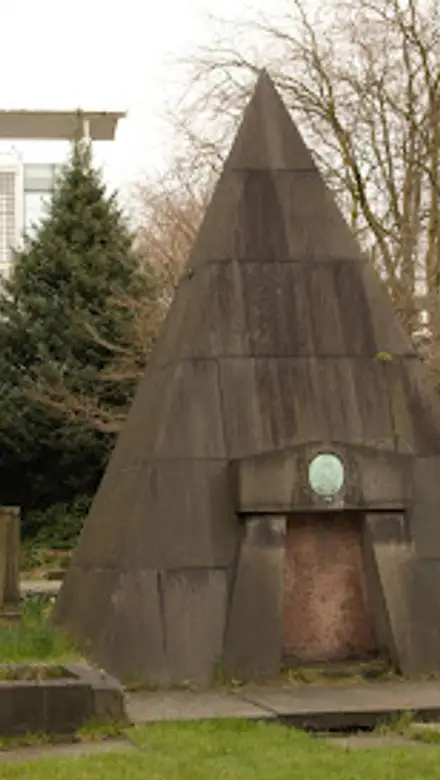
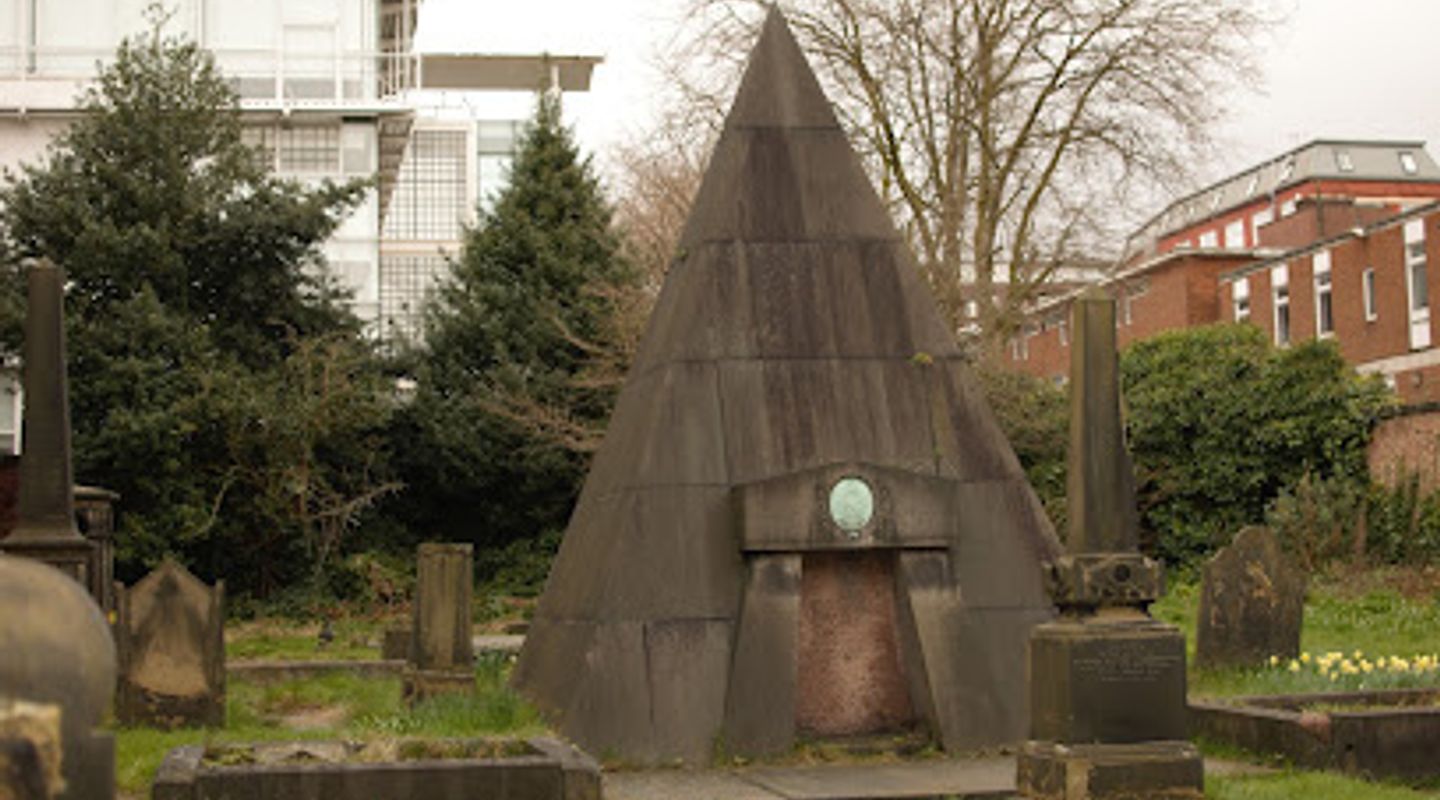
William MacKenzie's Tomb in Liverpool is a striking 15-foot granite pyramid erected in 1868 by his brother Edward to commemorate the successful 19th-century civil engineer. Located on Rodney Street, the tomb is steeped in legend, including tales of MacKenzie gambling his soul to the devil and being buried upright with a winning poker hand. Despite these stories, the inscription confirms a conventional vault burial beneath the pyramid, making it a fascinating blend of history and folklore.
A brief summary to William MacKenzie's Tomb
- İngiltere, 5-7 Rodney St, Liverpool, GB
- Duration: 0.5 to 1.5 hours
- Free
-
 Outdoor
- Mobile reception: 4 out of 5
- Monday 7 am-10 pm
- Tuesday 7 am-10 pm
- Wednesday 7 am-10 pm
- Thursday 7 am-10 pm
- Friday 7 am-10 pm
- Saturday 7 am-10 pm
- Sunday 7 am-10 pm

Know before you go
Hi, I'm Eve. Here are a few practical things to know before exploring William MacKenzie's Tomb.
- Visit at dusk to experience the atmospheric setting that fuels local ghost stories.
- Explore the historic Rodney Street area to appreciate the Georgian architecture surrounding the tomb.
- Read the bronze plaque inscription carefully to understand the true history behind the monument.
Do you manage this location?
Take control to get all the benefits, like improved information, better appearance, and stronger visibility across AI-powered discovery. Learn more about listing your business on Evendo
Activate your presenceOther nearby places you may find interesting
The closest places of the same kind, if this one is not quite what you had in mind.
Explore William MacKenzie's Tomb on the Map
A handpicked selection of must-see spots near William MacKenzie's Tomb, mapped for you.
Unlock the Best of William MacKenzie's Tomb
Buy tickets
-
No tickets available
Book tours with entry


Book tours without entry
-
No tours available
Getting There
-
Bus
Take the Liverpool City Explorer bus service, which stops near Rodney Street. The journey from Liverpool city center takes approximately 15-20 minutes. Buses run every 15-30 minutes. Tickets cost around £3-£5. Note that services reduce frequency on Sundays.
-
Taxi
A taxi ride from Liverpool Lime Street Station to William MacKenzie's Tomb on Rodney Street takes about 10 minutes depending on traffic. Typical fare ranges from £6 to £10. Taxis are readily available at the station and can be booked via app services.
-
Walking
From Liverpool city center, it is a 25-30 minute walk along well-paved urban streets to Rodney Street. The terrain is flat and accessible, suitable for most visitors. Wear comfortable shoes and enjoy the historic surroundings en route.
For the on-the-go comforts that matter to you
-
 Seating Areas
-
 Information Boards
Discover more about William MacKenzie's Tomb
The Man Behind the Monument
William MacKenzie (1794–1851) was a prominent Anglo-Scottish civil engineer and contractor known for his significant contributions to canal and railway construction across the UK and Europe. He amassed considerable wealth through projects such as tunnels on the Liverpool and Manchester Railway and various canal improvements. MacKenzie lived in Liverpool at 74 Grove Street, where he died at age 57. He married twice but had no children, leaving his substantial estate to his brother Edward.The Pyramid's Origins and Design
The distinctive tomb marking MacKenzie's grave is a 15-foot-high granite pyramid commissioned by his brother Edward in 1868, 17 years after William's death. Unlike typical Victorian tombstones, this pyramid has a blind entrance and bears a bronze plaque inscribed with details of William, his two wives Mary and Sarah, and the dedication from Edward. The monument stands out architecturally on Rodney Street, a historic area known for its Georgian elegance and affluent residents.Rodney Street's Historical Context
Rodney Street, often dubbed the “Harley Street of the North,” was developed in the late 18th and early 19th centuries to house Liverpool’s elite merchants and professionals. The street features numerous Grade II listed Georgian buildings and has connections to notable figures including William Gladstone. The tomb’s location here situates it within a rich tapestry of Liverpool’s mercantile and architectural history.Legend and Lore Surrounding the Tomb
Local legend paints a far more supernatural picture of MacKenzie’s final resting place. Stories claim he was a compulsive gambler who lost his soul to the devil in a poker game and arranged to be buried sitting upright inside the pyramid, clutching a winning hand to cheat Satan. Some tales even suggest his body was never buried underground but propped above ground to avoid the devil’s claim. Additionally, myths tell of secret tunnels beneath the tomb used for smuggling and a bottle of wine inside the tomb that refills mysteriously. These legends have made the tomb a focal point for ghost stories and paranormal interest in Liverpool.Reality Versus Myth
Despite the vivid folklore, the tomb’s inscription and historical records confirm a conventional burial in a vault beneath the pyramid. The monument was erected well after MacKenzie’s death, and no evidence supports the claim of an upright burial or secret tunnels. The ghost stories and myths contribute to the tomb’s mystique, blending Victorian eccentricity with Liverpool’s rich cultural narrative.A Symbol of Victorian Eccentricity and Remembrance
William MacKenzie’s tomb stands as a unique Victorian memorial that reflects both the era’s fascination with grandeur and the personal affection of a brother’s tribute. It is a rare architectural feature in Liverpool’s historic Rodney Street and continues to intrigue visitors with its combination of impressive design, historical significance, and enduring legends.More to explore near William MacKenzie's Tomb













Your all‑in‑one travel companion app
Explore expert travel guides, compare and book tours, experiences, hotels, and more—all from the palm of your hand. Download now for seamless trip planning wherever your wanderlust takes you.


Explore More of Liverpool
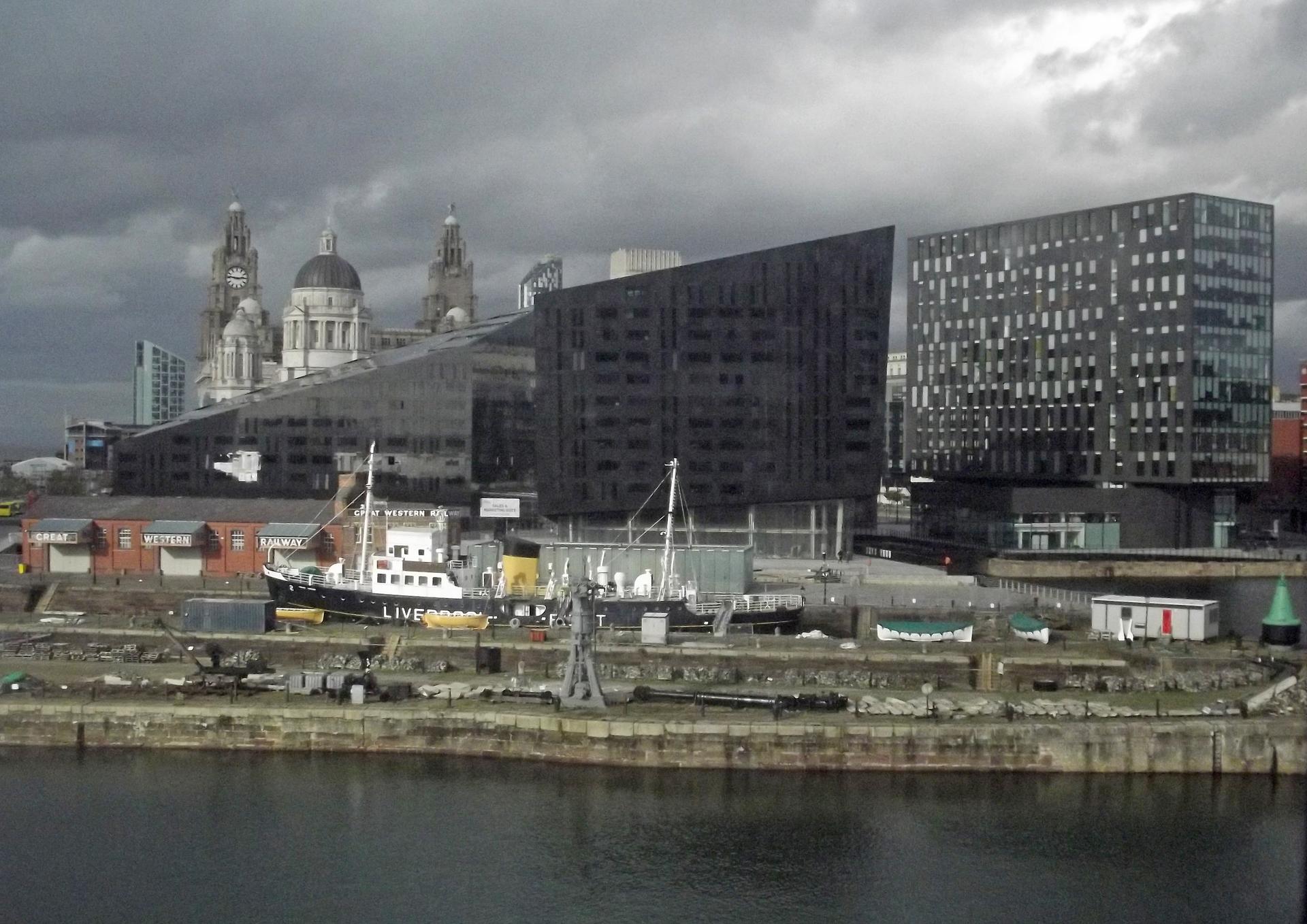
Looking beyond William MacKenzie's Tomb? Discover Liverpool for broader travel guides, local hot-spots, and regional highlights.
Explore Liverpool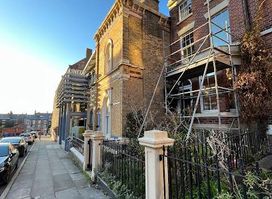
Historic and vibrant political theatre in Liverpool offering intimate performances and a strong community spirit since 1936.
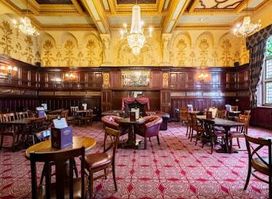
Historic Grade I-listed pub on Hope Street offering classic British dishes, exquisite Victorian-Baroque interiors, and a warm Liverpool welcome.