

A Case History by John King
Stacked concrete suitcases honoring Liverpool's legendary citizens on Hope Street's historic Georgian pavements.
A striking outdoor sculpture installation on Hope Street in Liverpool's Georgian Quarter, featuring stacked concrete suitcases and guitar cases cast in vibrant colors. Created by artist John King and installed in 1998, each piece bears a bronze luggage tag naming a notable figure from Liverpool's rich cultural heritage—from The Beatles members to social reformers and conductors. This unique street art serves as both a playful homage to the city's legendary residents and a thought-provoking meditation on journeys, arrivals, and departures.
A brief summary to A Case History by John King
- Hope St, Liverpool, L1 9BQ, GB
- Duration: 0.25 to 1.5 hours
- Free
-
 Outdoor
- Mobile reception: 5 out of 5
- Monday 12 am-12 am
- Tuesday 12 am-12 am
- Wednesday 12 am-12 am
- Thursday 12 am-12 am
- Friday 12 am-12 am
- Saturday 12 am-12 am
- Sunday 12 am-12 am
Local tips
- Visit early morning or late afternoon for the best natural light and fewer crowds, ideal for photography without background interference.
- Locate the information board at the site to identify which suitcase belongs to which notable figure, then challenge yourself to find them independently.
- Combine your visit with nearby attractions on Hope Street, including the Liverpool Cathedral, art galleries, and the Georgian Quarter's independent shops and cafés.
- Bring a camera or smartphone to capture the colorful concrete suitcases from different angles; the work is highly photogenic from multiple perspectives.
- Visit during mild weather months (April to October) when you can comfortably spend time examining the details and reading the bronze luggage tags.

For the on-the-go comforts that matter to you
- Restrooms
- Drink Options
- Food Options
- Seating Areas
- Information Boards
Getting There
-
Public Transport from Liverpool City Centre
From Liverpool Lime Street railway station, take any Merseyrail train toward the city center or walk approximately 15–20 minutes northwest through the city center toward Hope Street. Alternatively, catch local buses 1, 3, or 16 from the city center, which stop near Hope Street. Journey time by bus is typically 5–10 minutes depending on traffic. Services run regularly throughout the day with reduced frequency in evenings and Sundays. No ticket required if you're already within walking distance of the Georgian Quarter.
-
Walking from Liverpool Cathedral
If visiting Liverpool Cathedral (located nearby), A Case History is approximately 8–10 minutes' walk downhill along Hope Street toward Mount Street. The route is straightforward, well-signposted, and passes through the heart of the Georgian Quarter with numerous cafés and galleries along the way. The pavement is level and accessible year-round, making this an ideal approach for most visitors.
-
Car Parking and Driving Access
Hope Street has limited on-street parking, though several paid car parks operate within the Georgian Quarter, typically charging £1.50–£3.00 per hour depending on location and time of day. The nearest major car park is approximately 2–3 minutes' walk away. Street parking is available but can be difficult during peak hours (10 AM–4 PM) and weekends. Disabled parking spaces are available near the sculpture; contact local parking services for permits.
-
Taxi or Ride-Share Services
Taxis and ride-share services (such as Uber) can drop you directly on Hope Street at the junction with Mount Street. Journey time from Liverpool city center is typically 5–10 minutes depending on traffic. Fares from the city center generally range from £6–£12. This option is convenient for visitors with mobility limitations or those carrying heavy luggage.
A Case History by John King location weather suitability
-
 Any Weather
Discover more about A Case History by John King
A Monument to Liverpool's Legendary Figures
A Case History stands as one of Liverpool's most distinctive and beloved public artworks, created by sculptor John King and installed on Hope Street in 1998. The installation comprises a collection of concrete suitcases and guitar cases, stacked and scattered across the pavement in an arrangement that suggests both arrival and departure. Each piece is cast in warm, earthy colors and bears a bronze luggage tag inscribed with the name of a notable individual or institution connected to Liverpool. The work celebrates the city's extraordinary cultural legacy, honoring figures such as John Lennon, Paul McCartney, and George Harrison alongside social reformers, writers, conductors, and other influential citizens who shaped the region's identity.Artistic Vision and Conceptual Depth
The sculpture operates on multiple levels of meaning. On the surface, it presents a whimsical, accessible public artwork that invites casual observation and photography. Beneath this playful exterior lies a more profound meditation on journeys, displacement, memory, and cultural significance. The suitcases evoke themes of travel and transition, while the specific naming of each piece anchors the work firmly in Liverpool's social and cultural history. By transforming luggage—objects typically associated with movement and temporary states—into permanent public monuments, King creates a paradox that encourages viewers to reflect on how we remember and honor those who have shaped our communities.Setting Within Liverpool's Georgian Quarter
Located at the junction of Hope Street and Mount Street, A Case History occupies a prime position within Liverpool's celebrated Georgian Quarter, one of the city's most architecturally significant and visually striking neighborhoods. Hope Street itself is renowned for its elegant Victorian and Georgian buildings, tree-lined pavements, and cultural institutions. The sculpture's placement here is particularly apt, as the street has long been associated with the arts, education, and cultural achievement. The surrounding architecture provides a dignified context for the artwork, creating an engaging dialogue between contemporary street art and historic urban design. Visitors exploring this area will find the installation impossible to miss, yet its integration into the streetscape feels organic and intentional.An Interactive Experience for Visitors
Part of the charm of A Case History lies in its interactive potential. An information board at the site identifies which suitcase belongs to which notable figure, but the artwork also invites visitors to search and discover for themselves. Many travelers enjoy the challenge of locating cases belonging to The Beatles members or other famous names, turning a simple street encounter into a mini treasure hunt. This participatory element has made the work particularly popular with families, tourists, and photography enthusiasts. The concrete suitcases are tactile and approachable, encouraging close inspection and engagement rather than distant admiration. The piece succeeds in making contemporary art accessible to the general public while maintaining genuine artistic and conceptual merit.Enduring Presence and Cultural Significance
Now in its third decade, A Case History has become an integral part of Liverpool's cultural landscape and a must-see attraction for visitors to the city. The work has weathered the elements with grace, and its presence on Hope Street has only deepened over time. It stands as a testament to John King's vision and to Liverpool's commitment to celebrating its heritage through innovative public art. The installation has inspired countless photographs and remains a favorite subject for both professional photographers and casual visitors documenting their travels. Its combination of artistic sophistication, historical resonance, and public accessibility makes it a rare achievement in contemporary sculpture—a work that appeals to art enthusiasts and casual passersby alike.Iconic landmarks you can’t miss

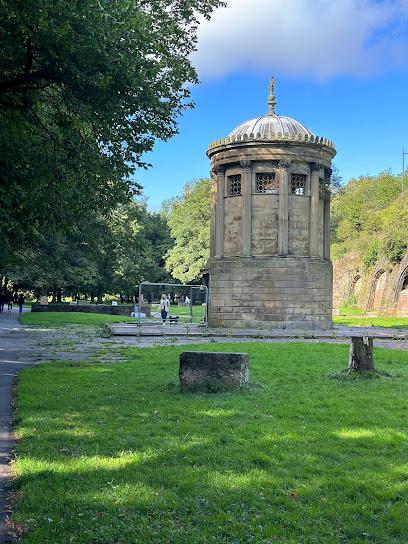
Huskisson Memorial
0.3 km
A solemn mausoleum in Liverpool honoring William Huskisson, the first prominent victim of a railway accident and a figure of complex historical legacy.
The Christmace Truce Memorial Statue - St Luke's Church
0.3 km
A powerful tribute to the 1914 Christmas Truce, set within Liverpool’s evocative Bombed Out Church, symbolizing peace and unity amid war.
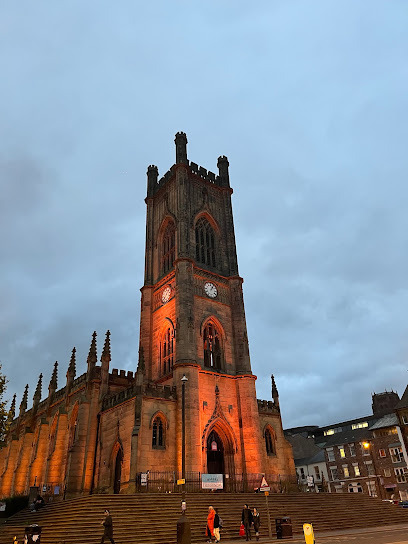
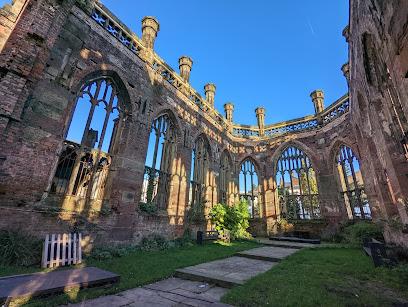
St Luke’s Bombed Out Church
0.3 km
A roofless Gothic memorial where wartime tragedy transformed into cultural renaissance and timeless celebration.
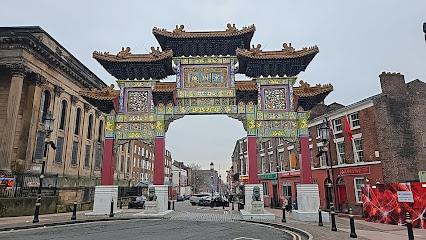
Chinese Arch
0.4 km
Europe’s tallest Chinese ceremonial arch, a vibrant gateway to Liverpool’s historic Chinatown and symbol of enduring cultural ties with Shanghai.
Red Brick Market Liverpool
0.9 km
Discover the eclectic charm of Red Brick Market in Liverpool, a hub for local crafts, delicious street food, and vibrant community events.
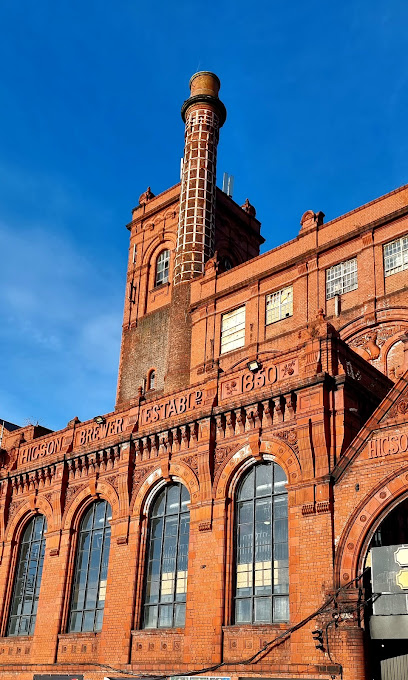
Williamson Tunnels Heritage Centre
1.0 km
Explore the fascinating underground world of the Williamson Tunnels Heritage Centre in Liverpool, a unique historical museum that reveals the city's rich past.
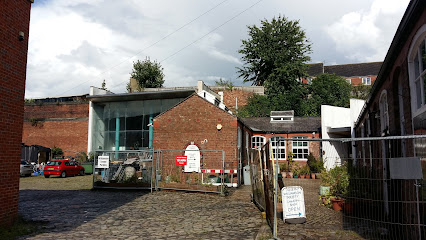
The Bluecoat
1.0 km
Experience the vibrant art scene at The Bluecoat, Liverpool's oldest art center, showcasing contemporary exhibitions and cultural events.
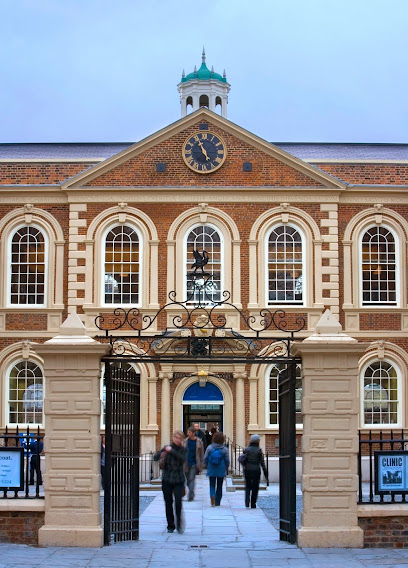
St Johns Beacon Viewing Gallery
1.0 km
Discover breathtaking views of Liverpool from St Johns Beacon Viewing Gallery, an iconic landmark blending history, culture, and stunning panoramas.
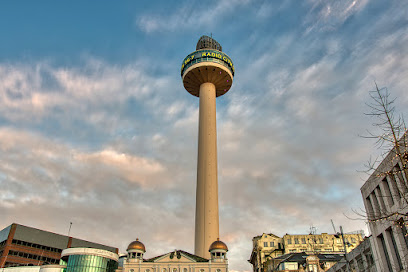
Friends of Williamson's Tunnels - FoWT
1.0 km
Explore Williamson's Tunnels in Liverpool, a historical marvel revealing the city's Victorian past through its fascinating underground network.
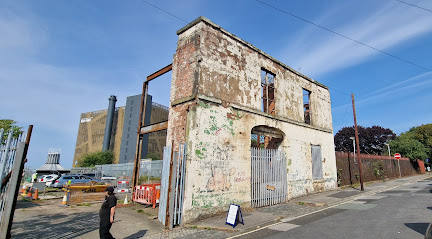
Coopers Building
1.0 km
Discover Coopers Building, a striking early 20th-century landmark that enriches Liverpool’s historic Church Street with timeless architectural charm.
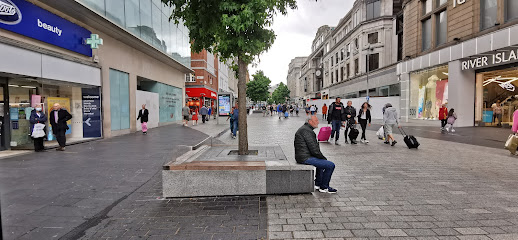
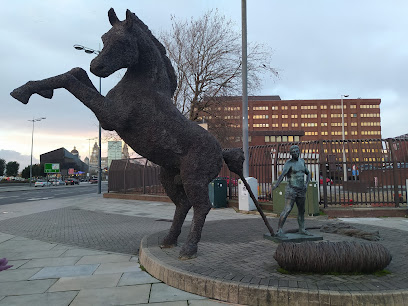
'The Great Escape' statue
1.1 km
A powerful bronze horse symbolising freedom and human liberation at Liverpool's historic waterfront.
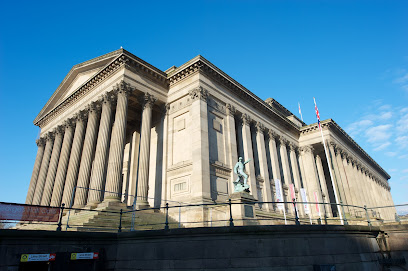
St George's Hall
1.1 km
Explore the stunning St George's Hall in Liverpool, a historical landmark showcasing majestic architecture and cultural richness, perfect for every traveler.
Viewing window to the Old Dock
1.1 km
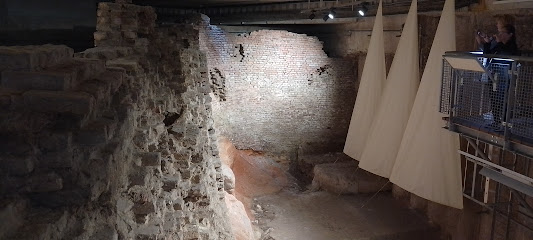
Step through a glass window into the world’s first commercial wet dock, the birthplace of Liverpool’s global maritime legacy.
Old Wall Arch Albert Dock UK
1.1 km
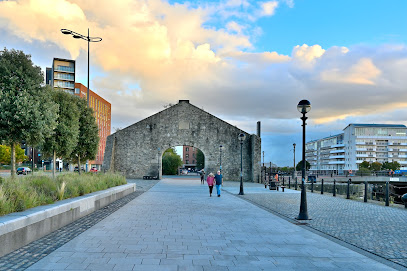
Historic Georgian gateway at Liverpool’s Albert Dock, blending maritime heritage with vibrant cultural life and scenic waterfront charm.
Queen Victoria - Equestrian Statue
1.1 km
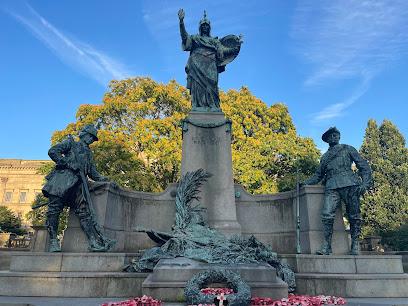
Discover the grandeur of the Queen Victoria Equestrian Statue in Liverpool, a stunning tribute to a historic monarch amidst a vibrant city backdrop.
Unmissable attractions to see

Liverpool Institute for Performing Arts
0.1 km
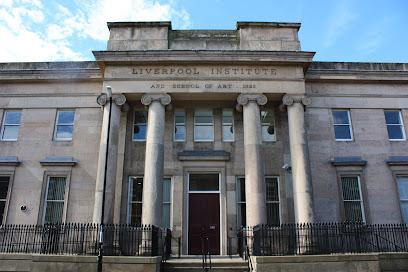
A historic Grade II listed performing arts university in Liverpool, founded by Paul McCartney, blending rich heritage with cutting-edge creative education.
Blackburne House
0.1 km
Historic Georgian landmark in Liverpool, pioneering girls’ education and women’s empowerment since 1844.
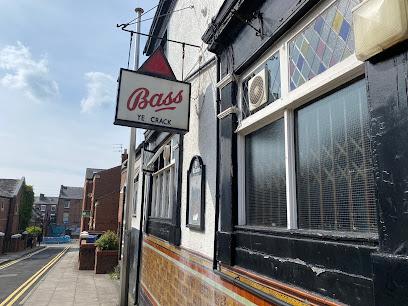
Ye Cracke
0.1 km
Historic Liverpool pub famed for its Beatles connections, cozy multi-room layout, and traditional cask ales in the heart of the Georgian Quarter.
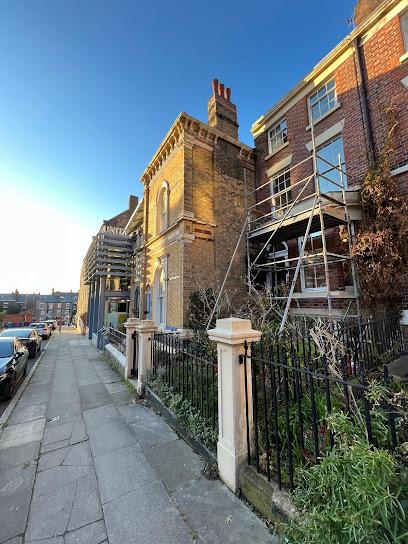
Unity Theatre
0.1 km
Historic and vibrant political theatre in Liverpool offering intimate performances and a strong community spirit since 1936.
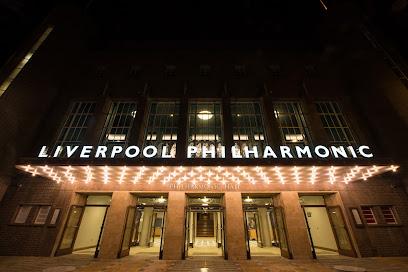
Royal Liverpool Philharmonic
0.2 km
Experience world-class music and stunning Art Deco elegance at Liverpool’s iconic Royal Philharmonic Hall on Hope Street.
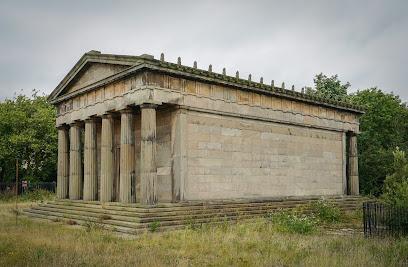
The Oratory
0.2 km
A solemn Greek Revival chapel in Liverpool, The Oratory stands as a timeless tribute to Victorian funerary art and architecture.
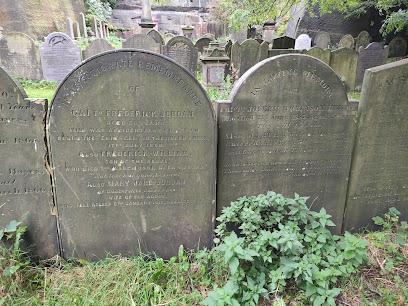
St James Memorial Cemetery
0.2 km
Discover Liverpool’s historic St James Memorial Cemetery—a serene Victorian park born from a quarry, blending rich heritage with tranquil urban green space.
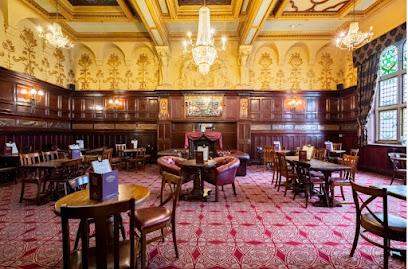
The Philharmonic Dining Rooms
0.2 km
Historic Grade I-listed pub on Hope Street offering classic British dishes, exquisite Victorian-Baroque interiors, and a warm Liverpool welcome.
Georgian Quarter
0.2 km
Historic elegance meets vibrant culture in Liverpool’s Georgian Quarter, a charming neighborhood of classic architecture and creative spirit.

Church of England Cathedral of the Diocese of Liverpool
0.3 km
Explore Britain’s largest cathedral, a monumental Gothic masterpiece with breathtaking interiors and panoramic city views atop its iconic central tower.
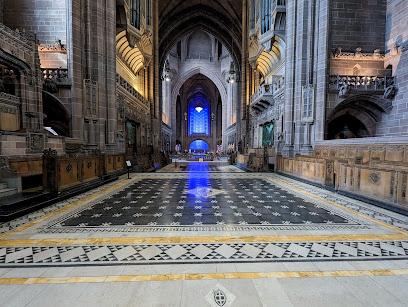
Liverpool Cathedral
0.3 km
Britain’s largest cathedral, a red sandstone giant with soaring vaults, stained glass and panoramic city views from its tower.
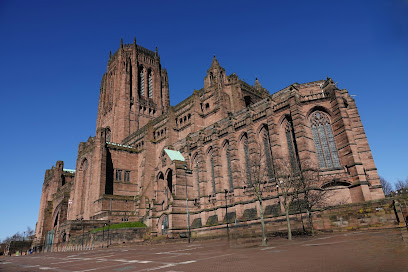
St James Mount And The Gardens
0.3 km
Historic gardens and tranquil green space beneath Liverpool Cathedral, blending quarry heritage, Victorian cemetery remnants, and a natural spring.
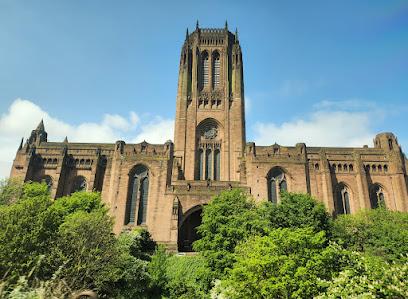
Liverpool Masonic Hall
0.3 km
Historic Liverpool Masonic Hall on Hope Street: A majestic hub of Freemasonry and culture blending tradition with vibrant community life.
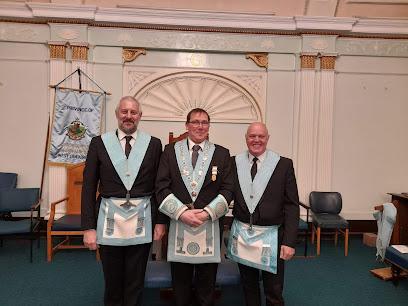
William MacKenzie's Tomb
0.3 km
A towering granite pyramid on Rodney Street, this tomb blends Victorian grandeur with ghostly legends of a gambler’s eternal wager.
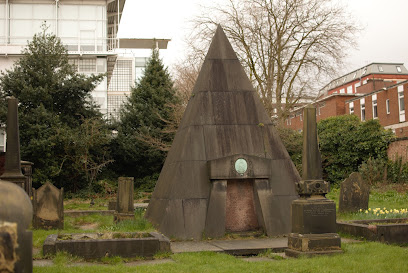
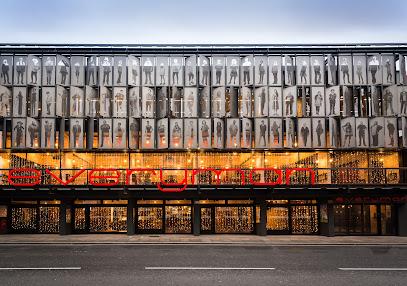
Everyman Theatre
0.4 km
Liverpool’s Everyman Theatre: Where bohemian heritage meets innovative theatre in an intimate, iconic setting on Hope Street.
Essential places to dine

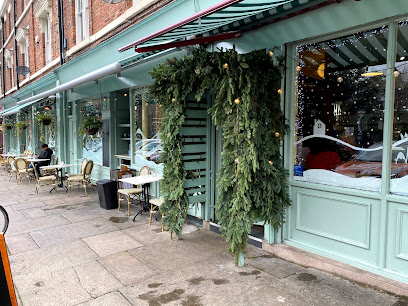
The Quarter
0.1 km
Vibrant Mediterranean dining with fresh Italian flavours in Liverpool’s historic Georgian Quarter, open daily till late.
The London Carriage Works
0.1 km
Historic elegance meets refined British cuisine in Liverpool’s boutique Hope Street Hotel dining gem.
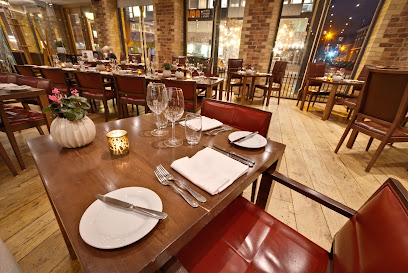
The Art School Restaurant
0.2 km
Elegant fine dining in a stunning Victorian setting near Hope Street, blending local ingredients with artistic culinary flair.
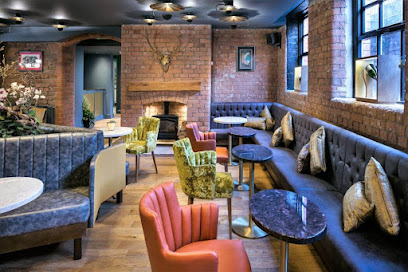
Roski Restaurant
0.3 km
An intimate Modern British dining experience in Liverpool, blending MasterChef-winning creativity with seasonal elegance and warm hospitality.
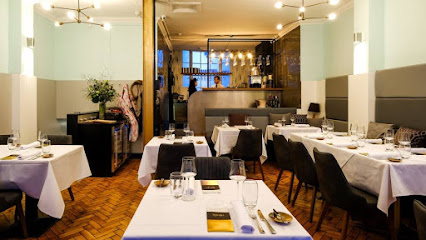
Chamber 36 City Centre
0.3 km
Discover vibrant Pan-Asian flavors and crafted cocktails in a serene, stylish setting at Liverpool’s Chamber 36 City Centre.
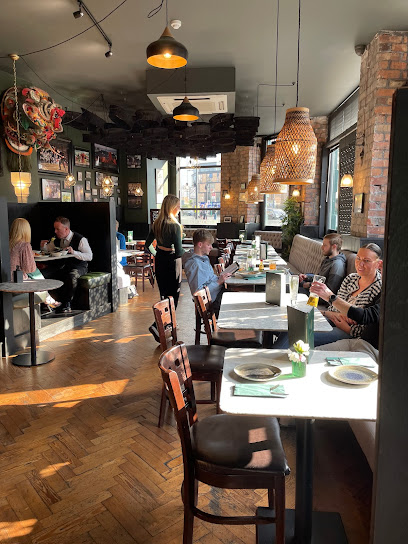
Cowshed Liverpool
0.4 km
A cozy, intimate steakhouse in Liverpool’s city centre, serving expertly cooked beef with attentive service and a unique historic setting.
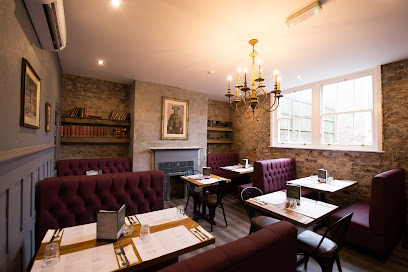
Maray Bold Street
0.5 km
Discover vibrant Mediterranean and Middle Eastern small plates with bold flavours and plant-based options in the heart of Liverpool’s Bold Street.
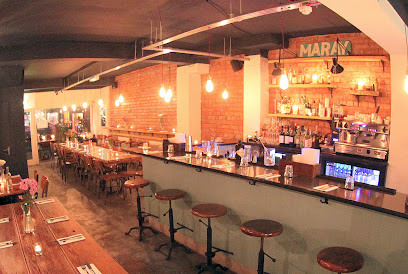
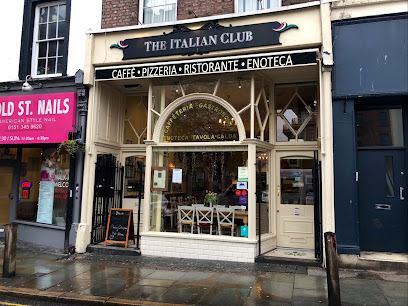
The Italian Club
0.5 km
Experience authentic Italian flavors and warm hospitality in the heart of Liverpool’s Bold Street at The Italian Club.
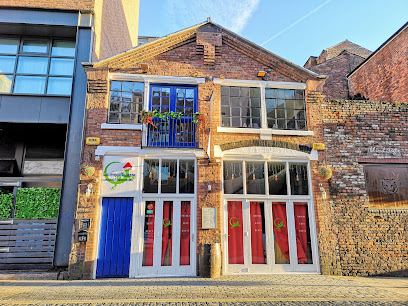
La Finca Eivissa
0.5 km
Experience the vibrant spirit of Ibiza with fusion tapas, cocktails, and live DJs in the heart of Liverpool city centre.
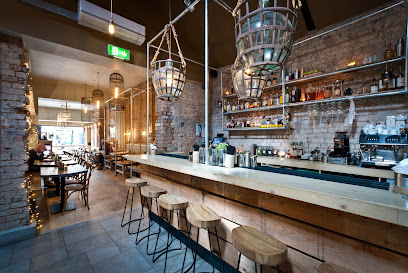
Mowgli Street Food Bold Street
0.5 km
Experience authentic Indian street food bursting with bold flavors in a lively Liverpool setting on Bold Street.
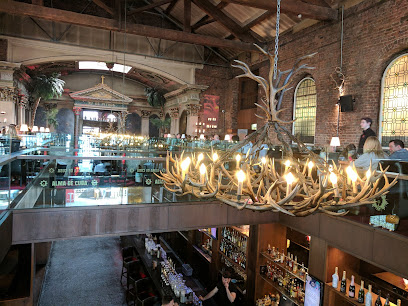
Alma De Cuba
0.6 km
Experience vibrant Cuban culture and cuisine in Liverpool’s stunning former St Peters Church, blending historic charm with lively dining and entertainment.
Greek Taverna Bold Street
0.6 km
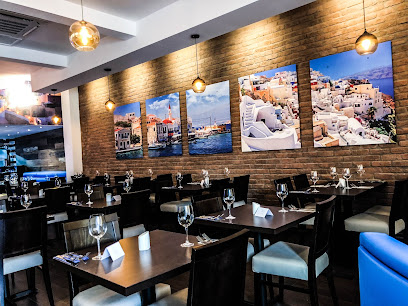
Experience authentic Greek cuisine and vibrant Mediterranean hospitality in the heart of Liverpool’s Bold Street.
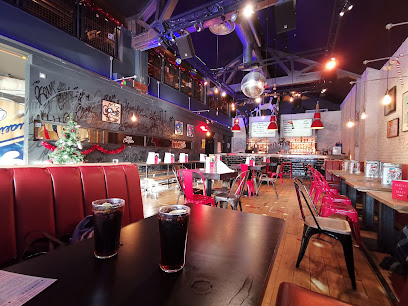
Almost Famous Liverpool
0.6 km
Big, messy burgers and loud, fun vibes in a graffiti-covered diner on Liverpool’s Parr Street.
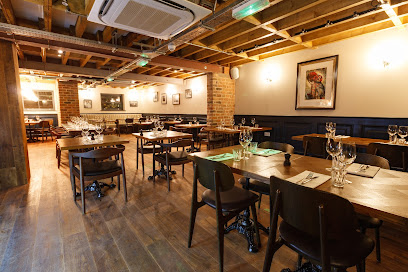
Wreck Bistro
0.6 km
A warm, inventive British bistro in Liverpool’s Ropewalks, blending seasonal ingredients with creative flair in a relaxed, inviting setting.
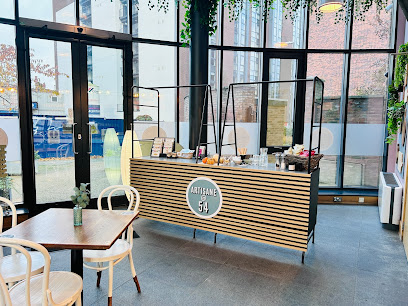
Restaurants Liverpool
0.7 km
Authentic Italian cuisine meets Liverpool’s creative Baltic Triangle in a stylish, welcoming setting perfect for casual daytime dining.
Markets, malls and hidden boutiques

Liverpool Cathedral Shop
0.3 km
Discover unique gifts and spiritual treasures at Liverpool Cathedral Shop, supporting heritage and community within Britain’s largest cathedral.
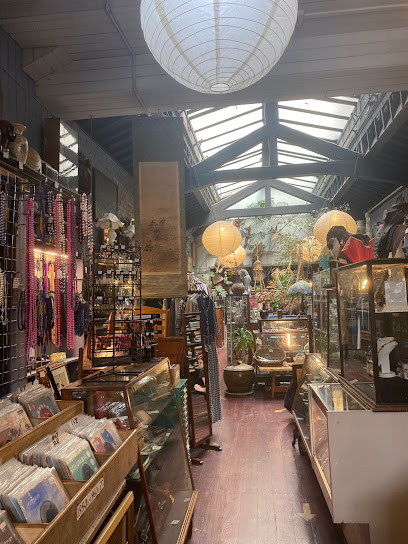
69A
0.5 km
Discover unique antiques and vintage treasures in Liverpool’s vibrant Renshaw Street at 69A, where history meets style.
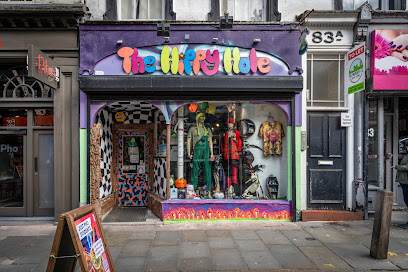
The Hippy Hole
0.5 km
Discover handmade tie-dye fashion and bohemian treasures bursting with color and spirit on Liverpool’s vibrant Bold Street.
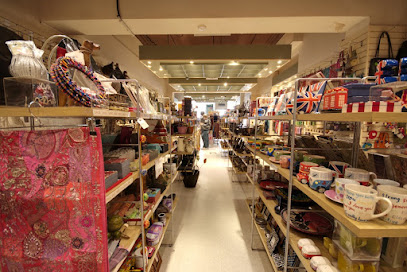
Shared Earth
0.5 km
Discover unique, sustainable gifts at Shared Earth, Liverpool’s hub for fair trade treasures and ethical craftsmanship.
Utility Gift Store
0.5 km
Quirky gifts and unique designs on Liverpool's Bold Street – your indie haven for Moomin magic, scented candles, and cards that say it best. Dog-friendly delight.
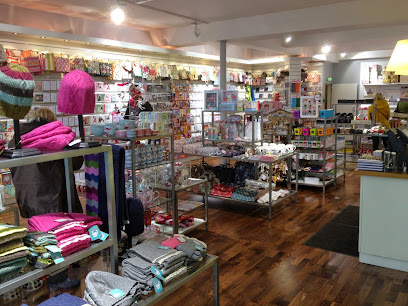
Gift Insanity
0.7 km
Discover Liverpool’s most delightful gift shop, where quirky and unique treasures await every occasion on St James Street.
Resurrection
0.7 km
Liverpool's legendary streetwear haven: vintage roots, branded edge, tattoos, barber, records, and café vibes on bohemian Bold Street.
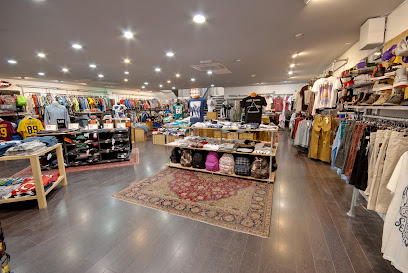
Beat That
0.7 km
Unearth retro gems at Beat That, Liverpool's quirky vintage haven on Concert Street, blending punk edge with timeless thrift treasures in the Ropewalks buzz.
COW Liverpool
0.7 km
A compact Bold Street vintage haven where curated retro clothes, approachable staff and frequent one-off finds reward close, unhurried browsing.
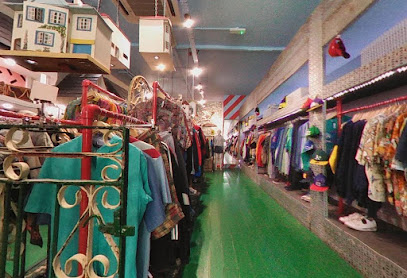
Unique Fashion Boutique
0.8 km
Discover exclusive ladies' fashion and accessories in a cozy Liverpool boutique known for personalized style and unique collections.
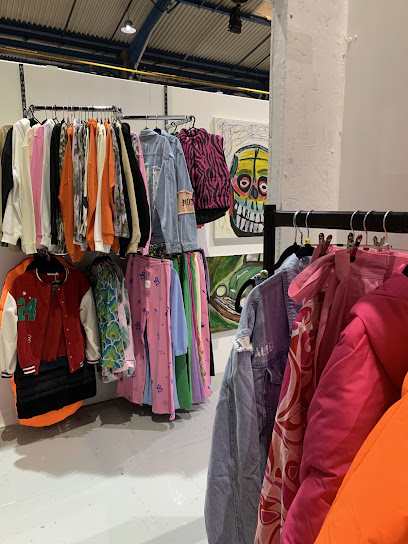
Ingraved Alternative Gift Store
0.8 km
Discover unique, handcrafted gifts and art in Liverpool’s vibrant Red Brick Market at Ingraved Alternative Gift Store.
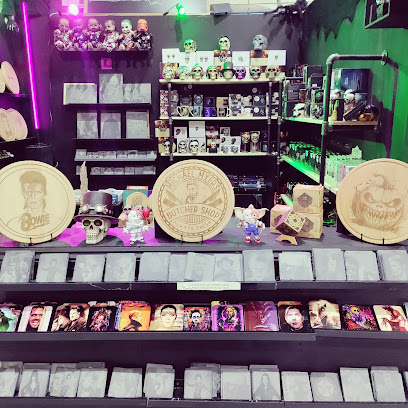
The Liverpool Crystal Shop
0.8 km
Discover shimmering crystals and healing gems in Liverpool's edgy Red Brick Market, where Baltic Triangle creativity meets earth's ancient energies.
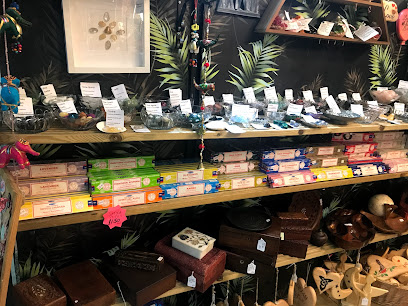
Bleu Prints
0.8 km
Stylish clothing boutique in Liverpool's vibrant L1, curating unique apparel and accessories for fashion-forward urban explorers.
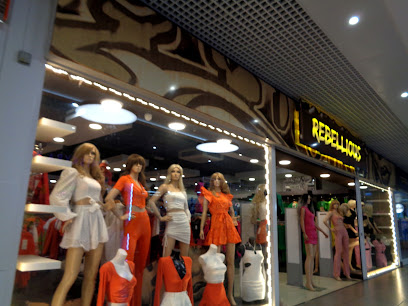
Rebellious Fashion
1.0 km
Discover trendy, affordable women's fashion in Liverpool’s vibrant Houghton Street boutique with extended weekday hours and a youthful style vibe.
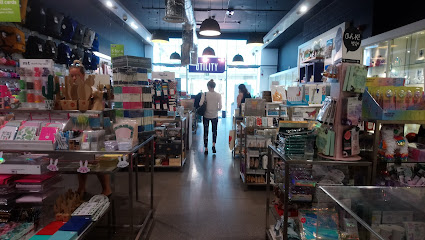
Utility
1.0 km
Independent Liverpool gift shop specialising in quirky, design-led presents, cards and small homewares with a friendly, well-curated atmosphere.
Essential bars & hidden hideouts

Red Door
0.3 km
A lively cocktail bar on Berry Street offering expertly crafted drinks, vibrant music, and a buzzing rooftop atmosphere in the heart of Liverpool.
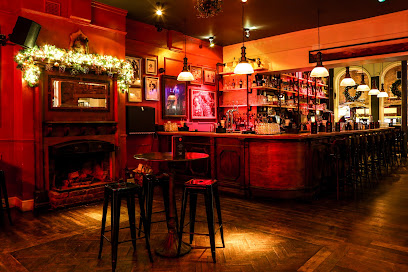
Liverpool Arts Bar
0.3 km
A vibrant creative hub in a historic Masonic Hall, blending local art, live performances, and crafted drinks on Liverpool’s iconic Hope Street.
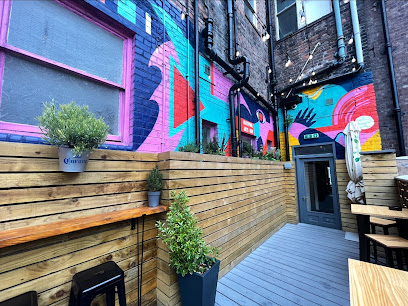
The Pen Factory
0.3 km
Industrial-chic bistro bar on Liverpool’s Hope Street with seasonal small plates, lively atmosphere, and a popular beer garden.
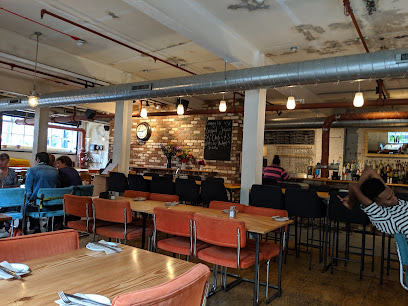
Berry and Rye
0.3 km
Knock to uncover Liverpool's speakeasy soul: jazz-infused cocktails, whiskey whispers, and Prohibition magic behind Berry Street's black door.
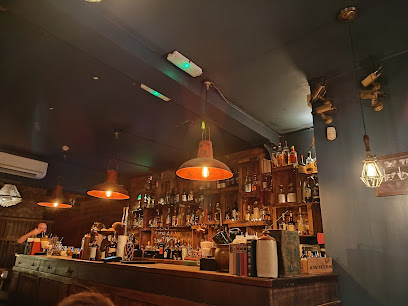
The Oracle
0.4 km
Liverpool's secret speakeasy where cocktails meet close-up magic—buzz in for illusions, tarot, and vintage vibes that defy reality.
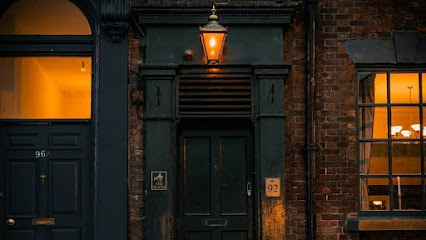
Salt Dog Slim's
0.4 km
Liverpool's dive bar legend: world beers, fiery cocktails, chili dogs, and secret speakeasy vibes on Seel Street.
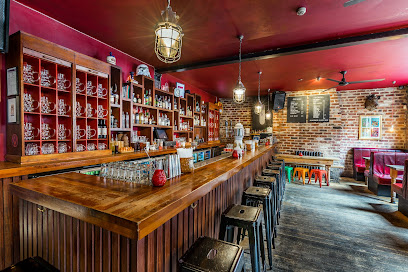
The Font
0.4 km
A lively Liverpool bar famed for cheap cocktails, homemade burgers, and a welcoming atmosphere since 2001.
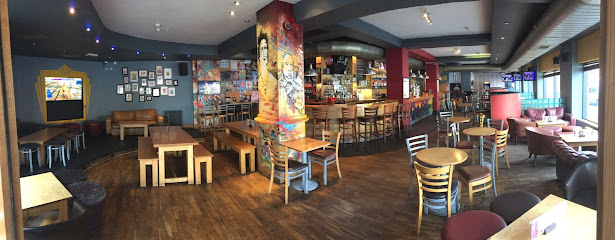
Bar Bodega
0.4 km
Liverpool's underground disco den: Ibizan house beats in a brick cellar nightclub, pulsing late into the night with cocktails and private party vibes.
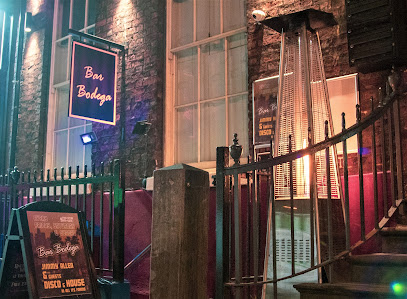
MOLOKO
0.6 km
A music-led cocktail bar in the Old Stables with a beer garden, late DJs and an over-25s disco energy for evening socialising.
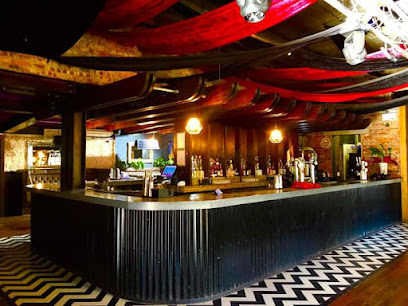
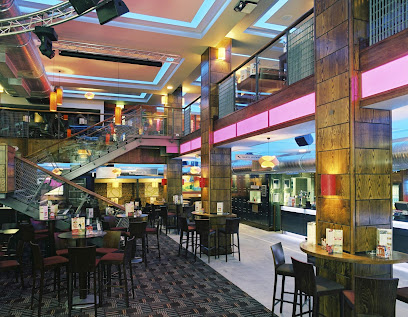
The Lime Kiln - JD Wetherspoon
0.7 km
Affordable ales and hearty meals in a historic warehouse pub at the pulse of Liverpool's nightlife district—daytime calm meets evening energy.
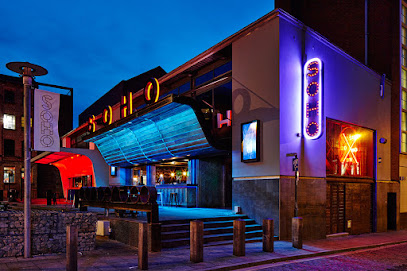
Soho Bar Liverpool
0.7 km
Liverpool's neon-charged party hub in Concert Square: cocktails by day, club beats by night, perfect for epic nights out.
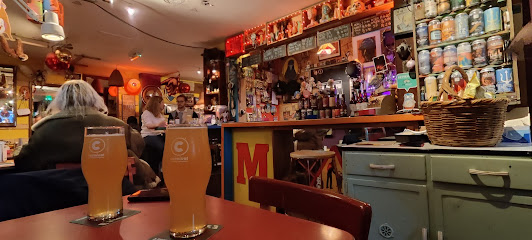
Hobo Kiosk
0.7 km
Liverpool's tiniest, quirkiest pub: vintage chaos, craft pours, and community vibes in the Baltic Triangle's creative heart.
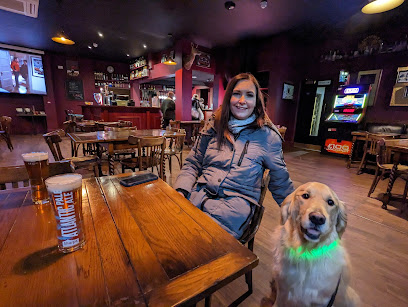
The Duck and Swagger
0.8 km
Cozy Baltic Triangle pub serving hearty scouse, all-day brekkies, and local ales in multi-roomed splendor—Liverpool's welcoming hidden gem.
Kazimier Garden
0.8 km
Liverpool's original garden bar: quirky outdoor oasis with craft brews, live gigs, and fairy-lit magic in the heart of Ropewalks.
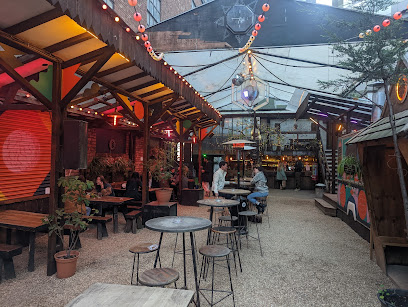
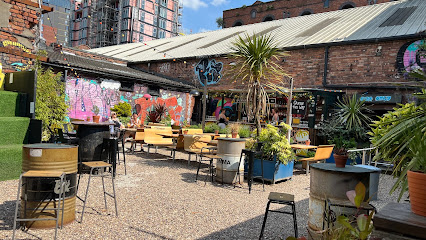
Botanical Garden
0.8 km
A plant‑filled, seasonal outdoor bar in the Baltic Triangle specialising in gin, street food and relaxed live music under festoon lights.
Nightclubs & after hour spots

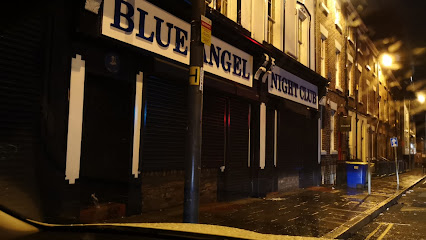
The Blue Angel Nightclub
0.4 km
Liverpool's dingy dive for 60s rock legends, dirt-cheap drinks, and sweaty throwback dances—where The Beatles once rocked and students still rage till dawn.
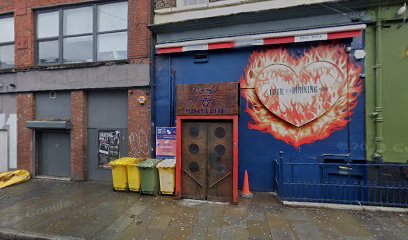
Cool It
0.5 km
A multi-level, student-friendly nightclub on Seel Street offering loud DJ nights, bargain entry and packed late‑night dancefloors.
Pure Nightlounge
0.5 km
Liverpool’s boutique R&B nightspot with VIP booths, tight dancefloor energy and a late-night, fashion-forward vibe.
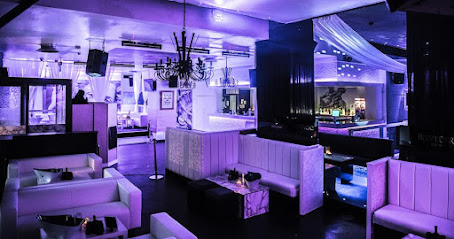
Heebie Jeebies
0.5 km
Liverpool's eclectic nightlife heart: multi-level bar, live music basement, courtyard hangs, and anthemic nights until dawn on Seel Street.
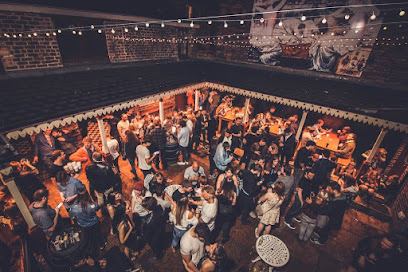
EBGBS
0.5 km
Liverpool's gritty basement nightclub where live indie gigs, craft cocktails, and underground vibes fuel epic nights until 4am in the heart of Seel Street.
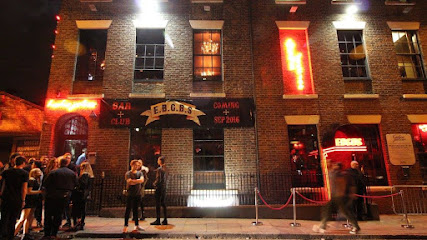
BrooklynMixer
0.5 km
Liverpool's original R&B haven on Seel Street: three floors of hip-hop beats, craft cocktails, leather lounges, and private party vibes from dusk till dawn.
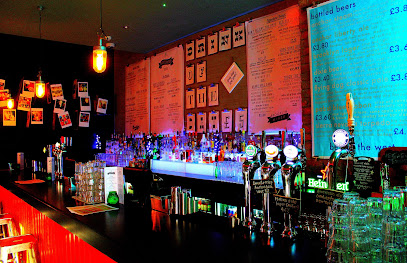
Ink Bar Liverpool
0.6 km
Liverpool's premier R&B and house nightclub, where stylish cocktails, thumping beats, and luxury vibes fuel unforgettable nights on Wood Street.
Aura
0.6 km
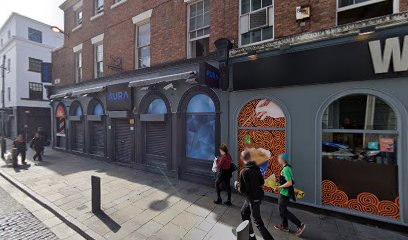
Dive into Liverpool's pulsating beats at Aura Nightclub, where Afrobeats and R&B fuel intimate, high-energy nights in Ropewalks' vibrant core.
Baa Bar Liverpool
0.6 km
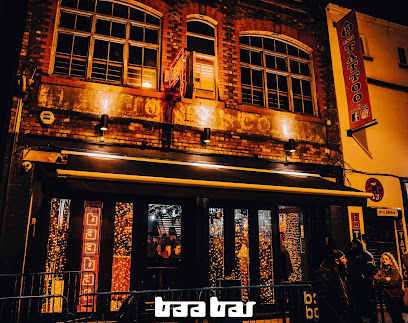
Two floors of house and R&B beats, £2 shooters, and courtyard vibes in Liverpool's nightlife epicenter—perfect for students and party-hoppers alike.
Modo, Liverpool
0.7 km
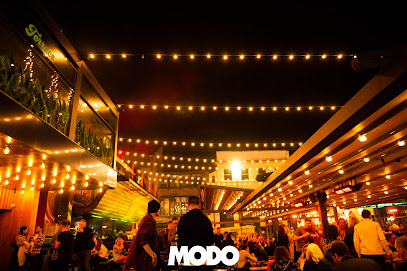
Liverpool's Concert Square legend: multi-room nightclub with cocktails, sports screens, heated terrace, and epic party spaces for every vibe.
LEVEL Nightclub Liverpool
0.7 km
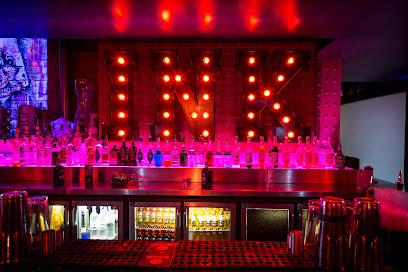
Liverpool’s expansive multi-floor nightclub offering diverse music, VIP areas, and a buzzing party atmosphere in the heart of Ropewalks.
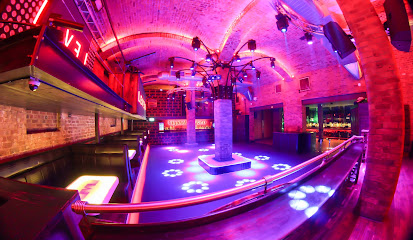
ELECTRIK WAREHOUSE
0.8 km
Liverpool's multi-floor warehouse nightclub: three dance floors of dance, RnB, indie, and chart hits in quirky industrial surrounds, open Thu-Sat till 4am.
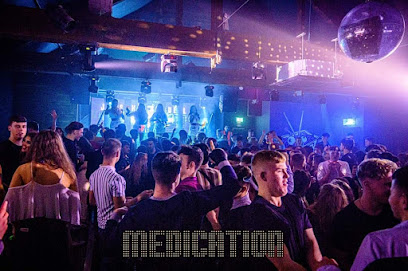
Popworld - Liverpool
0.8 km
Liverpool's ultimate cheesy pop haven: 90s bangers, cheap drinks, and dance-'til-dawn vibes in the heart of Ropewalks.
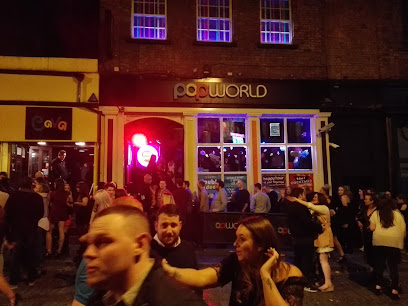
Supper Club at Blundell Street
0.9 km
Liverpool's ultimate supper club: fuel up on hearty meals, then dance the night away to drag shows, tributes, and non-stop hits near Echo Arena.
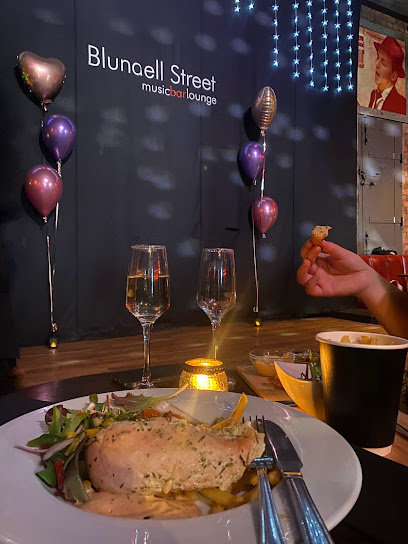
Playground Liverpool
1.2 km
Liverpool's luxury nightclub haven in the Hilton, pulsing with upscale beats by the Mersey waterfront – exclusive nights await in the heart of the city.
For the vibe & atmosphere seeker
- Scenic
- Unique
- Casual
- Entertaining
For the design and aesthetic lover
- Colorful Aesthetics
- Modern Designs
For the architecture buff
- Historic
- Art & Design
- Street Art
- Heritage Neighborhoods
For the view chaser and sunset hunter
- Iconic Views
For the social media creator & influencer
- Instagrammable
- Photo Spots
- Aesthetic Corners
- Architectural Shots
For the eco-conscious traveler
- Car-Free Access
- Public-Transport Accessible
- Locally Managed
For the kind of experience you’re after
- Cultural Heritage
- Photowalk
- Day Trip
For how adventurous you want the journey to be
- Easy Access
Location Audience
- Family Friendly
- LGBT Friendly
- Senior Friendly
- Child Friendly
- Teen Friendly
- Wheelchair Access
- Pet Friendly
- Solo Friendly
- Couple Friendly
- Solo Female Friendly


