Abbey Road Studios, London Travel Guide
A working London studio made famous by The Beatles, with the iconic zebra crossing, street-front photos, and a compact fan-pilgrimage feel.
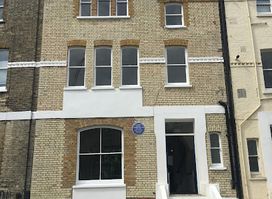
Abbey Road Studios is less a conventional attraction than a working music landmark. Most visitors come for the famous zebra crossing, the studio frontage, and the chance to stand where Beatles history was made. Expect a short, photo-led stop in a quiet residential part of St John’s Wood, with a small shop and a steady flow of fans.
A brief summary to Abbey Road Studios
- 3 Abbey Rd., London, NW8 9AY, GB
- Click to display
- Click to display
- Duration: 0.5 to 2 hours
- Free
-
 Outdoor
- Mobile reception: 5 out of 5
- Monday 9:30 am-7 pm
- Tuesday 9:30 am-7 pm
- Wednesday 9:30 am-7 pm
- Thursday 9:30 am-7 pm
- Friday 9:30 am-7 pm
- Saturday 9:30 am-7 pm
- Sunday 10 am-6 pm

Know before you go
Hi, I'm Eve. Here are a few practical things to know before exploring Abbey Road Studios.
- Go early if you want a cleaner photo of the crossing; later in the day the pavement fills with people waiting their turn.
- Treat it as an exterior visit. The studio is a working facility, so public access inside should not be assumed.
- Use public transport if possible. Residential parking is limited and stopping by car can be awkward around the crossing.
Do you manage this location?
Take control to get all the benefits, like improved information, better appearance, and stronger visibility across AI-powered discovery. Learn more about listing your business on Evendo
Activate your presenceOther nearby places you may find interesting
The closest places of the same kind, if this one is not quite what you had in mind.



Explore Abbey Road Studios on the Map
A handpicked selection of must-see spots near Abbey Road Studios, mapped for you.
Unlock the Best of Abbey Road Studios
Buy tickets
-
No tickets available
Book tours with entry


Getting There
-
Tube
St John’s Wood is the most practical Underground approach, with roughly a 10-minute walk from the station depending on your pace and the crowds.
-
Bus
Local bus routes serve the Abbey Road area and can be useful if you are already moving around north-west London.
-
Taxi / rideshare
Useful for a quick stop, but road conditions and photo traffic can make drop-off and pick-up less smooth than a Tube journey.
-
On foot
Walkable from nearby St John’s Wood sights, but not ideal as a long cross-city walk from central London unless folded into a broader route.
For the on-the-go comforts that matter to you
-
 Drink Options
-
 Food Options
-
 Seating Areas
-
 Trash Bins
-
 Information Boards
-
 Visitor Center
Discover more about Abbey Road Studios
What it is
Abbey Road Studios is a working recording complex at 3 Abbey Road in St John’s Wood, north-west London. It is best understood as a music-history landmark and pop-culture pilgrimage site rather than a standard visitor attraction. The studios opened in 1931 as the world’s first purpose-built recording studios, and their reputation has been built over decades of recording, mastering, and film-score work. The Beatles connection gives the site its global fame, but the address has a much broader legacy in British and international music production.What visitors actually do
Most people come for the exterior: the studio frontage, the official shop, and the zebra crossing made famous by the Abbey Road album cover. The visit is usually brief and self-directed. You pause for photos, watch other visitors take turns on the crossing, and often leave a message or dedication on the wall near the site. The experience is more about standing in a recognisable place than touring an interior. Unless you have a separate industry booking or private arrangement, do not expect public access inside the studios themselves.Atmosphere and setting
The setting is urban and compact, with low-rise residential streets rather than a busy commercial strip. That contrast is part of the appeal: a globally known music address in an otherwise quiet London neighbourhood. The crossing is the visual centrepiece, and the studio building provides the backdrop. On busy days the pavement feels crowded and slightly chaotic, with people waiting for a clear gap in traffic to recreate the classic photo. On quieter mornings, the same street feels more restrained and easier to photograph. The scene is iconic, but it is not tranquil.How to plan the visit
Abbey Road Studios works best as a short stop on a wider London itinerary. A simple visit takes about 20 to 30 minutes; if you browse the shop and linger for photos, allow closer to an hour. Public transport is the easiest approach, with St John’s Wood station the most practical Tube stop and buses also serving the area. Driving is possible but awkward, with limited parking and a residential street layout that does not favour casual drop-offs. The best conditions are dry, clear, mild days, when the crossing photo is easiest and the street scene reads well. Rain, cold, and low visibility reduce the appeal, but the site remains visitable year-round.Who it suits
This is a strong stop for Beatles fans, music-history travellers, and anyone building a London photowalk around famous addresses. It also suits casual sightseers who want one of the city’s most recognisable street scenes without committing much time. It is less rewarding for travellers looking for a deep museum-style visit, and it offers little in the way of shelter, facilities, or indoor interpretation. The appeal is concentrated, specific, and highly visual: one crossing, one frontage, and a long recording history behind them.












Your all‑in‑one travel companion app
Explore expert travel guides, compare and book tours, experiences, hotels, and more—all from the palm of your hand. Download now for seamless trip planning wherever your wanderlust takes you.


Explore More of London
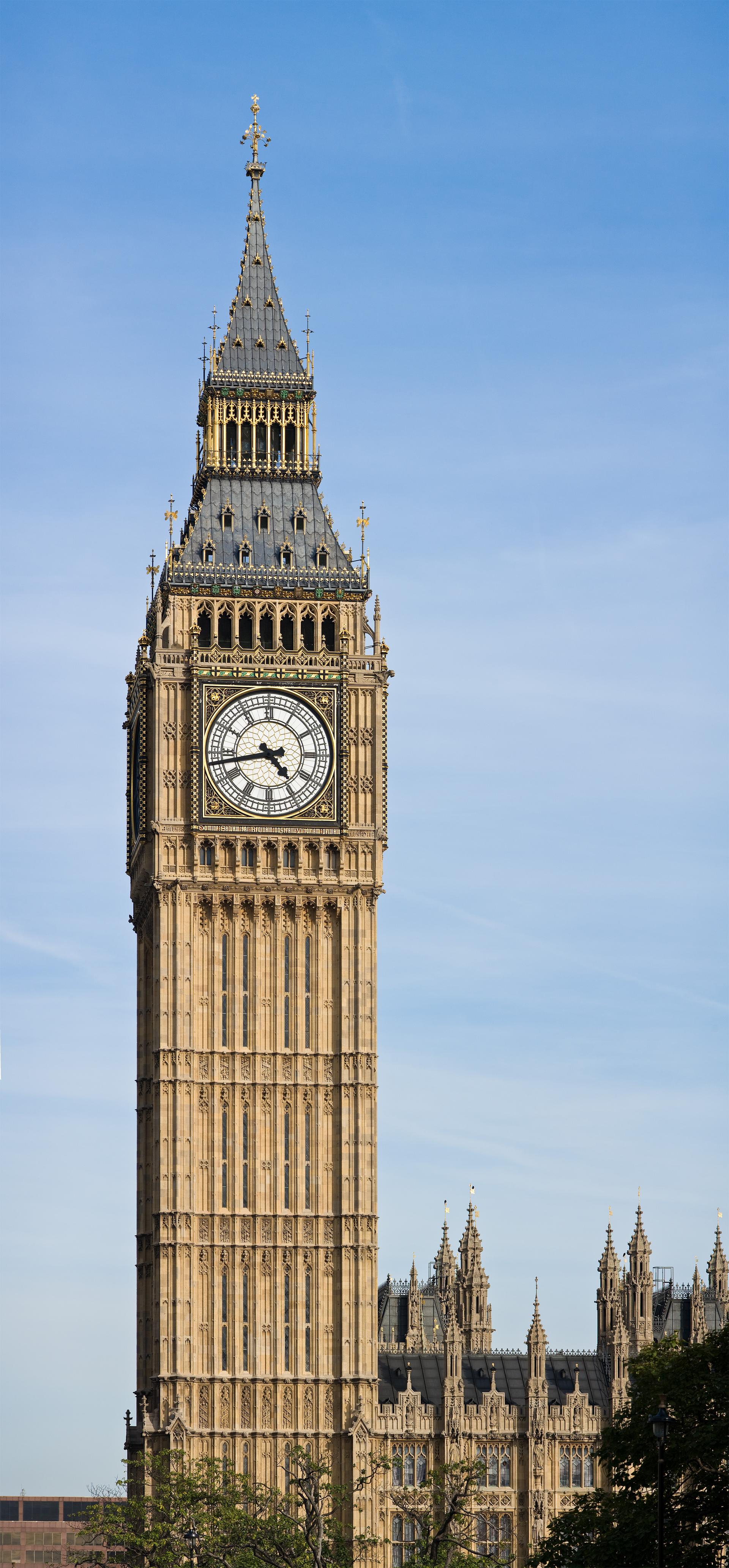
Looking beyond Abbey Road Studios? Discover London for broader travel guides, local hot-spots, and regional highlights.
Explore London