

Smithfield Market, London Travel Guide
Free Guide: London’s historic wholesale meat market, where Victorian market halls and pre-dawn trading still define the experience in the City.


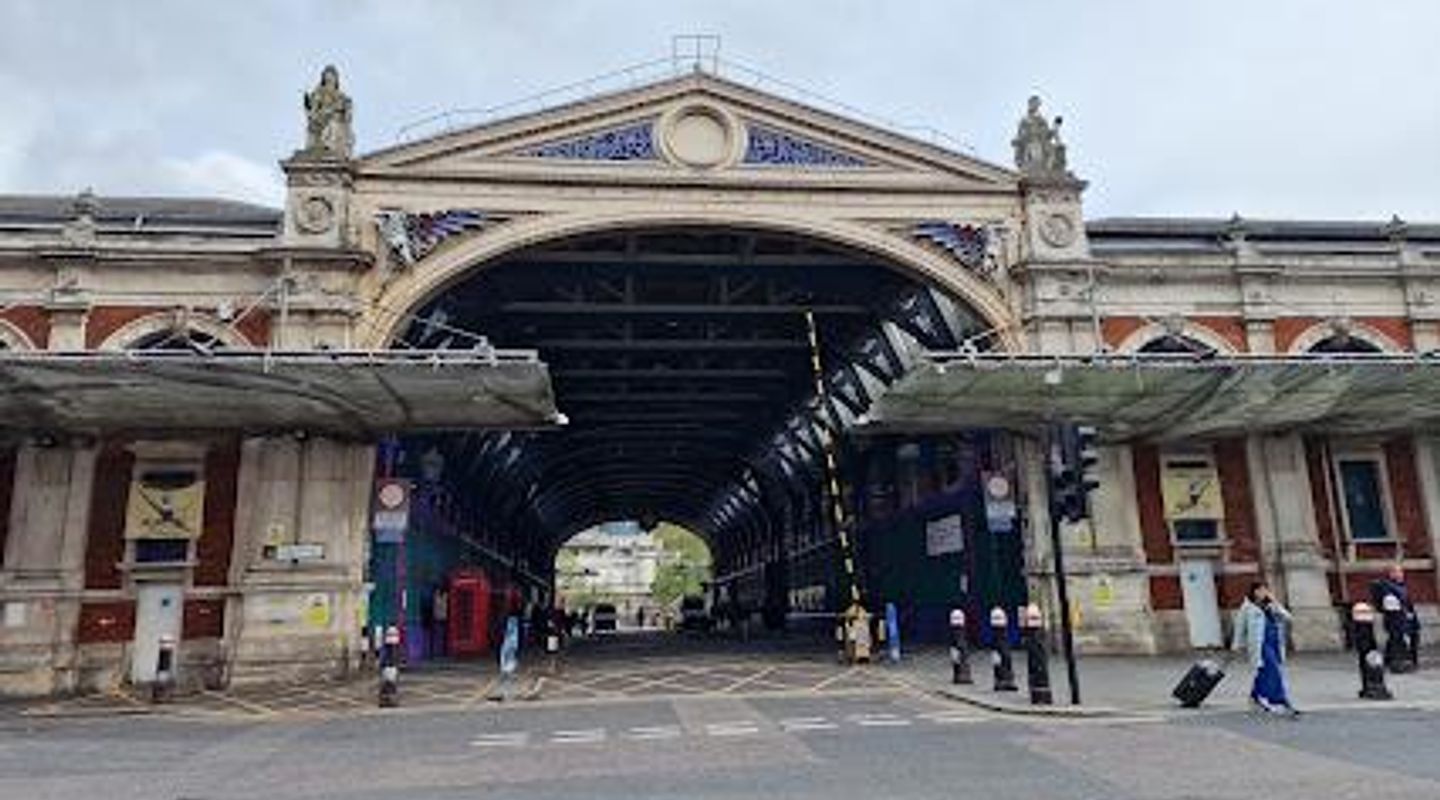
A brief summary of Smithfield Market
London’s historic wholesale meat market, where Victorian market halls and pre-dawn trading still define the experience in the City.
Smithfield Market is not a browsing market but a working wholesale complex in the City of London, where the action starts before dawn and fades fast after sunrise. Its 19th-century market halls, ironwork and loading yards still frame a trade that has occupied this site for more than 800 years. Visitors come for the architecture, the early-morning atmosphere and a rare look at London’s food logistics in motion.
On-site amenities
 Restrooms
 Drink options
 Food options
 Seating areas
 Information boards
Opening hours
- Mon12 am–7 am
- Tue12 am–7 am
- Wed12 am–7 am
- Thu12 am–7 am
- Fri12 am–7 am
- SatClosed
- SunClosed
Opening hours as listed on the venue’s Google Business Profile. Hours can change for services and special events, so check with the venue before you go.
- Address
- Grand Ave London
- Phone
- Website
Getting there
Tube / rail
Walking
Taxi / rideshare
Driving
Discover more about Smithfield Market
What it is
Smithfield Market, officially London Central Markets, is London’s historic wholesale meat market in the City. It is the UK’s largest wholesale meat market and one of the largest in Europe, but it is not a retail market in the usual sense. The site has served as a livestock and meat-trading ground for centuries, with market rights recorded in medieval London and the present buildings dating to the 19th century. For travellers, that means this is a place to observe a working food system rather than to shop casually.
What you actually see
The market is most active in the pre-dawn hours, roughly from 3am to 6am, when traders, buyers, deliveries and cold-chain handling fill the loading areas. By around 7am the pace drops sharply. The experience is practical and industrial: lorries, shuttered bays, hard surfaces, iron-and-glass market halls and the clipped movement of people who are here to work. The main visitor draw is the exterior and perimeter atmosphere, plus any official guided visit. Photography is possible, but this is a controlled commercial site, so the mood is more documentary than leisurely.
Architecture and setting
Smithfield sits in a dense part of the City of London, surrounded by office streets, rail infrastructure and older lanes. The East and West Market Buildings are Grade II listed and give the site its strongest visual identity: long façades, ornate ironwork, and a robust Victorian industrial character that still reads clearly from street level. The setting is urban rather than scenic, but the contrast between heritage architecture and modern wholesale logistics is what makes it distinctive. It works best for travellers interested in urban history, food supply chains and built heritage.
How a visit unfolds
A short independent visit usually means arriving early, walking the edges of the market, and taking in the buildings and activity before the wholesale rush ends. A longer visit may combine Smithfield with nearby Farringdon, Barbican or St Paul’s, or with a specialist tour if one is available. This is not a place for lingering all day: the public-facing experience is limited, the operating hours are narrow, and weekends are closed. The best visits are brief, focused and timed to the working week.
Practical expectations
Expect early starts, limited visitor facilities and a setting designed for commerce, not comfort. Public amenities are sparse compared with a museum or retail market, and the area can feel cold, noisy and exposed before sunrise. Transport is straightforward from central London stations such as Farringdon, Barbican, St Paul’s or Chancery Lane, but driving is awkward in this part of the City. Smithfield suits adults, solo travellers and anyone with a strong interest in London’s working history; it is far less suitable for casual family browsing or an unhurried daytime outing.
Evendo Review Centre
 Google
Guest reviews
Best time to go
Quietest: Jan, Feb & Dec · at 8am or at 9am or at 10am
Busy times are Evendo estimates for a typical year, to help you plan. Actual crowds vary with events, school holidays and the weather.
Explore Smithfield Market on the map
A handpicked selection of must-see spots near Smithfield Market, mapped for you.
Get your free copy of our complete guide to Smithfield Market, delivered straight to you.
Everything on this page, from opening hours and how to get there to Eve’s tips and the best time to go, in one PDF you can read offline, print or share.
Already have an account? Sign in
Your Smithfield Market guide is ready.
We'll send it to · Not you? Sign out

Getting your guide ready…
We are putting together a fresh copy of the Smithfield Market guide. This can take up to a minute.
This can take a few moments. If your browser asks, choose Allow so the download can start. You'll find the guide in your Downloads folder.
Nothing happened? Download it again
Sorry, the guide is taking longer than usual. Please try again in a minute, or get it by email instead.
Unlock the best of Smithfield Market
Skip-the-line tickets, guided tours with entry, and walking tours of the area, booked in a few clicks.
 Tour with entry
London Food and Drink History Walking Tour in Clerkenwell
from $18.86 Tour with entry
Medieval London Self-Guided Tour for Kids and Families in English
from $20.11 Tour with entry
Dark History of London Ghosts Gallows and Body Snatchers
from $20.12 Tour with entry
London Ghost Walking Tour: Dark History & Legends
from $20.22



Other nearby places you may find interesting
The closest places of the same kind, if this one is not quite what you had in mind.
-
-
-
-
-


Swipe for more places
More to explore near Smithfield Market

 Best experiences near Smithfield Market
 Best hotels near Smithfield Market
 Best landmarks near Smithfield Market
 Best attractions near Smithfield Market
 Best shops near Smithfield Market
 Best restaurants near Smithfield Market
 Best bars near Smithfield Market
Do you manage this location?
Take control to get all the benefits, like improved information, better appearance, and stronger visibility across AI-powered discovery.
Explore more

Explore more of London
Explore London: A city of iconic landmarks, rich history, vibrant culture, and endless attractions that cater to every taste, making it a must-visit destination.
Explore London
Explore more of United Kingdom
Discover the United Kingdom: A blend of rich history, stunning landscapes, and vibrant cities, offering a unique travel experience for every visitor.
Explore United Kingdom
