
St John-at-Hampstead Church: Historic Anglican Landmark in London
Historic Anglican church in Hampstead with classical architecture, rich heritage, and a distinctive copper spire dating back to 1747.
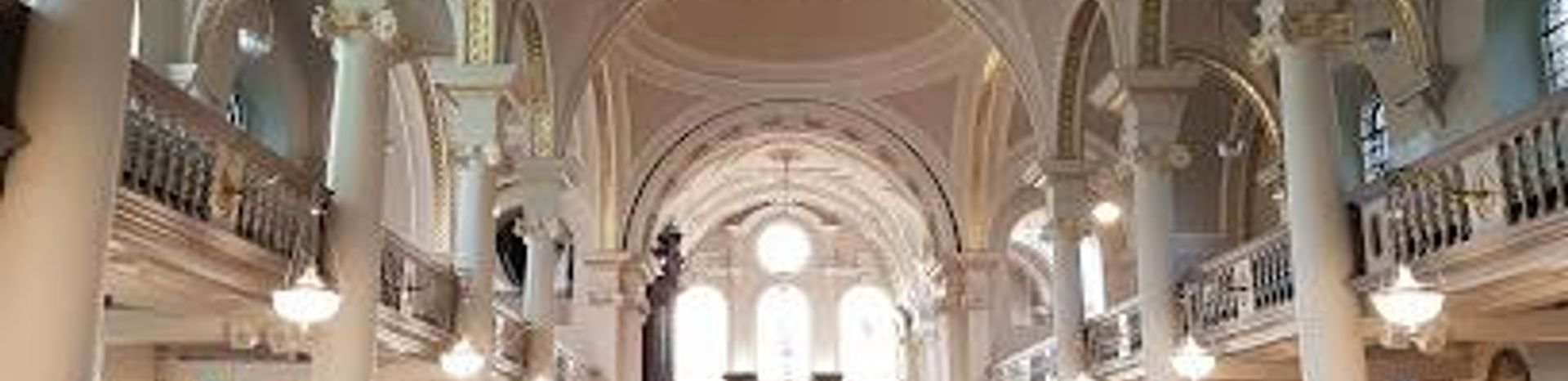
St John-at-Hampstead is a Grade I listed Anglican parish church located on Church Row in London NW3. The current classical-style building dates from 1747, designed by Henry Flitcroft and John Sanderson, with significant expansions in the 19th and early 20th centuries. Known for its distinctive copper spire added around 1783, the church features a rich history dating back to at least 1312 and is renowned for its architectural heritage, historic organ, and notable churchyard with cultural connections.
A brief summary to St John-at-Hampstead Church
- Church Row, London, NW3 6UU, GB
- +442077945808
- Visit website
- Duration: 0.5 to 2 hours
- Free
-
 Outdoor
- Mobile reception: 4 out of 5
- Monday 9:30 am-4 pm
- Tuesday 9:30 am-4 pm
- Wednesday 9:30 am-4 pm
- Thursday 9:30 am-4 pm
- Friday 9:30 am-4 pm
- Saturday 9:30 am-4 pm
- Sunday 12 am-12 am
Local tips
- Visit during the Dedication Festival around 8 October to experience special services celebrating St John the Evangelist.
- Explore the adjacent historic churchyard to discover graves linked to Hampstead’s literary and cultural past.
- Notice the classical architecture and the copper spire added in the 1780s, a distinctive feature of the church.
- Take time to appreciate the church’s historic organ and the restored lighter interior scheme from 1958.

For the on-the-go comforts that matter to you
- Restrooms
- Seating Areas
- Information Boards
Getting There
-
Public Transport
Take the London Underground Northern Line to Hampstead Station, then enjoy a 15-20 minute walk through scenic Hampstead Village to Church Row. The walk is moderately hilly and suitable for most visitors. No additional fare beyond standard Tube ticket prices applies.
-
Bus
Bus routes 24 and 46 serve the Hampstead area with stops near Church Row. From central London, expect a 30-40 minute journey depending on traffic. Buses run frequently during the day. Walking from the bus stop involves some gentle uphill terrain.
-
Taxi or Rideshare
A taxi or rideshare from central London to St John-at-Hampstead typically takes 20-30 minutes depending on traffic and costs approximately £15-£25. The church is located on Church Row, where parking is limited and subject to local restrictions.
St John-at-Hampstead Church location weather suitability
-
 Any Weather
-
 Clear Skies
-
 Mild Temperatures
-
 Rain / Wet Weather
Discover more about St John-at-Hampstead Church
Origins and Early History of Worship at Hampstead
The site of St John-at-Hampstead has a long-standing religious significance, with worship likely established shortly after 986 AD when the land was granted to the Benedictine monks of Westminster Abbey. The earliest recorded references to a church here date from 1312, when John de Neuport served as priest, and in 1333 with mention of a chapel dedicated to the Blessed Virgin Mary. The medieval church was a modest structure, partly stone and timber, with a small wooden tower. By the mid-18th century, the original building had become unsafe and inadequate for the growing population of Hampstead, a village that was gaining popularity as a health resort due to its elevated location and natural springs.Reconstruction and Architectural Evolution
The present church was constructed starting in 1744 and consecrated on 8 October 1747, designed by Henry Flitcroft and John Sanderson. The building exhibits a classical architectural style with stone and timber elements. A distinctive copper spire was added around 1783, becoming a notable feature of the skyline. The church was originally smaller, extending only to the transepts, with the altar positioned at the east end and entrances arranged around it. Over the 19th century, the church underwent several expansions to accommodate Hampstead's growing population. In 1843, Robert Hesketh designed an extension adding transepts and seating capacity. Later, in 1877-78, F.P. Cockerell led further westward extensions, realigning the interior and moving the altar to the geographical west end. These expansions were supported by prominent cultural figures of the time who opposed demolition of the tower, preserving the church's historic character.Interior Features and Artistic Heritage
The church interior has evolved through various restorations. In 1911-12, architect Temple Moore improved the vestries and added a Morning Chapel. The dark Victorian interior scheme was removed in 1958, restoring a lighter, whitewashed aesthetic more in keeping with the original design. St John-at-Hampstead houses a historically significant organ originally built by Henry Willis in 1853, with subsequent rebuilds and restorations by renowned firms including Harrison & Harrison and Bower & Co. The church’s interior also features a reredos framing the Ten Commandments, the Lord’s Prayer, and the Apostles’ Creed, along with an East Window depicting the Eagle of St John, dating from 1882.Churchyard and Cultural Connections
The churchyard and an adjacent burial ground consecrated in 1812 contain graves of notable historical figures, including those linked to Hampstead’s rich literary and cultural heritage. Hampstead’s reputation as a retreat for London’s affluent and creative elite is reflected in the churchyard’s occupants. The site is also associated with intriguing local stories, including the graves of the Llewelyn-Davies family, famously connected to the inspiration for J.M. Barrie’s Peter Pan. The churchyard’s elevated position offers views over the hilly landscape descending towards the Thames.Community Role and Modern Significance
St John-at-Hampstead remains an active parish church within the Church of England, maintaining its evangelical tradition and serving the spiritual needs of the local community. The building is Grade I listed, reflecting its exceptional architectural and historic importance. Recent restoration efforts, including a major £2.5 million underpinning and extension project completed in 2004, have ensured the church’s structural integrity and expanded facilities. The church continues to celebrate its Dedication Festival annually on 8 October, honoring its patron saint, St John the Evangelist.Architectural and Historical Legacy
The church stands as a testament to Hampstead’s evolution from a rural village to a vibrant London suburb. Its architecture blends classical design with Victorian and early 20th-century influences, preserving original features such as box pews and the historic clock made by John Moore and Son in 1823. The church’s survival and adaptation over centuries highlight the community’s dedication to preserving its heritage while accommodating contemporary worship and cultural activities.Iconic landmarks you can’t miss

5 Abbey Rd.
2.6 km
World’s oldest purpose-built recording studio and iconic Beatles landmark in London’s St John’s Wood.
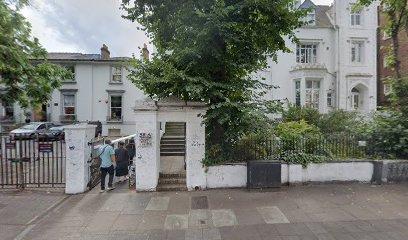
3 Abbey Rd.
2.6 km
World-famous recording studio in London where The Beatles and many legends crafted music history since 1931.
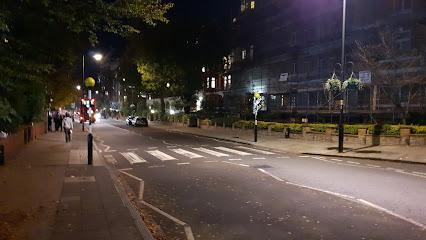
Hawley Street Art
2.8 km
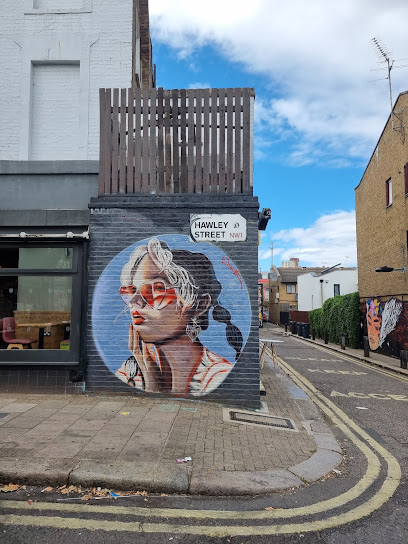
Discover Camden’s vibrant Hawley Street Art, a dynamic outdoor gallery celebrating creativity, culture, and iconic urban murals.
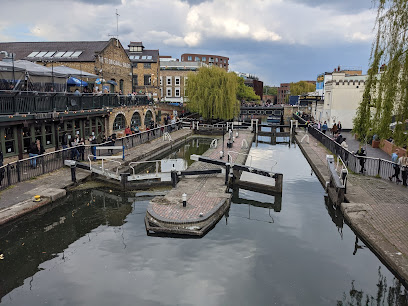
Iron Footbridge over Regent’s Canal (Camden)
2.9 km
Historic iron footbridge offering scenic canal views and vibrant access to Camden’s lively markets and cultural heart.
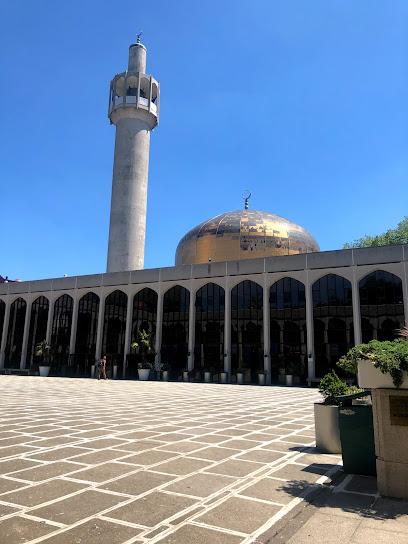
London Central Mosque
3.1 km
London's iconic Islamic cultural landmark blending spiritual tradition with modern community engagement.
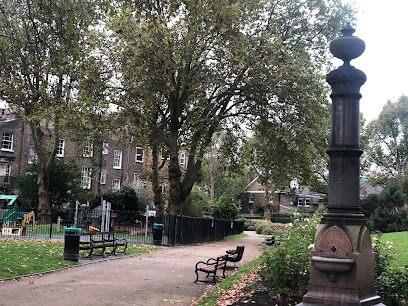
Saint Martin's Gardens
3.4 km
Experience the serene beauty of Saint Martin's Gardens, a hidden gem in Camden, London, where lush landscapes meet captivating monuments.
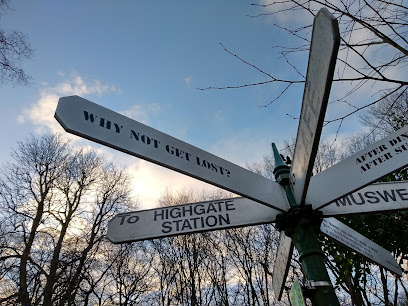
Queen's Wood
3.8 km
Explore the tranquility of Queen's Wood, a serene nature reserve in London perfect for leisurely walks and wildlife spotting amidst stunning greenery.
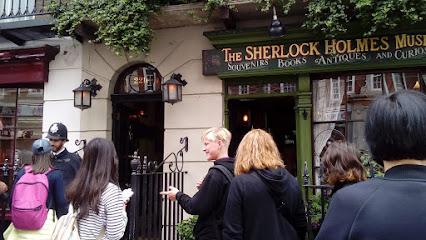
221B Baker St
3.8 km
Explore the iconic 221B Baker Street, the legendary home of Sherlock Holmes, and immerse yourself in the world of detective fiction and Victorian charm.
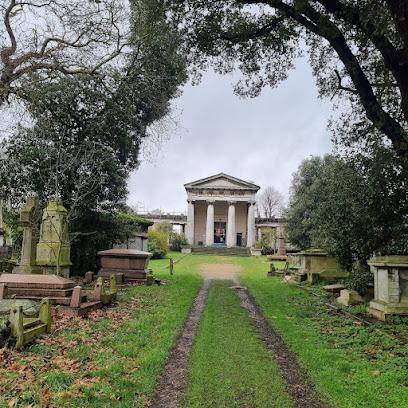
Kensal Green Cemetery
3.9 km
Explore the rich history and serene beauty of Kensal Green Cemetery, one of London's oldest burial grounds, a tranquil escape amidst the city's vibrancy.
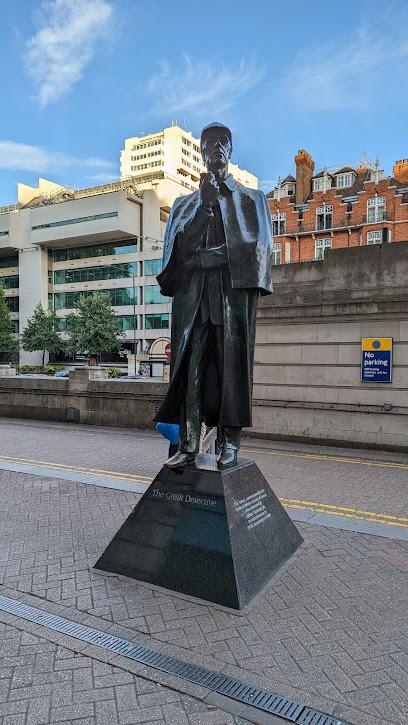
Sherlock Holmes Statue
4.0 km
Discover the charm and intrigue of London at the Sherlock Holmes Statue, a fitting tribute to the legendary detective and a must-see tourist attraction.
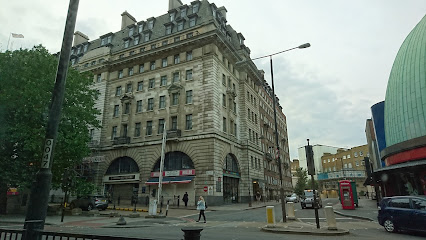
University of Westminster Marylebone Hall
4.1 km
Experience the vibrant academic life at Marylebone Hall, a historic university in London surrounded by iconic attractions and rich culture.
The Fan Bridge
4.1 km
Explore The Fan Bridge in Paddington Basin, London, a stunning architectural landmark offering unique views and a vibrant atmosphere for all visitors.
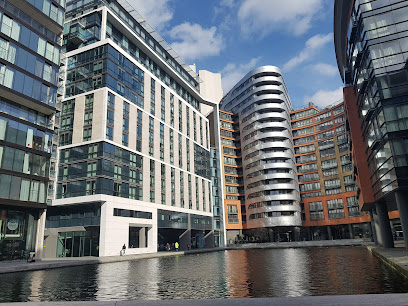
Paddington Basin
4.1 km
Explore the tranquil beauty of Paddington Basin, London's enchanting waterside destination filled with modern architecture and relaxing scenery.
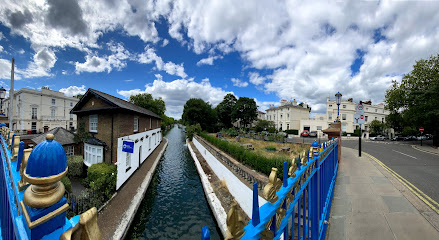
The Paddington Partnership
4.2 km
Experience the vibrant community and rich culture of Paddington through the initiatives of The Paddington Partnership, a hub for local engagement and development.
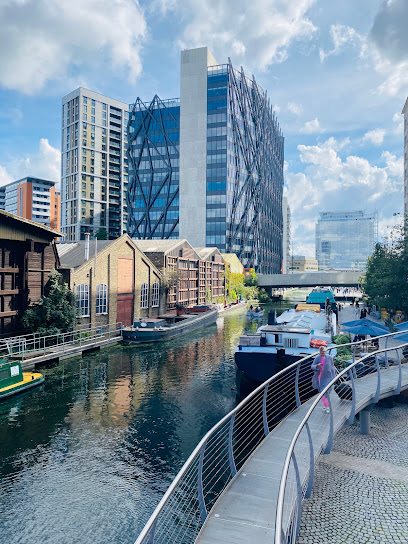
St Mary's Church, Bryanston Square
4.2 km
Neoclassical Pantheon-inspired church in Marylebone, built 1824, blending architectural grandeur with vibrant community engagement.
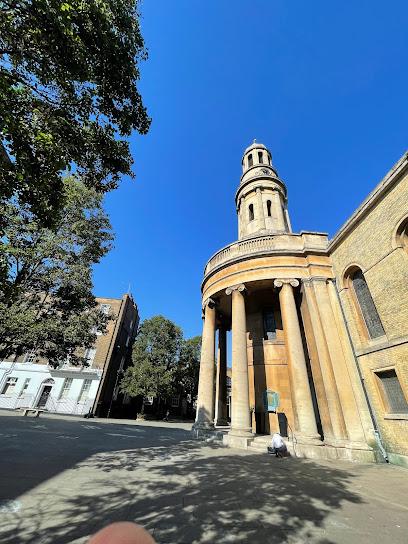
Unmissable attractions to see

National Trust - Fenton House and Garden
0.4 km
Explore a 17th-century merchant’s house with historic collections, stunning gardens, and panoramic London views in tranquil Hampstead.
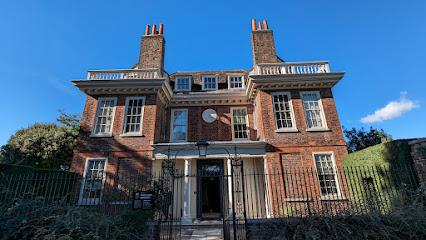
Camden Art Centre
0.5 km
Discover cutting-edge contemporary art and creative spaces in a historic London setting at Camden Art Centre.
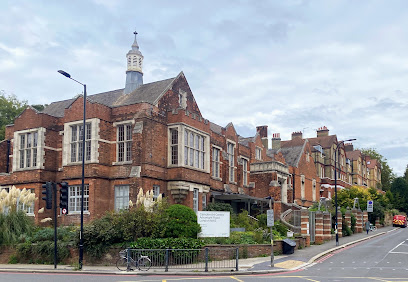
Jewish Museum London
0.5 km
Explore British Jewish history, culture, and identity in a striking Libeskind-designed museum in vibrant Camden Town.
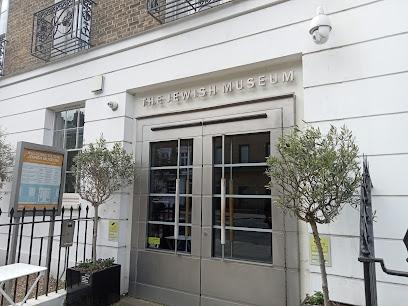
Burgh House
0.5 km
Discover Burgh House, a stunning Queen Anne historic house and vibrant cultural hub in the heart of Hampstead, London.
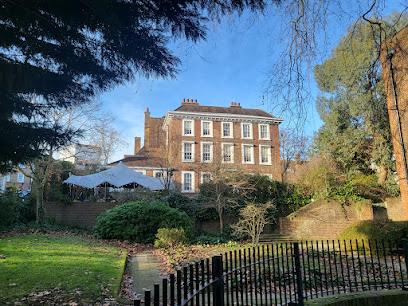
Freud Museum London
0.8 km
Explore the preserved home and study of Sigmund Freud, featuring his iconic psychoanalytic couch and rich collections in tranquil Hampstead.
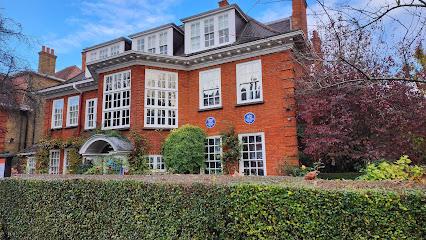
2 Willow Road
0.8 km
Explore 2 Willow Road, Ernő Goldfinger’s iconic 1939 modernist family home blending bold architecture with mid-century art in leafy Hampstead.
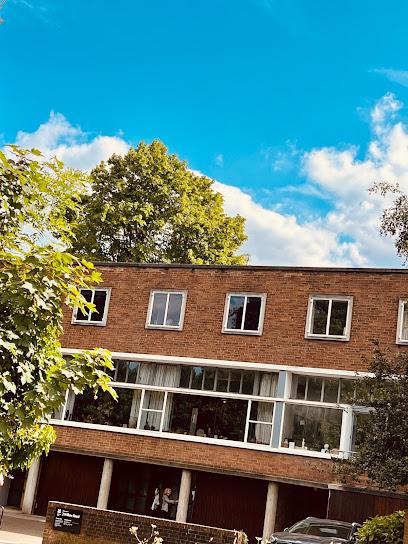
Keats House
0.9 km
Step into the Regency home where John Keats penned timeless poetry and found love, surrounded by tranquil gardens and literary history.
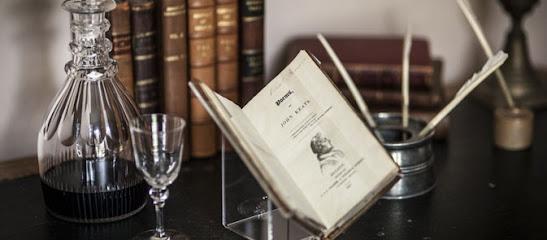
Royal Free Hospital
1.0 km
A leading London hospital blending advanced medical care with compassionate patient support in a vibrant urban setting.
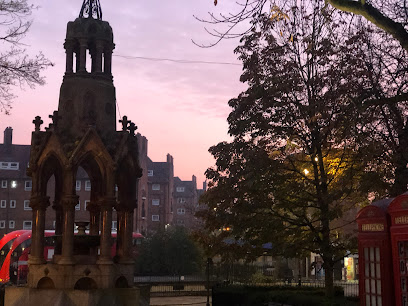
Hampstead Heath
1.4 km
Escape to Hampstead Heath, a sprawling urban oasis with ancient woodlands, swimming ponds, and stunning panoramic views over London.
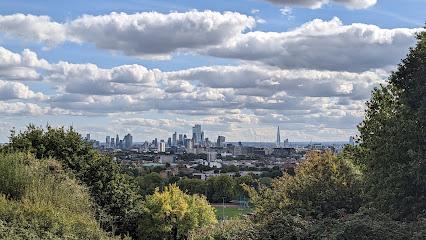
Abbey Rd.
2.0 km
Iconic London street and world-famous recording studios where The Beatles made history and music innovation thrives.
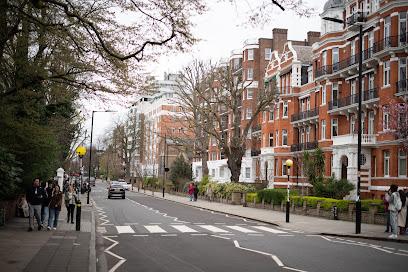
Dr. BR Ambedkar House
2.2 km
Explore the London home of Dr. BR Ambedkar, a global icon of social justice and architect of the Indian Constitution, now a memorial and museum.
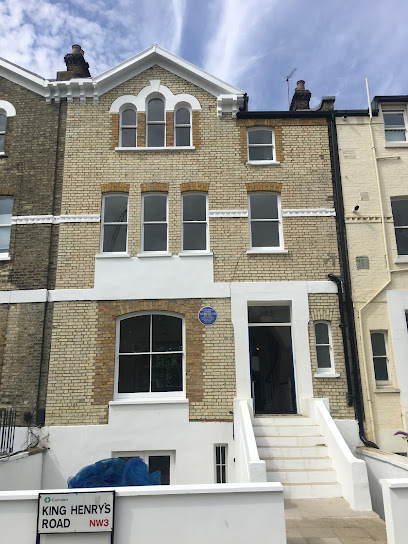
Primrose Hill
2.3 km
Historic hilltop park in London offering stunning city views, Victorian charm, and a rich tapestry of cultural heritage.
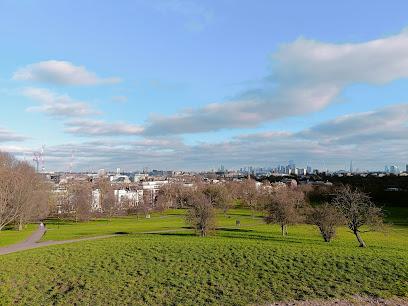
The Queens
2.3 km
Experience the heart of London at The Queens, a vibrant pub in Primrose Hill offering delicious food, craft drinks, and a welcoming atmosphere.
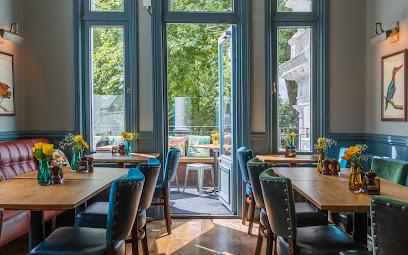
St. John's Wood
2.3 km
Elegant village charm meets iconic landmarks and green spaces just minutes from central London in St John's Wood.
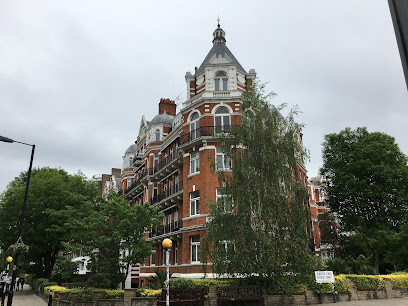
Roundhouse
2.4 km
A historic circular venue in Camden where iconic music legends and emerging artists share the stage in a vibrant cultural landmark.
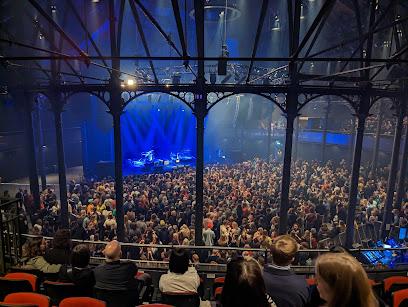
Essential places to dine

Rossopomodoro Camden
3.0 km
Experience authentic Neapolitan pizza and classic Italian dishes in the vibrant heart of Camden, London.
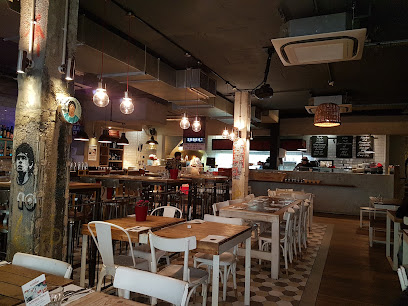
wagamama camden
3.0 km
Fresh Japanese-inspired dishes and vibrant communal dining in the heart of Camden’s eclectic market scene.
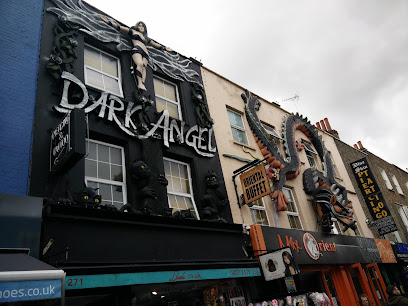
Mildreds Camden
3.0 km
Discover vibrant international vegan cuisine and lively atmosphere at Mildreds Camden, a cornerstone of London’s plant-based dining scene.
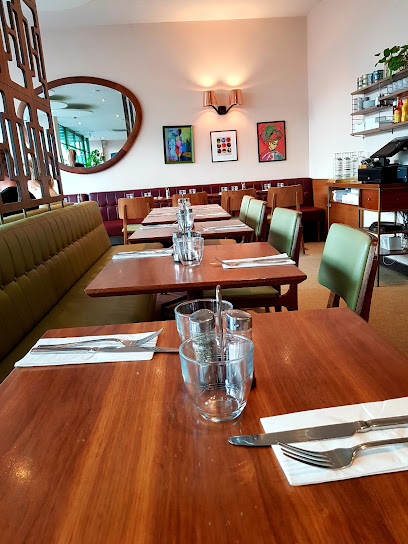
Jamon Jamon
3.2 km
Experience authentic Spanish tapas and vibrant Mediterranean flavors in a lively NW1 London setting with rustic charm and inviting atmosphere.
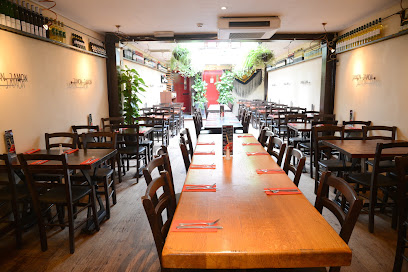
Goodfare Italian Restaurant
3.2 km
Cozy Camden Italian eatery serving authentic pizzas, pastas, and seafood with warm hospitality and a lively street-side vibe.
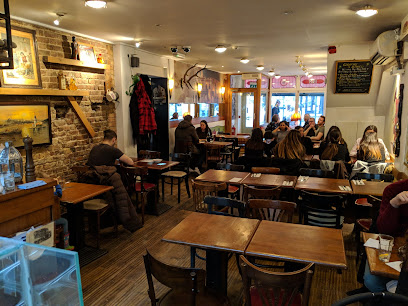
Laz @Camden
3.2 km
Discover authentic Turkish cuisine and warm hospitality in Camden’s cozy Laz restaurant, where tradition meets vibrant London vibes.
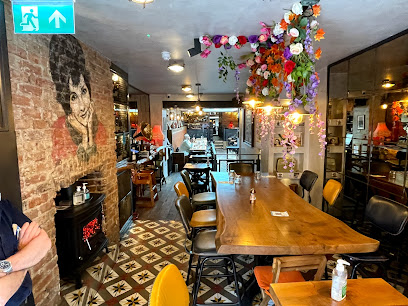
Daphne Restaurant
3.4 km
Authentic Greek-Cypriot dining in Camden with warm hospitality, cozy ambiance, and generously portioned traditional dishes.
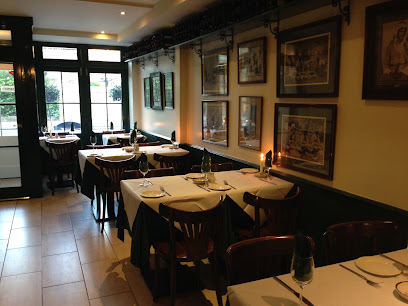
Il Sugo
3.4 km
A cozy family-run Italian restaurant in Camden serving hearty, authentic dishes with generous portions and warm hospitality.
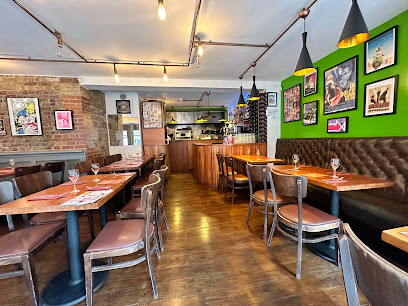
Alexander The Great Restaurant
3.6 km
Experience authentic Greek hospitality and generous Mediterranean flavors in the heart of Camden’s vibrant dining scene.
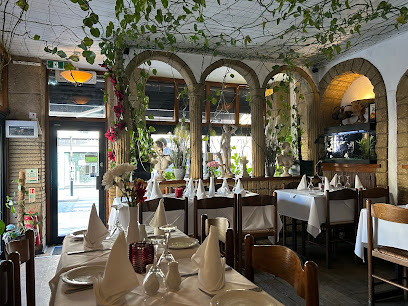
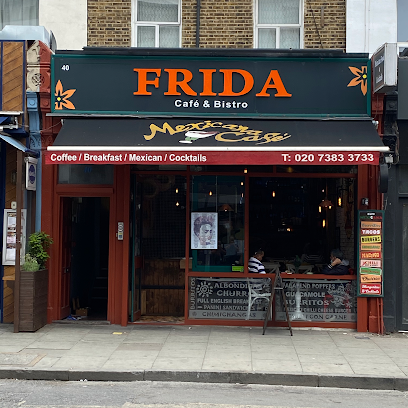
Frida Camden
3.6 km
Authentic Mexican cuisine with vibrant flavors and a lively atmosphere in the heart of Camden, London.
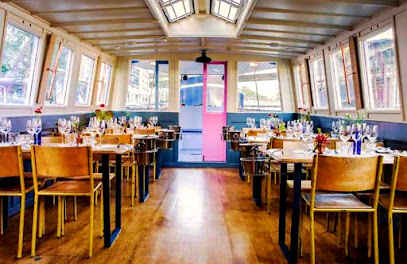
London Shell Co. - The Prince Regent
4.0 km
Savor exceptional British seafood aboard a charming canal barge cruising the historic Regent's Canal in Central London.
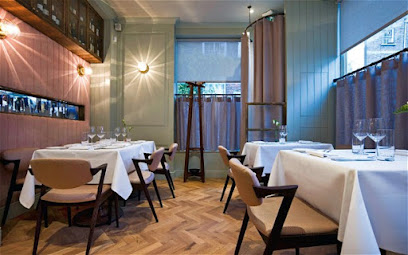
104 Restaurant by Richard Wilkins
4.2 km
A refined modern French gem in Notting Hill offering intimate dining, exquisite tasting menus, and impeccable service in a cozy setting.
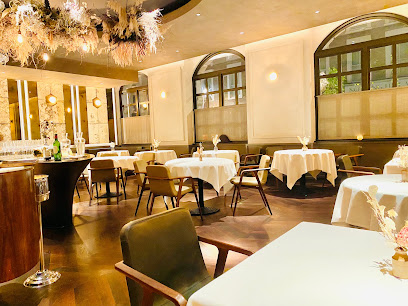
The Ledbury
4.5 km
Experience world-class Modern European fine dining in Notting Hill at The Ledbury, a 3-Michelin-starred culinary gem blending British ingredients with French elegance.
Portobello Garden Arcade Italian Restaurant
4.5 km
Authentic Italian dining in a rustic, cozy setting nestled in the heart of vibrant Notting Hill’s Portobello Road.
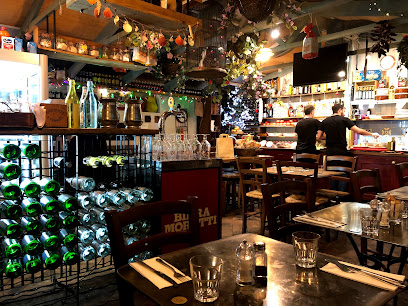
Cocotte Notting Hill
4.5 km
Experience authentic French rotisserie chicken in a cozy, farm-to-table setting on vibrant Westbourne Grove, Notting Hill.

Markets, malls and hidden boutiques

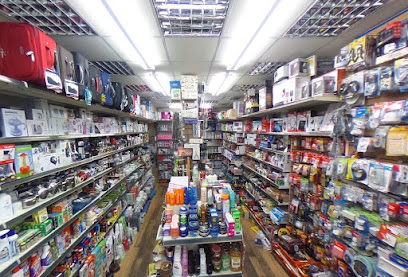
Gift Centre London
1.8 km
Discover a unique blend of gifts, souvenirs, and practical items at Gift Centre London, your one-stop shop for memorable finds.
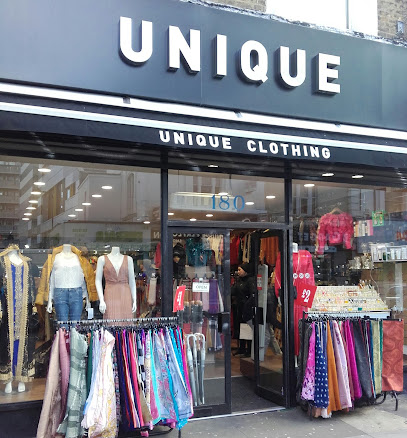
Unique London
1.9 km
A vibrant clothing boutique on Kilburn High Road, offering unique fashion finds and personal service in a diverse, lively London neighbourhood.
Shop
2.7 km
A compact, ever-changing Camden Market shop serving eclectic vintage, designer finds and small-run curios in the Stables’ maze-like atmosphere.
Zakka Camden
2.7 km
Discover artist-designed cushions and design-led gifts at this quirky Camden Market gem, blending Japanese zakka charm with London's creative pulse.

Cyberdog
2.7 km
Step into Cyberdog, Camden’s neon-lit rave shop where futuristic fashion meets pounding techno beats in a vibrant club-like setting.
Camden Threads - An online shop for the best independent brands and vintage boutiques
2.8 km
Discover curated vintage and indie fashion treasures in Camden Stables Market's historic heart – where retro meets rebellious style. (112 characters)
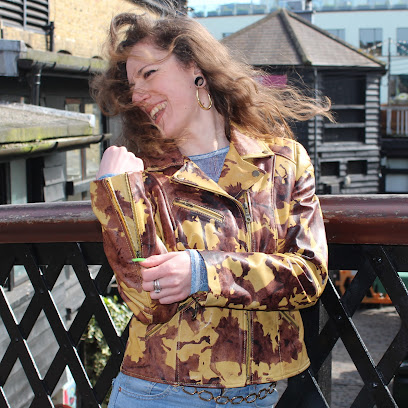
What Goes Around Comes Around
2.8 km
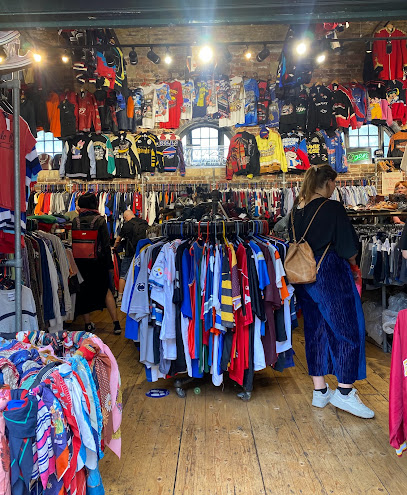
Dive into Camden's retro Americana vault at What Goes Around Comes Around, where vintage varsity jackets, Levi’s, and 80s tracksuits await in the Stables Market.
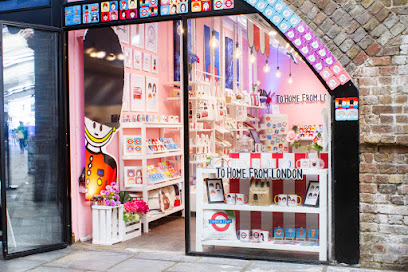
To Home From London
2.8 km
Camden's go-to for handcrafted London souvenirs: witty mugs, sturdy totes, and homewares that pack whimsy and quality into every piece.
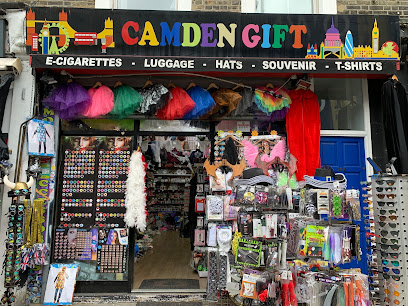
Camden Gift
2.9 km
Quirky Camden souvenirs, stylish gear, and luggage relief on vibrant Chalk Farm Road—a slice of alternative London in one eclectic stop.
KESKIN GIFT
2.9 km
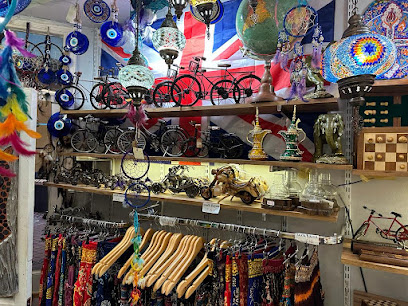
Discover handmade wonders at Keskin Gift, where Camden's craft spirit shines through chess sets, masks, and artisanal jewelry in the iconic Lock Market.
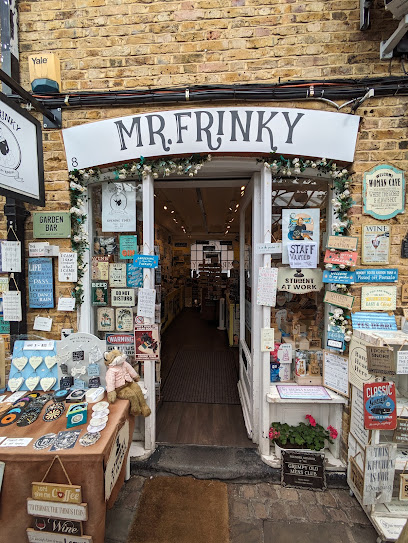
Mr Frinky
2.9 km
Compact, colourful and cheeky — a Camden Lock stall for witty signs, magnets and small‑batch souvenirs with retro flair.
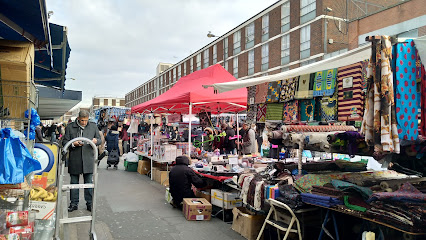
Church Street Market
3.6 km
A bustling multicultural market in Westminster offering fresh produce, antiques, street food, and vibrant local culture from Monday to Saturday.
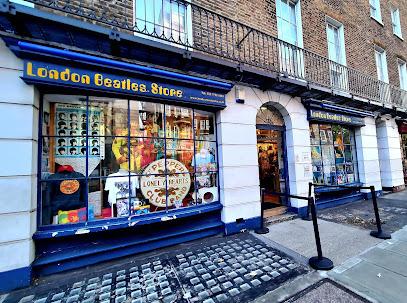
London Beatles Store
3.9 km
A vibrant Beatles memorabilia haven on Baker Street celebrating the timeless legacy of the Fab Four.
Coal Drops Yard
4.3 km
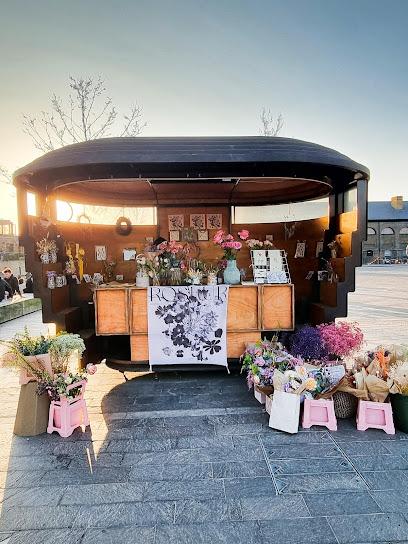
Where Victorian industrial heritage meets contemporary shopping and dining in the heart of King’s Cross.
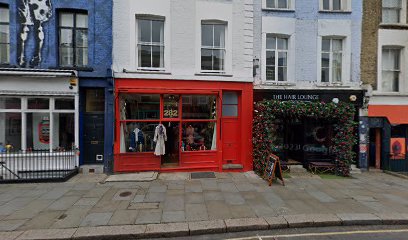
Antique Clothing Shop
4.4 km
Discover timeless threads and retro glamour at this Portobello Road gem, where antique clothing whispers stories from London's stylish past amid market vibrancy.
Essential bars & hidden hideouts

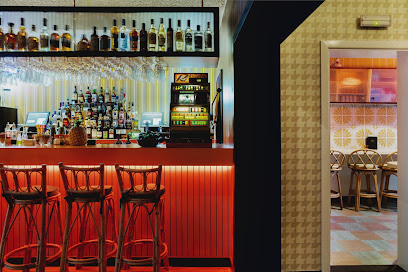
Bobby Fitzpatrick
0.9 km
Step into a vibrant 1970s-themed cocktail bar in West Hampstead, where expertly crafted rum drinks meet retro charm and playful culinary twists.
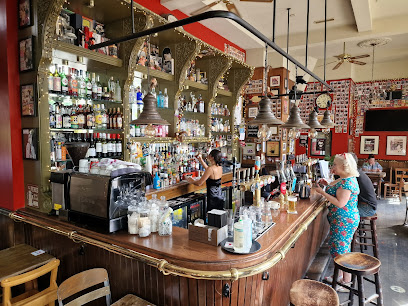
The Hawley Arms
2.9 km
Camden’s intimate music pub — cosy sofas, punters and live gigs in a scuffed, music-filled setting.
Canalside Bar
3.0 km
Sip cocktails by the Regent's Canal in King's Cross, where trendy lounge vibes meet waterside serenity in London's revitalized heart.
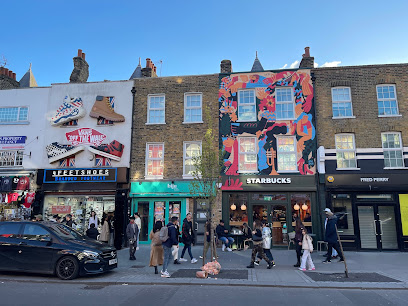
All About Eve
3.0 km
1950s cocktail glamour meets Camden's karaoke chaos in this retro-inspired bar with inventive drinks and heated terrace vibes.
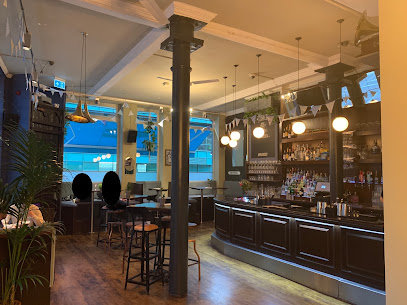
The Elephants Head
3.0 km
Scruffy Victorian boozer on Camden High Street: jukebox rock anthems, Full English feasts, and late-night singalongs in London's alternative epicenter.
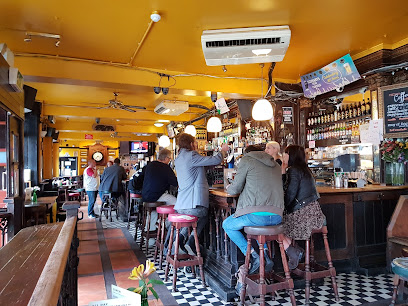
Bucks Head
3.1 km
Lively Camden pub with roof terrace views, pub grub, real ales, and festive vibes opposite Buck Street Market—perfect for soaking up the neighborhood's electric energy.
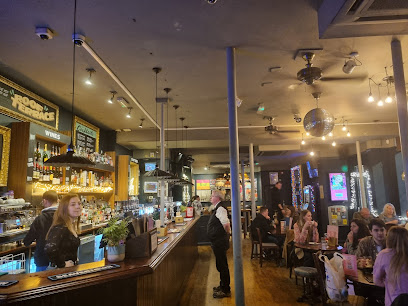
The Devonshire Arms
3.1 km
A cosy NW1 pub where grilled dishes and small rock gigs meet—intimate evenings, unpolished energy and classic pub bones in the heart of Kentish Town Road.
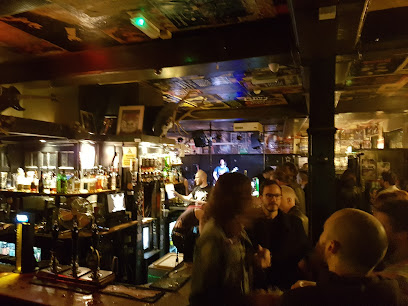
Simmons Bar | Camden Town
3.2 km
Neon-lit, budget-friendly cocktail bar in Camden with teapot cocktails, karaoke and a chaotic, retro-packed interior for groups and nights out.
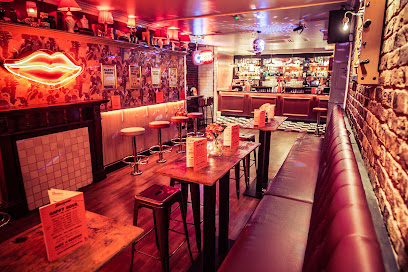
The World's End
3.2 km
Camden’s legendary pub and live music venue blending rich history, vibrant nightlife, and authentic local spirit in the heart of London.
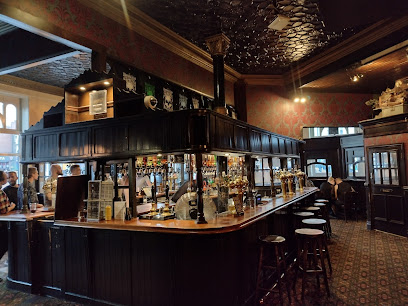
Sunlight Lounge
3.3 km
An intimate Camden Road lounge serving relaxed drinks in a softly lit, conversational setting for small groups and neighbourhood evenings.
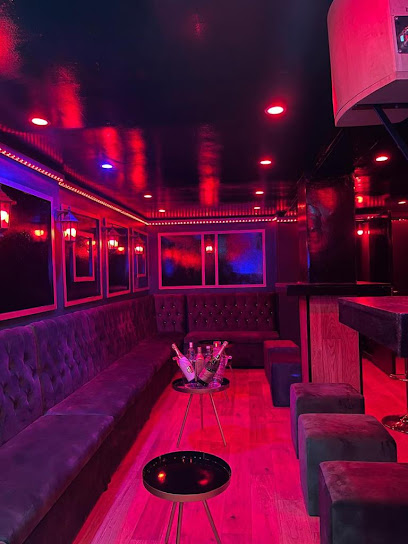
The Intrepid Fox
3.4 km
A legendary London bar famed for its rock and metal spirit, craft beers, and vibrant music culture in Archway.
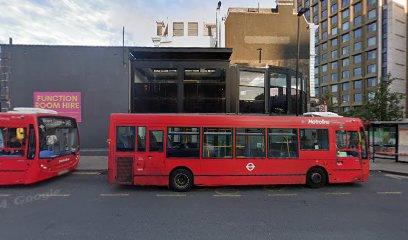
Camden Head
3.4 km
A Victorian‑charm pub on Camden High Street — hearty plates, rotating ales and comedy‑night energy that turns lively after dark.
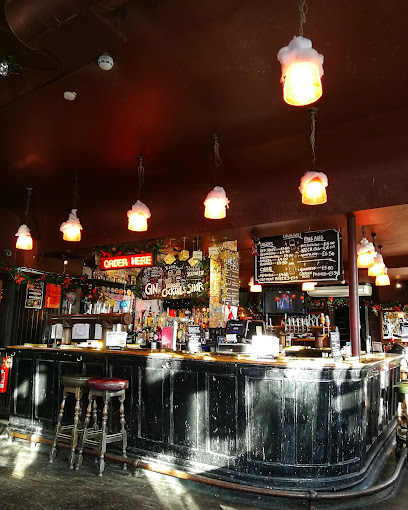
Be At One - Camden
3.6 km
Ignite your night with 100+ cocktails, 2-for-1 happy hours, and Camden's fiercest bartenders shaking up classics and wild inventions.
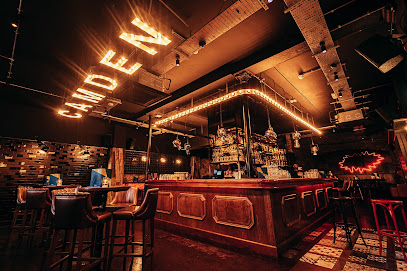
The Quiet Night Inn
4.1 km
Lively Notting Hill pub with roof terrace, local brews, games, live sports, and open mic nights—perfect for casual hangs and private events.
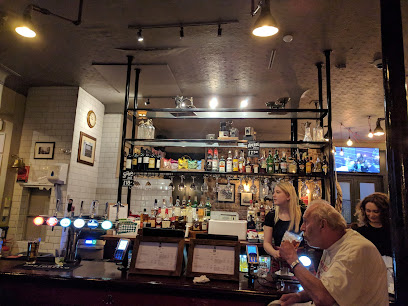
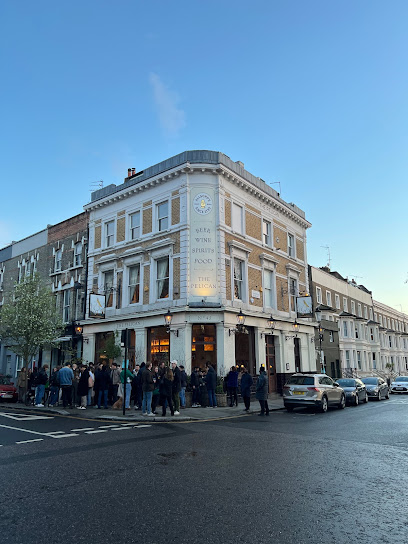
The Pelican
4.4 km
Notting Hill's gastropub gem: robust British plates, craft ales, and sustainable flair in a revived 150-year-old corner boozer.
Nightclubs & after hour spots

Monster Queen
2.6 km
Dive into Camden's dark heart at Monster Queen: intimate club nights pulsing with goth electronica, historic vibes, and non-stop energy till dawn.

Club Stable
2.7 km
Historic Camden stables turned electrifying nightclub: dance in Victorian horse stalls amid live music, cabaret, and pulsing beats in London's nightlife epicenter.
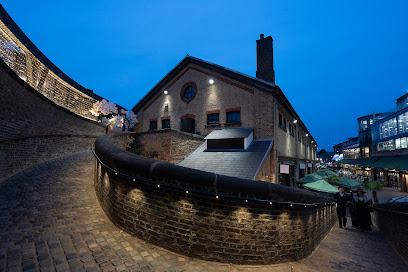
Lockside
2.9 km
Canal views, craft cocktails, and DJ-fueled nights atop Camden Market's vibrant West Yard—a daytime diner turned electric nightlife escape.
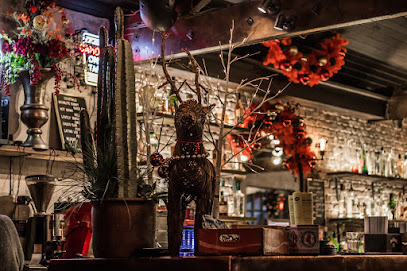
Soul City
3.2 km
A Saturday-night Camden basement party celebrating soul, disco and funk with DJ-led, record-minded sets in The Jazz Cafe’s atmospheric room.
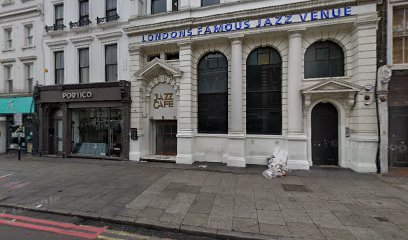
Club Swizzle
3.3 km
Dive into acrobatic cabaret mayhem at the Roundhouse: Swizzle Boys flip chairs, Reuben Kaye slays with wit, and the bar becomes your front-row thrill ride in Camden's hottest 2018 spectacle.
Max's Other Flat
3.7 km
Discover a vibrant nightlife experience at Max's Other Flat, a must-visit nightclub in London offering electrifying music and unforgettable moments.
Egg London Nightclub
4.2 km
Experience marathon electronic music sessions in a converted Victorian warehouse with vibrant terraces and world-class DJs at Egg London Nightclub.

Subteranian
4.2 km
A compact underground club on Acklam Road delivering dense, DJ-led electronic nights with an intimate, bass-heavy atmosphere.
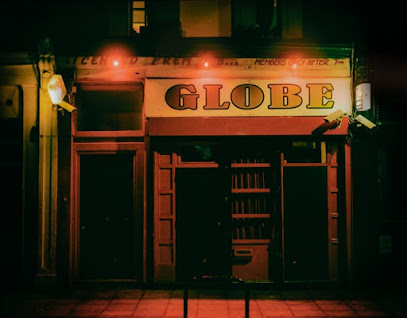
The Globe
4.5 km
Traditional London pub by day, lively late‑night bar and club by night—large, hireable rooms and a warm, characterful interior.
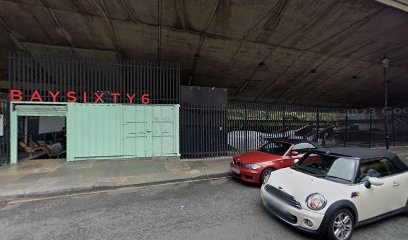
Electric House
4.7 km
Experience the vibrant social scene at Electric House, a chic social club in Notting Hill, London, blending style, comfort, and culinary delights.
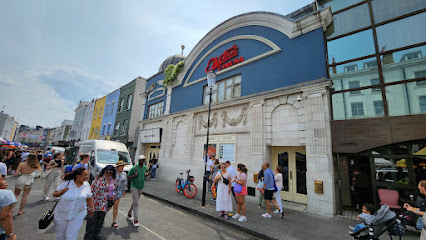
The Duke of Wellington
4.8 km
Historic Young's pub on Portobello Road: Victorian screens, market views, British roasts, and Notting Hill legends in every pint.
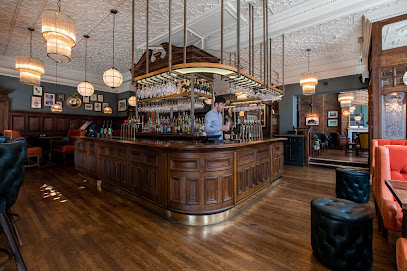
Privilege Entertainment Ltd
4.8 km
Discover the pulsating nightlife at Privilege Entertainment Ltd, London's premier entertainment agency and nightclub, where unforgettable experiences await.

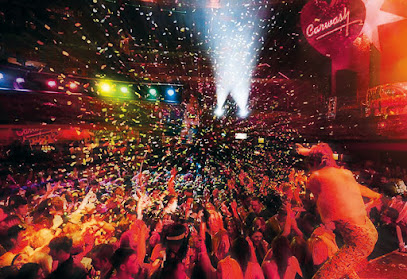
Carwash Nightclub
5.2 km
Europe's longest-running disco since 1989: sequins, funk beats, and joyful dancing in Mayfair's retro heart. Join the glitter-fueled party!
Notting Hill Arts Club
5.2 km
West London's sweaty basement cradle of music legends since '97—coffee by day, live gigs and club nights till 2am in an intimate den of funk, jazz, and raw talent.
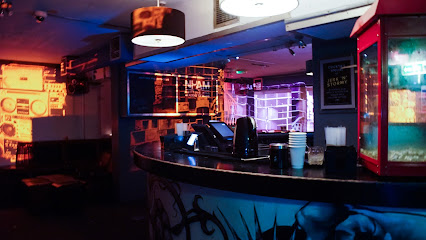
101 Nightclub London
5.4 km
Soho's raw Saturday night pulse: intimate beats, crowded floors, and unfiltered London club energy on Wardour Street.
For the vibe & atmosphere seeker
- Tranquil
- Scenic
- Historic
- Relaxing
For the design and aesthetic lover
- Classical
For the architecture buff
- Historic
- Landmarks
For the view chaser and sunset hunter
- Iconic Views
For the social media creator & influencer
- Instagrammable
- Photo Spots
For the eco-conscious traveler
- Public-Transport Accessible
- Locally Managed
For the kind of experience you’re after
- Cultural Heritage
- Photowalk
- Day Trip
- Weekend Getaway
For how adventurous you want the journey to be
- Easy Access
Location Audience
- Family Friendly
- Senior Friendly
- Child Friendly
- Solo Friendly
- Couple Friendly
- Vegetarian Friendly
- Vegan Friendly


