
Burgh House, London Travel Guide
Discover Burgh House, a stunning Queen Anne historic house and vibrant cultural hub in the heart of Hampstead, London.
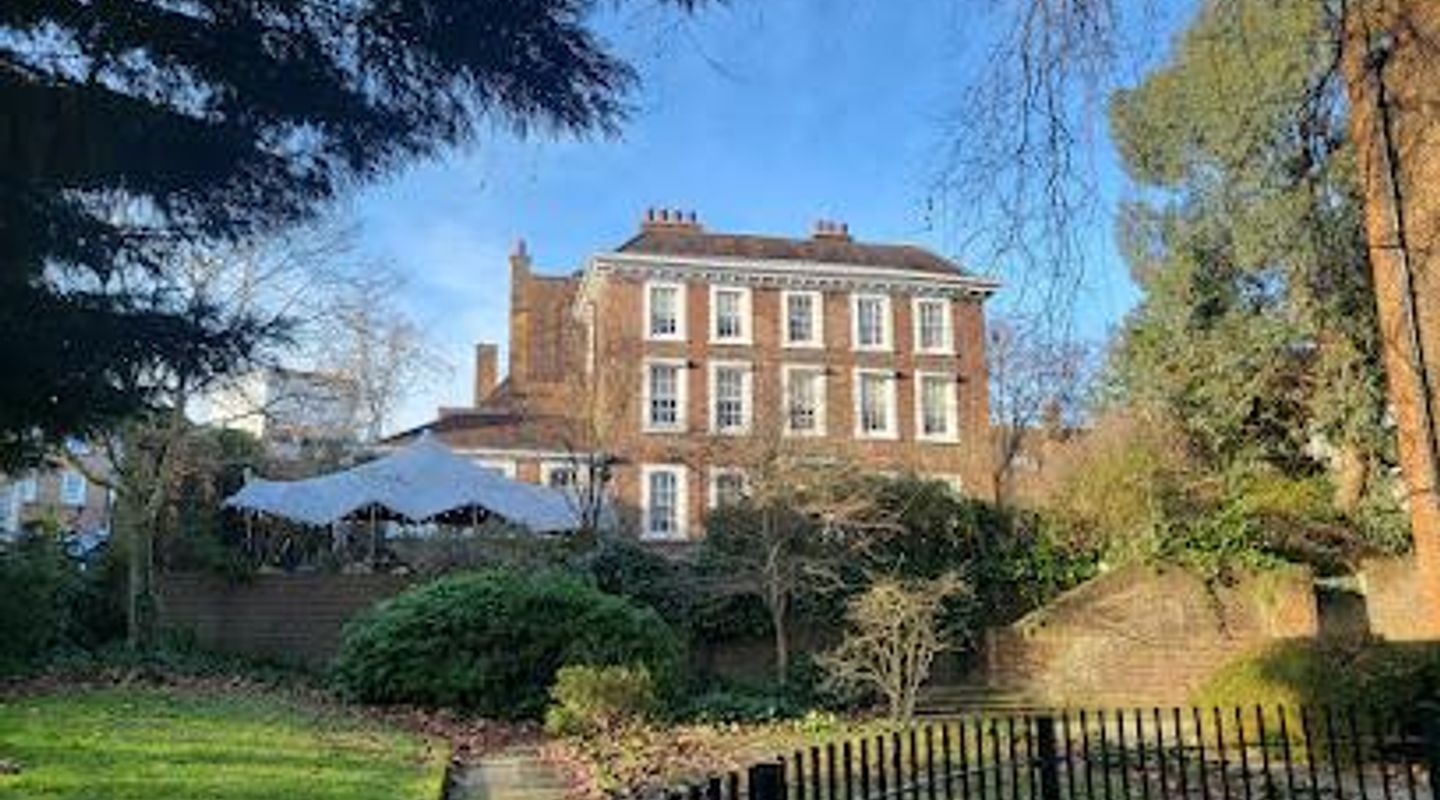
Burgh House is a Grade I listed Queen Anne-style historic house in Hampstead, London, built in 1704. Once a private residence, it now serves as a vibrant museum and community centre showcasing Hampstead’s rich history, art, and culture. The house features permanent and temporary exhibitions, a charming garden, and hosts diverse events including talks, concerts, and workshops, making it a unique cultural destination in the heart of Hampstead Village.
A brief summary to Burgh House
- Burgh House, New End Square, London, NW3 1LT, GB
- Click to display
- Click to display
- Duration: 1 to 3 hours
- Mid ranged
-
 Mixed
Mixed
- Mobile reception: 4 out of 5
- Wednesday 10 am-4 pm
- Thursday 10 am-4 pm
- Friday 10 am-4 pm
- Sunday 10 am-4 pm

Know before you go
Hi, I'm Eve. Here are a few practical things to know before exploring Burgh House.
- Visit on weekdays for a quieter experience and to enjoy talks, workshops, and art exhibitions.
- Take time to explore the serene garden terrace, a peaceful spot for relaxation and picnics.
- Check the schedule for live music and cultural events held regularly in the historic Music Room.
- Explore the permanent Hampstead Museum exhibits to learn about local history and notable residents.
- Enjoy refreshments at the on-site café located in the basement with outdoor seating in the garden.
Do you manage this location?
Take control to get all the benefits, like improved information, better appearance, and stronger visibility across AI-powered discovery. Learn more about listing your business on Evendo
Activate your presenceOther nearby places you may find interesting
The closest places of the same kind, if this one is not quite what you had in mind.

Explore Burgh House on the Map
A handpicked selection of must-see spots near Burgh House, mapped for you.
Unlock the Best of Burgh House
Buy tickets
-
No tickets available
Book tours with entry


Getting There
-
Public Transport
Take the London Underground Northern Line to Hampstead Station, then a 10-15 minute walk through Hampstead Village to Burgh House. Frequent bus services (routes 210 and 268) also stop nearby. No additional fare beyond standard London transport costs applies.
-
Taxi or Rideshare
A taxi or rideshare from central London to Burgh House typically takes 25-35 minutes depending on traffic. Fares range from £15 to £30. Drop-off is available near New End Square, but parking is limited.
-
Walking
If staying nearby in Hampstead, walking to Burgh House is pleasant and accessible, taking approximately 10-20 minutes on paved village streets with gentle inclines.
For the on-the-go comforts that matter to you
-
 Restrooms
-
 Drink Options
-
 Food Options
-
 Seating Areas
-
 Information Boards
Burgh House location weather suitability
-
 Any Weather
-
 Clear Skies
-
 Mild Temperatures
-
 Rain / Wet Weather
Discover more about Burgh House
An Architectural Jewel of Queen Anne London
Burgh House was constructed in 1704 by Henry and Hannah Sewell during the reign of Queen Anne, reflecting the elegant architectural style of that period. Originally built as a private residence, the house was expanded around 1720 by Dr William Gibbons, a prominent physician linked to the flourishing Hampstead Wells Spa. His wrought-iron gate, bearing his initials, remains a distinctive feature today. The house’s red brick facade, period interiors, and historic gate piers have been carefully preserved, earning it a Grade I listing for its exceptional heritage value.A Dynamic History of Changing Roles
Throughout its history, Burgh House has played many roles beyond that of a private home. In the 19th century, it served as the headquarters and officers’ mess for the Royal East Middlesex Militia. In the 20th century, it was home to notable residents including Rudyard Kipling’s daughter. After World War II, Hampstead Borough Council transformed it into a community centre, complete with a Citizen’s Advice Bureau. Threatened by neglect and dry rot in the 1970s, a local campaign saved the house, leading to its restoration and reopening in 1979 as a museum and cultural hub.The Hampstead Museum and Its Rich Collections
Burgh House houses the Hampstead Museum, which preserves and celebrates the local history and culture of the area. The museum’s collection, initiated by local historians Christopher and Diana Wade, includes nearly 5,000 objects donated by the community, local institutions, and artists. Exhibits cover Hampstead’s architectural evolution, social history, and notable residents. The museum also holds the world’s largest archive of Helen Allingham’s work, showcasing the artistic heritage of the area.A Thriving Centre for Arts and Community
Today, Burgh House functions as more than a museum; it is a lively community hub hosting a variety of cultural events such as art exhibitions, life drawing classes, talks, concerts, and yoga sessions. The ground-floor Peggy Jay Gallery and other exhibition spaces present rotating shows, often highlighting local and female artists. The house’s adaptable Music Room, dating from the 1920s, continues to be a versatile venue for performances and private events, including weddings.Serene Gardens and Inviting Atmosphere
The tranquil garden, originally designed by famed garden designer Gertrude Jekyll, offers a peaceful retreat in the heart of Hampstead Village. Although only the terrace remains of Jekyll’s original design, the garden provides a charming outdoor space for visitors to relax, picnic, or enjoy the seasonal flora. The combination of historic architecture, art, and green space creates a distinctive atmosphere that blends heritage with contemporary community life.Preserving Heritage Through Community Engagement
Burgh House’s survival and ongoing vitality are a testament to the power of local community action. The house is managed by the Burgh House Trust, a self-sustaining charity dedicated to preserving the building and its collections. The museum’s ongoing success relies on strong community involvement, donations, and innovative programming that keeps Hampstead’s history alive and relevant for today’s visitors and residents alike.












Your all‑in‑one travel companion app
Explore expert travel guides, compare and book tours, experiences, hotels, and more—all from the palm of your hand. Download now for seamless trip planning wherever your wanderlust takes you.


Explore More of London
Looking beyond Burgh House? Discover London for broader travel guides, local hot-spots, and regional highlights.
Explore London
An indoor Camden amusement park with rides, arcade games and VR, built for rainy days, birthday groups and fast-paced family entertainment.

A compact Hampstead gallery for rotating contemporary exhibitions, with a main room and basement space that reward calm, close-looking visits.
