Lombard St, London Travel Guide
Free Guide: Nine centuries of banking heritage on London's most storied financial street


A brief summary of Lombard St
Nine centuries of banking heritage on London's most storied financial street
Lombard Street in the City of London is one of the world's most historically significant financial centers, where Italian Lombard merchants established banking in the 12th century. This narrow, atmospheric street has been the powerhouse of British finance for nearly 900 years, lined with historic banking institutions, elegant Georgian and Victorian architecture, and marked by iconic symbols like the famous Gresham Grasshopper. Today it remains a vibrant hub of commerce and heritage, offering visitors a tangible connection to centuries of financial innovation and London's mercantile past.
On-site amenities
 Restrooms
 Drink options
 Food options
 Information boards
- Address
- London
Getting there
Underground (The Tube)
Bus
Walking
Taxi or Ride-Share
Discover more about Lombard St
Medieval Origins and the Lombard Legacy
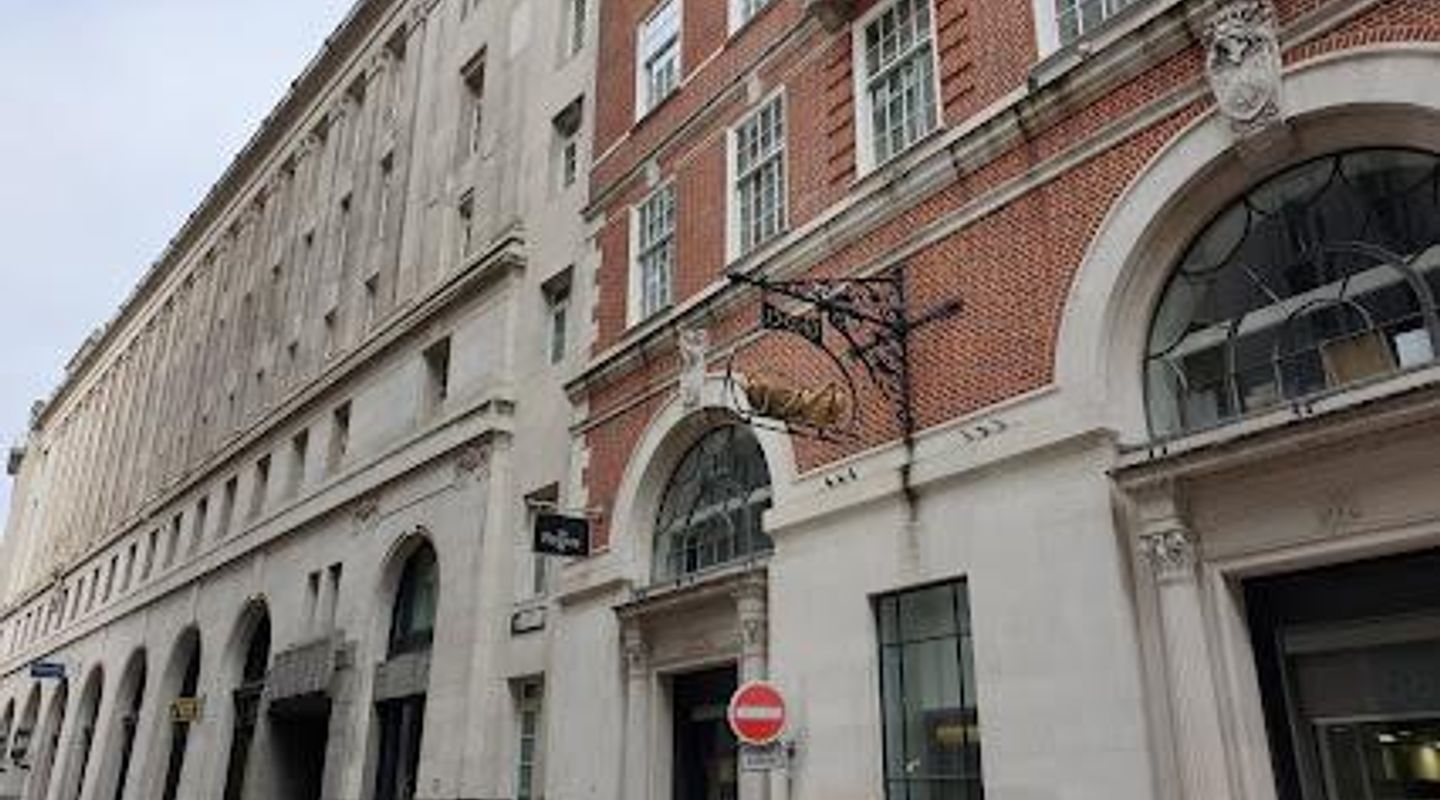
Lombard Street takes its name from the Lombards, enterprising merchants from northern Italy who settled in London during the 12th century and introduced European banking practices to England. These medieval financiers essentially functioned as the fintech innovators of their era, establishing a tradition of commerce and credit that would define the street for centuries to come. By the 13th century, Lombard Street had become the natural gathering place for goldsmiths, money lenders, and bankers who recognized the commercial potential of this strategically located thoroughfare in the heart of the City of London.Without formal street addresses, these early merchants identified their premises with distinctive hanging signs—a practice that persisted well into the modern era. The most famous of these emblems was the Gresham Grasshopper, which marked the premises of Sir Thomas Gresham, the influential financial agent and adviser to three Tudor monarchs: Edward VI, Mary I, and Elizabeth I. The grasshopper, derived from the Gresham family coat of arms, became an enduring symbol of the street's financial prestige.
Rise to Global Financial Prominence
By the 17th century, Lombard Street had earned its reputation as the "Wall Street" of its day, attracting the most prestigious banking institutions in Europe. The street became home to institutions whose names would echo through financial history: Barclays Bank, one of the world's oldest and most respected financial institutions, traces its roots directly to Lombard Street. HSBC maintained significant offices here, and countless other banking houses established their headquarters along this narrow thoroughfare. The concentration of financial power was so remarkable that the street functioned as the beating heart of the British economy, where decisions made in these elegant offices rippled across the globe.The architectural character of Lombard Street reflects its commercial importance. Georgian and Victorian buildings line the street, many featuring the refined proportions and craftsmanship that signaled stability and trustworthiness to clients. The street's narrow width and dense arrangement of buildings created an intimate yet purposeful atmosphere—a place where serious business was conducted behind ornate facades and within wood-paneled offices.
Spiritual and Cultural Dimensions
Lombard Street's significance extended beyond finance into the spiritual and cultural life of London. St. Edmund the King and Martyr, the church that stands at the end of the street, earned the affectionate nickname "Bankers' Church" due to its congregation of wealthy financiers and merchants. The original medieval church was destroyed in the Great Fire of London in 1666 but was rebuilt in the 1670s by the renowned architect Sir Christopher Wren, who designed many of London's most important post-fire structures. This Wren church remains one of the finest examples of his ecclesiastical work, featuring elegant proportions and refined detailing that complement the street's architectural heritage.All Hallows Lombard Street, which once stood on the corner of Lombard Street and Ball Alley, was another significant religious structure. Also rebuilt by Wren's office following the Great Fire and completed in 1679, it served the parish until its demolition in 1937. The church's materials and fittings—including its tower, porch, pulpit, pews, organ, and carved altarpiece—were salvaged and incorporated into All Hallows Twickenham, ensuring that the street's spiritual legacy lived on in another part of London.
Literary Connections and Enduring Influence
Lombard Street's cultural reach extended into literature and the arts. At 1 Lombard Street stood Smith, Payne & Smiths Bank, where the manager George Beadnell lived in the early 19th century. In 1831, Beadnell hosted a dinner party that would become immortalized in literary history—an event connected to Charles Dickens and his formative experiences in London's financial world. The street thus became not merely a center of commerce but a setting for the human dramas that shaped English literature.The street's iconic symbols and architectural details have captured the imagination of artists, photographers, and historians. The swinging signs that once identified individual premises became subjects of artistic documentation, preserving the visual character of a bygone era. Henry Grant's 1972 photograph of Lombard Street, now held in the London Museum's collection, captures the street's enduring character—the Gresham Grasshopper still visible, St. Edmund's Church anchoring the vista, and the accumulated architectural heritage of nearly nine centuries evident in every building facade.
Contemporary Character and Visitor Experience
Today, Lombard Street remains a working financial center while simultaneously functioning as a living museum of London's mercantile heritage. The street's narrow confines, historic buildings, and concentration of financial institutions create an atmosphere of quiet authority and historical weight. Walking along Lombard Street, visitors encounter layers of history at every turn—from the medieval origins of banking in England to the Victorian-era prosperity that built many of the street's most impressive structures. The presence of St. Edmund's Church, with its Wren-designed interior and associations with London's banking community, provides a contemplative counterpoint to the commercial energy that has always characterized the street.The street's location within the City of London, just off Bank Junction, places it at the intersection of major thoroughfares and within walking distance of other significant landmarks. Its narrow width and dense arrangement of buildings create an intimate urban environment that contrasts sharply with the broader avenues and modern developments that surround it, making Lombard Street a distinctive and memorable destination for those interested in London's financial history, architectural heritage, and the evolution of commerce in the modern world.
Evendo Review Centre
 Google
Guest reviews
Best time to go
Quietest: Jan, Feb & Nov · before 6am or at 9pm
Busy times are Evendo estimates for a typical year, to help you plan. Actual crowds vary with events, school holidays and the weather.
Explore Lombard St on the map
A handpicked selection of must-see spots near Lombard St, mapped for you.
Get your free copy of our complete guide to Lombard St, delivered straight to you.
Everything on this page, from opening hours and how to get there to Eve’s tips and the best time to go, in one PDF you can read offline, print or share.
Already have an account? Sign in
Your Lombard St guide is ready.
We'll send it to · Not you? Sign out

Getting your guide ready…
We are putting together a fresh copy of the Lombard St guide. This can take up to a minute.
This can take a few moments. If your browser asks, choose Allow so the download can start. You'll find the guide in your Downloads folder.
Nothing happened? Download it again
Sorry, the guide is taking longer than usual. Please try again in a minute, or get it by email instead.
Other nearby places you may find interesting
The closest places of the same kind, if this one is not quite what you had in mind.
-

-
-
-
-


Swipe for more places
More to explore near Lombard St

 Best experiences near Lombard St
 Best hotels near Lombard St
 Best landmarks near Lombard St
 Best attractions near Lombard St
 Best shops near Lombard St
 Best restaurants near Lombard St
 Best bars near Lombard St
Do you manage this location?
Take control to get all the benefits, like improved information, better appearance, and stronger visibility across AI-powered discovery.
Explore more

Explore more of London
Explore London: A city of iconic landmarks, rich history, vibrant culture, and endless attractions that cater to every taste, making it a must-visit destination.
Explore London
Explore more of United Kingdom
Discover the United Kingdom: A blend of rich history, stunning landscapes, and vibrant cities, offering a unique travel experience for every visitor.
Explore United Kingdom