

Strand, London Travel Guide
Free Guide: Historic London thoroughfare where centuries of power, culture, and commerce converge in the heart of the West End.


A brief summary of Strand
Historic London thoroughfare where centuries of power, culture, and commerce converge in the heart of the West End.
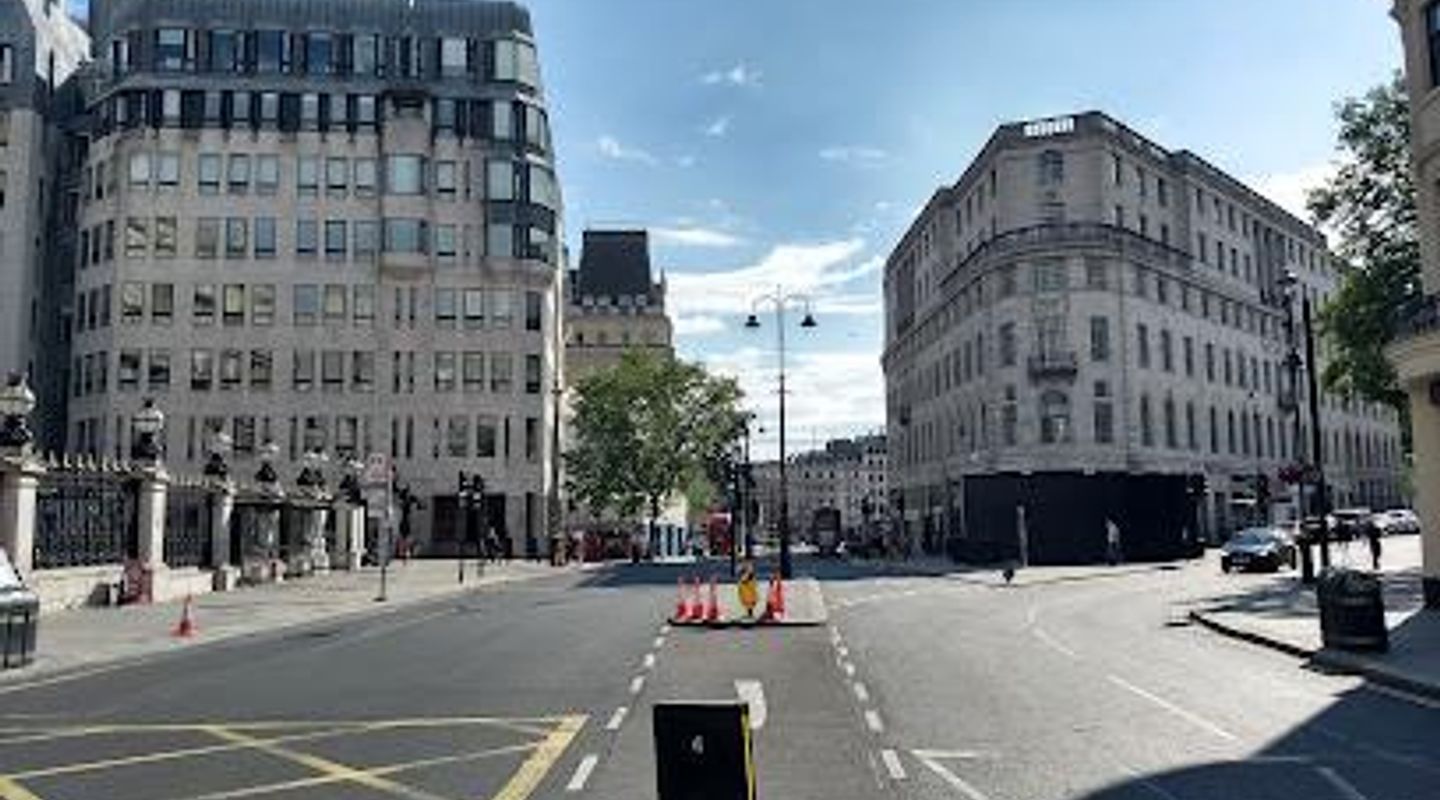
The Strand is a historic thoroughfare in central London's West End, stretching over three-quarters of a mile from Trafalgar Square to Temple Bar. This iconic street connects Westminster's political heart with the City's financial district, lined with world-class theatres, grand hotels, museums, and cultural institutions. Once home to celebrated writers and nobles, the Strand remains a vibrant hub of activity, offering theatre performances, fine dining, shopping, and centuries of layered history alongside contemporary London energy.
On-site amenities
 Restrooms
 Drink options
 Drinking water
 Food options
 Seating areas
 Sheltered areas
 Information boards
- Address
- London
Getting there
London Underground
London Bus Network
River Transport
Walking from Covent Garden
Discover more about Strand
A Street Spanning Centuries of Power and Prestige
The Strand's story begins in the late 12th century when nobles built grand stone houses with gardens along the Thames shoreline, from which the street takes its name. By the 19th century, the street had become so celebrated that Prime Minister Benjamin Disraeli pronounced it the finest street in Europe. Originally connecting Westminster—the seat of political power—with the City of London's centre of trade, the Strand evolved into one of the capital's most prestigious addresses. This dual role as a bridge between governance and commerce shaped its character for nearly a thousand years, making it far more than a mere thoroughfare but rather a symbol of London's enduring influence.
Architectural Grandeur and Hidden Oddities
Walking the Strand reveals layers of architectural achievement and curious historical details. The street is anchored by two English Baroque churches designed by master architects: St Mary le Strand by James Gibbs and St Clement Danes by Christopher Wren, both standing as islands within the widened roadway. The Royal Courts of Justice showcase neo-Gothic splendour, while Somerset House—a neo-classical riverside palace—dominates the southern approach with its commanding presence overlooking the Thames. The Savoy Hotel epitomises Edwardian elegance, having hosted royalty and celebrities for generations. Yet the Strand also harbours quirky treasures: the last surviving sewer gas destructor lamp on Carting Lane stands as a Victorian engineering relic, the mysterious Strand Lane Roman Bath offers glimpses of ancient London, and a five-storey street map adorns the facade of 111 Strand. Bomb damage from World War II remains visible on St Clement Danes, where shrapnel marks scar the north-east face—silent witnesses to the street's resilience.
Cultural Institutions and Theatrical Excellence
The Strand pulses with cultural energy, hosting some of London's most celebrated theatres. The Lyceum Theatre presents Disney's The Lion King, while the Theatre Royal Drury Lane, Vaudeville Theatre, Novello Theatre, and Adelphi Theatre offer world-class productions ranging from musicals to contemporary drama. Somerset House functions as a working arts centre, hosting exhibitions and installations throughout the year, many free to the public. The Courtauld Gallery within Somerset House displays Impressionist masterpieces by Monet, Van Gogh, and Cézanne. King's College, one of the University of London's founding institutions, occupies a significant presence at the street's eastern end, contributing to the area's intellectual atmosphere.
Commerce, Hospitality, and Hidden Gems
Beyond its grand facades, the Strand functions as a living marketplace and social hub. Twinings tea shop, established by Thomas Twining in 1706, claims status as London's oldest company still trading on its original site. Stanley Gibbons, the legendary stamp and coin collector's titan, maintains its presence here. The American Bar at the Savoy Hotel holds the distinction of being London's longest-surviving cocktail bar, having served Winston Churchill and countless other notable figures. Specialist cocktail bars including Blind Spot at St Martins Hotel and Radio Rooftop Bar at the ME Hotel offer sophisticated drinking experiences with views of iconic landmarks. The Strand connects seamlessly to Covent Garden's shopping and entertainment district, where beauty retailers and fashion brands cluster within minutes' walk, while numerous independent bookshops and boutiques line the side streets.
Transport Connectivity and Strategic Location
The Strand's position in Zone 1 makes it exceptionally accessible. Multiple Underground stations serve the area: Charing Cross, Embankment, Temple, Covent Garden, and Leicester Square all lie within walking distance, providing connections across the Circle, District, Northern, Piccadilly, and Bakerloo lines. Bus routes 1, 15, 26, 68, 91, 139, 176, and 188 run along or near the street, offering rapid connections across central London. The proximity to Waterloo Pier enables river transport via Uber Boat by Thames Clippers, City Cruises, and Circular Cruises, providing an alternative perspective on the Thames and access to destinations along the river. This multi-modal connectivity makes the Strand an ideal base for exploring London.
Literary and Intellectual Heritage
The Strand has long attracted writers, philosophers, and creative minds. Charles Dickens, Virginia Woolf, and Ralph Waldo Emerson all lived on or near the street, drawing inspiration from its energy and history. Dr Samuel Johnson's House, the home of the father of the modern dictionary, welcomes visitors on Fridays and Saturdays, offering insight into 18th-century literary life. The street's association with intellectual achievement continues through King's College and its proximity to major cultural institutions, maintaining its role as a magnet for those engaged in creative and scholarly pursuits.
Evendo Review Centre
 Google
Guest reviews
Best time to go
Quietest: Jan, Feb & Mar · at 1am or at 2am or at 3am
Busy times are Evendo estimates for a typical year, to help you plan. Actual crowds vary with events, school holidays and the weather.
Explore Strand on the map
A handpicked selection of must-see spots near Strand, mapped for you.
Get your free copy of our complete guide to Strand, delivered straight to you.
Everything on this page, from opening hours and how to get there to Eve’s tips and the best time to go, in one PDF you can read offline, print or share.
Already have an account? Sign in
Your Strand guide is ready.
We'll send it to · Not you? Sign out

Getting your guide ready…
We are putting together a fresh copy of the Strand guide. This can take up to a minute.
This can take a few moments. If your browser asks, choose Allow so the download can start. You'll find the guide in your Downloads folder.
Nothing happened? Download it again
Sorry, the guide is taking longer than usual. Please try again in a minute, or get it by email instead.
Unlock the best of Strand
Skip-the-line tickets, guided tours with entry, and walking tours of the area, booked in a few clicks.


 Tour
TourSecret London: An audio tour about the heritage of the city's Russian immigrants
from $9.49 Tour
TourCity Sightseeing London Hop-On Hop-Off Bus & Optional Add-Ons
from $31.40 Tour
TourLondon: Landmarks Walking Tour & Harry Potter Walking Tour
from $31.44 Tour
TourLondon Christmas Lights and History Walking Tour
from $37.68
Other nearby places you may find interesting
The closest places of the same kind, if this one is not quite what you had in mind.
-
 Big Ben
Discover the iconic Elizabeth Tower and its famous bell, Big Ben, a timeless symbol of London's heritage and British culture.
Big Ben
Discover the iconic Elizabeth Tower and its famous bell, Big Ben, a timeless symbol of London's heritage and British culture.
-
Buckingham Palace Explore the majestic official residence of the British monarch, from lavish State Rooms to the iconic Changing of the Guard ceremony.
-
Victoria Memorial A majestic tribute to Queen Victoria, blending imperial grandeur with royal ceremony at the heart of London’s historic Mall.
-
Richard D’Oyly Carte Monument A sculptural homage to Richard D’Oyly Carte’s theatrical and hospitality legacy, nestled in the serene Victoria Embankment Gardens.
-
George Duke of Cambridge statue A commanding bronze tribute to Prince George, Duke of Cambridge, standing proudly on Whitehall amidst London’s historic military heart.
Swipe for more places
More to explore near Strand

 Best experiences near Strand
 Best hotels near Strand
 Best landmarks near Strand
 Best attractions near Strand
 Best shops near Strand
 Best restaurants near Strand
 Best bars near Strand
Do you manage this location?
Take control to get all the benefits, like improved information, better appearance, and stronger visibility across AI-powered discovery.
Explore more

Explore more of London
Explore London: A city of iconic landmarks, rich history, vibrant culture, and endless attractions that cater to every taste, making it a must-visit destination.
Explore London
Explore more of United Kingdom
Discover the United Kingdom: A blend of rich history, stunning landscapes, and vibrant cities, offering a unique travel experience for every visitor.
Explore United Kingdom
