
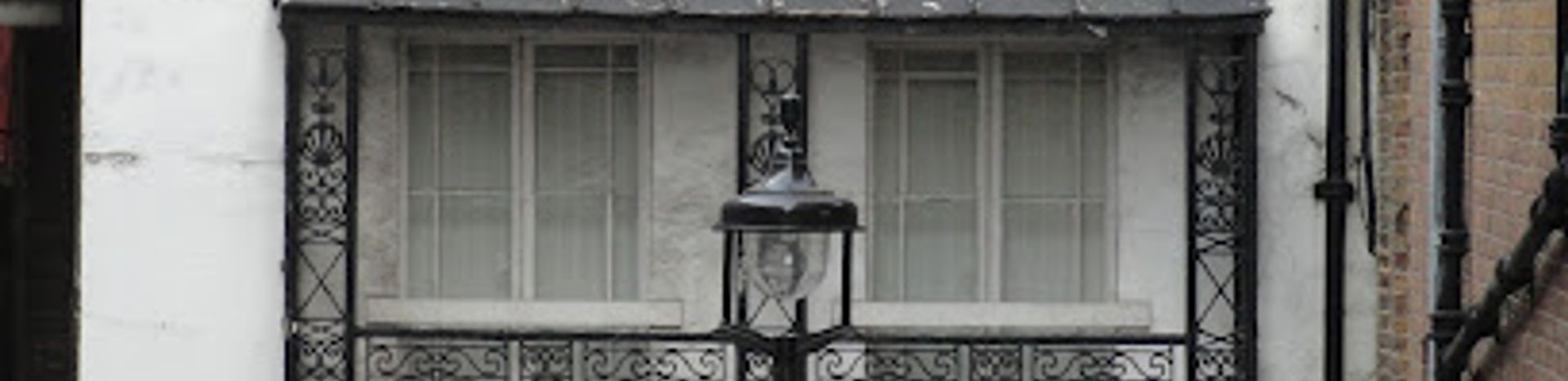
The Old Watch House, Strand, London
A quaint early 18th-century parish watch house on London’s Strand, offering a rare glimpse into pre-Metropolitan Police community policing.
The Old Watch House at 4 Strand, London, is a historic parish watch house dating back to at least the early 18th century. Originally used by local watchmen before the establishment of the Metropolitan Police in 1829, it served as a small lock-up and base for patrolling the area. Now part of King’s College London’s campus, this Grade II listed building retains its quaint façade and balcony, offering a glimpse into London’s early policing and community safety history.
A brief summary to The Old Watch House
- 4 Strand, London, GB
- Visit website
- Duration: 0.5 to 1.5 hours
- Free
-
 Outdoor
- Mobile reception: 4 out of 5
Local tips
- Visit during daylight hours to appreciate the building’s architectural details and nearby historic sites.
- Combine your visit with a tour of the nearby Strand Lane Roman Bath and King’s College Chapel.
- Though the interior is not open to the public, the exterior and surrounding area offer excellent photo opportunities.
- Learn about London’s early policing history to enrich your experience of the watch house’s significance.

For the on-the-go comforts that matter to you
- Information Boards
Getting There
-
London Underground
Take the Central, Northern, or Piccadilly lines to Tottenham Court Road station, then walk approximately 10 minutes along the Strand to reach the Old Watch House. The station is well-served with frequent trains, and walking is on flat, paved streets suitable for most visitors.
-
Bus
Use London bus routes 6, 9, 11, 15, or 23, which stop near the Strand. Bus travel times vary from 15 to 30 minutes depending on traffic. Buses are accessible and a convenient option for visitors preferring surface transport.
-
Taxi or Rideshare
A taxi or rideshare from central London locations typically takes 10–20 minutes depending on traffic. Note that parking is limited in the area, so drop-off is recommended.
The Old Watch House location weather suitability
-
 Any Weather
-
 Clear Skies
-
 Mild Temperatures
Discover more about The Old Watch House
A Glimpse into Early Policing in London
The Old Watch House, located on Strand Lane in central London, stands as a rare surviving example of a parish watch house from the early 18th century. Before the Metropolitan Police was founded in 1829, local parishes organised their own watchmen to patrol streets and maintain order. These watch houses functioned as bases where watchmen could stay warm, detain suspects overnight in small lock-up cells, and coordinate their patrols. The Old Watch House was associated with the parish of St Clement Danes, a historic church nearby, and was mentioned in government records as early as 1724.Architectural Character and Setting
Though the building appears relatively fresh due to renovations and re-rendering completed in 2017, its structure and style reflect early 19th-century design elements. The distinctive white façade and balcony overlooking the narrow Strand Lane give it a quaint, almost domestic appearance that belies its former role in law enforcement. The watch house is nestled between historic landmarks, including the King’s College Chapel designed by George Gilbert Scott, and the famous Strand Lane Roman Bath nearby. Today, it forms part of King’s College London’s Strand campus, housing offices rather than its original policing functions.Historical Context and Parish Policing
The watch system was a precursor to modern policing, relying on parish constables and watchmen to protect local communities. Watchmen were often parishioners who took turns patrolling at night, calling out the time and weather, and looking out for suspicious activity. The Old Watch House would have been a vital hub for these men, providing shelter and a place to hold minor offenders temporarily. This system was common in London parishes until the Metropolitan Police centralized law enforcement in the 19th century.Nearby Heritage and Cultural Landscape
Strand Lane itself has a rich history, once running down to a landing place on the Thames known as Strand Bridge, now lost due to 19th- and 20th-century urban development. Adjacent to the watch house is the Strand Lane Roman Bath, a historic cistern and bathhouse dating from the early 17th century, later fancifully marketed as Roman. The area around the watch house was historically affluent, lined with mansions and palaces, including Somerset House, which influenced the local urban fabric.Modern Usage and Preservation
Today, the Old Watch House is preserved as a Grade II listed building, recognized for its historical significance as one of the few remaining watch houses in London. While its interior no longer serves its original purpose, the building’s exterior remains a charming reminder of London’s early attempts at community policing. Its integration into King’s College London’s campus ensures its upkeep and continued presence in this historic part of the city.Legacy of the Watch Houses in London
The Old Watch House is part of a network of similar structures that once dotted London’s parishes, each serving as a small-scale police station and lock-up. These buildings tell the story of how local communities managed safety before professional police forces. Their survival offers a tangible connection to London’s social history, law enforcement evolution, and urban development over the centuries.Iconic landmarks you can’t miss

The Old Watch House
0.0 km
A quaint early 18th-century parish watch house on London’s Strand, offering a rare glimpse into pre-Metropolitan Police community policing.
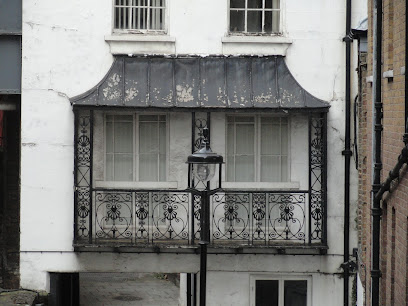
Bomber Harris Memorial
0.2 km
A solemn tribute to RAF Bomber Command’s leader and airmen, set within the historic St Clement Danes Church in London’s Temple district.
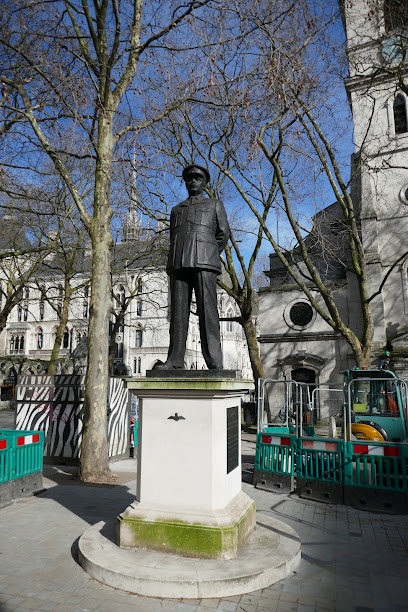
St Clement Danes Church
0.2 km
Historic London church and Central Church of the Royal Air Force, famed for its Wren architecture, RAF memorials, and iconic 'Oranges and Lemons' bells.
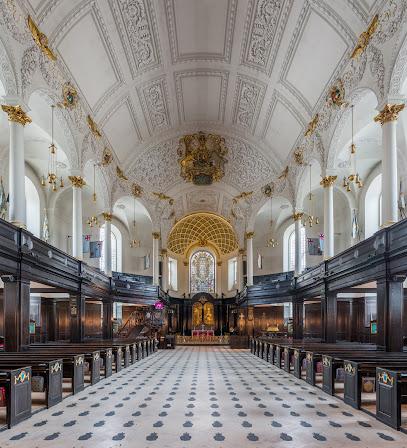
Strand
0.3 km
Historic London thoroughfare linking Westminster and the City, famed for grand hotels, cultural landmarks, and hidden historical treasures.

King's Reach commemoration memorial
0.3 km
Historic riverside memorial honoring King George V’s Silver Jubilee and the naming of London’s Thames stretch as 'King’s Reach'.
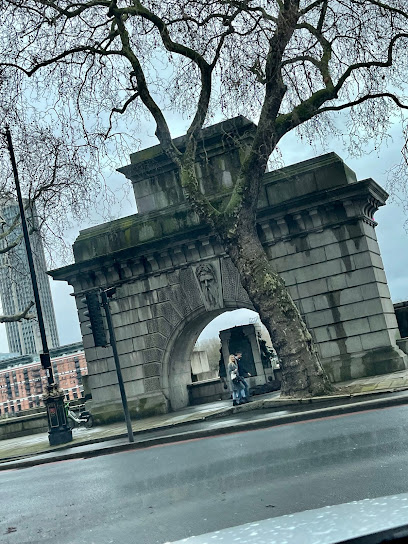
Waterloo Bridge
0.4 km
Waterloo Bridge, London’s elegant Thames crossing, famed for its wartime women builders and breathtaking panoramic city views.
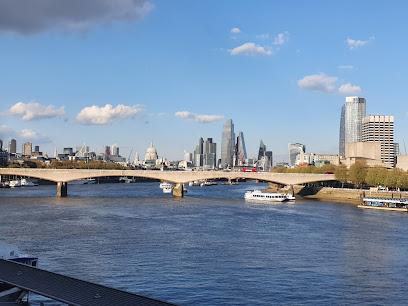
Richard D’Oyly Carte Monument
0.4 km
A sculptural homage to Richard D’Oyly Carte’s theatrical and hospitality legacy, nestled in the serene Victoria Embankment Gardens.
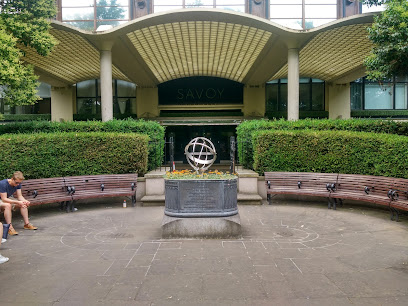
Prince Henry's Room
0.4 km
Discover a rare Jacobean timber-framed treasure on Fleet Street, rich with history, ornate plasterwork, and tales from London's past.
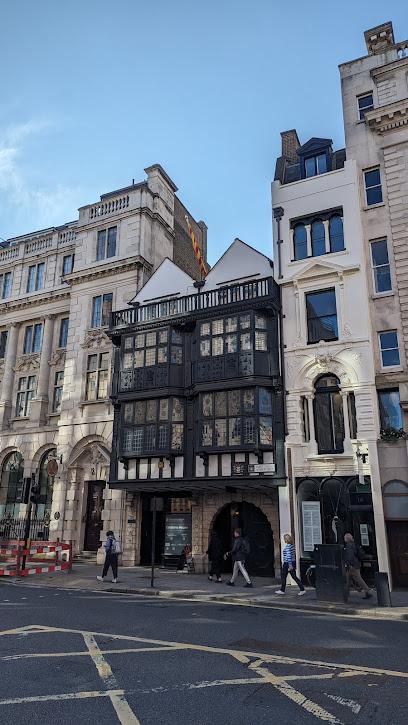
Henry Fawcett Monument
0.4 km
A serene Victorian fountain memorializing Henry Fawcett’s pioneering spirit in social reform and women’s suffrage, nestled in tranquil Embankment Gardens.
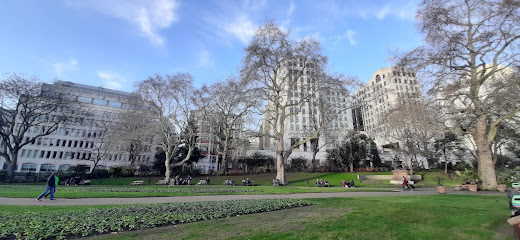
Bow St
0.5 km
Bow Street, a historic London street famed for pioneering policing, vibrant theatre, and rich cultural heritage in Covent Garden.
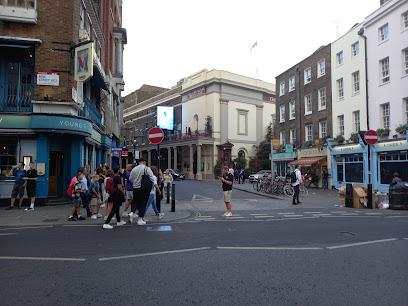
Plaque: David Garrick
0.5 km
Honoring David Garrick, the 18th-century actor and theatre innovator, with a commemorative plaque in London’s historic theatre district.
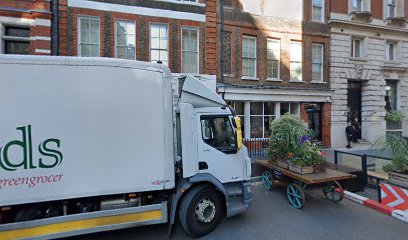
Cleopatra's Needle
0.5 km
An ancient Egyptian obelisk on London's Thames Embankment, bridging millennia of history and mystery in the heart of the city.
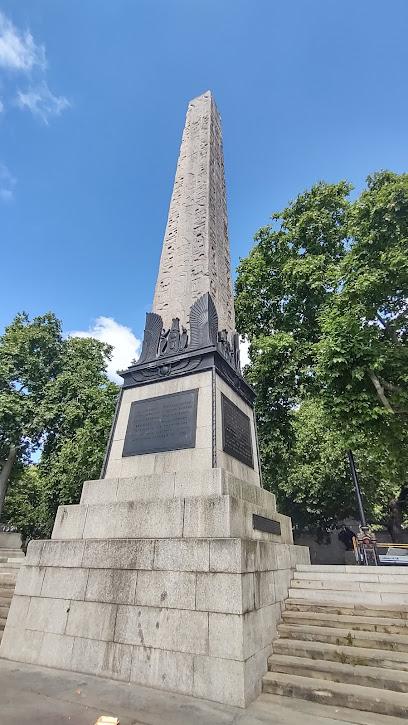
Major-General Lord Cheylesmore Monument
0.5 km
A serene stone tribute in Victoria Embankment Gardens honoring Major-General Lord Cheylesmore’s military and civic legacy.
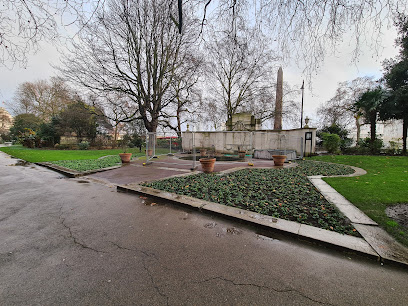
John Adam St & Adam St
0.5 km
Explore John Adam Street & Adam Street, heart of the Adam brothers’ neoclassical Adelphi development, blending Georgian elegance with modern London vibrancy.
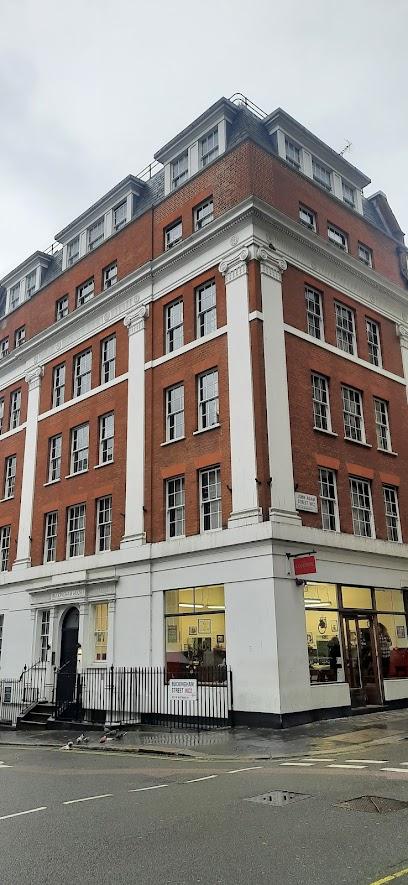
Hare Pl
0.5 km
Discover Hare Place in Temple, London—a serene historic enclave steeped in centuries of legal tradition and architectural charm.
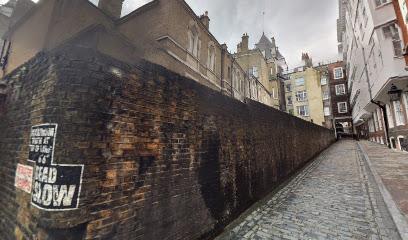
Unmissable attractions to see

Hidden London - Aldwych Station
0.0 km
Step into London’s hidden past with exclusive tours of Aldwych Station, a disused Tube shelter rich in history and wartime stories.
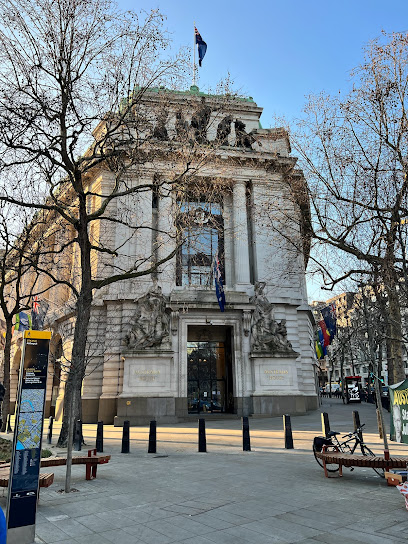
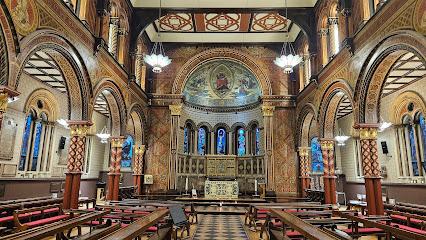
King's College Chapel
0.0 km
Explore the breathtaking beauty and rich history of King's College Chapel, a must-visit Gothic masterpiece in the heart of London.
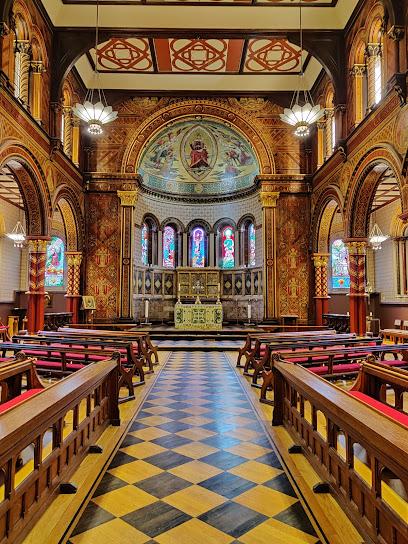
King's College London
0.0 km
Historic riverside campus blending classical architecture with modern academia in central London’s vibrant cultural heart.
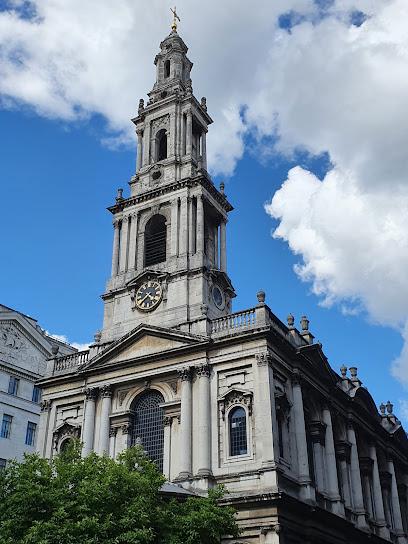
St Mary le Strand Church
0.1 km
Discover the exquisite Baroque beauty and rich heritage of St Mary le Strand Church, a tranquil sanctuary and landmark in the heart of London’s Strand.
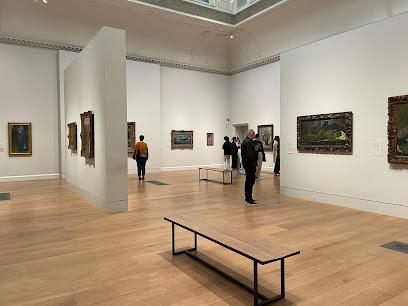
The Courtauld Gallery
0.1 km
Discover world-class art masterpieces from the Middle Ages to Impressionism in the historic Somerset House setting.
Somerset House
0.1 km
Historic neoclassical landmark and vibrant cultural hub on the Thames, blending art, performance, dining, and innovation in central London.

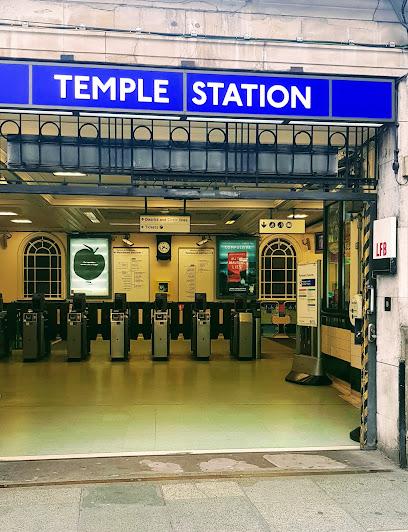
Temple Station
0.1 km
Step into history at Temple Station, a Victorian-era gateway to London’s medieval Knights Templar district and legal heritage.
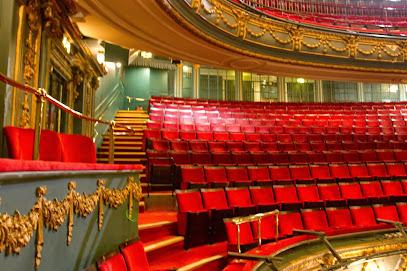
Aldwych Theatre
0.2 km
Experience timeless elegance and captivating performances at London’s historic Aldwych Theatre, a West End treasure with Art Deco charm.
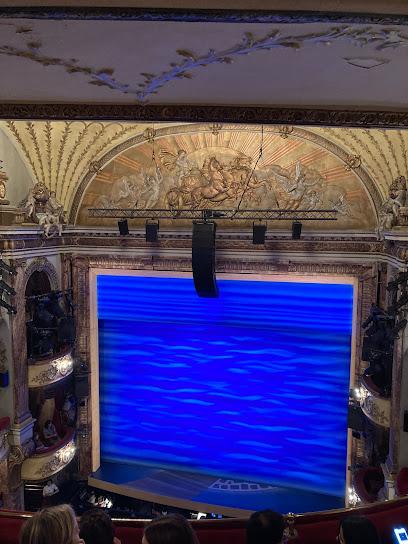
Mamma Mia!
0.2 km
Experience the joyous ABBA musical Mamma Mia! at London’s Novello Theatre, a timeless West End celebration of love and laughter.
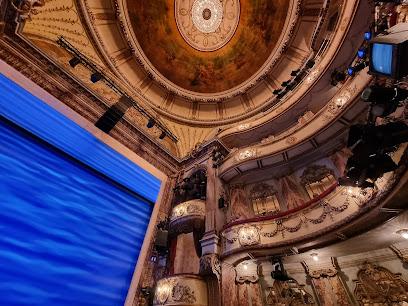
Novello Theatre
0.2 km
A classic West End theatre on Aldwych, home to Mamma Mia! and a refined Edwardian auditorium with excellent sightlines and intimate charm.
Victoria Embankment
0.2 km
Explore Victoria Embankment, a historic riverside promenade in London featuring iconic views, tranquil gardens, and rich Victorian heritage.
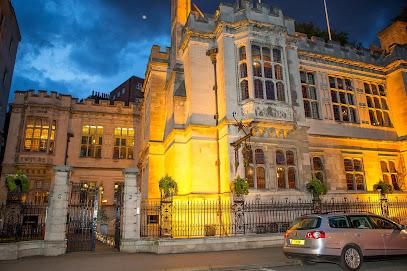
Two Temple Place
0.3 km
Discover Two Temple Place, a neo-Gothic Victorian mansion blending literary grandeur and architectural mastery on London’s iconic Victoria Embankment.
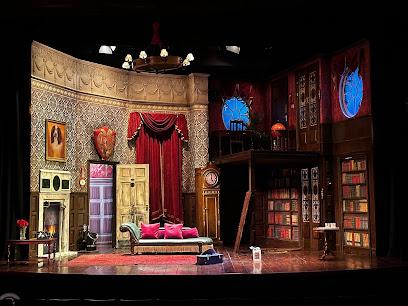
Duchess Theatre
0.3 km
Discover the intimate charm and rich history of the Duchess Theatre, a West End treasure since 1929 with iconic productions and timeless elegance.
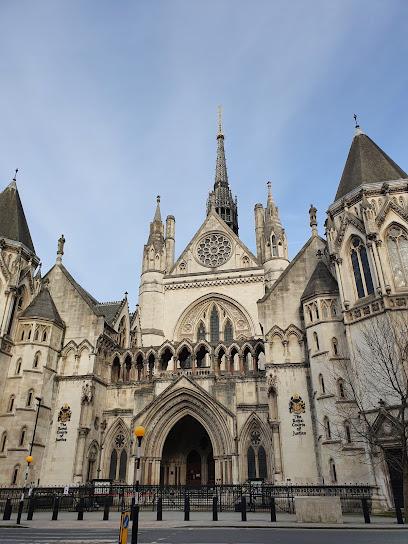
Royal Courts of Justice
0.3 km
Explore the Royal Courts of Justice, a stunning Gothic architectural masterpiece in London, showcasing the city's rich legal history and vibrant culture.
Lyceum Theatre
0.3 km
Experience world-class West End theatre in the historic Lyceum Theatre, home to The Lion King and a jewel of London’s cultural scene.
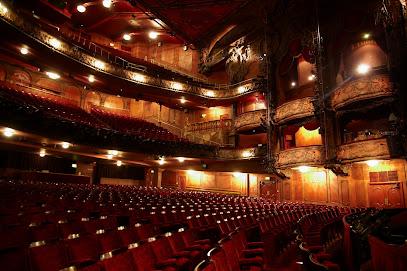
Essential places to dine

Ikoyi Restaurant
0.1 km
Discover Ikoyi, London’s two-Michelin-starred restaurant blending bold West African spices with British ingredients in an elegant, sensory tasting journey.
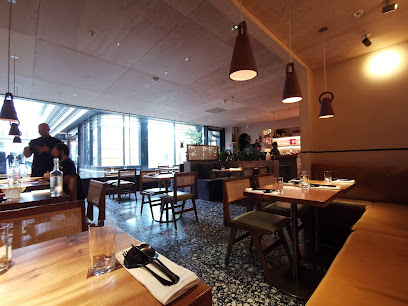
Cicchetti by San Carlo - London Covent Garden
0.3 km
Experience authentic Venetian small plates and seasonal Italian flavors in a stylish, lively Covent Garden setting.
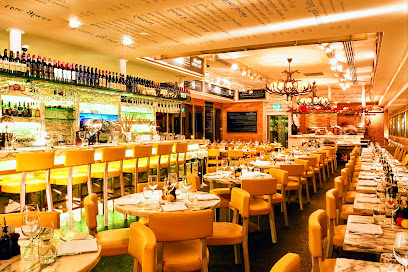
Sarastro
0.3 km
Experience vibrant Mediterranean flavors and live musical theatre in the heart of Covent Garden’s most theatrical restaurant.
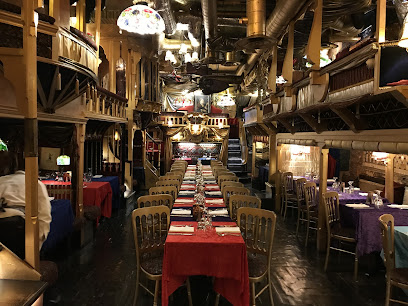
Balthazar
0.4 km
Experience the lively charm of a Parisian brasserie with classic French cuisine in the heart of Covent Garden, London.
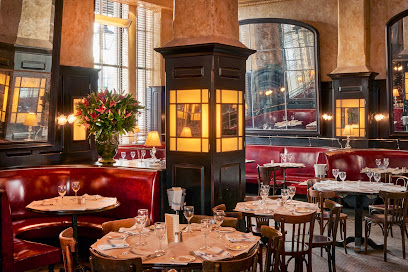
Frog by Adam Handling Restaurant Covent Garden
0.4 km
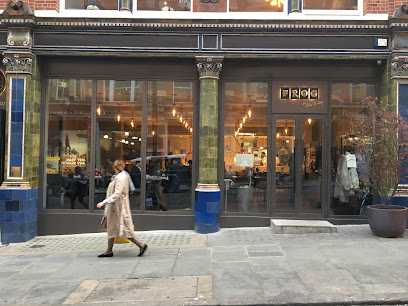
Experience Michelin-starred modern British cuisine with theatrical flair and sustainable luxury in the heart of Covent Garden.
Chez Antoinette
0.5 km
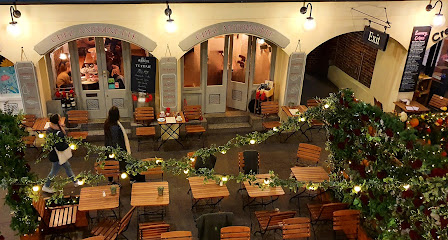
Authentic Lyon-inspired French bistro serving classic tartines and cozy café fare in the heart of Covent Garden, London.
Margot
0.5 km
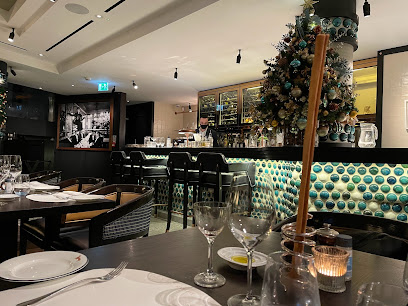
Sophisticated Italian dining with classic charm and an extensive wine list in the heart of Covent Garden, London.
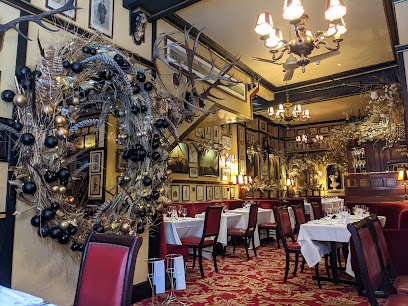
Rules
0.5 km
London’s oldest restaurant since 1798, Rules serves timeless British classics in an elegant, historic Covent Garden setting.
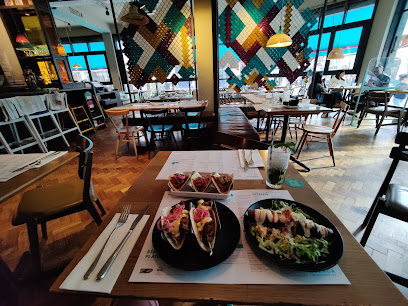
Wahaca Southbank
0.5 km
Experience vibrant Mexican street food in a unique riverside setting with scenic Thames views and lively atmosphere at Wahaca Southbank.
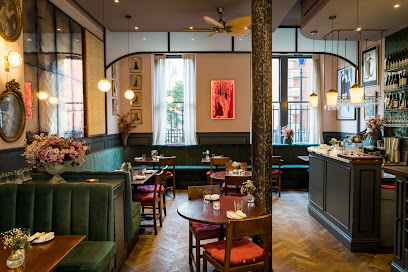
Cora Pearl Covent Garden
0.5 km
Elegant modern British dining in Covent Garden with iconic chips, soulful vibes, and a nod to a glamorous past.
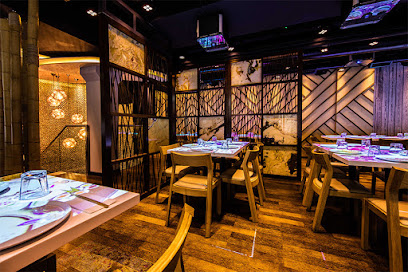
Inamo Covent Garden
0.5 km
A futuristic Pan-Asian restaurant in Covent Garden where interactive tables meet bold Asian flavours in a sleek, tech-forward space.
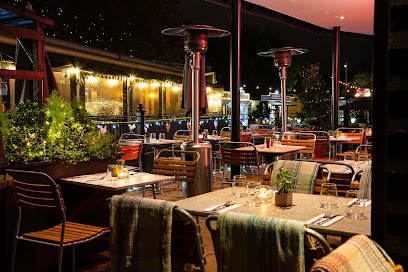
Paradiso Burger & Cocktail Bar Southbank
0.6 km
Vibrant riverside spot in Southbank serving gourmet burgers, cocktails, and bottomless brunch with stunning Thames views.
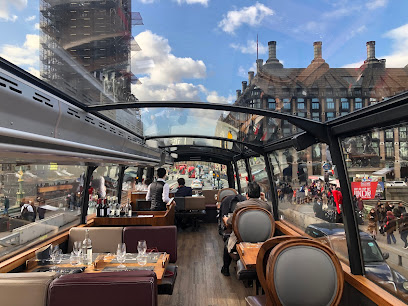
Bustronome London
0.6 km
Dine in luxury aboard a panoramic double-decker bus while touring London’s iconic landmarks with gourmet cuisine and fine wines.
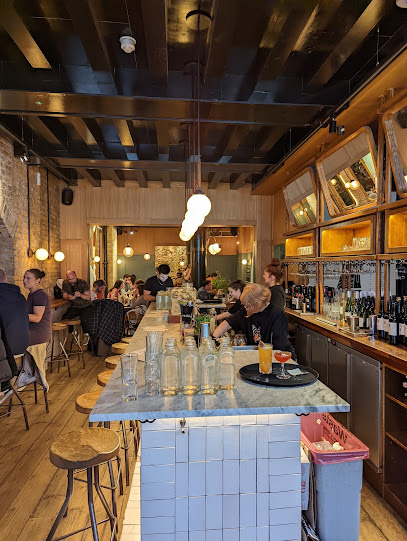
Flat Iron Covent Garden
0.6 km
Savor expertly crafted flat iron steaks in a historic Covent Garden setting, complete with rustic charm and a signature ice cream treat.
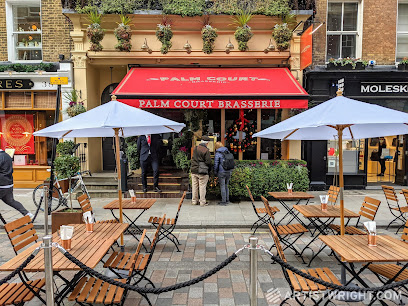
Palm Court Brasserie
0.6 km
Experience authentic Parisian charm and classic French cuisine in the vibrant heart of Covent Garden at Palm Court Brasserie.
Markets, malls and hidden boutiques

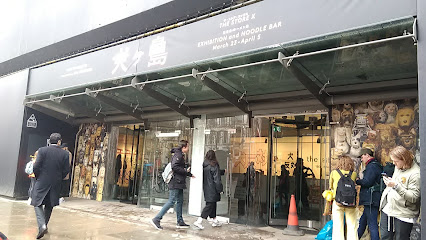
The Store X
0.1 km
A visionary space where London’s fashion, art, and culture converge in an immersive, innovative experience.
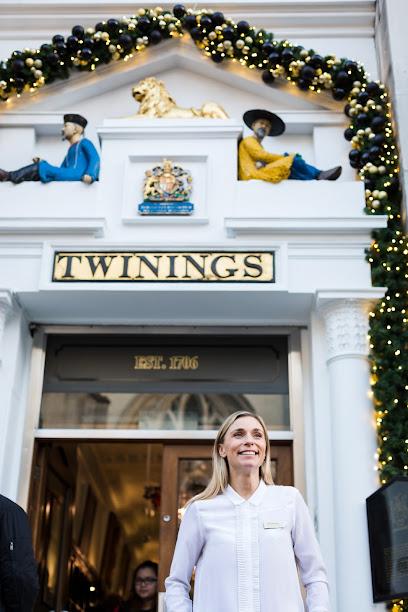
Twinings - The Strand
0.3 km
Discover over 300 years of tea heritage at London’s oldest tea shop, featuring historic charm, premium tastings, and a unique museum experience.
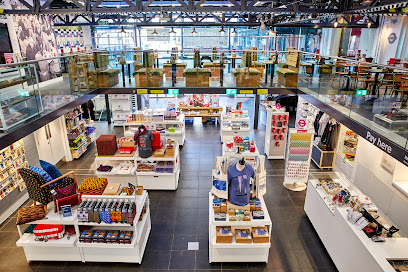
London Transport Museum - Shop
0.4 km
Discover unique transport-themed gifts and iconic London memorabilia at the London Transport Museum Shop in Covent Garden.
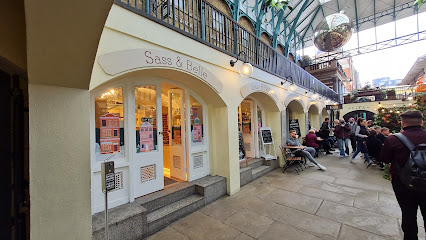
Sass & Belle Covent Garden Market
0.5 km
Quirky gifts and whimsical homeware in Covent Garden's lively market—permanently closed in-store, thriving online with cute finds for every home.
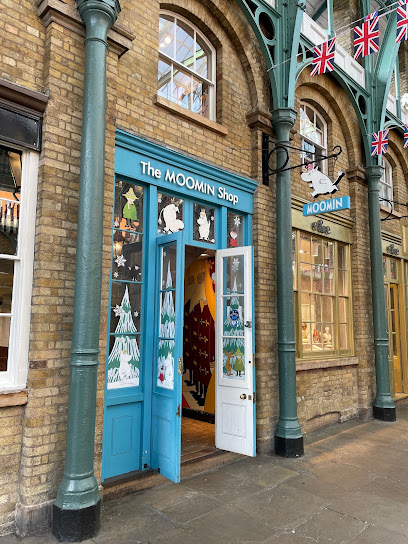
The Moomin Shop London
0.5 km
Step into the enchanting world of Moominvalley at The Moomin Shop in Covent Garden, London’s magical haven for fans of Tove Jansson’s beloved characters.
Sugar And Style
0.6 km
Discover design-led fashion accessories in Gabriel's Wharf, London's arty South Bank riverside haven blending style, creativity, and Thames views.

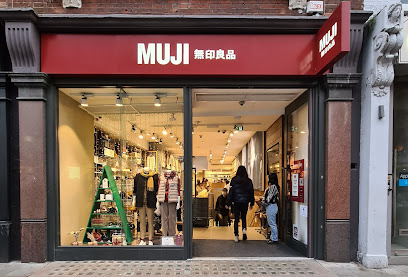
MUJI Covent Garden Store
0.6 km
Discover Japanese minimalism in Covent Garden: timeless clothing, sustainable homewares, and functional stationery for clutter-free, mindful living.
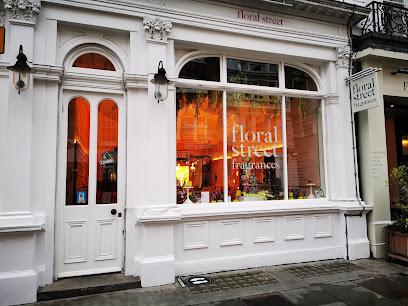
Floral Street
0.6 km
Contemporary floral fragrances crafted with purpose, sustainability, and joy in the heart of London.
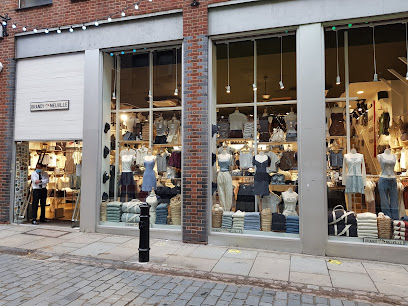
Brandy Melville - Covent Garden
0.6 km
Trendy Italian-LA fusion on Neal Street: one-size-fits-most chic for the effortless Covent Garden style seeker.
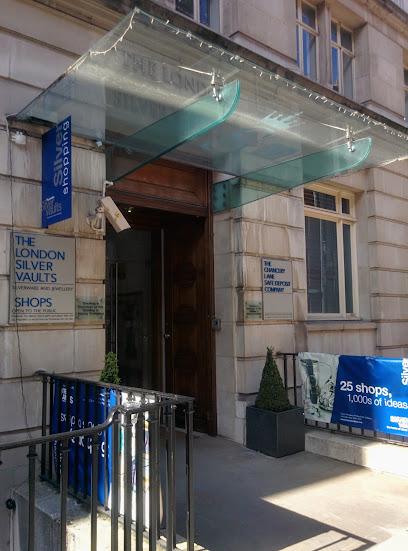
London Silver Vaults
0.6 km
The world's largest underground marketplace for fine antique and contemporary silver, hidden beneath historic Chancery Lane.
Rokit Covent Garden
0.6 km
Dive into retro treasures at Rokit Covent Garden, where sustainable vintage fashion meets London's vibrant street style heritage on Shelton Street.

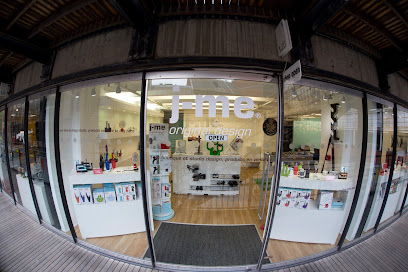
j-me original design ltd
0.6 km
Whimsical designs with a humorous twist from London's Oxo Tower creative hub – quirky home gifts blending fun, function, and British ingenuity.
Brand Academy Independent Gift Shop
0.7 km
Dive into a world of whimsical designs and unique finds at this South Bank gem, where global brands meet emerging talents in the heart of Oxo Tower Wharf.
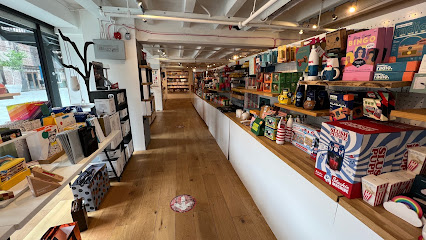
SUCK UK Alternative Gifts (OXO Tower)
0.7 km
Discover quirky, clever gifts and homewares at SUCK UK’s flagship store in London’s iconic OXO Tower.
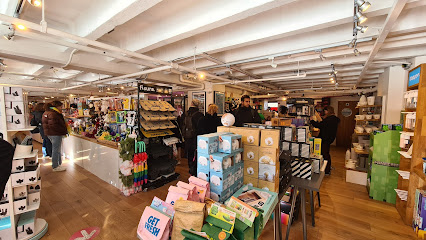
not just a shop
0.7 km
Discover unique, handcrafted art and design by UAL’s students and alumni at this creative retail hub in central London.

Essential bars & hidden hideouts

Be At One - Covent Garden Lyceum
0.3 km
Shake up your night in Covent Garden with 100+ cocktails, 2-for-1 happy hours, and masterclasses in a historic spot pulsing with theater-district energy.
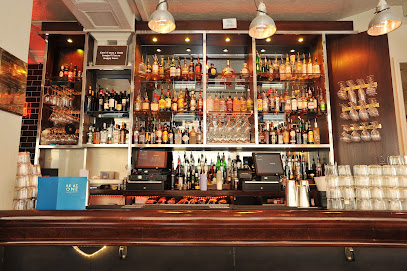
Plume Wine Bar
0.3 km
Covent Garden speakeasy in Dickens' old offices: sparkling wines from afar, cheesy sharing plates, and note-passing to strangers in candlelit luxury.
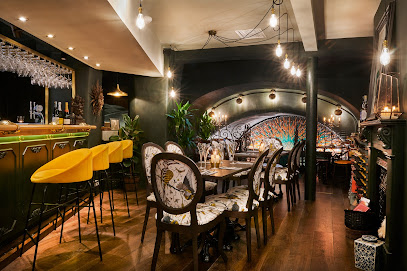
Beaufort Bar
0.4 km
Step into the Beaufort Bar’s jet-black and gold Art Deco glamour for exquisite cocktails, live sultry music, and a timeless London night out.
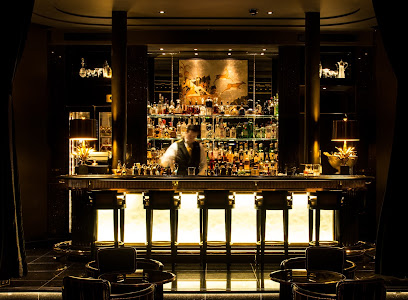
American Bar
0.4 km
Step into London’s oldest cocktail bar, where over a century of mixology mastery meets elegant Art Deco charm at The Savoy.
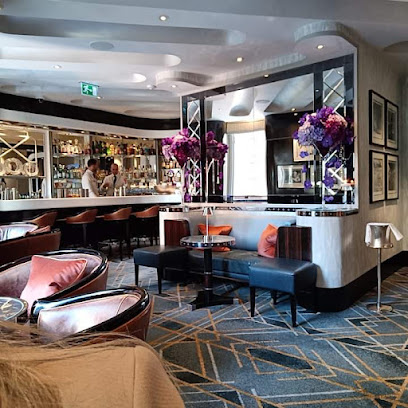
Be At One - Russell Street
0.4 km
Covent Garden’s vibrant cocktail bar with 100+ drinks, late-night parties, and unbeatable 2-for-1 happy hours in a stylish basement setting.
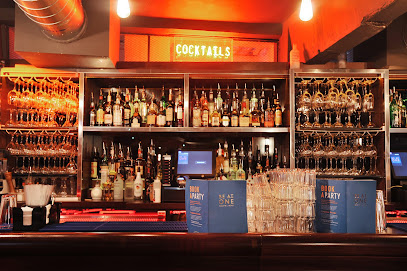
Dirty Martini - Covent Garden
0.4 km
Glamorous Covent Garden cocktail haven pulsing with martini magic, bottomless brunches, and late-night DJ vibes under sparkling chandeliers.
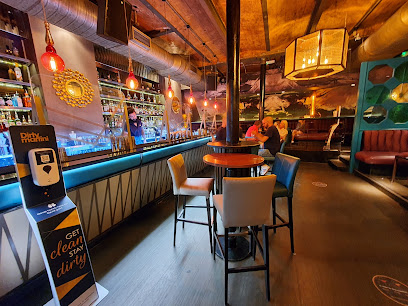
Eve Bar Covent Garden
0.4 km
Subterranean Covent Garden cocktail bar tempting with zero-waste elixirs, decadent snacks, and Eden-inspired glamour beneath a Michelin-starred haven.
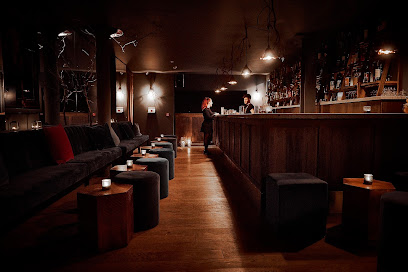
Crusting Pipe
0.4 km
Covent Garden wine bar pouring Davy’s finest ports amid live music, British classics and cosy nooks—perfect for pre-theatre indulgence or market rendezvous.
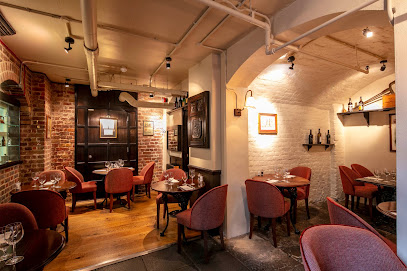
The Understudy
0.5 km
Riverside craft beers, KERB street food, and Thames views at the National Theatre's lively bar – perfect for pre-show bites or late-night hangs on London's South Bank.
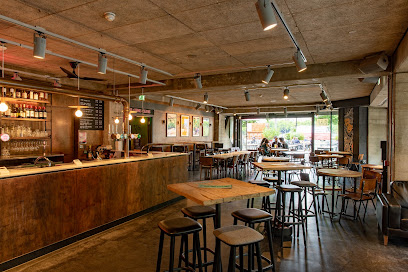
Upstairs At Rules
0.5 km
Discover Upstairs At Rules, a refined cocktail bar above London’s oldest restaurant, where Edwardian elegance meets expertly crafted drinks in Covent Garden.
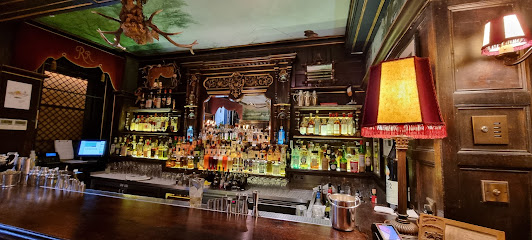
Mrs Riot
0.5 km
Covent Garden's technicolor riot: punk-pop cocktails, drag brunches, live DJs, and Kitty Clive's rebellious legacy in one explosive venue.
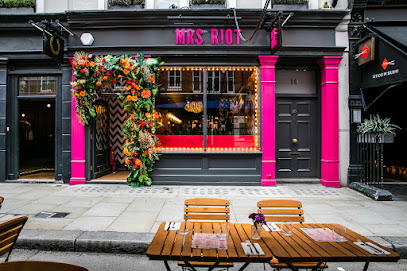
Mr Fogg's Society of Exploration
0.6 km
Step into a Victorian explorer’s world with inventive cocktails, immersive storytelling, and a mechanical mixologist in Covent Garden’s unique speakeasy.
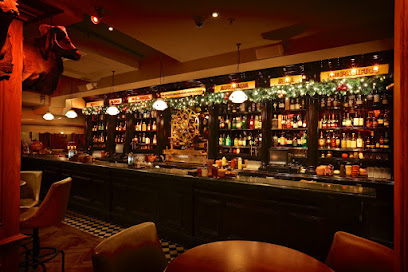
All Bar One Covent Garden
0.6 km
Stylish Covent Garden wine bar serving shareable plates, extensive wines, and cocktails in a lively West End setting—ideal for pre-theatre drinks or group gatherings.
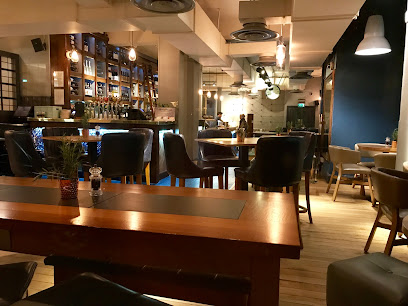
Blame Gloria - Cocktail Bar in Covent Garden
0.6 km
Dive into Blame Gloria’s neon-lit retro cocktail haven in Covent Garden, where legendary rock vibes and wild themed brunches electrify your night.
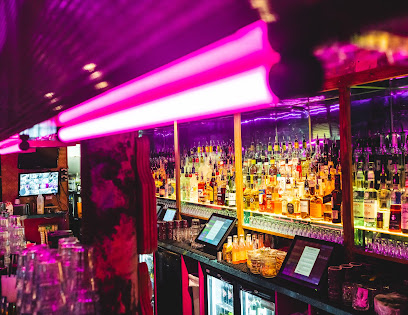
Southbank Centre, Members Bar
0.6 km
Elevated wine bar with Thames panoramas and cultured calm atop Royal Festival Hall—perfect for drinks amid London's arts heartbeat.
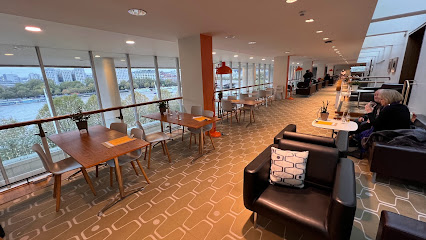
Nightclubs & after hour spots

Proud Late
0.3 km
Dive into two-storey glamour under Waterloo Bridge: cabaret acrobatics, burlesque dazzle, supper feasts, and non-stop clubbing till 5am in London's West End nightlife epicenter.
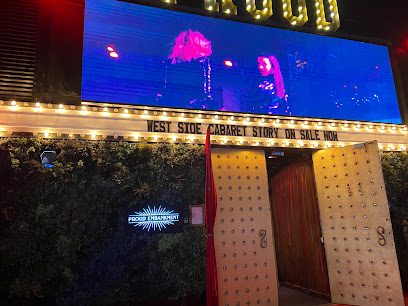
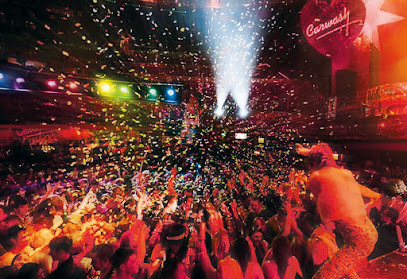
Carwash Nightclub
0.5 km
Experience Europe’s longest-running disco club in London’s West End, where retro beats, vibrant crowds, and themed parties create unforgettable nights.
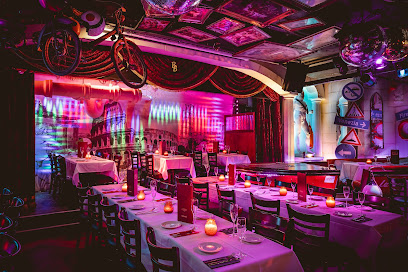
Bunga Bunga Covent Garden
0.6 km
A neon-soaked, pizza-and-karaoke supper club under Drury Lane — 90s nostalgia, stage shows and shareable Italian feasts.
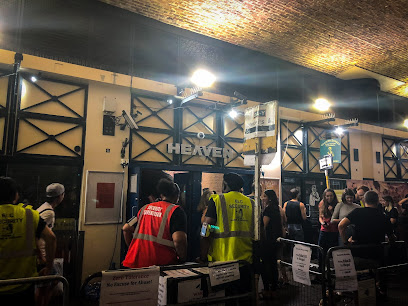
Heaven
0.7 km
London’s iconic gay superclub under the railway arches — big nights, loud music, drag, and late finishes in the heart of the West End.
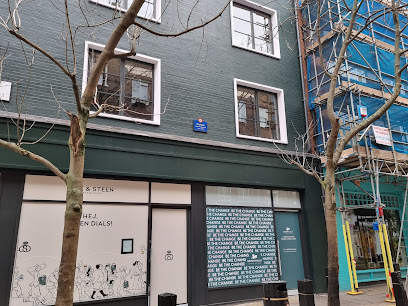
Comedy Carnival Covent Garden
0.7 km
London's premier stand-up comedy venue showcasing bold, award-winning international comedians in vibrant Covent Garden.

The Roxy
0.8 km
Soho's unbeatable happy hour cocktail bar by day, pulsing nightclub with live music and DJ nights till 3am—affordable vibes in London's nightlife heart.
Whatdafunk Presents West End Urban Disco
0.8 km
Dive into London's grooviest urban disco beats at Whatdafunk, where Covent Garden's streets pulse with funk, soul, and non-stop dance energy in the heart of the West End.
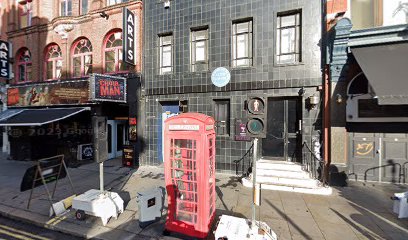
The Ivy Club
0.9 km
Art-Deco‑tinged members’ club above The Ivy — piano bars, discreet private dining and polished West End glamour.
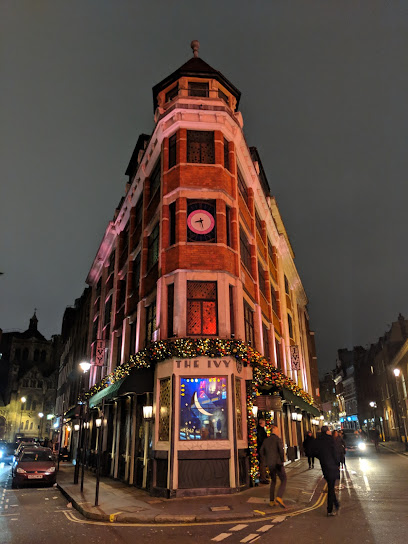
Zoo Bar & Club
0.9 km
Dive into Leicester Square's edgy nightlife hub: two floors of R&B beats, sports screens, and wild energy until 3am at Zoo Bar & Club.
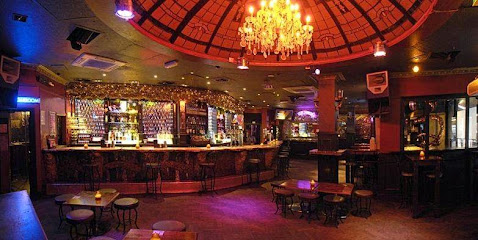
The Boat Show Comedy Club
0.9 km
London’s premier floating comedy club aboard the historic Tattershall Castle, blending laughter with iconic riverside views and vibrant nightlife.
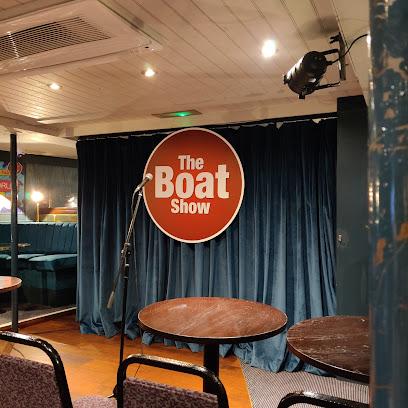
The Penthouse London
1.0 km
A compact, rooftop nightclub above Leicester Square — reached by a side lift, built for late‑night private parties and skyline glimpses.
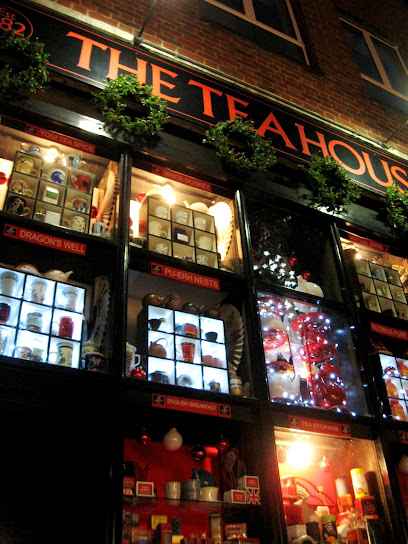
Cirque Du Soul
1.1 km
Dive into Leake Street's graffiti tunnel for soul-stirring electronic nights at this underground nightclub haven.
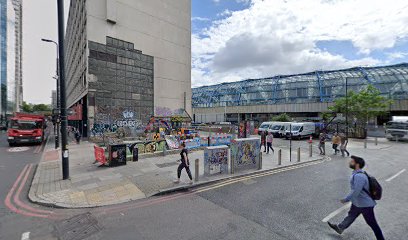
We Are Waterloo
1.1 km
Dive into Leake Street's graffiti heart where street art meets thumping beats in London's ultimate underground nightclub haven.
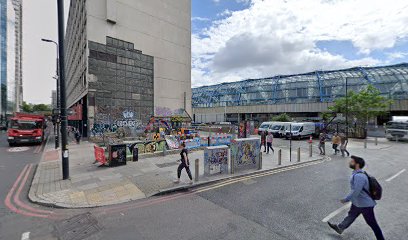
Club49Soho
1.1 km
Soho's stylish cocktail haven with DJ-fueled dancefloor energy, blending upscale drinks and classy nightlife vibes until 3am.
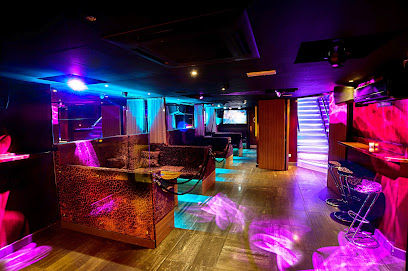
TSQ Club
1.1 km
Dive into Trafalgar Square's nightlife pulse at TSQ Club, where eclectic beats, dazzling lights, and craft cocktails fuel unforgettable weekend nights in London's heart.

For the vibe & atmosphere seeker
- Historic
- Unique
- Quirky
- Tranquil
For the design and aesthetic lover
- Vintage Styles
For the architecture buff
- Historic
- Landmarks
For the social media creator & influencer
- Photo Spots
- Architectural Shots
For the eco-conscious traveler
- Public-Transport Accessible
For the kind of experience you’re after
- Cultural Heritage
- Photowalk
- Day Trip
For how adventurous you want the journey to be
- Easy Access
Location Audience
- Family Friendly
- Senior Friendly
- Child Friendly
- Solo Friendly
- Couple Friendly


