Waterloo Bridge, London Travel Guide
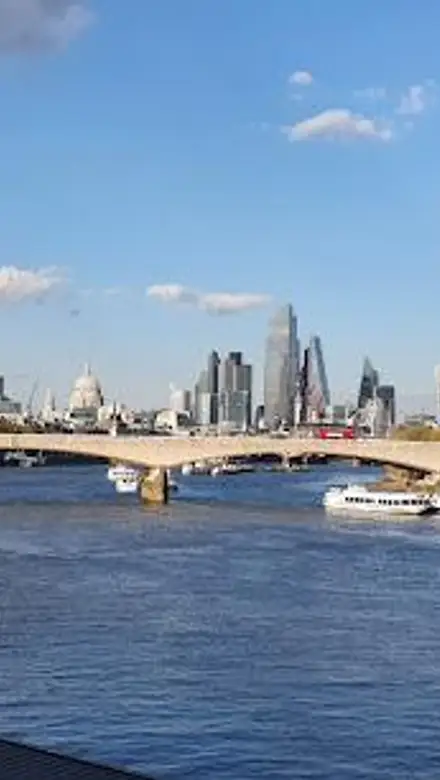
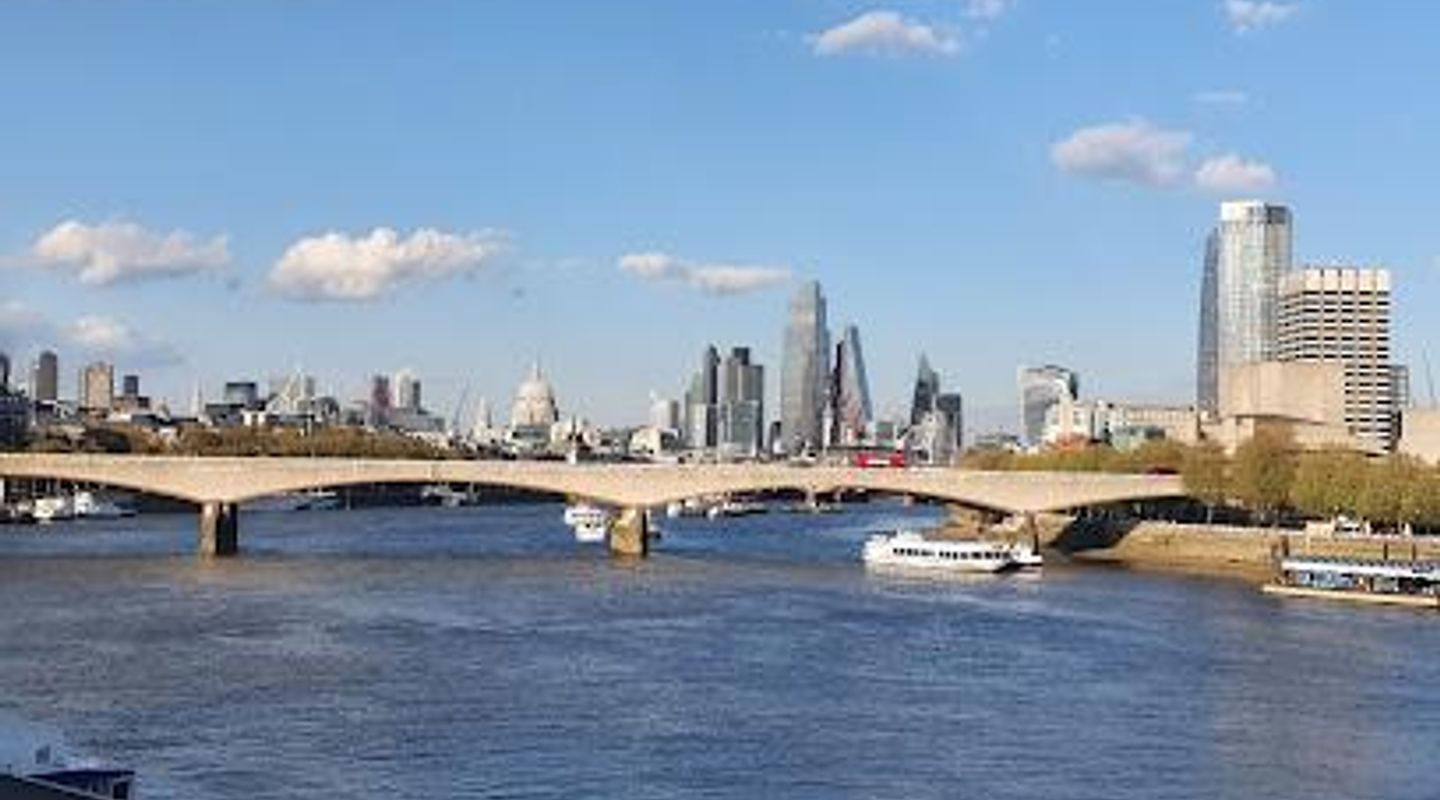
Waterloo Bridge, London’s elegant Thames crossing, famed for its wartime women builders and breathtaking panoramic city views.
Waterloo Bridge is a historic and architecturally significant crossing over the River Thames in London, famed for its elegant design, rich history, and the unique role women played in its wartime construction. Originally opened in 1817 to commemorate the Battle of Waterloo, the current bridge was built during World War II and is celebrated for its resilience, stunning river views, and cultural significance.
A brief summary to Waterloo Bridge
- London, GB
- Duration: 0.5 to 2 hours
- Free
-
 Outdoor
- Mobile reception: 5 out of 5

Know before you go
Hi, I'm Eve. Here are a few practical things to know before exploring Waterloo Bridge.
- Visit at sunrise or sunset for spectacular views of the London skyline and the Thames.
- Look for the two original Doric columns preserved at the southern end, remnants of the first bridge.
- Take time to appreciate the Portland stone cladding, which naturally cleans itself in rain.
- Explore the nearby South Bank and Westminster areas to complement your visit with cultural landmarks.
Do you manage this location?
Take control to get all the benefits, like improved information, better appearance, and stronger visibility across AI-powered discovery. Learn more about listing your business on Evendo
Activate your presenceOther nearby places you may find interesting
The closest places of the same kind, if this one is not quite what you had in mind.



Explore Waterloo Bridge on the Map
A handpicked selection of must-see spots near Waterloo Bridge, mapped for you.
Unlock the Best of Waterloo Bridge
Buy tickets
-
No tickets available
Book tours with entry


Getting There
-
Public Transport
Take the London Underground to Waterloo Station, served by the Jubilee, Northern, Bakerloo, and Waterloo & City lines. From the station, it is a 10-15 minute walk to the bridge. Tube fares range from £2.50 to £6.00 depending on zones and ticket type.
-
Bus
Several London bus routes, including 59, 68, 171, and RV1, stop near Waterloo Bridge. Bus travel times vary from 15 to 30 minutes depending on traffic. Standard bus fare is £1.75 with contactless or Oyster card.
-
Taxi or Ride-Hailing
Black cabs and ride-hailing services like Uber can access Waterloo Bridge directly. Travel times depend on traffic but typically range from 10 to 25 minutes from central London locations. Fares usually start around £7 and increase with distance.
-
Walking
Waterloo Bridge is accessible on foot from nearby landmarks such as the South Bank and Covent Garden. Walking times range from 15 to 30 minutes over mostly flat, paved terrain suitable for most visitors.
For the on-the-go comforts that matter to you
-
 Seating Areas
-
 Information Boards
Discover more about Waterloo Bridge
Origins and the First Waterloo Bridge
Waterloo Bridge was originally constructed between 1811 and 1817, designed by the Scottish engineer John Rennie. Initially named the Strand Bridge, it was renamed in 1816 to honor the British victory at the Battle of Waterloo in 1815. The original structure was a masterpiece of masonry, featuring nine elliptical granite arches and Grecian Doric columns on each pier. It was widely admired for its elegance and engineering excellence, with notable visitors including Tsar Alexander I of Russia. The bridge quickly became a vital artery in London, linking the north and south banks of the Thames and easing traffic congestion between Westminster and the City of London.Structural Challenges and Replacement
By the early 20th century, the original Waterloo Bridge suffered from structural damage caused by increased tidal flows in the Thames, particularly after the opening of the new London Bridge downstream in 1831. Despite costly repairs and reinforcements in the late 19th century, the bridge's condition worsened, leading to its closure in 1924. A temporary steel bridge was erected to maintain traffic flow while debates and planning for a replacement took place. Eventually, the decision was made to demolish the original bridge and build a new one, a project that took over a decade to commence.The Wartime Rebuild and the 'Ladies' Bridge'
Construction of the current Waterloo Bridge began in 1937 under the direction of architect Sir Giles Gilbert Scott, renowned for his work on Battersea Power Station and the iconic red telephone box. The project was interrupted by World War II but was deemed a national priority. Remarkably, a significant portion of the workforce consisted of women, who undertook welding, riveting, and other demanding construction tasks despite the dangers of Nazi bombings. This extraordinary contribution earned the bridge the affectionate nickname 'The Ladies' Bridge.' The new bridge was partially opened in 1942 and fully completed in 1945, standing as a symbol of resilience and innovation during wartime.Architectural Features and Cultural Significance
The current Waterloo Bridge is a Grade II* listed structure, measuring approximately 1,230 feet long and 80 feet wide, making it the longest bridge in London. It features reinforced concrete with Portland stone cladding, which self-cleans in the rain, preserving its elegant appearance. Two Doric columns from the original bridge are preserved in the southern abutment, linking past and present. The bridge offers some of the best panoramic views of London landmarks such as the Houses of Parliament, the London Eye, the City skyline, and Canary Wharf. It has inspired artists like Monet and Constable and served as a backdrop in films, notably the 1940 romantic drama 'Waterloo Bridge.'Legacy and Recognition of Women's Contributions
For many years, the vital role women played in the bridge's construction was overlooked, partly due to wartime secrecy and lost records. However, archival discoveries in the 2000s, including photographs of female welders, led to official recognition by Historic England with a Grade II re-listing in 2005. Campaigns continue to honor these women, highlighting their pioneering contributions to London's infrastructure during a critical period.Waterloo Bridge Today
Today, Waterloo Bridge remains a key transport link and a cherished London landmark, admired for its historical depth, architectural grace, and the stories it embodies. Its strategic location and striking views make it a favorite spot for photographers, artists, and visitors seeking to experience a blend of London's heritage and vibrant urban life. The bridge’s enduring presence is a tribute to engineering excellence and the often-unsung heroes who built it.












Your all‑in‑one travel companion app
Explore expert travel guides, compare and book tours, experiences, hotels, and more—all from the palm of your hand. Download now for seamless trip planning wherever your wanderlust takes you.


Explore More of London
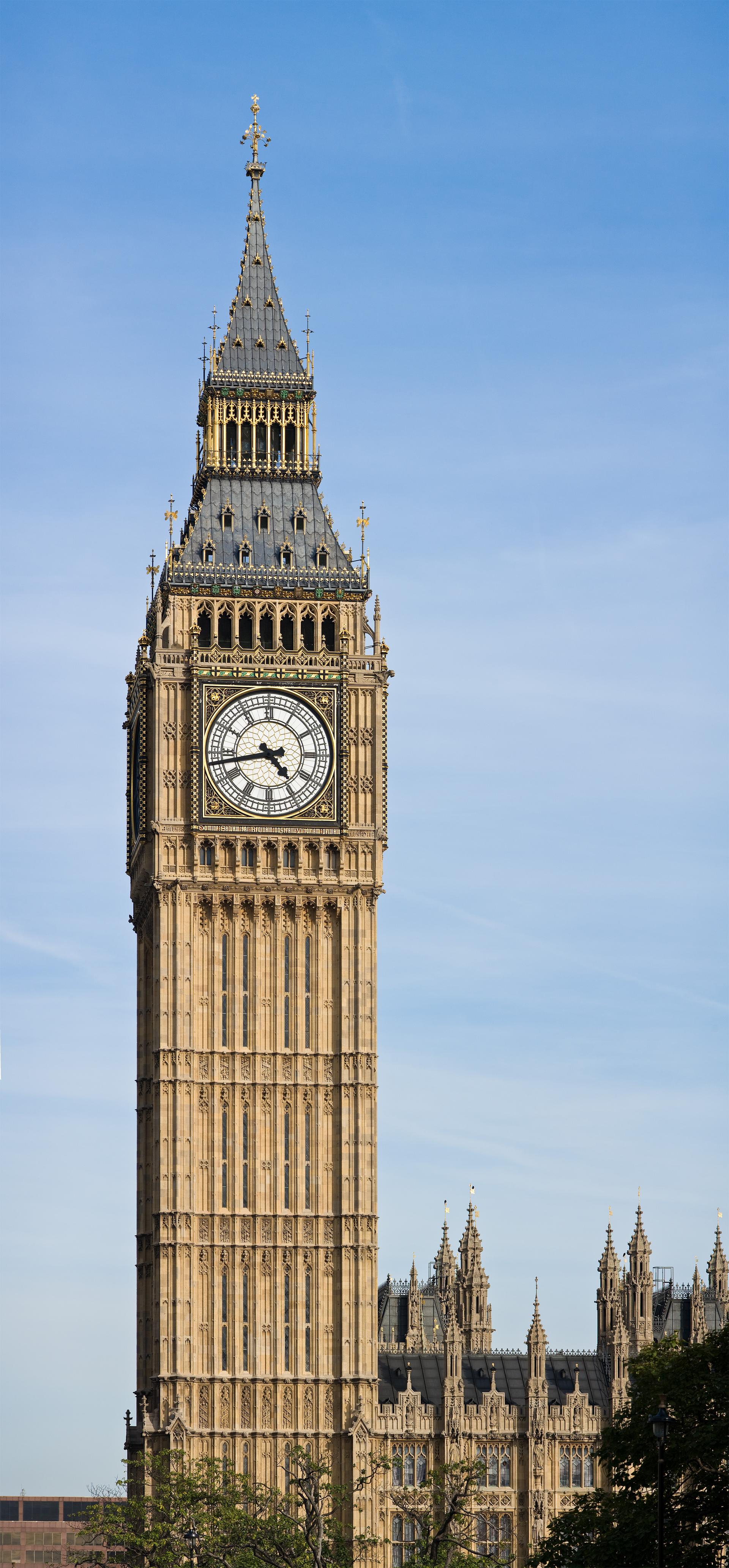
Looking beyond Waterloo Bridge? Discover London for broader travel guides, local hot-spots, and regional highlights.
Explore London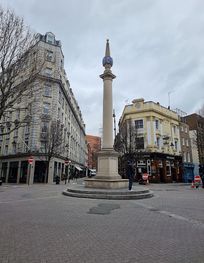
Discover Seven Dials, a historic London quarter where seven streets meet at a unique sundial pillar, blending rich heritage with vibrant culture.
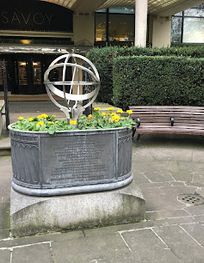
Celebrate the visionary impresario behind Gilbert and Sullivan’s legacy at this unique armillary sphere monument on London’s scenic Victoria Embankment.