
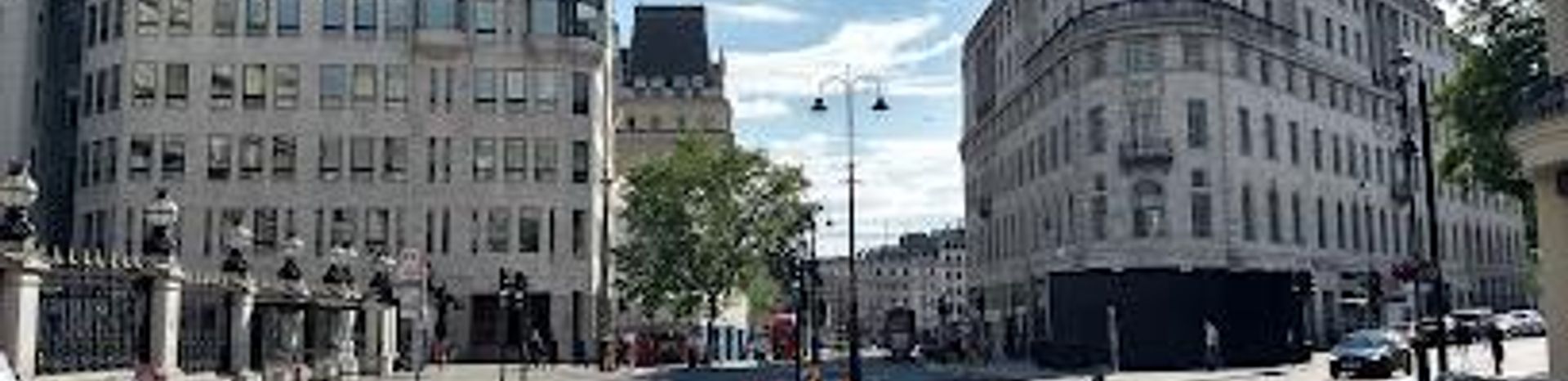
The Strand
Historic London thoroughfare linking Westminster and the City, famed for grand hotels, cultural landmarks, and hidden historical treasures.
The Strand is a historic 1.2-kilometre thoroughfare in London's West End, stretching from Trafalgar Square to Temple Bar. Once home to grand palaces and the residences of nobility, this iconic street now features world-renowned hotels like The Savoy, cultural landmarks including Somerset House and the Royal Courts of Justice, theatres, restaurants, and shops. The street's name derives from the Old English word for 'seashore', reflecting its original position along the Thames before the river was embanked. Today, it remains a vibrant artery connecting Westminster's political heart with the City's financial district, offering visitors a blend of architectural grandeur, historical intrigue, and contemporary London energy.
A brief summary to Strand
- London, GB
- Duration: 1.5 to 4 hours
- Free
-
 Outdoor
- Mobile reception: 5 out of 5
Local tips
- Explore the side streets and hidden alleys branching from the main thoroughfare—you'll discover the Strand Lane Roman Bath, unique Victorian gas lamps, and charming bookshops tucked away from the busier sections.
- Visit on weekday mornings for a more relaxed experience with fewer crowds, allowing you to appreciate the architectural details and historical plaques without the weekend rush.
- Use the nearby Underground stations—Temple, Charing Cross, or Holborn—rather than attempting to drive; parking is extremely difficult in this central London location.
- Look up frequently as you walk; many historical details, plaques, and architectural features are positioned above street level and easily missed by those focused only on the pavement.
- Visit Victoria Embankment Gardens, located parallel to the Strand's southern side, for a peaceful retreat featuring expert floral displays, deckchairs, and cafes.

For the on-the-go comforts that matter to you
- Restrooms
- Drink Options
- Drinking Water
- Food Options
- Seating Areas
- Sheltered Areas
- Information Boards
- Visitor Center
Getting There
-
London Underground
The Strand is served by three Underground stations within walking distance. Charing Cross station (Bakerloo and Northern lines) is at the western end near Trafalgar Square, approximately 5 minutes' walk. Temple station (District and Circle lines) is at the eastern end, also about 5 minutes' walk. Holborn station (Central and Piccadilly lines) is approximately 10 minutes' walk to the north. Journey times from central London vary by origin, typically 10–25 minutes depending on your starting point.
-
London Bus
Multiple bus routes serve the Strand directly, including routes 23, 139, and 176, which run along the street itself. Numerous night bus services also operate. Journey times depend on your starting location and traffic conditions, typically 15–40 minutes from other central London areas. Buses are frequent during daytime hours (every 5–15 minutes on main routes) and less frequent late evening.
-
Rail from Charing Cross Station
Charing Cross railway station is located at the western end of the Strand near Trafalgar Square, approximately 2 minutes' walk from the street's beginning. This station provides rail connections across the United Kingdom. Journey times from other UK cities vary significantly; for example, approximately 2 hours from Brighton, 1.5 hours from Canterbury, and 3 hours from Bristol.
-
Walking from Nearby Landmarks
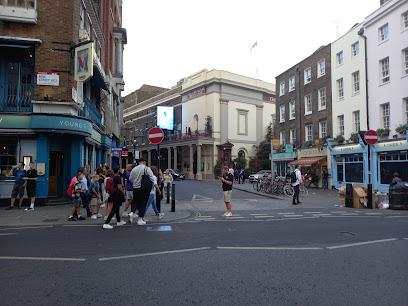
The Strand is highly accessible on foot from surrounding attractions. From Trafalgar Square, the walk to the Strand's western end takes approximately 1 minute. From Covent Garden, it's a 5–10 minute walk southward. From the Thames riverside, crossing via the Embankment takes 3–5 minutes. The street itself spans 1.2 kilometres; walking its full length takes approximately 15–20 minutes at a leisurely pace.
Strand location weather suitability
-
 Any Weather
Discover more about Strand
A Street Shaped by Centuries of Power and Prestige
The Strand's story begins in the 11th century when it acquired its present name, derived from the Old English word meaning 'seashore' or 'beach'—a reference to its original position along the banks of the River Thames. During Roman times, the street formed part of a major road leading to Silchester. By the late 12th century, nobles began constructing grand stone houses with gardens along this prestigious route, transforming it into one of London's most desirable addresses. The street's significance grew as it became the principal link between Westminster, the seat of political power, and the City of London, the centre of trade and commerce. By the 19th century, the street had achieved such prominence that the statesman Disraeli proclaimed it the finest street in Europe. The palaces and mansions that once lined the Strand's southern side—including Essex House, Arundel House, Savoy Palace, and Durham House—have largely disappeared, replaced from the 17th century onwards by the grand hotels, offices, and cultural institutions that define the street today. The York Watergate, designed by Inigo Jones in 1626, stands as a poignant reminder of this transformation. Originally the riverside entrance to York House, the gate now sits well inland, its position marking where the Thames flowed before the Victoria Embankment Gardens were built on reclaimed land in 1870.Architectural Splendour and Hidden Gems
Walking the Strand today reveals layers of architectural achievement spanning centuries. The street is bookended by two English Baroque masterpieces: St Mary le Strand, designed by James Gibbs in the early 18th century, and St Clement Danes, rebuilt by Christopher Wren following the Great Fire of London. St Clement Danes still bears the scars of World War II bombing, with shrapnel marks visible on its north-east face—a tangible connection to London's wartime history. The Royal Courts of Justice, constructed in striking neo-Gothic style, stands as a monument to Victorian legal authority. Somerset House, originally built as a grand Renaissance palace, now houses cultural institutions and galleries. The Savoy Hotel, an icon of Edwardian luxury, has hosted royalty, celebrities, and distinguished guests since its opening, while the Shell Mex House, completed in 1930–31, showcases Art Deco elegance with its distinctive clock tower—the largest in London—whose faces gaze toward both the river and the street. Beyond these celebrated landmarks lie numerous curiosities and historical oddities. The Strand Lane Roman Bath, a mysterious ancient structure rarely open to the public, offers a glimpse into London's Roman past. The last surviving sewer gas destructor lamp on Carting Lane represents Victorian engineering ingenuity. Twinings tea shop, established by Thomas Twining in 1706, remains the oldest company in the capital still trading from its original location. The street also features a remarkable five-storey street map carved into the facade of 111 Strand, and numerous plaques commemorating residents including Charles Dickens, Samuel Pepys, and the painters William Etty and Clarkson Stanfield.A Living Theatre of Culture and Commerce
Today, the Strand pulses with the energy of contemporary London while maintaining its historical character. The street hosts numerous theatres, reflecting its position within London's West End theatreland. Restaurants and cafes line the thoroughfare, offering everything from traditional British fare to international cuisine. Shops range from specialist bookstores and boutiques to established retailers, though the street is better known for its atmosphere and historical discoveries than for shopping alone. King's College London, one of the two founding colleges of the University of London, occupies a significant presence along the street, contributing to its intellectual heritage. The street also marks the southern boundary of Covent Garden, one of London's most vibrant neighbourhoods, making it a natural gathering point for tourists and Londoners alike.Connectivity and Modern Context
The Strand remains one of London's most accessible and well-connected streets. Three Underground stations serve the area: Temple at the eastern end, Charing Cross at the western end, and Holborn a short walk away, providing connections to the District, Circle, Bakerloo, Northern, Central, and Piccadilly lines. Multiple bus routes, including services 23, 139, and 176, run along the street, and numerous night bus services ensure connectivity throughout the evening. Charing Cross railway station, located near the western end, provides rail connections across the United Kingdom. The street's position as part of the A4, a main road running west from central London, underscores its continued importance as a major traffic artery. Yet despite its modern role as a busy thoroughfare, the Strand retains the sophisticated and historic vibe that has defined it for centuries—a place where London's imperial past coexists seamlessly with its vibrant present, where grand architecture frames everyday commerce, and where centuries of history remain visible to those who pause to observe.Iconic landmarks you can’t miss

Strand
0.0 km
Historic London thoroughfare linking Westminster and the City, famed for grand hotels, cultural landmarks, and hidden historical treasures.

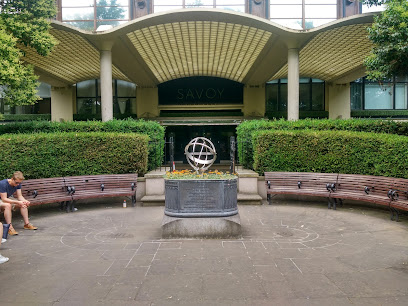
Richard D’Oyly Carte Monument
0.2 km
A sculptural homage to Richard D’Oyly Carte’s theatrical and hospitality legacy, nestled in the serene Victoria Embankment Gardens.
Plaque: David Garrick
0.2 km
Honoring David Garrick, the 18th-century actor and theatre innovator, with a commemorative plaque in London’s historic theatre district.
Henry Fawcett Monument
0.2 km
A serene Victorian fountain memorializing Henry Fawcett’s pioneering spirit in social reform and women’s suffrage, nestled in tranquil Embankment Gardens.
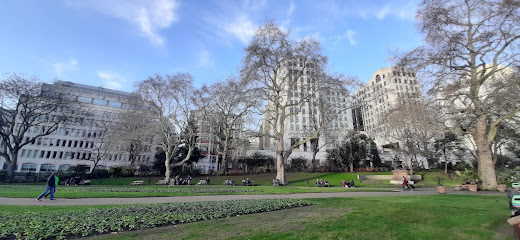
John Adam St & Adam St
0.2 km
Explore John Adam Street & Adam Street, heart of the Adam brothers’ neoclassical Adelphi development, blending Georgian elegance with modern London vibrancy.
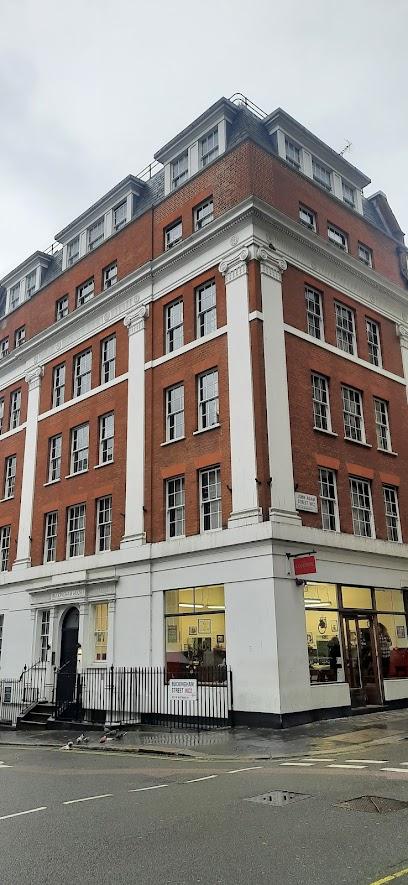
Major-General Lord Cheylesmore Monument
0.3 km
A serene stone tribute in Victoria Embankment Gardens honoring Major-General Lord Cheylesmore’s military and civic legacy.
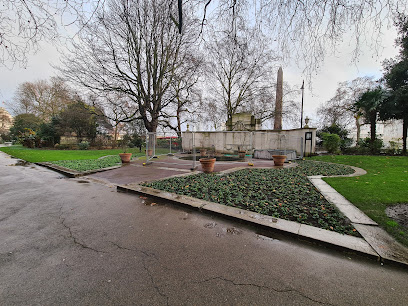
The Old Watch House
0.3 km
A quaint early 18th-century parish watch house on London’s Strand, offering a rare glimpse into pre-Metropolitan Police community policing.
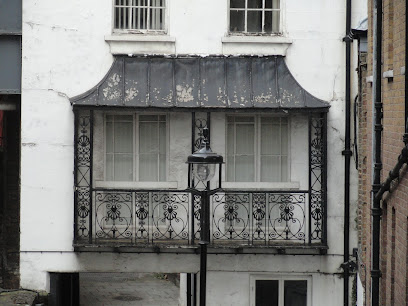
Cleopatra's Needle
0.3 km
An ancient Egyptian obelisk on London's Thames Embankment, bridging millennia of history and mystery in the heart of the city.
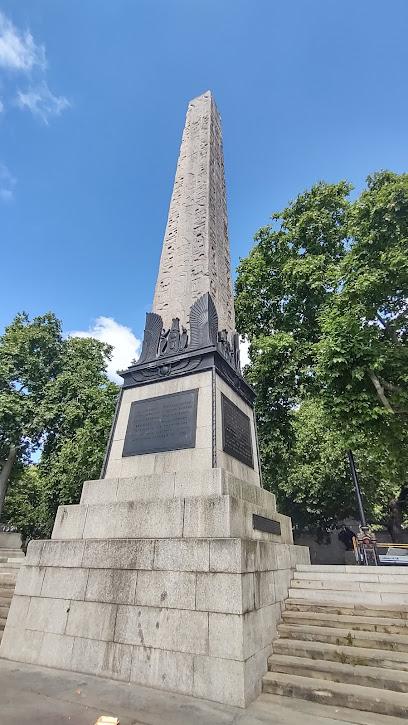
Bow St
0.3 km
Bow Street, a historic London street famed for pioneering policing, vibrant theatre, and rich cultural heritage in Covent Garden.
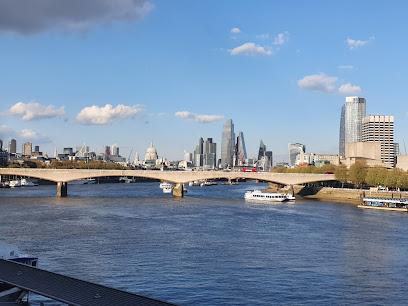
Waterloo Bridge
0.3 km
Waterloo Bridge, London’s elegant Thames crossing, famed for its wartime women builders and breathtaking panoramic city views.
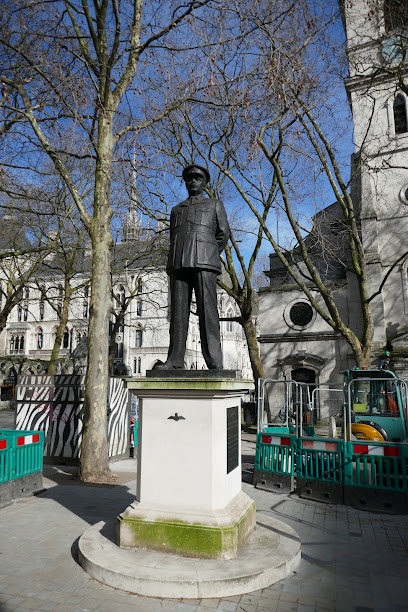
Bomber Harris Memorial
0.4 km
A solemn tribute to RAF Bomber Command’s leader and airmen, set within the historic St Clement Danes Church in London’s Temple district.
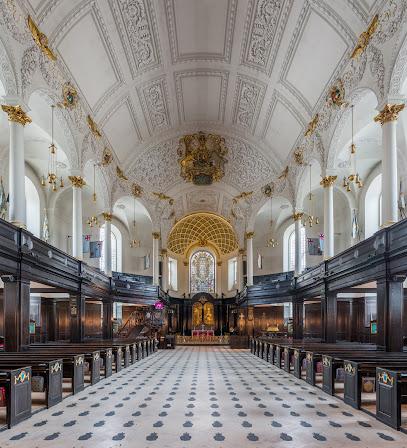
St Clement Danes Church
0.4 km
Historic London church and Central Church of the Royal Air Force, famed for its Wren architecture, RAF memorials, and iconic 'Oranges and Lemons' bells.
Mercer Walk
0.5 km
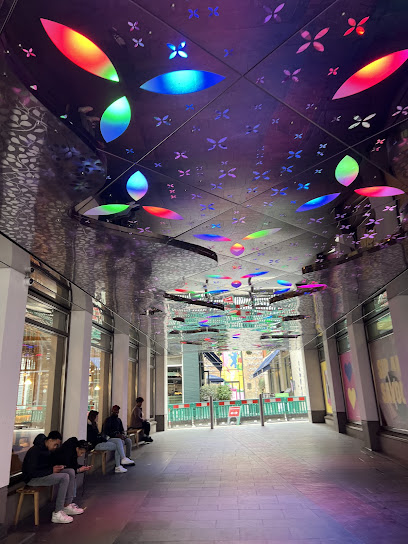
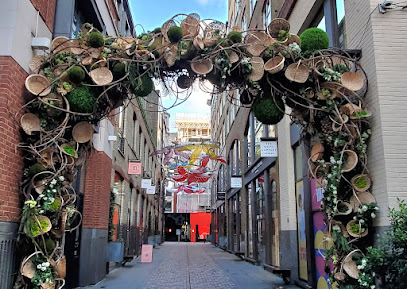
Experience the enchanting Mercer Walk in London, a charming alley brimming with boutique shops, cozy cafes, and artistic flair that captures the city's spirit.
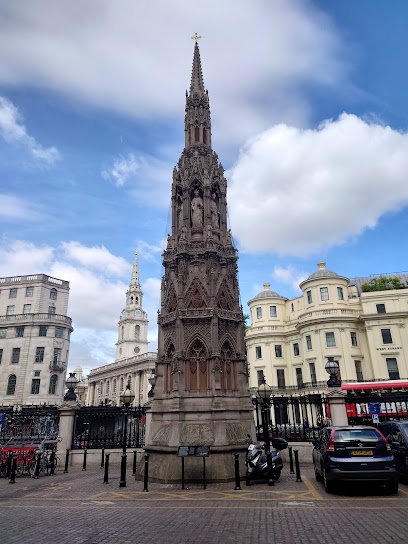
Eleanor Cross
0.5 km
A Victorian Gothic Revival monument marking the final resting place of Queen Eleanor’s funeral procession, blending medieval legacy with London’s historic heart.
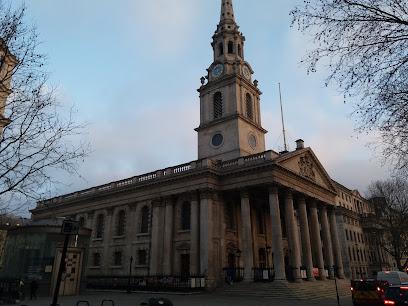
St Martin-in-the-Fields Church Path
0.5 km
Georgian masterpiece and spiritual anchor of Trafalgar Square, influencing church architecture worldwide.
Unmissable attractions to see

Duchess Theatre
0.1 km
Discover the intimate charm and rich history of the Duchess Theatre, a West End treasure since 1929 with iconic productions and timeless elegance.
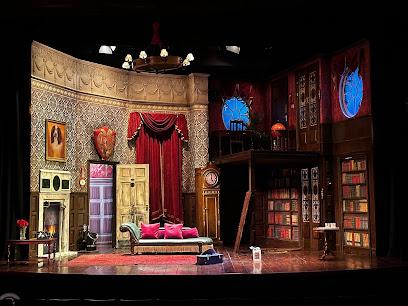
Savoy Theatre
0.1 km
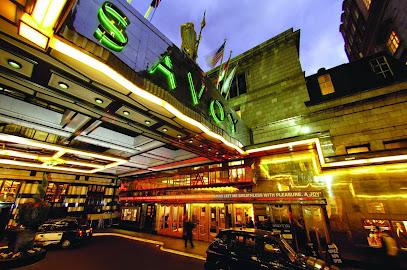
Historic West End theatre famed for Gilbert and Sullivan premieres, blending Victorian roots with stunning Art Deco elegance.
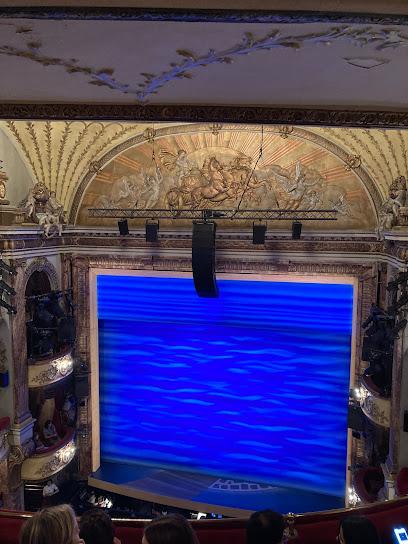
Mamma Mia!
0.1 km
Experience the joyous ABBA musical Mamma Mia! at London’s Novello Theatre, a timeless West End celebration of love and laughter.
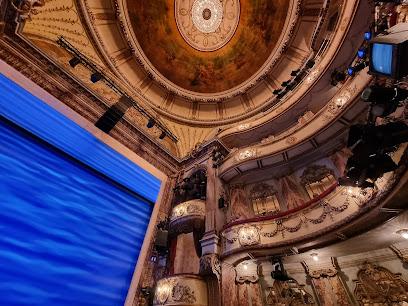
Novello Theatre
0.1 km
A classic West End theatre on Aldwych, home to Mamma Mia! and a refined Edwardian auditorium with excellent sightlines and intimate charm.
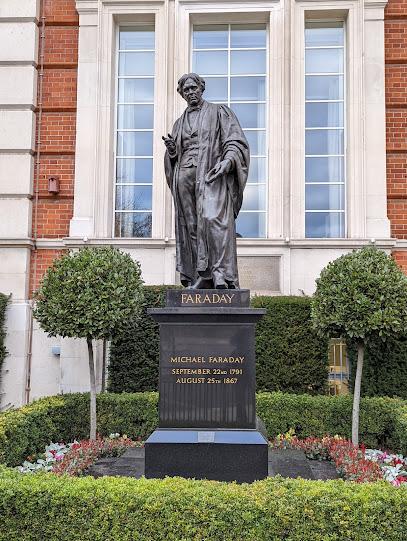
Michael Faraday Statue
0.1 km
A bronze tribute to Michael Faraday, celebrating his revolutionary discoveries in electromagnetism at the heart of London’s engineering heritage.
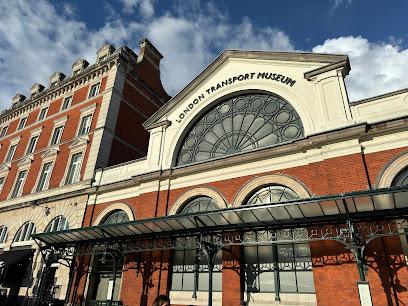
London Transport Museum
0.2 km
Explore over 200 years of London’s transport history through iconic vehicles, interactive exhibits, and hidden underground tours in Covent Garden.
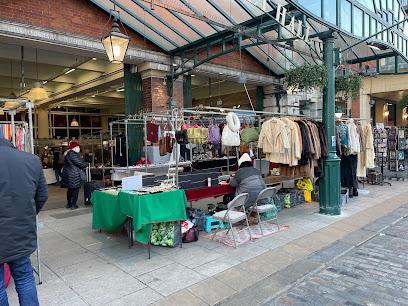
Jubilee Market
0.2 km
Historic Covent Garden market with antiques, crafts, and vibrant food stalls in a lively, iconic London setting.
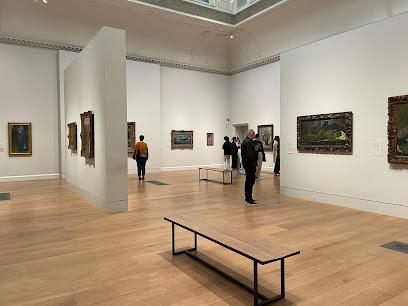
The Courtauld Gallery
0.2 km
Discover world-class art masterpieces from the Middle Ages to Impressionism in the historic Somerset House setting.
London Film Museum
0.2 km
Explore the largest official collection of original James Bond vehicles in London’s vibrant Covent Garden hub.
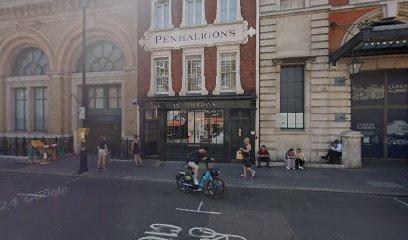
Somerset House
0.2 km
Historic neoclassical landmark and vibrant cultural hub on the Thames, blending art, performance, dining, and innovation in central London.

Victoria Embankment
0.2 km
Explore Victoria Embankment, a historic riverside promenade in London featuring iconic views, tranquil gardens, and rich Victorian heritage.
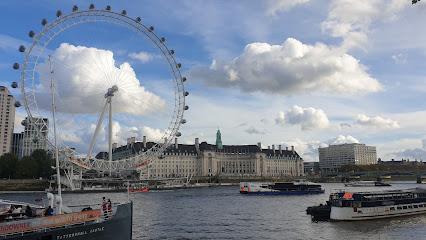
Theatre Royal Drury Lane
0.2 km
Experience London's oldest theatre site, where 350 years of theatrical history come alive in a stunning 1812 West End landmark.
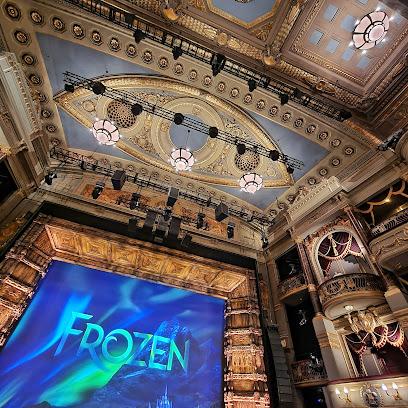
Vaudeville Theatre
0.2 km
Historic West End theatre with intimate seating, acclaimed productions, and a prime Strand location near London’s cultural landmarks.
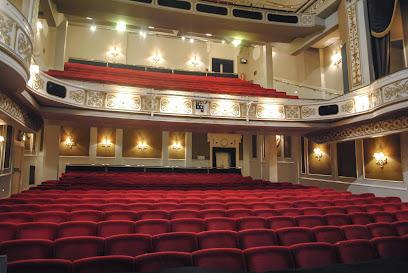
Music at Covent Garden
0.2 km
Experience the vibrant live music and rich cultural heritage at Covent Garden, London's iconic West End soundscape.
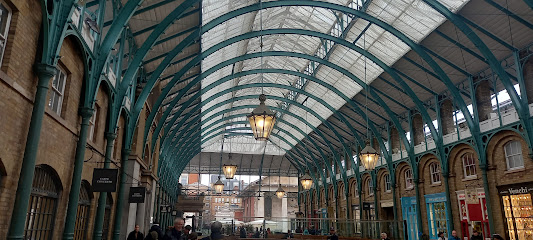
Aldwych Theatre
0.2 km
Experience timeless elegance and captivating performances at London’s historic Aldwych Theatre, a West End treasure with Art Deco charm.
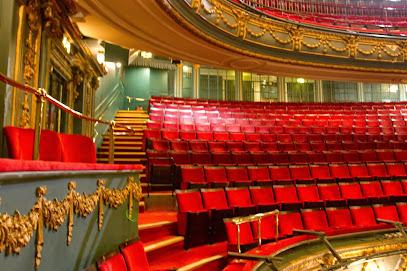
Essential places to dine

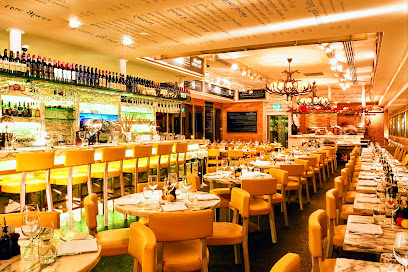
Cicchetti by San Carlo - London Covent Garden
0.1 km
Experience authentic Venetian small plates and seasonal Italian flavors in a stylish, lively Covent Garden setting.
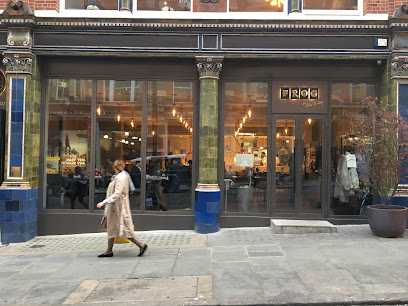
Frog by Adam Handling Restaurant Covent Garden
0.2 km
Experience Michelin-starred modern British cuisine with theatrical flair and sustainable luxury in the heart of Covent Garden.
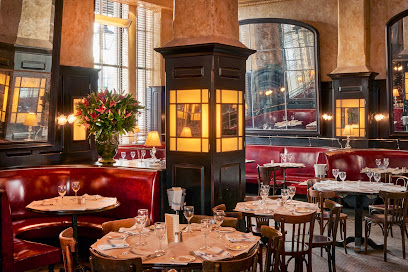
Balthazar
0.2 km
Experience the lively charm of a Parisian brasserie with classic French cuisine in the heart of Covent Garden, London.
Chez Antoinette
0.2 km
Authentic Lyon-inspired French bistro serving classic tartines and cozy café fare in the heart of Covent Garden, London.
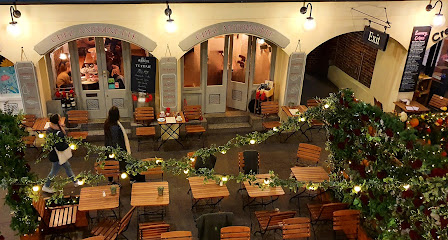
Rules
0.2 km
London’s oldest restaurant since 1798, Rules serves timeless British classics in an elegant, historic Covent Garden setting.
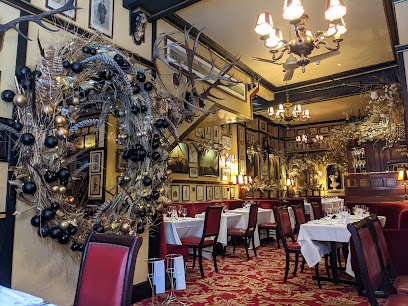
Cora Pearl Covent Garden
0.3 km
Elegant modern British dining in Covent Garden with iconic chips, soulful vibes, and a nod to a glamorous past.
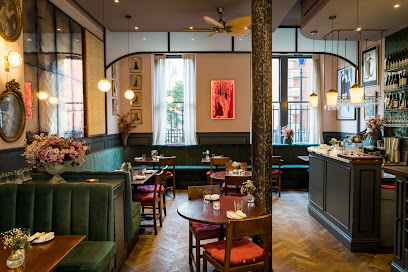
Sarastro
0.3 km
Experience vibrant Mediterranean flavors and live musical theatre in the heart of Covent Garden’s most theatrical restaurant.
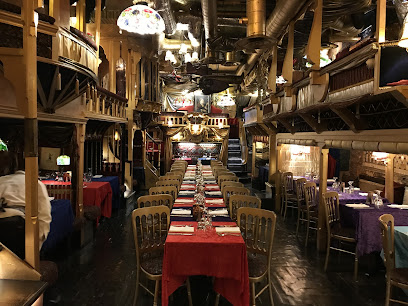
Flat Iron Covent Garden
0.3 km
Savor expertly crafted flat iron steaks in a historic Covent Garden setting, complete with rustic charm and a signature ice cream treat.
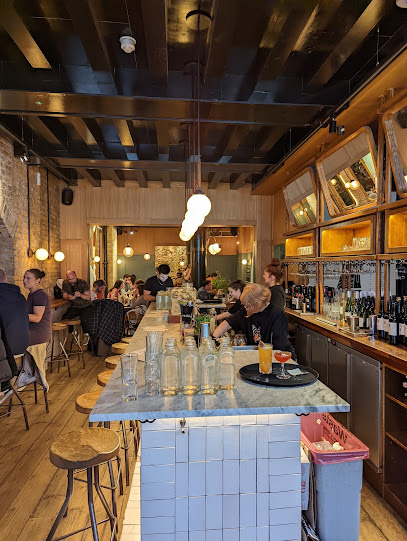
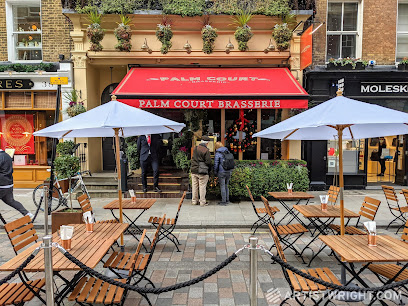
Palm Court Brasserie
0.3 km
Experience authentic Parisian charm and classic French cuisine in the vibrant heart of Covent Garden at Palm Court Brasserie.
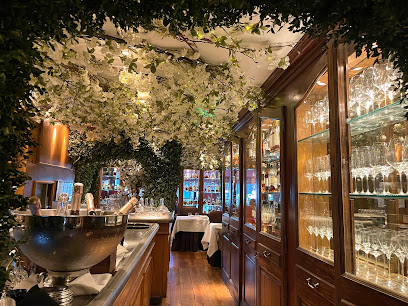
Clos Maggiore
0.4 km
Experience London’s most romantic French restaurant with enchanting blossom-filled conservatory and an award-winning wine cellar in Covent Garden.
Ikoyi Restaurant
0.4 km
Discover Ikoyi, London’s two-Michelin-starred restaurant blending bold West African spices with British ingredients in an elegant, sensory tasting journey.
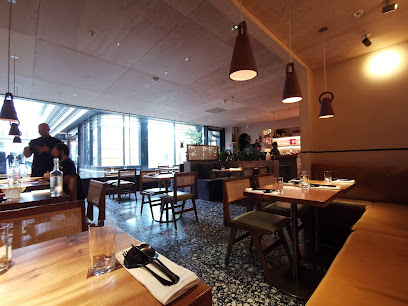
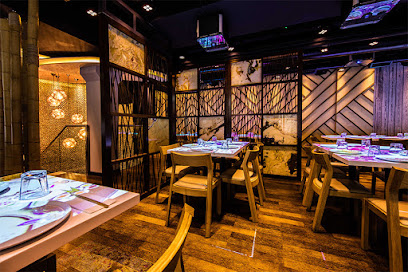
Inamo Covent Garden
0.4 km
A futuristic Pan-Asian restaurant in Covent Garden where interactive tables meet bold Asian flavours in a sleek, tech-forward space.
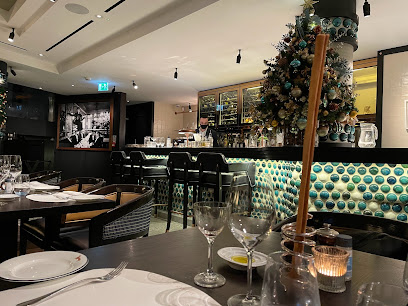
Margot
0.4 km
Sophisticated Italian dining with classic charm and an extensive wine list in the heart of Covent Garden, London.
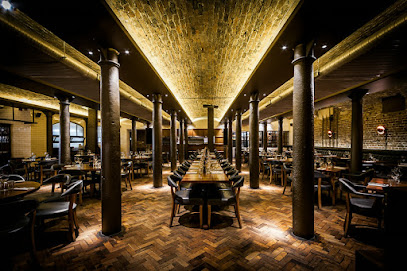
Hawksmoor Seven Dials
0.5 km
Savor expertly grilled British steaks and vibrant seafood in a historic Covent Garden brewery setting with atmospheric charm and refined cocktails.
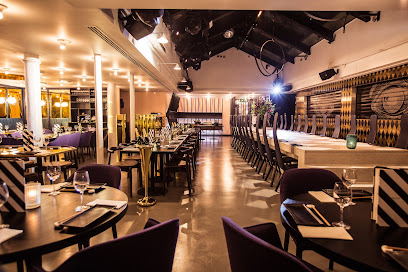
Circus
0.5 km
Experience Covent Garden’s vibrant Asian fusion dinner theatre where culinary artistry meets captivating live performances.
Markets, malls and hidden boutiques

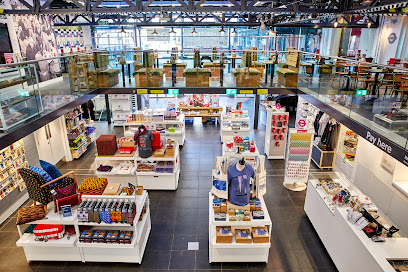
London Transport Museum - Shop
0.2 km
Discover unique transport-themed gifts and iconic London memorabilia at the London Transport Museum Shop in Covent Garden.
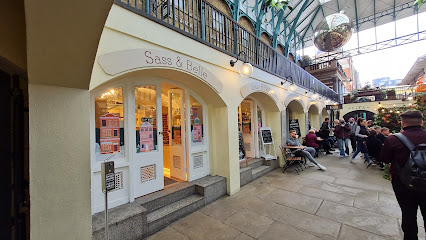
Sass & Belle Covent Garden Market
0.2 km
Quirky gifts and whimsical homeware in Covent Garden's lively market—permanently closed in-store, thriving online with cute finds for every home.
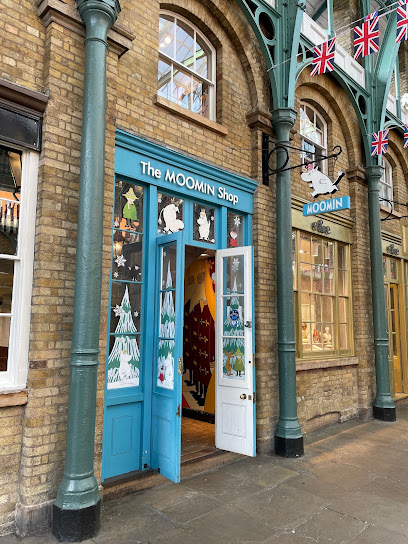
The Moomin Shop London
0.2 km
Step into the enchanting world of Moominvalley at The Moomin Shop in Covent Garden, London’s magical haven for fans of Tove Jansson’s beloved characters.
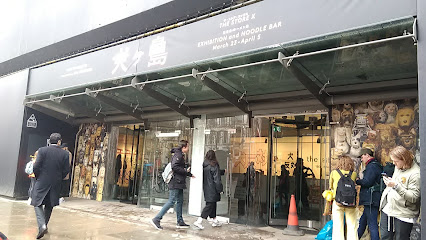
The Store X
0.4 km
A visionary space where London’s fashion, art, and culture converge in an immersive, innovative experience.
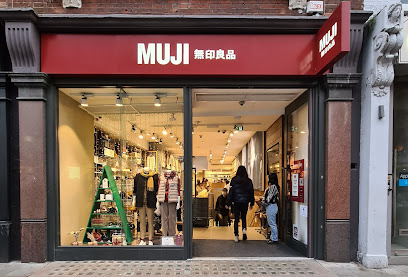
MUJI Covent Garden Store
0.4 km
Discover Japanese minimalism in Covent Garden: timeless clothing, sustainable homewares, and functional stationery for clutter-free, mindful living.
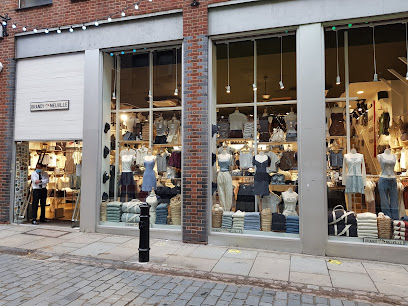
Brandy Melville - Covent Garden
0.4 km
Trendy Italian-LA fusion on Neal Street: one-size-fits-most chic for the effortless Covent Garden style seeker.
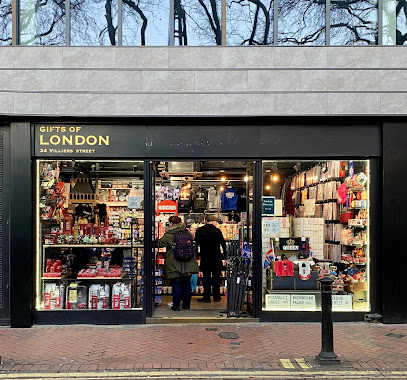
Gifts of London
0.5 km
Discover unique souvenirs and gifts that embody the spirit of London at Gifts of London, your perfect shopping destination.
Rokit Covent Garden
0.5 km
Dive into retro treasures at Rokit Covent Garden, where sustainable vintage fashion meets London's vibrant street style heritage on Shelton Street.

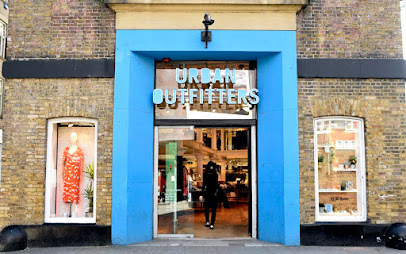
Urban Outfitters
0.5 km
Dive into Urban Outfitters' warehouse wonderland in Seven Dials, where eclectic fashion, cult beauty, and quirky homewares fuel London's youth culture vibe.
St Martin's Courtyard
0.5 km
Experience the vibrant blend of shopping, dining, and relaxation at St Martin's Courtyard in the heart of Covent Garden, London.
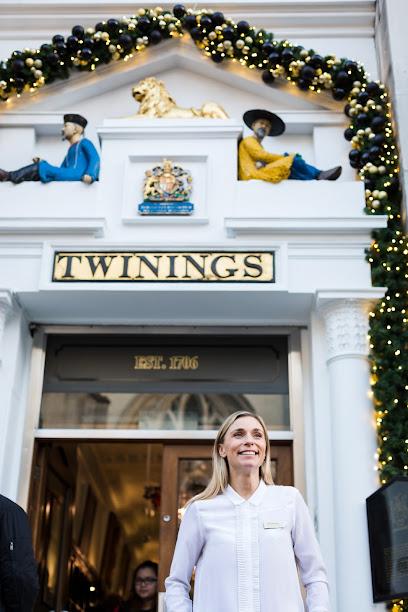
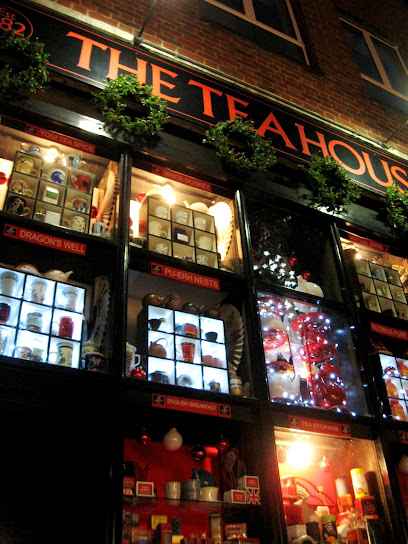
Twinings - The Strand
0.5 km
Discover over 300 years of tea heritage at London’s oldest tea shop, featuring historic charm, premium tastings, and a unique museum experience.
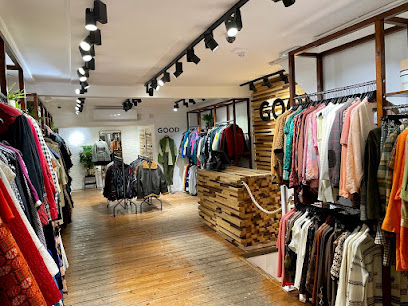
Good
0.5 km
Discover sustainable style with curated preloved vintage and designer fashion at Good London’s Seven Dials shop.
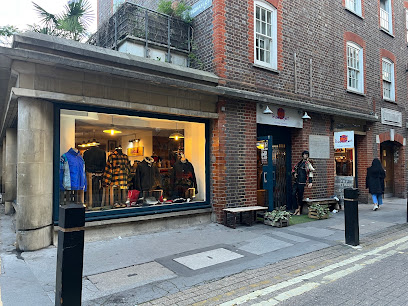
Pop Boutique
0.5 km
Discover authentic vintage fashion treasures from the 50s to 90s in a colorful, retro boutique at London’s vibrant Seven Dials.
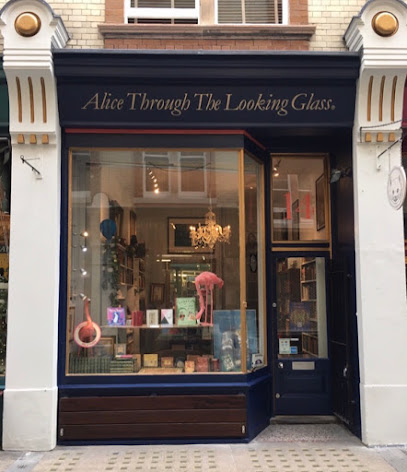
Alice Through The Looking Glass
0.6 km
Step into a whimsical world of antiques, art, and literary treasures inspired by Alice in Wonderland in the heart of London’s Cecil Court.
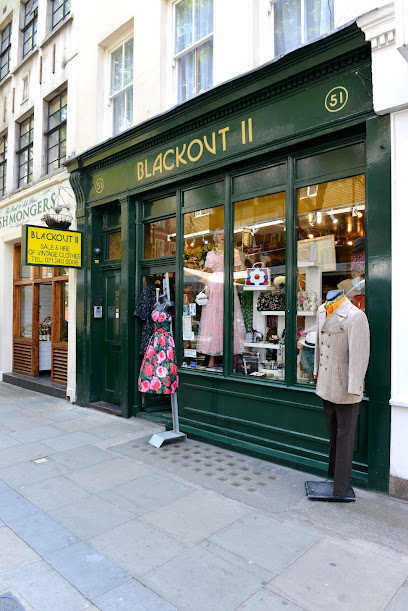
Blackout II - Vintage Clothing London
0.6 km
Discover timeless vintage fashion treasures from the 1920s to the 1980s in Covent Garden’s iconic Blackout II boutique.
Essential bars & hidden hideouts

Be At One - Covent Garden Lyceum
0.1 km
Shake up your night in Covent Garden with 100+ cocktails, 2-for-1 happy hours, and masterclasses in a historic spot pulsing with theater-district energy.
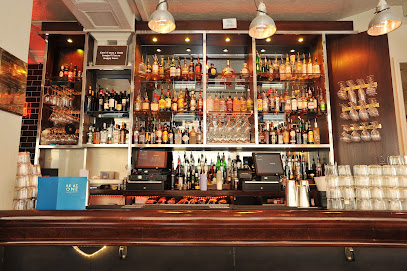
Beaufort Bar
0.1 km
Step into the Beaufort Bar’s jet-black and gold Art Deco glamour for exquisite cocktails, live sultry music, and a timeless London night out.
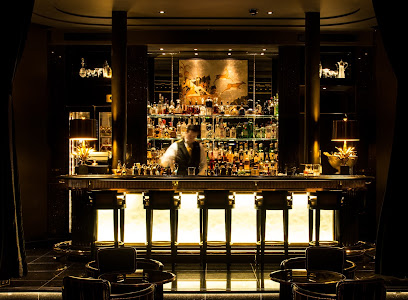
American Bar
0.1 km
Step into London’s oldest cocktail bar, where over a century of mixology mastery meets elegant Art Deco charm at The Savoy.
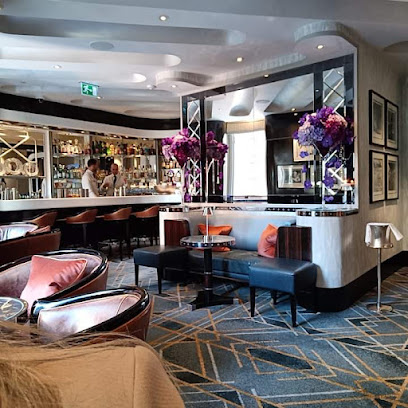
Plume Wine Bar
0.1 km
Covent Garden speakeasy in Dickens' old offices: sparkling wines from afar, cheesy sharing plates, and note-passing to strangers in candlelit luxury.
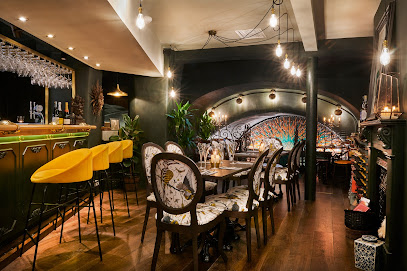
Eve Bar Covent Garden
0.2 km
Subterranean Covent Garden cocktail bar tempting with zero-waste elixirs, decadent snacks, and Eden-inspired glamour beneath a Michelin-starred haven.
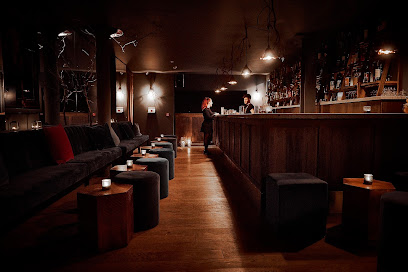
Dirty Martini - Covent Garden
0.2 km
Glamorous Covent Garden cocktail haven pulsing with martini magic, bottomless brunches, and late-night DJ vibes under sparkling chandeliers.
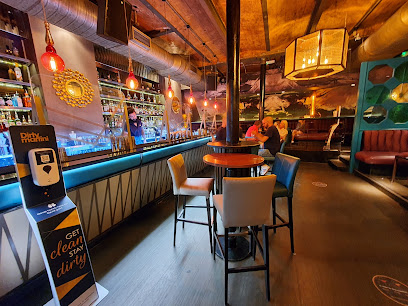
Crusting Pipe
0.2 km
Covent Garden wine bar pouring Davy’s finest ports amid live music, British classics and cosy nooks—perfect for pre-theatre indulgence or market rendezvous.
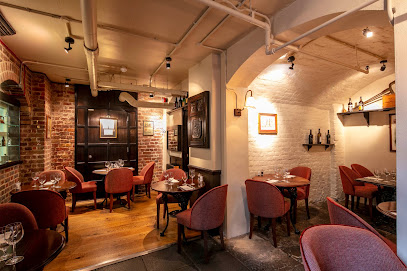
Be At One - Russell Street
0.2 km
Covent Garden’s vibrant cocktail bar with 100+ drinks, late-night parties, and unbeatable 2-for-1 happy hours in a stylish basement setting.
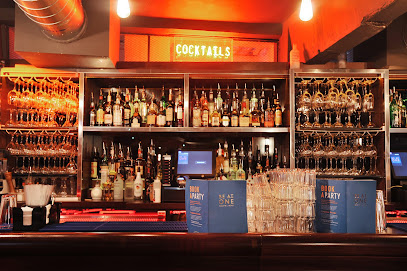
Upstairs At Rules
0.2 km
Discover Upstairs At Rules, a refined cocktail bar above London’s oldest restaurant, where Edwardian elegance meets expertly crafted drinks in Covent Garden.
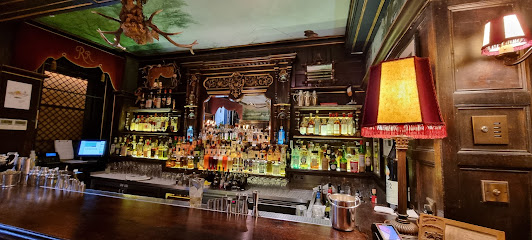
Mrs Riot
0.3 km
Covent Garden's technicolor riot: punk-pop cocktails, drag brunches, live DJs, and Kitty Clive's rebellious legacy in one explosive venue.
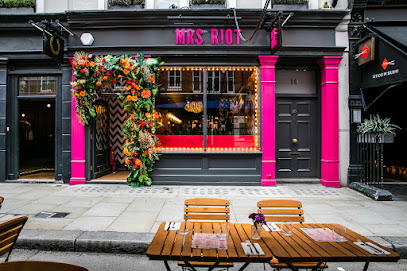
Mr Fogg's Society of Exploration
0.3 km
Step into a Victorian explorer’s world with inventive cocktails, immersive storytelling, and a mechanical mixologist in Covent Garden’s unique speakeasy.
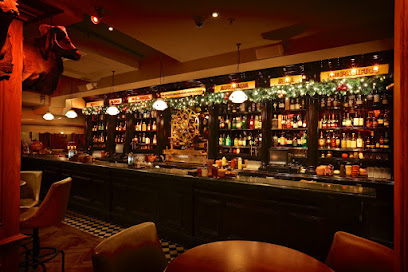
All Bar One Covent Garden
0.3 km
Stylish Covent Garden wine bar serving shareable plates, extensive wines, and cocktails in a lively West End setting—ideal for pre-theatre drinks or group gatherings.
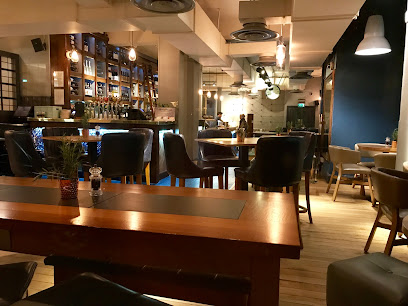
Blame Gloria - Cocktail Bar in Covent Garden
0.4 km
Dive into Blame Gloria’s neon-lit retro cocktail haven in Covent Garden, where legendary rock vibes and wild themed brunches electrify your night.
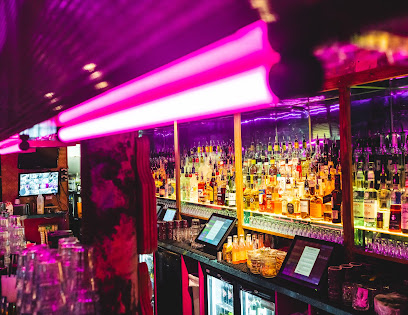
The Harp, Covent Garden
0.5 km
A historic Covent Garden pub famed for award-winning ales, traditional ciders, and a timeless, welcoming atmosphere.
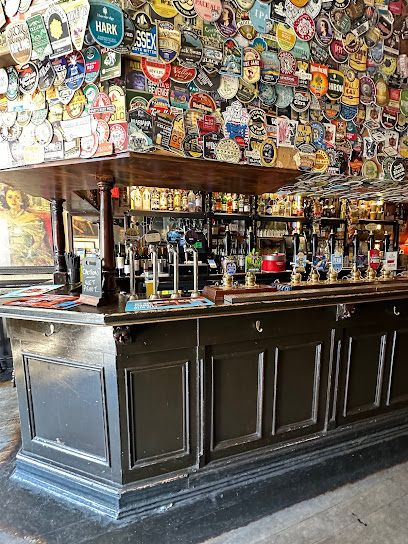
Blind Spot London
0.5 km
Discover a secretive speakeasy with globally inspired cocktails and intimate ambiance tucked inside St Martin’s Lane Hotel, Covent Garden.
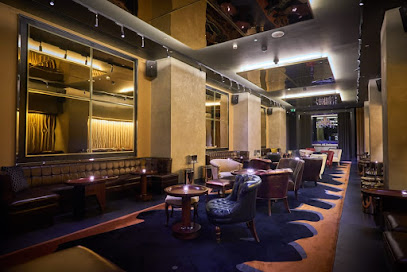
Nightclubs & after hour spots

Proud Late
0.2 km
Dive into two-storey glamour under Waterloo Bridge: cabaret acrobatics, burlesque dazzle, supper feasts, and non-stop clubbing till 5am in London's West End nightlife epicenter.
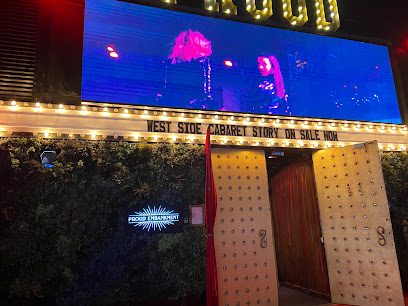
Heaven
0.5 km
London’s iconic gay superclub under the railway arches — big nights, loud music, drag, and late finishes in the heart of the West End.
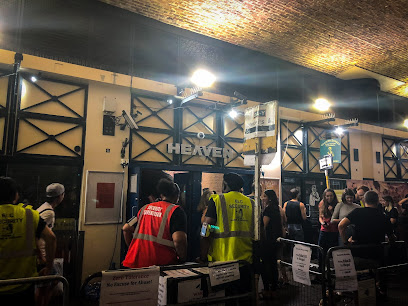
Carwash Nightclub
0.5 km
Experience Europe’s longest-running disco club in London’s West End, where retro beats, vibrant crowds, and themed parties create unforgettable nights.
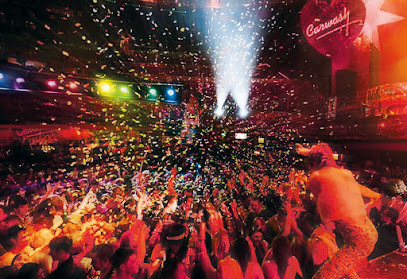
Bunga Bunga Covent Garden
0.5 km
A neon-soaked, pizza-and-karaoke supper club under Drury Lane — 90s nostalgia, stage shows and shareable Italian feasts.
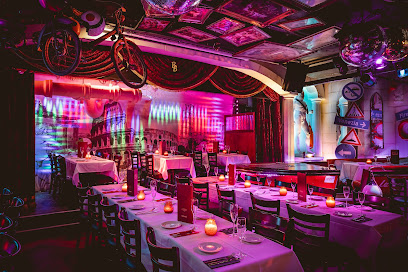
Comedy Carnival Covent Garden
0.5 km
London's premier stand-up comedy venue showcasing bold, award-winning international comedians in vibrant Covent Garden.

Whatdafunk Presents West End Urban Disco
0.5 km
Dive into London's grooviest urban disco beats at Whatdafunk, where Covent Garden's streets pulse with funk, soul, and non-stop dance energy in the heart of the West End.
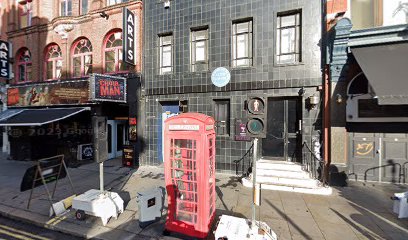
The Roxy
0.6 km
Soho's unbeatable happy hour cocktail bar by day, pulsing nightclub with live music and DJ nights till 3am—affordable vibes in London's nightlife heart.
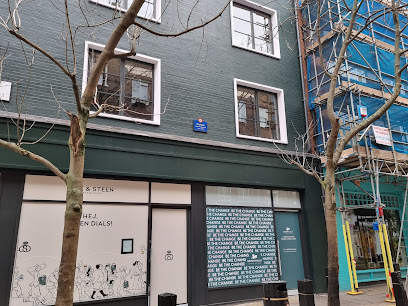
The Ivy Club
0.6 km
Art-Deco‑tinged members’ club above The Ivy — piano bars, discreet private dining and polished West End glamour.
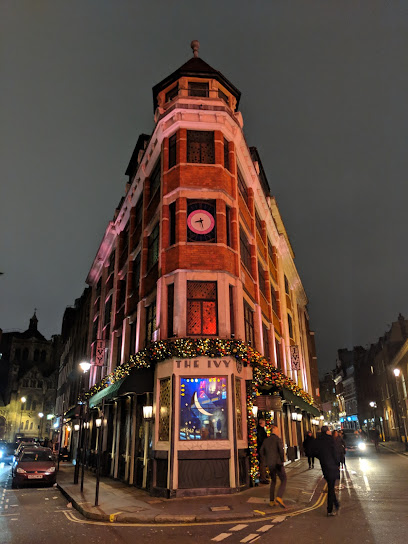
Zoo Bar & Club
0.6 km
Dive into Leicester Square's edgy nightlife hub: two floors of R&B beats, sports screens, and wild energy until 3am at Zoo Bar & Club.
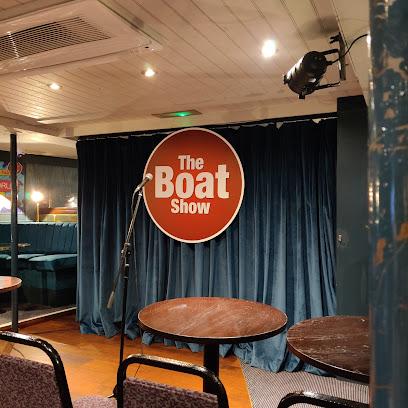
The Boat Show Comedy Club
0.8 km
London’s premier floating comedy club aboard the historic Tattershall Castle, blending laughter with iconic riverside views and vibrant nightlife.
The Penthouse London
0.8 km
A compact, rooftop nightclub above Leicester Square — reached by a side lift, built for late‑night private parties and skyline glimpses.
TSQ Club
0.8 km
Dive into Trafalgar Square's nightlife pulse at TSQ Club, where eclectic beats, dazzling lights, and craft cocktails fuel unforgettable weekend nights in London's heart.
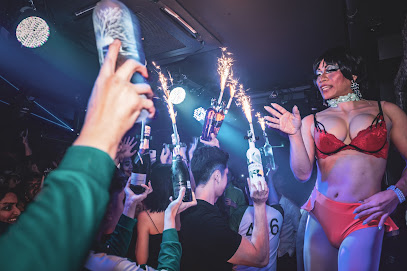
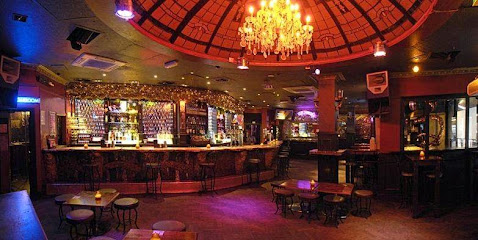
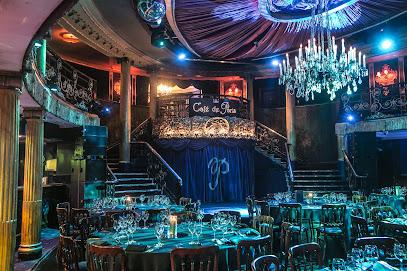
Café de Paris
0.8 km
Step into London’s iconic West End nightclub where history, glamour, and electrifying cabaret create unforgettable nights.
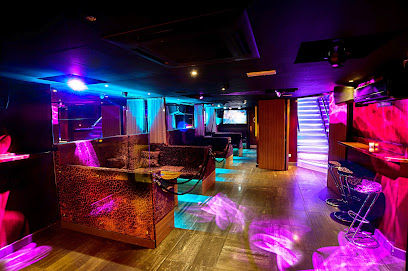
Club49Soho
0.8 km
Soho's stylish cocktail haven with DJ-fueled dancefloor energy, blending upscale drinks and classy nightlife vibes until 3am.
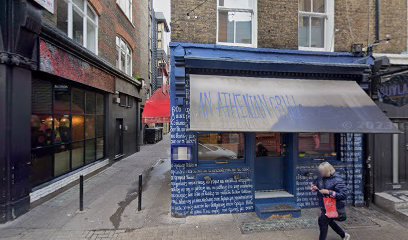
La Capannina Club
0.9 km
Discover Soho's discreet gentlemen's club: seductive stage shows, cosy vibes, and late-night allure in London's nightlife heart.
For the vibe & atmosphere seeker
- Scenic
- Historic
- Lively
- Unique
- Entertaining
For the design and aesthetic lover
- Historic
- Vintage Styles
- Art Deco Styles
- Modern Designs
For the architecture buff
- Historic
- Modern
- Landmarks
- Art & Design
- Viewpoints
- Heritage Neighborhoods
For the view chaser and sunset hunter
- Iconic Views
- Skyline
- Waterfront
For the social media creator & influencer
- Instagrammable
- Photo Spots
- Architectural Shots
- Aesthetic Corners
For the eco-conscious traveler
- Public-Transport Accessible
- Car-Free Access
For the kind of experience you’re after
- Cultural Heritage
- Myth & Legends
- Photowalk
- Day Trip
For how adventurous you want the journey to be
- Easy Access
Location Audience
- Family Friendly
- Solo Friendly
- Couple Friendly
- Senior Friendly
- Wheelchair Access
- Child Friendly
- Teen Friendly


