Top Withens: The Windswept Inspiration Behind Wuthering Heights
Ruined farmhouse on windswept Yorkshire moors inspiring Emily Brontë’s Wuthering Heights, a must-visit for literary pilgrims and hikers alike.
A Storied Ruin on the Yorkshire Moors
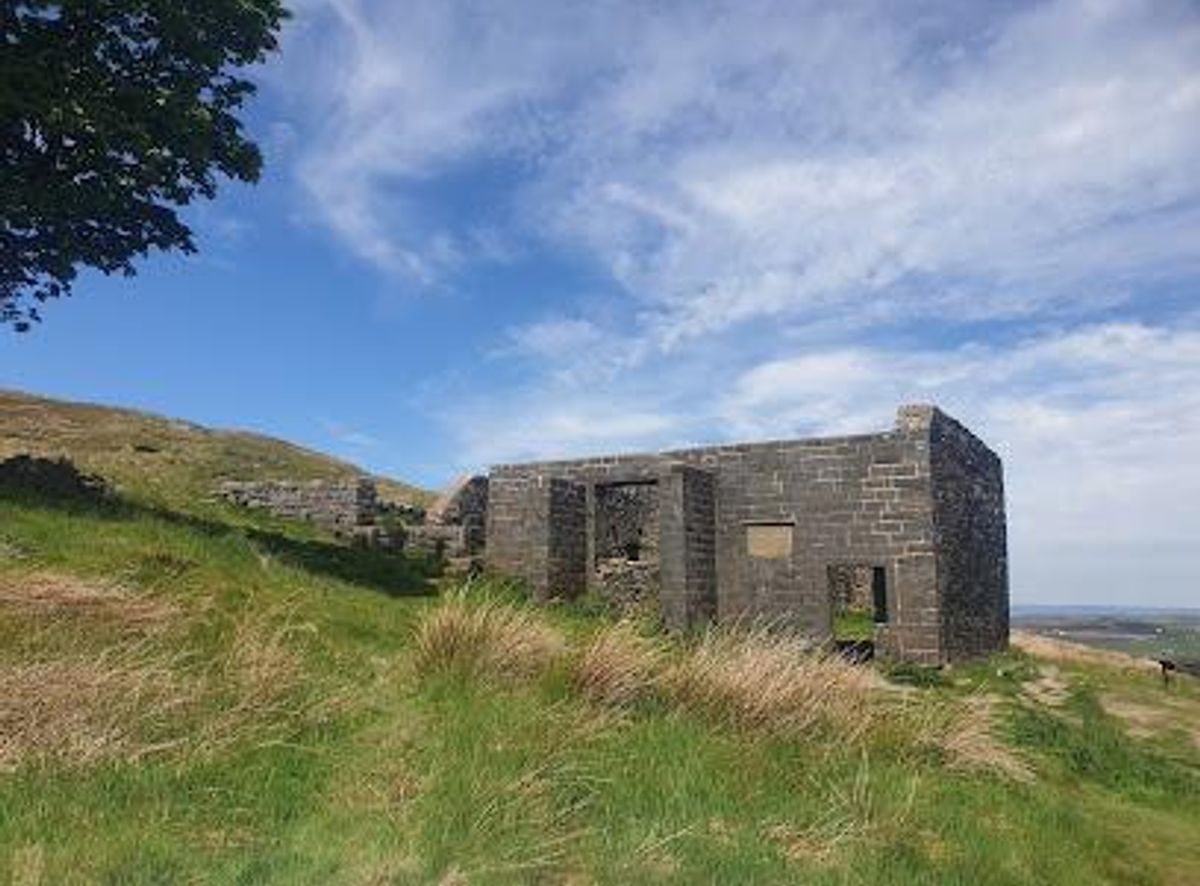
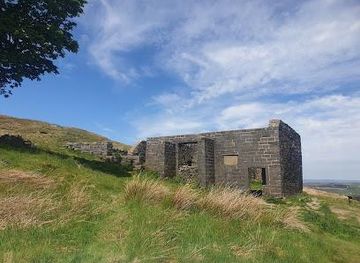
Top Withens, originally known as "Top of th' Withens," is a ruined farmhouse situated near Hebden Bridge in West Yorkshire, England. Believed to have been constructed in the late 16th century by the Bentley family, it occupies a remote and exposed position on Haworth Moor at approximately 420 meters above sea level. The name "Withens" derives from a dialect word meaning "willows," reflecting the natural surroundings. Despite its ruined state today, Top Withens was once a working farmstead, inhabited by the Sunderland family during the 19th century, who combined farming with wool spinning and weaving to sustain their livelihoods.Literary Connections and Mythos
Top Withens is widely associated with Emily Brontë’s 1847 novel Wuthering Heights, often cited as the inspiration for the Earnshaw family farmhouse. However, the building itself does not physically resemble the house described in the novel. A plaque placed by the Brontë Society in 1964 clarifies that while the structure bore no resemblance to the fictional home, its isolated and windswept location likely influenced Brontë’s depiction of the moorland setting. The association largely stems from Ellen Nussey, a lifelong friend of Charlotte Brontë, who suggested Top Withens as a model to an artist illustrating the Brontë novels in 1872. Though there is no direct evidence the Brontës visited the farmhouse, the surrounding moorland landscape deeply inspired their writing.Exploring the Ruins and Surrounding Moorland
Visitors to Top Withens enter through a narrow porch into a large raftered room with a stone fireplace, with a smaller room opposite also featuring a fireplace and views over the moors toward Haworth. A vaulted cellar beneath adds to the farmhouse’s character. The site is accessible via hiking trails from nearby Haworth and Stanbury, situated along the Pennine Way. The moors are rugged and often windy, evoking the wild atmosphere so integral to Wuthering Heights. The ruins stand near two distinctive weather-beaten trees, which have become iconic symbols of the location. The area’s natural beauty and literary significance draw walkers and Brontë enthusiasts from around the world, including many from Japan, who appreciate the moor’s dramatic vistas and evocative solitude.A History of Tenancy and Decline
Top Withens was inhabited by the Sunderland family from the early 19th century until around 1890. After passing through various hands, the farm was purchased by Keighley Corporation in the early 20th century. By the 1930s, due to vandalism and decay, neighboring Withens farms were demolished, but Top Withens was preserved for its literary association, though its windows and doors were blocked to prevent further damage. An ex-soldier named Ernest Roddie lived there in the 1920s, maintaining a modest lifestyle with his animals. Despite preservation efforts, the farmhouse remains a ruin, its roof collapsed and walls weathered, standing as a poignant reminder of rural life and literary heritage.The Moors: A Harsh but Poetic Landscape
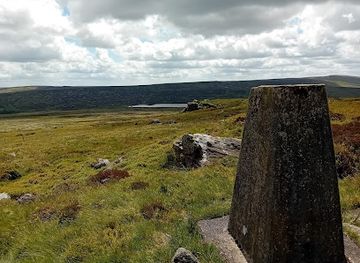
The moorland surrounding Top Withens is an essential part of its allure. Historically, these moors were seen as dangerous and bleak, associated with superstition and harsh weather. Today, they are romanticized as wild and beautiful landscapes that inspired the Brontë sisters’ imaginative works. The moors provide a dramatic backdrop of rolling hills, bogs, and windswept heather, offering visitors a sense of the isolation and elemental forces that shaped the novel’s atmosphere. Walking these paths, one can sense the raw nature that fueled Emily Brontë’s creativity and the enduring power of the moors in English literary culture.Visiting Top Withens Today
Top Withens remains a popular destination for hikers and literary pilgrims. The site is marked by a plaque from the Brontë Society explaining its connection to Wuthering Heights. Trails leading to the ruins offer scenic views and a tangible link to the Brontë legacy. While the farmhouse itself is modest and ruined, its setting on the moors captures the spirit of the novel’s haunting landscape. Visitors can explore nearby Brontë-related sites such as Ponden Hall and the village of Haworth, enriching their understanding of the Brontë sisters’ world and the moorland that inspired their timeless stories.Local tips
- Wear sturdy footwear and weather-appropriate clothing; the moorland trails can be muddy and exposed to strong winds.
- Visit in clear weather for the best views over the moors and Haworth village.
- Combine your visit with a walk along the Pennine Way or explore nearby Brontë sites such as Ponden Hall.
- Respect the fragile ruins and surrounding environment; avoid climbing on unstable structures.
A brief summary to Top Withens
- Hebden Bridge, GB
- Monday 12 am-12 am
- Tuesday 12 am-12 am
- Wednesday 12 am-12 am
- Thursday 12 am-12 am
- Friday 12 am-12 am
- Saturday 12 am-12 am
- Sunday 12 am-12 am
Getting There
-
Bus and Walking
Take a bus from Hebden Bridge or Haworth to Stanbury, with journeys lasting approximately 20 to 30 minutes. From Stanbury, a well-marked hiking trail leads to Top Withens, taking about 1 to 1.5 hours on uneven moorland terrain. Suitable for moderately fit walkers; wear appropriate footwear. Bus fares typically range from £3 to £6.
-
Car and Hiking
Drive to the village of Stanbury, where limited parking is available near the trailhead. From there, hike approximately 3 kilometers (about 1 to 1.5 hours) across moorland paths to Top Withens. Parking is free but can be scarce during peak times. The hike involves exposed terrain and can be challenging in poor weather.
-
Long-Distance Hiking
For experienced walkers, Top Withens is accessible via the Pennine Way from Haworth, a scenic 5-kilometer route taking roughly 2 hours. The path crosses open moorland with variable weather conditions, requiring good navigation skills and preparation. No fees apply for access.