Scott Monument, Midlothian Travel Guide
Edinburgh’s towering Gothic monument honoring Sir Walter Scott, offering historic insights and panoramic city views atop 287 spiral steps.
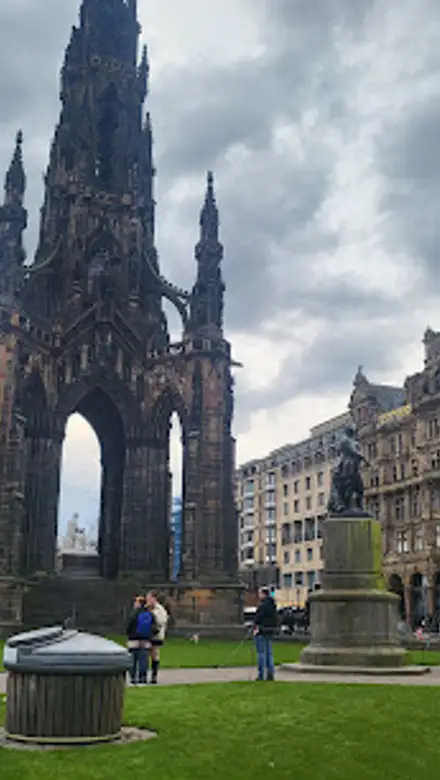
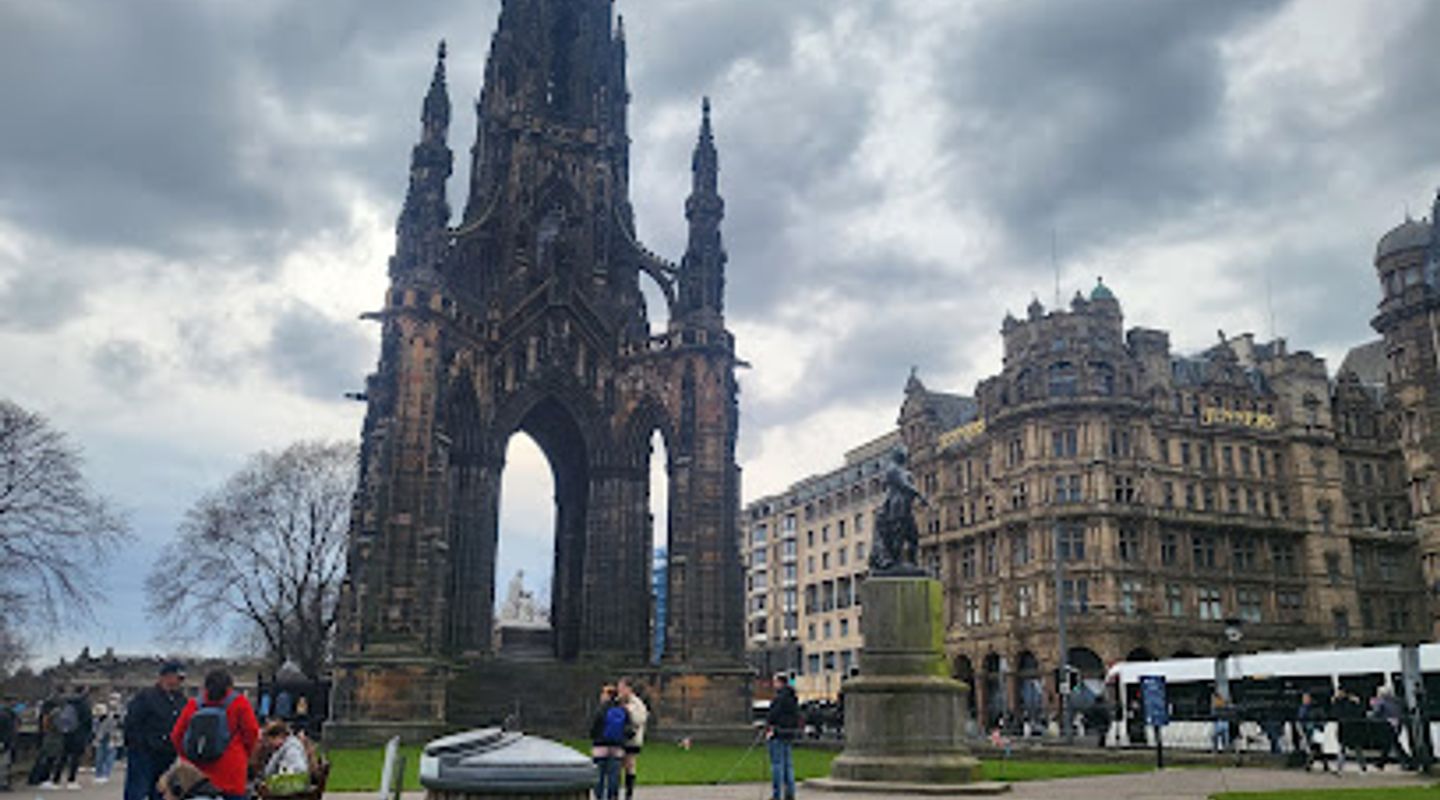
The Scott Monument is a towering Gothic spire in Princes Street Gardens, Edinburgh, dedicated to Sir Walter Scott, Scotland’s famed novelist and poet. Completed in 1846, it stands 61 meters tall, making it the largest monument to a writer worldwide. Visitors can explore a museum room with stained-glass windows and climb 287 narrow steps to panoramic viewing platforms offering stunning city vistas, including Edinburgh Castle and Arthur’s Seat.
A brief summary to Scott Monument
- E. Princes St Gardens, Edinburgh, EH2 2EJ, GB
- Click to display
- Duration: 0.5 to 1.5 hours
- Mid ranged
-
 Outdoor
- Mobile reception: 4 out of 5
- Monday 10 am-12:30 pm
- Tuesday 10 am-12:30 pm
- Wednesday 10 am-12:30 pm
- Thursday 10 am-12:30 pm
- Friday 10 am-12:30 pm
- Saturday 10 am-12:30 pm
- Sunday 10 am-12:30 pm

Know before you go
Hi, I'm Eve. Here are a few practical things to know before exploring Scott Monument.
- Wear comfortable shoes for the climb; the 287 steps are narrow and steep, especially near the top.
- Visit early or late in the day to avoid peak crowds, especially during festival seasons.
- Take time to explore the Museum Room on the first level, featuring stained-glass windows and audio excerpts of Scott’s works.
- Check weather conditions before visiting, as high winds or snow can lead to temporary closures.
Do you manage this location?
Take control to get all the benefits, like improved information, better appearance, and stronger visibility across AI-powered discovery. Learn more about listing your business on Evendo
Activate your presenceOther nearby places you may find interesting
The closest places of the same kind, if this one is not quite what you had in mind.

Explore Scott Monument on the Map
A handpicked selection of must-see spots near Scott Monument, mapped for you.
Unlock the Best of Scott Monument
Buy tickets
-
No tickets available
Book tours with entry


Getting There
-
Public Bus
Take any of the frequent Lothian Buses serving Princes Street, such as routes 19, 29, or 36. The journey from Edinburgh Waverley Station to the Scott Monument area takes approximately 10-15 minutes. Buses run regularly throughout the day, with single fares around £1.80. Note that Princes Street is a busy thoroughfare, so expect some walking from the bus stop to the monument.
-
Tram
Use the Edinburgh Tram service from the airport or city center to St Andrews Square, about a 15-minute walk from the Scott Monument. Trams run every 7-10 minutes during the day, with tickets costing around £6 from the airport or £1.80 within the city zone. The walk from St Andrews Square to the monument is mostly flat but involves city sidewalks.
-
Walking
If staying near Edinburgh Waverley Station or the Old Town, a 10-20 minute walk through Princes Street Gardens leads directly to the monument. The terrain is flat and paved, suitable for most visitors, but note the monument entrance has one step and no ramp.
For the on-the-go comforts that matter to you
-
 Restrooms
-
 Drink Options
-
 Food Options
-
 Seating Areas
-
 Information Boards
-
 Visitor Center
Discover more about Scott Monument
A Monument Born from Literary Reverence
The Scott Monument was conceived shortly after the death of Sir Walter Scott in 1832, a literary giant whose works shaped Scottish culture and history. In 1836, Edinburgh launched an architectural competition to honor Scott’s legacy. The winning design by George Meikle Kemp, a self-taught architect, was chosen for its striking Victorian Gothic style. Construction began in 1840 and the monument was completed in 1846, standing as a testament to Scott’s enduring influence.Architectural Grandeur and Symbolism
Rising 200 feet (61 meters) above Princes Street Gardens, the monument’s dark, shale stone exterior has weathered time and pollution, giving it a distinctive brooding appearance. Its intricate Gothic details include 64 statues representing characters from Scott’s novels, gargoyles, and grotesque faces typical of the style. At the base sits a white Carrara marble statue of Scott himself with his loyal dog Maida, sculpted by Sir John Steell. The monument’s Museum Room on the first level features ornate stained-glass windows designed by David Roberts and crafted by James Ballantine, depicting Scottish heraldry and saints.The Climb and Panoramic Views
Visitors can ascend the monument’s 287 narrow, spiraling steps divided into four levels. The staircase becomes increasingly tight and challenging near the top, requiring good physical fitness and caution. Along the way, several viewing platforms offer rest points and opportunities to admire the detailed stonework. Reaching the summit rewards climbers with breathtaking 360-degree views of Edinburgh’s skyline, including iconic landmarks such as Edinburgh Castle, Arthur’s Seat, the Royal Mile, and the New Town. On clear days, the distant East Coast shoreline is visible.Visitor Experience and Accessibility
The Scott Monument is open daily, typically from 10:00 am to 4:30 pm, with a lunch closure between 12:30 pm and 1:45 pm. Tickets are purchased on site, with adult admission around £8 and concessions available. The Museum Room offers audio displays in multiple languages and detailed information about Scott’s life and works. While the main entrance has one step and no lifts or ramps, limiting wheelchair access, personal assistants may enter free of charge. The monument’s central location opposite the Old Waverley Hotel and near Edinburgh Waverley Station makes it easily accessible by public transport.Context Within Edinburgh’s Cultural Landscape
Situated in the heart of Princes Street Gardens, the Scott Monument is a focal point of Edinburgh’s historic Old Town. It complements nearby attractions such as the Writers’ Museum, the National Gallery of Scotland, and Edinburgh Castle. The monument also serves as a starting point for walking tours during the Edinburgh Festival Fringe, connecting visitors to the city’s rich literary and cultural heritage.Preservation and Symbolic Importance
Despite efforts to clean and restore the monument, its darkened exterior remains a striking feature that reflects Edinburgh’s industrial past. The Scott Monument continues to be a symbol of Scottish pride and literary achievement. Its imposing presence and intricate artistry invite contemplation of Scotland’s storytelling traditions and the enduring legacy of Sir Walter Scott.












Your all‑in‑one travel companion app
Explore expert travel guides, compare and book tours, experiences, hotels, and more—all from the palm of your hand. Download now for seamless trip planning wherever your wanderlust takes you.


Explore More of Midlothian
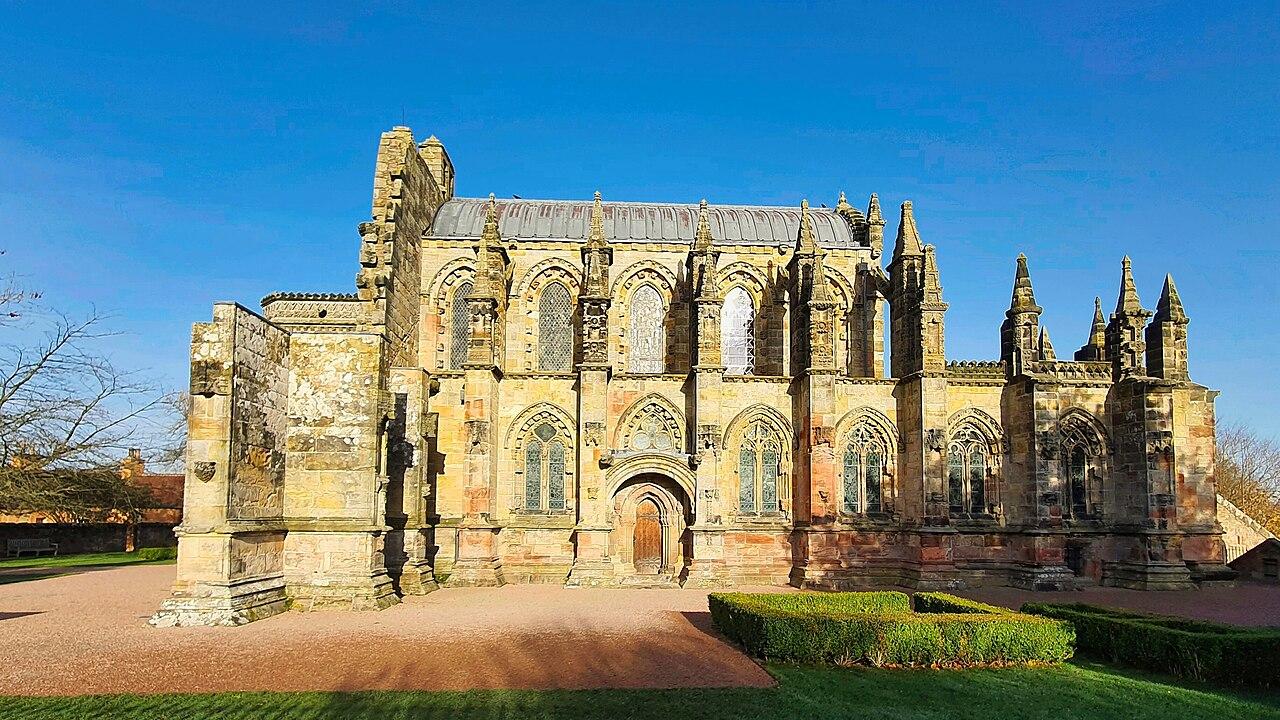
Looking beyond Scott Monument? Discover Midlothian for broader travel guides, local hot-spots, and regional highlights.
Explore Midlothian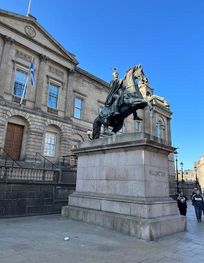
A commanding bronze tribute to the Duke of Wellington, standing proudly in Edinburgh’s historic heart since 1852.
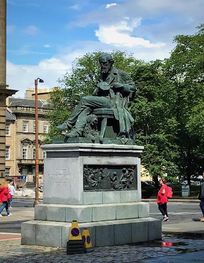
Honoring James Clerk Maxwell, the visionary physicist whose discoveries shaped modern science, in the heart of Edinburgh’s historic George Street.