

Melville Monument Travel Guide
Free Guide: A towering neoclassical column in Edinburgh’s New Town, commemorating Henry Dundas with rich history and architectural grandeur.


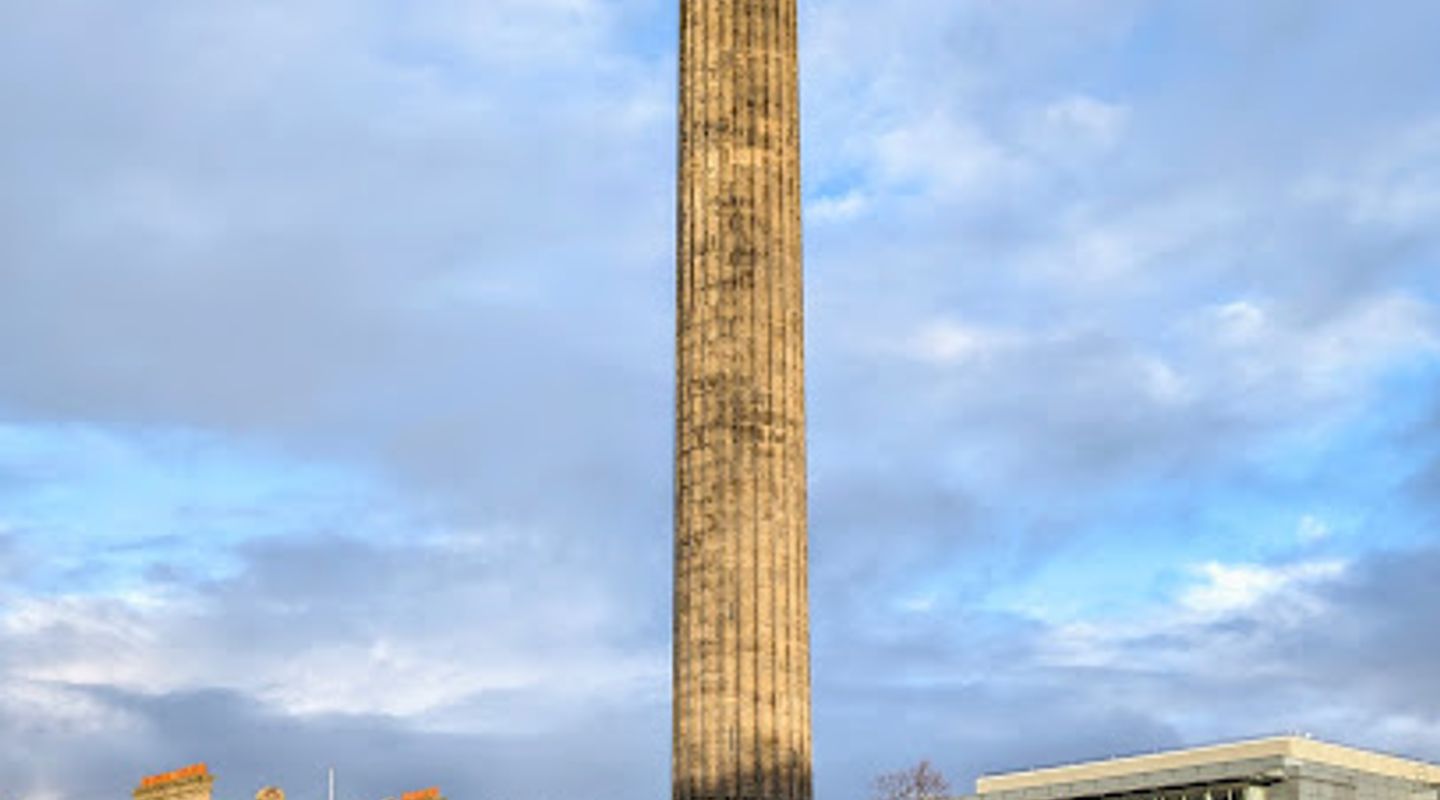
A brief summary of Melville Monument
A towering neoclassical column in Edinburgh’s New Town, commemorating Henry Dundas with rich history and architectural grandeur.
The Melville Monument is a striking neoclassical column standing about 45 meters tall in the heart of Edinburgh’s St Andrew Square. Erected between 1821 and 1827, it commemorates Henry Dundas, 1st Viscount Melville, a prominent Scottish statesman. The monument’s towering column is topped by a 4.2-meter sandstone statue of Dundas, designed by Francis Leggatt Chantrey. This landmark offers rich historical context and architectural grandeur, making it a key feature of Edinburgh’s New Town skyline.
On-site amenities
 Restrooms
 Drink options
 Food options
 Seating areas
 Information boards
Opening hours
- Every day7 am–8 pm
Opening hours as listed on the venue’s Google Business Profile. Hours can change for services and special events, so check with the venue before you go.
- Address
- 42 St Andrew Square, Edinburgh EH2 2AD
Getting there
Tram
Taxi
Walking
Discover more about Melville Monument
Historical Significance and Legacy
The Melville Monument honors Henry Dundas, a powerful and controversial figure in late 18th and early 19th-century Scottish and British politics. Dundas served as Lord Advocate, Home Secretary, and First Lord of the Admiralty, playing a pivotal role in shaping British imperial policy and naval affairs. Erected between 1821 and 1827, the monument was funded largely by voluntary contributions from Royal Navy officers and sailors, reflecting Dundas’s influence and support among naval ranks. However, Dundas’s legacy is complex; while he advanced reforms for sailors and Scottish workers, he also delayed abolition of the slave trade and suppressed democratic dissent, leading to ongoing debates about his commemoration in modern times.
Architectural Grandeur and Design
Designed by architect William Burn, the monument draws inspiration from Trajan’s Column in Rome, featuring classical detailing and massive proportions. The column stands approximately 45 meters tall, crowned by a 4.2-meter sandstone statue of Dundas sculpted by Robert Forrest based on Francis Leggatt Chantrey’s design. The statue depicts Dundas in peer’s robes, facing west along George Street, symbolizing his political stature. The monument’s engineering was innovative for its time, addressing concerns about stability near surrounding properties. Its imposing presence punctuates the Edinburgh skyline and completes the vista along George Street, contributing significantly to the architectural character of the New Town.
Setting Within Edinburgh’s New Town
Situated at the centre of St Andrew Square, the monument occupies a prominent position on the ridge of Edinburgh’s New Town, a district developed in the late 18th century as part of James Craig’s urban plan. St Andrew Square itself was one of the first parts of New Town to be built and has historically been a prestigious area. The monument’s location was chosen after careful deliberation, ensuring visibility from the Firth of Forth and from ships approaching Edinburgh’s port at Leith. The square surrounding the monument is often lively, hosting events and offering gardens that provide a peaceful contrast to the urban setting.
Contemporary Perspectives and Interpretations
In recent years, the Melville Monument has become a focal point for discussions about how public memorials reflect historical legacies. In 2021, the City of Edinburgh Council installed a plaque acknowledging Dundas’s role in delaying the abolition of the slave trade and his impact on colonialism and democratic dissent. This addition reflects a broader movement to critically reassess imperial history and public commemoration. The monument thus serves not only as a historical landmark but also as a site of ongoing dialogue about Scotland’s past and identity.
Visitor Experience and Surroundings
Visitors to the Melville Monument can appreciate its towering neoclassical design from multiple angles around St Andrew Square. The surrounding gardens offer a pleasant place to rest and reflect, while the square’s vibrant atmosphere includes local artists and seasonal events. The monument is a popular photo spot, especially striking at sunset when the warm light accentuates its classical features. Nearby attractions include historic buildings and shops lining the square, making it an excellent starting point for exploring Edinburgh’s city centre and New Town.
Preservation and Cultural Importance
The Melville Monument is a Category A listed structure, recognized for its outstanding architectural and historic interest. It underwent restoration as part of Edinburgh’s Twelve Monuments Project, ensuring its preservation for future generations. The monument exemplifies early 19th-century commemorative architecture and remains a key symbol of Edinburgh’s Enlightenment-era urban development and imperial history.
Evendo Review Centre
 Google
Guest reviews
Best time to go
Quietest: Jan, Feb & Dec · before 6am
Busy times are Evendo estimates for a typical year, to help you plan. Actual crowds vary with events, school holidays and the weather.
Explore Melville Monument on the map
A handpicked selection of must-see spots near Melville Monument, mapped for you.
Get your free copy of our complete guide to Melville Monument, delivered straight to you.
Everything on this page, from opening hours and how to get there to Eve’s tips and the best time to go, in one PDF you can read offline, print or share.
Already have an account? Sign in
Your Melville Monument guide is ready.
We'll send it to · Not you? Sign out

Getting your guide ready…
We are putting together a fresh copy of the Melville Monument guide. This can take up to a minute.
This can take a few moments. If your browser asks, choose Allow so the download can start. You'll find the guide in your Downloads folder.
Nothing happened? Download it again
Sorry, the guide is taking longer than usual. Please try again in a minute, or get it by email instead.
Unlock the best of Melville Monument
Skip-the-line tickets, guided tours with entry, and walking tours of the area, booked in a few clicks.


Other nearby places you may find interesting
The closest places of the same kind, if this one is not quite what you had in mind.
-
-
-
-
-


Swipe for more places
More to explore near Melville Monument

 Best experiences near Melville Monument
 Best hotels near Melville Monument
 Best landmarks near Melville Monument
 Best attractions near Melville Monument
 Best shops near Melville Monument
 Best restaurants near Melville Monument
 Best bars near Melville Monument
Do you manage this location?
Take control to get all the benefits, like improved information, better appearance, and stronger visibility across AI-powered discovery.
Explore more
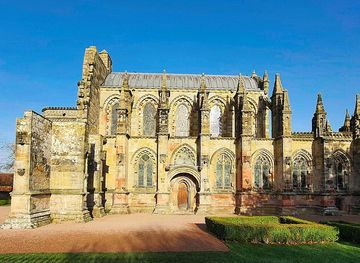
Explore more of Midlothian
Discover Midlothian, Scotland's hidden gem, where history, nature, and culture blend seamlessly to offer a unique travel experience.
Explore Midlothian
Explore more of United Kingdom
Discover the United Kingdom: A blend of rich history, stunning landscapes, and vibrant cities, offering a unique travel experience for every visitor.
Explore United Kingdom
