
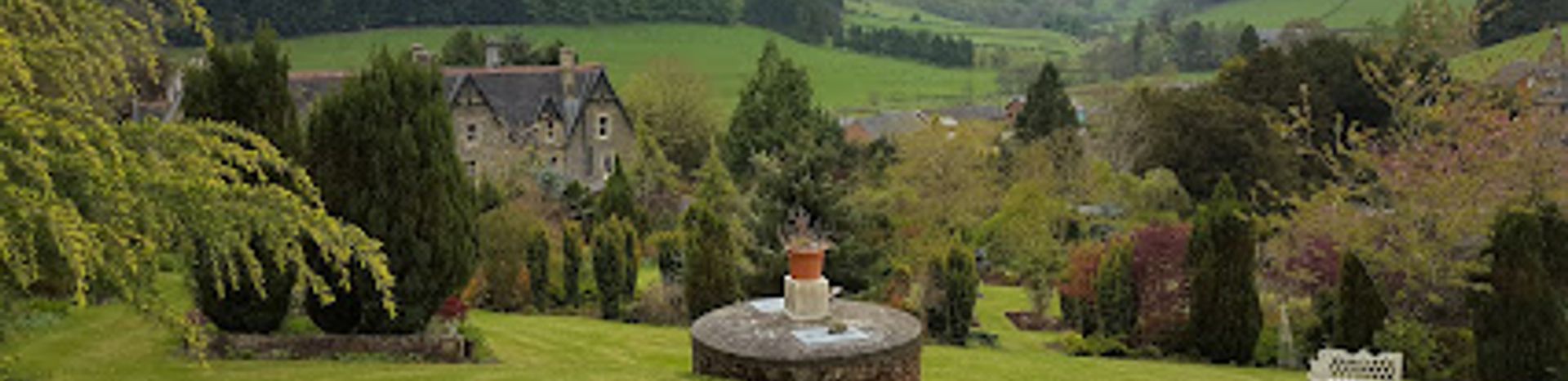
Abbey Cwmhir Hall: A Victorian-Gothic Country Estate in Powys
A grand Victorian-Gothic estate overlooking historic Cwmhir Abbey, blending architectural splendor with tranquil Welsh landscapes.
Abbey Cwmhir Hall is a neo-Elizabethan country house near Llandrindod Wells in Powys, Wales, set on a vast 3,421-acre estate overlooking the ruins of the historic Cwmhir Abbey. Originally built in 1833 by Thomas Wilson, it was extensively expanded and given its distinctive Victorian-Gothic style in the 1860s by the Philips family. The hall and its gardens, once a private family estate, have been restored and are renowned for their architectural charm and scenic grounds.
A brief summary to Abbey Cwmhir Hall
- Llandrindod Wells, GB
- +441597851727
- Duration: 1 to 3 hours
- Mid ranged
-
 Outdoor
- Mobile reception: 4 out of 5
Local tips
- Visit during spring or summer to enjoy the gardens at their peak bloom and the best weather for exploring the grounds.
- Allow time to explore the nearby ruins of Cwmhir Abbey, a fascinating medieval site just a short walk from the hall.
- Check opening times in advance as the hall has had periods of closure; local events and tours may be available seasonally.
- Bring a camera for the picturesque Victorian-Gothic architecture and the scenic valley views surrounding the estate.

For the on-the-go comforts that matter to you
- Seating Areas
- Information Boards
Getting There
-
Car
Driving from Llandrindod Wells takes approximately 20-30 minutes via local roads; parking is available on the estate grounds but may be limited during events. The route involves rural roads with some narrow sections.
-
Bus
Local bus services connect Llandrindod Wells to nearby villages; from the closest stop, a 30-40 minute walk on country lanes leads to the hall. Bus frequency is limited, so check schedules in advance.
-
Walking
For those staying locally, walking to Abbey Cwmhir Hall offers a scenic experience through the Welsh countryside. Expect uneven terrain and a 45-60 minute hike from Llandrindod Wells town centre.
Abbey Cwmhir Hall location weather suitability
-
 Any Weather
-
 Mild Temperatures
-
 Rain / Wet Weather
Discover more about Abbey Cwmhir Hall
Origins and Early Development
Abbey Cwmhir Hall stands on the site of an earlier Tudor manor house dating back to around 1656, originally built for the Fowler family. The current hall was constructed from 1833 by Thomas Wilson, a London solicitor who acquired the estate under dramatic circumstances involving the downfall of a banker client. Wilson invested heavily to create a grand country house and landscaped grounds, including a lake to power a sawmill. However, financial difficulties forced him to sell the property just four years later.Victorian Expansion and Architectural Transformation
In 1837, the estate was purchased by Francis Philips, whose family wealth came from the Lancashire cotton industry. His grandson, George H. Philips, took up full-time residence in the 1860s and doubled the size of the house to 52 rooms. He commissioned the Liverpool architectural firm Poundley & Walker to remodel the hall in a striking Victorian-Gothic style characterized by ashlar stonework and elaborate detailing. This transformation gave Abbey Cwmhir Hall its present grand and romantic appearance, reflecting the tastes and prosperity of the Victorian era.Connection to Cwmhir Abbey and Surrounding Landscape
The hall overlooks the ruins of Cwmhir Abbey, a Cistercian monastery founded in the 12th century. The abbey's remains lie in a secluded valley nearby, with a rich history marked by medieval patronage, destruction during the Glyndŵr uprising, and eventual dissolution in the 16th century. The estate’s grounds were designed to complement this historic setting, with the romantic ruins serving as a picturesque focal point. The gardens of Abbey Cwmhir Hall are considered among the finest in Wales, blending natural beauty with historic ambiance.Later History and Restoration Efforts
The Philips family retained ownership of the estate until 1959. Details of the hall's history in the latter half of the 20th century are sparse, but in 1997 it was acquired by Paul and Victoria Humpherston, who embarked on extensive restoration of the house and gardens. Their efforts preserved the hall's architectural integrity and enhanced its appeal as a heritage site. The hall has been featured on BBC programming and remains a significant cultural landmark in mid-Wales.Visitor Experience and Cultural Significance
Today, Abbey Cwmhir Hall is admired for its Victorian-Gothic architecture, expansive landscaped grounds, and proximity to the evocative abbey ruins. The estate offers visitors a glimpse into the region’s layered history—from medieval monastic life to Victorian aristocratic grandeur. The gardens provide a tranquil setting for exploration and reflection, while the hall itself stands as a testament to 19th-century country house design and the social history of Powys.Architectural and Natural Highlights
The hall’s ashlar stone façade, intricate Gothic details, and large scale make it a landmark in the Welsh countryside. The surrounding estate includes mature woodlands, water features, and carefully maintained gardens that enhance the scenic quality of the location. The nearby abbey ruins add a poignant historical dimension, with their long nave and partial remains evoking centuries of religious and local heritage. Together, these elements create a unique blend of architectural beauty and natural serenity.Iconic landmarks you can’t miss

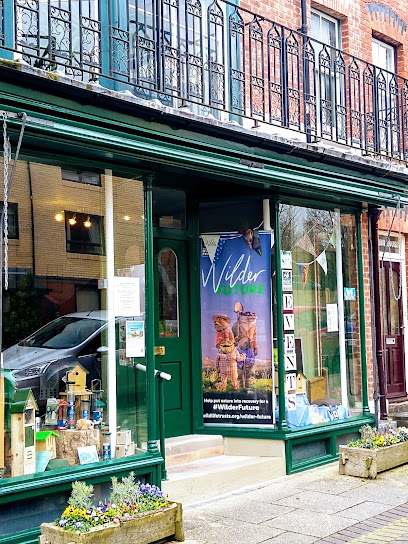
Radnorshire Wildlife Trust
10.1 km
Experience the breathtaking beauty of Wales at Radnorshire Wildlife Trust, a paradise for nature enthusiasts and wildlife lovers.
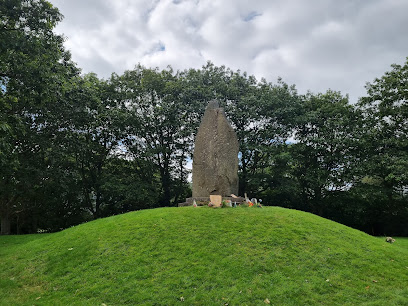
Llywelyn Monument
20.6 km
A solemn granite monument at Cilmeri honors Llywelyn the Last, marking the site where Wales’ final native prince fell in battle, symbolizing a pivotal moment in Welsh history.
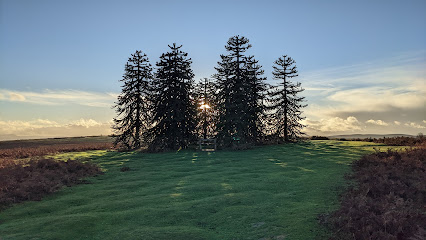
Monkey Puzzle Trees
25.1 km
Striking evergreen Monkey Puzzle Trees on historic Hergest Ridge, a peaceful highlight along Offa’s Dyke Path near Kington.
Ffridd Faldwyn, Montgomery
29.8 km
Explore the vast Iron Age hillfort of Ffridd Faldwyn, commanding the Severn Valley with ancient earthworks and panoramic Welsh landscapes.

Hay Bluff
40.1 km
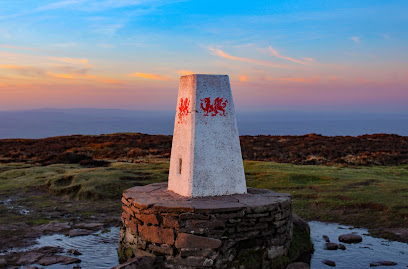
Discover the breathtaking beauty of Hay Bluff, a mountain peak in Herefordshire that offers stunning views, hiking adventures, and a serene escape into nature.
Drostre Wood Nature Reserve
41.0 km
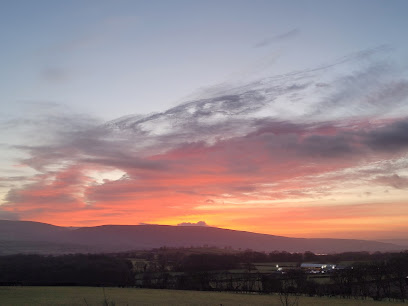
Explore the serene Drostre Wood Nature Reserve, a peaceful haven in Brecon, perfect for hiking, wildlife watching, and enjoying nature's beauty.
Llettyrhaflaeth Farm
41.8 km
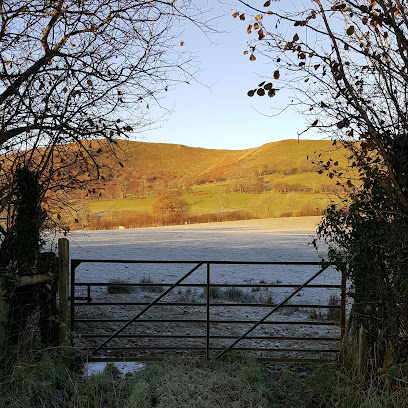
Discover the beauty of the Welsh countryside at Llettyrhaflaeth Farm, where nature, farm life, and breathtaking landscapes await you.
Brecon Cathedral
42.3 km
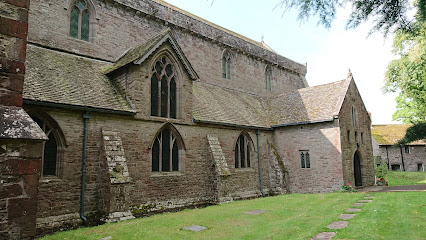
Discover the rich history and architectural beauty of Brecon Cathedral, a spiritual landmark set in the heart of Wales, surrounded by stunning landscapes.
Brecon Beacons
42.5 km
Explore the breathtaking landscapes and rich history of the Brecon Beacons, Wales' premier destination for hiking and outdoor adventures.
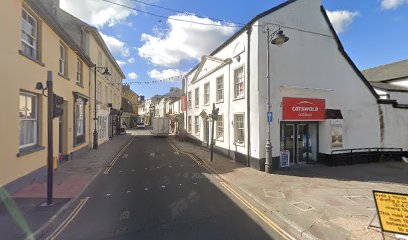
The Brecon Castle Hotel
42.5 km
Historic Wales’ oldest hotel blending timeless charm with modern comforts near Brecon Beacons National Park.
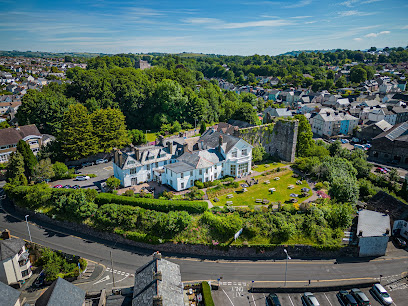
The Promenade
42.6 km
Discover tranquility and natural beauty at The Promenade in Brecon, a perfect park to unwind and enjoy the stunning Welsh landscape.
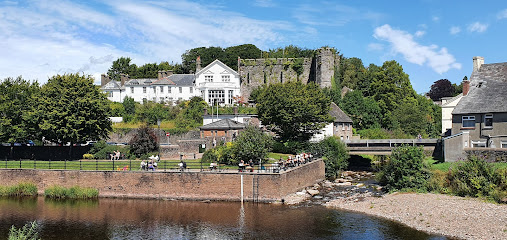
Visit Brecon
42.6 km
Explore the beauty of Brecon, a quaint Welsh town that serves as the gateway to the stunning Brecon Beacons National Park.
Gate Gallery & Glassworks
42.6 km
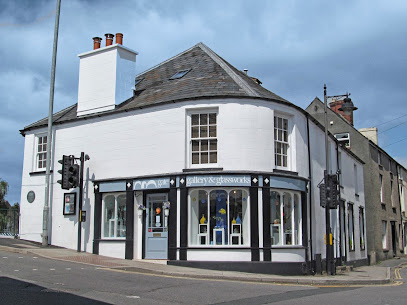
Discover the artistic beauty of handmade glassware at Gate Gallery & Glassworks in Brecon, where craftsmanship meets creativity.
Machynlleth Town Clock
42.7 km
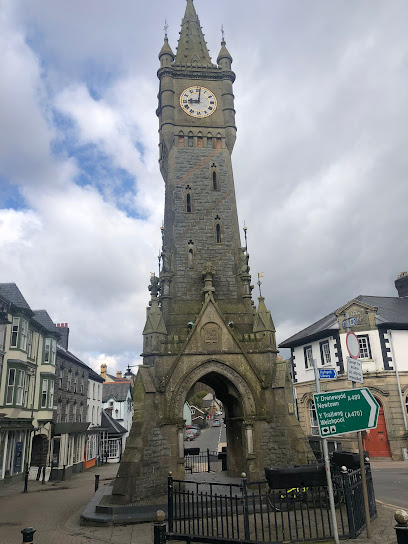
Historic Machynlleth Town Clock, a Victorian landmark symbolizing community pride and Welsh heritage in the heart of Penrallt Street.
Brecon Town Tours - guided history walks
42.7 km
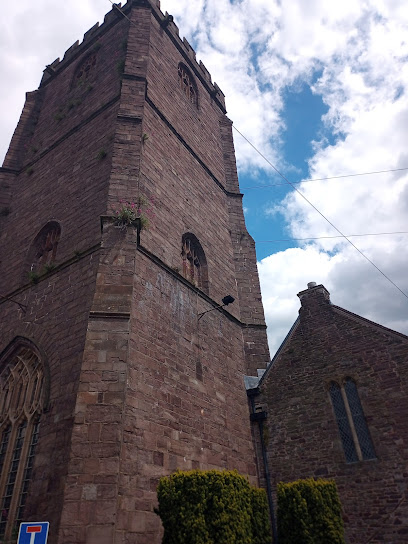
Experience the rich history of Brecon with guided tours that unveil the town's hidden gems and captivating stories in the heart of the Brecon Beacons.
Unmissable attractions to see

Happy Union Inn
0.1 km
Charming village pub and welcoming barn conversion cottage nestled in the tranquil Welsh countryside of Abbeycwmhir.

Castell Tinboeth
5.5 km
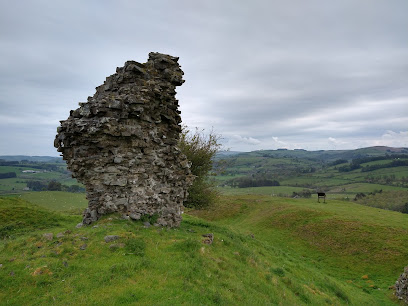
Discover the mysterious 13th-century Castell Tinboeth ruins nestled within an ancient Iron Age hillfort in the scenic Welsh borderlands.
Radnor Revivals Holiday Lodges and Events
6.9 km
Peaceful self-catering lodges and versatile event spaces set in the scenic Welsh hills near Llanbister.
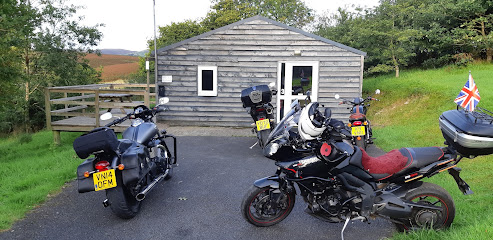
Log Circle
7.1 km
Discover Log Circle, a charming family-friendly outdoor attraction blending nature and fun in the scenic heart of Llandrindod Wells.
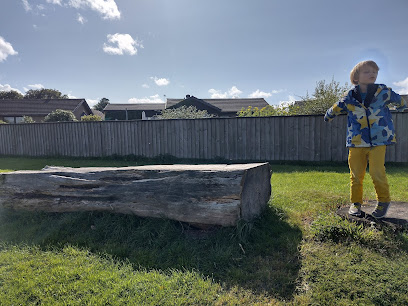
TimeScape Rhayader
8.6 km
Explore Rhayader’s rich heritage and vibrant local creativity at TimeScape Rhayader, a welcoming cultural hub in the heart of town.
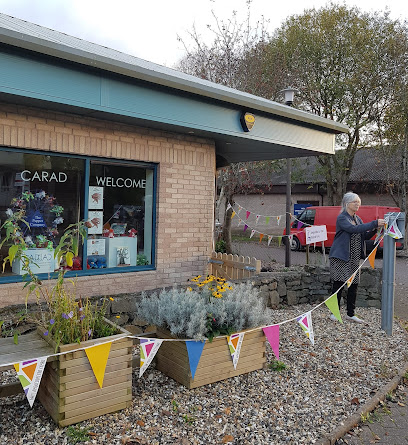
Gilfach Nature Reserve
9.0 km
A rewilded Welsh hill farm where nature has reclaimed the landscape, offering exceptional wildlife viewing and accessible trails through the Cambrian Mountains.
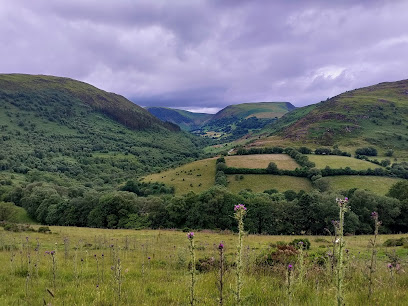
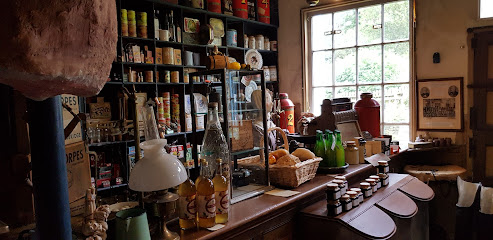
The Thomas Shop
9.3 km
Step into The Thomas Shop, where Radnorshire’s history, crafts, and community blend into a charming museum, café, and B&B experience.
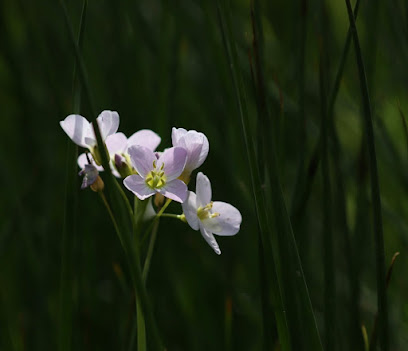
Radnorshire Wildlife Trust, Tylcua Hill.
9.5 km
Discover the tranquil beauty and rich wildlife of Tylcua Hill, a flower-rich nature reserve in the heart of the Welsh countryside.
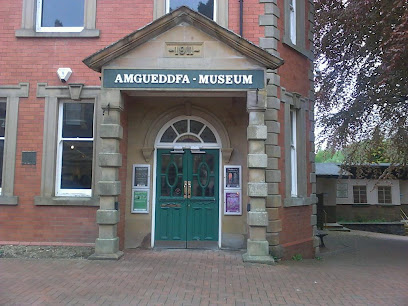
Radnorshire Museum
10.1 km
Discover the hidden history of mid-Wales in a compact, free-entry museum in the heart of Llandrindod Wells.
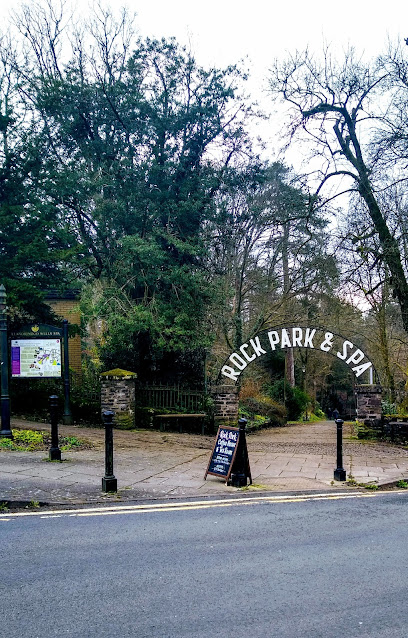
Rock Park
10.2 km
Discover Rock Park’s tranquil woodland trails, Victorian spa heritage, and scenic beauty in the heart of Llandrindod Wells.
National Cycle Museum
10.4 km
Explore 200 years of cycling history with rare bikes and memorabilia at the National Cycle Museum in Llandrindod Wells.
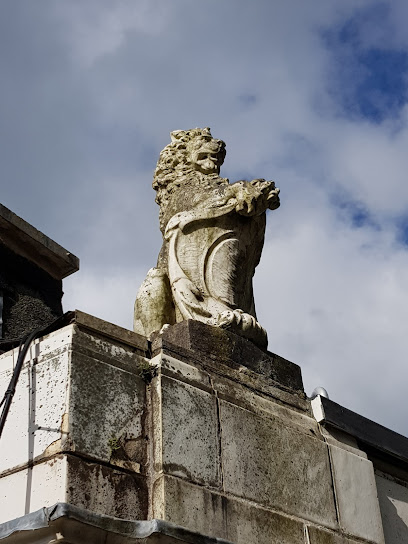
Play Radnor
10.5 km
A welcoming children’s hub in Llandrindod Wells fostering play, creativity, and community spirit for young people across Powys.
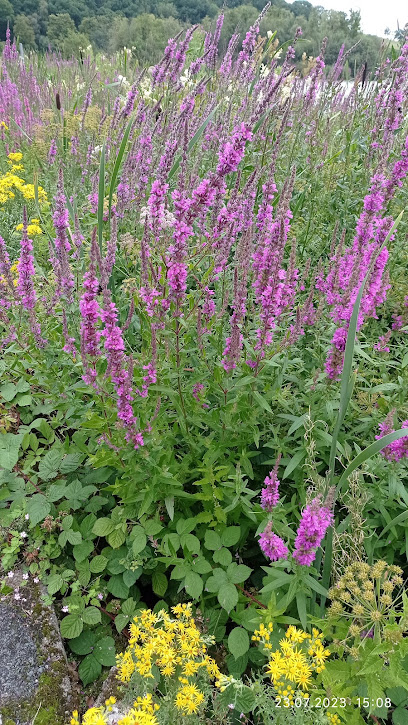
Quackers
12.8 km
A lively indoor and outdoor play centre in Mid Wales offering fun slides, mazes, go-karts, and party facilities for children and families.
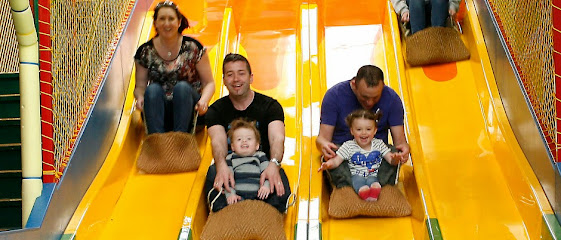
The Elan Valley
15.1 km
A remote Welsh wilderness of reservoirs, moorlands, and ancient forests where nature reigns supreme.
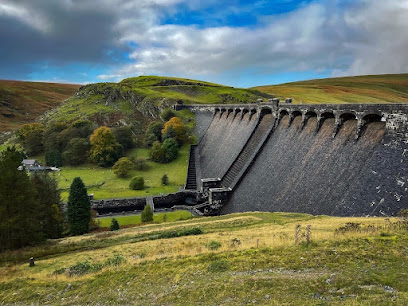
Radnor Forest
15.3 km
A wild upland forest in mid-Wales, once a royal hunting ground, now a peaceful escape of moorland, waterfalls and ancient woodland trails.
Essential places to dine

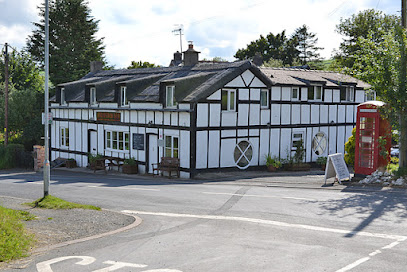
Mid Wales Inn & Restaurant
7.9 km
A cozy traditional inn and pub in Pant-y-dwr offering hearty food, comfortable rooms, and warm Welsh hospitality near Rhayader.
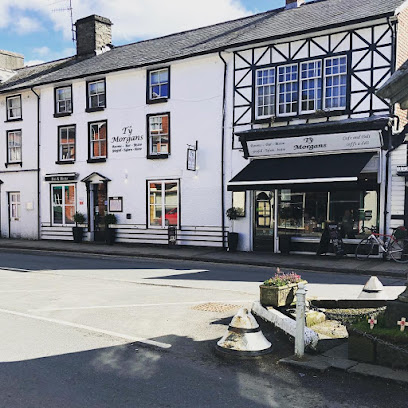
Ty Morgans
8.9 km
A warm and inviting guesthouse and restaurant in Rhayader, offering fresh local fare, excellent coffee, and cozy accommodations in the heart of Wales.
Lamb & Flag Inn
9.0 km
Experience authentic British cuisine at Lamb & Flag Inn in Rhayader – a perfect blend of tradition and hospitality awaits you.
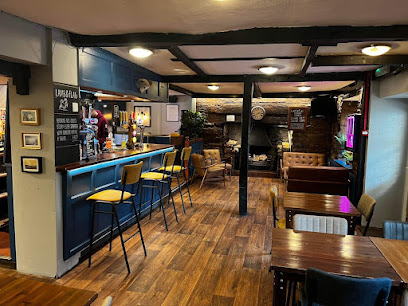
The Crown Inn
9.0 km
Traditional Welsh pub and inn in Rhayader offering cozy rooms, hearty local food, and a friendly atmosphere near the scenic Elan Valley.
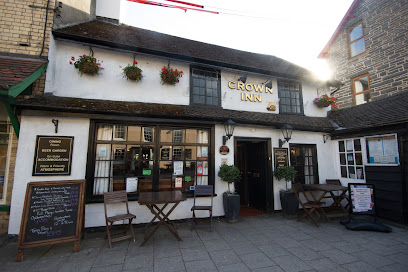
Brasserie at the Elan
9.1 km
Cozy brasserie serving home-cooked, locally sourced Welsh dishes in the heart of Rhayader’s historic Elan Hotel.
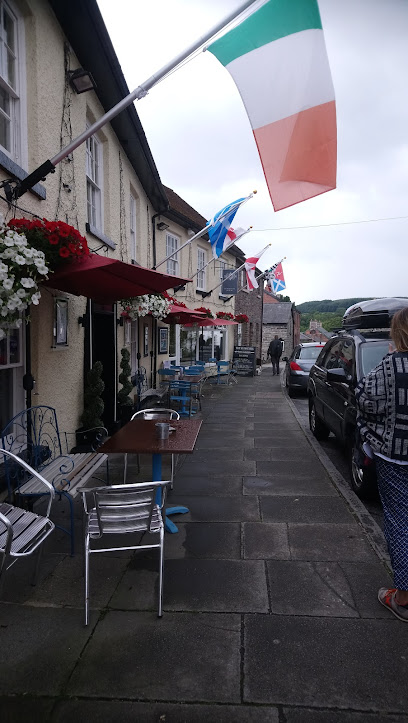
The Lost ARC
9.2 km
A warm, creative café in Rhayader’s old Drill Hall, serving excellent coffee, generous homemade food and a strong line in vegan and gluten-free treats.
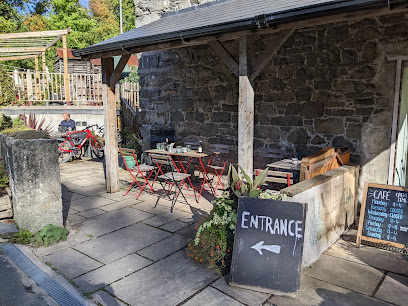
Severn Arms Hotel
9.4 km
Discover The Severn Arms Hotel - your ideal spot for relaxation and local flavors in beautiful Llandrindod Wells.
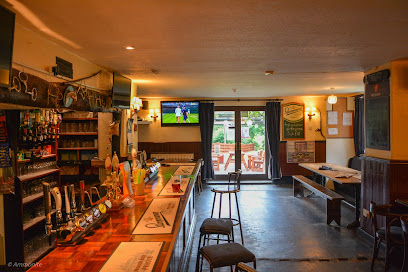
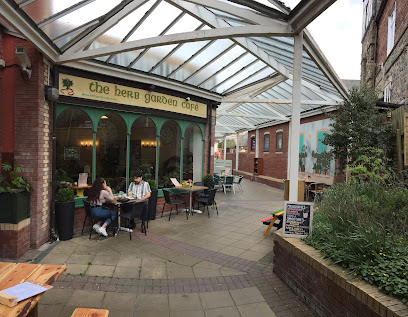
Herb Garden Café
10.0 km
Fresh, friendly, and inclusive café in Llandrindod Wells offering tasty local dishes and a cozy, bohemian atmosphere.
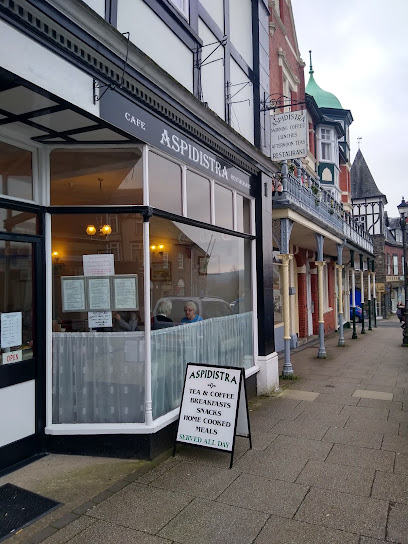
Aspidistra Restaurant
10.0 km
Cozy cafe in Llandrindod Wells serving hearty homemade meals with warm, friendly service and local charm.
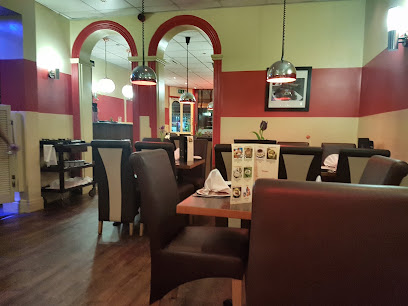
Zeera Indian & Bangladeshi Restaurant
10.1 km
Authentic Indian and Bangladeshi flavors served with friendly hospitality in the heart of Llandrindod Wells.
Metropole Hotel and Spa
10.2 km
Historic Victorian charm meets modern spa luxury in the heart of Llandrindod Wells with welcoming service and versatile amenities.
Fabian's Kitchen
10.3 km
Family-run Fabian's Kitchen serves up fresh, flavorful Indian curries, pizzas, and burgers with warm hospitality in Llandrindod Wells.
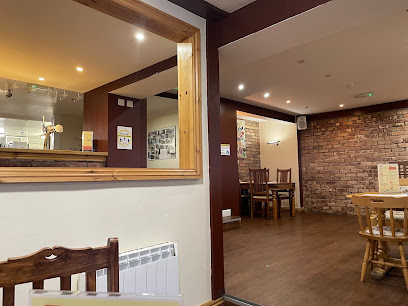
Lakeside Cafe and Catering
10.7 km
Charming lakeside cafe in Llandrindod Wells serving homemade British and Welsh dishes with scenic views and welcoming atmosphere.
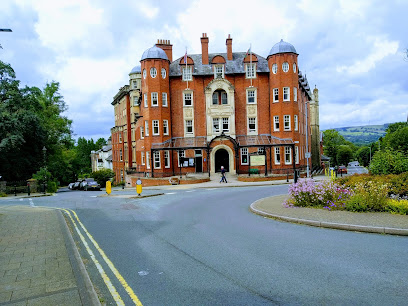
Drovers
12.6 km
Experience authentic Thai flavors in a cozy village setting at Drovers, Howey’s beloved evening dining spot near Llandrindod Wells.
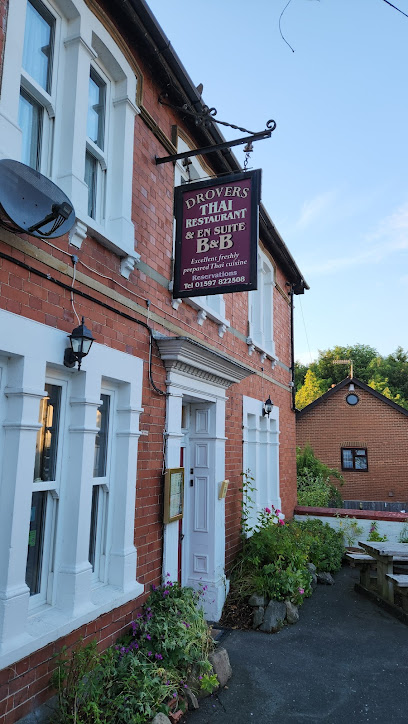
The Raj Mahal
16.5 km
Savor authentic Indian cuisine with generous portions and warm hospitality in the heart of Llanidloes.
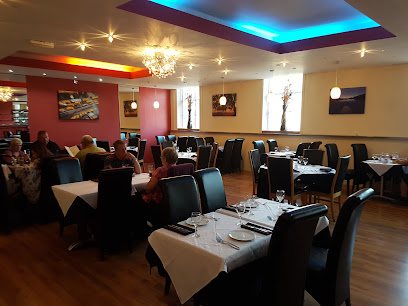
Markets, malls and hidden boutiques

Quillies
8.9 km
Discover authentic Welsh crafts and unique local artistry at Quillies, Rhayader’s beloved gift shop and cultural hub.
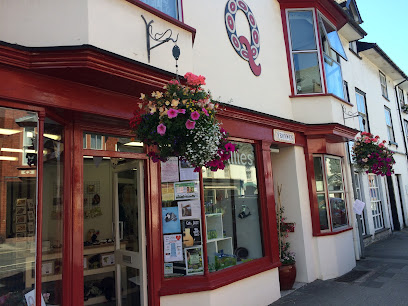
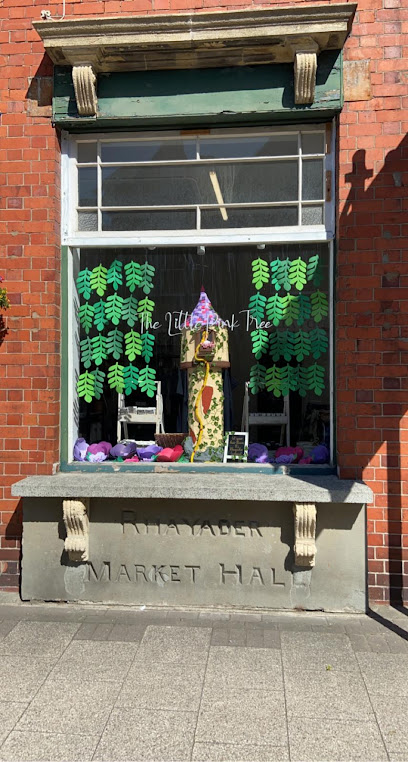
The Little Pink Tree
8.9 km
Discover unique treasures and handcrafted gifts at The Little Pink Tree, a charming gift shop in Rhayader, Wales.
Hill Walking Outdoor Wear Ltd
9.0 km
Expert outdoor outfitter near Elan Valley, stocking premium hiking brands with personalized Welsh weather guidance.

Bargain Buys
10.0 km
Affordable homewares and pet care essentials meet unbeatable prices in the heart of Llandrindod Wells.

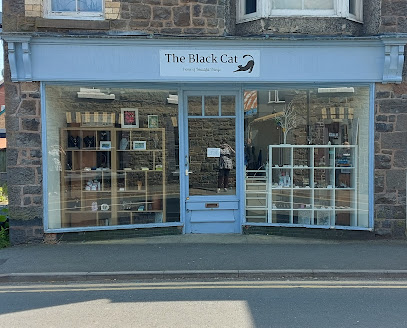
Black Cat Shop Llandrindod Wells
10.1 km
Discover unique handmade gifts, elegant fashion accessories, and artisan crafts at Black Cat Shop, a charming boutique in Llandrindod Wells.
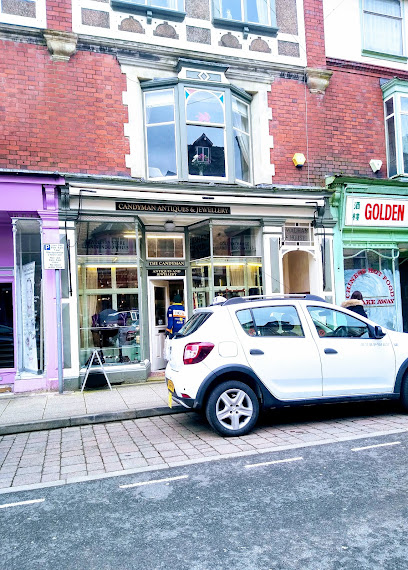
Candyman Antiques
10.1 km
Discover timeless antiques and trusted expertise at Candyman Antiques, Llandrindod Wells’ premier vintage jewellery and gold specialist.
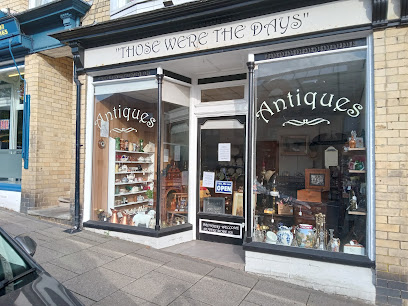
THOSE WERE THE DAYS
10.2 km
Discover timeless Victorian to 1930s antiques in a charming Llandrindod Wells shop filled with history and unique treasures.
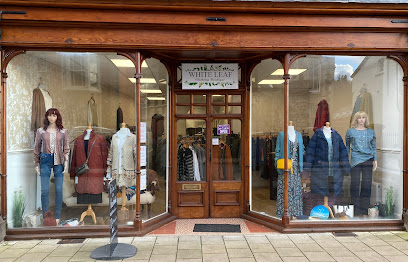
White Leaf Clothing Boutique
16.6 km
Discover stylish, quality women's and men's apparel with personalized service at White Leaf Clothing Boutique in the heart of Llanidloes.
Mr. Benn’s Emporium - Gift Shop
18.9 km
Discover unique Welsh crafts and souvenirs in the historic charm of New Radnor’s Old Town Hall at Mr. Benn’s Emporium.

Escos
18.9 km
Your friendly village convenience store in New Radnor, offering local produce and essentials in a welcoming Welsh countryside setting.

Cribs Clothing
20.2 km
Discover curated ladies' and men's fashion in the heart of historic Builth Wells at Cribs Clothing, your boutique style destination.
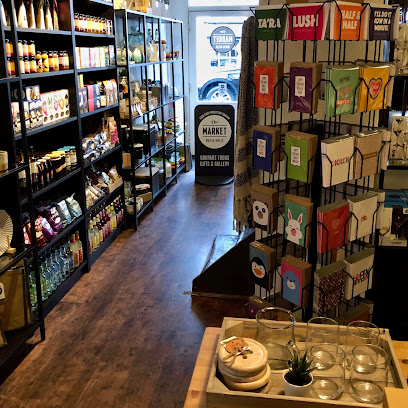
The Cwtch Market
20.2 km
Discover authentic Welsh gifts and gourmet treats at The Cwtch Market, a cozy boutique in the heart of Builth Wells.
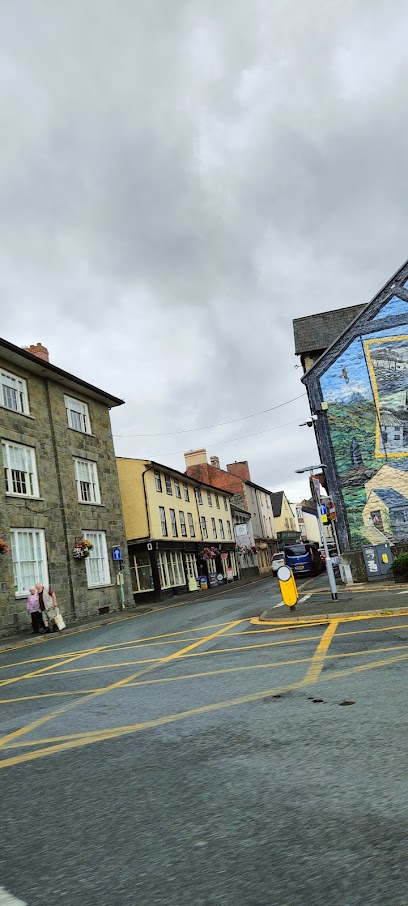
Nice Find uk
20.2 km
Discover unique homewares and charming finds in the heart of Builth Wells at Nice Find UK, your local destination for style and quality.

Dolls and Dragons
20.3 km
Discover high-quality toys and baby clothing at Dolls and Dragons, a family-run gem in the heart of Builth Wells’ historic High Street.
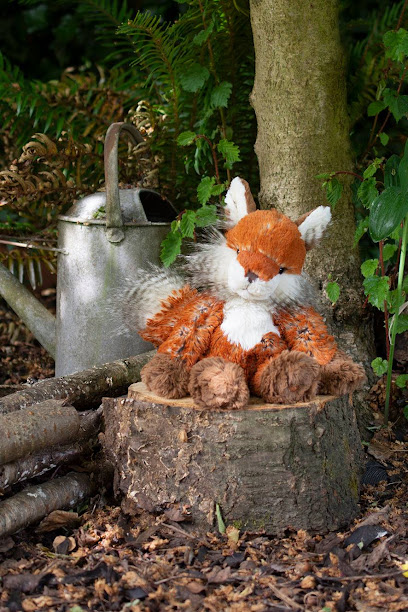
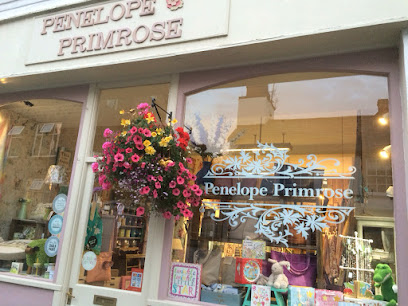
Penelope Primrose
20.3 km
Discover unique gifts and charming homewares with a personal touch at Penelope Primrose, Builth Wells’ beloved family-run gift shop.
Essential bars & hidden hideouts

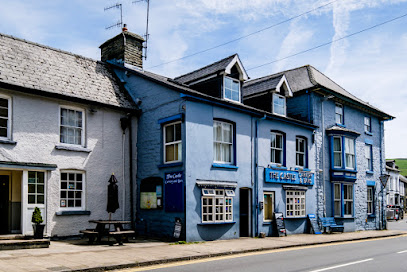
The Castle
9.0 km
A friendly, historic pub in Rhayader offering hearty meals, live sports, and a pioneering vegetarian menu in a lively, welcoming setting.
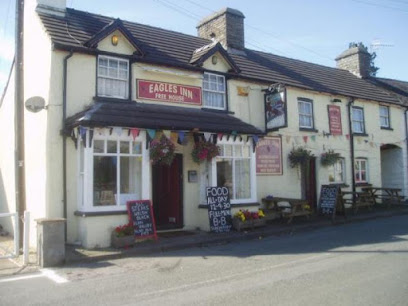
The Eagles Inn
9.1 km
A historic Welsh pub and inn in Rhayader offering hearty food, friendly service, and a scenic beer garden with mountain views.
Log Cabin
10.2 km
Discover the warmth and charm of Log Cabin Pub in Llandrindod Wells, where local ales and delicious dishes create a cozy escape.
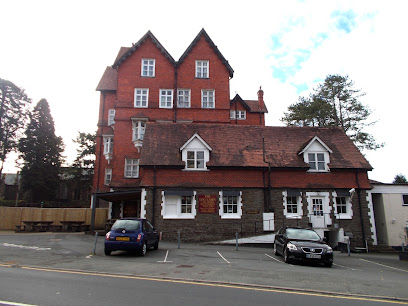
Arvon Ale House
10.2 km
Cozy micropub in Llandrindod Wells offering award-winning real ales, ciders, and a warm, intimate atmosphere for craft beer enthusiasts.
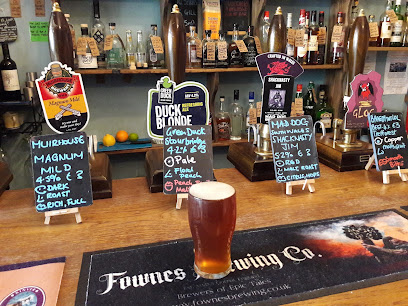
The Temple Bar Llandrindod Wells
10.3 km
A vibrant Welsh pub in Llandrindod Wells offering local ales, hearty menus, and a warm community atmosphere all week long.
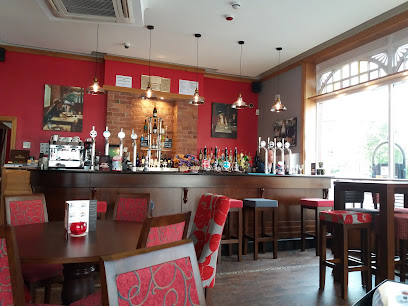
Golden Lion Inn
13.4 km
A welcoming traditional pub in Newbridge on Wye serving hearty classic meals and fostering genuine village charm.
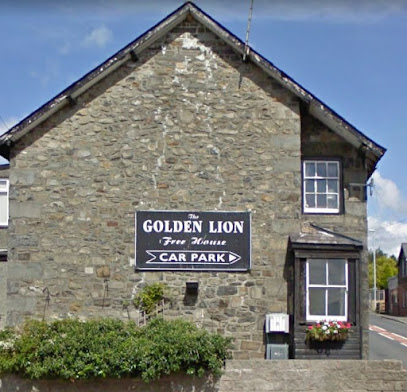
The Radnorshire Arms
16.3 km
Historic 17th-century Welsh pub offering hearty meals, local ales, and warm hospitality in the tranquil Teme Valley near Knighton.
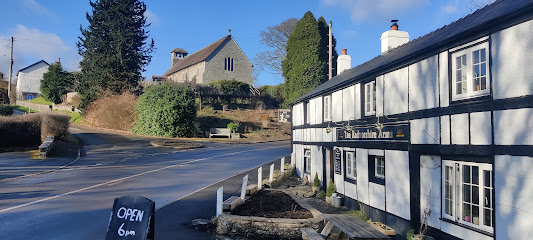
The Fountain Inn
20.2 km
A cozy and friendly pub in Builth Wells serving hearty meals and welcoming guests daily from morning to midnight.
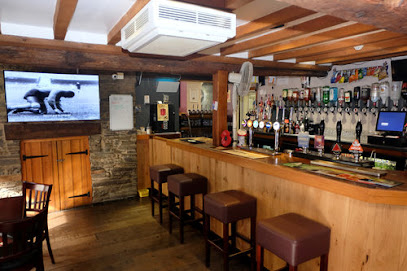
The White Horse
20.3 km
A charming pub in Builth Wells blending Welsh tradition with modern comfort, known for hearty fare and a friendly atmosphere.
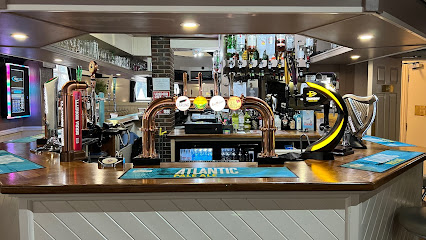
The Barley Mow Public House
20.4 km
Experience authentic Welsh pub culture with hearty food, local ales, and lively atmosphere at The Barley Mow in Builth Wells.
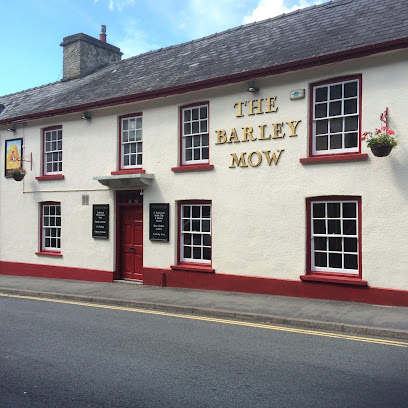
The Railway Tavern
20.9 km
A cozy, welcoming pub in Newtown with great ales, roaring fires, and a lively community spirit all year round.
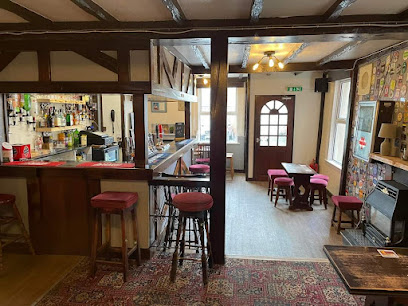
The Kerry Lamb
21.0 km
A cozy pub in Kerry, Powys, serving fresh homemade British classics with a warm, welcoming atmosphere and great value.
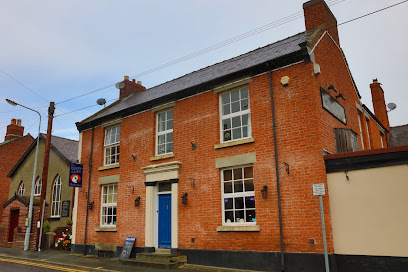
Buck Inn
21.0 km
Historic 17th-century pub in Newtown with lively karaoke, real ales, and a warm, inclusive atmosphere for all.
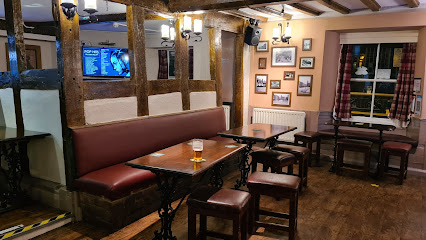
The Sportsman
21.1 km
A lively and welcoming Newtown pub serving quality drinks and hearty fare in a friendly, dog-friendly setting with a charming beer garden.
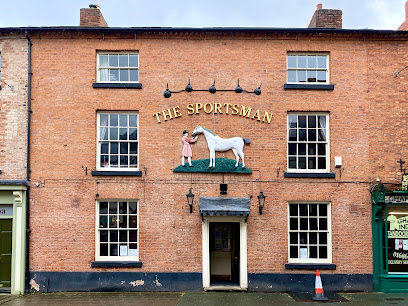
Horse & Jockey
23.2 km
Historic 14th-century coaching inn in Knighton offering cozy rooms, hearty food, and a lively pub atmosphere with a welcoming Welsh charm.
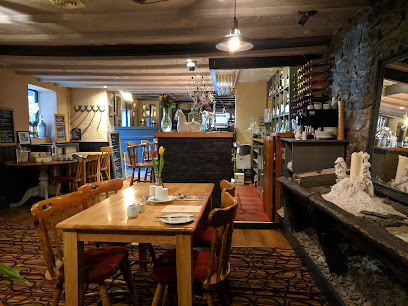
Nightclubs & after hour spots

Basement Sessions
16.6 km
Dive into the lively nightlife of Llanidloes at Basement Sessions, where eclectic music and vibrant energy create memorable experiences.
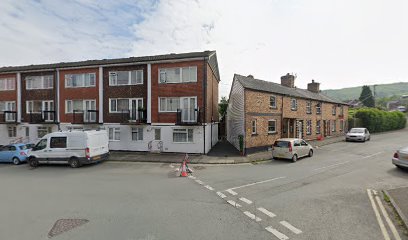
Jac’s Mansion
20.2 km
Experience welcoming, vibrant LGBTQ+ nightlife at Jac’s Mansion, Builth Wells’ iconic gay nightclub with a lively, inclusive atmosphere.
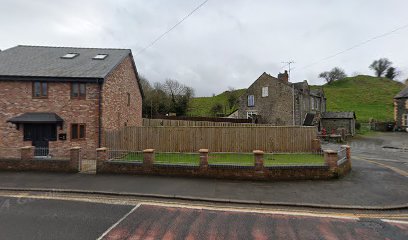
Caersws Village Club
20.8 km
A vibrant village club in Caersws offering lively events, warm community spirit, and a welcoming atmosphere in the heart of rural Wales.
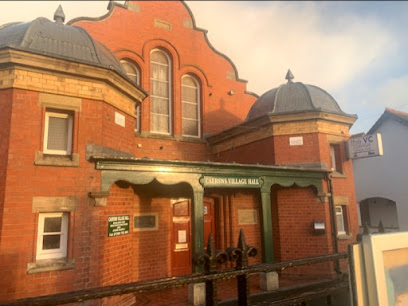
The Monty Club
21.1 km
A welcoming social and sports club in Newtown with ample space for pool, snooker, darts, and vibrant community events.
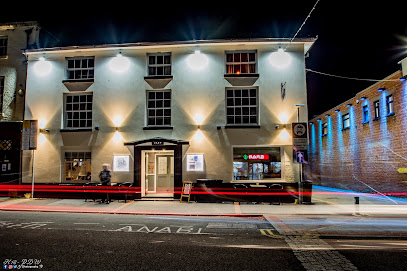
Brecon Working Mens Club
42.6 km
Experience authentic Welsh hospitality at Brecon Working Mens Club, where locals gather for drinks and camaraderie in a charming setting.
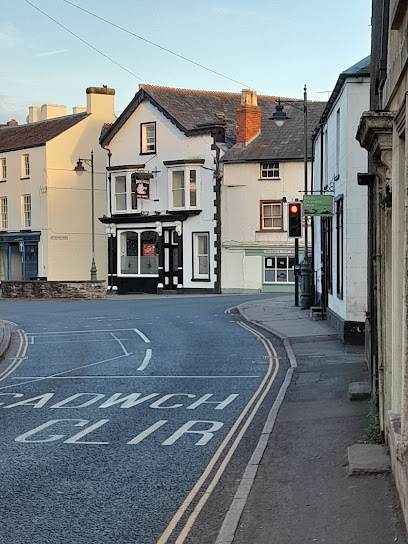
BRECON JAZZ
42.6 km
Experience the soulful sounds of Brecon Jazz, an intimate venue celebrating the rich heritage of jazz music in the heart of Wales.
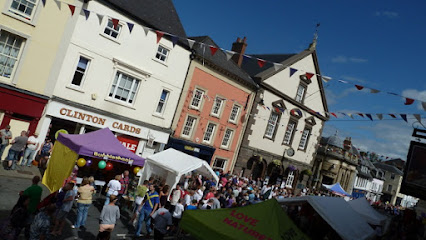
Brecon Jazz Club (Muse Arts Centre)
42.7 km
Discover the heart of jazz in Brecon at the Brecon Jazz Club, where live music and a vibrant atmosphere collide for an unforgettable night.
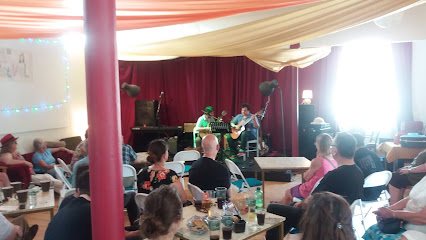
Northcote Conservative Club
42.8 km
Discover the lively ambiance of Northcote Conservative Club, Brecon's premier destination for nightlife, music, and local culture.
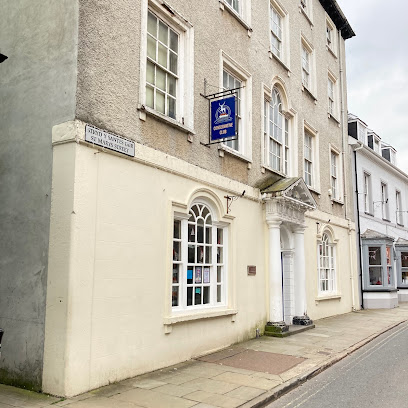
Yokoswnb
48.3 km
A vibrant, budget-friendly nightclub and bar in Aberystwyth, popular with students for its lively atmosphere and central location.
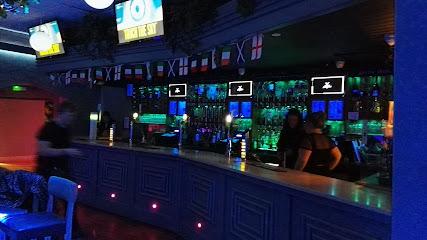
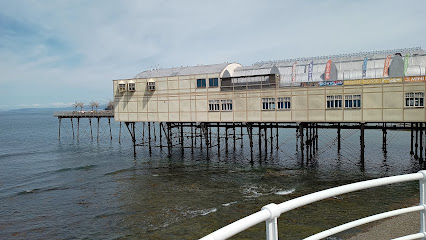
Pier Pressure
48.4 km
Experience Aberystwyth’s vibrant nightlife at Pier Pressure, a lively nightclub set on the historic Royal Pier by scenic Cardigan Bay.
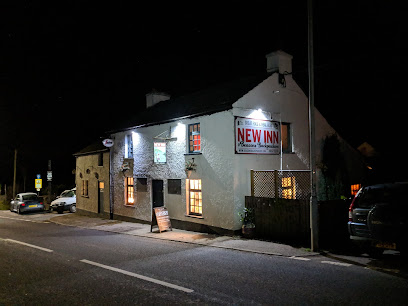
The New Inn
50.1 km
Experience the charm of Welsh hospitality at The New Inn, a delightful pub in Bwlch, perfect for unwinding after exploring Brecon Beacons.
Trilogy Hereford
55.2 km
Experience Hereford’s vibrant nightlife at Trilogy, a dynamic nightclub pulsing with music and energy until the early morning hours.
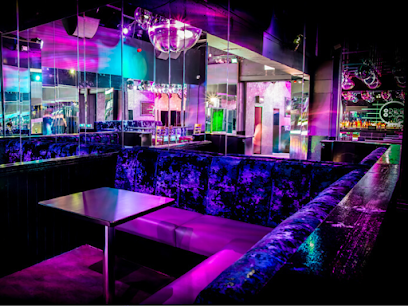
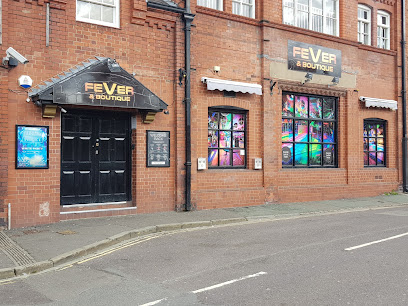
Boutique - Shrewsbury
59.9 km
A vibrant 90s-inspired nightclub in Shrewsbury offering lively nights, stylish booths, and a nostalgic yet modern clubbing experience.
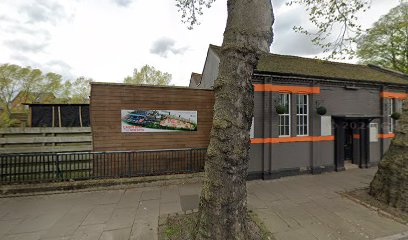
Montgomery Waters
60.2 km
Discover the energetic nightlife at Montgomery Waters, Shrewsbury's premier nightclub, where unforgettable memories and vibrant music await.
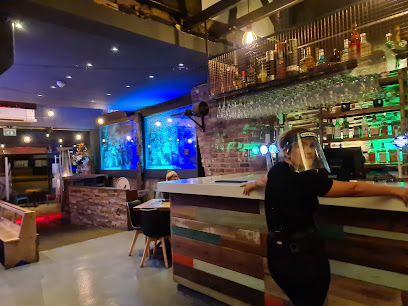
Havana Republic
60.4 km
Experience the vibrant Latin-inspired nightlife of Havana Republic, Shrewsbury’s hotspot for cocktails, music, and late-night fun.
For the vibe & atmosphere seeker
- Scenic
- Relaxing
- Tranquil
- Romantic
- Unique
For the design and aesthetic lover
- Victorian-Gothic
For the architecture buff
- Historic
- Landmarks
For the view chaser and sunset hunter
- Iconic Views
- Panoramas
For the social media creator & influencer
- Instagrammable
- Photo Spots
- Aesthetic Corners
For the eco-conscious traveler
- Public-Transport Accessible
- Locally Managed
For the kind of experience you’re after
- Cultural Heritage
- Photowalk
- Day Trip
- Weekend Getaway
For how adventurous you want the journey to be
- Easy Access
Location Audience
- Family Friendly
- Senior Friendly
- Child Friendly
- Couple Friendly
- Solo Friendly


