
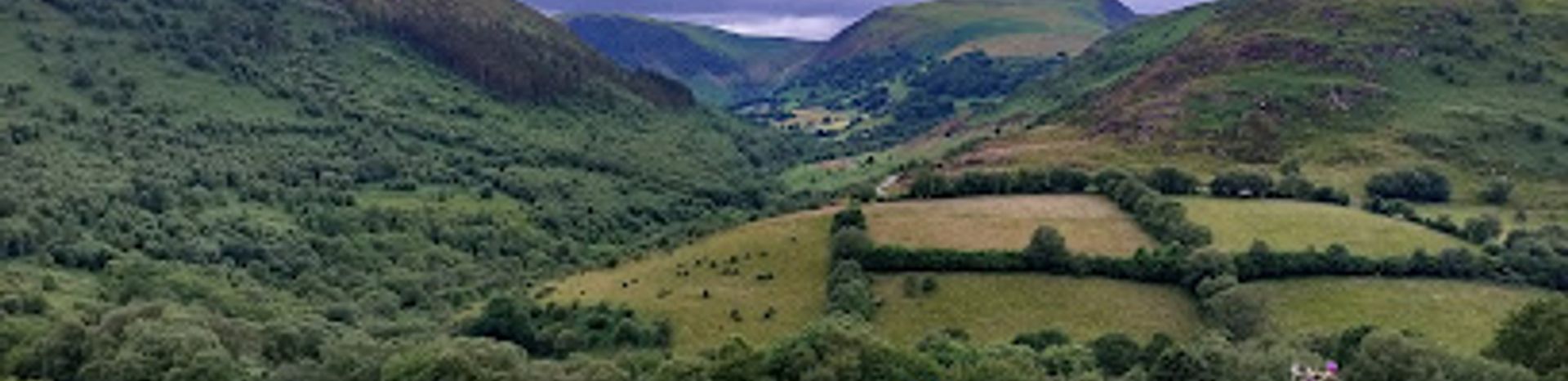
Gilfach Nature Reserve
A rewilded Welsh hill farm where nature has reclaimed the landscape, offering exceptional wildlife viewing and accessible trails through the Cambrian Mountains.
Gilfach Nature Reserve is a spectacular 130-hectare rewilded former hill farm nestled in the Marteg Valley in the heart of rural mid-Wales. Once intensively farmed, it has been transformed into a thriving habitat supporting over 70 bird species, rare lichens, wildflowers, and salmon-filled rivers. The reserve welcomes visitors year-round via well-marked trails, offering accessible walks through diverse landscapes ranging from high moorland to oak woodland, with a visitor centre providing information and refreshments.
A brief summary to Gilfach Nature Reserve
- Rhayader, LD6 5LF, GB
- +441597870301
- Visit website
- Duration: 2 to 4 hours
- Free
-
 Outdoor
- Mobile reception: 3 out of 5
- Monday 10 am-5 pm
- Tuesday 10 am-5 pm
- Wednesday 10 am-5 pm
- Thursday 10 am-5 pm
- Friday 10 am-5 pm
- Saturday 10 am-5 pm
- Sunday 10 am-5 pm
Local tips
- Visit between April and November for the best wildlife activity and weather conditions. Spring brings breeding birds and wildflower blooms, while late summer offers spectacular heather displays and peak insect activity.
- Keep dogs on a lead at all times and remove dog waste from the reserve. Grazing cattle with calves may be present; some fields and paths may be closed seasonally for livestock management—check current conditions before visiting.
- Bring binoculars and a field guide for bird identification. The dipper hide offers excellent viewing opportunities, and over 70 bird species have been recorded here, making it a rewarding destination for birdwatchers of all levels.
- Allow at least 2–3 hours to explore the reserve properly. Multiple trails of varying difficulty are available, so choose routes that match your fitness level and time availability.
- The Byre attached to the longhouse offers refreshments via an honesty box system, disabled toilet facilities, and detailed information boards. Arrive early in the day to ensure the best wildlife viewing opportunities and quieter trails.

For the on-the-go comforts that matter to you
- Restrooms
- Drink Options
- Food Options
- Information Boards
- Seating Areas
- Trash Bins
- Picnic Areas
Getting There
-
Car from Rhayader
Drive north from Rhayader town centre on the A470 towards Llangurig for approximately 4 miles. Turn right at St. Harmon onto the minor road signposted for Gilfach. Continue for about 1 mile to reach the visitor centre and car park. Journey time is approximately 10–15 minutes. Free parking is available on site. The road is narrow but passable for standard vehicles year-round, though winter weather may occasionally affect access.
-
Bus from Rhayader
Local bus services operate from Rhayader town centre, though frequency is limited in rural mid-Wales. Journey time to the reserve is approximately 20–30 minutes depending on route and stops. Check current timetables with local transport providers or Rhayader visitor information, as services may vary seasonally. This option is best suited to those with flexible schedules.
-
Walking from Rhayader
A scenic walking route of approximately 8–10 kilometres (5–6 miles) connects Rhayader town centre to Gilfach via country lanes and footpaths. The walk takes 2–2.5 hours and follows relatively gentle terrain with some road sections. This option is suitable for experienced walkers comfortable with rural navigation and is best attempted in daylight hours during settled weather.
-
Cycling from Rhayader
A cycling route of approximately 8 kilometres (5 miles) connects Rhayader to Gilfach via the A470 and minor roads, taking 25–35 minutes depending on fitness and road conditions. The route includes some road cycling on the A470, which carries traffic; cyclists should exercise caution. A hybrid or road bike is suitable for this journey. The return journey is slightly easier as it is mostly downhill.
Gilfach Nature Reserve location weather suitability
-
 Any Weather
-
 Clear Skies
-
 Mild Temperatures
Discover more about Gilfach Nature Reserve
From Farmland to Rewilded Haven
For centuries, Gilfach was a working hill farm, indistinguishable from countless others across the Welsh uplands. In 1988, the Radnorshire Wildlife Trust began an ambitious rewilding project that would fundamentally transform the landscape. The key to this transformation was a radical reduction in grazing pressure—the intensive sheep farming that had shaped the land for generations was scaled back dramatically. Today, just 20 Luing cattle graze the reserve year-round, hardy upland breeds that naturally manage vegetation by controlling bracken, bramble, and rank grasses while allowing wildflowers to flourish. This shift from intensive agriculture to extensive, conservation-focused grazing has allowed nature to recover at a pace that would have seemed impossible just decades ago.Exceptional Biodiversity in the Cambrian Mountains
The reserve's location in the Cambrian Mountains, combined with its mosaic of habitats, creates conditions for extraordinary wildlife diversity. Over 70 bird species have been recorded here, with more than two-thirds breeding on the reserve. Pied flycatchers, dippers, redstarts, wood warblers, and goshawks are among the notable residents, while red kites, spotted flycatchers, cuckoos, and yellowhammers visit seasonally. The River Marteg flows through the reserve, supporting populations of Atlantic salmon that leap upstream during spawning season—a sight that captures the essence of the reserve's ecological recovery. Perhaps most remarkably, over a quarter of all lichen species recorded in Wales grow at Gilfach, a testament to the clean air and undisturbed habitat that lichens require to thrive.A Tapestry of Habitats and Seasonal Colour
The reserve encompasses an extraordinary range of habitats within its 130 hectares. High moorland transitions into enclosed meadows, oak woodlands give way to rocky outcrops, and wetlands created as part of the rewilding project provide breeding grounds for amphibians and invertebrates. Late summer brings a spectacular display of colour as bell heather, common heather, and gorse blanket the hillsides, their nectar-rich flowers attracting mountain bumble bees and fox moths. Butterflies thrive in the wildflower meadows, with small pearl-bordered fritillaries, common blues, and green hairstreaks among the species regularly observed. The variety of microhabitats means that each season brings different wildlife experiences, and the reserve's best visiting period runs from April through November when wildlife activity peaks and weather conditions are most favourable.Walking Trails and Visitor Experience
Way-marked trails have been carefully designed to allow visitors to explore the reserve while minimizing environmental impact. Routes range from fairly easy walks through mid-Wales countryside to more strenuous options for those seeking greater physical challenge. The trails pass through the dipper hide, a dedicated wildlife observation point where visitors can watch these charismatic water birds in their natural habitat. Information boards dotted throughout the reserve provide context about the landscape, wildlife, and rewilding work, enriching the walking experience with ecological knowledge. The visitor centre, housed in the old farm buildings, serves as the hub for the reserve experience, offering refreshments, disabled facilities, and comprehensive information about the site's history and conservation efforts.Designated Protection and Conservation Status
Gilfach's ecological importance is formally recognized through multiple designations. The reserve holds status as a Site of Special Scientific Interest (SSSI), a Special Protection Area (SPA), and a Special Area of Conservation (SAC)—designations that reflect its significance for wildlife and habitats at both national and European levels. These protections ensure that management decisions prioritize conservation and that the rewilding work continues to be guided by scientific monitoring and biodiversity assessment. The reserve welcomes approximately 12,000 visitors annually, demonstrating how conservation and recreation can coexist when carefully managed.Living Heritage and Future Vision
The reserve retains tangible connections to its agricultural past. The historic longhouse, now privately rented, stands as a reminder of centuries of farming life, while the attached Byre serves visitors with an honesty box system for refreshments. This blend of heritage and conservation creates a unique character—the reserve is sometimes described as "the farm that time forgot," capturing the sense that visitors step back into a slower, more natural rhythm when they arrive. Looking forward, the Radnorshire Wildlife Trust continues to monitor biodiversity, investigate species reintroductions including globeflower and marsh fritillary, and explore sustainable income streams through events, courses, and building hire, ensuring that Gilfach remains both a thriving natural space and a living example of rewilding success.Iconic landmarks you can’t miss

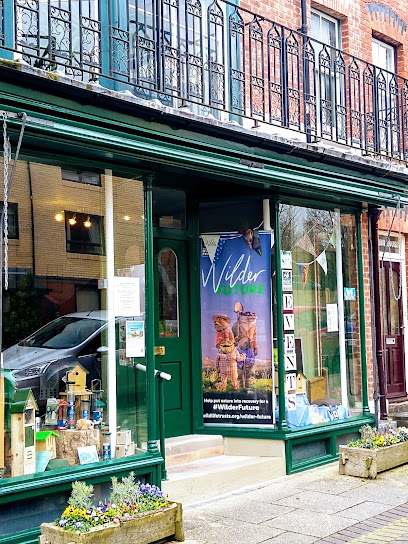
Radnorshire Wildlife Trust
14.0 km
Experience the breathtaking beauty of Wales at Radnorshire Wildlife Trust, a paradise for nature enthusiasts and wildlife lovers.
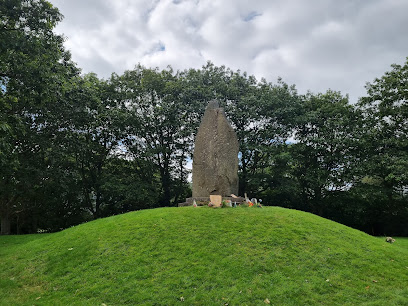
Llywelyn Monument
20.6 km
A solemn granite monument at Cilmeri honors Llywelyn the Last, marking the site where Wales’ final native prince fell in battle, symbolizing a pivotal moment in Welsh history.
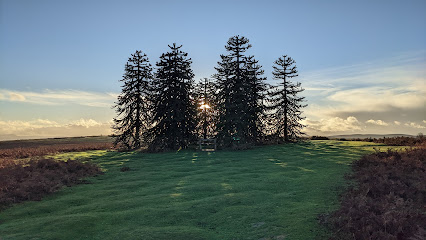
Monkey Puzzle Trees
33.1 km
Striking evergreen Monkey Puzzle Trees on historic Hergest Ridge, a peaceful highlight along Offa’s Dyke Path near Kington.
Ffridd Faldwyn, Montgomery
35.1 km
Explore the vast Iron Age hillfort of Ffridd Faldwyn, commanding the Severn Valley with ancient earthworks and panoramic Welsh landscapes.

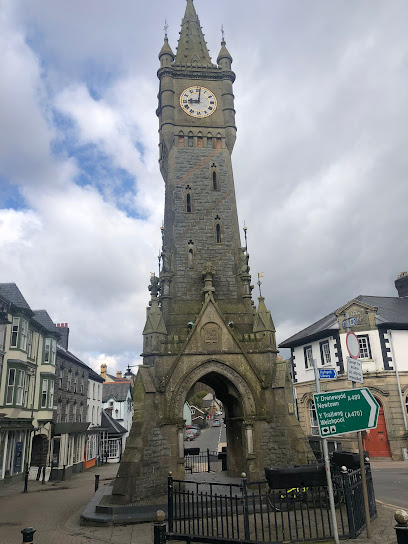
Machynlleth Town Clock
36.4 km
Historic Machynlleth Town Clock, a Victorian landmark symbolizing community pride and Welsh heritage in the heart of Penrallt Street.
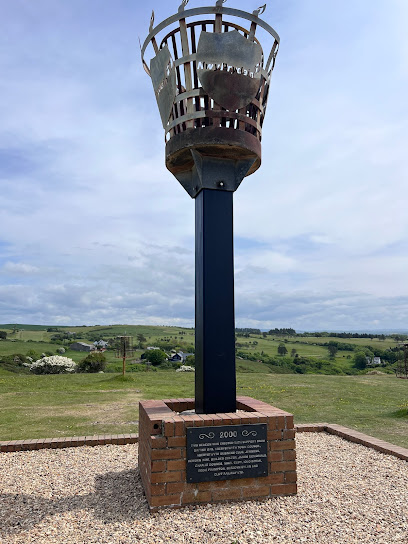
Nwy Prydain Beacon
39.5 km
Historic beacon atop Constitution Hill offering panoramic coastal views and a glimpse into Aberystwyth’s industrial heritage.
Castle Hotel
39.5 km
Historic charm and cozy comfort converge at Aberystwyth’s Castle Hotel, a welcoming coastal retreat with unique drinks and friendly hospitality.

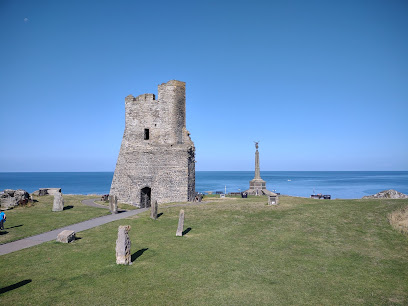
Aberystwyth Castle
39.6 km
Explore Aberystwyth Castle, a breathtaking historical landmark in Wales, where medieval history meets stunning coastal views and vibrant culture.
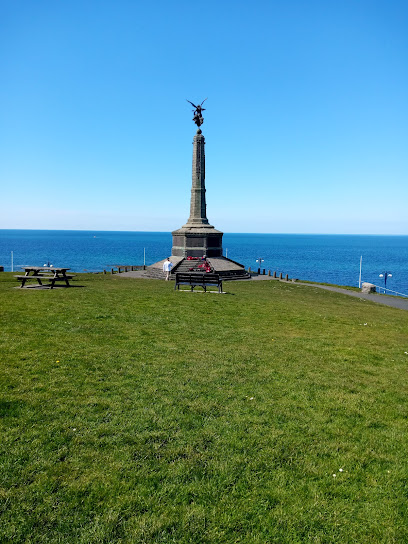
War Memorial
39.7 km
Explore the poignant War Memorial in Aberystwyth, a serene tribute to bravery surrounded by stunning coastal beauty and rich history.
Roundton Hill National Nature Reserve
39.9 km
Discover the breathtaking beauty of Roundton Hill National Nature Reserve, a tranquil haven for nature lovers and outdoor enthusiasts in Montgomery, Wales.
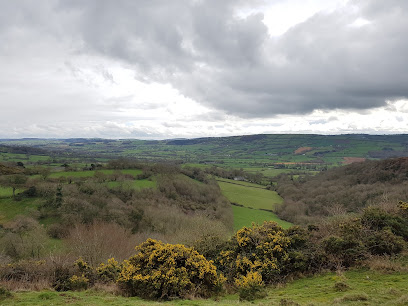
River Dyfi
40.0 km
Discover the tranquil allure of River Dyfi, a hidden gem in Wales offering stunning landscapes and vibrant wildlife perfect for outdoor adventures.
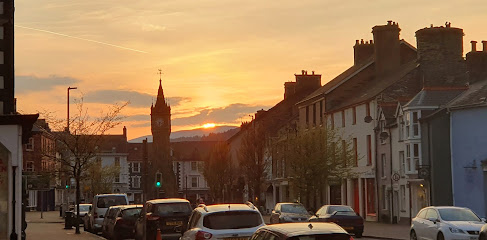
Bronllys Castle
41.4 km
Explore the medieval charm of Bronllys Castle, a historical landmark in Wales, set amidst breathtaking landscapes perfect for a tranquil getaway.
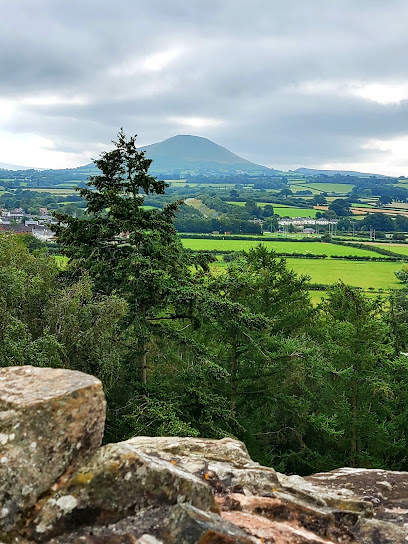
Brynellen
41.7 km
Explore Bryn Celli Ddu, a 5,000-year-old Neolithic passage tomb on Anglesey, famed for its ancient burial chamber and summer solstice alignment.
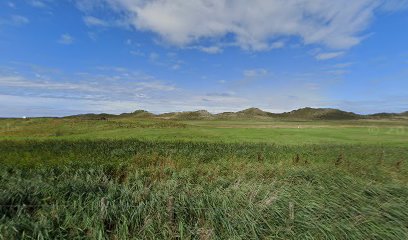
Ynyslas National Nature Reserve
41.8 km
Explore the untouched beauty of Ynyslas National Nature Reserve, where stunning coastal views and diverse wildlife await every nature lover.
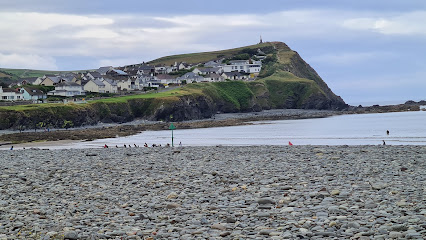
Corris Craft Centre
42.1 km
Discover the artistic charm of Corris Craft Centre, where unique handmade crafts and workshops await in the scenic beauty of Wales.
Unmissable attractions to see

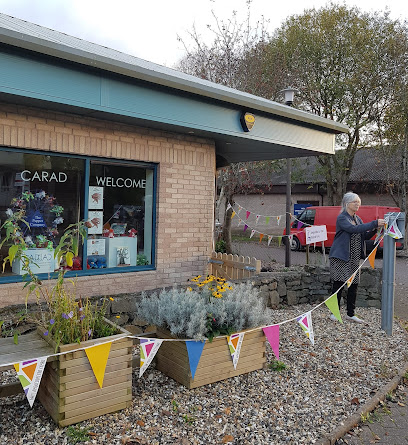
TimeScape Rhayader
3.6 km
Explore Rhayader’s rich heritage and vibrant local creativity at TimeScape Rhayader, a welcoming cultural hub in the heart of town.
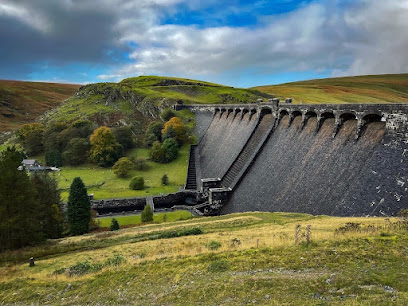
The Elan Valley
7.7 km
A remote Welsh wilderness of reservoirs, moorlands, and ancient forests where nature reigns supreme.
Happy Union Inn
8.9 km
Charming village pub and welcoming barn conversion cottage nestled in the tranquil Welsh countryside of Abbeycwmhir.
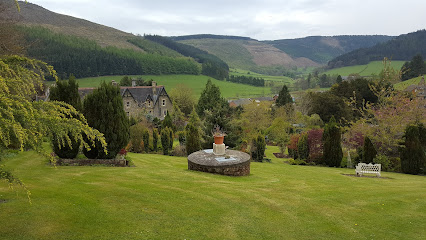
Abbey Cwmhir Hall
9.0 km
A grand Victorian-Gothic estate overlooking historic Cwmhir Abbey, blending architectural splendor with tranquil Welsh landscapes.
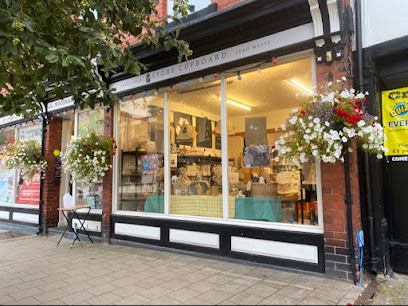
The Store Cupboard
12.9 km
Discover fresh, local organic produce and specialty health foods in the heart of Llanidloes at The Store Cupboard.
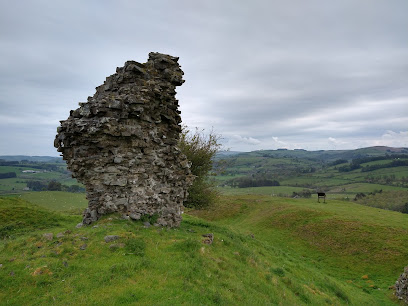
Castell Tinboeth
13.0 km
Discover the mysterious 13th-century Castell Tinboeth ruins nestled within an ancient Iron Age hillfort in the scenic Welsh borderlands.
River Severn
13.1 km
Discover the serene origins of Britain’s longest river at Llanidloes, where the River Severn begins its majestic journey through Welsh landscapes.
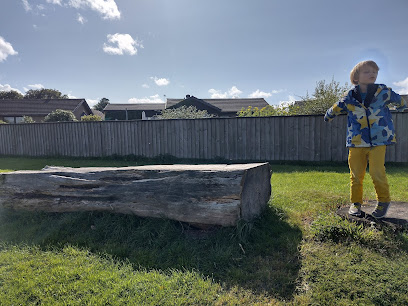
Log Circle
14.0 km
Discover Log Circle, a charming family-friendly outdoor attraction blending nature and fun in the scenic heart of Llandrindod Wells.
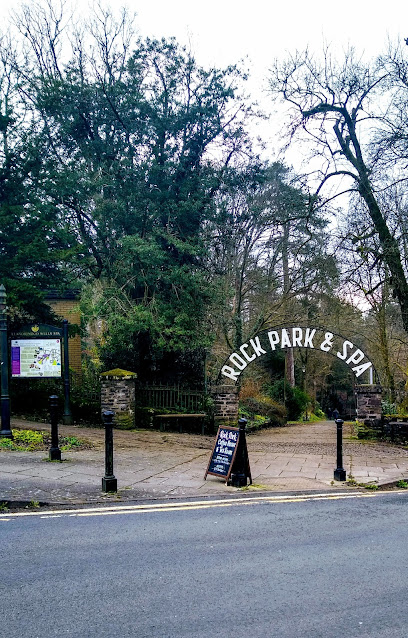
Rock Park
14.1 km
Discover Rock Park’s tranquil woodland trails, Victorian spa heritage, and scenic beauty in the heart of Llandrindod Wells.
Quackers
14.2 km
A lively indoor and outdoor play centre in Mid Wales offering fun slides, mazes, go-karts, and party facilities for children and families.

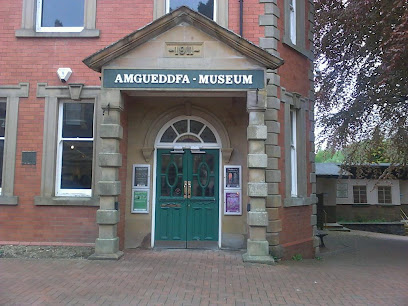
Radnorshire Museum
14.2 km
Discover the hidden history of mid-Wales in a compact, free-entry museum in the heart of Llandrindod Wells.
National Cycle Museum
14.4 km
Explore 200 years of cycling history with rare bikes and memorabilia at the National Cycle Museum in Llandrindod Wells.
Play Radnor
14.5 km
A welcoming children’s hub in Llandrindod Wells fostering play, creativity, and community spirit for young people across Powys.
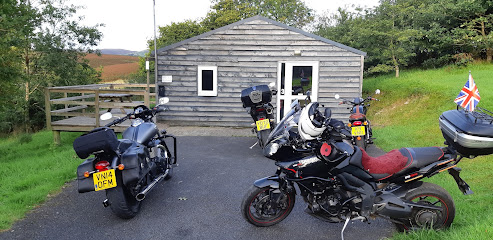
Radnor Revivals Holiday Lodges and Events
15.5 km
Peaceful self-catering lodges and versatile event spaces set in the scenic Welsh hills near Llanbister.
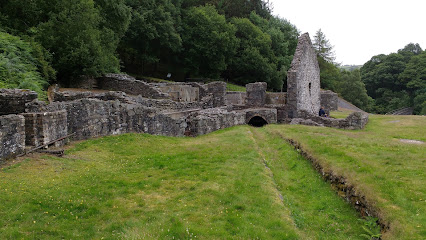
Bryntail Lead Mine Buildings
16.0 km
Explore the evocative ruins of a 19th-century Welsh lead mine nestled beside Llyn Clywedog Reservoir, blending industrial heritage with serene natural beauty.
Essential places to dine

Mid Wales Inn & Restaurant
3.5 km
A cozy traditional inn and pub in Pant-y-dwr offering hearty food, comfortable rooms, and warm Welsh hospitality near Rhayader.
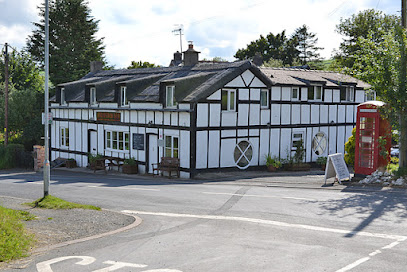
Lamb & Flag Inn
3.7 km
Experience authentic British cuisine at Lamb & Flag Inn in Rhayader – a perfect blend of tradition and hospitality awaits you.
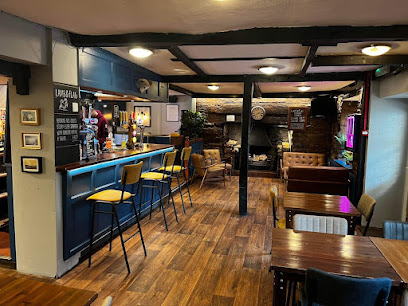
The Crown Inn
3.7 km
Traditional Welsh pub and inn in Rhayader offering cozy rooms, hearty local food, and a friendly atmosphere near the scenic Elan Valley.
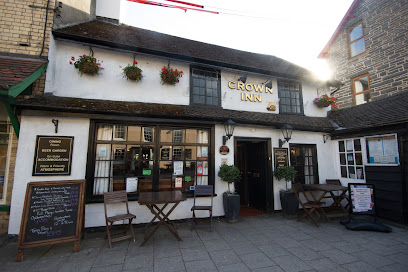
Ty Morgans
3.8 km
A warm and inviting guesthouse and restaurant in Rhayader, offering fresh local fare, excellent coffee, and cozy accommodations in the heart of Wales.
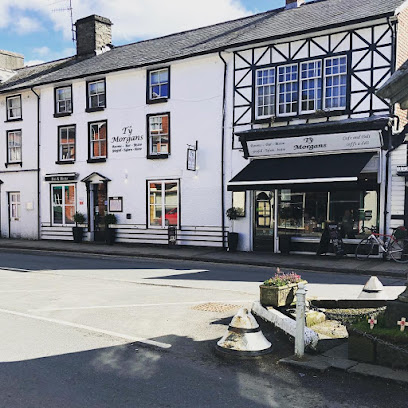
The Lost ARC
3.8 km
A warm, creative café in Rhayader’s old Drill Hall, serving excellent coffee, generous homemade food and a strong line in vegan and gluten-free treats.
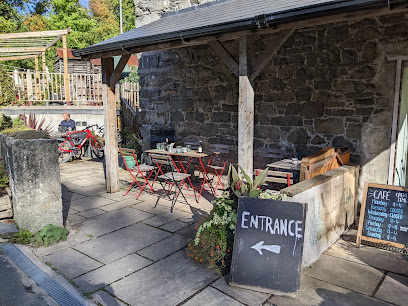
Brasserie at the Elan
3.8 km
Cozy brasserie serving home-cooked, locally sourced Welsh dishes in the heart of Rhayader’s historic Elan Hotel.
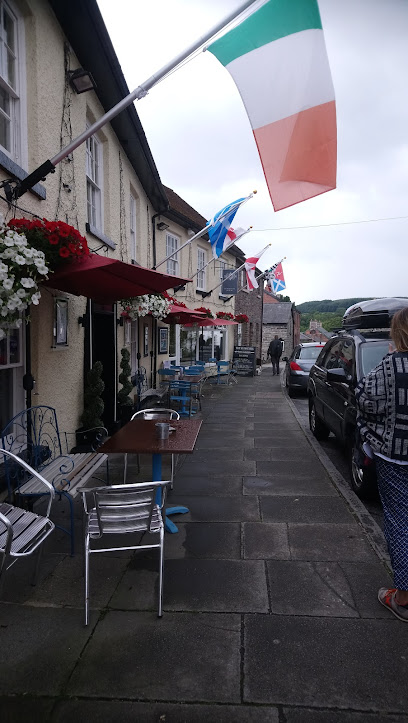
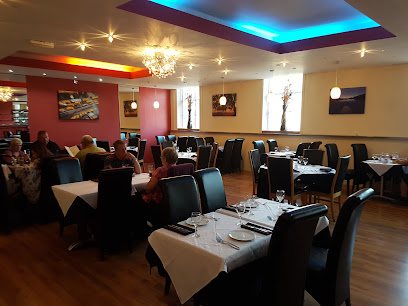
The Raj Mahal
12.8 km
Savor authentic Indian cuisine with generous portions and warm hospitality in the heart of Llanidloes.
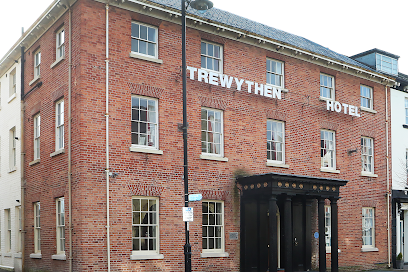
The Trewythen
12.8 km
Elegant Georgian charm meets modern comfort and fine dining in the heart of Llanidloes, mid-Wales.
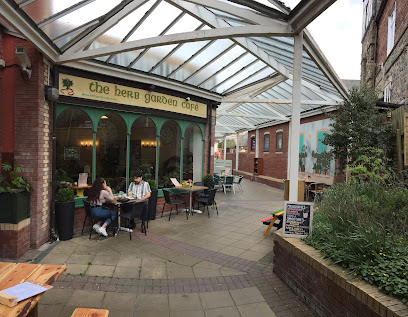
Herb Garden Café
14.1 km
Fresh, friendly, and inclusive café in Llandrindod Wells offering tasty local dishes and a cozy, bohemian atmosphere.
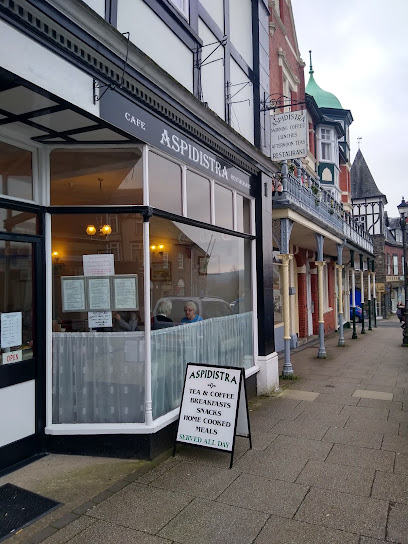
Aspidistra Restaurant
14.1 km
Cozy cafe in Llandrindod Wells serving hearty homemade meals with warm, friendly service and local charm.
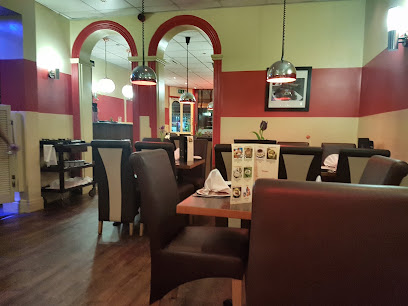
Zeera Indian & Bangladeshi Restaurant
14.2 km
Authentic Indian and Bangladeshi flavors served with friendly hospitality in the heart of Llandrindod Wells.
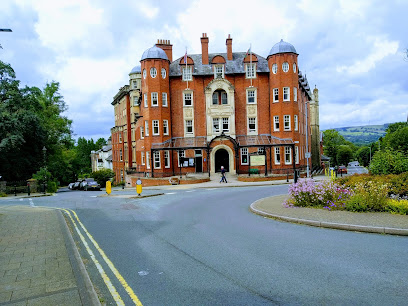
Metropole Hotel and Spa
14.3 km
Historic Victorian charm meets modern spa luxury in the heart of Llandrindod Wells with welcoming service and versatile amenities.
Fabian's Kitchen
14.3 km
Family-run Fabian's Kitchen serves up fresh, flavorful Indian curries, pizzas, and burgers with warm hospitality in Llandrindod Wells.
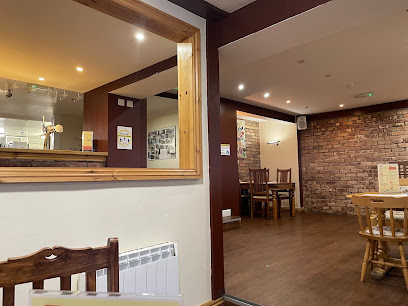
Lakeside Cafe and Catering
14.8 km
Charming lakeside cafe in Llandrindod Wells serving homemade British and Welsh dishes with scenic views and welcoming atmosphere.
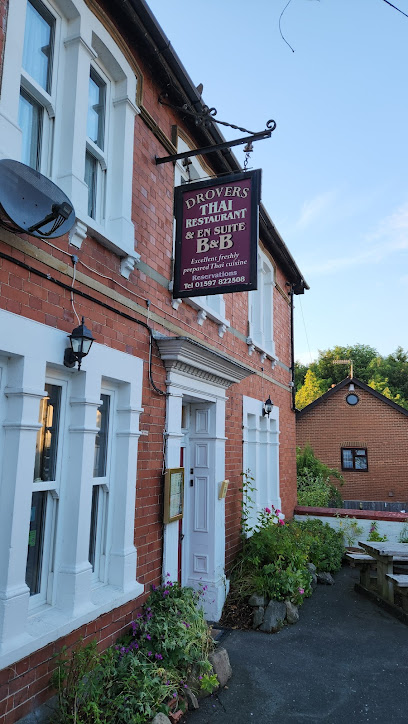
Drovers
15.7 km
Experience authentic Thai flavors in a cozy village setting at Drovers, Howey’s beloved evening dining spot near Llandrindod Wells.
Markets, malls and hidden boutiques

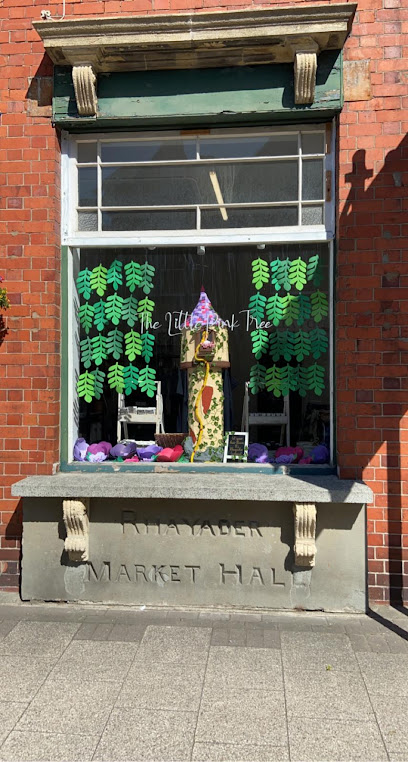
The Little Pink Tree
3.7 km
Discover unique treasures and handcrafted gifts at The Little Pink Tree, a charming gift shop in Rhayader, Wales.
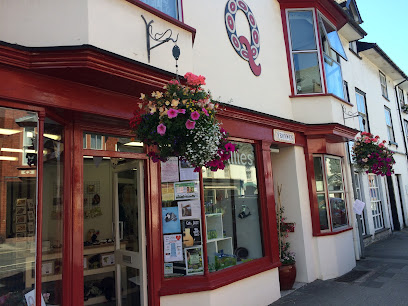
Quillies
3.8 km
Discover authentic Welsh crafts and unique local artistry at Quillies, Rhayader’s beloved gift shop and cultural hub.
Hill Walking Outdoor Wear Ltd
3.8 km
Expert outdoor outfitter near Elan Valley, stocking premium hiking brands with personalized Welsh weather guidance.

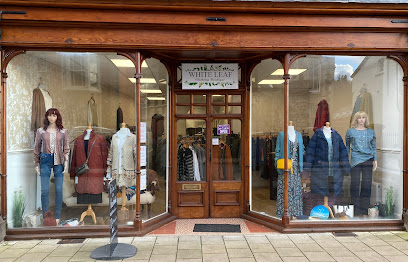
White Leaf Clothing Boutique
12.8 km
Discover stylish, quality women's and men's apparel with personalized service at White Leaf Clothing Boutique in the heart of Llanidloes.
Bargain Buys
14.1 km
Affordable homewares and pet care essentials meet unbeatable prices in the heart of Llandrindod Wells.

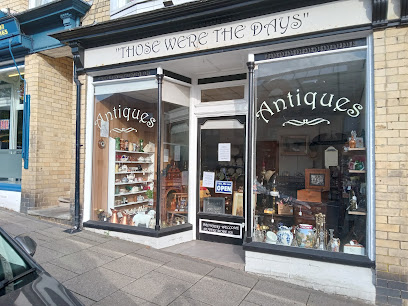
THOSE WERE THE DAYS
14.1 km
Discover timeless Victorian to 1930s antiques in a charming Llandrindod Wells shop filled with history and unique treasures.
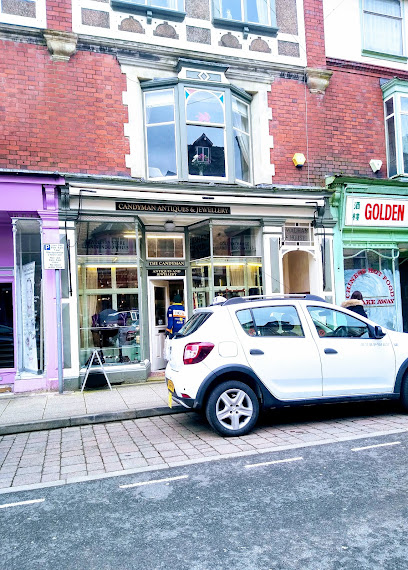
Candyman Antiques
14.1 km
Discover timeless antiques and trusted expertise at Candyman Antiques, Llandrindod Wells’ premier vintage jewellery and gold specialist.
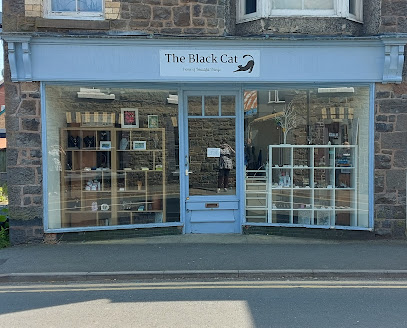
Black Cat Shop Llandrindod Wells
14.2 km
Discover unique handmade gifts, elegant fashion accessories, and artisan crafts at Black Cat Shop, a charming boutique in Llandrindod Wells.
Cribs Clothing
22.0 km
Discover curated ladies' and men's fashion in the heart of historic Builth Wells at Cribs Clothing, your boutique style destination.
Nice Find uk
22.0 km
Discover unique homewares and charming finds in the heart of Builth Wells at Nice Find UK, your local destination for style and quality.

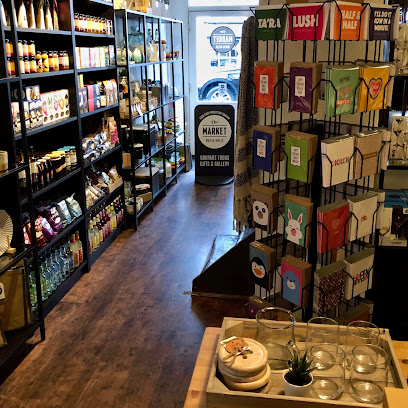
The Cwtch Market
22.1 km
Discover authentic Welsh gifts and gourmet treats at The Cwtch Market, a cozy boutique in the heart of Builth Wells.
Dolls and Dragons
22.1 km
Discover high-quality toys and baby clothing at Dolls and Dragons, a family-run gem in the heart of Builth Wells’ historic High Street.
Penelope Primrose
22.1 km
Discover unique gifts and charming homewares with a personal touch at Penelope Primrose, Builth Wells’ beloved family-run gift shop.

I Am Curious Yellow
22.1 km
Discover vintage treasures and timeless charm at I Am Curious Yellow, Builth Wells’ eclectic antique shop on Smithfield Road.
No1 High Street
24.5 km
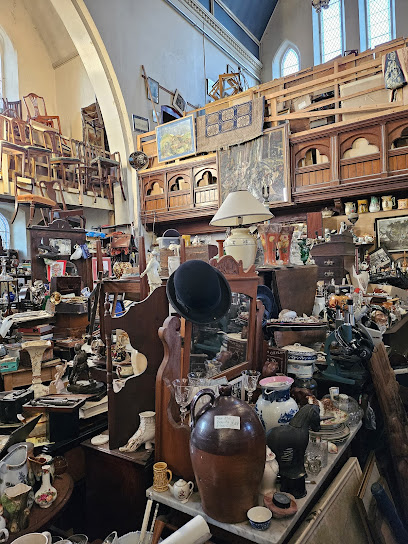
Discover unique local treasures and handcrafted gifts in the heart of Newtown at No1 High Street, a charming and welcoming gift shop.

Essential bars & hidden hideouts

The Eagles Inn
3.7 km
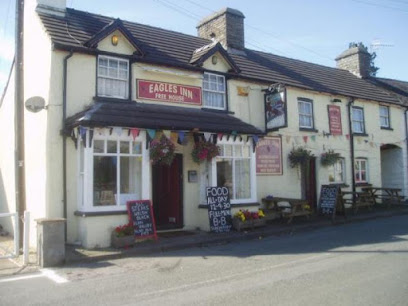
A historic Welsh pub and inn in Rhayader offering hearty food, friendly service, and a scenic beer garden with mountain views.
The Castle
3.8 km
A friendly, historic pub in Rhayader offering hearty meals, live sports, and a pioneering vegetarian menu in a lively, welcoming setting.
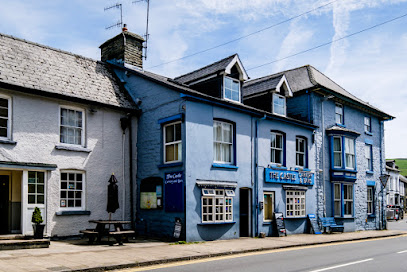
Log Cabin
14.2 km
Discover the warmth and charm of Log Cabin Pub in Llandrindod Wells, where local ales and delicious dishes create a cozy escape.
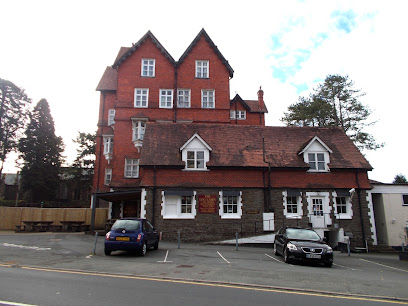
Golden Lion Inn
14.2 km
A welcoming traditional pub in Newbridge on Wye serving hearty classic meals and fostering genuine village charm.
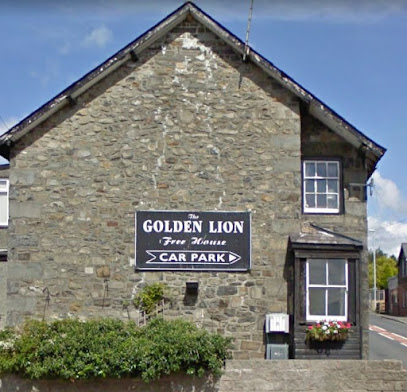
Arvon Ale House
14.3 km
Cozy micropub in Llandrindod Wells offering award-winning real ales, ciders, and a warm, intimate atmosphere for craft beer enthusiasts.
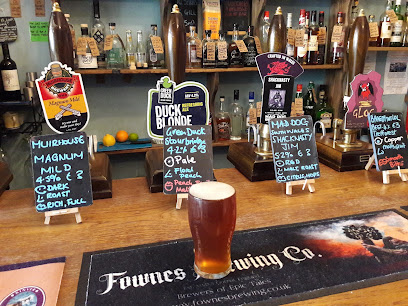
The Temple Bar Llandrindod Wells
14.4 km
A vibrant Welsh pub in Llandrindod Wells offering local ales, hearty menus, and a warm community atmosphere all week long.
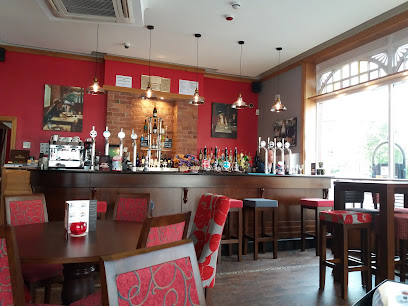
The Fountain Inn
22.0 km
A cozy and friendly pub in Builth Wells serving hearty meals and welcoming guests daily from morning to midnight.
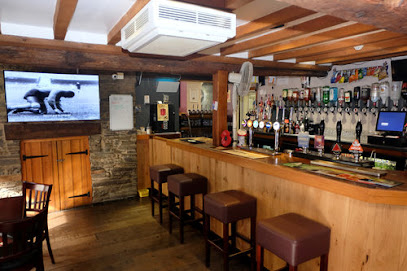
The White Horse
22.1 km
A charming pub in Builth Wells blending Welsh tradition with modern comfort, known for hearty fare and a friendly atmosphere.
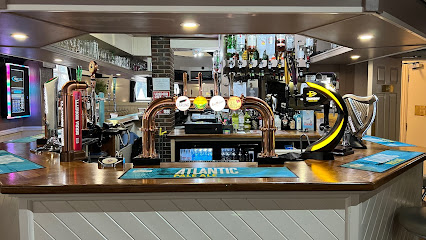
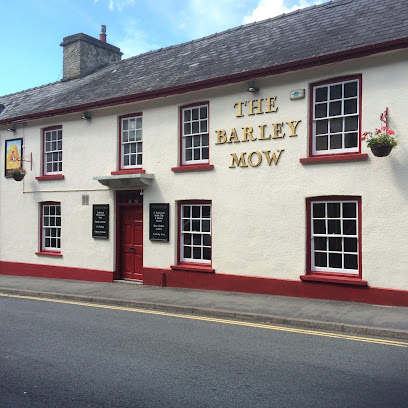
The Barley Mow Public House
22.1 km
Experience authentic Welsh pub culture with hearty food, local ales, and lively atmosphere at The Barley Mow in Builth Wells.
The Radnorshire Arms
24.3 km
Historic 17th-century Welsh pub offering hearty meals, local ales, and warm hospitality in the tranquil Teme Valley near Knighton.
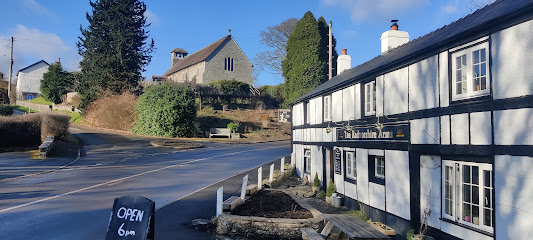
Buck Inn
24.4 km
Historic 17th-century pub in Newtown with lively karaoke, real ales, and a warm, inclusive atmosphere for all.
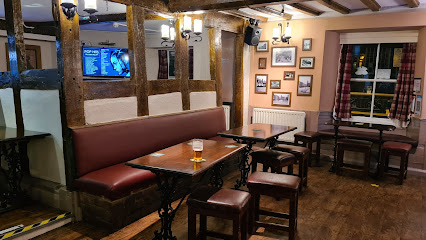
The Railway Tavern
24.5 km
A cozy, welcoming pub in Newtown with great ales, roaring fires, and a lively community spirit all year round.
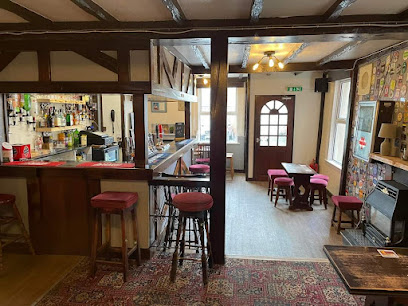
The Sportsman
24.5 km
A lively and welcoming Newtown pub serving quality drinks and hearty fare in a friendly, dog-friendly setting with a charming beer garden.
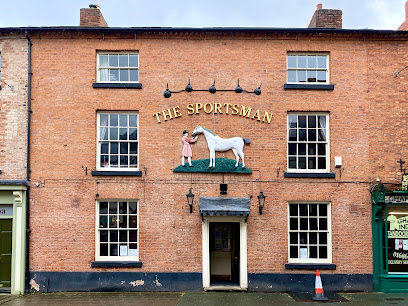
Tybrith
25.0 km
A cozy, rustic pub in Carno offering authentic Welsh hospitality and local ales in a warm, welcoming atmosphere.
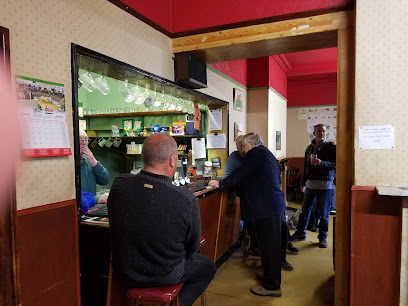
The Kerry Lamb
25.9 km
A cozy pub in Kerry, Powys, serving fresh homemade British classics with a warm, welcoming atmosphere and great value.
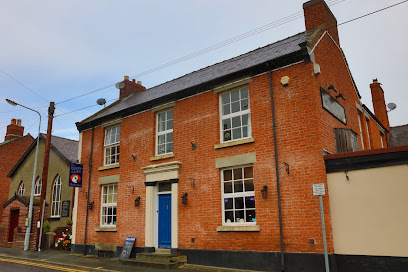
Nightclubs & after hour spots

Basement Sessions
12.9 km
Dive into the lively nightlife of Llanidloes at Basement Sessions, where eclectic music and vibrant energy create memorable experiences.
Caersws Village Club
21.3 km
A vibrant village club in Caersws offering lively events, warm community spirit, and a welcoming atmosphere in the heart of rural Wales.
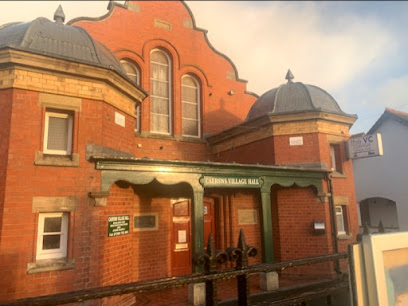
Jac’s Mansion
22.1 km
Experience welcoming, vibrant LGBTQ+ nightlife at Jac’s Mansion, Builth Wells’ iconic gay nightclub with a lively, inclusive atmosphere.
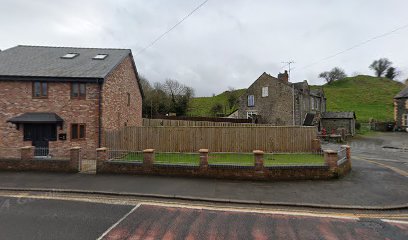
The Monty Club
24.5 km
A welcoming social and sports club in Newtown with ample space for pool, snooker, darts, and vibrant community events.
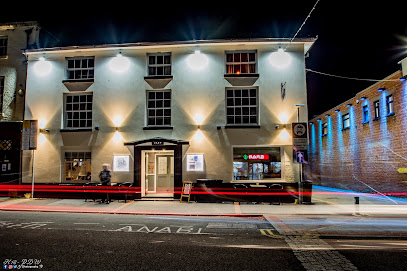
Yokoswnb
39.4 km
A vibrant, budget-friendly nightclub and bar in Aberystwyth, popular with students for its lively atmosphere and central location.

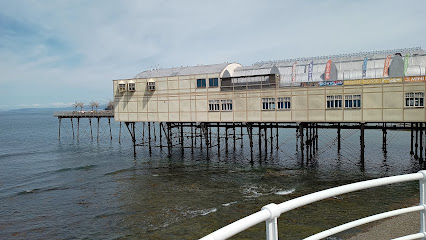
Pier Pressure
39.5 km
Experience Aberystwyth’s vibrant nightlife at Pier Pressure, a lively nightclub set on the historic Royal Pier by scenic Cardigan Bay.
Brecon Working Mens Club
43.8 km
Experience authentic Welsh hospitality at Brecon Working Mens Club, where locals gather for drinks and camaraderie in a charming setting.
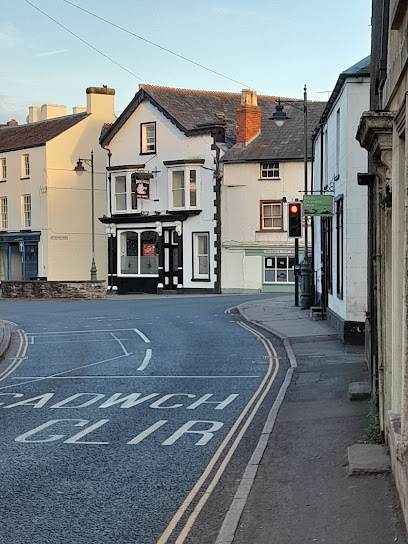
BRECON JAZZ
43.8 km
Experience the soulful sounds of Brecon Jazz, an intimate venue celebrating the rich heritage of jazz music in the heart of Wales.
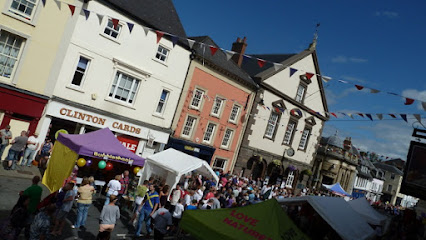
Brecon Jazz Club (Muse Arts Centre)
43.9 km
Discover the heart of jazz in Brecon at the Brecon Jazz Club, where live music and a vibrant atmosphere collide for an unforgettable night.
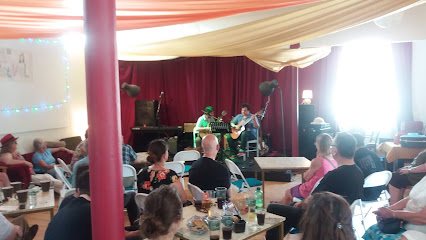
Northcote Conservative Club
43.9 km
Discover the lively ambiance of Northcote Conservative Club, Brecon's premier destination for nightlife, music, and local culture.
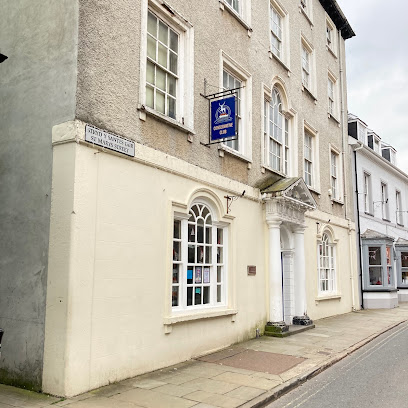
hop in beer and gin
44.1 km
Discover the charm of Hop In Beer and Gin in Brecon, where artisanal brews meet a cozy atmosphere for an unforgettable experience.
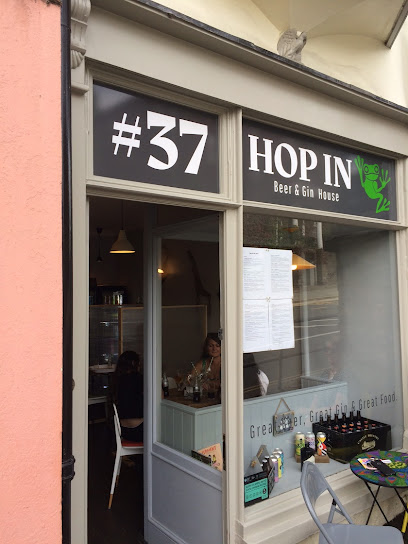
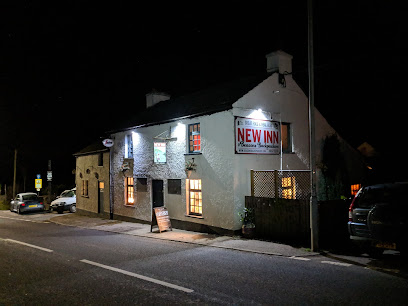
The New Inn
53.0 km
Experience the charm of Welsh hospitality at The New Inn, a delightful pub in Bwlch, perfect for unwinding after exploring Brecon Beacons.
The Club Barmouth
56.4 km
Experience vibrant Saturday nights at The Club Barmouth, where stylish vibes meet lively music by the scenic Welsh coast.
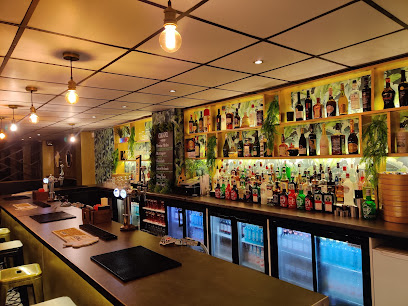
New Horizons
61.4 km
Experience vibrant nightlife and lively music at New Horizons, Dyffryn Ardudwy’s welcoming nightclub with spaces for all ages.

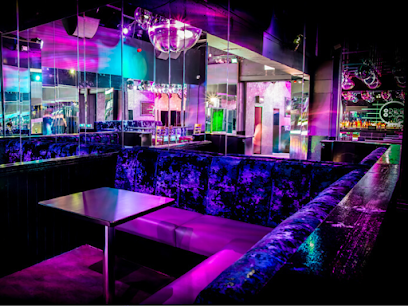
Trilogy Hereford
63.0 km
Experience Hereford’s vibrant nightlife at Trilogy, a dynamic nightclub pulsing with music and energy until the early morning hours.
For the vibe & atmosphere seeker
- Scenic
- Tranquil
- Nature Escape
- Adventurous
For the design and aesthetic lover
- Rustic Designs
For the architecture buff
- Historic
- Parks & Gardens
- Heritage Neighborhoods
For the view chaser and sunset hunter
- Panoramas
- Iconic Views
- Sunrise Spots
- Sunset Spots
For the social media creator & influencer
- Photo Spots
- Instagrammable
- Aesthetic Corners
For the eco-conscious traveler
- Protected Area
- Nature Reserve
- Eco-Friendly
- Sustainable
- Wildlife Habitat
- Locally Managed
- Leave-No-Trace Critical
For the kind of experience you’re after
- Nature Escape
- Photowalk
- Cultural Heritage
- Day Trip
- Myth & Legends
For how adventurous you want the journey to be
- Easy Access
- Requires Hike
Location Audience
- Family Friendly
- Senior Friendly
- Child Friendly
- Pet Friendly
- Solo Friendly
- Couple Friendly
- Wheelchair Access


