Eagle Stone Travel Guide
Free Guide: Discover the ancient Eagle Stone, a carved Pictish relic steeped in clan history and Highland legend near Strathpeffer.


A brief summary of Eagle Stone
Discover the ancient Eagle Stone, a carved Pictish relic steeped in clan history and Highland legend near Strathpeffer.
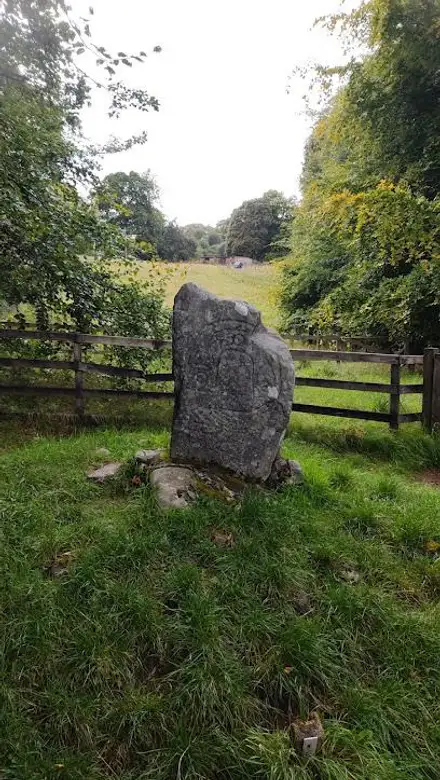
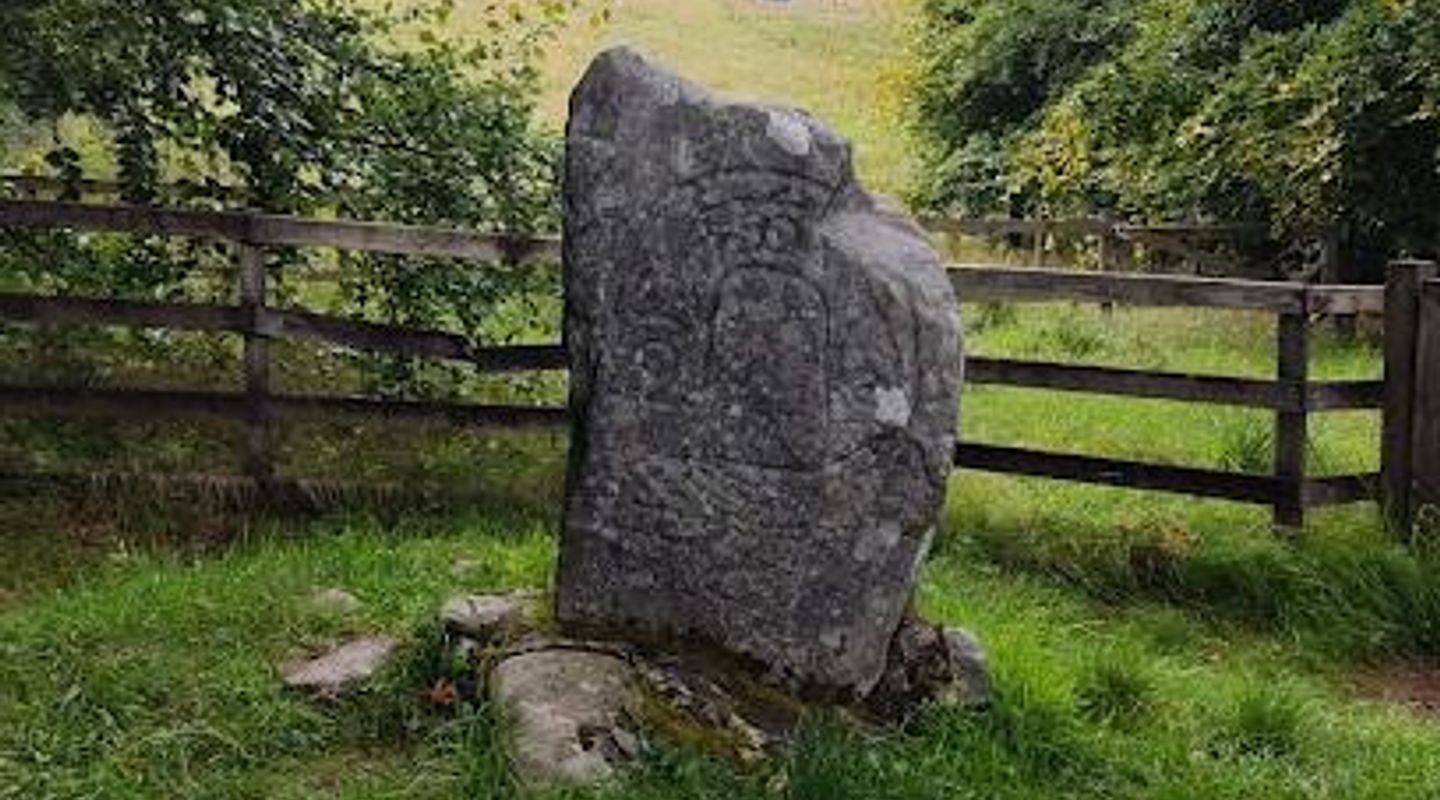
The Eagle Stone, or Clach an Tiompain, is a carved Pictish symbol stone dating from the 5th or 6th century, located near Strathpeffer in the Scottish Highlands. Made of blue gneiss, it features an eagle and a horseshoe-like arc, believed to commemorate a 1411 clan battle victory. The stone is linked to local legends, including prophecies by the Brahan Seer, and is securely set in concrete to prevent further falls. It stands as a rare, evocative relic of Scotland’s early medieval heritage.
On-site amenities
 Information boards
 Seating areas
 Trash bins
- Address
- The Old Station, Strathpeffer IV14 9DH
Getting there
Bus
Car
Walking
Discover more about Eagle Stone
Origins and Symbolism of the Eagle Stone
The Eagle Stone, known in Gaelic as Clach an Tiompain or the "Sounding Stone," is a remarkable example of early Pictish art carved on a natural blue gneiss boulder. Measuring approximately 32 inches high, 24 inches wide, and 10 inches thick, it dates back to the 5th or 6th century AD. The stone’s two principal carvings—a detailed eagle with folded wings and a horseshoe-shaped arc above it—are characteristic of Class I Pictish symbol stones, which feature incised designs on unshaped stones. The eagle is thought to symbolize the Munro clan, while the horseshoe or arch remains open to interpretation, possibly representing a rainbow or a battle commemoration. The stone’s original purpose is shrouded in mystery, but it likely held spiritual or clan significance in Pictish society.
Historical Journey and Clan Legacy
Originally located near Fodderty cemetery between Dingwall and Strathpeffer, the Eagle Stone was moved to its current hilltop site near Strathpeffer in 1411. This relocation is traditionally linked to the Munro clan’s victory over the MacDonalds in a fierce battle that year, with the stone marking the burial site of fallen Munro warriors. The stone thus stands as a tangible memorial to Scotland’s turbulent clan history and the fierce territorial conflicts of the medieval Highlands. Its presence near Nutwood Lane adds a layer of local character, blending ancient heritage with the pastoral landscape of Easter Ross.
Legends and Prophecies Surrounding the Stone
The Eagle Stone is entwined with the lore of the Brahan Seer, a 16th-century Scottish prophet whose predictions have become part of Highland folklore. According to legend, the Seer foretold that if the Eagle Stone fell three times, a great flood would engulf the surrounding valley. The stone has reportedly toppled twice, prompting locals to cement it firmly in place to prevent a third fall. This prophecy adds an intriguing mystical dimension to the stone, linking it to themes of fate, nature’s power, and the supernatural in Scottish cultural memory.
Present Setting and Visitor Experience
Today, the Eagle Stone stands within a fenced enclosure on a gentle hill at the eastern edge of Strathpeffer, accessible by a short walk from the village center. The site offers a quiet, contemplative atmosphere amid the scenic Highland landscape, where visitors can appreciate the stone’s intricate carvings and reflect on its ancient origins. Signposted paths guide visitors safely to the stone, avoiding busy roads, and the surrounding area retains a rural charm with hedgerows and open fields. The stone’s modest size belies its cultural weight as a rare surviving artifact of Pictish art and Highland clan history.
Connection to Strathpeffer’s Rich Heritage
Strathpeffer itself is a village steeped in history, once famed for its Victorian spa and railway station, which played a vital role in bringing visitors to the Highlands. The Eagle Stone complements this heritage by linking the area’s deep prehistoric and medieval past with its later cultural developments. Nearby, the Old Station building now houses museums and craft outlets, further enriching the visitor experience. Together, these sites illustrate the layers of history that define Strathpeffer, from ancient symbol stones to Victorian leisure and transport.
Conservation and Cultural Significance
The Eagle Stone is carefully conserved, with concrete securing it to prevent damage or accidental falls. Its preservation reflects local respect for Scotland’s archaeological heritage and the importance of safeguarding early medieval monuments. As a Class I Pictish symbol stone, it offers invaluable insights into the art, beliefs, and clan dynamics of early Scotland. The stone’s continued presence invites reflection on the passage of time, the endurance of cultural symbols, and the stories that shape regional identity in the Highlands.
Evendo Review Centre
 Google
Guest reviews
Best time to go
Quietest: Jan, Feb & Dec · before 6am or at 8pm
Busy times are Evendo estimates for a typical year, to help you plan. Actual crowds vary with events, school holidays and the weather.
Explore Eagle Stone on the map
A handpicked selection of must-see spots near Eagle Stone, mapped for you.
Get your free copy of our complete guide to Eagle Stone, delivered straight to you.
Everything on this page, from opening hours and how to get there to Eve’s tips and the best time to go, in one PDF you can read offline, print or share.
Already have an account? Sign in
Your Eagle Stone guide is ready.
We'll send it to · Not you? Sign out

Getting your guide ready…
We are putting together a fresh copy of the Eagle Stone guide. This can take up to a minute.
This can take a few moments. If your browser asks, choose Allow so the download can start. You'll find the guide in your Downloads folder.
Nothing happened? Download it again
Sorry, the guide is taking longer than usual. Please try again in a minute, or get it by email instead.
Other nearby places you may find interesting
The closest places of the same kind, if this one is not quite what you had in mind.
-
The Secret Beach Discover Nairn’s Secret Beach, a peaceful stretch of white sands and dunes offering solitude, wildlife, and timeless coastal beauty.
-
Nairn Museum Discover Nairn’s history and heritage through engaging exhibits in the charming Regency-era Viewfield House.
-
Boath Doocot Explore the historic 17th-century Boath Doocot, a circular dovecote perched on a mound overlooking the battlefield plains near Auldearn village.
-
RSPB Culbin Sands Explore the windswept dunes and rich birdlife of RSPB Culbin Sands, a protected coastal reserve with unique history and stunning natural beauty.
-
Brodie Castle and Estate Explore Brodie Castle’s rich history, stunning gardens, and family-friendly Playful Garden in the heart of scenic Moray countryside.
Swipe for more places
More to explore near Eagle Stone

 Best experiences near Eagle Stone
 Best hotels near Eagle Stone
 Best landmarks near Eagle Stone
 Best attractions near Eagle Stone
 Best shops near Eagle Stone
 Best restaurants near Eagle Stone
 Best bars near Eagle Stone
Do you manage this location?
Take control to get all the benefits, like improved information, better appearance, and stronger visibility across AI-powered discovery.
Explore more

Explore more of Nairnshire
Discover Nairnshire: A peaceful Scottish haven where coastal beauty meets rich history and warm local hospitality.
Explore Nairnshire
Explore more of United Kingdom
Discover the United Kingdom: A blend of rich history, stunning landscapes, and vibrant cities, offering a unique travel experience for every visitor.
Explore United Kingdom