
Boath Doocot: A 17th-Century Scottish Dovecote Steeped in History
Explore the historic 17th-century Boath Doocot, a circular dovecote perched on a mound overlooking the battlefield plains near Auldearn village.
Boath Doocot is a well-preserved, circular dovecote dating from the late 1600s, located on a mound near Auldearn village, Nairn, Scotland. This historic structure, once part of the Boath House estate, stands 7.5 meters tall and overlooks the plains where the Battle of Auldearn was fought in 1645. Maintained by the National Trust for Scotland, it offers visitors a glimpse into rural Scottish heritage and architecture.
A brief summary to Boath Doocot
- Doocot Rd, Nairn, Auldearn, IV12 5TF, GB
- Visit website
- Duration: 0.5 to 1.5 hours
- Free
-
 Outdoor
- Mobile reception: 4 out of 5
- Monday 12 am-12 am
- Tuesday 12 am-12 am
- Wednesday 12 am-12 am
- Thursday 12 am-12 am
- Friday 12 am-12 am
- Saturday 12 am-12 am
- Sunday 12 am-12 am
Local tips
- Visit during daylight hours to fully appreciate the panoramic views and architectural details.
- Bring a camera for excellent photo opportunities of the dovecote and surrounding Highland landscape.
- Wear sturdy footwear as the site is on a mound with uneven terrain.
- Combine your visit with a walk around Auldearn village to explore local history.

For the on-the-go comforts that matter to you
- Information Boards
- Seating Areas
- Trash Bins
Getting There
-
Car
Driving from Nairn town center to Boath Doocot takes approximately 15-20 minutes via local roads. Limited parking is available near the site; the terrain is uneven, so suitable footwear is recommended. There is no parking fee.
-
Bus
Local bus services connect Nairn with Auldearn village, with a journey time of around 25-30 minutes. From the village, a 10-15 minute walk on rural paths leads to the dovecote. Bus services may be less frequent on weekends.
-
Walking
For walkers, a scenic 1.5-hour hike from Nairn follows country lanes and footpaths to Auldearn and the Boath Doocot. The route includes some uneven ground and gentle inclines.
Boath Doocot location weather suitability
-
 Any Weather
-
 Rain / Wet Weather
-
 Clear Skies
-
 Mild Temperatures
-
 Windy Conditions
Discover more about Boath Doocot
Architectural Heritage of Boath Doocot
Boath Doocot is a striking example of a late 17th-century dovecote, constructed in a completely circular form and rising approximately 7.5 meters high. The structure is harled with ashlar dressings, featuring a south-east facing entrance door with a set of six flights. Its circular design was typical for dovecotes of the period, built to house pigeons which were an important food source. The doocot’s enduring stone construction and distinctive shape make it a notable landmark in the Scottish Highlands.Historical Context and Estate Origins
Originally built as part of the Boath House estate, the dovecote reflects the agricultural practices and estate management of 17th-century Scotland. It was designed to support the household by providing fresh meat and eggs through pigeon keeping. The estate itself was significant in the region, and the dovecote stands as a surviving relic of the rural economy and lifestyle of that era. Its location on a mound near Auldearn village situates it within a landscape rich in Scottish history.Connection to the Battle of Auldearn
The mound on which Boath Doocot stands overlooks the plains stretching toward Garlic Hill, the site of the Battle of Auldearn in May 1645. This battle was a key conflict during the Wars of the Three Kingdoms, involving forces loyal to the Scottish Covenanters and Royalists. While the dovecote postdates the battle, its position offers a tangible link to the surrounding historic landscape, inviting reflection on the region’s turbulent past.Preservation and Public Access
Today, Boath Doocot is maintained by the National Trust for Scotland, which acquired the site in 1947 to preserve its historic and architectural value. The doocot is accessible to visitors year-round, though it has no formal opening hours as it is an outdoor heritage site. Its well-preserved condition allows visitors to appreciate the craftsmanship and rural heritage of the Highlands. The site is also a peaceful spot for contemplation amidst the scenic surroundings.Visitor Experience and Surroundings
Visitors to Boath Doocot can enjoy panoramic views of the surrounding countryside, including the plains and Garlic Hill. The area offers a tranquil atmosphere, ideal for photography, history enthusiasts, and those interested in Scottish cultural heritage. The mound’s elevated position provides a unique vantage point, enhancing the sense of connection to the past and the natural environment.Significance in Scottish Cultural Heritage
As a rare surviving example of a 17th-century dovecote, Boath Doocot holds cultural and historical significance. It embodies traditional agricultural practices and estate life in Scotland’s Highlands. Its preservation by the National Trust for Scotland ensures that this piece of rural heritage continues to educate and inspire visitors, linking present-day Scotland with its rich historical tapestry.Iconic landmarks you can’t miss

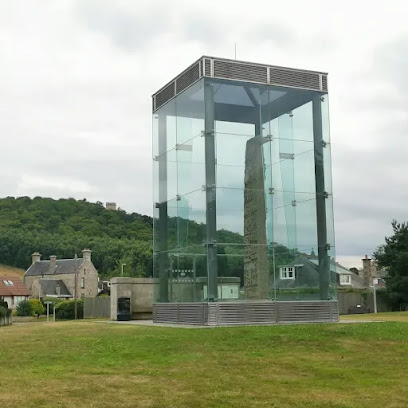
Sueno's Stone
13.5 km
Scotland's tallest Pictish monument—a 6.5-metre enigma carved with battle scenes and royal ceremony.
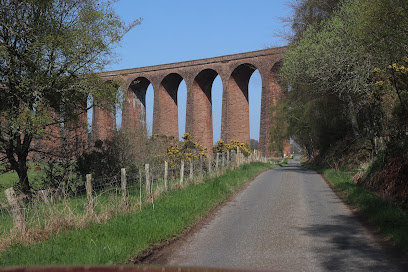
Culloden Viaduct
18.6 km
Scotland’s longest masonry viaduct, a stunning 29-arch railway bridge spanning the River Nairn valley near historic Culloden Battlefield.
Leanach Farm
19.5 km
Experience authentic Highland farm life with luxury comfort, scenic views, and historic sites just minutes from Inverness.

Asliesk Castle (remains)
19.6 km
Explore the ivy-clad ruins of Asliesk Castle, a 16th-century Scottish tower house steeped in history and legend near Elgin, Moray.
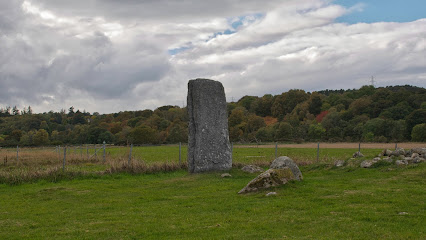
Milton of Clava
20.2 km
Explore ancient Bronze Age burial cairns and standing stones in a serene Scottish setting near the historic Culloden Moor.
Culloden House Hotel
21.6 km
Elegant Georgian mansion with historic charm, fine dining, and tranquil gardens near Inverness in the Scottish Highlands.
Crook of Alves (historical placename)
22.7 km
Discover the Crook of Alves, a cultural landmark in Elgin, where history meets stunning natural beauty in Scotland's captivating landscapes.
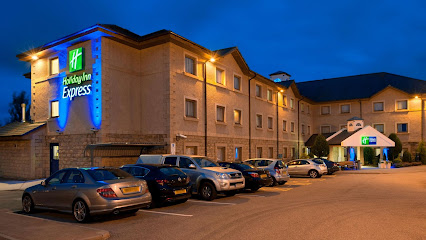
Holiday Inn Express Inverness, an IHG Hotel
24.5 km
Comfortable, eco-friendly hotel in Inverness offering modern rooms, free breakfast, and easy access to Highland attractions.
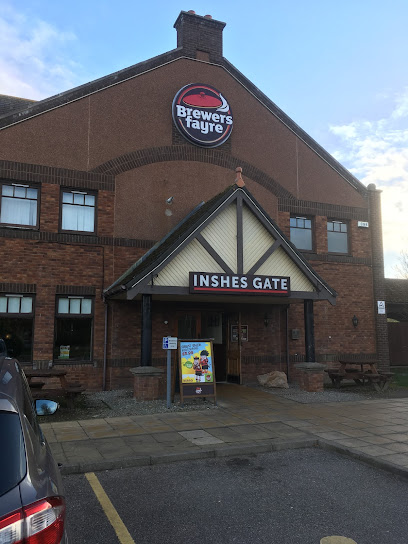
Inshes Gate Brewers Fayre
25.2 km
Experience the warmth of family dining at Inshes Gate Brewers Fayre, featuring delicious British cuisine in a welcoming atmosphere.
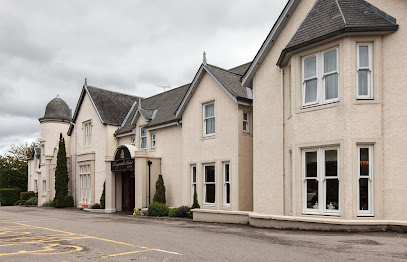
Kingsmills Hotel
26.4 km
Historic elegance meets modern luxury with spa, pool, fine dining, and tranquil grounds just minutes from Inverness city center.
Silverstrands Guest House
26.6 km
Discover the charm of Inverness at Silverstrands Guest House, where comfort meets Scottish hospitality in a picturesque setting.
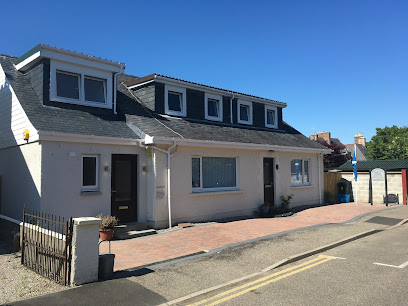
The Broad Stone, Inverness
26.6 km
Discover Inverness’s ancient Broad Stone, a mysterious medieval relic with a storied past nestled between city parks.
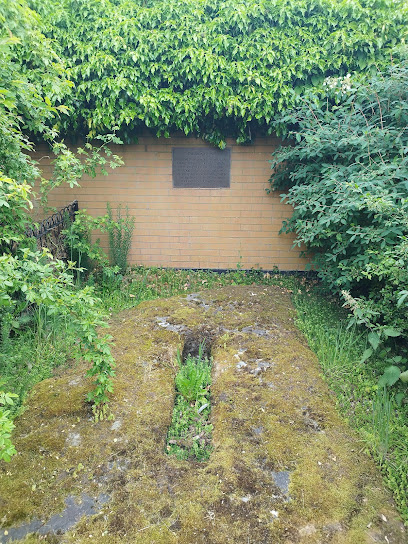
Visit Inverness Loch Ness
26.7 km
Explore the enchanting Inverness and Loch Ness, where history, natural beauty, and adventure come together in the heart of the Scottish Highlands.
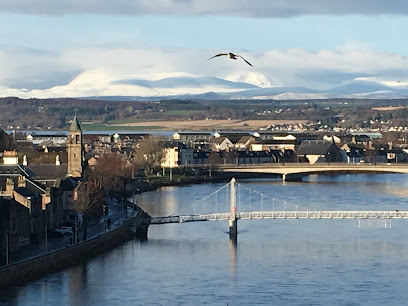
The Corriegarth
26.7 km
Cozy and friendly Highland hotel with a charming pub, quality dining, and peaceful rooms near Inverness city center.
St John's Scottish Episcopal Church, Inverness
26.7 km
Explore the serene beauty and architectural splendor of St John's Scottish Episcopal Church, a historic landmark in the heart of Inverness.
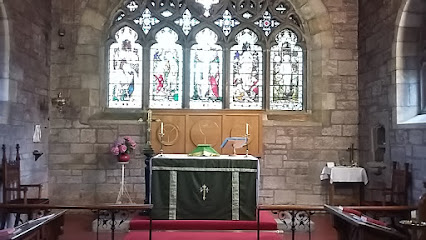
Unmissable attractions to see

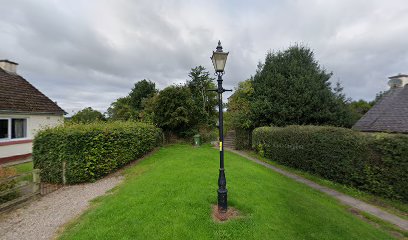
Auldearn Castle
0.0 km
Explore the historic 12th-century motte and dovecote of Auldearn Castle, a royal Scottish stronghold steeped in medieval and Civil War history.
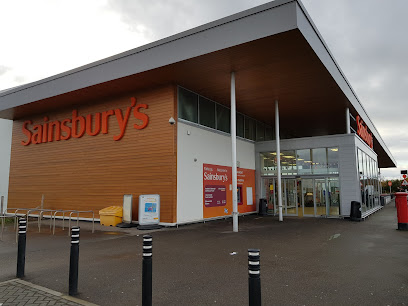
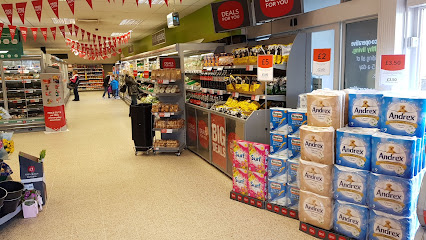
Sainsbury's
2.4 km
A convenient and comprehensive supermarket in Nairn’s Balmakeith Business Park, offering fresh produce, bakery delights, and everyday essentials.
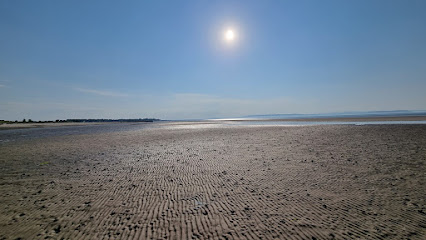
RSPB Culbin Sands
2.9 km
Explore the windswept dunes and rich birdlife of RSPB Culbin Sands, a protected coastal reserve with unique history and stunning natural beauty.
Wester Hardmuir Fruit Farm
3.0 km
Pick your own soft fruit, enjoy homemade treats, and taste the Highlands at this friendly family-run farm near Nairn.
Nairn Harbour
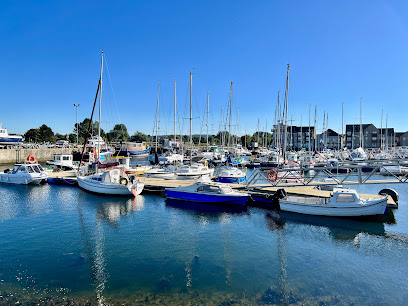
3.3 km
A historic fishing harbour turned leisure marina, offering stunning coastal views and a warm Highland welcome on Scotland’s Moray Firth.
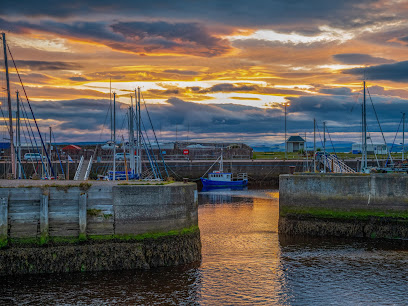
Nairn Boat Trips
3.3 km
Moray Firth dolphin cruises from a welcoming harbour town with expert crew and modern comfort.
Scottish Exotic Animal Rescue
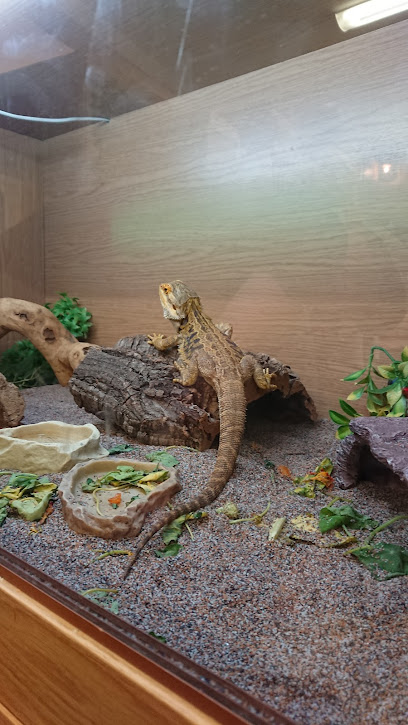
3.3 km
A compassionate refuge in Nairn offering sanctuary and education for exotic animals through immersive, appointment-based visits.
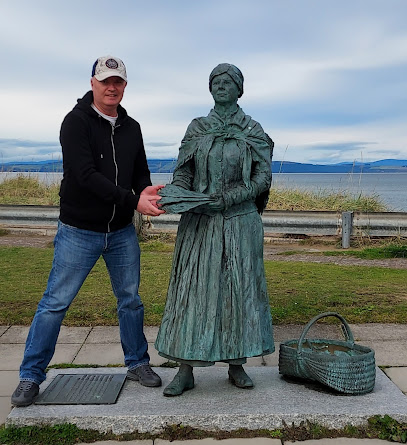
Nairn Fisherwife Statue
3.3 km
Discover the Nairn Fisherwife Statue, a poignant tribute to the resilient women of the fishing community, set against breathtaking coastal views.
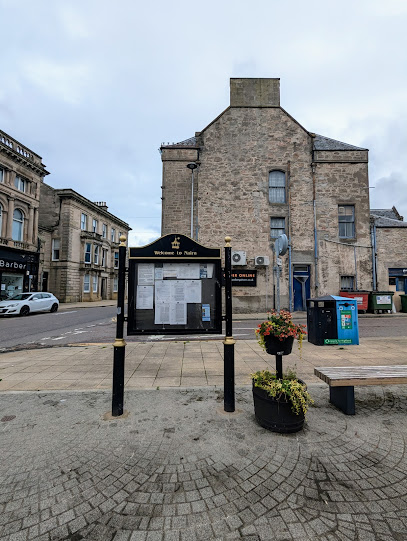
Castle Square
3.4 km
Historic Castle Square in Nairn, where medieval roots meet charming coastal town life and vibrant community culture.
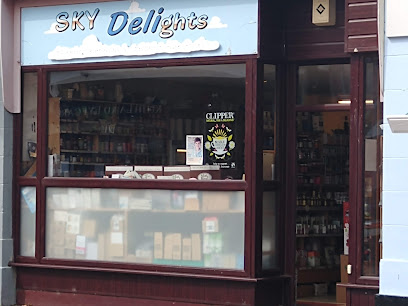
SKY Delights
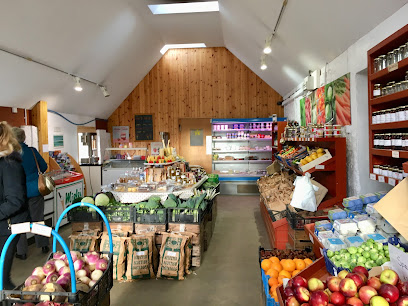
3.6 km
A cozy health food deli in Nairn offering fresh, wholesome bites and a welcoming atmosphere for health-conscious visitors.
Nairn Highland Games
3.6 km
Experience the vibrant spirit of Scotland’s oldest free Highland Games, where tradition, sport, and community unite on the scenic Nairn Links.
Co-op Food - Nairn - High Street
3.6 km
Conveniently located Co-op Food store on Nairn High Street, offering fresh groceries and essentials daily from early morning to late evening.
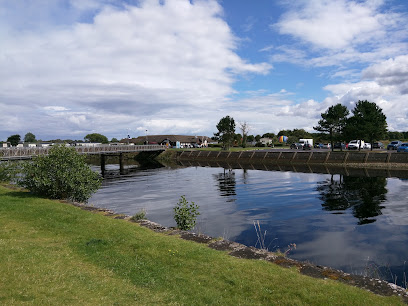
Nairn Beach
3.8 km
A serene sandy beach on Scotland’s Moray Firth, perfect for family fun, wildlife watching, and stunning coastal sunsets.
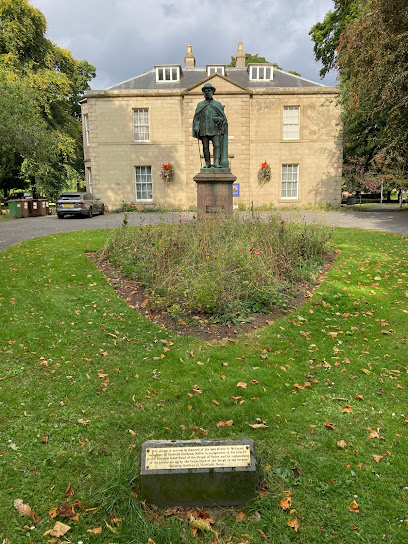
Nairn Museum
3.8 km
Discover Nairn’s history and heritage through engaging exhibits in the charming Regency-era Viewfield House.
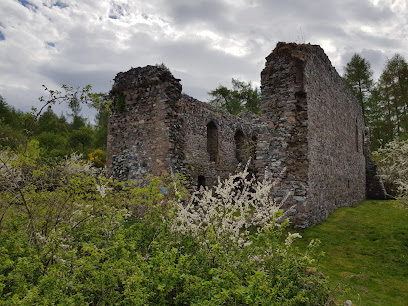
Rait Castle
3.9 km
Explore Rait Castle, a stunning heritage landmark in Nairn, offering rich history and picturesque views for every traveler.
Essential places to dine

Boath Garden Cafe
0.3 km
A tranquil garden café nestled within Boath House’s walled garden, offering fresh, seasonal dishes in a serene Highland setting.
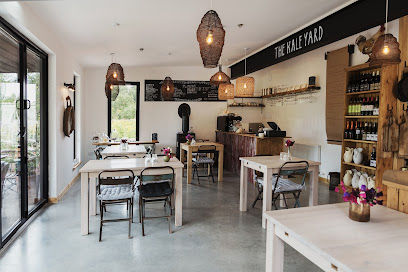
Boath House Restaurant & Rooms
0.3 km
Elegant Highland retreat blending historic charm with innovative dining and serene gardens near Nairn.
Househill Cafe
2.6 km
Experience vibrant brunch and lunch delights with a sustainable touch in the cozy, stylish setting of Househill Cafe, Nairn.
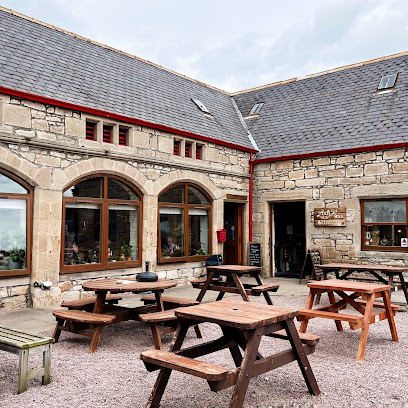
Spelding's Lounge Bar
3.2 km
Cozy coastal bar and restaurant with fresh seafood, live entertainment, and stunning marina views at Lochloy Holiday Park, Nairn.
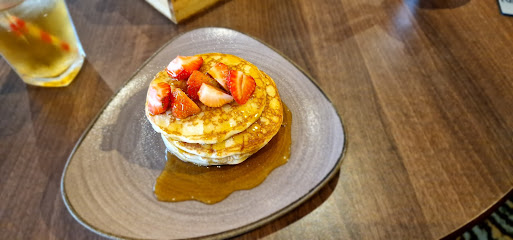
Jackos Bar & Diner
3.3 km
A lively grill and family-friendly bar in Nairn offering hearty meals, live music, and a welcoming atmosphere from noon till midnight.
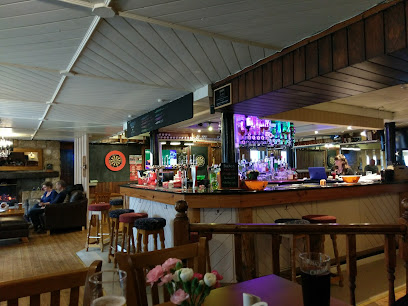
Cafe Nairn
3.4 km
Generous Highland breakfasts and exceptional value on Nairn's High Street.
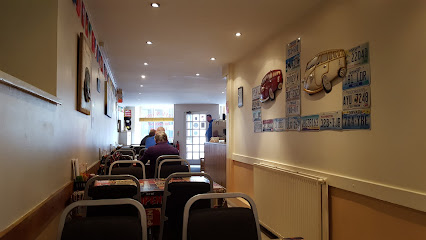
Sun Dancer, Bar and Restaurant
3.4 km
Charming Scottish seafood dining with stunning Moray Firth views in the heart of Nairn’s waterfront.
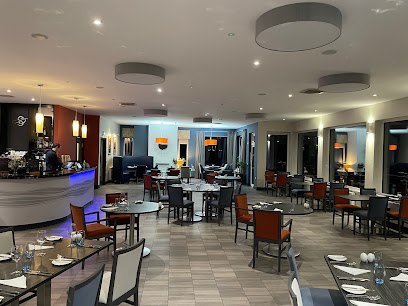
One One Two Wine Bar and Eatery
3.4 km
A stylish Nairn wine bar where small plates with South East Asian and Middle Eastern flavours meet hand‑picked wines in a relaxed, contemporary setting.
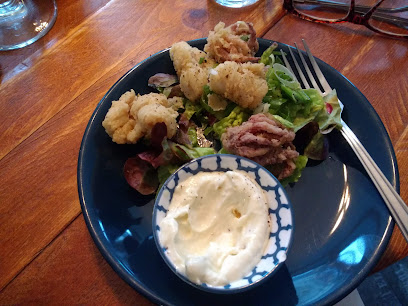
The Royal Bengal
3.4 km
Experience authentic Indian and Bangladeshi cuisine in a smart, welcoming setting on Nairn’s High Street, blending rich flavors with attentive service.
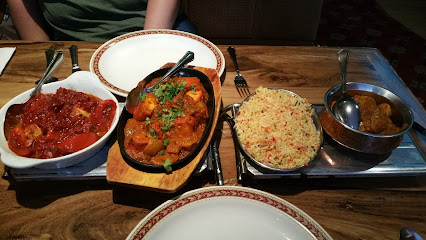
Thai Cottage
3.4 km
Authentic Thai flavours in a relaxed, no-frills setting on Nairn’s High Street – perfect for a satisfying, affordable dinner.
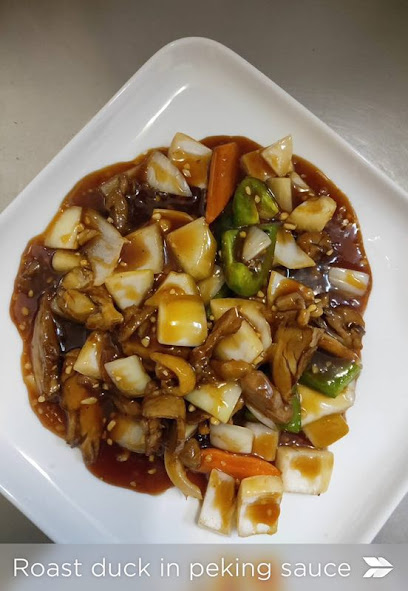
Salt & vinegar
3.4 km
Discover the authentic taste of Britain's favorite dish at Salt & Vinegar, where fresh fish meets golden chips in beautiful Nairn.
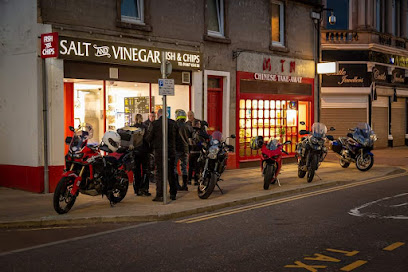
Lorenzo
3.4 km
A no-frills pizza takeaway on Nairn’s High Street, serving hot, generous slices for a casual evening meal by the Moray Firth.
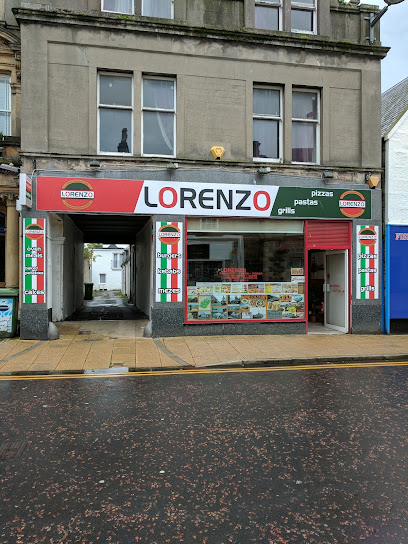
Nairn Tandoori
3.4 km
A reliable Indian restaurant on Nairn’s High Street, serving aromatic curries, tandoori grills, and generous portions in a relaxed, family-friendly setting.
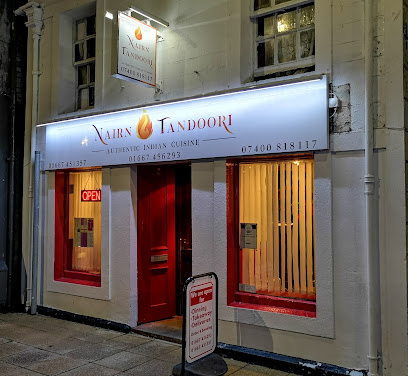
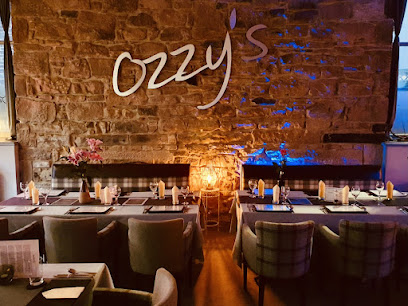
Ozzy's Fine Dining Restaurant
3.5 km
A unique blend of Scottish and Kurdish fine dining in the heart of Nairn, served with passion and impeccable hospitality.
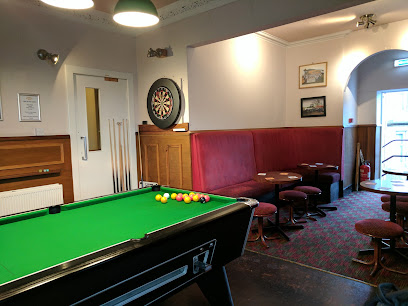
Uncle Bob's Bar
3.5 km
Experience the lively atmosphere at Uncle Bob's Bar in Nairn—your destination for great drinks, sports action, and community vibes.
Markets, malls and hidden boutiques

Auldearn Antiques
1.6 km
Discover timeless antiques and architectural treasures at Auldearn Antiques, a family-run gem in Nairn with over 35 years of expertise.
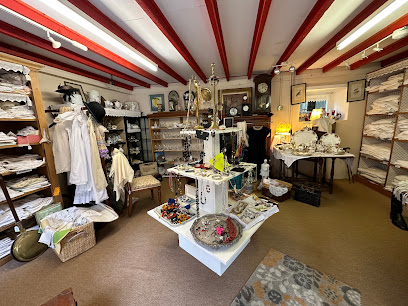
KLAS Clothing
1.8 km
A charming vintage clothing shop in Nairn, perfect for unique, sustainable fashion finds with a retro twist.
Home Bargains
2.3 km
Affordable everyday essentials and more at Home Bargains, Nairn’s trusted discount retailer in Balmakeith Business Park.
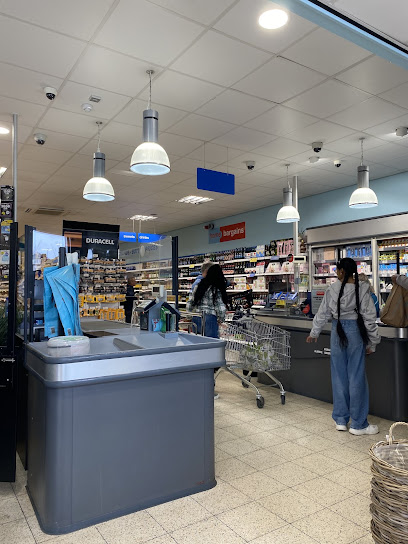
Nisa Local
3.1 km
Explore the charm of Nairn with Nisa Local, your go-to spot for unique gifts, local treats, and everyday essentials.
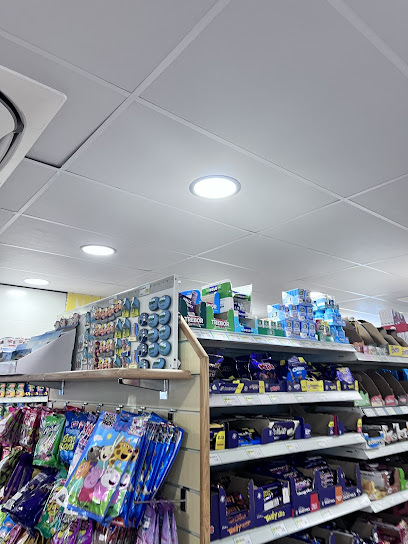
Bridgemill Direct
3.2 km
Your trusted source for quality outdoor clothing and gear in Nairn, bridging adventure with reliable equipment for all ages.

Grace Lily Lingerie
3.2 km
Discover elegant, comfortable lingerie with expert fittings at Grace Lily Lingerie, Nairn’s charming boutique for intimate apparel.
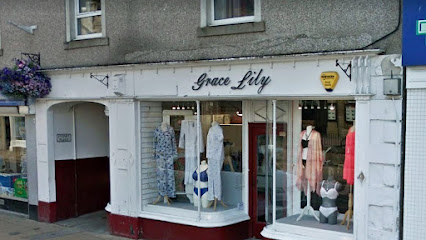
On The Upside
3.2 km
Discover unique handcrafted Scottish furniture blending traditional charm with contemporary style in Nairn’s welcoming boutique store.
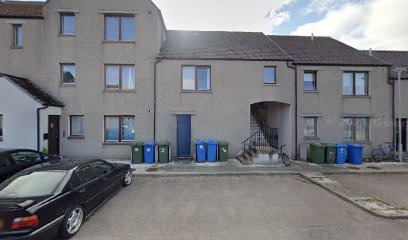
In Stitches
3.3 km
Expert dressmaking and alteration services in Nairn, delivering impeccable fit and craftsmanship for every occasion.

Caora Air Mara
3.4 km
Discover authentic Highland crafts and handmade treasures at Caora Air Mara, Nairn’s beloved artisan shop.
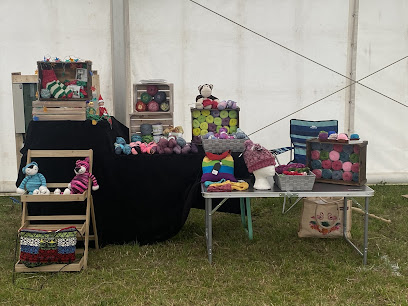
Crafty Wee Birdie
3.4 km
Discover unique local crafts and heartfelt gifts in the welcoming charm of Nairn’s Crafty Wee Birdie boutique.
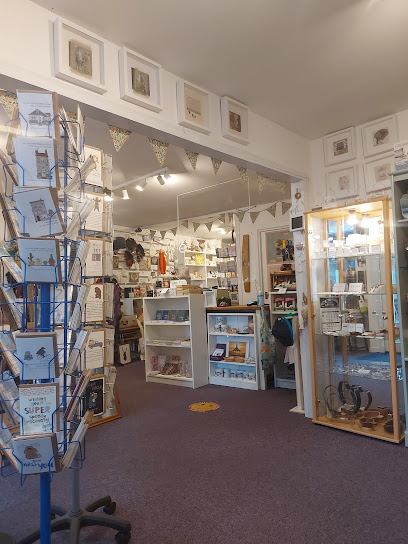
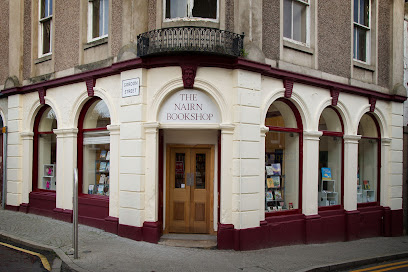
The Nairn Bookshop
3.4 km
A long‑standing independent bookshop on Nairn’s High Street, with a wide, thoughtful selection of fiction, non‑fiction, children’s books, and local interest titles.
Preloved Designer Fashion Boutique
3.4 km
Explore unique, sustainable designer fashion treasures in Nairn’s charming boutique, where style meets eco-consciousness.
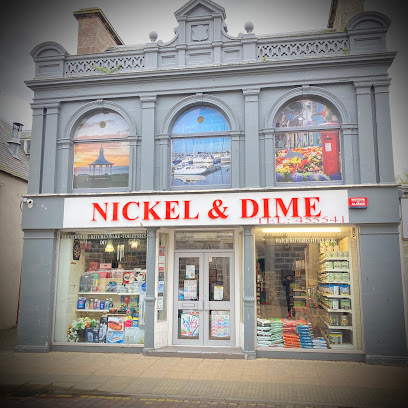
Nickel & Dime
3.4 km
Explore Nickel & Dime in Nairn: your go-to hardware shop for quality tools, paints, and unique home improvement essentials.
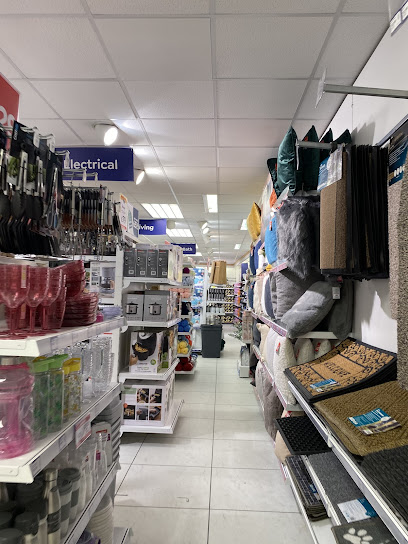
The Original Factory Shop (Nairn)
3.4 km
Discover unbeatable discounts on fashion, beauty, and more at The Original Factory Shop in Nairn’s vibrant High Street.
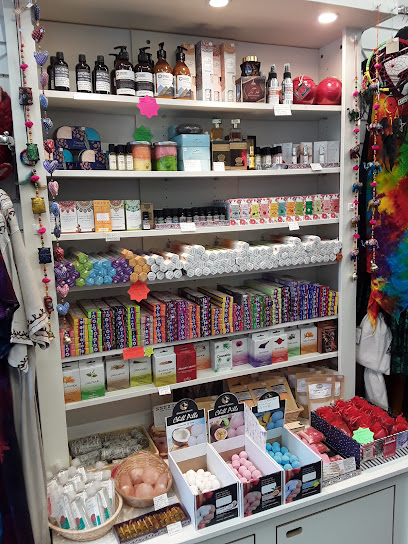
Maggies Hippylicious Dreams
3.5 km
Quirky bohemian shop on Nairn's High Street offering vintage clothing, handmade crafts, and alternative lifestyle treasures.
Essential bars & hidden hideouts

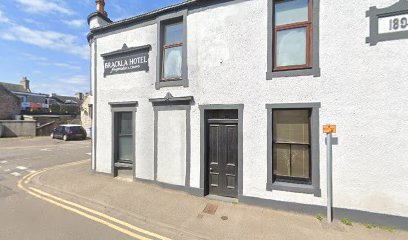
Brackla Hotel
3.3 km
A friendly and lively bar with comfortable hotel rooms, perfect for relaxing and socializing in the heart of Nairn.
Aido's bar
3.4 km
Aido's Bar offers a cozy, friendly pub experience in Nairn with local ales, live music, and a welcoming atmosphere for all visitors.
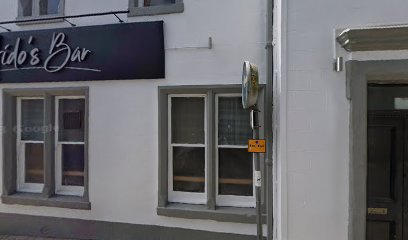
The Play House
3.4 km
Experience Nairn’s vibrant nightlife at The Play House, a lively nightclub and bar known for energetic music, dancing, and social fun.
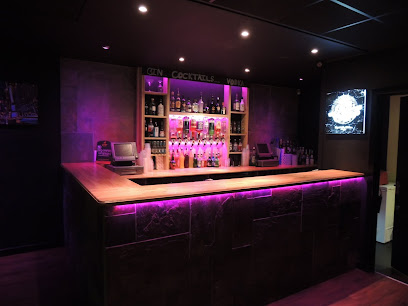
The Albert Inn
3.7 km
Cozy Scottish pub and hotel in Nairn offering exceptional steaks, warm hospitality, and a charming Highland atmosphere.
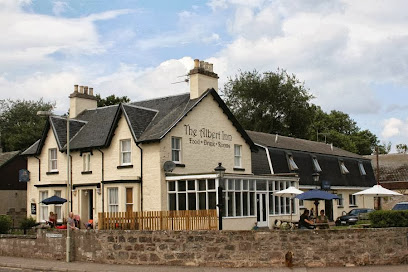
The Clubhouse B&B
4.3 km
Boutique coastal B&B in Nairn offering modern comfort, friendly service, and easy beach access for a peaceful Highland getaway.
Thistle Bar
12.2 km
Cozy and friendly bar on Forres High Street, offering affordable drinks and a warm local atmosphere every day from 11am to 10pm.
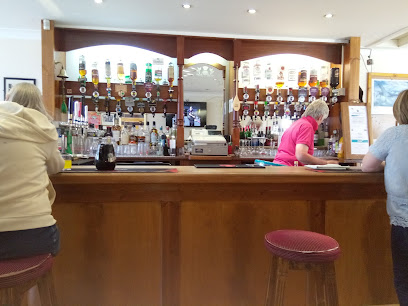
Legends
12.3 km
Lively pub with hearty fare, live weekend music, and a welcoming atmosphere in the heart of Forres.
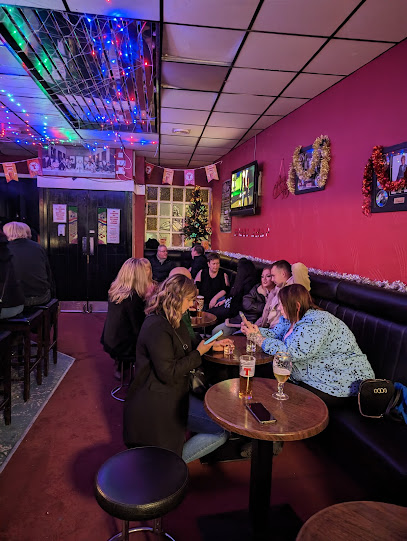
Sloe & Steady
12.4 km
Discover Forres’ cozy cocktail haven where creative drinks and a warm atmosphere blend for an unforgettable night out.
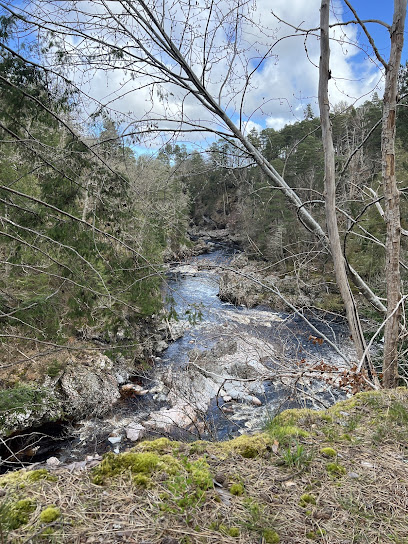
The Fishertown Inn
17.3 km
A cozy Georgian pub in Cromarty offering exceptional food, local ales, and a warm Highland welcome on historic Church Street.
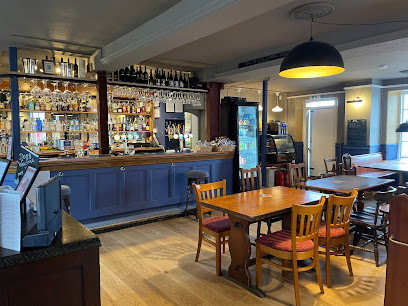
The Union Tavern
19.1 km
A cozy Fortrose pub offering local ales, live traditional music, and a warm, welcoming atmosphere on the Black Isle.
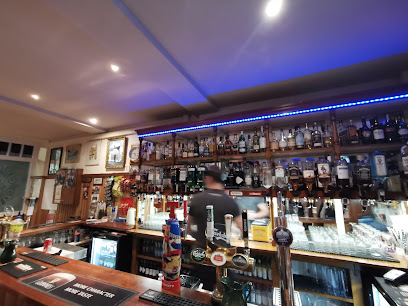
The Ship Inn
24.5 km
Experience warm Highland hospitality and home-cooked meals at The Ship Inn, your cozy retreat in Invergordon by the Cromarty Firth.
The Snow Goose
24.6 km
Cozy up by the fire at The Snow Goose, Inverness’s charming pub serving hearty Highland classics in a warm, welcoming setting.
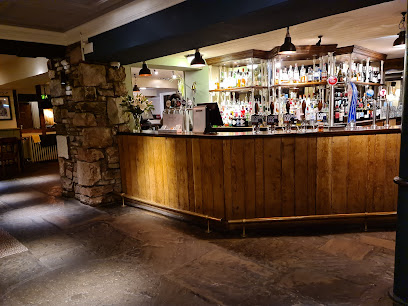
Braemou Inn
26.7 km
A cozy, welcoming pub and inn in Hopeman offering hearty homemade food, comfortable rooms, and a true taste of Scottish coastal hospitality.
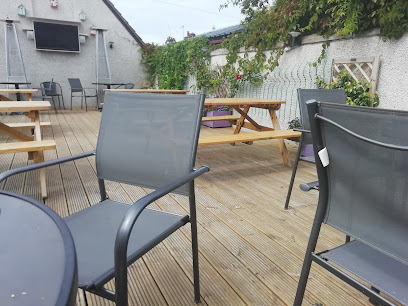
Dows Bar
26.8 km
A welcoming gastropub in Inverness blending local flavors, craft beers, and lively sports in a family-friendly setting.
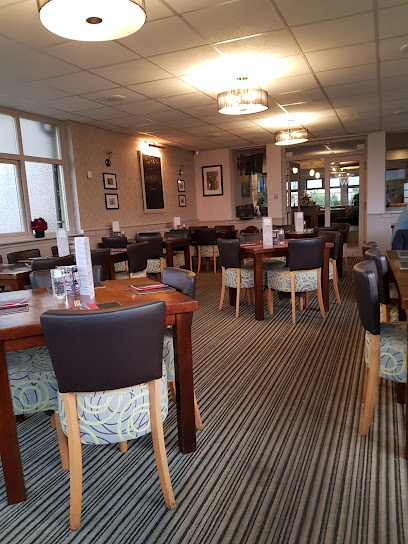
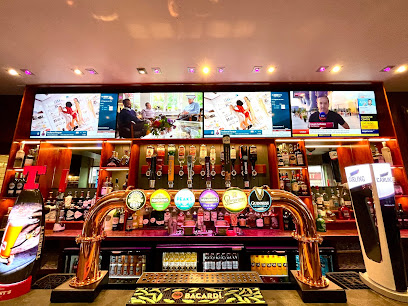
The Imperial
26.9 km
A lively traditional Scottish pub and sports bar in Inverness, offering great drinks, hearty pub grub, and nonstop sports action on big screens.
Nightclubs & after hour spots

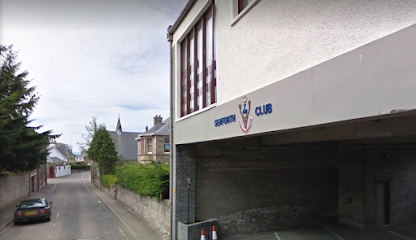
Seaforth Club
3.4 km
Experience Nairn’s vibrant social heart at Seaforth Club, where community spirit meets lively nightlife in a welcoming setting.
Xplosive Discos
5.8 km
Experience the vibrant nightlife at Xplosive Discos in Nairn, where unforgettable music and karaoke fun await every visitor.
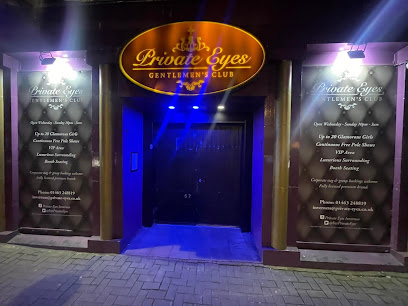
Private Eyes Inverness
27.0 km
Experience Inverness’s vibrant nightlife at Private Eyes, where stylish decor meets great music and a welcoming party atmosphere.
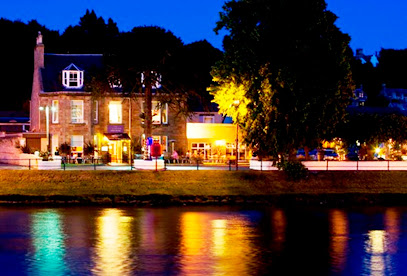
The Piano and Whisky Bar Inverness
27.4 km
Experience the enchanting blend of live piano music and exquisite whisky at The Piano and Whisky Bar in Inverness, a perfect night out.
Moray Jazz Club
30.4 km
Discover the vibrant live music scene at Moray Jazz Club in Elgin, where talented musicians create unforgettable performances in an intimate setting.

Shmelgin
30.4 km
Experience the authentic flavors of Nepal at Shmelgin, Elgin's premier Nepalese restaurant, known for its warm atmosphere and delicious dishes.
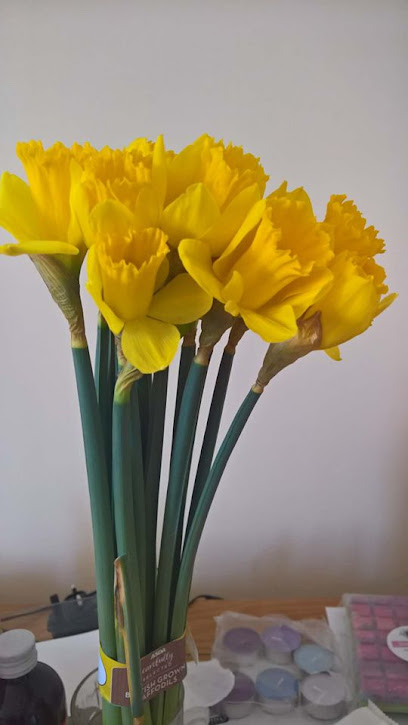
Zed Bar
30.5 km
Experience the vibrant nightlife at Zed Bar in Elgin, where great drinks and lively atmosphere await every visitor.
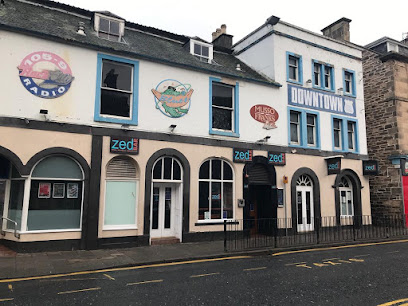
Joannas Nightclub
30.5 km
Lively and casual nightclub in Elgin’s town centre, offering weekend late-night music, dancing, and social vibes in a friendly local setting.
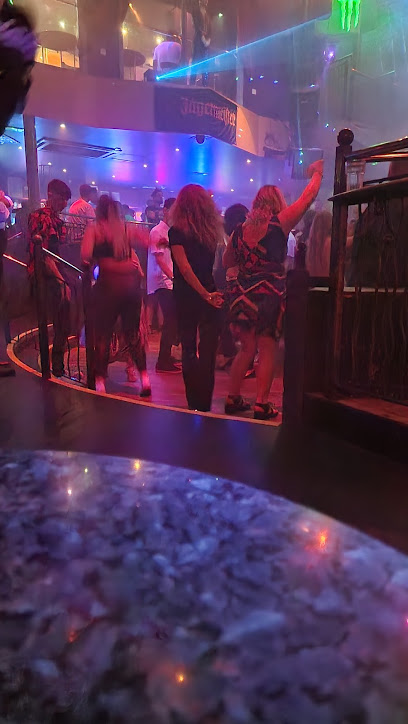
Diceys
30.5 km
Experience the lively ambiance and local brews at Diceys, Elgin's favorite pub for relaxation and entertainment.
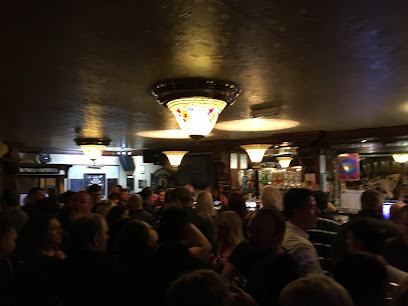
The Elgin Club
30.7 km
Discover the cozy charm of The Elgin Club, a local bar where visitors can unwind and connect in the heart of Elgin.
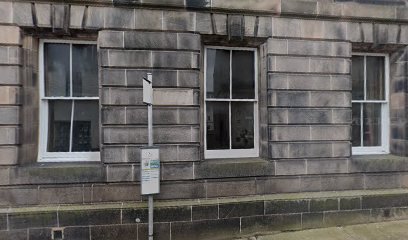
The Muckle Cross - JD Wetherspoon
30.8 km
Experience Scottish hospitality at The Muckle Cross, a cozy pub in Elgin offering hearty meals and a wide selection of drinks in a welcoming atmosphere.
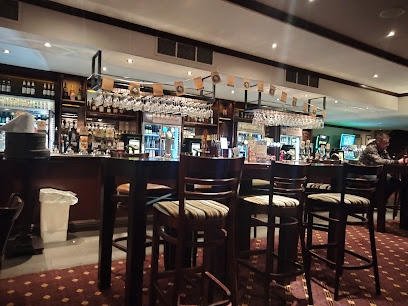
Ionic Bar
30.8 km
Discover the vibrant atmosphere of Ionic Bar in Elgin, where local flavors and friendly faces create unforgettable experiences.
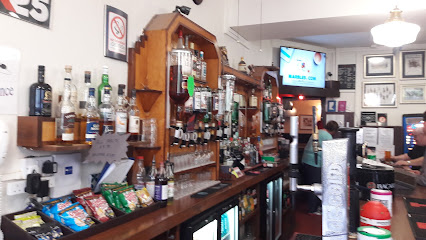
The Ross Shire Club
36.9 km
Experience Dingwall’s vibrant nightlife with a welcoming vibe, BYOB policy, and lively social scene at The Ross Shire Club.
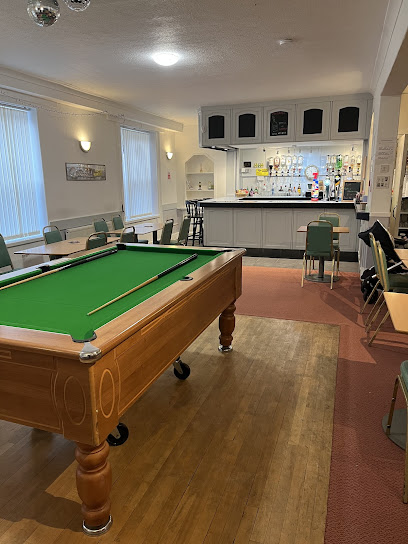
the Balavoulin
42.7 km
A lively, dog-friendly pub with hearty meals and cozy rooms, perfectly placed for exploring Aviemore and the Cairngorms.
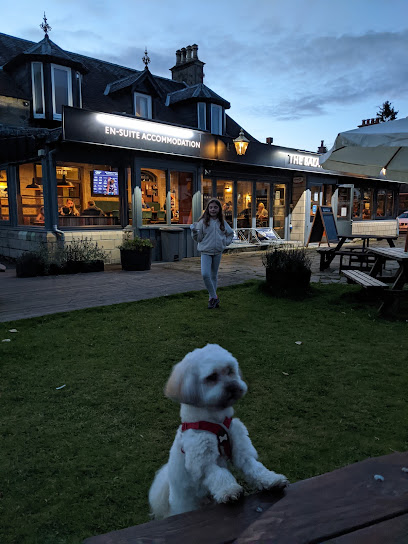
The Winking Owl, Craft Ale Pub & Bar
42.8 km
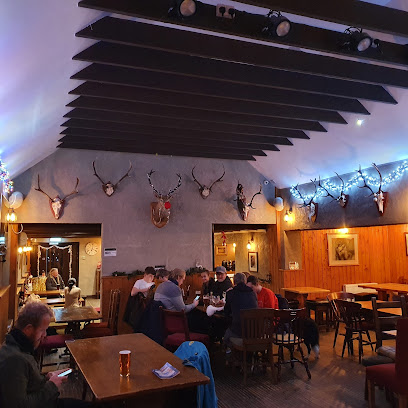
Discover The Winking Owl in Aviemore for a delightful experience of craft ales, local flavors, and a warm, inviting atmosphere.
For the vibe & atmosphere seeker
- Tranquil
- Scenic
- Unique
- Relaxing
For the design and aesthetic lover
- Rustic Designs
- Vintage Styles
For the architecture buff
- Historic
- Landmarks
For the view chaser and sunset hunter
- Iconic Views
- Panoramas
For the social media creator & influencer
- Instagrammable
- Photo Spots
- Selfie Spots
For the eco-conscious traveler
- Protected Area
- Public-Transport Accessible
- Locally Managed
For the kind of experience you’re after
- Cultural Heritage
- Photowalk
- Nature Escape
- Day Trip
- Weekend Getaway
For how adventurous you want the journey to be
- Easy Access
Location Audience
- Family Friendly
- Senior Friendly
- Child Friendly
- Teen Friendly
- Solo Friendly
- Couple Friendly
- Vegetarian Friendly
- Vegan Friendly


