
Samlesbury Hall: A Timeless Tudor Manor Steeped in History
Explore 700 years of Tudor history and heritage at Samlesbury Hall, a captivating medieval manor near Preston with timeless charm.
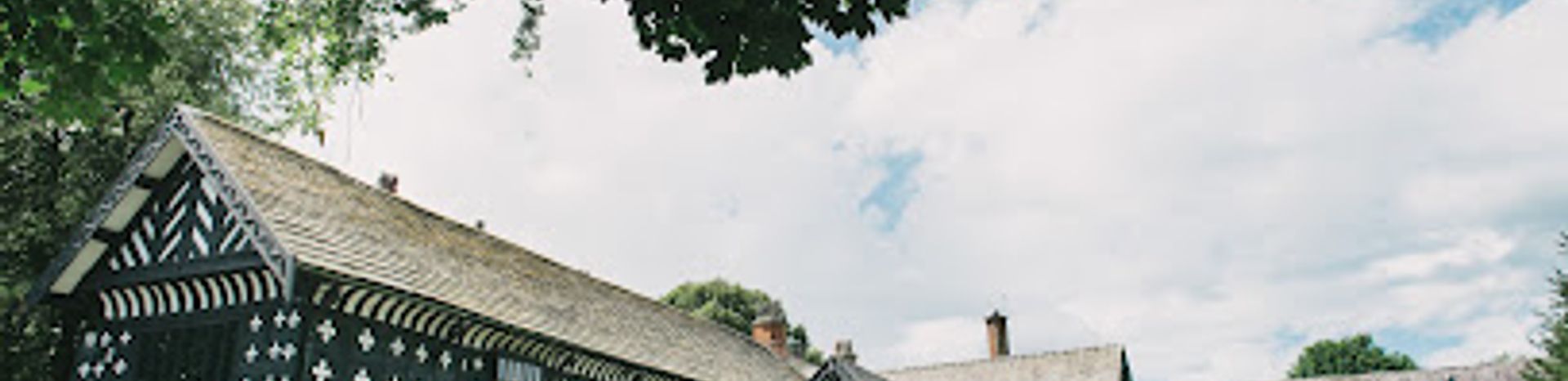
Samlesbury Hall, located near Preston in Lancashire, is a Grade I listed medieval manor house dating back to 1325. Built by Gilbert de Southworth, it showcases Tudor architecture and a rich history involving noble families, religious intrigue, and social change. Today, the hall offers visitors a glimpse into centuries of English heritage through its preserved rooms, chapel, gardens, and engaging tours, alongside a charming café and event spaces.
A brief summary to Samlesbury Hall
- Hall, Samlesbury, Preston New Rd, Preston, Samlesbury, PR5 0UP, GB
- +441254812010
- Visit website
- Duration: 1 to 3 hours
- Mid ranged
-
 Outdoor
- Mobile reception: 4 out of 5
- Tuesday 8:30 am-4 pm
- Wednesday 8:30 am-4 pm
- Thursday 8:30 am-4 pm
- Friday 8:30 am-4 pm
- Saturday 8:30 am-4 pm
- Sunday 8:30 am-4 pm
Local tips
- Book a guided tour to fully appreciate the hall’s rich history and hidden features like priest holes.
- Visit the Heritage Café for locally sourced food and enjoy the courtyard fountain views.
- Check opening hours as the hall is closed on Mondays and has limited hours on Sundays and Tuesdays to Saturdays.
- Explore the gardens and courtyard to experience the tranquil setting and picturesque architecture.

For the on-the-go comforts that matter to you
- Restrooms
- Drink Options
- Food Options
- Seating Areas
- Information Boards
- Visitor Center
Getting There
-
Public Bus
Take the bus from Preston city center to Samlesbury; services run approximately every hour with a journey time of 25-35 minutes. The nearest stop is a short walk from the hall. Tickets cost around £3-£5 one way. Service frequency may reduce on Sundays.
-
Car
Driving from Preston takes about 15-20 minutes via main roads. Parking is available on-site free of charge. Note that traffic can be busy during weekends and special events.
-
Taxi
A taxi from Preston city center to Samlesbury Hall typically takes 15 minutes and costs approximately £15-£20. This option offers flexibility but depends on local taxi availability.
Samlesbury Hall location weather suitability
-
 Any Weather
-
 Rain / Wet Weather
-
 Clear Skies
-
 Mild Temperatures
Discover more about Samlesbury Hall
Origins and Architectural Evolution of Samlesbury Hall
Samlesbury Hall was originally constructed in 1325 by Gilbert de Southworth as a family seat, replacing an earlier building believed destroyed during a Scottish raid. The manor evolved over centuries, notably with the addition of the south-west wing and elaborate interiors by Thomas Southworth around 1545. The hall’s design reflects typical Tudor features, including black-and-white half-timbered exteriors and a layout that once included a courtyard surrounded by buildings on three sides. Its solar end and chapel were oriented eastward, adhering to medieval customs, with the chapel added to elevate the house to manor status.Historical Significance and Family Legacy
The Southworth family, who owned the hall until the late 17th century, played prominent roles in regional history, including involvement in wars against Scotland and religious conflicts. The hall witnessed periods of prosperity and decline, including its division into tenements and use by weavers and laborers. Ownership passed to the Bradyll family, who leased it out and stripped some interiors for use elsewhere. Later, the hall served various functions such as an inn and a pioneering co-educational boarding school based on progressive educational philosophies.Preservation and Modern-Day Use
Threatened with demolition in the early 20th century, Samlesbury Hall was saved by public subscription and the establishment of the Samlesbury Hall Trust in 1925. The trust continues to maintain the property, which now attracts over 50,000 visitors annually. The hall hosts guided tours revealing its priest holes, great hall, and historic staircase featuring a double-tailed mermaid motif. Visitors can also enjoy the landscaped gardens and the Heritage Café, known for its welcoming atmosphere and local fare.Cultural and Architectural Highlights
Key features include the Great Hall with its large bay window and grand fireplace, the 16th-century entrance hall with possible priest holes, and the ornate south-west wing with carved paneling and illustrated ceilings. The hall’s architecture narrates stories of Tudor life, religious persecution, and social upheaval. Its Grade I listing underscores its national importance as a well-preserved example of medieval and Tudor manor houses.Visitor Experience and Events
Samlesbury Hall offers a multifaceted visitor experience combining history, architecture, and leisure. The site includes a coffee shop, ice cream parlor, and restaurant, making it a family-friendly destination. It also serves as a wedding venue and conference center, blending heritage with modern use. The hall’s archives and recent publications, such as the 700th anniversary book, deepen appreciation for its layered past.Setting and Surroundings
Set in the village of Samlesbury near Preston, the hall’s tranquil gardens and courtyard fountain provide a peaceful retreat. The surrounding Lancashire countryside adds to the scenic charm, inviting visitors to explore both the natural and built heritage. The hall’s enduring presence offers a tangible connection to England’s medieval and Tudor eras, making it a unique cultural landmark.Iconic landmarks you can’t miss

Harris Museum, Art Gallery & Library
8.3 km
Explore the rich history and vibrant artistry at the Harris Museum, Art Gallery & Library in Preston, a must-visit cultural hub for every traveler.
Preston Cenotaph
8.4 km
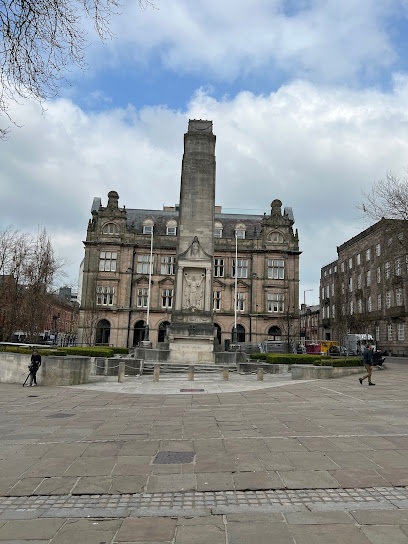
A dignified and beautifully restored memorial in Preston’s Central Park, honoring the city’s fallen soldiers with solemnity and grace.
Chorley's Flying Arches
12.0 km
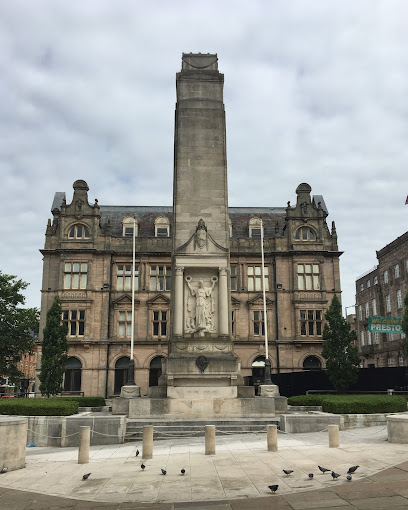
Discover Chorley’s rare Victorian Flying Arches, a unique blend of historic railway engineering and modern heritage preservation.
Rivington Pike
16.8 km
Discover the breathtaking views and rich history at Rivington Pike, a perfect hiking destination in Lancashire for nature lovers and adventurers alike.
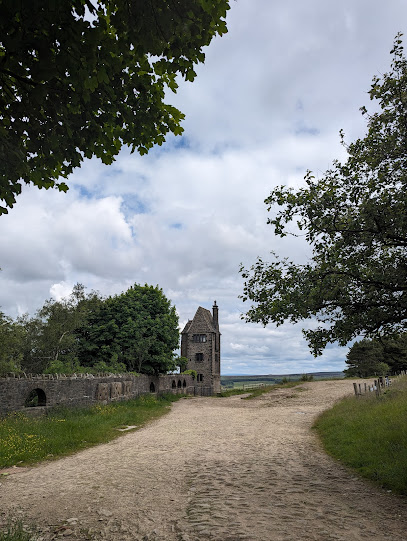
Rivington Pike Tower
16.8 km
Historic 18th-century hunting lodge atop Rivington Pike offering panoramic Lancashire views and rich cultural heritage within scenic Lever Park.
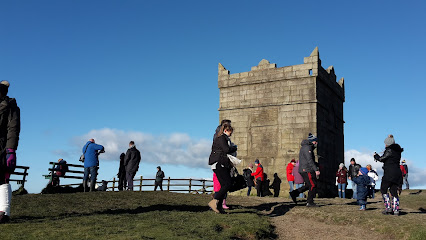
Wayoh Reservoir
17.6 km
Discover the tranquil beauty of Wayoh Reservoir in Bolton, a perfect retreat for nature lovers and outdoor enthusiasts alike.
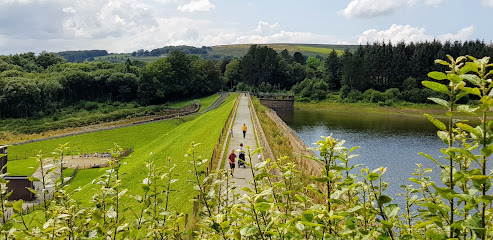
Lumb Viaduct
19.8 km
Discover the historic Victorian Lumb Viaduct, a stunning railway landmark offering scenic walks and cycling across Lancashire’s Rossendale Valley.
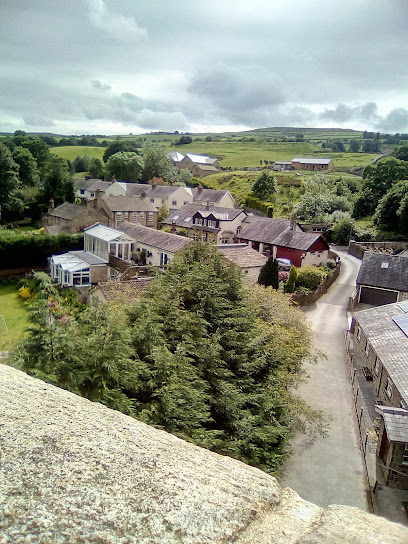
Peel Tower
20.9 km
Historic Peel Tower on Holcombe Hill offers panoramic views and a tribute to Sir Robert Peel’s legacy near Bury.
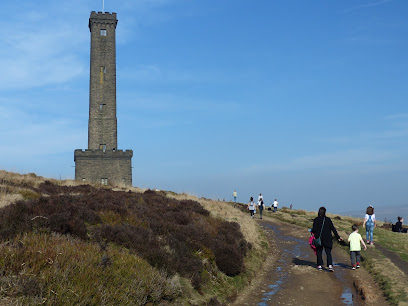
Fairy Glen
22.4 km
Experience the serene beauty of Fairy Glen in Wigan - a natural escape filled with enchanting landscapes and tranquil trails for every adventurer.
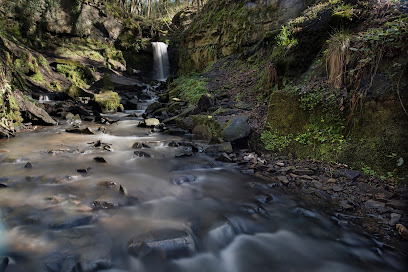
Trencherfield Mill
25.8 km
Explore the rich industrial heritage of Wigan at Trencherfield Mill, a historical museum showcasing the grandeur of steam technology and textile history.
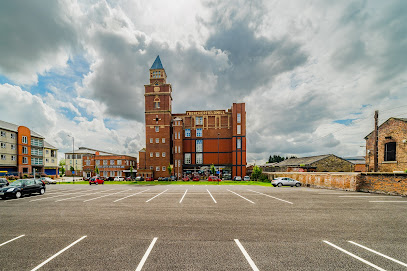
Sussex Close
26.0 km
Discover the charm of Wigan through Sussex Close, your essential bus stop to explore local attractions and immerse in the vibrant culture.

Moses Gate Country Park
26.1 km
Explore the lush landscapes and diverse wildlife at Moses Gate Country Park, a serene destination for families and nature lovers in Bolton.
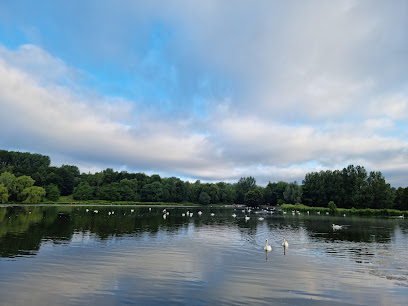
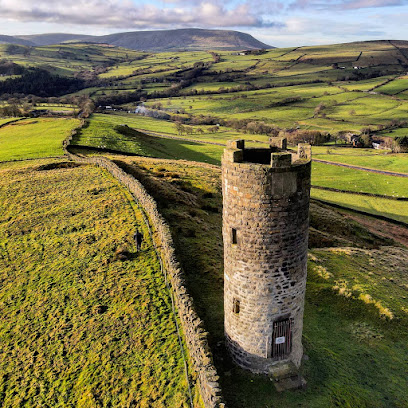
Blacko Tower
26.3 km
Explore the enchanting Blacko Tower in Pendle, a historical landmark offering breathtaking views and a serene escape into nature's beauty.
Bury Transport Museum
26.5 km
Explore the fascinating history of transport in the North West at Bury Transport Museum, a unique attraction for all ages.

Robert Peel Statue
26.7 km
Honouring Bury’s most famous son: the 1851 bronze statue of Sir Robert Peel, twice Prime Minister and founder of the modern police force.

Unmissable attractions to see

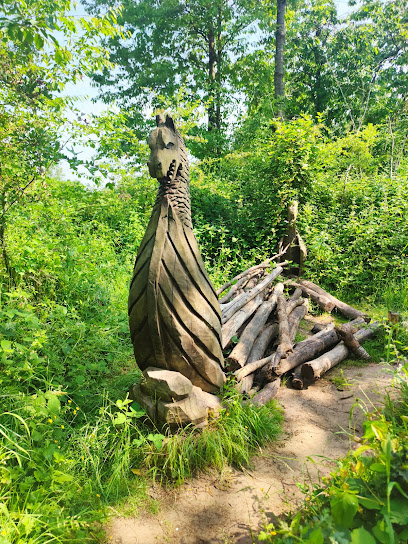
Viking Woodland
3.4 km
Discover the peaceful trails and rich Viking heritage of Preston’s serene Viking Woodland, a natural haven for wildlife and relaxation.
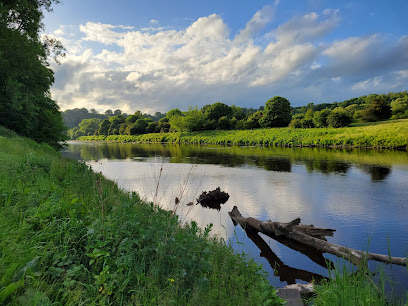
Brockholes
3.6 km
Explore Brockholes, Lancashire’s award-winning floating nature reserve blending innovation, wildlife, and family fun in a stunning riverside setting.
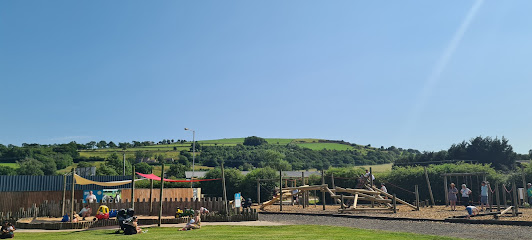
Mrs Dowsons Farm Park
3.7 km
Experience Lancashire’s beloved working farm with hands-on animal encounters, play areas, and farm-made ice cream for all ages.
Hoghton Tower
4.1 km
Explore Hoghton Tower, a majestic Tudor manor steeped in royal history, dramatic battles, and stunning panoramic views in Lancashire.
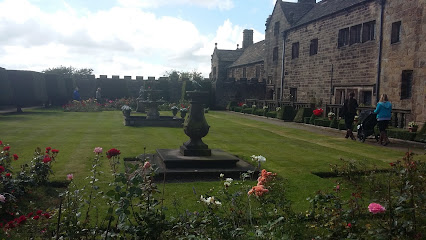
Witton Country Park
4.5 km
Explore 480 acres of woodlands, sports facilities, and heritage at Blackburn’s beloved Witton Country Park.
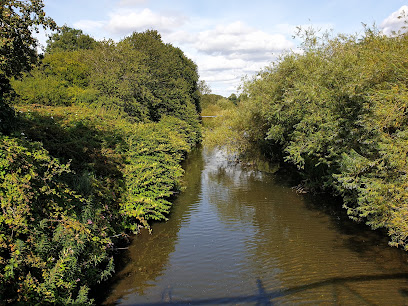
Ribchester Roman Museum
5.3 km
Explore Lancashire’s only Roman antiquities museum, showcasing Bremetenacum Veteranorum’s rich history through artifacts, ruins, and engaging events.
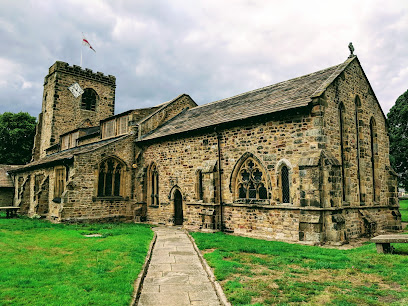
Boyce's Wood
6.2 km
Discover peaceful trails and lush greenery in Boyce's Wood, a serene woodland retreat near Preston, Lancashire.

The Mall Blackburn
6.4 km
A vibrant shopping centre blending mainstream and independent stores in the heart of Blackburn’s town centre.
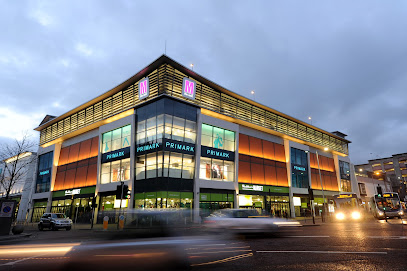
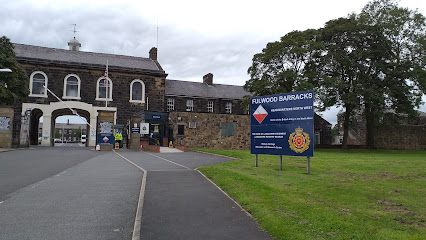
Lancashire Infantry Museum
7.5 km
Explore five centuries of Lancashire military heritage in one of England's largest regimental collections.
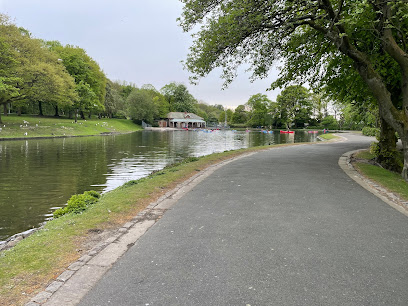
Queen's Park
8.1 km
A serene Victorian park where heritage charm meets family-friendly recreation in Blackburn's green heart.
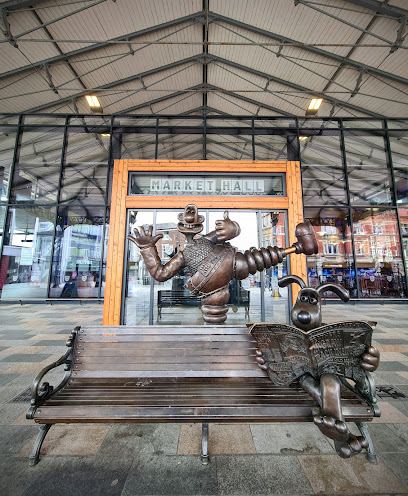
Wallace and Gromit Statue
8.4 km
Discover Preston’s whimsical tribute to Wallace and Gromit, a charming bronze statue celebrating the beloved claymation duo and their local creator.
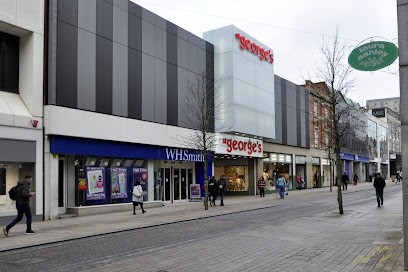
St George's Shopping Centre
8.6 km
A vibrant and accessible shopping hub in Preston, blending high street brands, independent stores, and family-friendly amenities.
Avenham and Miller Park
8.8 km
Discover Preston’s Victorian riverside gem with tranquil gardens, scenic walks, and vibrant community charm along the River Ribble.
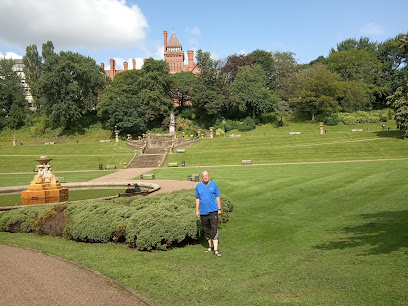
Little Town Farm Shop
8.9 km
A charming family-run farm shop near Preston offering fresh local meats, artisan dairy, baked goods, and a cozy tea room in a peaceful countryside setting.
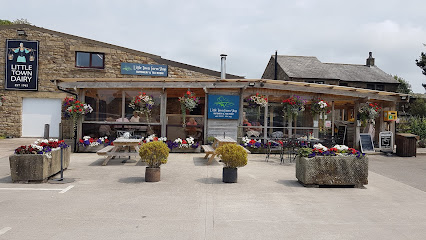
Tin Man Sculpture
8.9 km
A whimsical and iconic outdoor sculpture celebrating creativity amid the scenic landscapes of Langho, Blackburn.
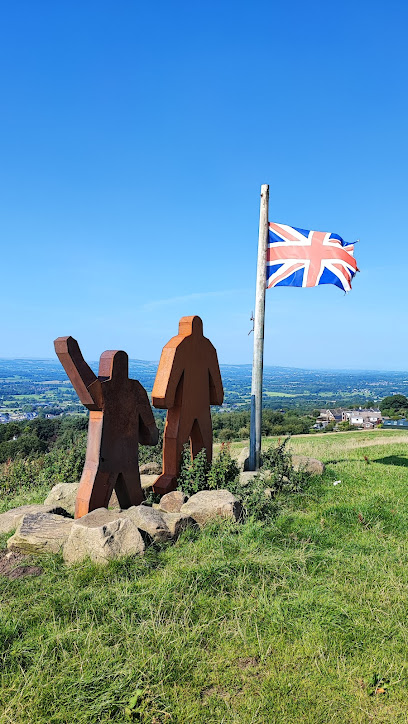
Essential places to dine

The Bonny Inn
6.1 km
Contemporary British pub with fresh local cuisine, vegan options, and stunning Ribble Valley views in a welcoming, modern setting.
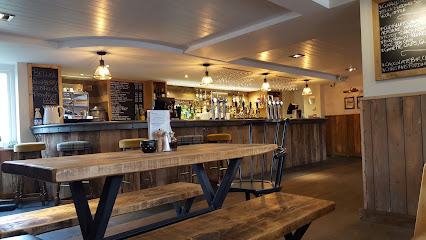
Angels Restaurant
6.6 km
Chic modern British dining in Ribchester’s Ribble Valley, blending seasonal local produce with elegant style and warm hospitality.
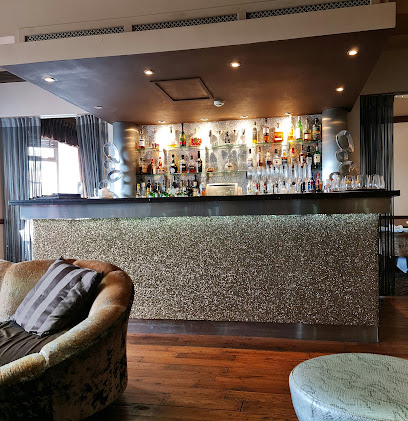
Tipsy Chef (Bar & Restaurant)
8.3 km
A vibrant American-inspired bar and restaurant in Preston, famed for inventive dishes and lively cocktails in a buzzing social setting.
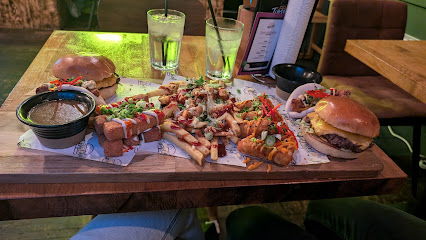
Aven Restaurant
8.6 km
Experience Preston’s finest with Aven Restaurant’s award-winning British cuisine, seasonal tasting menus, and warm, elegant ambiance.
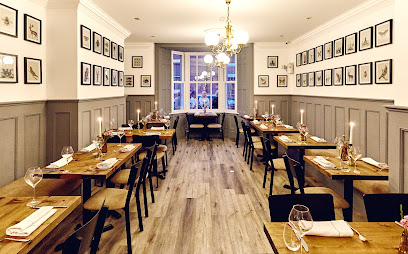
Northcote Hotel & Restaurant
9.4 km
Luxury country house hotel with Michelin-starred dining, elegant rooms, and tranquil Ribble Valley views for a refined countryside escape.
The Italian Orchard
9.9 km
Spacious and stylish Italian dining in Broughton, offering a vast menu and lively atmosphere for families and groups.
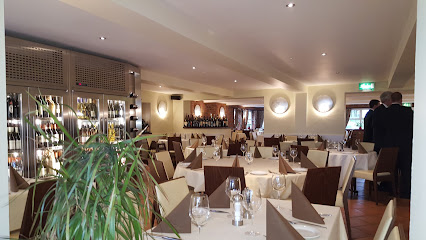
Artisan Ribble Valley
10.3 km
Experience Modern British cuisine in a stylish setting with local flavors, scenic terraces, and a vibrant cocktail bar in Billington, Clitheroe.
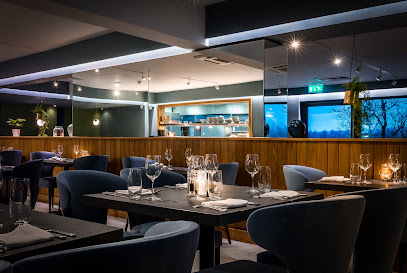
Vardons Restaurant at Shaw Hill
10.6 km
Elegant British dining with scenic golf course views at Shaw Hill’s Regency-style Vardons Restaurant.
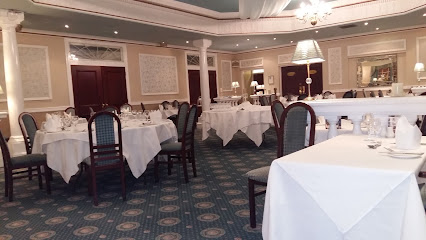
The Broughton Inn
10.9 km
Historic gastropub in Broughton offering classic British dishes and a cozy, welcoming atmosphere just north of Preston.
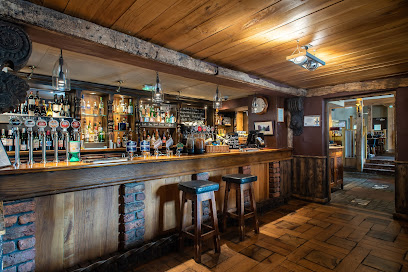
Charnock Farm Restaurant
11.8 km
Rustic country dining, comfortable motel stays, and charming event spaces nestled in the tranquil Lancashire countryside.
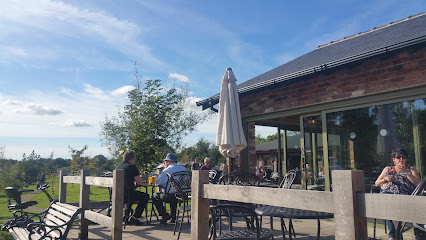
Gibbon Bridge Hotel and Restaurant
12.0 km
Elegant four-star country hotel with fine dining, scenic gardens, and cozy suites nestled in the Forest of Bowland near Preston.
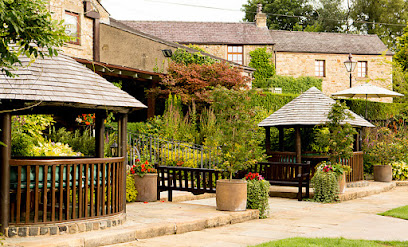
Walled Garden Restaurant
12.7 km
A stylish British bistro in Preston offering fresh, locally sourced dishes and renowned afternoon tea in a charming garden conservatory setting.
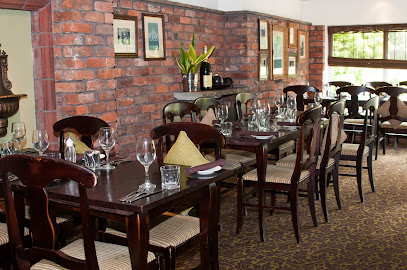
The Pickled Goose
12.8 km
A lively British pub and restaurant in Barton, Preston, blending countryside charm with modern dining and a vibrant social bar.
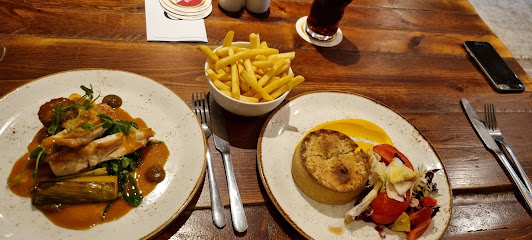
Encore Restaurant
13.6 km
Modern British cuisine and vibrant cocktails meet stylish celebrations in the heart of Chorley’s Brewers Print Building.
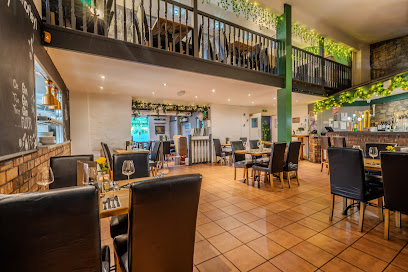
Lang's Restaurant
16.2 km
Experience contemporary English and international cuisine in a stylish Preston setting with exceptional wines and warm hospitality.
Markets, malls and hidden boutiques

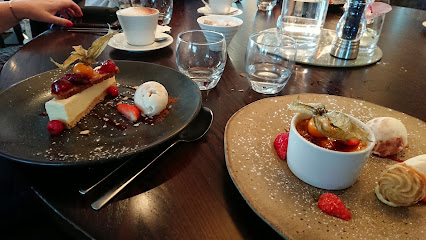
Crissys Gifts For All Occasions
5.8 km
Explore Crissys Gifts For All Occasions in Blackburn for unique gifts and souvenirs that capture the essence of your visit.
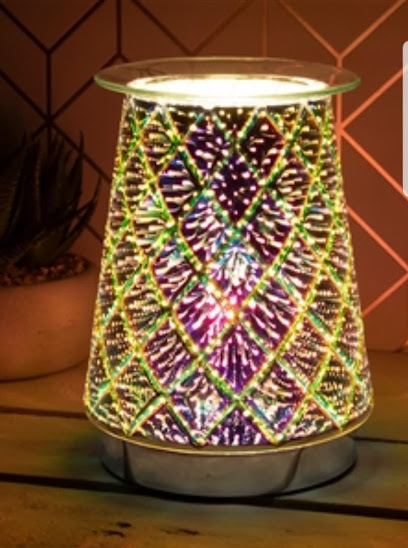
Retrogue Vintage Clothing
8.4 km
Discover unique vintage and designer secondhand fashion treasures in the heart of Preston at Retrogue Vintage Clothing.
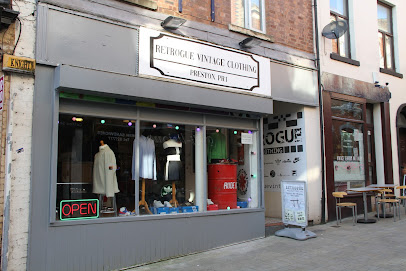
KENJI Preston
8.6 km
Discover an eclectic mix of unique gifts and general merchandise from Asia in Preston’s vibrant KENJI store within St George's Shopping Centre.
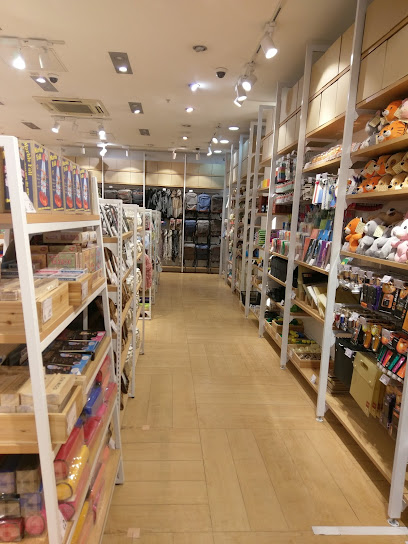
The Mill Shop
8.6 km
A welcoming gift shop in St Catherine’s Park, Lostock Hall, blending community spirit with unique local crafts and charitable support.
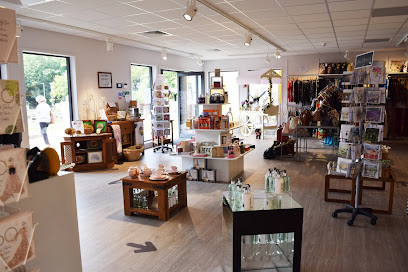
Quirky Gifts
13.6 km
Explore Accrington's most charming gift shop for unique, whimsical treasures that capture the spirit of your travels.
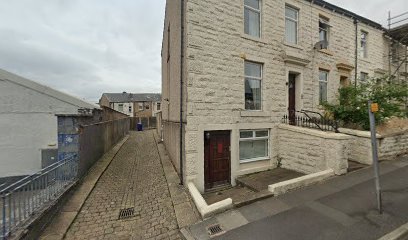
Mood Gifts & Home
14.6 km
Discover unique gifts and stylish home accessories in a warm, community-focused boutique in Longton, Preston.
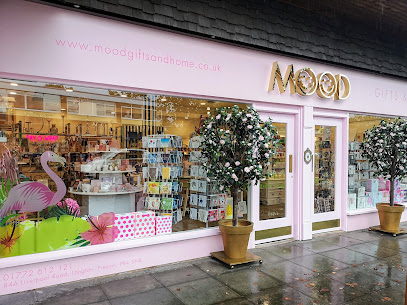
Rufford's Country Lifestyle
16.9 km
Discover premium British country wear and footwear at Rufford's, your stylish gateway to authentic country living near Preston.
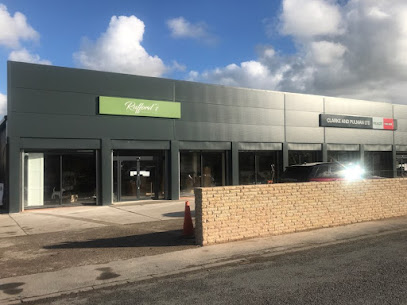
North West Vintage Clothing Company Ltd
17.2 km
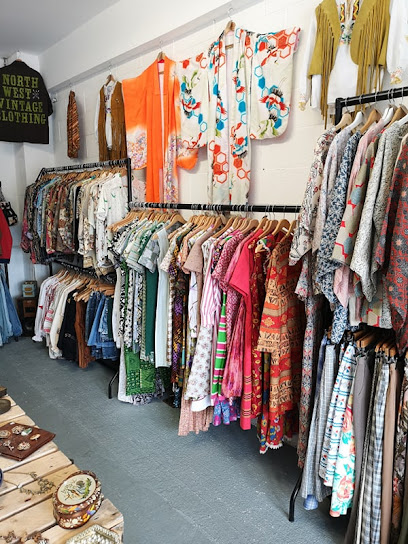
Discover timeless vintage fashion treasures in the historic Bygone Times at Eccleston, where every piece tells a story of style and sustainability.
Freckle Boutique
17.8 km
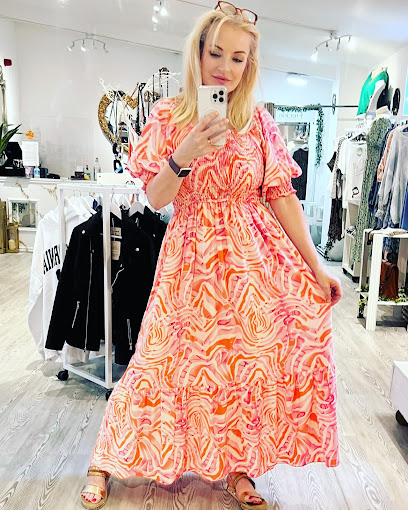
Discover unique ladies' fashion and personalized service at Freckle Boutique, a charming shopping gem in Heskin, Chorley.
The Secret Closet
17.9 km
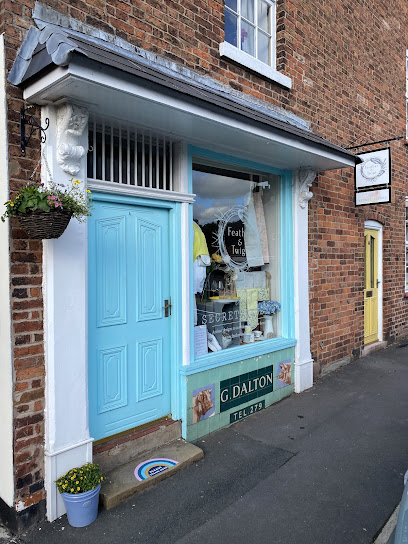
Curated Italian, Danish & Portuguese fashion with a commitment to responsible, sustainable retail.
Dream
19.7 km
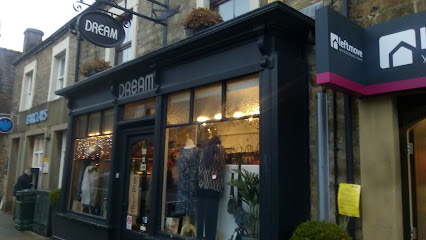
Distinctive gifts in the heart of Lancashire's historic market town.
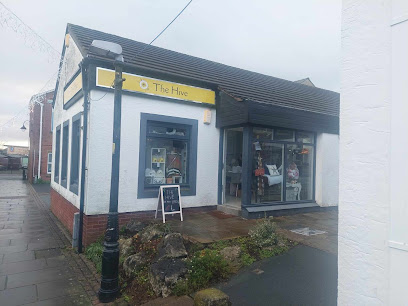
The Hive
19.7 km
Discover unique gifts and warm hospitality at The Hive, Garstang’s beloved local gift shop nestled in a charming historic setting.
Cedar Farm
20.9 km
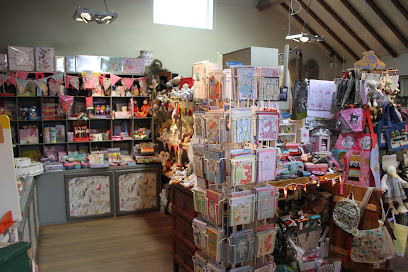
Discover Cedar Farm: Lancashire’s charming blend of boutique shopping, gourmet dining, and family-friendly farm fun in a scenic rural setting.
Witches Galore
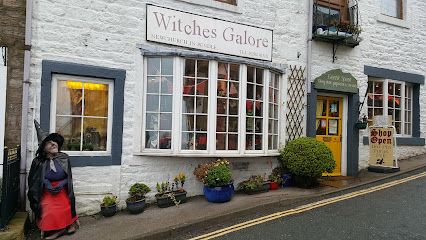
21.8 km
A quirky, witch-themed gift shop in Newchurch-in-Pendle, packed with Pendle Witch memorabilia, magical curios and folklore souvenirs.
THE FOSSIL STORE
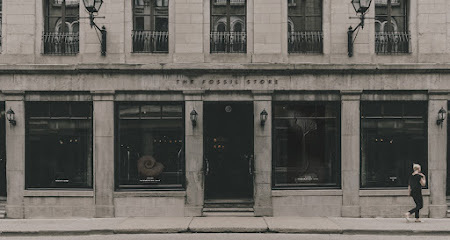
21.9 km
A unique design studio and shop in the Forest of Bowland, transforming rare fossils into bespoke art and jewellery.
Essential bars & hidden hideouts

The Plough Grimsargh
5.4 km
A friendly village pub in Grimsargh serving classic British dishes, excellent beers, and hosting lively community events in a warm, welcoming atmosphere.
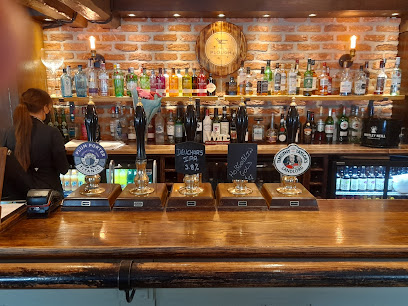
Ribchester Arms
5.7 km
A charming Lancashire inn blending historic roots, hearty gastropub fare, and cozy comfort in the heart of Ribchester.
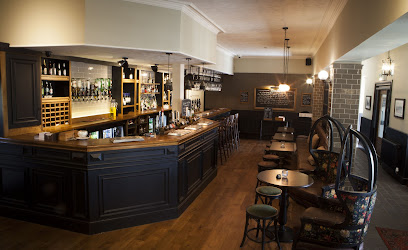
The Stage Door
7.3 km
A cozy, rustic bar and restaurant in Longridge offering expertly crafted cocktails, stone-baked pizzas, and a welcoming atmosphere for relaxed and lively nights.
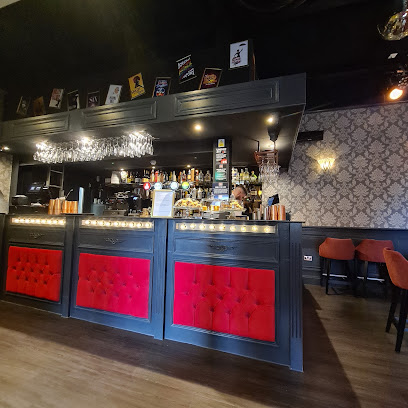
Blitz Venue & Nightclub
8.1 km
Experience Preston’s vibrant late-night scene with live DJs, affordable drinks, and an energetic club atmosphere at Blitz Venue & Nightclub.
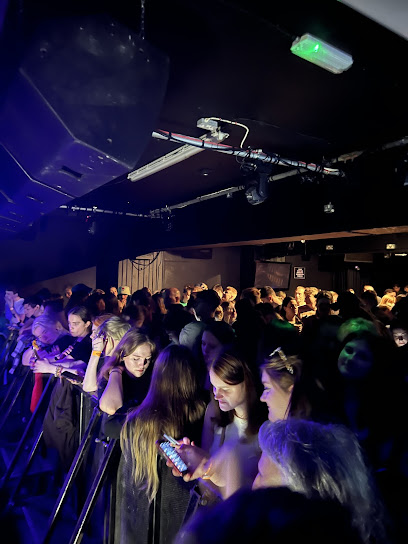
Hogarths
8.2 km
Historic Victorian gin palace in Preston city centre, famed for its vast gin selection, lively sports atmosphere, and vibrant community spirit.
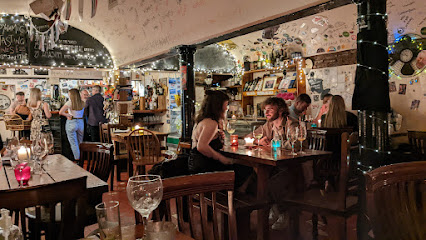
Winedown
8.3 km
Discover Winedown, Preston’s cozy underground wine bar with exceptional wines, artisan cheese boards, and a warm, inviting atmosphere.
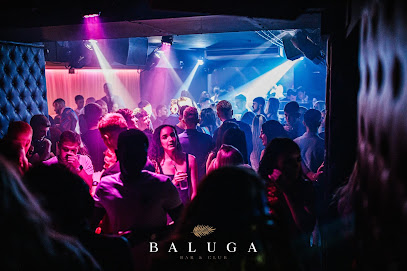
Baluga Bar & Club
8.3 km
Experience Preston's vibrant nightlife at Baluga Bar & Club, where stylish drinks meet a lively dance floor in the heart of the city.
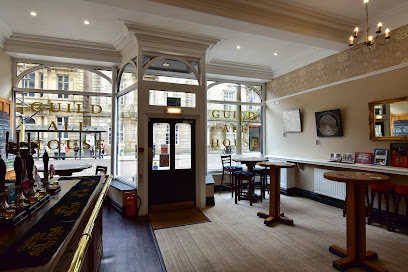
Guild Ale House
8.3 km
Preston’s first micro pub, Guild Ale House serves exceptional local ales in a cozy, lively setting with a welcoming community vibe.
Revolution Preston
8.4 km
A vibrant four-level cocktail bar and restaurant in Preston city centre, perfect for dining, cocktails, and late-night partying.
Black Horse
8.5 km
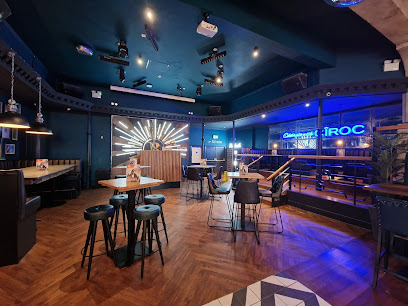
Historic Black Horse Pub in Preston offers award-winning real ales, classic charm, and a welcoming atmosphere in the heart of the city.
The Stags Head
8.6 km
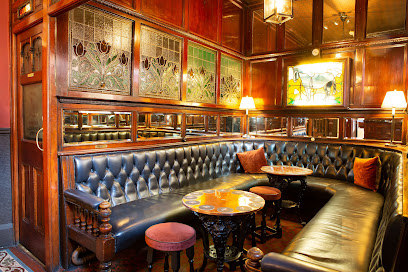
A charming Lancashire gastropub blending traditional British fare with warm hospitality in the heart of Goosnargh village.
FORUM BAR & KITCHEN
8.6 km
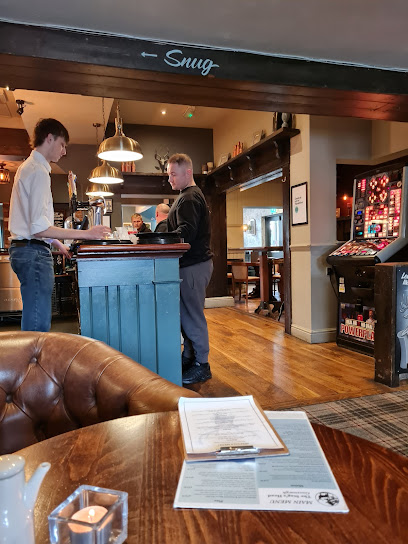
A stylish bar and kitchen in Preston blending Mediterranean flavors, craft cocktails, and warm hospitality in a vibrant city-center setting.
Plug & Taps
8.6 km
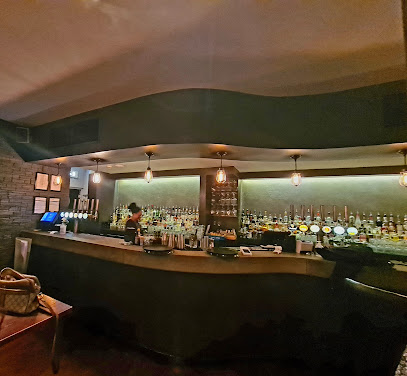
Discover Preston’s craft beer gem at Plug & Taps, a cozy micro pub blending modern vibes with a vibrant community spirit.
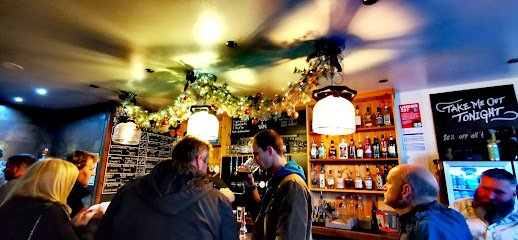
Hartleys Wine Bar
8.7 km
A vibrant and cosy wine bar in Preston city centre, perfect for unwinding with quality drinks and lively company.
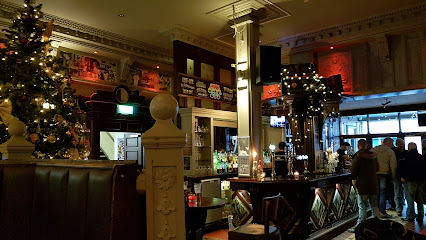
The Winter Lodge
8.7 km
A stylish, modern bar in Preston’s city centre, known for festive outdoor huts and a lively, welcoming atmosphere year-round.
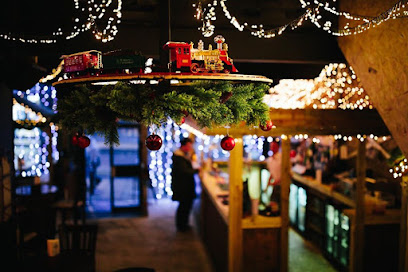
Nightclubs & after hour spots

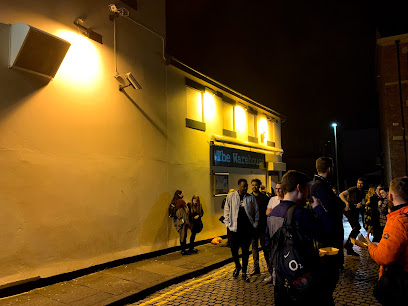
The Warehouse
8.1 km
Three floors of diverse music and vibrant nightlife in Preston’s welcoming alternative club scene.
Popworld - Preston
8.3 km
Popworld Preston: Where cheesy pop tunes meet vibrant nightlife and unforgettable party vibes in the heart of the city.
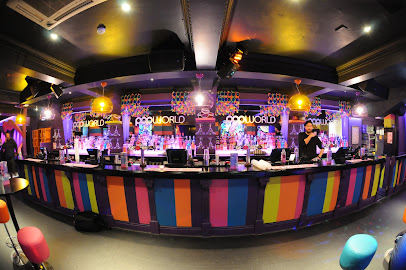
Switch Nightclub
8.5 km
Energetic and affordable nightlife hub in Preston, popular with a middle-aged crowd and known for its lively atmosphere.

Rendezvous Nightclub & Resteraunt
12.4 km
Vibrant nightclub and restaurant in Whalley offering lively weekend events, diverse music, and friendly service in Ribble Valley’s heart.

Park Hall Nightclub
17.0 km
Experience the vibrant energy and nostalgic vibes of Park Hall Nightclub, Chorley’s premier rural nightlife destination.
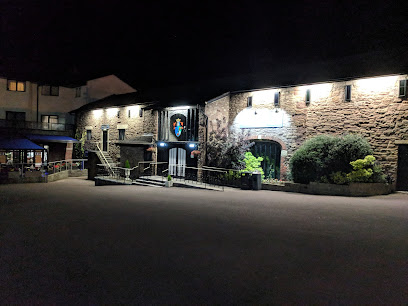
The Redroom Burnley
21.6 km
Experience Burnley’s vibrant nightlife with The Redroom’s lively music, diverse drinks, and late-night party atmosphere in the town centre.
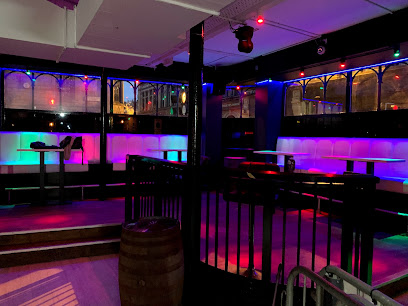
Level Nightclub
23.4 km
Experience Bolton’s vibrant nightlife at Level Nightclub, where dynamic music, affordable drinks, and lively atmosphere create unforgettable nights.
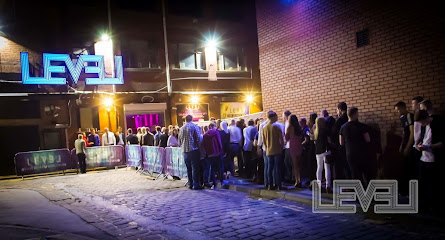
Pure Nightclub
25.3 km
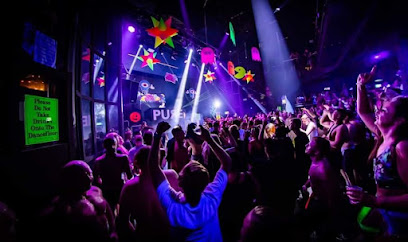
Experience Wigan’s vibrant nightlife at Pure Nightclub, where energetic beats, stylish vibes, and unforgettable late-night memories come alive every Saturday.
Ibiza Nightclub
25.3 km
Experience Wigan’s vibrant nightlife at Ibiza Nightclub, where music, dance, and unforgettable Saturday nights come alive until dawn.
Underground
27.2 km
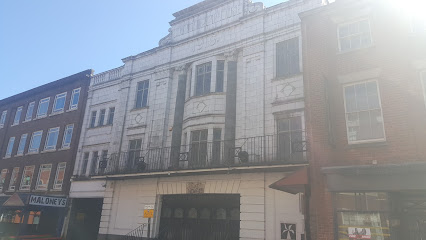
Experience classic rave vibes and late-night energy at Underground, Bolton’s intimate clubbing hotspot in Farnworth.
Banff
31.7 km
Experience Southport’s vibrant nightlife at Banff, a dynamic nightclub and bar on West Street offering late-night entertainment in the heart of town.
Club underground
31.9 km
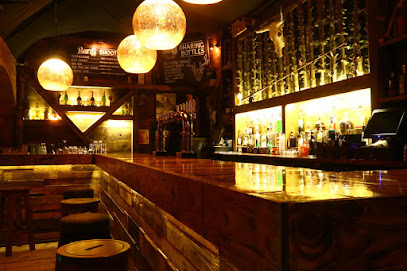
Experience Blackpool’s authentic old-school basement club with vibrant music, friendly crowds, and late-night energy on Talbot Road.
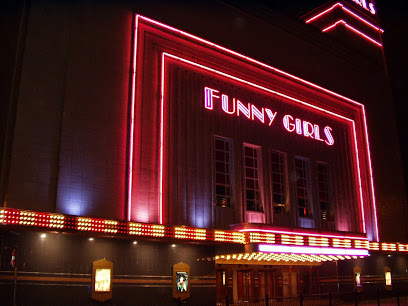
Funny Girls
32.0 km
Discover the magic of Blackpool's Funny Girls, where dazzling performances meet delightful dining in an unforgettable night out.
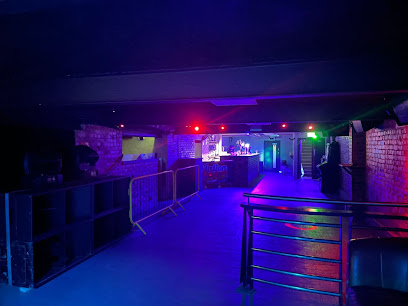
The Tache Rock Club
32.0 km
Blackpool’s spirited rock nightclub offering authentic music, friendly vibes, and late-night energy in a casual setting.
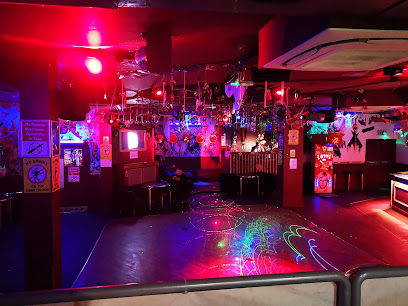
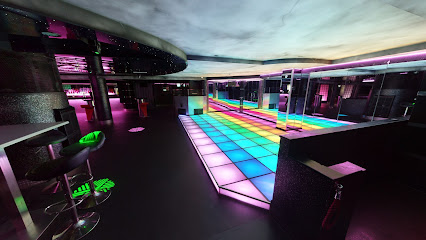
Trilogy Nightclub
32.1 km
Experience Blackpool’s vibrant nightlife across three floors of music, lights, and energy at Trilogy Nightclub.
For the vibe & atmosphere seeker
- Tranquil
- Scenic
- Relaxing
- Unique
- Historic
For the design and aesthetic lover
- Vintage Styles
- Rustic Designs
For the architecture buff
- Historic
- Landmarks
- Sacred Sites
- Heritage Neighborhoods
For the view chaser and sunset hunter
- Iconic Views
- Panoramas
- Sunset Spots
For the social media creator & influencer
- Instagrammable
- Photo Spots
- Selfie Spots
- Architectural Shots
For the eco-conscious traveler
- Locally Managed
- Public-Transport Accessible
For the kind of experience you’re after
- Cultural Heritage
- Photowalk
- Day Trip
- Weekend Getaway
- Festival / Event Nearby
For how adventurous you want the journey to be
- Easy Access
Location Audience
- Family Friendly
- Senior Friendly
- Child Friendly
- Teen Friendly
- Wheelchair Access
- Pet Friendly
- Couple Friendly
- Solo Friendly


