
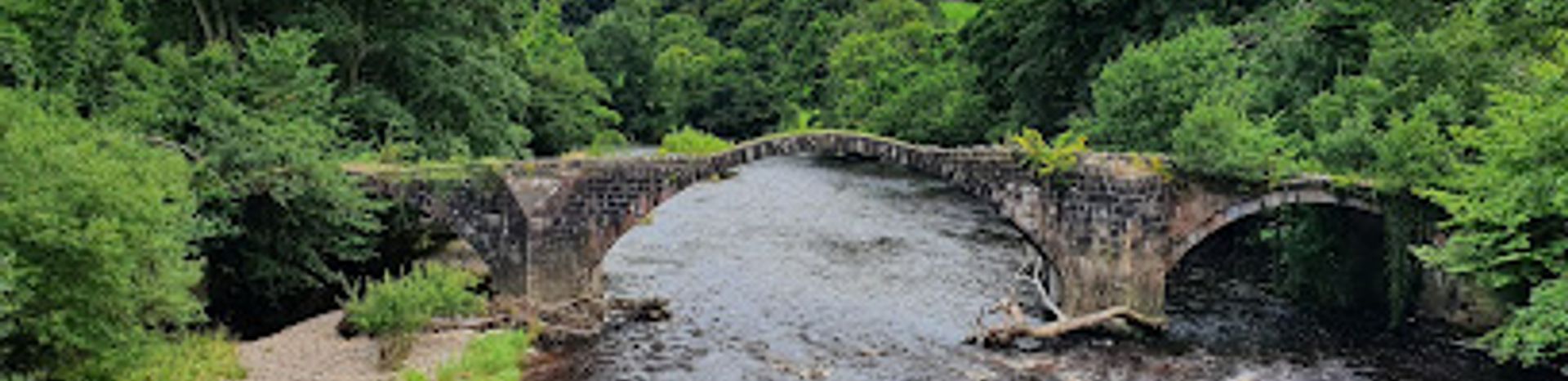
Cromwell's Bridge: Historic Tudor Stone Crossing in Ribble Valley
A historic 16th-century stone bridge in Ribble Valley, famed for Cromwell’s march and Tolkien inspiration, set in tranquil Lancashire countryside.
Cromwell's Bridge, built in 1562 near Clitheroe in Lancashire, is a historic stone bridge spanning the River Hodder. Named after Oliver Cromwell, who led his army across it in 1648 during the English Civil War, the bridge stands as a testament to Tudor engineering and local history. Surrounded by tranquil countryside, it offers scenic riverside walks and is linked to literary lore as a possible inspiration for Tolkien's Brandywine Bridge.
A brief summary to Cromwell's Bridge
- 9PW, Cromwell's Bridge, Clitheroe, BB7 9PW, GB
- Visit website
- Duration: 0.5 to 2 hours
- Free
-
 Outdoor
- Mobile reception: 4 out of 5
Local tips
- Visit during daylight hours to fully appreciate the bridge’s stonework and riverside scenery.
- Wear sturdy footwear for walking the surrounding country paths along the River Hodder.
- Bring a camera to capture the historic bridge framed by lush greenery and flowing water.
- Combine your visit with nearby attractions in Ribble Valley for a full day of exploring Lancashire’s heritage.

For the on-the-go comforts that matter to you
- Seating Areas
- Information Boards
Getting There
-
Car
Driving from Clitheroe town center takes approximately 15-20 minutes via the B6478 and local roads. Parking is limited near the bridge; use designated spots in Hurst Green village and walk about 1.5 km on country paths. No parking directly at the bridge.
-
Bus
Take the bus from Clitheroe to Hurst Green, which runs several times daily with a journey time of around 25-30 minutes. From Hurst Green, a 1.5 km walk along rural footpaths leads to the bridge. Bus schedules vary on weekends.
-
Walking
For walkers, the bridge is accessible via scenic countryside trails from Hurst Green or nearby villages. Expect uneven terrain and moderate inclines; suitable footwear recommended. The walk can take 30-45 minutes depending on starting point.
Cromwell's Bridge location weather suitability
-
 Any Weather
-
 Rain / Wet Weather
-
 Clear Skies
-
 Mild Temperatures
Discover more about Cromwell's Bridge
Origins and Tudor Craftsmanship
Constructed in 1562, Cromwell's Bridge was commissioned by Sir Richard Shireburne of Stoneyhurst Hall along with local landowners to replace a frequently damaged wooden crossing over the River Hodder. The contract was awarded to stonemason Richard Crossley, who sourced stone from nearby quarries. The bridge was designed to resemble Edisford Bridge at Clitheroe, featuring sturdy stone arches supported by timber during construction. A penalty clause ensured timely completion by Michaelmas 1562, reflecting the importance of this crossing for local travel and commerce.Cromwell's March and Civil War Significance
The bridge gained its famous name due to Oliver Cromwell's army crossing it in August 1648 during the English Civil War. Cromwell led an 8,000-strong force from Skipton to engage Royalist troops near Preston. The bridge was a strategic crossing point on the eve of the decisive Battle of Preston, which ultimately ended the war and led to the execution of King Charles I. This event cemented Cromwell's historical legacy and the bridge’s place in English history.Setting and Cultural Resonance
Nestled in the peaceful Ribble Valley countryside near Hurst Green, Cromwell's Bridge offers a serene riverside environment popular for country walks. Its rustic charm and historic character have inspired literary connections, notably as a possible model for the Brandywine Bridge in J.R.R. Tolkien’s Middle-earth legendarium. The surrounding landscape features lush greenery and the gentle flow of the Hodder River, enhancing the bridge’s timeless appeal.Architectural Features and Preservation
The bridge’s Tudor stone arches remain largely intact, showcasing period masonry techniques. Though no longer used for vehicular traffic, it stands as a pedestrian landmark fenced for preservation. Nearby, a newer, wider bridge built around 1820 carries modern road traffic, highlighting the evolution of infrastructure in the area. Cromwell's Bridge remains a protected historical structure valued for its architectural and cultural heritage.Visitor Experience and Local Environment
Visitors to Cromwell's Bridge can enjoy tranquil walks along the River Hodder, surrounded by natural beauty and historic ambiance. The area is rich in wildlife and offers a peaceful retreat from urban life. The bridge’s location provides opportunities for photography, nature appreciation, and reflection on the layers of history embedded in the landscape. Nearby amenities are limited, emphasizing the bridge’s rural and preserved setting.Legacy and Regional Importance
Beyond its military and architectural significance, Cromwell's Bridge symbolizes the enduring connection between Lancashire’s past and present. It stands as a reminder of the region’s role in national events and the craftsmanship of Tudor England. The bridge continues to attract historians, walkers, and Tolkien enthusiasts alike, maintaining its status as a cherished landmark within the Ribble Valley.Iconic landmarks you can’t miss

Harris Museum, Art Gallery & Library
19.0 km
Explore the rich history and vibrant artistry at the Harris Museum, Art Gallery & Library in Preston, a must-visit cultural hub for every traveler.
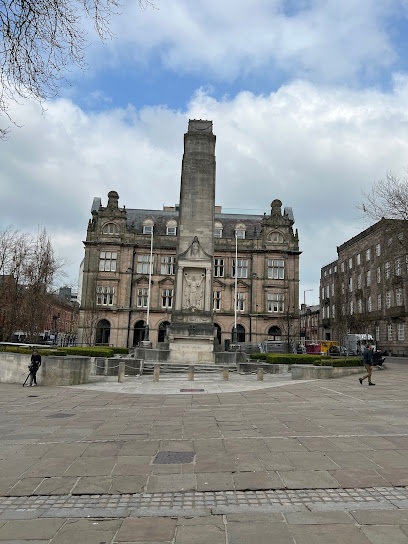
Preston Cenotaph
19.0 km
A dignified and beautifully restored memorial in Preston’s Central Park, honoring the city’s fallen soldiers with solemnity and grace.
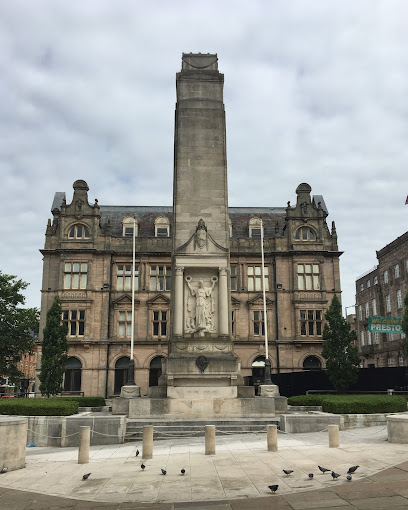
Lumb Viaduct
21.2 km
Discover the historic Victorian Lumb Viaduct, a stunning railway landmark offering scenic walks and cycling across Lancashire’s Rossendale Valley.
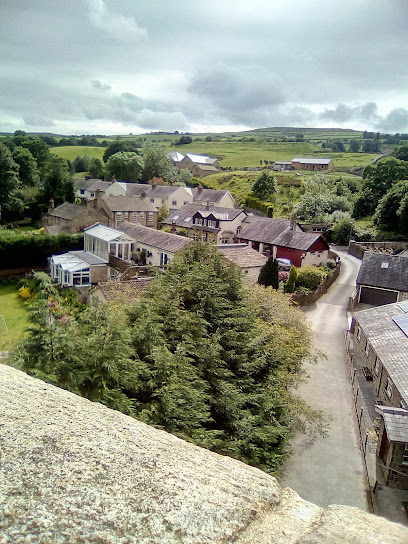
Wayoh Reservoir
22.6 km
Discover the tranquil beauty of Wayoh Reservoir in Bolton, a perfect retreat for nature lovers and outdoor enthusiasts alike.
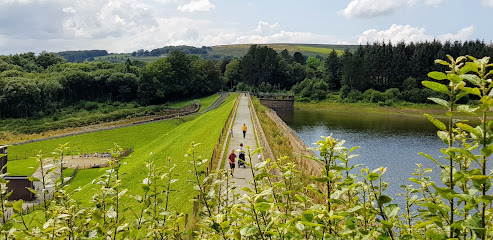
Chorley's Flying Arches
23.3 km
Discover Chorley’s rare Victorian Flying Arches, a unique blend of historic railway engineering and modern heritage preservation.
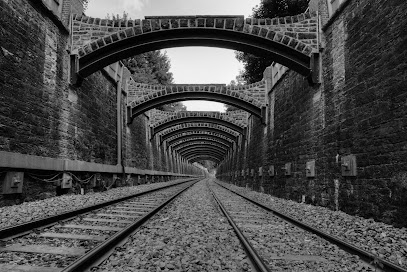
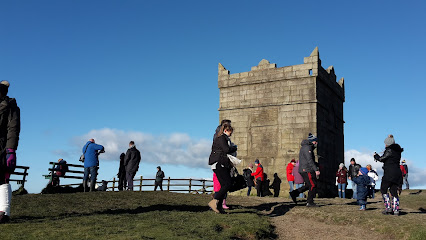
Peel Tower
23.9 km
Historic Peel Tower on Holcombe Hill offers panoramic views and a tribute to Sir Robert Peel’s legacy near Bury.
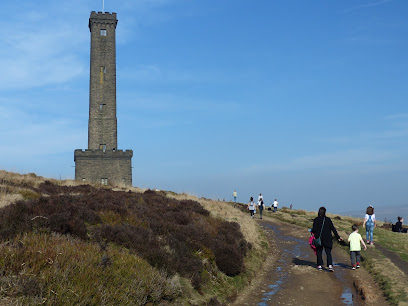
Rivington Pike
26.1 km
Discover the breathtaking views and rich history at Rivington Pike, a perfect hiking destination in Lancashire for nature lovers and adventurers alike.
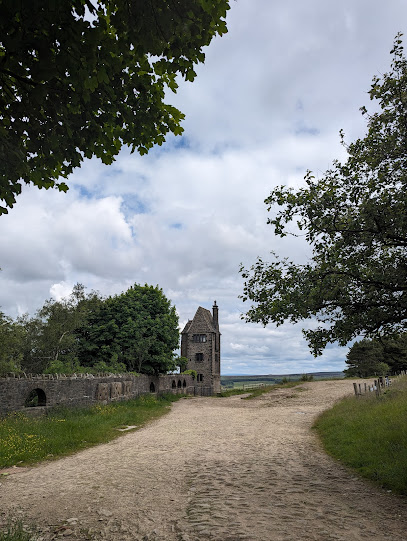
Rivington Pike Tower
26.1 km
Historic 18th-century hunting lodge atop Rivington Pike offering panoramic Lancashire views and rich cultural heritage within scenic Lever Park.
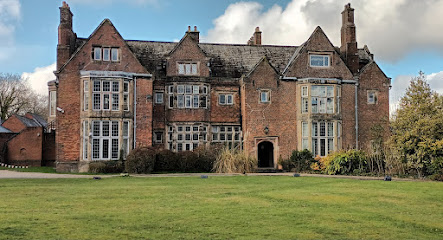
Heskin Hall Shopping Village
29.5 km
Explore Heskin Hall Shopping Village: A delightful blend of boutiques, cafes, and local artistry in a serene countryside setting.
Bury Transport Museum
29.9 km
Explore the fascinating history of transport in the North West at Bury Transport Museum, a unique attraction for all ages.

Robert Peel Statue
30.0 km
Honouring Bury’s most famous son: the 1851 bronze statue of Sir Robert Peel, twice Prime Minister and founder of the modern police force.

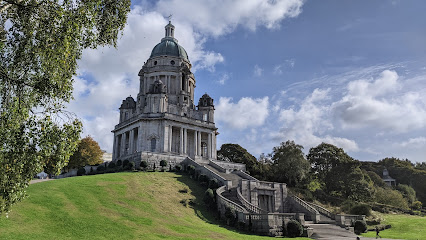
Ashton Memorial
30.8 km
Discover the historical Ashton Memorial in Williamson Park, an architectural gem offering stunning views and a serene atmosphere for all visitors.
Sussex Avenue
31.5 km
Discover the charm of Bury from Sussex Avenue, your convenient gateway to local attractions and experiences in this historic English town.
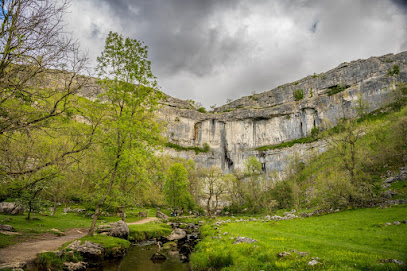
Malham Cove
31.5 km
Experience the stunning beauty of Malham Cove, a natural limestone amphitheater in the heart of the Yorkshire Dales, perfect for hiking and exploration.
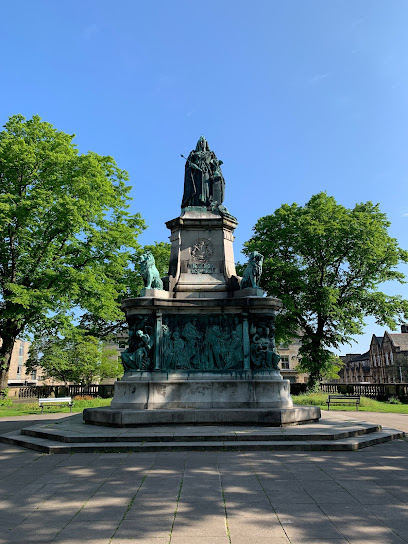
Queen Victoria Memorial, Lancaster
31.8 km
Explore the Queen Victoria Memorial, a stunning tribute to history and architecture in Lancaster's vibrant Dalton Square.
Unmissable attractions to see

Whalley Arches
3.8 km
Experience the awe-inspiring Whalley Arches, Lancashire’s longest brick viaduct, blending Victorian engineering with stunning Ribble Valley scenery.
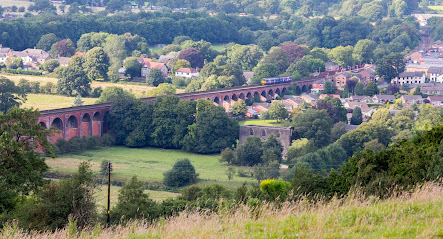
Whalley Viaduct
3.8 km
A stunning 48-arch brick railway viaduct soaring over Lancashire’s Ribble Valley, blending Victorian engineering with gothic echoes of nearby Whalley Abbey.
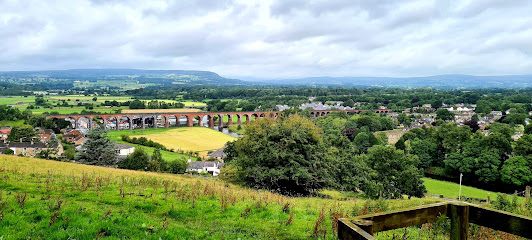
Whalley Abbey East Gatehouse
3.9 km
Explore the majestic 14th-century East Gatehouse of Whalley Abbey, a historic gateway to Lancashire’s rich medieval monastic heritage.
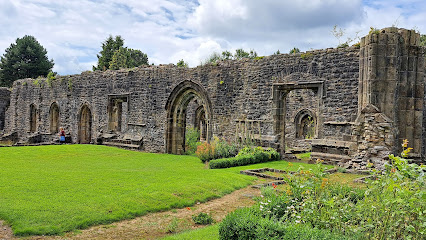
Clitheroe Castle Museum
4.6 km
Explore 800 years of history and stunning Ribble Valley views at Clitheroe Castle Museum, a family-friendly heritage site in Lancashire.
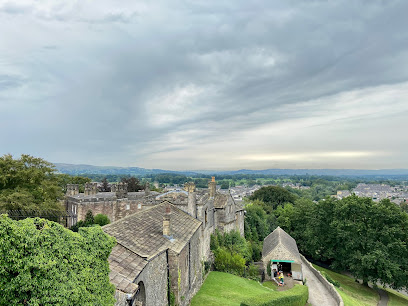
Tin Man Sculpture
5.8 km
A whimsical and iconic outdoor sculpture celebrating creativity amid the scenic landscapes of Langho, Blackburn.
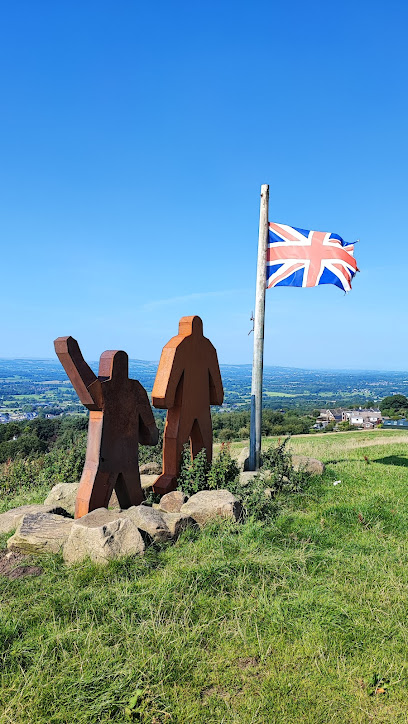
Driscolls Antiques Ltd
6.3 km
Discover exquisite British antique furniture and expert restoration in Clitheroe’s welcoming family-run showroom.

Boyce's Wood
6.4 km
Discover peaceful trails and lush greenery in Boyce's Wood, a serene woodland retreat near Preston, Lancashire.
Ribchester Roman Museum
6.8 km
Explore Lancashire’s only Roman antiquities museum, showcasing Bremetenacum Veteranorum’s rich history through artifacts, ruins, and engaging events.
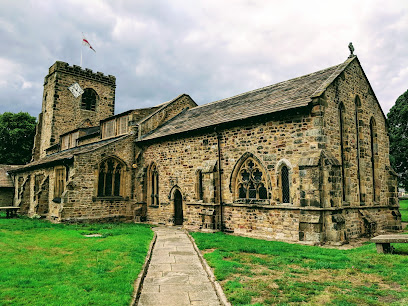
Nick of Pendle
6.8 km
Historic high point near Clitheroe offering stunning views, Bronze Age rock art, and links to the Pendle Witch Trials.
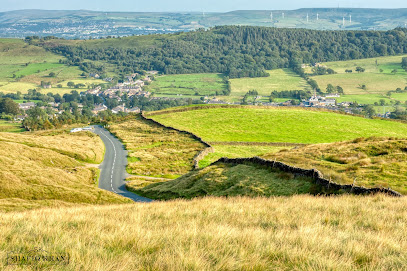
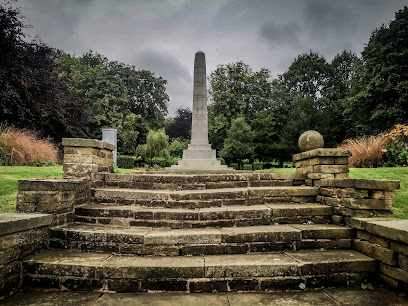
Memorial Park
6.8 km
A peaceful green haven in Great Harwood blending remembrance, vibrant gardens, and active sports facilities.
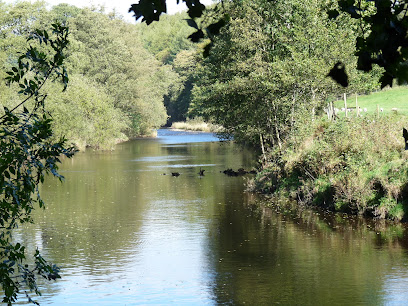
Bowland Wild Boar Park
7.8 km
Explore wildlife, adventure, and family fun in the scenic Forest of Bowland at Bowland Wild Boar Park.
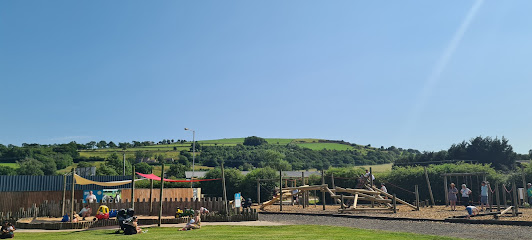
Mrs Dowsons Farm Park
8.4 km
Experience Lancashire’s beloved working farm with hands-on animal encounters, play areas, and farm-made ice cream for all ages.
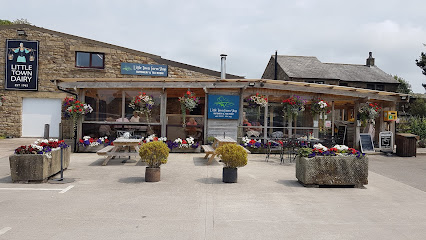
Little Town Farm Shop
9.6 km
A charming family-run farm shop near Preston offering fresh local meats, artisan dairy, baked goods, and a cozy tea room in a peaceful countryside setting.
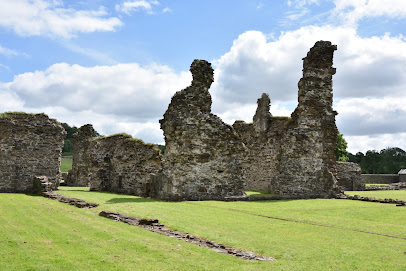
Sawley Abbey
10.2 km
Explore the serene ruins of Sawley Abbey, a historical landmark in Clitheroe, perfect for history lovers and serene nature retreats.
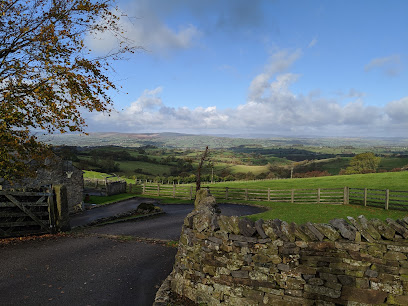
Pendle Hill
10.3 km
Explore Pendle Hill’s legendary landscapes, rich history, and breathtaking views in the heart of Lancashire’s countryside.
Essential places to dine

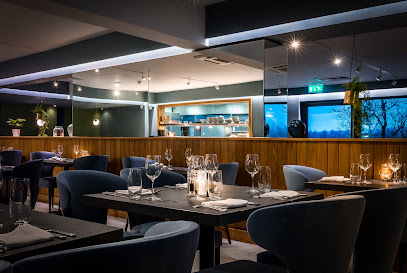
Artisan Ribble Valley
4.3 km
Experience Modern British cuisine in a stylish setting with local flavors, scenic terraces, and a vibrant cocktail bar in Billington, Clitheroe.
Northcote Hotel & Restaurant
4.3 km
Luxury country house hotel with Michelin-starred dining, elegant rooms, and tranquil Ribble Valley views for a refined countryside escape.
The Bonny Inn
6.7 km
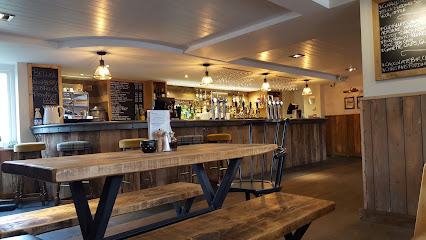
Contemporary British pub with fresh local cuisine, vegan options, and stunning Ribble Valley views in a welcoming, modern setting.
Gibbon Bridge Hotel and Restaurant
7.4 km
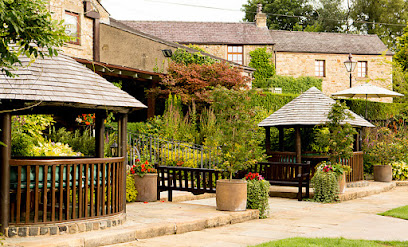
Elegant four-star country hotel with fine dining, scenic gardens, and cozy suites nestled in the Forest of Bowland near Preston.
Angels Restaurant
7.5 km
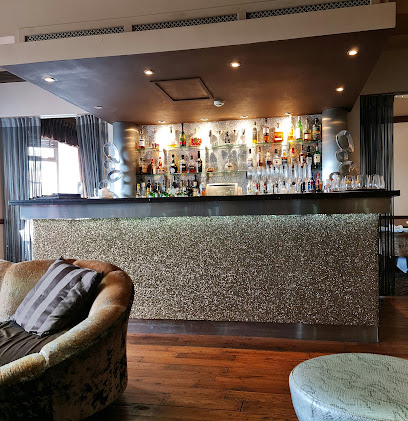
Chic modern British dining in Ribchester’s Ribble Valley, blending seasonal local produce with elegant style and warm hospitality.
The Cellar Restaurant
10.2 km
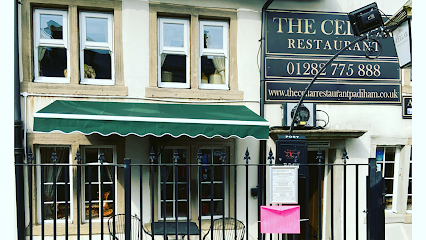
Historic charm meets traditional English cuisine in Padiham’s beloved Cellar Restaurant, where hearty meals and warm service await.
Bertram's Restaurant
13.9 km
Sophisticated adult-only dining with creative British cuisine, cocktails, and stunning countryside views near Burnley.
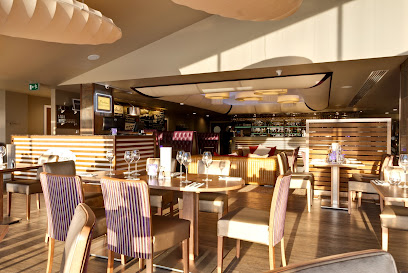
The Italian Orchard
17.1 km
Spacious and stylish Italian dining in Broughton, offering a vast menu and lively atmosphere for families and groups.
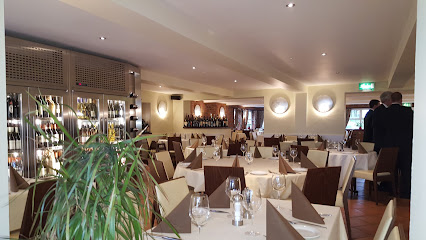
Restaurant Metamorphica
18.0 km
Exclusive fine dining in Haslingden offering innovative British tasting menus in an intimate, handcrafted setting by Chef Steven Halligan.
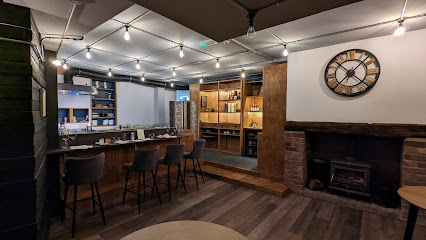
The Broughton Inn
18.3 km
Historic gastropub in Broughton offering classic British dishes and a cozy, welcoming atmosphere just north of Preston.
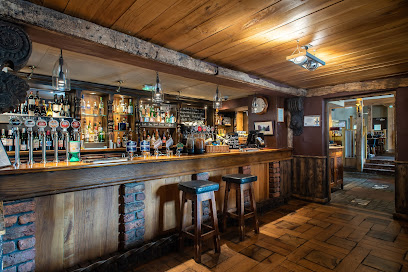
Walled Garden Restaurant
18.8 km
A stylish British bistro in Preston offering fresh, locally sourced dishes and renowned afternoon tea in a charming garden conservatory setting.
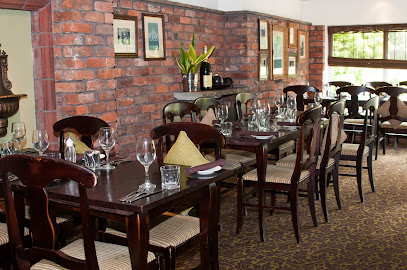
The Pickled Goose
18.9 km
A lively British pub and restaurant in Barton, Preston, blending countryside charm with modern dining and a vibrant social bar.
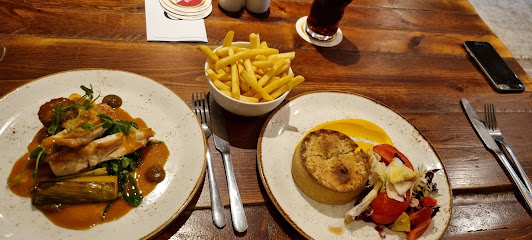
Tipsy Chef (Bar & Restaurant)
18.9 km
A vibrant American-inspired bar and restaurant in Preston, famed for inventive dishes and lively cocktails in a buzzing social setting.
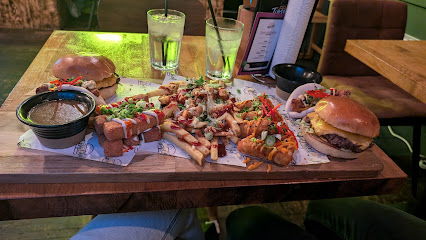
Aven Restaurant
19.4 km
Experience Preston’s finest with Aven Restaurant’s award-winning British cuisine, seasonal tasting menus, and warm, elegant ambiance.
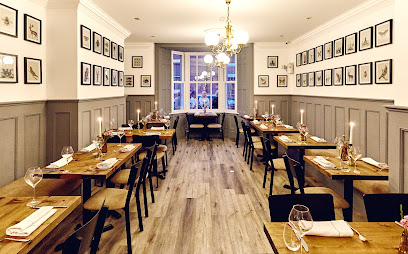
Pipers
22.0 km
Experience traditional English cuisine with modern flair in the heart of Garstang’s historic High Street at Pipers Restaurant.
Markets, malls and hidden boutiques

Quirky Gifts
11.6 km
Explore Accrington's most charming gift shop for unique, whimsical treasures that capture the spirit of your travels.
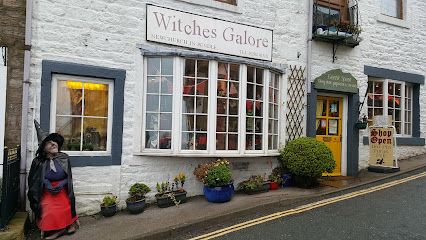
Witches Galore
11.9 km
A quirky, witch-themed gift shop in Newchurch-in-Pendle, packed with Pendle Witch memorabilia, magical curios and folklore souvenirs.
Crissys Gifts For All Occasions
14.8 km
Explore Crissys Gifts For All Occasions in Blackburn for unique gifts and souvenirs that capture the essence of your visit.
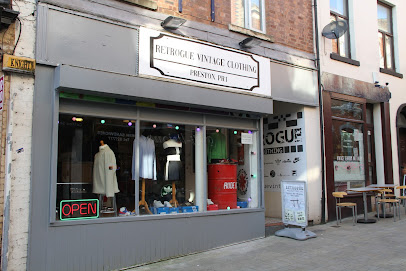
Retrogue Vintage Clothing
19.1 km
Discover unique vintage and designer secondhand fashion treasures in the heart of Preston at Retrogue Vintage Clothing.
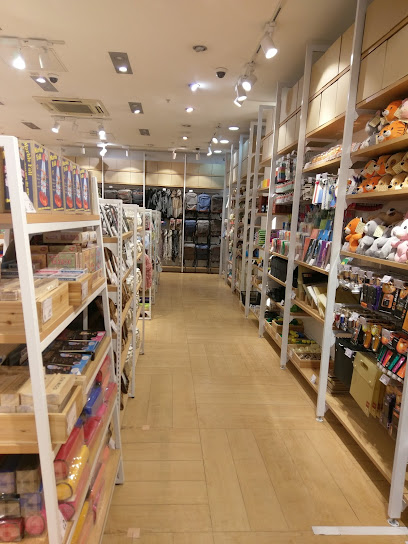
KENJI Preston
19.2 km
Discover an eclectic mix of unique gifts and general merchandise from Asia in Preston’s vibrant KENJI store within St George's Shopping Centre.
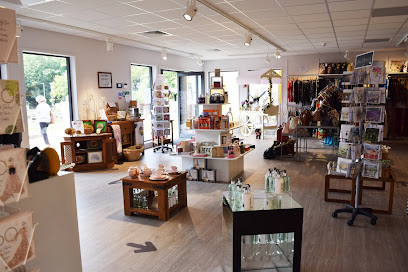
The Mill Shop
20.3 km
A welcoming gift shop in St Catherine’s Park, Lostock Hall, blending community spirit with unique local crafts and charitable support.
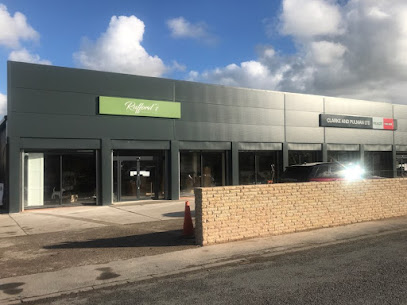
Rufford's Country Lifestyle
20.4 km
Discover premium British country wear and footwear at Rufford's, your stylish gateway to authentic country living near Preston.
The Old Rock Home & Gifts Shop
20.8 km
A charming village boutique offering unique gifts, homewares, and clothing with warm local hospitality in Trawden, Lancashire.
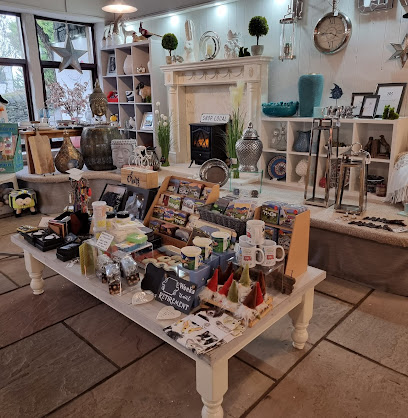
THE FOSSIL STORE
21.9 km
A unique design studio and shop in the Forest of Bowland, transforming rare fossils into bespoke art and jewellery.

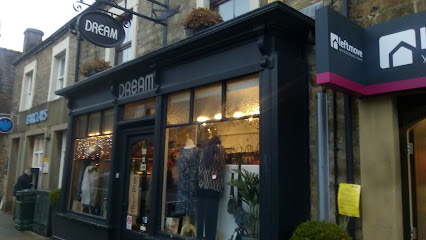
Dream
22.0 km
Distinctive gifts in the heart of Lancashire's historic market town.
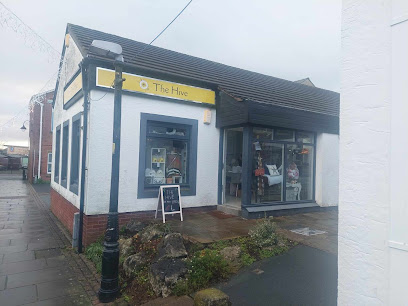
The Hive
22.0 km
Discover unique gifts and warm hospitality at The Hive, Garstang’s beloved local gift shop nestled in a charming historic setting.
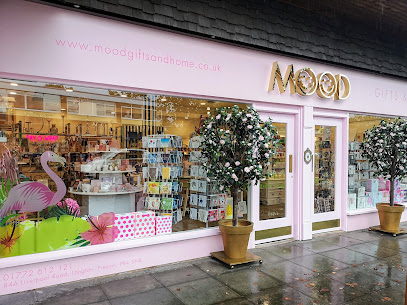
Mood Gifts & Home
25.6 km
Discover unique gifts and stylish home accessories in a warm, community-focused boutique in Longton, Preston.
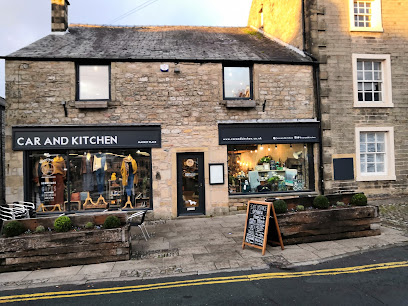
C&K
27.1 km
A charming independent lifestyle store and café in Settle’s Market Place, blending boutique shopping with local flavors and welcoming ambiance.
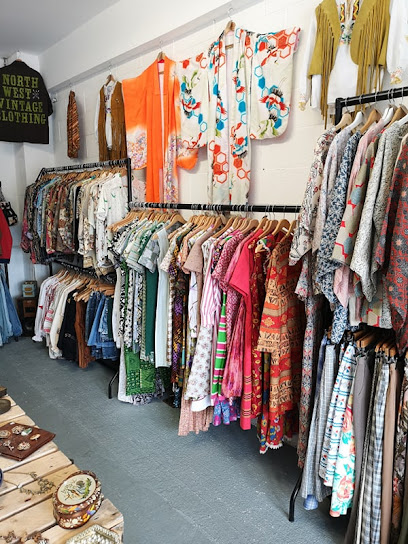
North West Vintage Clothing Company Ltd
29.0 km
Discover timeless vintage fashion treasures in the historic Bygone Times at Eccleston, where every piece tells a story of style and sustainability.
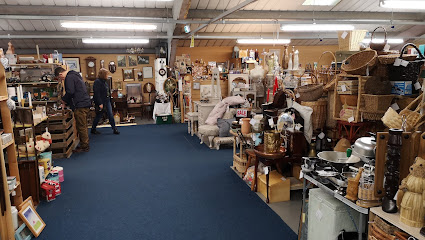
Bygone Times
29.0 km
Discover Bygone Times, an antique paradise in Eccleston, Chorley, brimming with vintage treasures waiting to be unearthed.
Essential bars & hidden hideouts

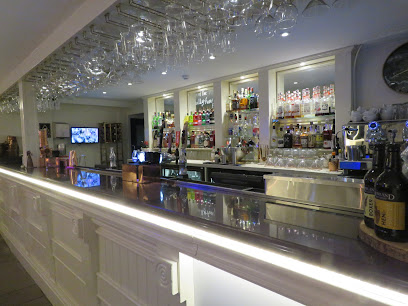
The Kings Wine and Cocktail Bar and Thai at the Kings
4.2 km
A chic cocktail bar and authentic Thai restaurant in Clitheroe offering fresh flavors, elegant ambiance, and warm hospitality.
Ribchester Arms
6.3 km
A charming Lancashire inn blending historic roots, hearty gastropub fare, and cozy comfort in the heart of Ribchester.
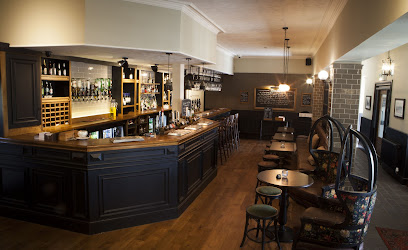
The Stage Door
10.3 km
A cozy, rustic bar and restaurant in Longridge offering expertly crafted cocktails, stone-baked pizzas, and a welcoming atmosphere for relaxed and lively nights.
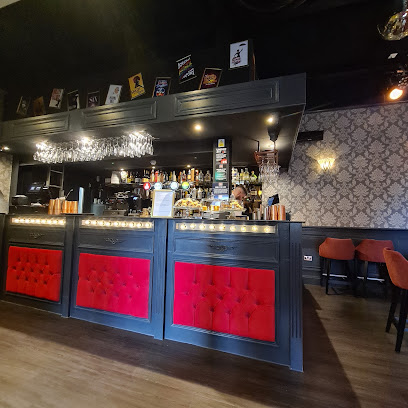
White Orchid Boutique Bar
12.0 km
Stylish boutique bar in Accrington offering quality drinks, cozy ambiance, and live music for a vibrant social experience.
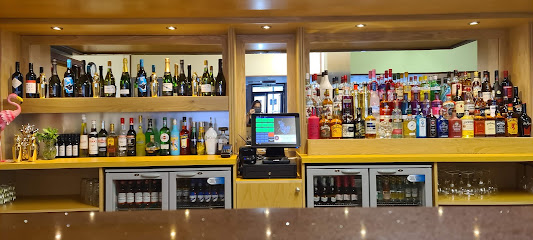
The Plough Grimsargh
12.7 km
A friendly village pub in Grimsargh serving classic British dishes, excellent beers, and hosting lively community events in a warm, welcoming atmosphere.
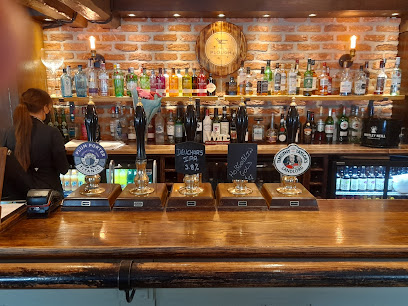
The Stags Head
14.5 km
A charming Lancashire gastropub blending traditional British fare with warm hospitality in the heart of Goosnargh village.
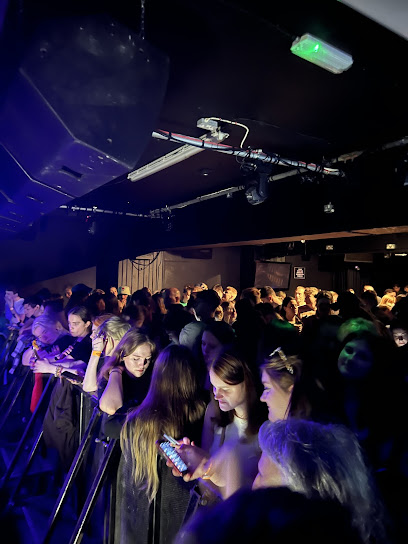
Blitz Venue & Nightclub
18.8 km
Experience Preston’s vibrant late-night scene with live DJs, affordable drinks, and an energetic club atmosphere at Blitz Venue & Nightclub.
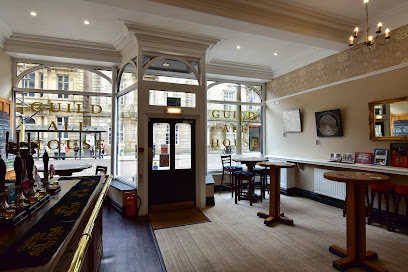
Guild Ale House
18.9 km
Preston’s first micro pub, Guild Ale House serves exceptional local ales in a cozy, lively setting with a welcoming community vibe.
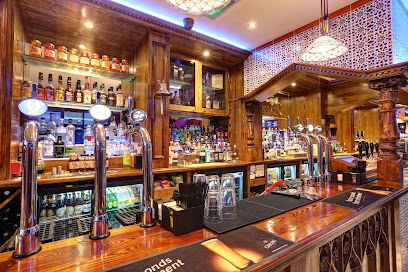
Hogarths
18.9 km
Historic Victorian gin palace in Preston city centre, famed for its vast gin selection, lively sports atmosphere, and vibrant community spirit.
Winedown
18.9 km
Discover Winedown, Preston’s cozy underground wine bar with exceptional wines, artisan cheese boards, and a warm, inviting atmosphere.
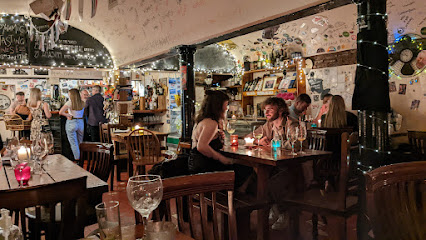
Baluga Bar & Club
19.0 km
Experience Preston's vibrant nightlife at Baluga Bar & Club, where stylish drinks meet a lively dance floor in the heart of the city.
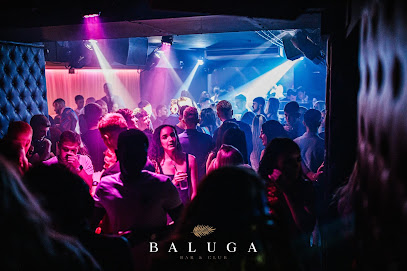
Revolution Preston
19.1 km
A vibrant four-level cocktail bar and restaurant in Preston city centre, perfect for dining, cocktails, and late-night partying.
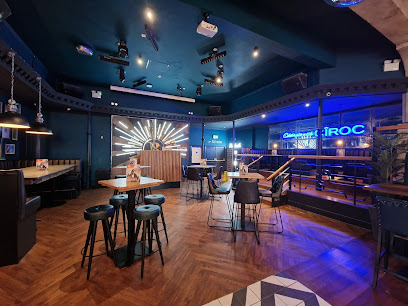
Black Horse
19.1 km
Historic Black Horse Pub in Preston offers award-winning real ales, classic charm, and a welcoming atmosphere in the heart of the city.
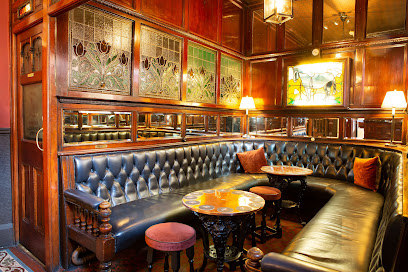
Plau Gin & Beer House
19.2 km
A vibrant multi-venue bar in Preston offering craft beers, cocktails, Spanish tapas, and a unique traditional atmosphere.
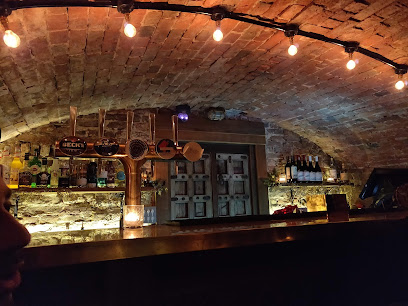
Plug & Taps
19.2 km
Discover Preston’s craft beer gem at Plug & Taps, a cozy micro pub blending modern vibes with a vibrant community spirit.
Nightclubs & after hour spots

Rendezvous Nightclub & Resteraunt
4.3 km
Vibrant nightclub and restaurant in Whalley offering lively weekend events, diverse music, and friendly service in Ribble Valley’s heart.

The Redroom Burnley
15.0 km
Experience Burnley’s vibrant nightlife with The Redroom’s lively music, diverse drinks, and late-night party atmosphere in the town centre.
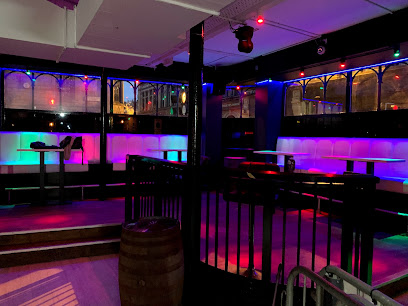
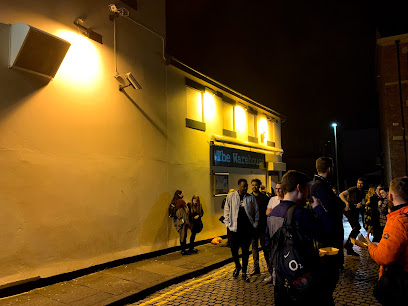
The Warehouse
18.9 km
Three floors of diverse music and vibrant nightlife in Preston’s welcoming alternative club scene.
Popworld - Preston
18.9 km
Popworld Preston: Where cheesy pop tunes meet vibrant nightlife and unforgettable party vibes in the heart of the city.
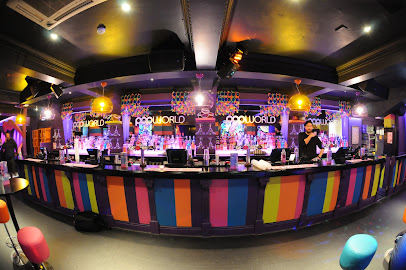
Switch Nightclub
19.0 km
Energetic and affordable nightlife hub in Preston, popular with a middle-aged crowd and known for its lively atmosphere.

Park Hall Nightclub
28.6 km
Experience the vibrant energy and nostalgic vibes of Park Hall Nightclub, Chorley’s premier rural nightlife destination.
Level Nightclub
30.1 km
Experience Bolton’s vibrant nightlife at Level Nightclub, where dynamic music, affordable drinks, and lively atmosphere create unforgettable nights.
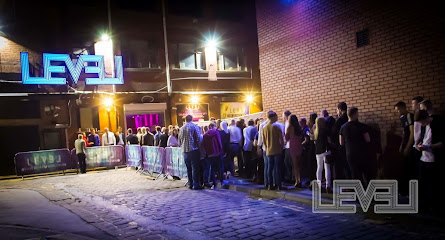
Underground
33.4 km
Experience classic rave vibes and late-night energy at Underground, Bolton’s intimate clubbing hotspot in Farnworth.

Pure Nightclub
35.7 km
Experience Wigan’s vibrant nightlife at Pure Nightclub, where energetic beats, stylish vibes, and unforgettable late-night memories come alive every Saturday.

Ibiza Nightclub
35.8 km
Experience Wigan’s vibrant nightlife at Ibiza Nightclub, where music, dance, and unforgettable Saturday nights come alive until dawn.
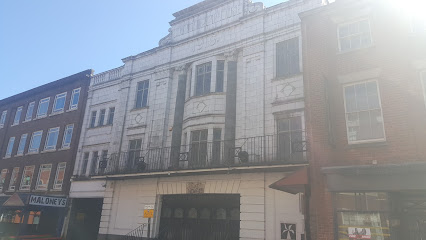
Club underground
39.5 km
Experience Blackpool’s authentic old-school basement club with vibrant music, friendly crowds, and late-night energy on Talbot Road.
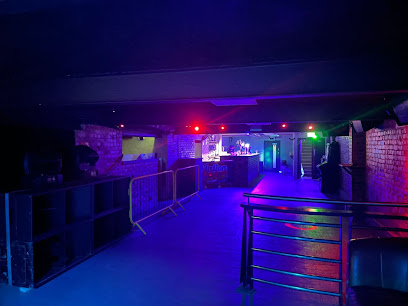
Funny Girls
39.5 km
Discover the magic of Blackpool's Funny Girls, where dazzling performances meet delightful dining in an unforgettable night out.
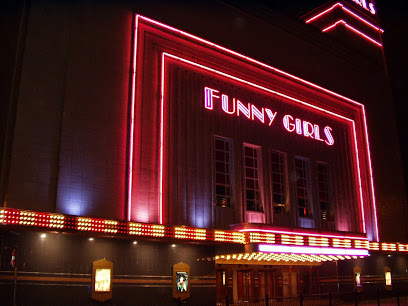
The Tache Rock Club
39.7 km
Blackpool’s spirited rock nightclub offering authentic music, friendly vibes, and late-night energy in a casual setting.
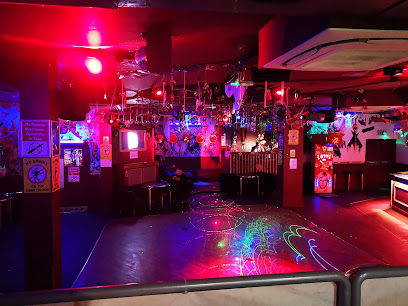
Trilogy Nightclub
39.7 km
Experience Blackpool’s vibrant nightlife across three floors of music, lights, and energy at Trilogy Nightclub.
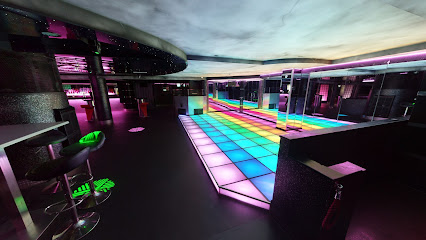
Sanuk Nightclub
39.7 km
Experience Blackpool’s vibrant nightlife at Sanuk Nightclub, a premier venue with six rooms and a lively house music scene on the iconic promenade.
For the vibe & atmosphere seeker
- Tranquil
- Scenic
- Relaxing
- Unique
For the design and aesthetic lover
- Rustic Designs
- Vintage Styles
For the architecture buff
- Historic
- Landmarks
- Parks & Gardens
For the view chaser and sunset hunter
- Iconic Views
- Waterfront
For the social media creator & influencer
- Instagrammable
- Photo Spots
- Selfie Spots
For the eco-conscious traveler
- Low Impact
- Public-Transport Accessible
- Leave-No-Trace Critical
- Locally Managed
For the kind of experience you’re after
- Cultural Heritage
- Photowalk
- Nature Escape
- Day Trip
- Weekend Getaway
- Myth & Legends
For how adventurous you want the journey to be
- Easy Access
Location Audience
- Family Friendly
- Senior Friendly
- Child Friendly
- Teen Friendly
- Wheelchair Access
- Pet Friendly
- Solo Friendly
- Couple Friendly
- Vegetarian Friendly
- Vegan Friendly


