Beaches, Northumberland Travel Guide
Golden sands, wild skies, and timeless charm where the River Aln meets the North Sea.
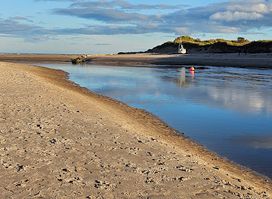
Alnmouth Beach is a stunning three-section sandy beach at the mouth of the River Aln in Northumberland, England, set within an Area of Outstanding Natural Beauty. This dog-friendly, family-oriented beach features golden sand backed by protective dunes, historic World War II concrete defences, and sweeping views across the estuary. The tranquil village of Alnmouth, with its distinctive pastel-coloured houses, sits behind the beach and offers shops, cafes, and pubs within easy walking distance.
A brief summary to Beaches
- 56 Northumberland St, Alnwick, Alnmouth, NE66 2RJ, GB
- Click to display
- Duration: 1.5 to 4 hours
- Free
-
 Outdoor
- Mobile reception: 4 out of 5

Know before you go
Hi, I'm Eve. Here are a few practical things to know before exploring Beaches.
- Visit at low tide to experience the vast expanse of sand and access rock pools for exploration. The beach transforms dramatically with tidal changes, offering different experiences throughout the day.
- Avoid swimming near the river mouth and estuary due to strong, changeable rip tides and dangerous currents. Wading is also not recommended in these areas, despite the beach's otherwise welcoming appearance.
- Explore early morning or during off-season months for a tranquil experience with fewer visitors. Late afternoon (around 5–6 PM) is ideal for avoiding tourist crowds while maintaining good light for photography.
- Walk north along the beach to the headland above the golf course for panoramic views across the Northumberland coast. A bench near the holiday pods provides an excellent vantage point for admiring the landscape.
- Bring binoculars for birdwatching in the dunes and estuary, particularly during summer months when migratory species arrive. The saltmarsh and dune habitats support diverse bird populations.
Do you manage this location?
Take control to get all the benefits, like improved information, better appearance, and stronger visibility across AI-powered discovery. Learn more about listing your business on Evendo
Activate your presenceOther nearby places you may find interesting
The closest places of the same kind, if this one is not quite what you had in mind.

Explore Beaches on the Map
A handpicked selection of must-see spots near Beaches, mapped for you.
Getting There
-
Train + Walk
Alnmouth Railway Station is located just over 1 mile south-west of the village. From the station, the walk to the beach takes approximately 15–20 minutes on foot through the village streets. The station is served by regional trains connecting to Newcastle (approximately 45 minutes) and Edinburgh (approximately 2 hours). No parking required, and the walk is straightforward and accessible.
-
Bus
Arriva bus services operate regular routes along the Northumberland coast, connecting Alnmouth to nearby towns including Alnwick (approximately 15 minutes), Craster (approximately 20 minutes), and Newcastle (approximately 90 minutes). Services run several times daily. Bus stops are located in the village centre, within 5–10 minutes' walk of the beach. Fares vary by distance; typical local journeys cost £2–5.
-
Car
A large public pay car park is located on the seafront near the golf course, with all-day parking available for £3.50. From Alnwick town centre (4 miles away), follow signs toward the coast; the drive takes approximately 10 minutes. From Newcastle (29 miles), take the A1(M) north, then follow A1068 toward the coast; the drive takes approximately 45 minutes. A separate motorhome parking area is also available. Parking is limited in the village itself, though free parking may be available near the river steps.
-
Walking Routes
Alnmouth is situated on the Northumberland Coast Path and St. Oswald's Way, making it an ideal stop for long-distance walkers. The Coast and Castles cycle route also passes nearby. From the beach, walkers can access the headland path north toward the golf course (approximately 1 mile) for panoramic coastal views. The estuary walk to Church Hill requires either a barefoot river crossing at low tide or a 4-mile road detour.
For the on-the-go comforts that matter to you
-
 Restrooms
-
 Drink Options
-
 Food Options
-
 Seating Areas
-
 Picnic Areas
-
 Trash Bins
-
 Information Boards
-
 Visitor Center
Discover more about Beaches
A Beach Shaped by History and Nature
Alnmouth Beach occupies a wide sandy bay at the mouth of the River Aln, where the river flows into the North Sea. The beach's character was fundamentally altered by the Great Storm of Christmas Eve 1806, which changed the river's course and transformed Alnmouth from a bustling medieval port into a peaceful coastal village. Today, the beach stretches across three distinct sections, each offering different experiences and landscapes. The main beach fronts the village itself, while the estuary section to the south provides views across to Church Hill, and the northern section presents a wilder, more exposed character with rocky outcrops.Geological Treasures and Wartime Remnants
The beach sits on a 6,000-year-old raised beach, a geological feature that also forms the foundation of Alnmouth Golf Course, established in 1869 as one of England's oldest nine-hole courses. Scattered across the sand are distinctive square concrete cubes, remnants of World War II coastal defences designed to deter tank landings. These historical artifacts blend seamlessly with the natural landscape, creating an intriguing contrast between human intervention and natural beauty. The protective sand dunes behind the beach are relatively young, with the south-beach dune only 200–300 years old, yet they form a crucial habitat for diverse plant communities and seabirds.Wildlife and Ecological Significance
The Aln Estuary, saltmarsh, and dunes form a haven for seabirds and wildlife, particularly during summer months when migratory species arrive to feed. The area's ecological importance is recognized through multiple protected designations: it lies within the Northumberland Coast Area of Outstanding Natural Beauty and is designated as a Site of Special Scientific Interest for its varied plant community. In 2006, the Environment Agency breached flood banks to recreate saltflats, allowing tidal action to restore natural habitats for wading birds while simultaneously reducing flood risk. The ever-changing views through the seasons reflect the dynamic relationship between the river, tides, and coastal landscape.The Village and Its Charm
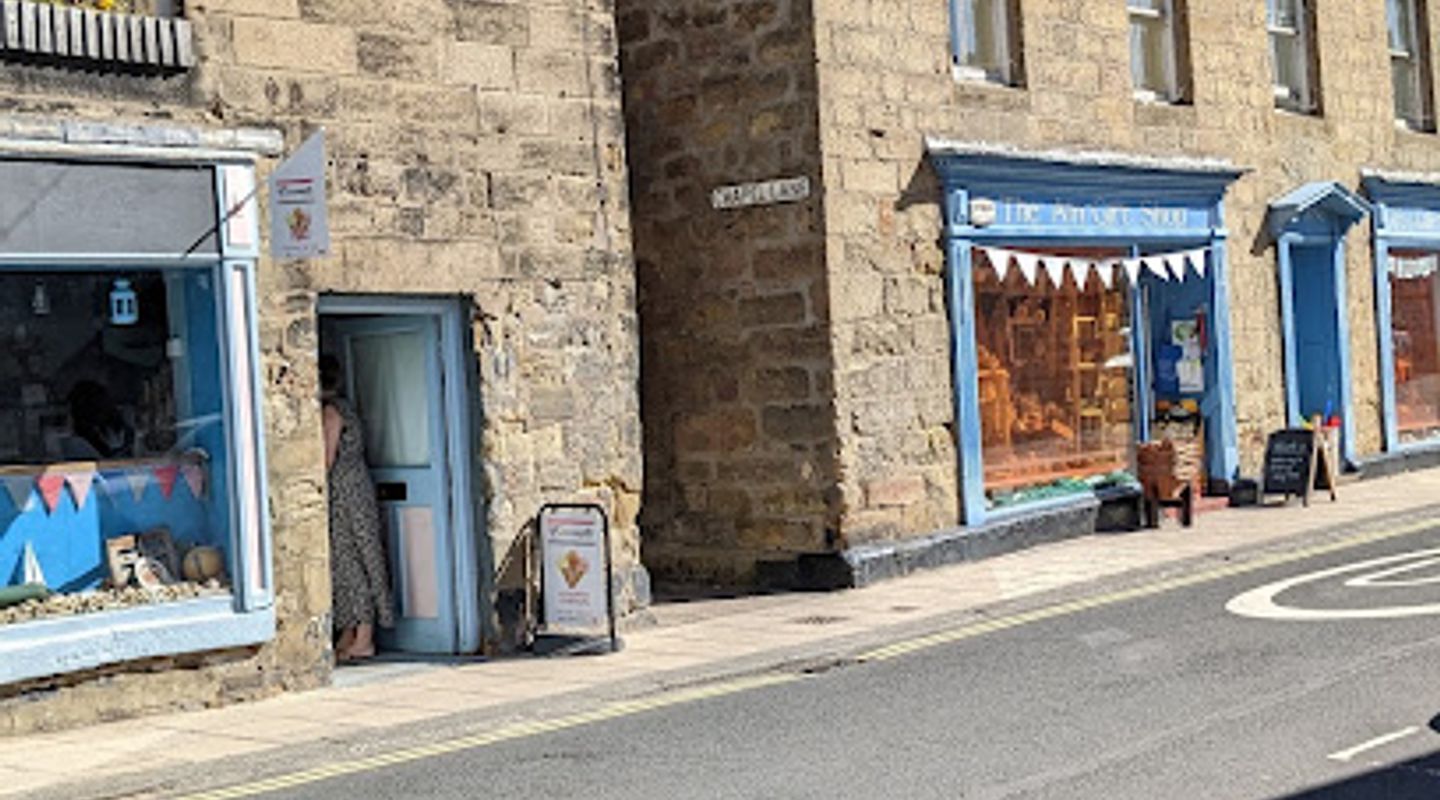
Behind the beach lies the picturesque village of Alnmouth, instantly recognizable by its distinctive pastel-coloured houses strung along the River Aln—a sight beloved by photographers and train passengers alike. The village layout has remained largely unchanged since medieval times, preserving its authentic character. Lovaine Terrace, the most iconic row of coloured houses, has become a symbol of Alnmouth's enduring appeal. The village offers a diverse selection of independent shops, coffee houses, pubs, and restaurants within a ten-minute walk of the beach, making it an ideal base for coastal exploration.Activities and Seasonal Character
The beach accommodates a wide range of activities suited to different visitors. Families enjoy building sandcastles on the compact, flat sand, while equestrian enthusiasts can gallop along the shoreline. Dog walkers find the beach exceptionally welcoming, with no restrictions and fellow dog-friendly visitors. Fishing enthusiasts appreciate the good fishing opportunities, while rock pooling is possible at low tide among the rocks. The beach is particularly tranquil during off-season months and early mornings, offering vast skies and the rhythm of waves to those seeking solitude. Swimming is not generally recommended due to strong currents and dangerous rip tides, particularly near the river mouth and estuary.Access and Practical Considerations
Alnmouth Beach is easily accessible from the village, with a large pay car park located on the seafront near the golf course. A separate parking area for motorhomes is also available. The beach's compact sand makes it accessible for visitors with mobility challenges. The Ferryman's Hut, restored and filled with framed photographs of Alnmouth's maritime history, stands as the smallest museum in Northumberland and offers insight into the village's ferry service, which operated until the 1960s. The proximity to major walking routes—the St. Oswald's Way and Northumberland Coast Path—makes Alnmouth a useful stop for long-distance walkers exploring the Northumberland coast.












Your all‑in‑one travel companion app
Explore expert travel guides, compare and book tours, experiences, hotels, and more—all from the palm of your hand. Download now for seamless trip planning wherever your wanderlust takes you.


Explore More of Northumberland

Looking beyond Beaches? Discover Northumberland for broader travel guides, local hot-spots, and regional highlights.
Explore Northumberland