
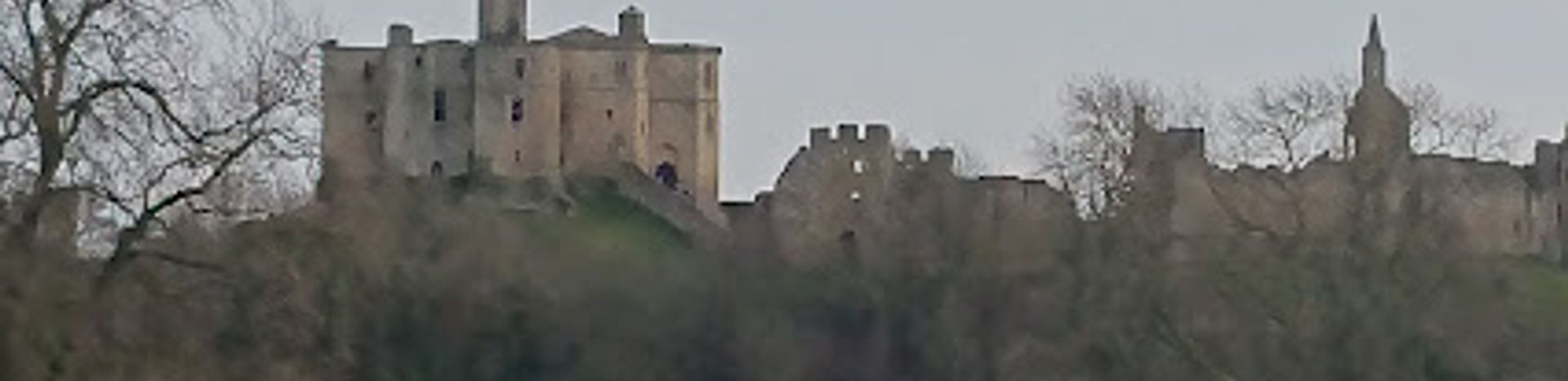
Warkworth Hermitage
A medieval chapel carved into riverside cliffs, accessible only by boat—where history and legend intertwine.
Warkworth Hermitage is a remarkable medieval rock-cut chapel carved directly into sandstone cliffs above the River Coquet in Northumberland. Accessible only by boat from Warkworth Castle, this secluded sanctuary features an ornately designed chapel chamber with vaulted bays and relief sculpture, dating to around 1400. Originally established as a chantry chapel occupied by clergy from 1489 to 1536, the hermitage combines genuine historical significance with an atmosphere of mystery and solitude, making it one of Britain's most elaborate surviving medieval rock-cut chapels.
A brief summary to Warkworth Hermitage
- Unnamed Road, Morpeth, Warkworth, GB
- Duration: 0.5 to 1.5 hours
- Budget
-
 Outdoor
- Mobile reception: 3 out of 5
Local tips
- Purchase your hermitage ticket at Warkworth Castle before walking to the boat jetty; otherwise you'll need to walk back to the castle to buy a ticket, adding unnecessary distance to your visit.
- The hermitage is open weekends only; plan your visit accordingly and check opening hours before traveling, as access is restricted to Saturday and Sunday.
- Wear sturdy footwear for the riverside walk and the uphill approach to the chapel; the terrain can be uneven and muddy, especially after rain.
- Allow at least 30 minutes for the boat journey, walk, and exploration of the hermitage itself; combine this with a visit to Warkworth Castle for a full historical experience.
- Bring a camera or smartphone to capture the carved details and relief sculpture inside the chapel; the light filtering through the entrance creates atmospheric photography opportunities.

For the on-the-go comforts that matter to you
- Information Boards
Getting There
-
From Warkworth Castle on foot
Walk downstream along the scenic riverside path for approximately 0.5 miles from Warkworth Castle. The path follows the north bank of the River Coquet through woodland and open ground. Journey time is 10–15 minutes depending on pace and terrain conditions. The path is generally well-marked but can be muddy after rain. Upon reaching the boat jetty, ring the bell to summon the boatman for the short crossing.
-
Boat crossing from the jetty
A boatman operates a small rowing boat service across the River Coquet. The crossing takes approximately 2 minutes. The boat service operates during hermitage opening hours (weekends only). Ticket cost is approximately £7 per person for non-English Heritage members; members receive discounted or included access. The boatman provides brief commentary during the crossing and can offer additional historical context.
-
From Warkworth village by car
Drive to Warkworth village and park at Warkworth Castle car park (free for English Heritage members, approximately £2 for non-members). From the castle, follow the riverside walking route as described above. Total journey time from car park to hermitage is approximately 20–25 minutes including the walk and boat crossing. No direct vehicle access to the hermitage is available.
-
Public transport from Alnwick
Bus services operate between Alnwick and Warkworth village (approximately 15–20 minutes journey time). From Warkworth village, walk to Warkworth Castle car park area, then follow the riverside path to the boat jetty. Total journey time from Alnwick is approximately 45–60 minutes including walking. Check local bus operator schedules for current service frequency and fares.
Warkworth Hermitage location weather suitability
-
 Mild Temperatures
-
 Clear Skies
-
 Rain / Wet Weather
Discover more about Warkworth Hermitage
A Chapel Carved from Stone and Legend
Warkworth Hermitage stands as one of Britain's most extraordinary medieval monuments—a chapel hewn directly from the steep sandstone cliffs that rise above the River Coquet. Located half a mile upstream from Warkworth Castle, this secluded sanctuary can only be reached by a short boat journey across the river, a journey that transports visitors from the modern world into a realm of medieval devotion and mystery. The hermitage is among the most elaborate rock-cut chapels to survive in England, comparable only to a handful of other examples such as the Chapel of St Mary Magdalene at Guy's Cliffe in Warwickshire and the Chapel of Our Lady of the Crag at Knaresborough in Yorkshire.Origins and Architectural Mastery
The hermitage is believed to have been founded during the 14th or early 15th century, most likely under the patronage of Henry Percy, 1st Earl of Northumberland (1341–1408), the same powerful nobleman who transformed Warkworth Castle itself. The chapel was formally established as a chantry—a private chapel endowed for the singing of masses—and from 1489 until the Dissolution of the Monasteries in 1536, it was occupied by a succession of clergy who maintained the sacred space. The structure showcases remarkable medieval craftsmanship, with its interior featuring vaulted bays, carefully carved relief sculpture, and an inner chamber that demonstrates the skill of its medieval builders in working within the constraints of living rock.Romantic Tales and Historical Truth
The hermitage has long been shrouded in romantic legend. The most famous story, recounted in Thomas Percy's 1771 ballad "The Hermit of Warkworth," tells of Sir Bertram of Bothal, who accidentally killed both his brother and his lover, then withdrew to this riverside cave to live out his days in solitary penance. According to the ballad, Bertram carved an effigy of his beloved into the chapel stone, with a figure kneeling at her feet in eternal devotion. While this narrative captures the imagination of visitors, historical records reveal a different reality: the hermitage functioned as a properly maintained chantry chapel, staffed by appointed clergy who performed their religious duties with institutional regularity rather than hermitic isolation.The Journey and Atmosphere
Reaching the hermitage requires commitment and adds to its mystique. From Warkworth Castle, visitors walk a scenic half-mile along the riverbank, following the course of the Coquet through woodland and open ground. Upon arrival at the boat jetty, a boatman rows visitors across the river in a small rowing boat—a journey of just two minutes that feels timeless. The final approach involves a short walk uphill to the cave entrance, where the chapel reveals itself carved into the cliff face, its entrance framed by the natural rock and surrounded by trees. The atmosphere is profoundly tranquil and contemplative, with the sound of the river below and the isolation of the location creating a sense of stepping outside ordinary time.Architectural and Historical Significance
The hermitage's architectural importance lies in the sophistication of its interior design. The chapel chamber is carefully proportioned and decorated with carved details that would have required considerable skill to execute within the constraints of the rock medium. The vaulted bays create a sense of sacred space despite the modest overall dimensions, and the relief carvings—including the famous effigy associated with the Bertram legend—demonstrate the artistic ambitions of its medieval creators. The hermitage also preserves evidence of practical medieval life, including carved flood level markers on the rock face that document the river's behavior over centuries.A Monument to Medieval Devotion
Today, the hermitage remains consecrated, a status that reflects its enduring spiritual significance. It stands as a testament to the religious fervor of the late medieval period, when wealthy families like the Percys invested in private chapels and spiritual infrastructure. The site's survival through centuries of religious upheaval, from the Dissolution through the Reformation and beyond, speaks to its resilience and the protective care it has received. For visitors, the hermitage offers a rare opportunity to experience a medieval sacred space in its original setting, largely unchanged since the 16th century, where the boundary between history and legend remains pleasantly blurred.Iconic landmarks you can’t miss

Warkworth Hermitage
0.0 km
A medieval chapel carved into riverside cliffs, accessible only by boat—where history and legend intertwine.
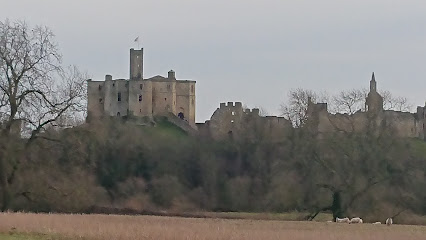
Search Northumberland, Things to do in Northumberland
18.0 km
Discover the enchanting landscapes, rich heritage, and vibrant culture of Northumberland, the perfect destination for adventure and relaxation.

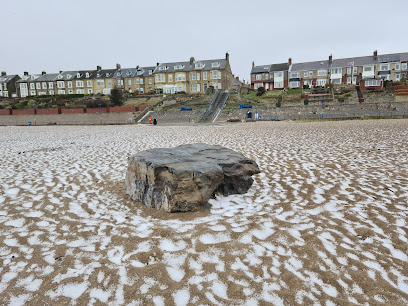
Hunkleton stone
19.5 km
A majestic glacial erratic on Newbiggin Beach, symbolizing natural history and community spirit in Northumberland’s coastal town.
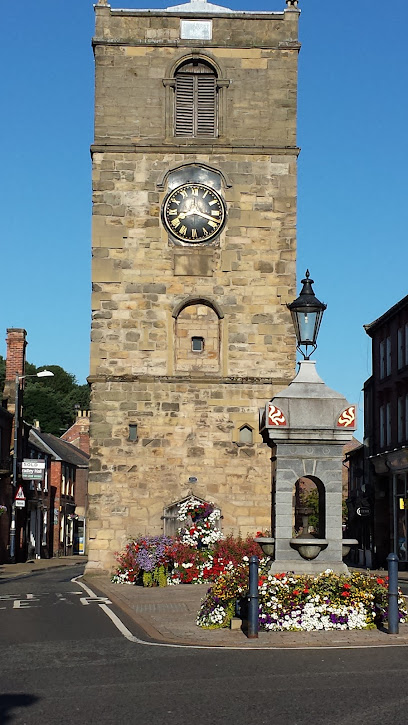
Morpeth Clock Tower
20.4 km
Historic 17th-century clock tower in Morpeth, crafted from medieval stone, featuring a storied belfry and iconic bells with deep local roots.
Beadnell Harbour
22.7 km
Historic 18th-century harbour with unique west-facing entrance, scenic sandy bay, and preserved lime kilns on Northumberland’s coast.
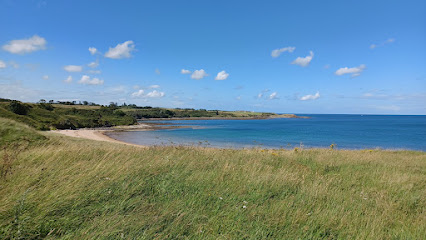
Hole in The Wall
26.9 km
Historic coastal landmark in Blyth featuring a unique hole framing stunning beach views and easy beach access.
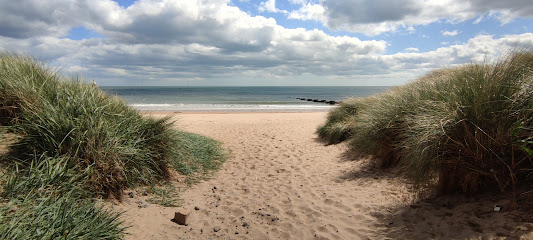
Villages in Time Guided Walks no longer functions
27.8 km
Explore the enchanting history of local villages with Villages in Time Guided Walks, where every step uncovers stories from the past.
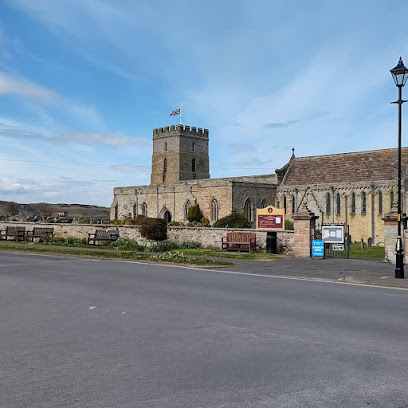
Lozenge Type Coastal Bunker
28.6 km
Explore the unique WWII Lozenge Type Coastal Bunker in Bamburgh, a striking hexagonal pillbox guarding Northumberland’s historic coastline.
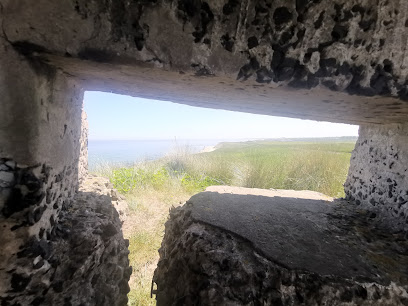
Lady's Well
29.0 km
Discover Lady's Well, a tranquil ancient spring steeped in Roman history and early Christian legend, nestled within Northumberland’s wild beauty.
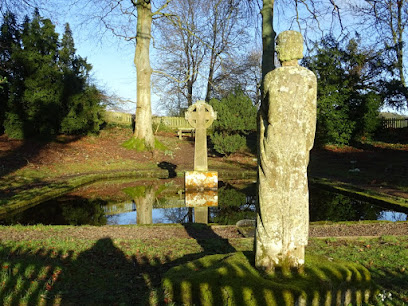
Westmorland Way
29.1 km
Explore Cramlington from Westmorland Way, your convenient bus stop for seamless access to local attractions and amenities.

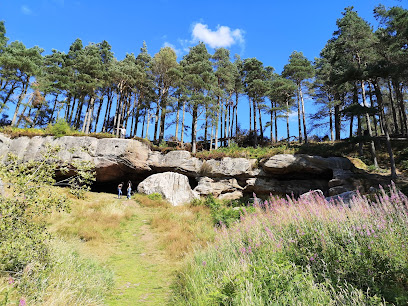
National Trust - St Cuthbert's Cave
34.6 km
Experience the natural beauty and rich history of St Cuthbert's Cave, a must-visit hiking destination in Northumberland's stunning countryside.
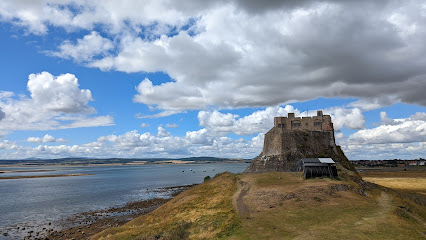
Lindisfarne Castle
37.4 km
Explore the historical charm of Lindisfarne Castle on Holy Island, where breathtaking views and rich heritage await every visitor.
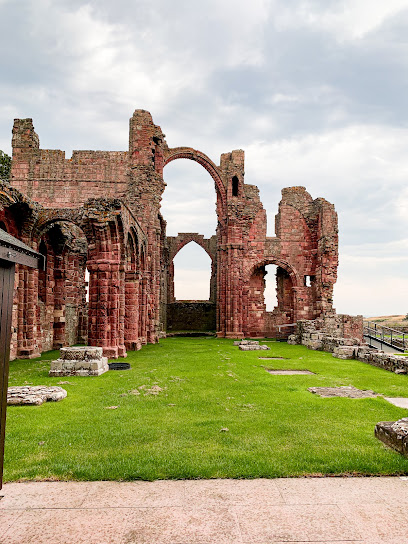
Lindisfarne Heritage Centre
37.9 km
Explore the captivating history of Holy Island at Lindisfarne Heritage Centre, where the past comes alive through engaging exhibits and local treasures.
Jesmond Dene Quarry
38.1 km
Explore the tranquil beauty of Jesmond Dene Quarry in Newcastle upon Tyne - a perfect retreat for nature lovers and photographers alike.
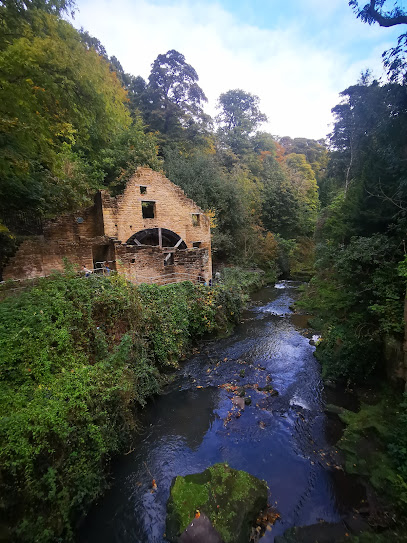
Heritage Walks Northumberland
38.2 km
Discover the enchanting beauty and rich history of Northumberland through its captivating Heritage Walks, perfect for all nature lovers and history enthusiasts.

Unmissable attractions to see

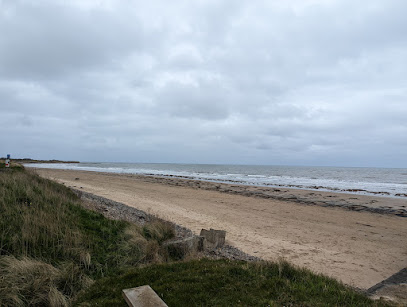
Warkworth Beach
1.7 km
Discover the tranquil sands and scenic dunes of Warkworth Beach, a peaceful Northumberland coastal escape with free parking and natural beauty.
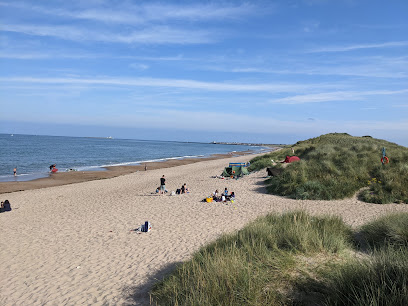
Northumberland coastal path
1.9 km
Explore 100 kilometers of stunning coastline, historic castles, and vibrant wildlife on the iconic Northumberland Coast Path.
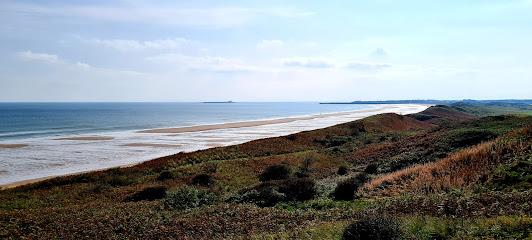
Sundial
2.7 km
Discover Amble’s iconic 7-metre Sundial—Europe’s largest gnomon—where precision meets coastal charm in a vibrant harbour town.
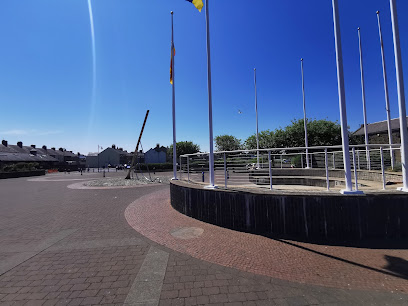
Amble Harbour Village
2.8 km
Discover Amble Harbour Village, a charming Northumberland coastal gem where fresh seafood, vibrant markets, and maritime heritage come alive.
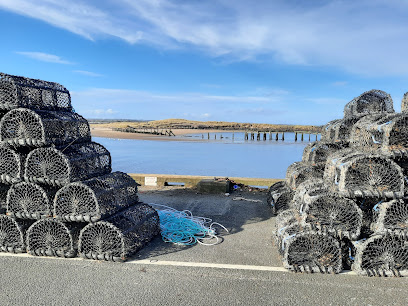
Amble Beach Huts On Little Shore
3.0 km
Charming beach huts and a peaceful sandy shore combine with fresh seafood and coastal walks on Northumberland’s scenic Amble coast.

Beaches
4.6 km
A serene sandy beach and charming coastal village in Northumberland, perfect for tranquil walks, wildlife, and rich maritime heritage.
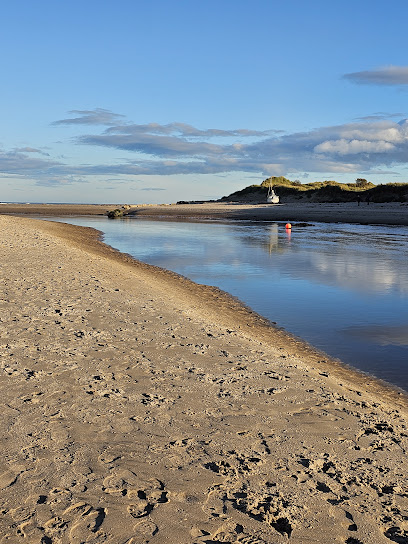
Coquet Island
5.3 km
A vital seabird sanctuary off Northumberland’s coast, home to rare Roseate Terns, puffins, and a thriving seal colony.
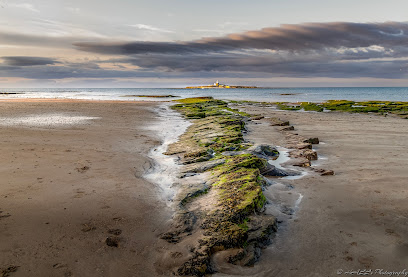
Hauxley Wildlife Discovery Centre
5.4 km
Discover Northumberland’s eco-friendly wildlife sanctuary with accessible trails, diverse birdlife, and a welcoming café in a unique straw-bale centre.
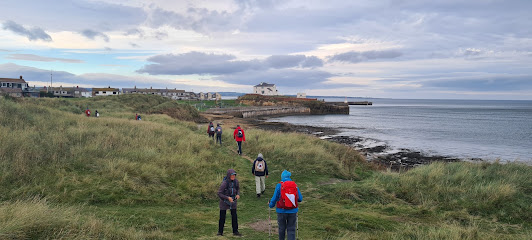
Hauxley Nature Reserve
5.5 km
Explore a vibrant coastal wildlife haven with accessible trails, eco-friendly facilities, and rich biodiversity at Hauxley Nature Reserve.
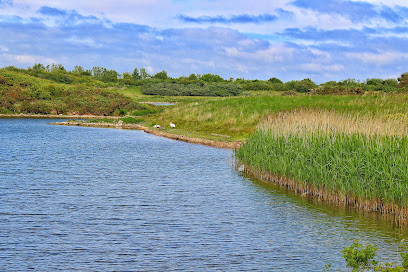
Druridge Bay Country Park
6.8 km
Explore Druridge Bay Country Park’s stunning lake, beach, and woodlands, rich in wildlife and history, perfect for family fun and outdoor adventures.
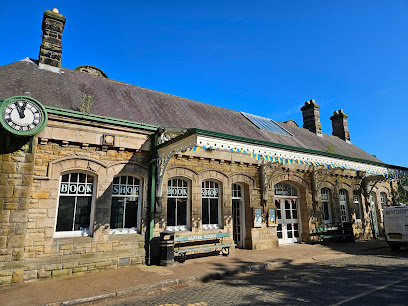
Barter Books
8.7 km
Discover a treasure trove of secondhand books and literary charm in a historic Victorian station at Barter Books, Alnwick.
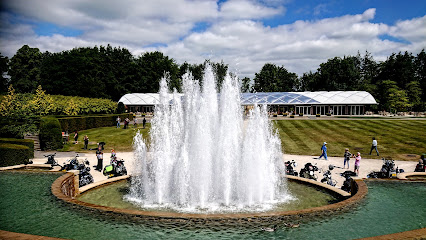
The Alnwick Garden
8.9 km
Discover a visionary garden where water dances, poisonous plants tell stories, and nature blooms in Northumberland’s contemporary oasis.
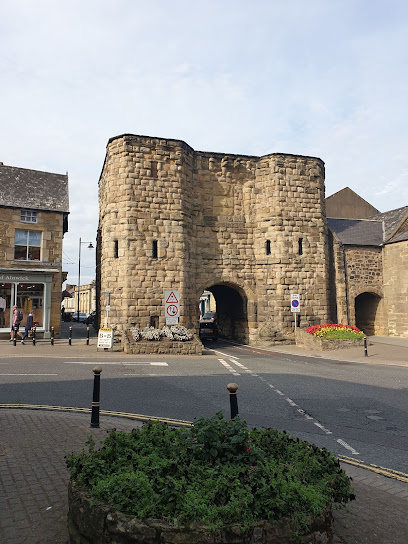
Hotspur Tower
9.1 km
Explore the captivating history of Hotspur Tower, a stunning medieval landmark in Alnwick, rich with stories and breathtaking views.
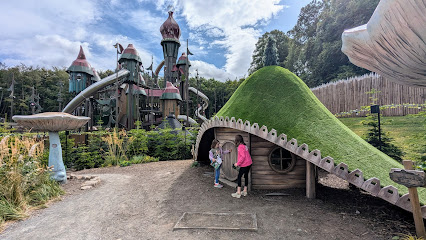
Lilidorei at The Alnwick Garden
9.1 km
Discover the magical Christmas-themed play village of Lilidorei nestled within the enchanting Alnwick Garden in Northumberland.
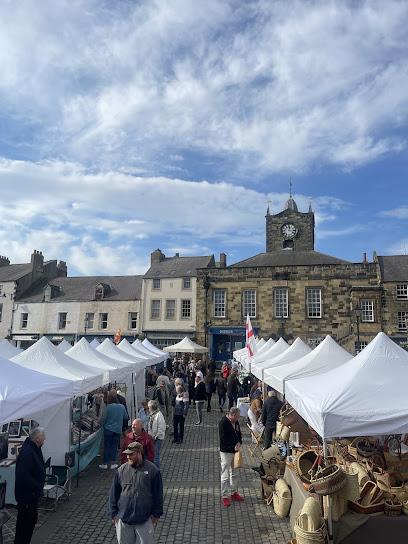
Alnwick Market
9.2 km
Experience the vibrant heart of Alnwick with its historic market offering local crafts, fresh produce, and a lively community atmosphere.
Essential places to dine

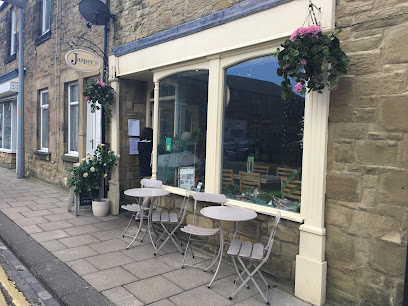
JASPERS BISTRO
2.7 km
A cozy seafood haven in Amble delivering exquisite, locally sourced dishes with personal service and refined charm.
The Old Boathouse
2.8 km
Fresh Northumberland seafood served with stunning coastal views in a charming maritime setting.
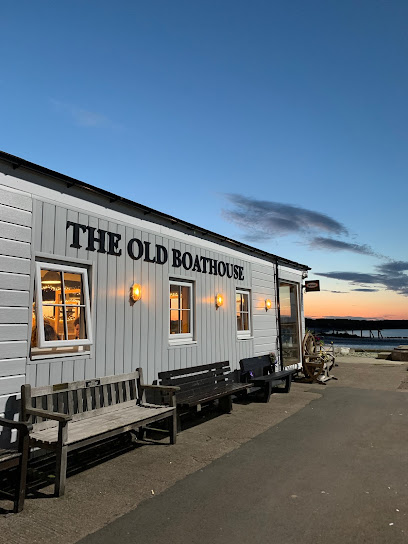
Lilly’s Landing
2.8 km
Savor fresh seafood and stunning harbor views at Lilly’s Landing, Amble’s charming coastal restaurant with a warm, welcoming atmosphere.
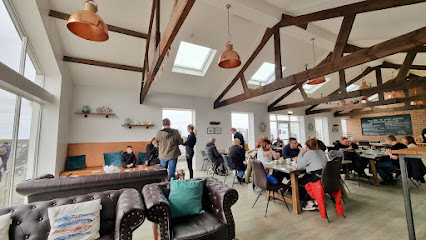
The Fish Shack
2.9 km
Rustic seafood dining on Amble’s harbour, serving fresh local catch with stunning views and cozy charm.
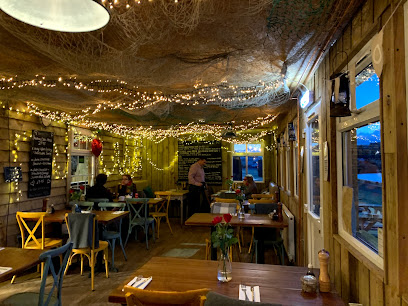
The Old Storehouse
3.8 km
Cozy British dining and lively bar atmosphere in Amble’s charming coastal setting, offering hearty meals and warm local hospitality.
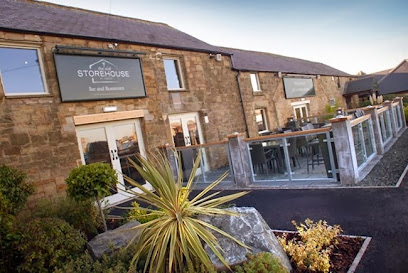
Bistro 23
4.7 km
Intimate family-run bistro in scenic Alnmouth serving fresh, local seafood and Northumberland specialties with warm hospitality.
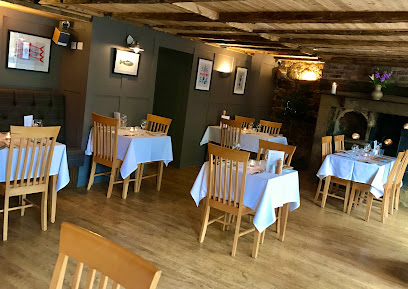
The Whittling House
4.7 km
A cosy boutique hotel and acclaimed seafood restaurant in Alnmouth, blending rustic charm with coastal elegance and warm hospitality.
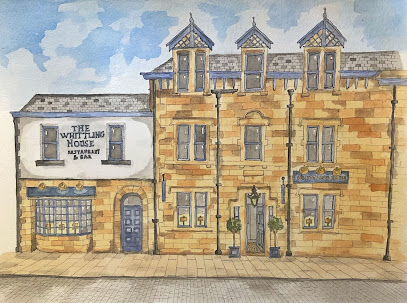
Restaurant Italia
4.8 km
Authentic Italian dining in the heart of Alnmouth’s charming seaside village, nestled within the welcoming Hope & Anchor Hotel.
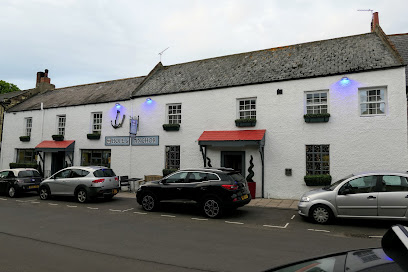
The Hope & Anchor Hotel
4.8 km
Cozy coastal retreat with modern rooms, Italian dining, and warm hospitality in the heart of Alnmouth village.
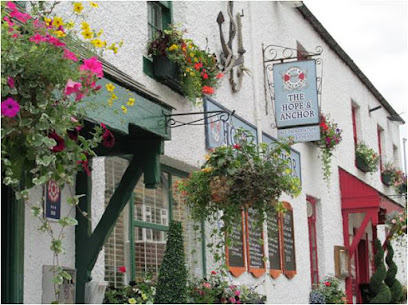
The Cook & Barker Inn
6.9 km
A warm, stylish country pub near Morpeth, serving excellent food and offering comfortable rooms in the heart of Northumberland.
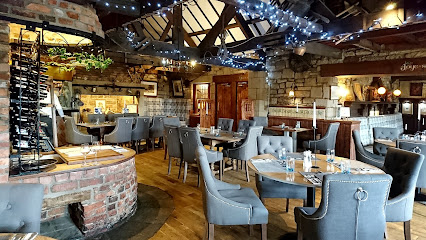
Sonnet Restaurant
9.0 km
Experience a poetic 14-course tasting menu inspired by Shakespearean sonnets, blending local Northumberland flavors with refined culinary artistry.
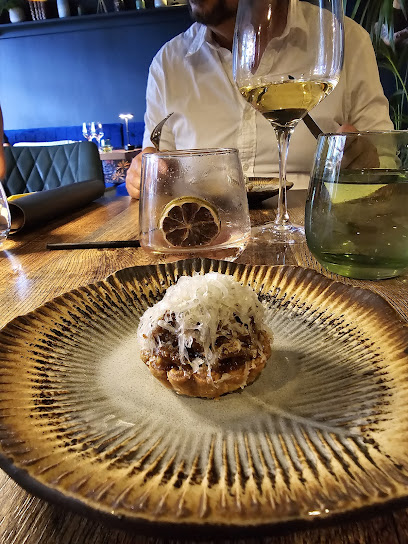
The Treehouse Restaurant
9.0 km
Dine enchanted in the treetops of The Alnwick Garden, where local British flavors meet magical woodland charm and handcrafted rustic elegance.
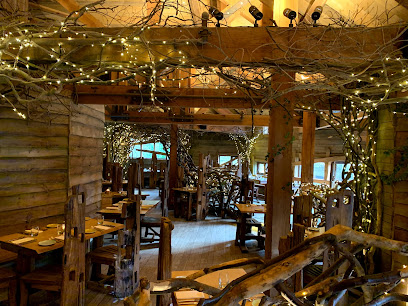
Adam and Eve
9.2 km
A stylish gastropub in Alnwick blending local seasonal produce with creative cocktails in a relaxed, welcoming setting.
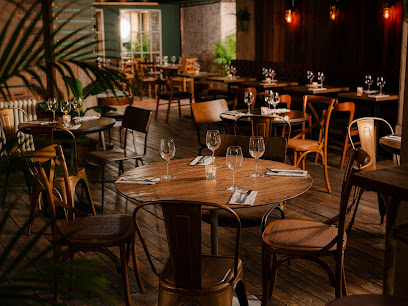
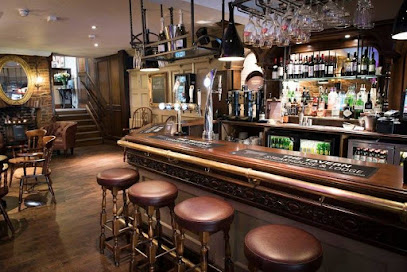
The Market Tavern, Steakhouse and Lodge
9.3 km
A beloved steakhouse and lodge in Alnwick’s heart, offering hearty local fare and warm hospitality near historic landmarks.
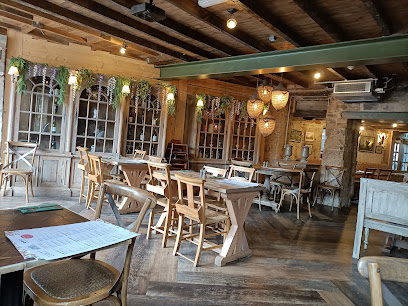
The Dirty Bottles
9.4 km
A charming historic pub, cocktail bar, and boutique hotel in Alnwick blending local character with cozy comfort and hearty fare.
Markets, malls and hidden boutiques

Gray's Northumberland Ltd
0.5 km
A charming fashion accessories shop in the historic Northumberland village of Warkworth, perfect for scarves, jewellery, bags and thoughtful gifts.
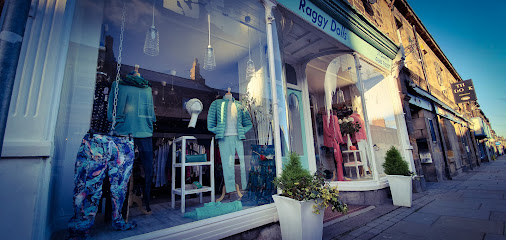
Raggy Dolls Limited
2.6 km
Discover unique ladies' fashion and personalized service at Raggy Dolls Limited, a beloved boutique in the heart of Amble.
Glamble Gifts & Accessories
2.8 km
Discover exquisite cosmetics and charming accessories in the scenic setting of Amble Harbour Village’s boutique gem.
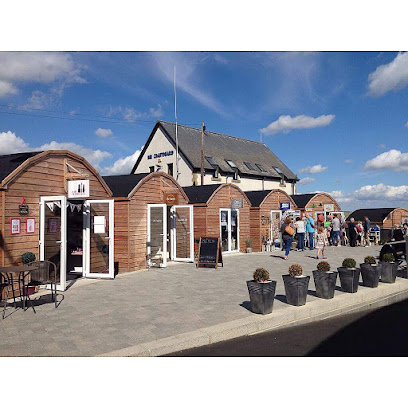
A Touch of Love
2.8 km
Discover unique gifts and heartfelt souvenirs at 'A Touch of Love' in Amble, a charming gift shop celebrating local craftsmanship.
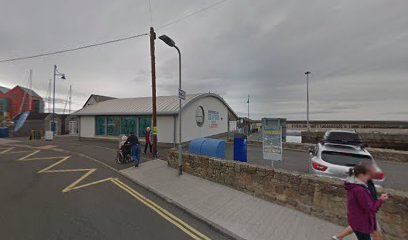
Aln Gift Shop
4.6 km
Discover unique gifts and local charm at Aln Gift Shop, a cozy boutique nestled in the scenic village of Alnmouth, Northumberland.
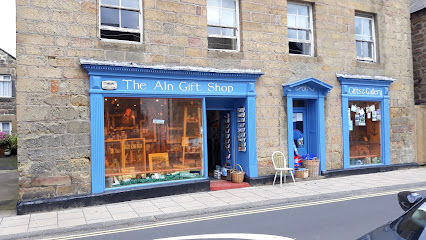
Jane & Harry
4.7 km
Discover unique gifts and local charm at Jane & Harry, Alnmouth’s welcoming treasure trove on Northumberland Street.
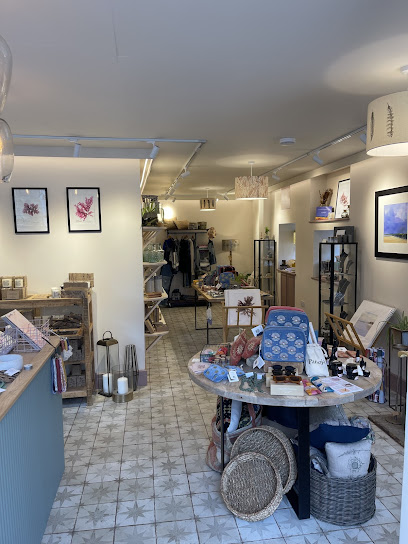
Willowburn Retail Park
7.7 km
A convenient and diverse retail hub in Alnwick offering national brands and local specialties with ample parking and easy A1 access.
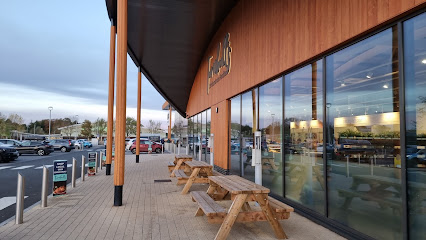
Notes of Northumberland
7.9 km
Experience the enchanting world of handcrafted candles at Notes of Northumberland in Alnwick, where every scent tells a story.

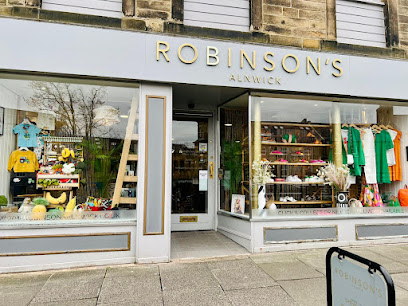
Robinson's
9.2 km
A charming department and gift shop in Alnwick’s historic center offering quality apparel, home furnishings, and friendly service.
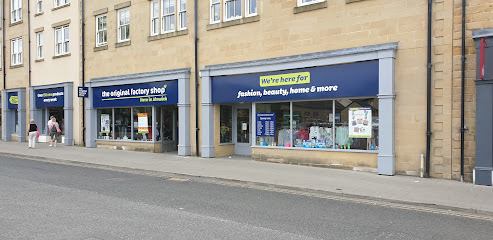
The Original Factory Shop (Alnwick)
9.3 km
Affordable brand-name fashion, footwear, and homeware bargains in the heart of Alnwick’s shopping district.
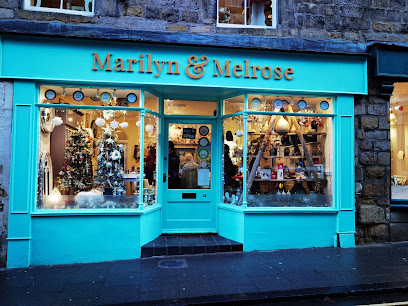
Marilyn & Melrose
9.4 km
Discover unique gifts, restored furniture, and creative workshops at Alnwick’s charming Marilyn & Melrose boutique.
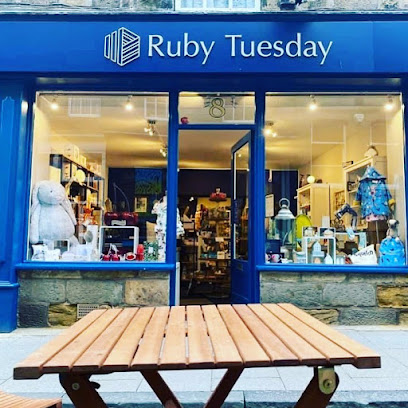
Ruby Tuesday Alnwick
9.4 km
Discover unique, high-quality gifts from small businesses at Ruby Tuesday Alnwick, a charming boutique in the heart of historic Alnwick.
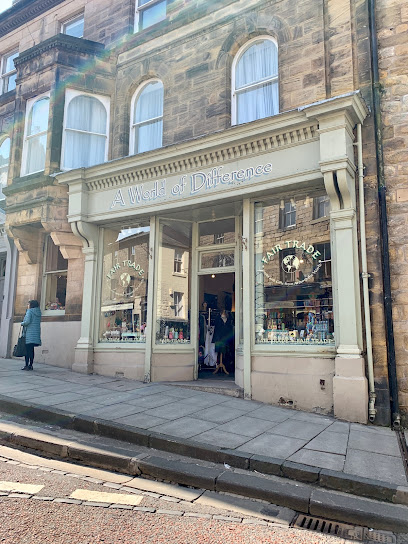
A World Of Difference
9.4 km
Discover fair trade gifts and organic health foods in Alnwick’s welcoming shop committed to sustainability and ethical shopping.
Sports Direct
18.4 km
Explore a vast range of affordable sportswear, bicycles, and outdoor gear at Sports Direct in Ashington, the ultimate destination for sports enthusiasts.
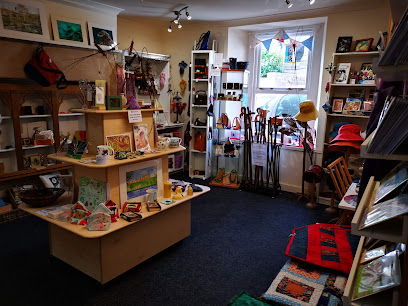
Elements Art & Craft Gallery
18.7 km
Discover unique handcrafted treasures and local artistry at Elements Art & Craft Gallery in the heart of Rothbury, Northumberland.
Essential bars & hidden hideouts

The Lounge Bar
2.8 km
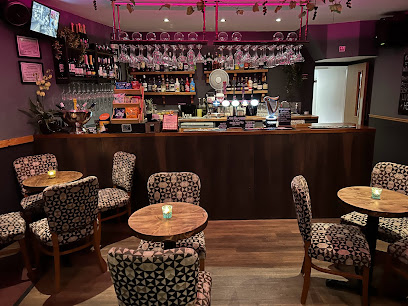
A quirky and lively cocktail and wine bar in Amble, offering great drinks, live music, and a welcoming atmosphere.
The Red Lion Inn
4.7 km
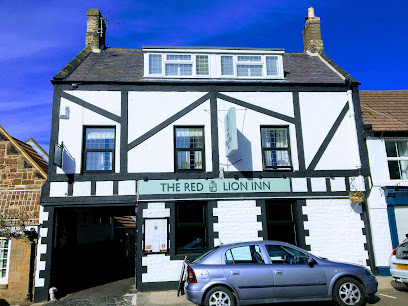
Charming coastal pub and cozy B&B in Alnmouth, famed for wood-fired pizzas, local ales, and warm hospitality just steps from the beach.
The Sun Inn
4.8 km
A cozy 3-star inn and lively pub in Alnmouth offering local charm, hearty food, and a welcoming atmosphere by the Northumberland coast.
The Foxes Den
7.9 km
A cozy, dog-friendly micro pub in Felton’s riverside basement, famed for real ales and friendly local charm.
The Northumberland Arms
8.0 km
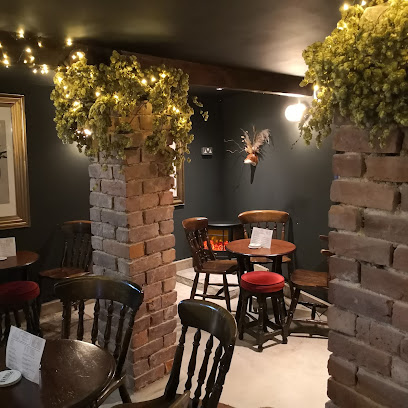
Charming country pub and boutique hotel in Felton offering fresh local cuisine, luxury rooms, and a warm, welcoming atmosphere.
Coast & Country
8.4 km
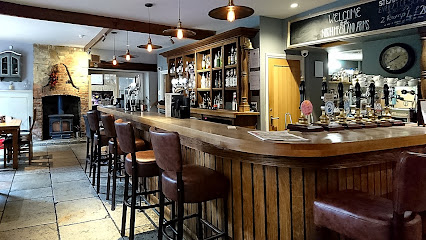
A tranquil bar and shop nestled in Northumberland’s Percy Wood Golf and Country Club, perfect for relaxing with a drink after outdoor adventures.
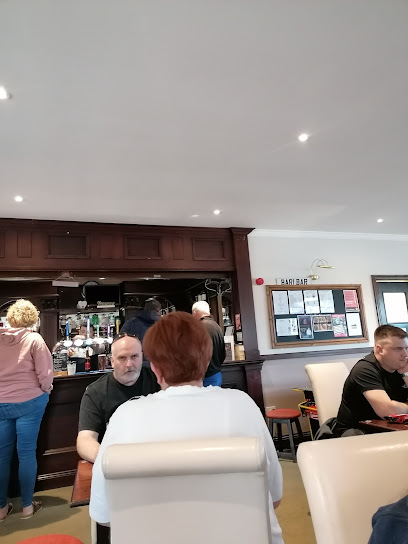
Tanners Arms Alnwick
9.0 km
A cozy, historic pub in Alnwick offering well-kept local ales, friendly vibes, and a true taste of Northumberland hospitality.
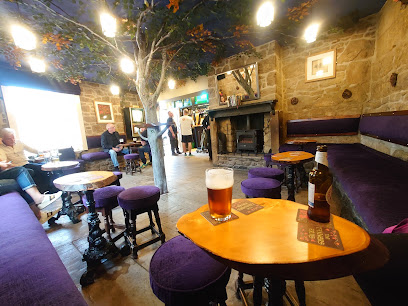
The Queens Head
9.2 km
A welcoming historic pub and hotel in Alnwick, blending traditional charm with modern comfort near Alnwick Castle.
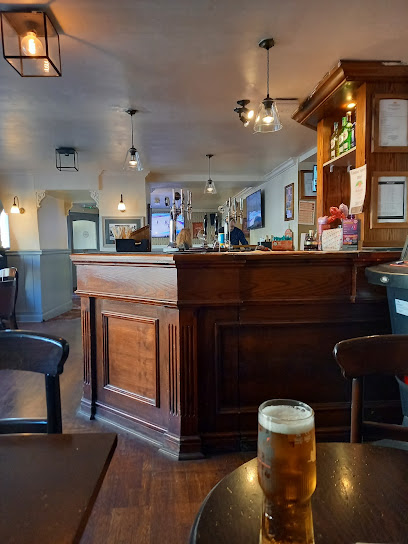
Harry's Bar
9.4 km
A cozy micropub in Alnwick’s historic Narrowgate, offering craft ales, whiskies, and a friendly, quirky atmosphere with a nod to local history.
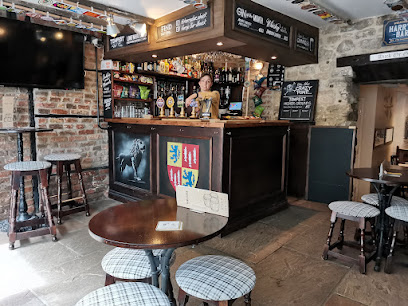
Black Swan Alnwick
9.4 km
Historic charm meets cozy comfort at The Black Swan Alnwick, a welcoming pub and bed & breakfast in the heart of town.
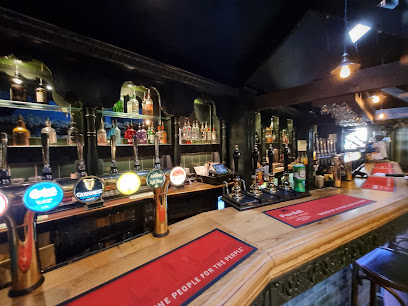
Crazy Horse Saloon n Grill
10.4 km
A lively Wild West-themed bar and grill in Morpeth offering casual dining, sports entertainment, and a pet-friendly atmosphere within Felmoor Holiday Park.
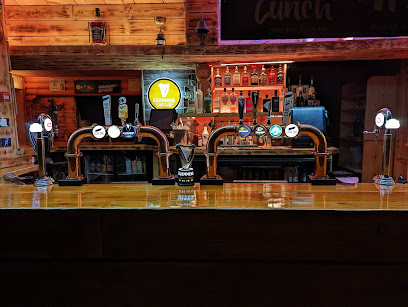
The Granby Inn
12.0 km
A welcoming historic village inn in Northumberland offering cozy rooms, hearty food, and classic pub charm in a tranquil countryside setting.
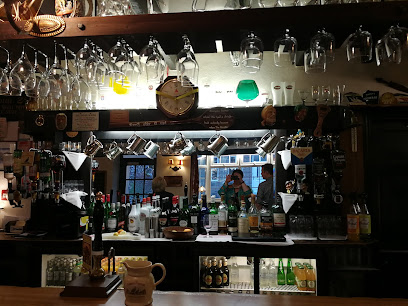
Anglers Arms
12.7 km
A charming four-star country inn in Northumberland offering cozy rooms, hearty cuisine, and warm hospitality in a tranquil rural setting.
White House Unique Social Club
18.3 km
A vibrant social club in Ashington with live music, DJ nights, and a welcoming atmosphere on a permanent wooden dancefloor.
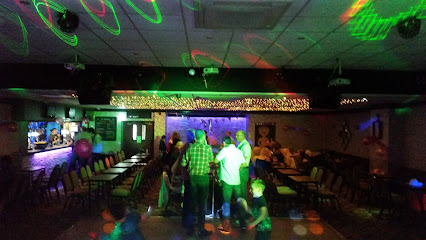
R. A. O. B Club
18.4 km
A vibrant social club in Ashington offering great drinks, lively karaoke, and a welcoming community atmosphere.

Nightclubs & after hour spots

The Brick Club, Red Row Working Mens Club
6.9 km
A welcoming traditional working men's club in Morpeth offering authentic local atmosphere, classic ales, and a strong community spirit.
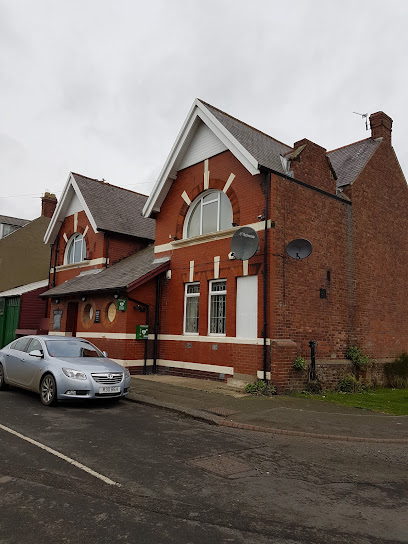
Dance Delicious
18.4 km
Experience vibrant nightlife and modern vibes at Dance Delicious, Ashington’s premier spot for dancing and social fun.
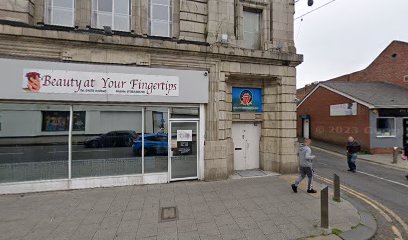
Knightrider Discos
22.1 km
Experience Morpeth’s vibrant nightlife at Knightrider Discos, where dynamic beats and lively crowds create unforgettable nights.
Cosmic Ballroom
41.5 km
Newcastle's longest-running underground club: two floors of electronic beats, guest DJs, and non-stop dancing till dawn in an intimate Stowell Street hideaway.

World HQ
41.5 km
A multi‑level warehouse club and arts hub in Curtis Mayfield House with a heavy sound, creative studios above and a grassroots nightlife spirit.

Sinners
41.6 km
Dive into sinfully themed nights at this affordable Newcastle nightclub, where red lights, bold art, and cheap drinks fuel the city's unbeatable party spirit.

Popworld - Newcastle
41.7 km
A neon-soaked pop party on Newcastle’s Bigg Market—cheap drinks, nostalgic anthems and a packed dancefloor for late-night revelry.
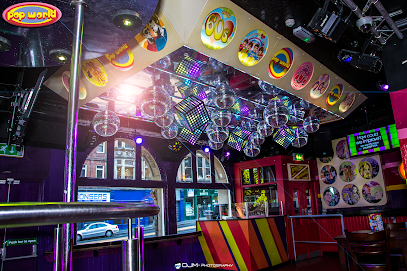
Greys Club
41.7 km
Experience Newcastle’s iconic nightlife at Greys Club, where vibrant music, a stylish terrace, and lively crowds create unforgettable late-night memories.

SOHO ROOMS | Newcastle
41.8 km
Four floors of late‑night music and cocktails in the heart of Newcastle’s city‑centre party district, favoured by students and night owls.

Flares - Newcastle
41.8 km
Newcastle's ultimate retro disco den: neon grooves, cheesy anthems, and non-stop dancing from 70s to 00s in the heart of the nightlife scene.
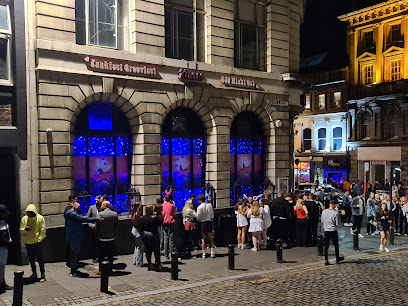
Loca Loca | Newcastle
41.8 km
A compact, neon-lit nightclub on Groat Market serving late-night dance, chart and urban sets in an intimate city-centre setting.

TROPICANA NEWCASTLE
41.8 km
Experience Newcastle’s vibrant nightlife at Tropicana, a lively nightclub blending cocktail sophistication with energetic club beats in the city’s heart.

Bohemia Newcastle
41.8 km
Neon-lit cocktail bar and compact club with graffiti murals, a mezzanine dance space and a sheltered courtyard terrace for late-night socialising.
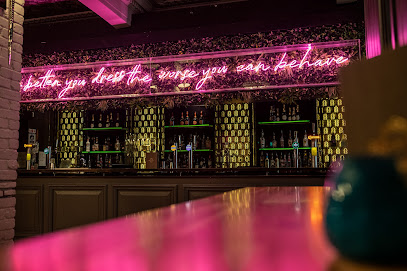
The Social Club
41.9 km
Experience Newcastle’s vibrant nightlife at The Social Club, where music, cocktails, and dancing come alive until the early hours.
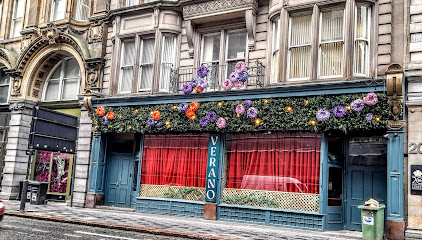
Tup Tup Palace
41.9 km
Experience Newcastle’s vibrant nightlife in style at Tup Tup Palace, a luxurious club blending exotic décor with pulsating beats until the early hours.
For the vibe & atmosphere seeker
- Tranquil
- Romantic
- Unique
- Spiritual / Energy Spot
- Scenic
For the design and aesthetic lover
- Rustic Designs
- Vintage Styles
For the architecture buff
- Historic
- Sacred Sites
- Landmarks
For the view chaser and sunset hunter
- Waterfront
- Iconic Views
- Panoramas
For the social media creator & influencer
- Instagrammable
- Photo Spots
- Aesthetic Corners
- Architectural Shots
For the eco-conscious traveler
- Protected Area
- Low Impact
- Leave-No-Trace Critical
- Locally Managed
For the kind of experience you’re after
- Spiritual / Energy Spot
- Myth & Legends
- Cultural Heritage
- Photowalk
- Day Trip
For how adventurous you want the journey to be
- Requires Hike
- Seasonal Only
Location Audience
- Family Friendly
- Solo Friendly
- Couple Friendly
- Senior Friendly


